Sailing on the Tagus river

You can climb the seven hills, visit the ancient neighborhoods, stroll on Rossio and Chiado, marvel at the monuments in Belem, but you’ll not fully appreciate Lisbon until you’ve seen it from the Tagus river.

The easiest way to travel on the river is to board one of the Cacilheiros that shuttle passengers between the river margins. But nothing compares to the thrill of crossing the Tagus waters on a sailboat. Traveling in luxurious silence, guided by the trade winds, the currents wash away our cares and we feel like we had a month of vacation rolled into a few hours.

We follow the path of so many sailors who left Lisbon not knowing if they’d make it back. When these explorers survived the perilous seas and reached the blue calm of the Tagus river, they saw Lisbon as an echo of paradise, glowing in warm light, dressed in bright white and festive orange, welcoming their return.

To see the schedule of the cacilheiros click here. The best way to sail on the Tagus is to have a generous friend who has a sailboat and invites you to come along. If this method does not work for you, a second possibility is to email António Matos at topematos@hotmail.com. He is a sailing pro who can set you up with a boat and a crew. And he’s very nice, so you might become friends.
A legendary beach

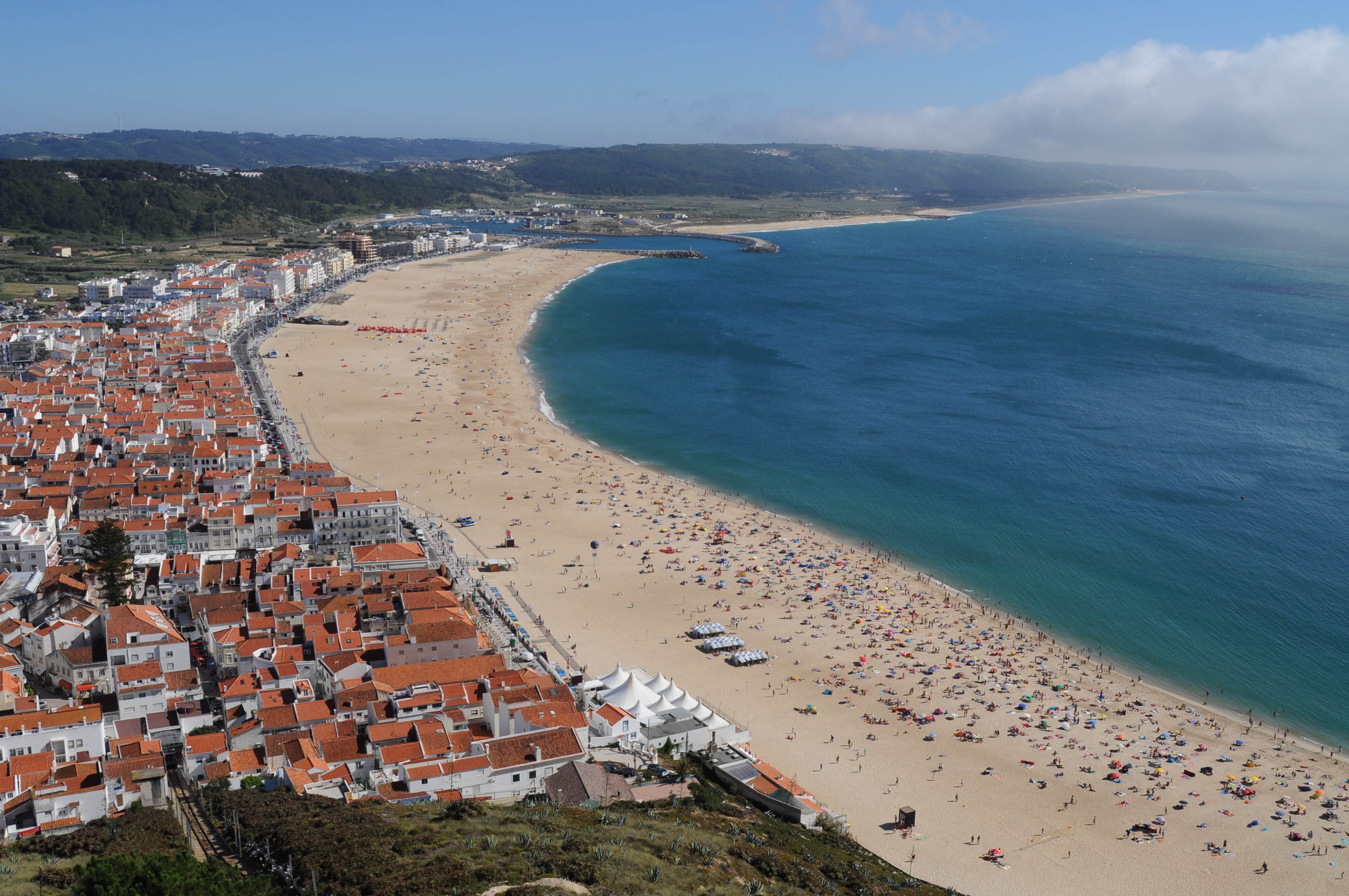
Nazaré is a picturesque fishermen village where women once wore seven layers of brightly-colored petticoats. Its claim to fame comes from two legends, separated by more than eight centuries.

The first legend dates back to 1182. D. Fuas Roupinho, a nobleman, was chasing a dear on a foggy day. He was so engrossed in the hunt that, when the deer suddenly jumped off a cliff, he followed in pursuit. He prayed for his life and his prayer was answered for his horse stopped right at the edge of the cliff.

The second legend is very recent. Nazare’s north beach has one of the largest sea canyons in the world. This canyon produces enormous waves. It was here that, in 2011, the Hawaian Garrett McNamara set a record for the largest wave ever surfed.

McNamara says he will keep coming back to Nazaré. So will many other thrill seekers and beach lovers.

Heavenly pillows

No trip to Portugal is complete without visiting Sintra and no visit to Sintra is complete without eating a travesseiro at Piriquita. Travesseiro means large pillow, and that is what these pastries look like. But, instead of cloth and feathers, these pillows have layers of puff pastry filled with an egg and almond cream.

Despite many attempts, no one has been able to copy these travesseiros since Piriquita first opened its doors to the public in 1952. Some say that fairies sprinkle them with star dust. Others claim to hear sirens singing while they prepare the pastry. All we know is that for us, mere mortals, these heavenly travesseiros are one more reason to go to Sintra.

Piriquita-Antiga Fábrica de Queijadas, Rua Padarias 1/7, Sintra, tel. 219 230 626. Lines can be long in the Summer but, if you go up the street, you’ll find a second Piriquita café with much shorter lines (please don’t tell anyone!).

An enchanted bookstore

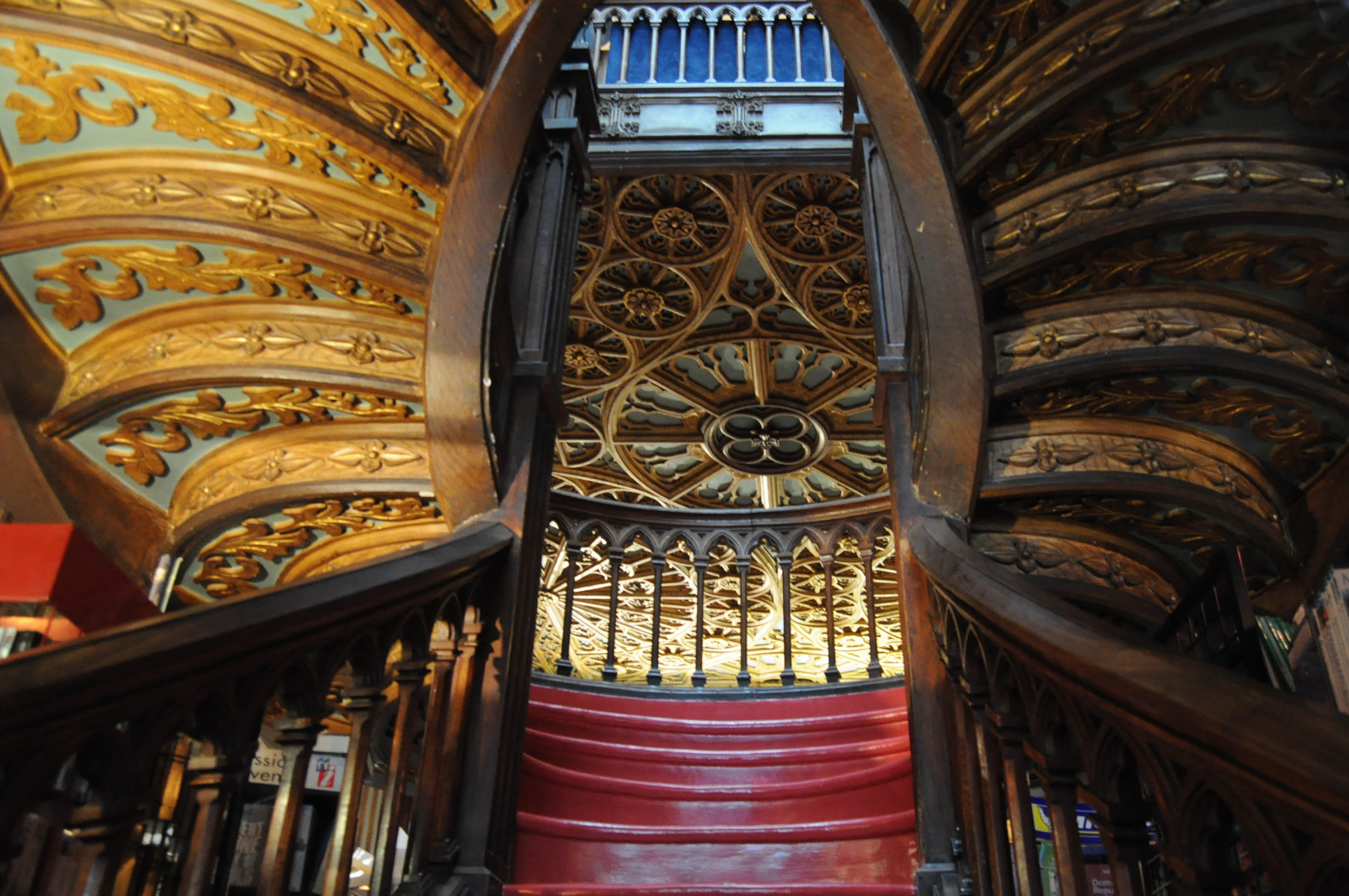
Lello, a bookstore in Oporto founded in 1906, is famous for its exuberant neogothic architecture. In the early 1990s an English teacher called Joanne Rowling spent many hours here, in the small coffee shop on the second floor, working on a book about wizards. The book’s hero, a boy called Harry Potter, goes to Hogwarths, a school of witchcraft and wizardry whose revolving staircase and gothic motifs are likely to have been inspired by Lello’s interior.

If you visit Oporto, don’t miss the chance to visit Lello. And, if you do, please buy a book. In a world where bookstores are becoming extinct, we need to preserve places where we can still find magic.

Lello bookstore, Rua das Carmelitas 144, Porto.

Dreaming of Sintra

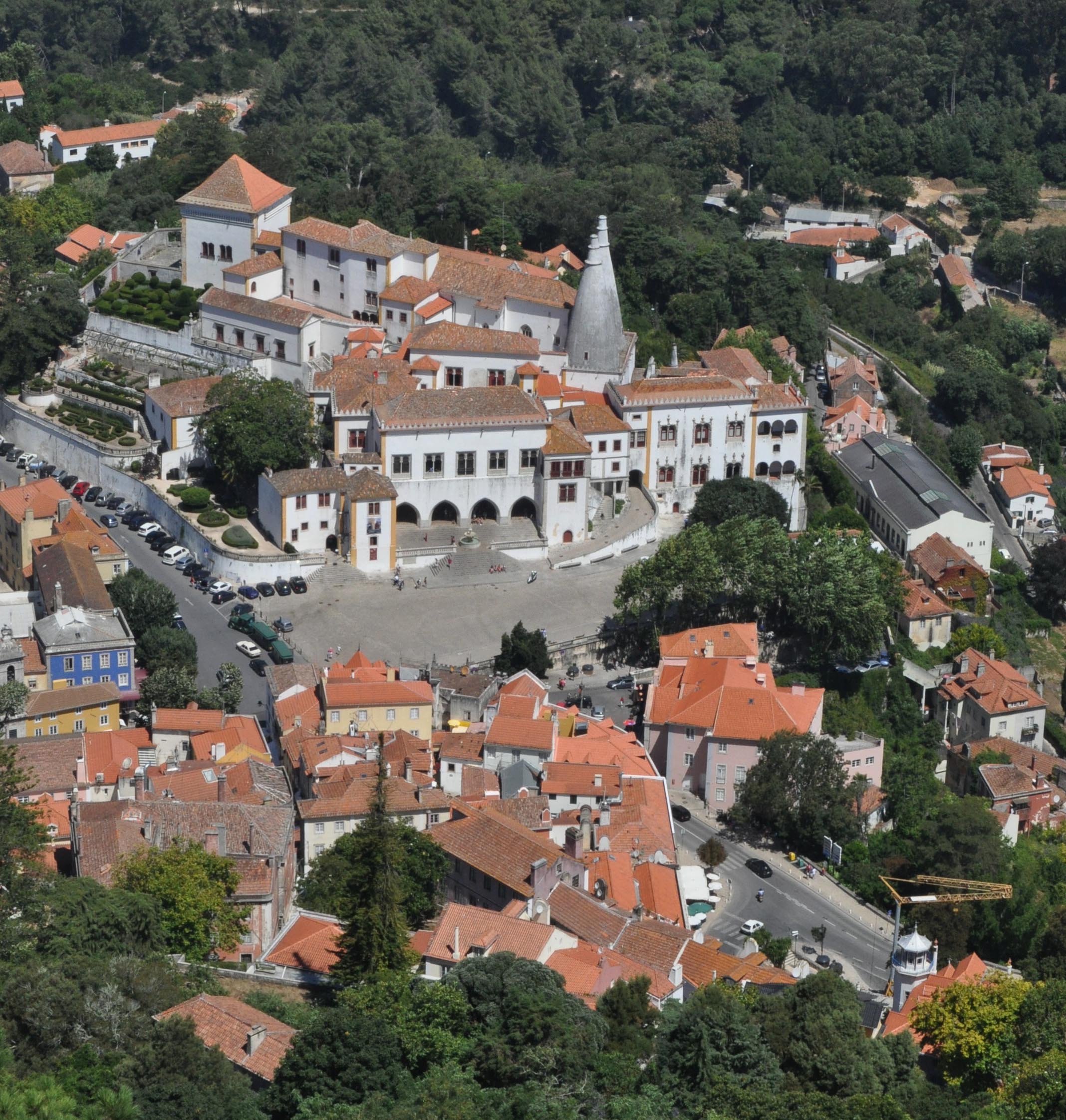
Sintra is a village near Lisbon where Portuguese monarchs used to seek respite from the Summer heat. It is a place like no other, with its lush vegetation and fairy-tale palaces. The National Palace (shown above) is the oldest and most historically significant. It was remodeled so many times that it looks like a visual dictionary of Gothic, Manueline and Moorish styles. The Pena Palace is the newest and most romantic. Built in the 19th century, it sits on top of a hill where, in ancient times, the Romans worshiped the moon.

On the way to Pena you can visit a 9th century Moorish castle with wonderful views to the surrounding region. From here you can get a glimpse of other palaces, Monserrate, Seteais (an 18th century palace converted into a luxury hotel), and Quinta da Regaleira. They are all worth visiting.

Staying in Sintra is a privilege. In the morning, you can see Pena while the fog hides the modern world and brings back the 19th century. And at night, you can walk to Seteais to see the moon paint the hill with silver light, waiting to be worshiped.

Lisbon’s most famous café

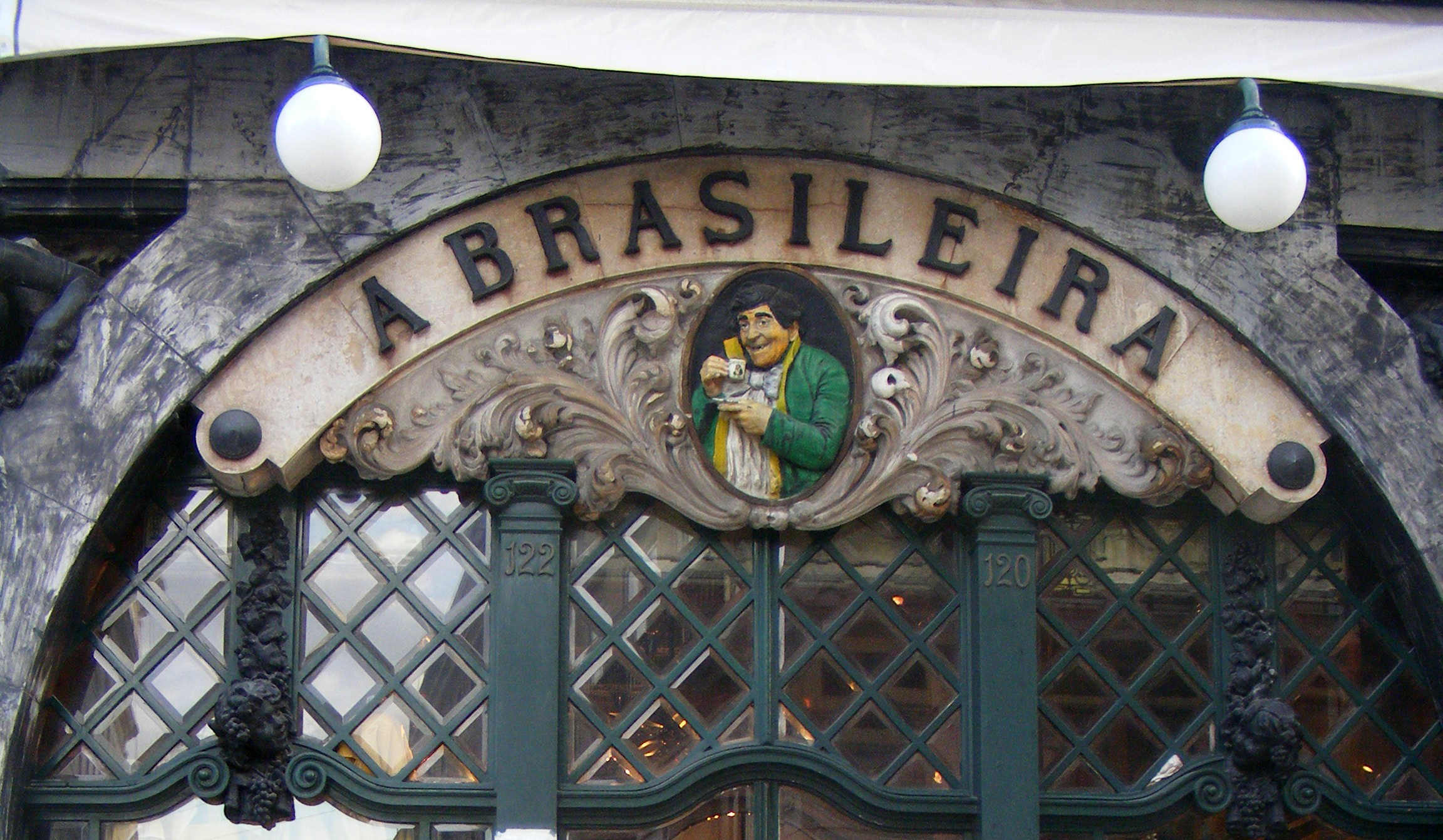
If you are near Chiado, don’t miss the chance to have an espresso in Lisbon’s most famous café, A Brasileira. The poet Fernando Pessoa spent here many golden hours, writing words that became immortal. If you want to pay homage to his genius, do not take a photo with the awkward Pessoa statue resting in the esplanade. Sit instead at a table and write a poem.

The blank page can be intimidating, so it might help you to know that Pessoa’s first poem was a modest effort. When he was seven, his widowed mother decided to remarry and start a new life in South Africa. Pessoa, worried that she might leave him behind in Lisbon, gave her this poem :

Here I am in Portugal
In the land where I was born
As much as I adore it
I love you even more

These simple words were Pessoa’s ticket to South Africa. So, summon the muses and write their whispers on your blank page. Who knows where those words might take you!

Island cheese

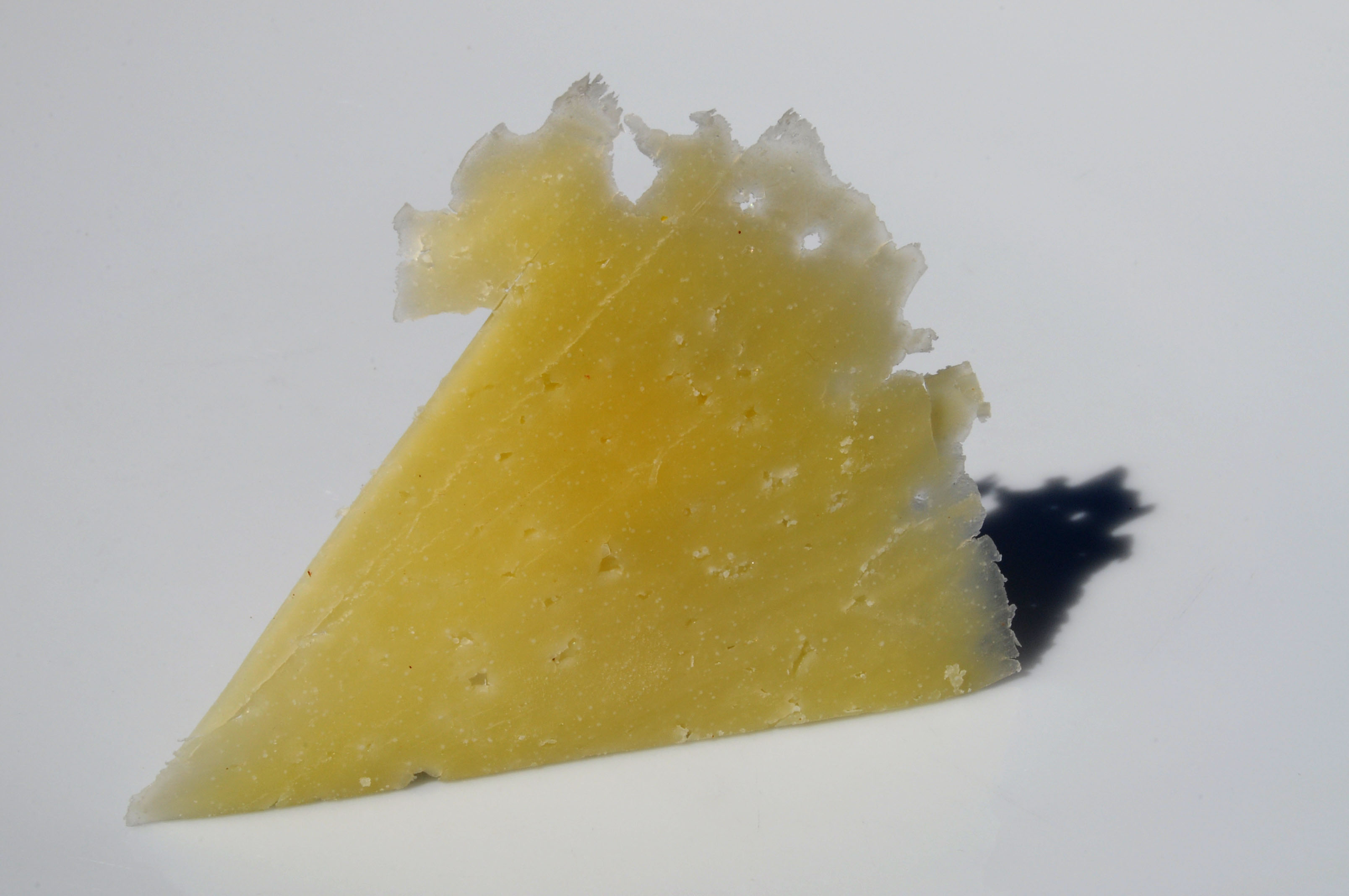
Queijo da ilha is a wonderful cheese that has been produced in the Azores archipelago since the 16th century. The most famous variety comes from the island of St. Jorge. It is hard and has a sharp, spicy taste.

What makes queijo da ilha so unique is that it is produced with the milk of cows that roam freely on the pastures of Azores. Farmers spend their days following their cows in order to milk them. It is not unknown for cows to wander into a bookstore or a museum, perhaps looking for the famous Andy Warhol cow paintings. It is a privilege to taste cheese that comes from animals who are such free spirits.

Pizza in Lisbon

It happens to the best of us. You are in Lisbon, enjoying the fresh fish and the wonderful seafood when, suddenly, you have a craving for pizza! There’s no need to rush to the airport and fly to Naples. You can satisfy your longing for Italian food in Lisbon.

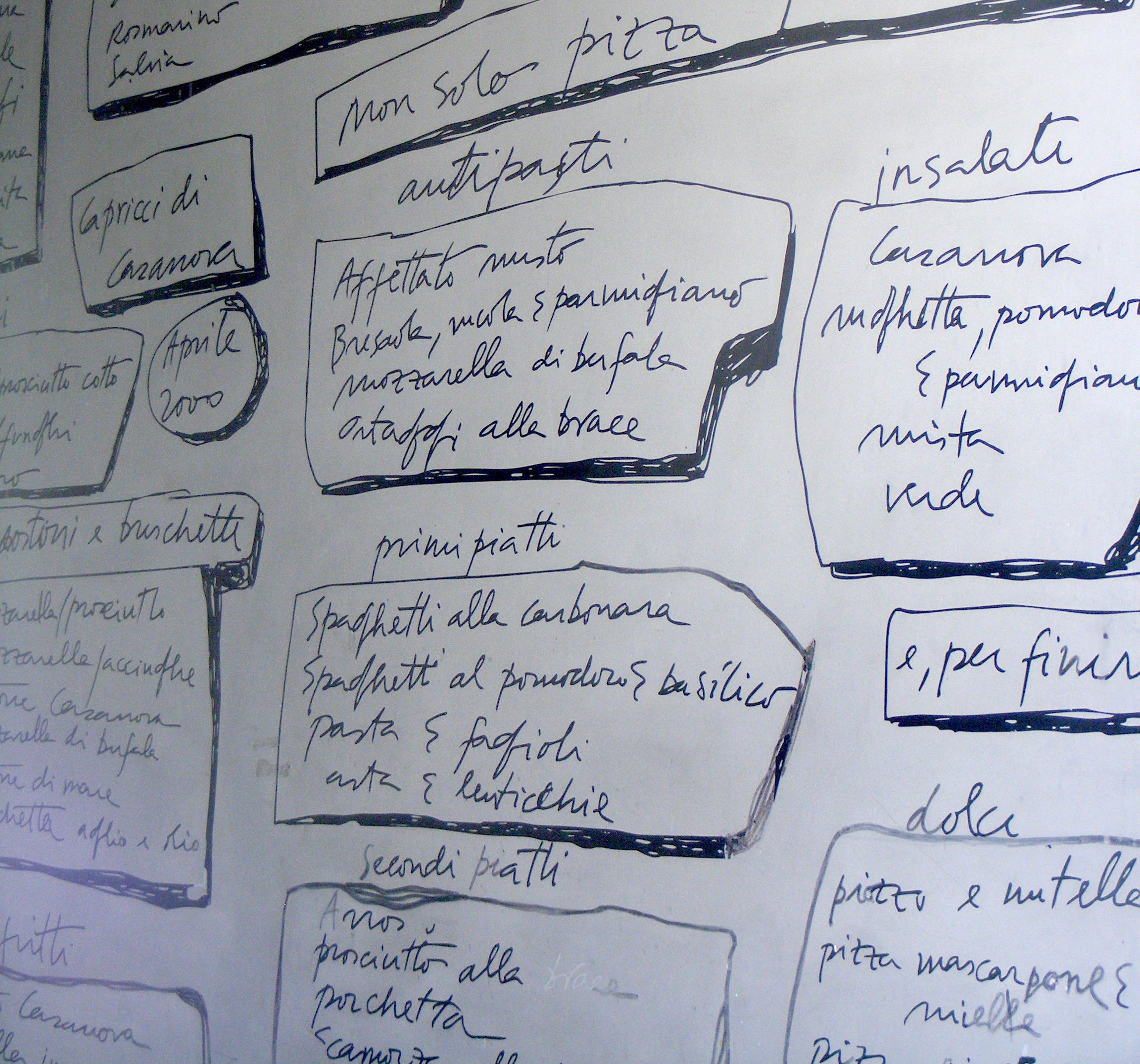
In the 1970s, Maria Paola Porru moved from Italy to Portugal to study cinema. Years later, she opened Casanostra, a restaurant in Bairro Alto, planning to go back to the movie industry once she made some money. But the restaurant was so successful that she continued to run it while working as a sound engineer in several motion pictures.

A few years ago, Porru opened the Pizzeria Casanova in a beautiful location by the Tagus river. The Pizzeria does not accept reservations and there is often a long line. It is here that young people go to see and be seen because, while they wait for some of the best pizza on this side of the Tiber, they feel they’re in a movie.

Restaurante Casanostra, Travessa do Poço da Cidade, nº 60, Bairro Alto, Lisboa, tel. 21 342 59 31, email Italma@sapo.pt. Restaurante Casanova, Avenida Infante Dom Henrique Cais da Pedra à Bica do Sapato, Loja 7, Lisboa, tel. 218877532. 

100 maneiras

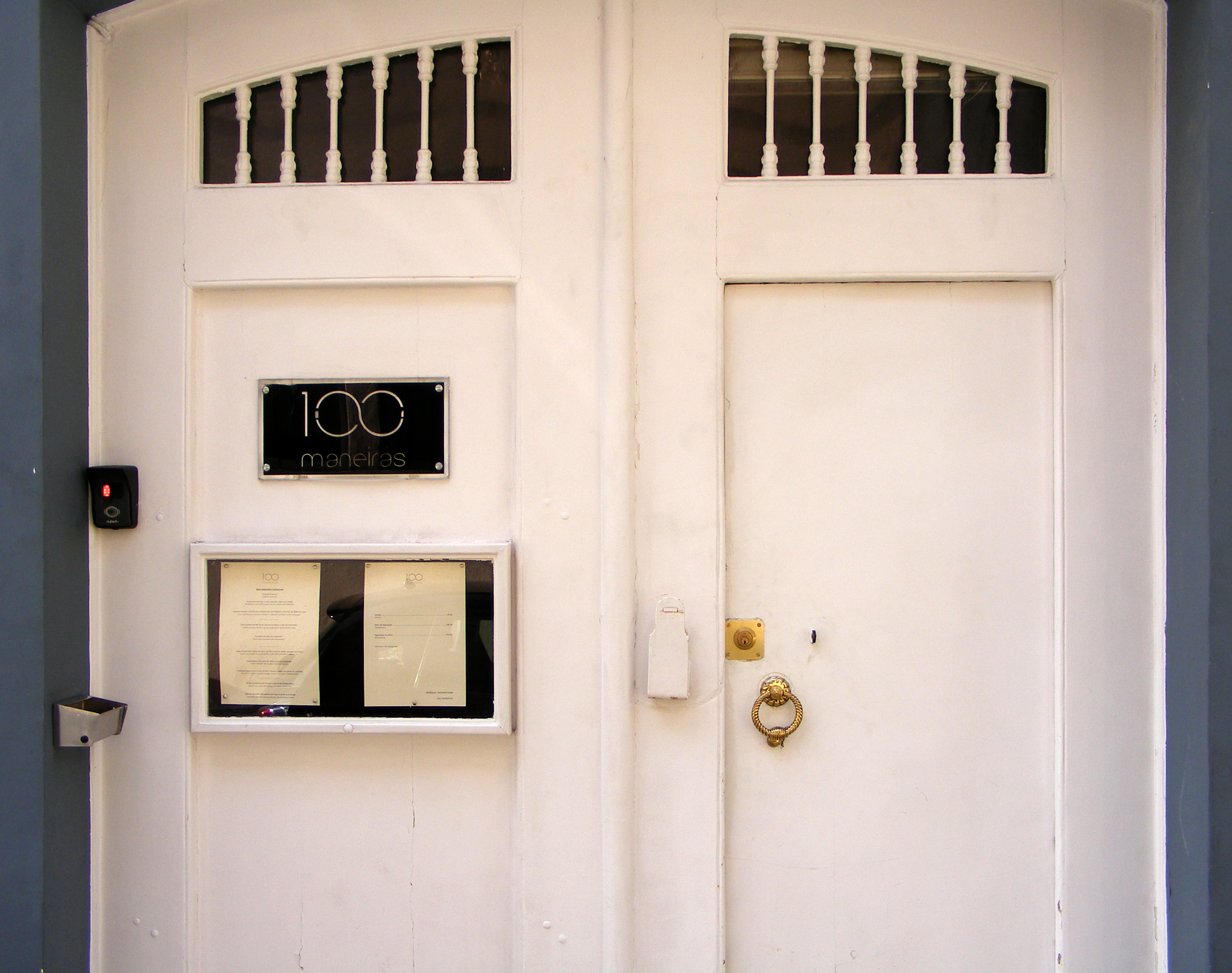
The name is a play on words. “Cem maneiras” means one-hundred ways. But trade the “c” for an “s,” and you get “sem maneiras,” which means without etiquette. Both expressions hint at what makes this tiny restaurant in Lisbon’s Bairro Alto so special.

Yugoslavian chef Ljubomir Stanisic is a magician who combines traditional Portuguese ingredients in inventive ways. But his restaurant is not one of those culinary temples where diners must eat in reverent silence, heads bowed in a show of appreciation for the chef’s genius. The atmosphere at 100 Maneiras is unpretentious, and the only important etiquette rule is that guests have some great gourmet fun.

Restaurante 100 Maneiras, Rua do Teixeira, 35, Bairro Alto, tel. 910 307 575, email: info@restaurante100maneiras.com. Click here for 100 Maneiras’ web site.

Tram number 28

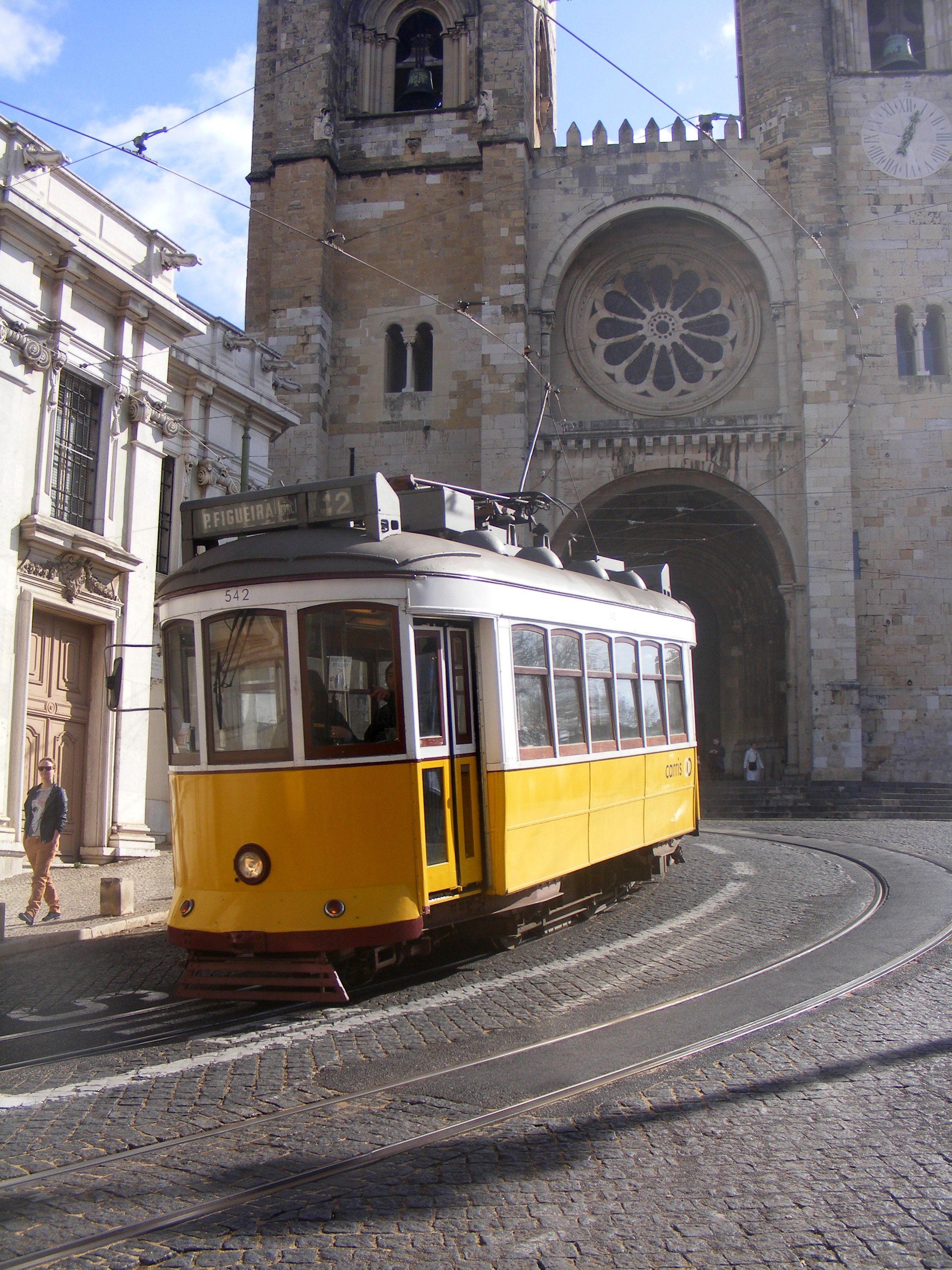
One of Lisbon’s hallmarks are the “eléctricos,” the yellow trams that have helped residents negotiate the city’s narrow streets and steep hills since 1901. A very popular way to see Lisbon is to board tram number 28.

You can make Campo de Ourique your first stop and have a wonderful lunch at Tasca da Esquina. Save some room for dessert because, around the corner, you can eat a slice of life-changing chocolate cake. Don’t drink coffee yet; the tram takes you to Chiado where you can have an espresso at Brasileira, one of poet Fernando Pessoa’s favorite cafés.

Next, the 28 goes downtown. You can stroll in Rossio and sit in the esplanade of Café Nicola, enjoying the views and drinking another cup of coffee. Then, walk to Terreiro do Paço through Rua do Ouro (goldsmith street) or Rua da Prata (silversmith street). In Terreiro do Paço you can contemplate the Tagus river and have yet another coffee at Martinho da Arcada, another Fernando Pessoa favorite.

Now that you are fully caffeinated, board the 28 to go uphill to Alfama, the only neighborhood that survived the 1755 earthquake. You can walk to St. Jorge’s castle and enjoy the sunset views. Then, back to Chiado, where you can have a great dinner at Cantinho do Avilez, followed by some ice cream at Santini. As the day ends,  you’ll realize that the tram 28 is much more fun than the Orient Express.