
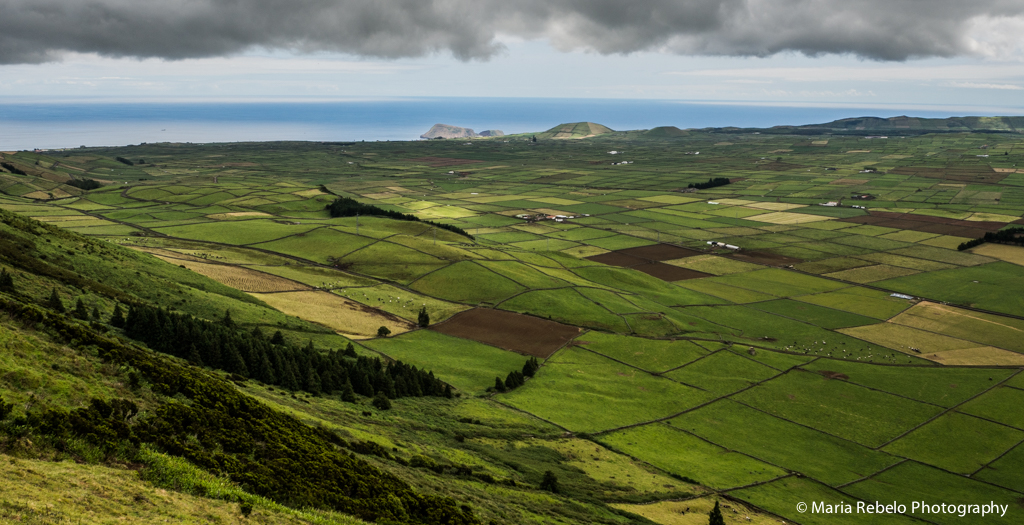
 This year we visited Terceira, an island in Azores. After Madeira and the Canary islands, Azores was the third group of islands discovered by Portuguese navigators. Initially, the Portuguese called the whole archipelago Terceiras (the Portuguese word for thirds), but later they renamed it Azores and reserved the name Terceira for the largest island.
Terceira is a perfect destination for a relaxing vacation. There are many beaches to enjoy and hiking trails to explore. Restaurants serve great food for modest prices. And the traditional architecture makes us feel as if we are in a time gone by, when life was simpler and time was not a luxury.
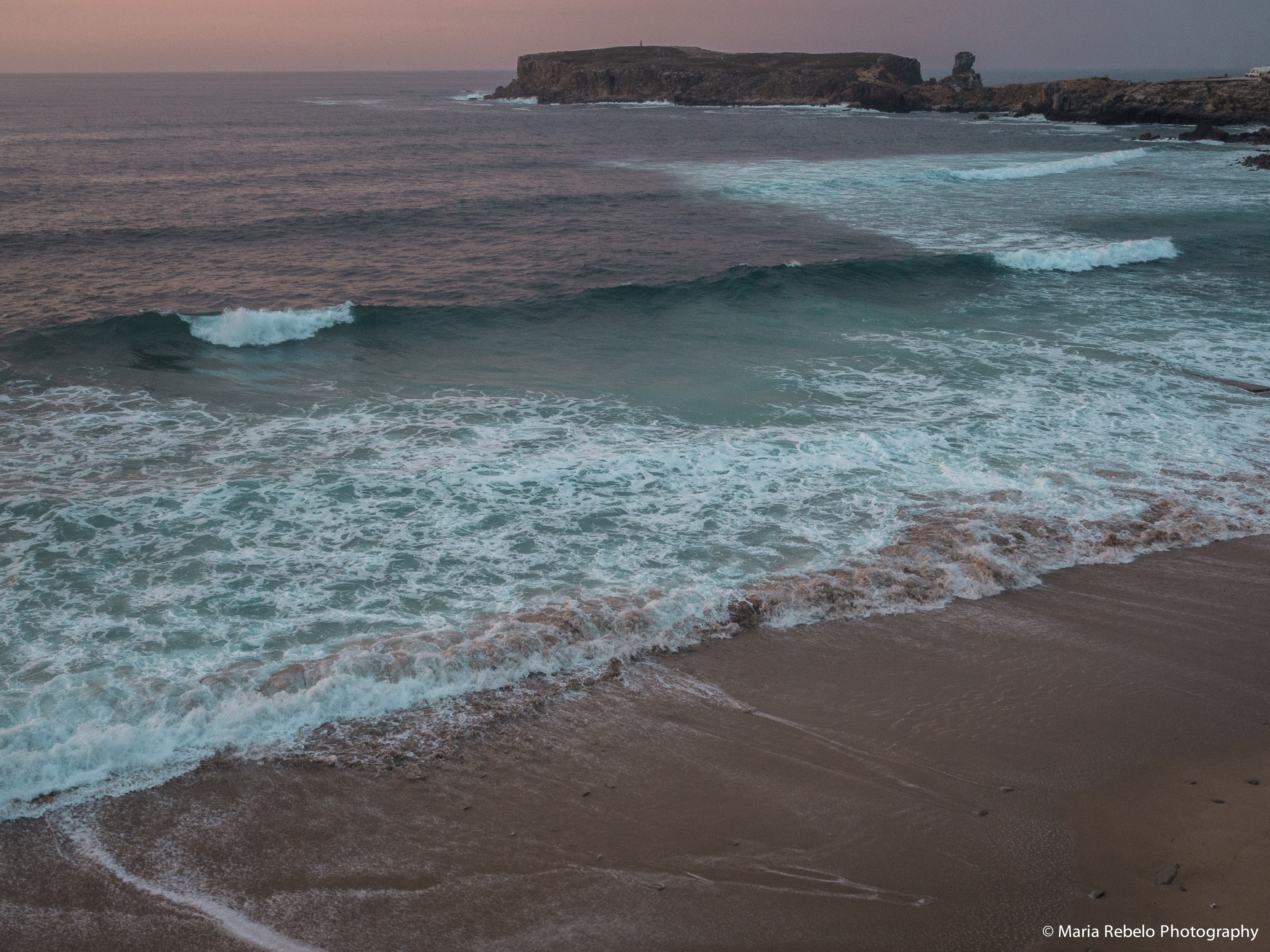
Vitorino Nemésio, a great poet from Terceira, wrote that here you are “at the very bosom and infinitude of the sea, like the medusas and the fish.”
The green valleys of Terceira compete with the beauty of the sea. For Nemésio, this competition is futile because “The islands are ephemeral and dispensable. Only the sea is eternal and essential.”




 Salt of Portugal