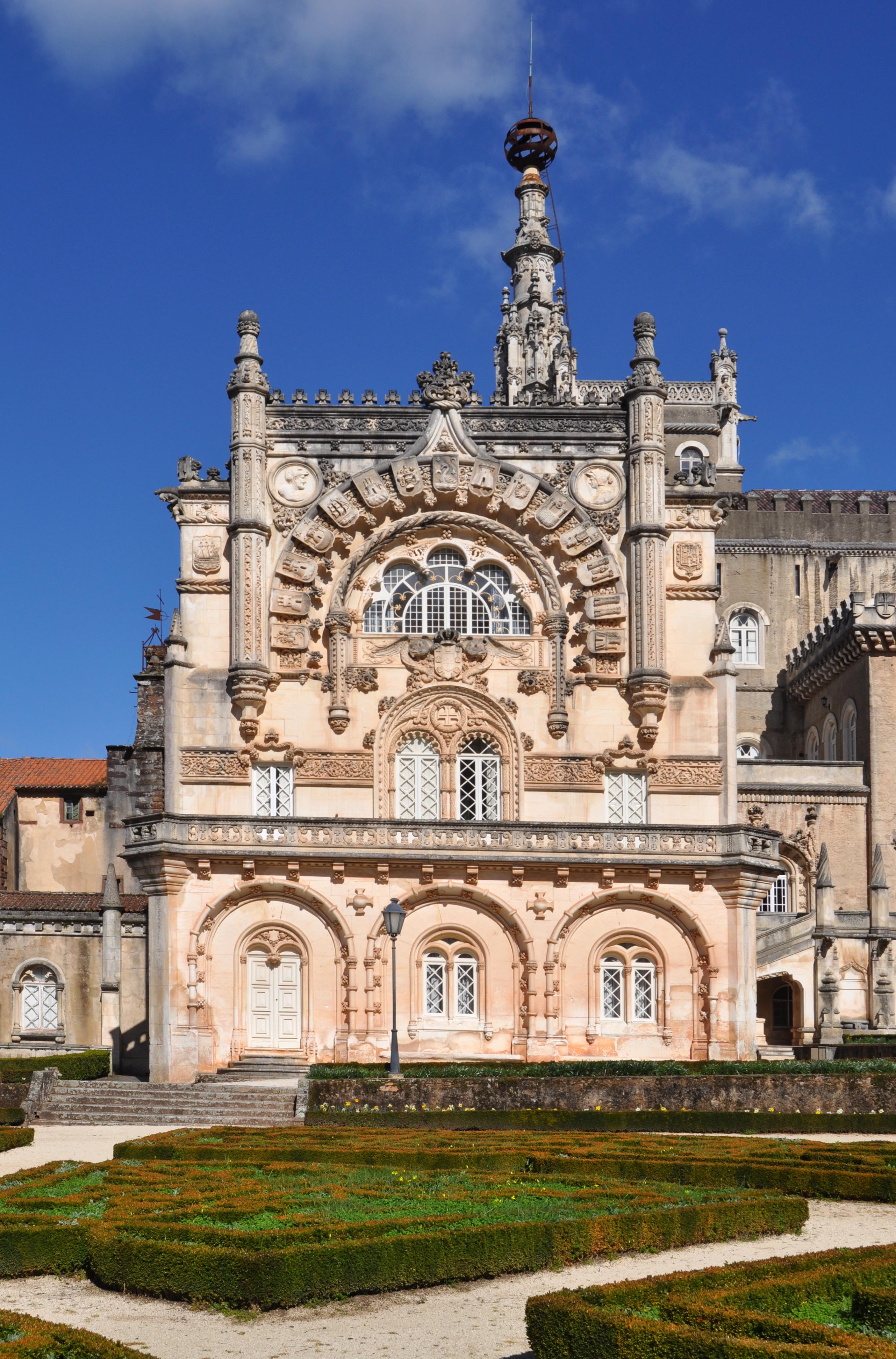
When we eat lunch at the Palace Hotel in Bussaco, we feel like a character in a 19th-century novel. There is a serenity, an ability to enjoy the passage of time that is absent from modern life.
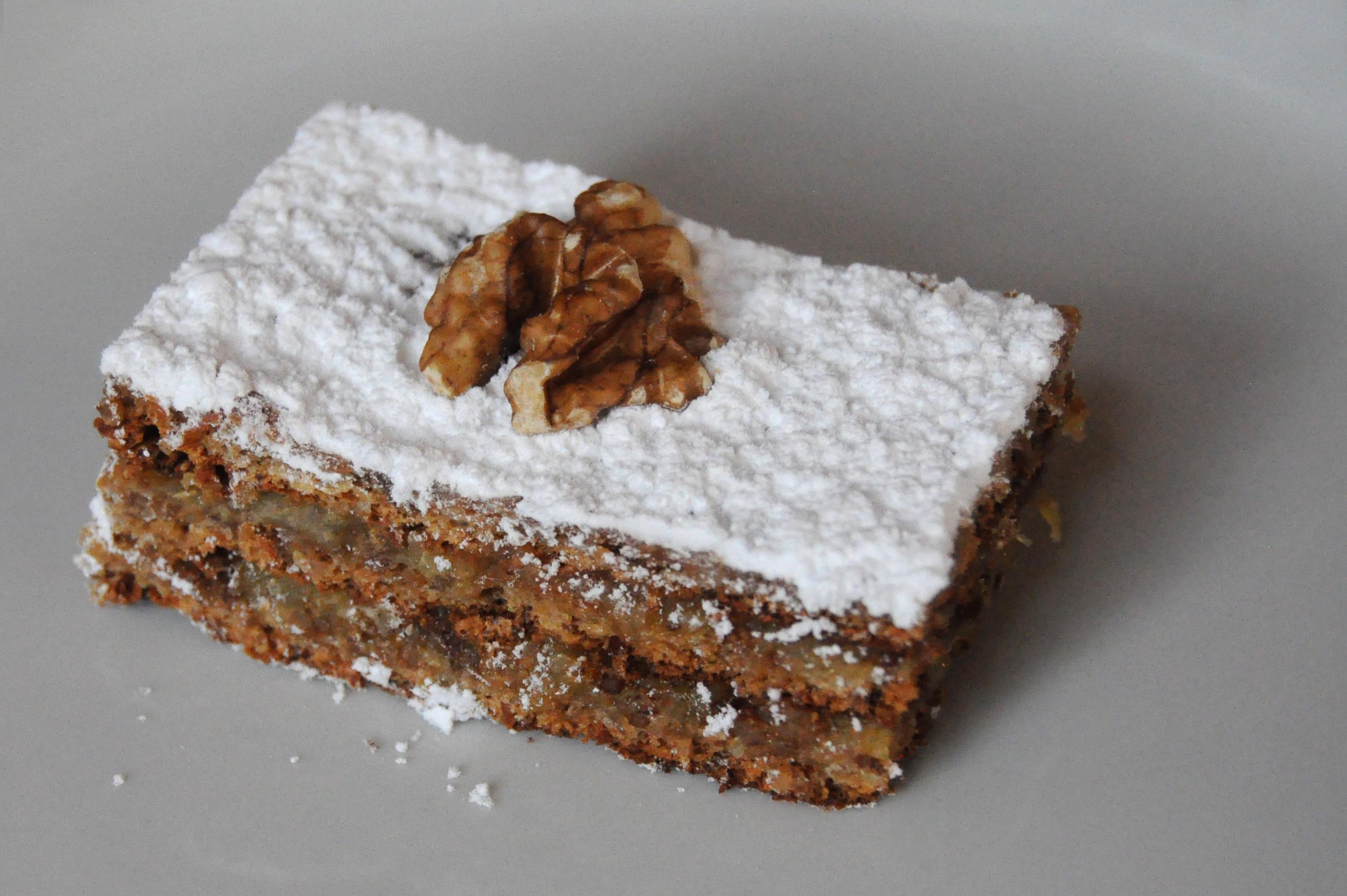
The items on the menu are variations on traditional recipes, prepared with care and served with elegance. When the dessert cart arrives, the waitress recommends without hesitation the “Morgado do Bussaco.” It is a perfect dessert, made with only nuts and honey. Morgado means young heir. We’re lucky that Bussaco inherited this old recipe and shared it with us.
Bussaco is one of the most romantic places in Portugal. It was once a Carmelite monastery where only men were allowed. When, in the 17th century, Queen Catherine of Bragança announced a visit, the monks opened a special door for her. But the visit was canceled and the door was immured.
The monks called the lush woods around the monastery “boscum sacrum,” sacred woods. Some say this designation is the origin of the word Bussaco. It was in these woods that Portuguese and English troops led by the Duke of Wellington defeated Napoleon’s army.
By the late 19th century, the Bussaco monastery was in ruins. King Dom Carlos transformed it into a pavilion where the royal family could stay while hunting for wild boars. Later, the pavilion was converted into a fairy-tale luxury hotel that became a favorite with the European aristocracy. Dom Manuel II, the last king of Portugal, came here on vacation, not knowing that he would soon be forced into exile.
The Carmelite monks used to produce wine in the monastery grounds. The Palace Hotel revived this tradition in the early 20th century, making unfiltered wines with grapes from two regions, Dão and Bairrada. You cannot buy these legendary wines anywhere, so you have to travel to Bussaco to try them. It is a trip you’ll not forget.
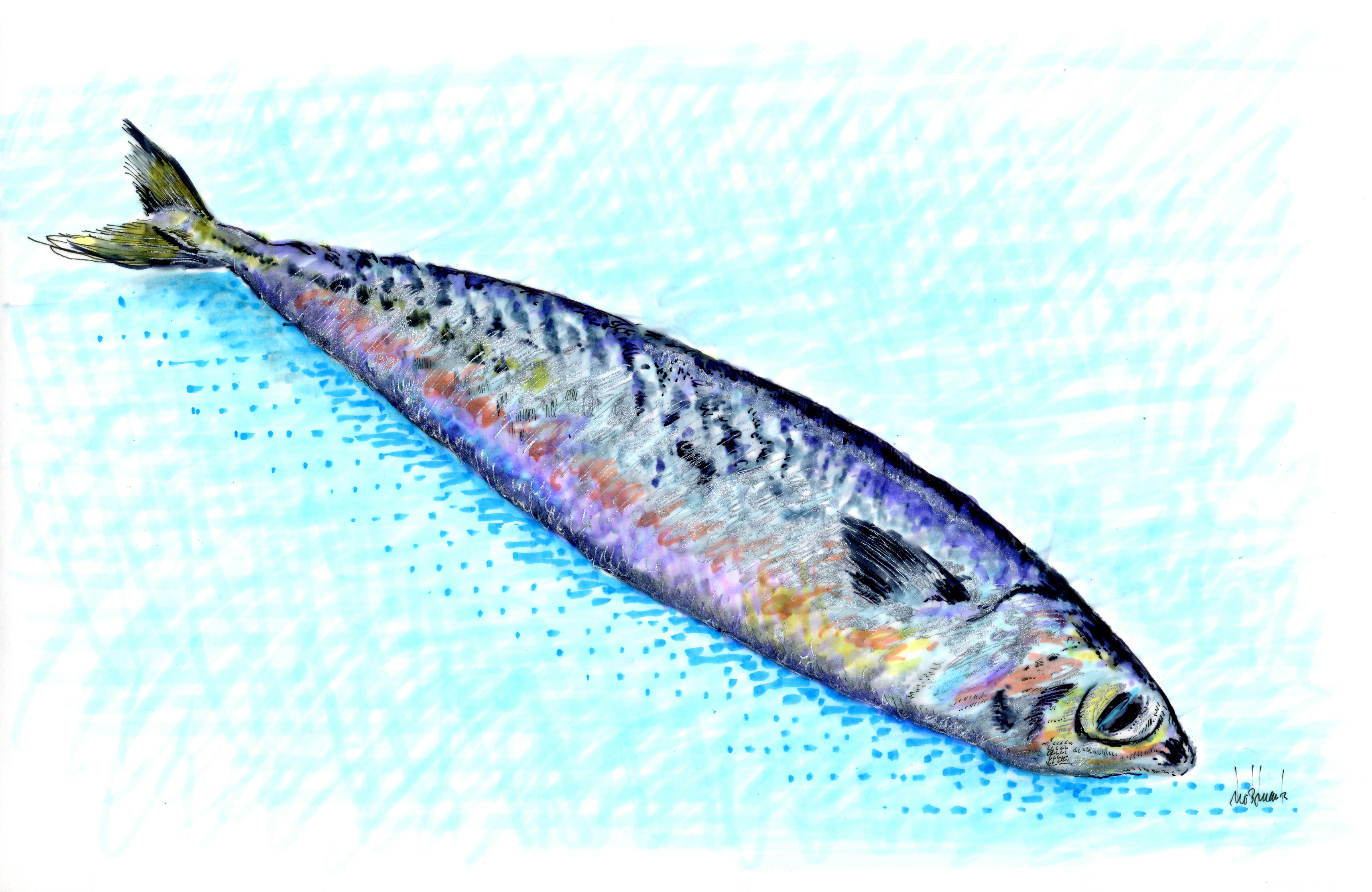
Portuguese cuisine is definitely slow food. You have to wait for the fish to grill, the clams to open, the meat to roast, or the shrimp to cook. If you’re in a hurry, Portuguese cafés offer a wide array of finger foods to eat on the go: tasty codfish cakes (bolos de bacalhau), delicious small pies (empadas), crunchy paninis (tostas mistas), and much more.
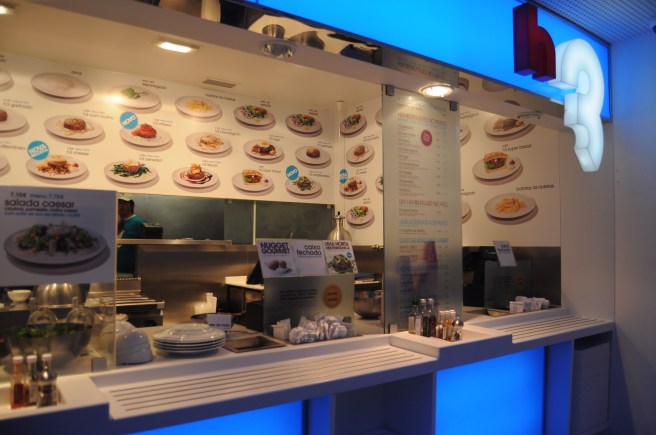
But, if you’re in need of something quick and more substantial, try a Portuguese hamburger chain called H3. They cook to order delicious hamburgers made with great ingredients. Start with the wonderful “croquetes de alheira” as a appetizer. Then, choose one of the many burger configurations, with toppings ranging from mushrooms to foie gras. You’ll see why this fast-food chain is growing so fast.
Click here for the H3 website (choose “onde” to see a list of locations).
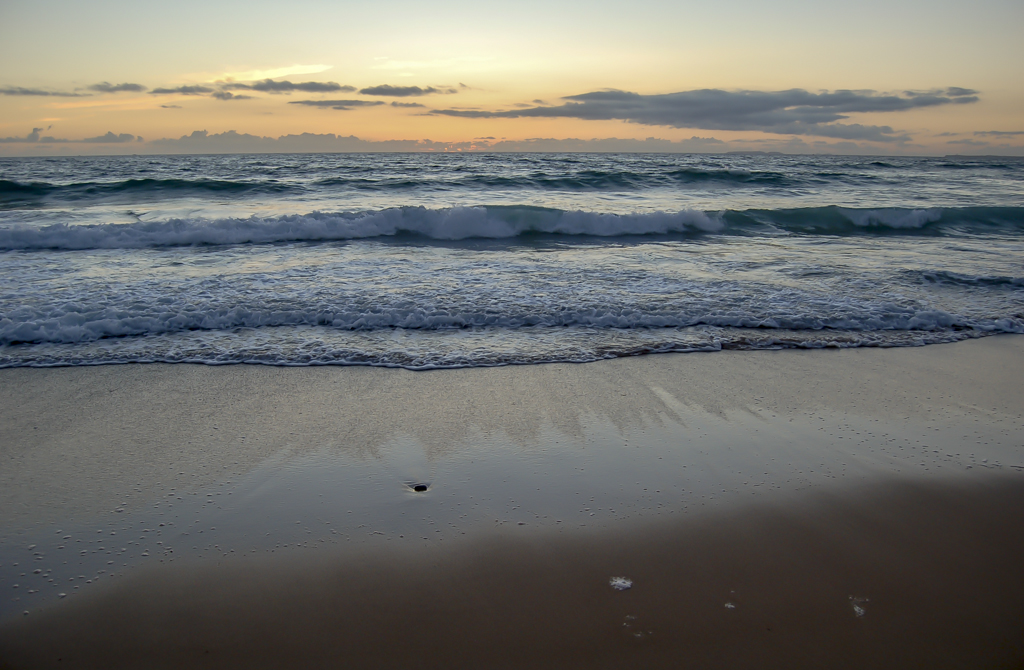
When things are not going our way, we take a mental vacation and recall a day at the beach. It’s late afternoon and the sun is getting ready for an ocean dive. The temperature is perfect; a slight breeze caresses our skin. Sometimes, we daydream about the Algarve, where the air is perfumed by almond flowers. Other times, we imagine the west coast of Portugal, where the wind smells of pine and seaweed. All we hear is the chatter of the waves. All we feel is the serenity of the moment.
Pedro Rebelo is a Portuguese composer, sound artist and performer, working primarily in chamber music, improvisation and installation with new technologies. You can learn more about his wonderfully original work by clicking here.
Historians trace the costume of kissing on the cheeks to the French Revolution when it was used to show solidarity. Since then, the French made greeting into an art form. Depending on location and circumstance, they might kiss twice, thrice, four times, or not at all.
The Portuguese are quite formal, but greeting norms are relatively simple. Men greet each other by shaking hands. Women greet man or other women with two kisses, the first on the right cheek and the second on the left.
There is, however, one tricky exception: in Lisbon close friends kiss only once, on the right cheek. So, as you start making friends in Portugal, you might go through a period of hesitation: should I greet them with one or two kisses? It’s a price well worth paying for the joy of having Portuguese friends.
Drawing (ink on paper, 2013) by Ana Duarte. Check out her clothes collection here.
Maria Keil’s Fisherman, Maria Rebelo, digital print image, 2012.
The most beautiful tiles in Lisbon are not in majestic palaces or soaring cathedrals. They decorate humble subway tunnels and ordinary streets like Infante Santo.
Keil do Amaral, the architect who designed the subway in the late 1950s, was dismayed that there were no funds budgeted to cover the bleak cement walls. His wife, the painter Maria Keil, suggested the use of inexpensive tiles and offered to design them for free.
Keil filled the subway with elegant modernist tiles that brought the art of tile making into the 20th century. She continued, throughout her life, to dress the walls of the city with tiles that make Lisbon feel young and pretty. If you’re visiting the capital, here’s a challenge for you: how many of Maria Keil murals can you find?
Uma bica, Rui Barreiros Duarte, ink on paper, 2012.
You can order an espresso by saying: “Um espresso, por favor. “ (oom espresso poer faevoer). “Um” means “one,” and “por favor” means “please.” This method works fine, but the Portuguese don’t use the word espresso. So, here’s how to order coffee like a local.
In Lisbon, an espresso is called a “bica” (pronounced beeca), so the right thing to say is: “Uma bica por favor” (ooma beeca poer faevoer). In case you’re wondering, “bica” means spout, so the name probably comes from the spout that channels the coffee into the cup.
Now that we covered the basics, let’s discuss some advanced topics. There are two types of “bica.” The “bica curta” (beeca coorta) is a short espresso, sometimes so short that you can barely taste any coffee. A “bica cheia” (beeca sheia) is a long espresso. Your choice of bica reveals a lot about your personality. People who like the “bica curta” are usually intense, while those who enjoy the “bica cheia” tend to be more relaxed.
In Oporto they call an espresso a “cimbalino” (ceenbaleeno) in homage to La Cimbali, a popular Italian brand of espresso machines. Foreigners who know this arcane fact are often honored with a state banquet and given the keys to the city.
Where can you find a list of the best coffee shops in Portugal? There’s no such list. With more than three centuries of experience brewing coffee, Portugal has as many great coffee shops as beautiful beaches.
During the Napoleonic wars, the Duke of Wellington stationed his troops in the Bucelas region, north of Lisbon. There, he drank a white wine made with Arinto, an indigenous varietal. He enjoyed it so much that, after the war, he imported large quantities back to England. Wellington offered some bottles of Bucelas to King George III, who claimed that they cured him of a troublesome kidney disease. The wine continued to gather fame during the Victorian era. German Rieslings were known in England as “Hock,” so London wine merchants called Bucelas “Portuguese Hock.”
When the British publisher Henry Vizetelly arrived in Portugal in 1877 to work on a book about wine, his first stop was Bucelas. He writes that the young wines are “remarkably fresh in flavor,” and the older wines are “rounder and more aromatic” with a “soft, almondy after taste.” He concludes that: “Certainly purer wines than these are not easily met with.”
Bucelas was enjoyed by Thomas Jefferson and Charles Dicken, but its fame dwindled over time. If you’re in Portugal, make sure to try this inexpensive, wonderful wine. Wine fashions come and go, but the remarkable freshness of Bucelas is here to stay.
WhenKing Ferdinand died, his daughter Beatriz, wife of the king of Castille, inherited the Portuguese throne. The people rebelled at the prospect of Castillian domination and proclaimed John, half brother of Ferdinand, king of Portugal.
In 1385, a Castillian army with 31,000 men marched towards Lisbon to enforce the rights of Queen Beatriz. A Portuguese army with 6,500 men marched to their encounter. The battle, one of the most important in medieval warfare, took place in Aljubarrota, near the town of Leiria. The Portuguese chose their positions carefully, digging ditches that prevented the Castilian cavalry from advancing. Against all odds, Portugal emerged victorious.
King John went on to marry Philippa of Lancaster and have seven children who brought Portugal great glory. One of them is Henry the Navigator.
To express his gratitude for the miraculous victory at Aljubarrota, King John built the Monastery of Batalha. If you’re traveling in the center of Portugal, don’t miss the chance to visit this beautiful monument that marks the beginning of Portugal’s golden age.
The Portuguese do not like to divulge their favorite neighborhood restaurants, so we’re violating social norms by telling you about Salsa & Coentros (parsley and coriander). It is a delightful restaurant in Lisbon’s Alvalade neighborhood which serves food from the Alentejo and Trás-os-Montes provinces.
Dining at Salsa & Coentros is like visiting a friend who makes wonderful meals with local ingredients such as míscaros (wild mushrooms), cação (dogfish), partridges, wild asparagus, black pig, and fresh octopus.
If you become a regular visitor to Portugal, you’re likely to meet friends who are great home cooks. Until then, you can enjoy the traditional cuisine of Portugal at Salsa & Coentros.
Salsa e Coentros is located at Rua Coronel Marques Leitão, n. 12, Lisbon. Tel. 218410990.