The taste of summer

One of our fondest childhood memories is of long, lazy days by the sea, lulled by the sound of the waves and the soft caress of the breeze. It was a state of bliss, marred only by the idleness of our taste buds. Thankfully, a roaming army of beach vendors came to the rescue, offering amusement in the form of golden potato chips—crisply fried in olive oil and seasoned with sea salt.

These memories came rushing back when our friend Raul Reis called to say he was bringing over a sack of potatoes. Raul grows Portugal’s finest potatoes in the quiet village of Sobral on the west coast. This time, he arrived with a bag of bricatas, cultivated in soil enriched with algae from the nearby beach of Porto Dinheiro.

Porto Dinheiro is best known for its vacada, a rustic summertime tradition that draws crowds to watch cows and bulls frolic on the beach. Before the event, the beach must be cleared of the algae that regularly washes ashore. Left in piles, the algae would rot and release a pungent smell. Raul had a better idea—he proposed to the mayor that he take the algae back to his farm as fertilizer. Everybody gained: Raul found a natural way to enrich his soil, and the town rid itself of a nuisance.

Five trucks, each carrying 20 tons, made the journey from Porto Dinheiro to Sobral. Raul allowed the algae to ferment for three weeks, turning the piles weekly to aerate them. He then spread the seaweed across his fields, tilling it into the soil before the summer winds could carry it away.

Using algae to nourish the land is an ancient Portuguese practice, nearly forgotten in the era of synthetic fertilizers. In Aveiro, whole fleets of moliceiros—graceful, flat-bottomed boats—once glided through the marshes gathering seaweed for the fields.

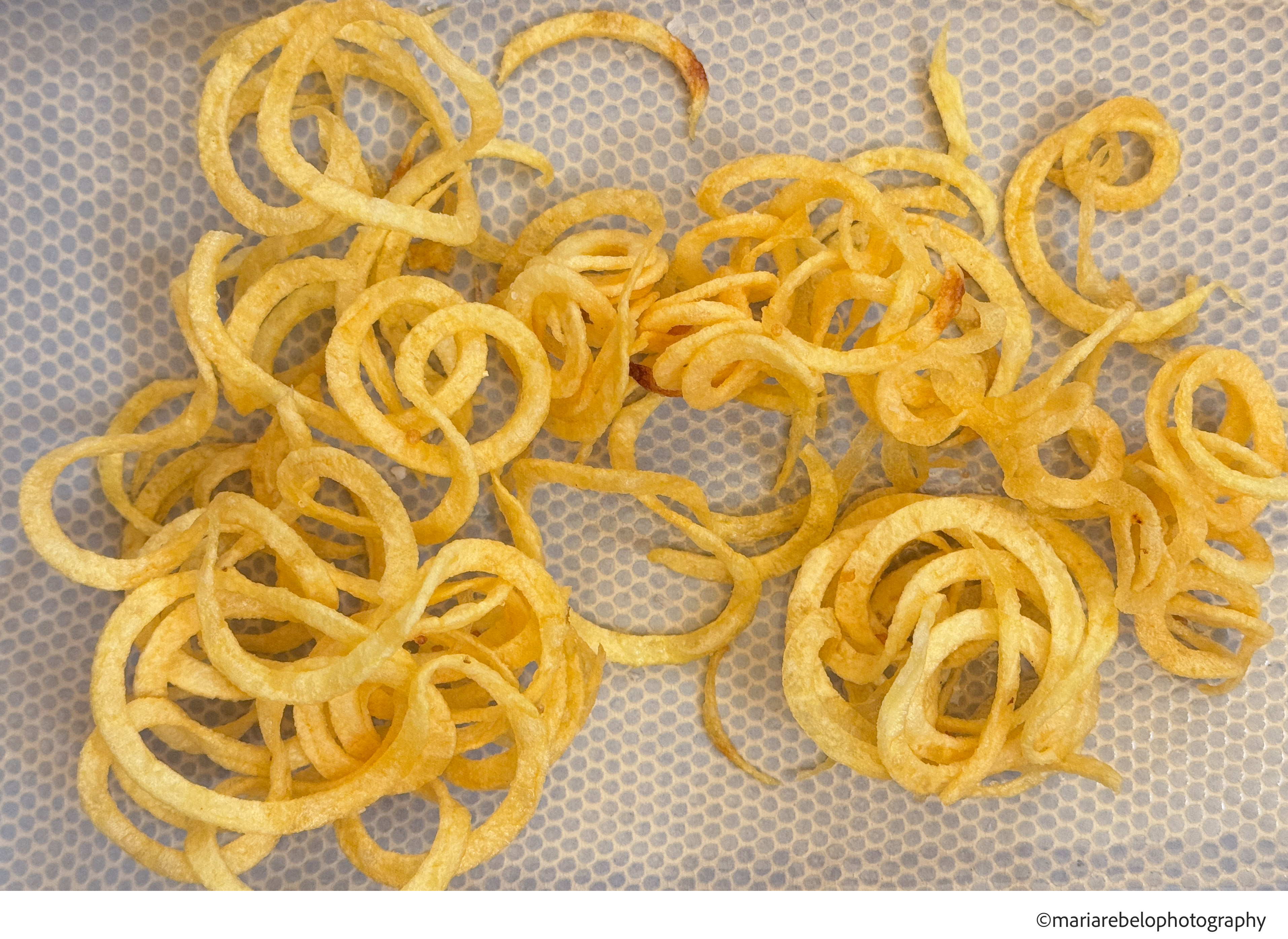
We sliced the bricata potatoes into delicate spirals, fried them until perfectly crisp, and sprinkled them with sea salt. They were, without question, the best potato chips we’ve ever had. You can try them too at Canalha, João Rodrigues’ wonderful restaurant in Lisbon, or at Alta, where the food is as delightful as the sea views. A plate of these golden chips is a summer vacation for the palate.

Alheiras

The origin of alheiras (pronounced ahl-yay-ras), a traditional Portuguese sausage, is intertwined with the history of Portugal’s Jewish community during the reign of King Dom Manuel I (1495–1521). 

Dom Manuel sought to strengthen Portugal’s standing in Europe by marrying the daughter of the Spanish Catholic Monarchs, Ferdinand of Aragon and Isabella of Castile. However, the union came with a condition: Portugal had to adopt Spain’s policies toward Jews, forcing them to either convert to Christianity and become “New Christians” or leave the country.

Jewish dietary laws forbid the consumption of pork, a staple of Portuguese cuisine. To avoid persecution, New Christians ingeniously created a pork-free sausage using bread, garlic, and other meats such as poultry or game. These sausages, known as alheiras (from alho, the Portuguese word for garlic), were smoked to resemble traditional pork sausages, allowing Jewish families to appear to conform to local customs.

Today, alheiras are a cherished element of Portuguese cuisine, particularly in the Trás-os-Montes region, where they originated. The town of Mirandela is especially famous for its alheiras. Although modern recipes often include pork, these sausages stand out for their distinctive flavor.

Preparing alheiras is far more complex than making traditional chouriços. To make chouriços, pork is marinated in vinha d’alhos—a flavorful blend of garlic, bay leaf, salt, olive oil, paprika, and wine—before being stuffed into casings and smoked until dry. In contrast, alheiras require meticulous preparation: a variety of meats are carefully cooked and then combined with bread and spices before filling the casings and smoking the sausages. Every detail is crucial in this labor-intensive process.

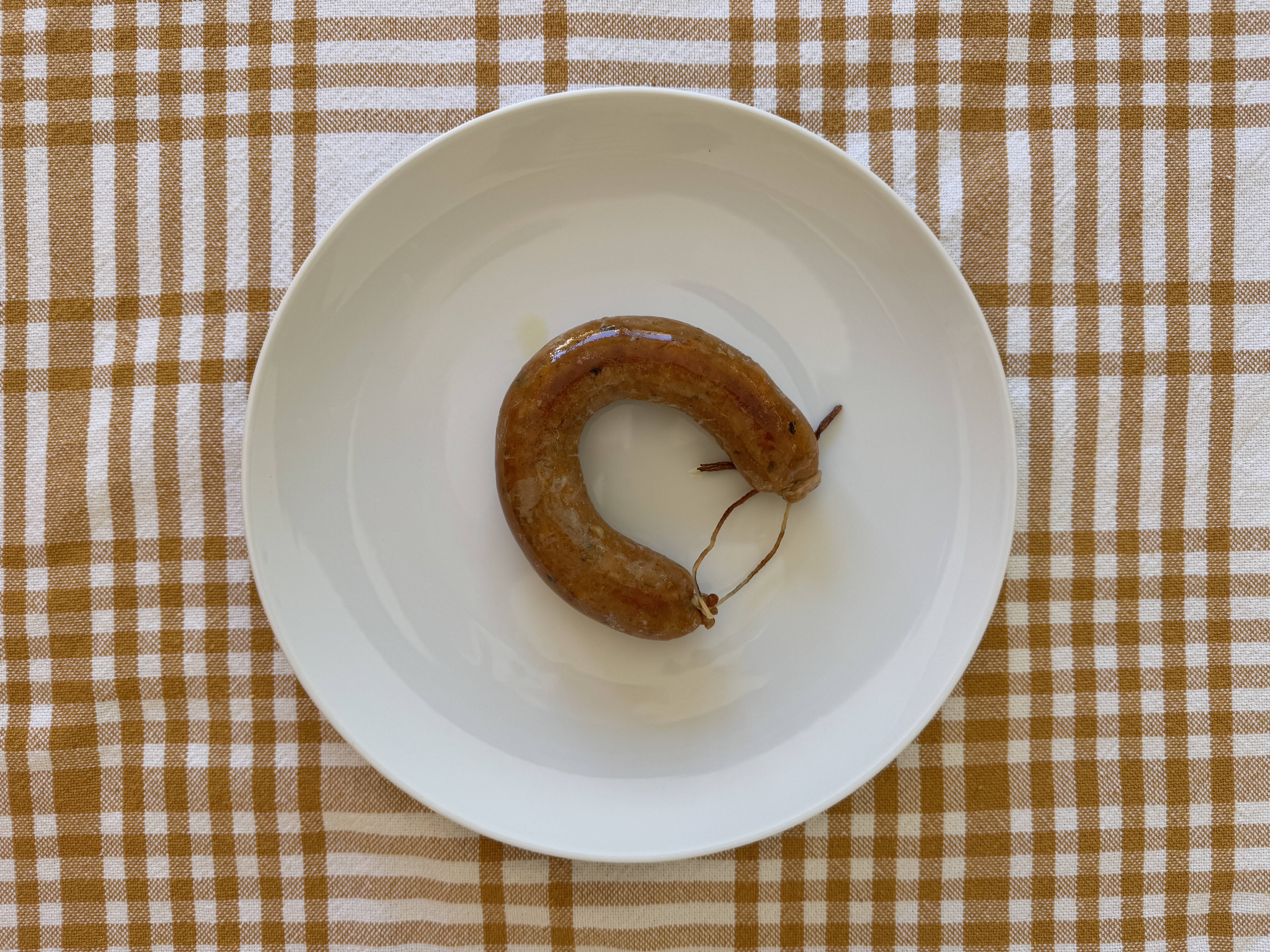
The finest alheiras we’ve ever tasted are crafted by Maria da Graça Gomes and her daughter, Rosário Buia, at Toca da Raposa in the Douro Valley. They are made with an exquisite mix of meats, including rabbit and pheasant, and seasoned with great finesse. Grilled, lightly fried in olive oil, or baked in the oven, these sausages are a culinary feast.

Toca da Raposa makes alheiras between November and January. You can place an order by calling 969951191.

Covilhetes, small pies full of flavor

Covilhetes are small meat pies cherished in Vila Real, a town near the Douro Valley. Their origins date back over two centuries when they were sold at religious fairs. By the mid-19th century, covilhetes had become a staple in restaurant and café menus, often served with oven-baked rice. Their popularity has endured ever since.

In 2015, a guild was established to safeguard the authenticity and quality of covilhetes. The unique taste of these pies reflects the premium ingredients used, such as fine flour, Maronesa veal (from a breed native to the Marão mountains), and local sausages.

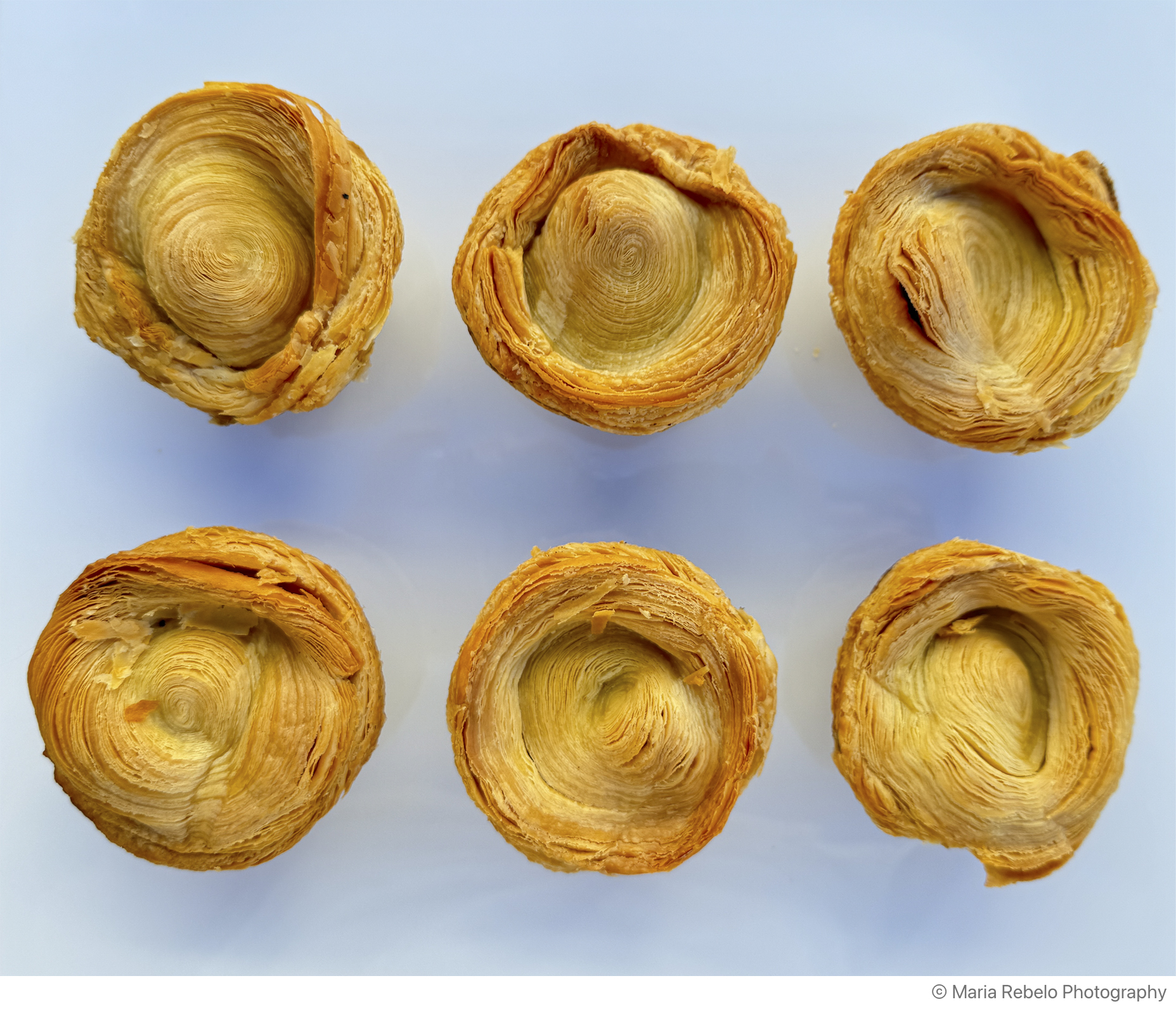
Though recipes for covilhetes exist, mastering the art of crafting their delicate, flaky pastry and intricate oval crust resembling planetary orbits is challenging. Fortunately, pastry shops in Vila Real’s historic district, such as Pastelaria Gomes, Casa Lapão, and Loja do Covilhete, produce daily batches of these heavenly pies, fresh from the oven, ready to delight our palates.

Our favorite cornbread

Torres Vedras, a charming town near Lisbon nestled among hills planted with vineyards, is steeped in Portuguese history. Its castle helped defend the kingdom during medieval times, and the town served as the headquarters for the troops that fought against the Napoleonic invasions.

However, for us, Torres Vedras is synonymous with a Portuguese cornbread called broa. Some years ago, a friend brought us bread made with corn and rye flour from a pastry shop called São Pedro. Since then, we have made regular pilgrimages to satisfy our devotion to this delicious treat.

Despite our persistent attempts, the secrets behind São Pedro’s cornbread remain elusive. Over the years, our inquiries have been met with vague responses such as “It’s a traditional recipe from the north of Portugal.” The resulting mystery only adds to the cornbread’s allure, compelling us to keep returning to Torres Vedras.

Pastelaria São Pedro is located at Rua Dona Teresa Jesus Pereira 34-A, Torres Vedras, tel. 261 321 133. 

A tasty guide to Portuguese clams

The Portuguese are obsessed with clams. These bivalves star in two of the most important recipes of Portuguese gastronomy. The first, clams Bulhão Pato, is a simple preparation that produces delicious results: clams are cooked in olive oil, smashed garlic, and a dash of white wine until the shells open and then are sprinkled with coriander. The second, pork and clams Alentejo style, combines pork marinated in a pepper sauce called pimentão with clams and fried potatoes.

Among the myriad of clams, three stand out for their distinct characteristics. The Japanese clam, or ruditapes philippinarum, originally from the Pacific, thrives in Portuguese waters. Venerupis corrugata, known as macha, and ruditapes decussatus, or boa (meaning ‘good’ in Portuguese), are two notable local varieties.

Visually, each clam has its unique charm. The Japanese clam boasts the most attractive shell. Macha’s shell is elongated with shades of beige, brown, and grey. Boa clams, flatter and oval, have independent siphons that enhance their ability to search for nutrients. When the clams are in seawater, you can tell the boa variety by the way they stretch their siphons.

Regarding weight, macha clams have the heaviest shells and boa the lightest. A kilogram comprises approximately 120 macha, 130 Japanese, and 150 boa clams.

Flavor-wise, boa clams reign supreme. Their intense taste and pleasant texture, paired with the large size that fills the shell, make them a top choice for fine dining. Macha clams also fill their shells but offer a tougher texture and milder flavor. The Japanese clam is smaller and less firm and flavorful. 

Each type of clam can taste differently depending on where it comes from in Portugal. And there are other varieties that deserve to be tasted. Exploring this diversity is a delightful culinary journey.

The professor’s partridges

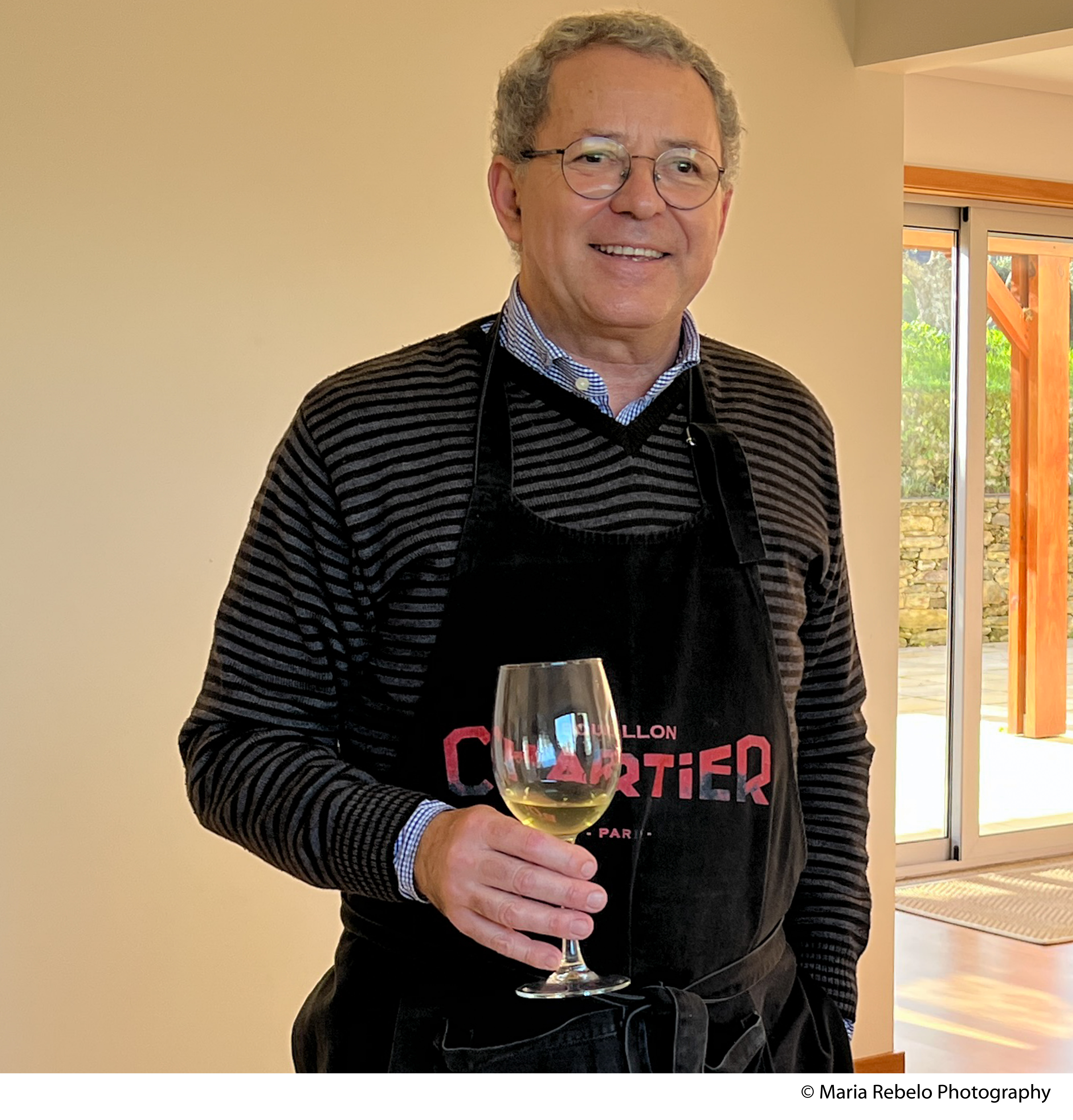
The best partridges we ever tasted were cooked by a professor. His name is Emídio Gomes. He is the rector of the UTAD, the university that trained many of the star enologists who work in the Douro valley. 

Emídio learned to cook while studying in France on a meager scholarship. He asked his grandmother to teach him some of her recipes so that he could eat at home. Cooking was so relaxing that he continued to cook regularly after returning to Portugal.

Emídio’s stewed partridges are renowned throughout the Douro valley. The professor generously gave us his grandmother’s recipe and allowed us to share it with our readers. 

The recipe starts with an admonition: “If the partridges are good, make sure you don’t ruin them.” Here’s the rest. 

Remove the feathers and the tripes of the wild partridges and cut them into pieces. Marinate them for twelve hours in a small amount of white wine, laurel, parsley, and a little thyme.

Heat a cast iron pot. Pour a generous amount of olive oil. The quality of the olive oil is paramount. Choose an olive oil with low acidity, ideally from the Douro valley. Slice enough onions to cover the bottom 2 inches of the pot. Slowly sweat the onions. Remove the thyme, laurel, and parsley, and place the partridges in the pot. Add a small amount of water to prevent the stew from drying.

Cover the pot with the lid and slowly stew the partridges for four to five hours. Monitor periodically to ensure the stew does not dry; add small amounts of water as necessary. Season with salt towards the end of the cooking period. After the first four hours, regularly pierce the meat with a fork. The partridge is ready when the meat offers no resistance. Serve with white rice and toasts.

Like a top scientific paper, the recipe requires high-quality content and flawless execution. And in the end, the results look deceptively simple.

The leader of the Barbela tribe

Barbela is a nutritious wheat that, until the 1930s, accounted for the bulk of Portuguese wheat consumption. It came from the fertile crescent and thrived in Portugal because it is hardy and can grow anywhere. Its long roots allow it to survive droughts and flourish in poor soils.

Hybrid wheats arrived in Portugal in the 1930s. They are low in nutrition but have high production yields boosted by chemical fertilizers and pesticides. Gradually, barbela lost ground to these flashy newcomers until only one barbela field remained. It is located on the foot of the Montejunto mountain and belongs to João Vieira. We drove to this place, far from the commotion of urban life, to meet with him.  

At 83 years of age, João speaks with the passion of youth and the wisdom earned over the course of a life well lived. Everything he says comes from a well of deep reflection. 

João worked in France during his youth, but when manufacturing jobs started to disappear, he returned to the land of his ancestors. He realized that barbela, once ubiquitous on the sandy soils of Montejunto, was vanishing. The seed stock was dwindling, and so was the cultivation knowledge. João started planting barbela seeds that came from his father and grandfather. He loved seeing this tall wheat sway again with the wind, making waves like the sea. 

What started as a one-person campaign against oblivion mobilizes today a small army. João calls it the barbela tribe. It is a loose network of farmers who plant barbela and share their experiences. João inducts new members by giving them seeds on the condition that they later provide other people with seeds and bring them into the tribe. 

Barbela is a soft wheat that produces flour suitable for breads, tarts, and cakes. Every day, João makes bread with his barbela flour. After harvesting, threshing, and milling, the sieve has the last word, choosing what makes it into the flour. João likes his bread with a coarse texture, so he occasionally overrules the sieve and lets a few larger grains into the mix. 

He went into the kitchen and returned with a basket of bread to share with us. We sat with him for quite a while, trying this exquisite bread and listening to his precious words. It was a very fine use of time. 

A gourmet fish

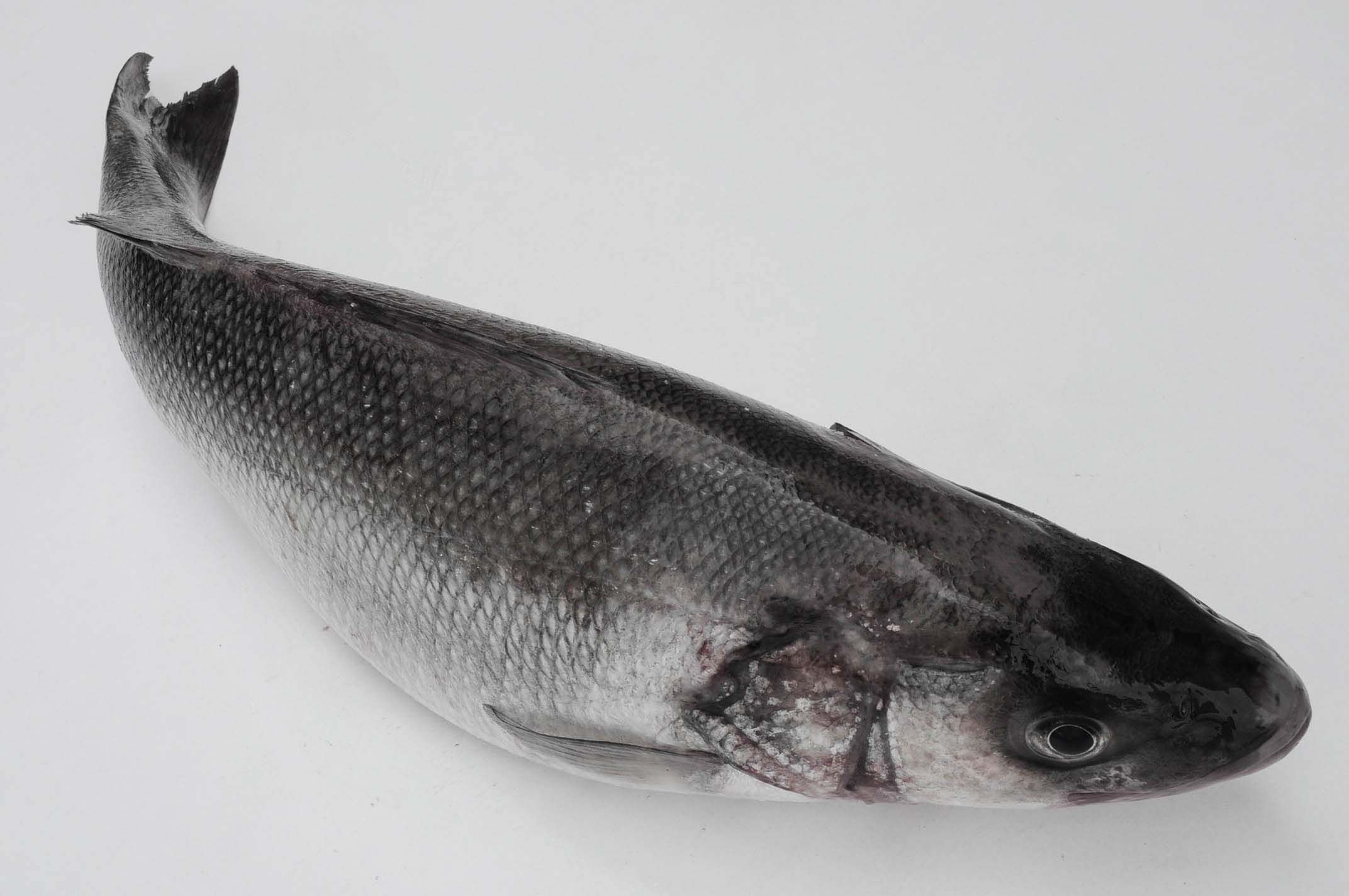
Robalo, Maria Rebelo, digital print image, 2012.

Portuguese restaurant waiters like to give all fish equal opportunity. Ask them about one variety and they’ll tell you that it’s very very fresh and very very good. Ask about another variety, and you’ll hear much the same.

After the waiter sings the praises of all fish on the menu, we usually choose a robalo. This species is known in English as “common snook,” but there’s nothing common about it. The robalo is a voracious, discerning foodie who loves to feast on small crabs. As a result, it has a really unique taste. Try it, and you’ll see that it is very very delicious.

A regal cake

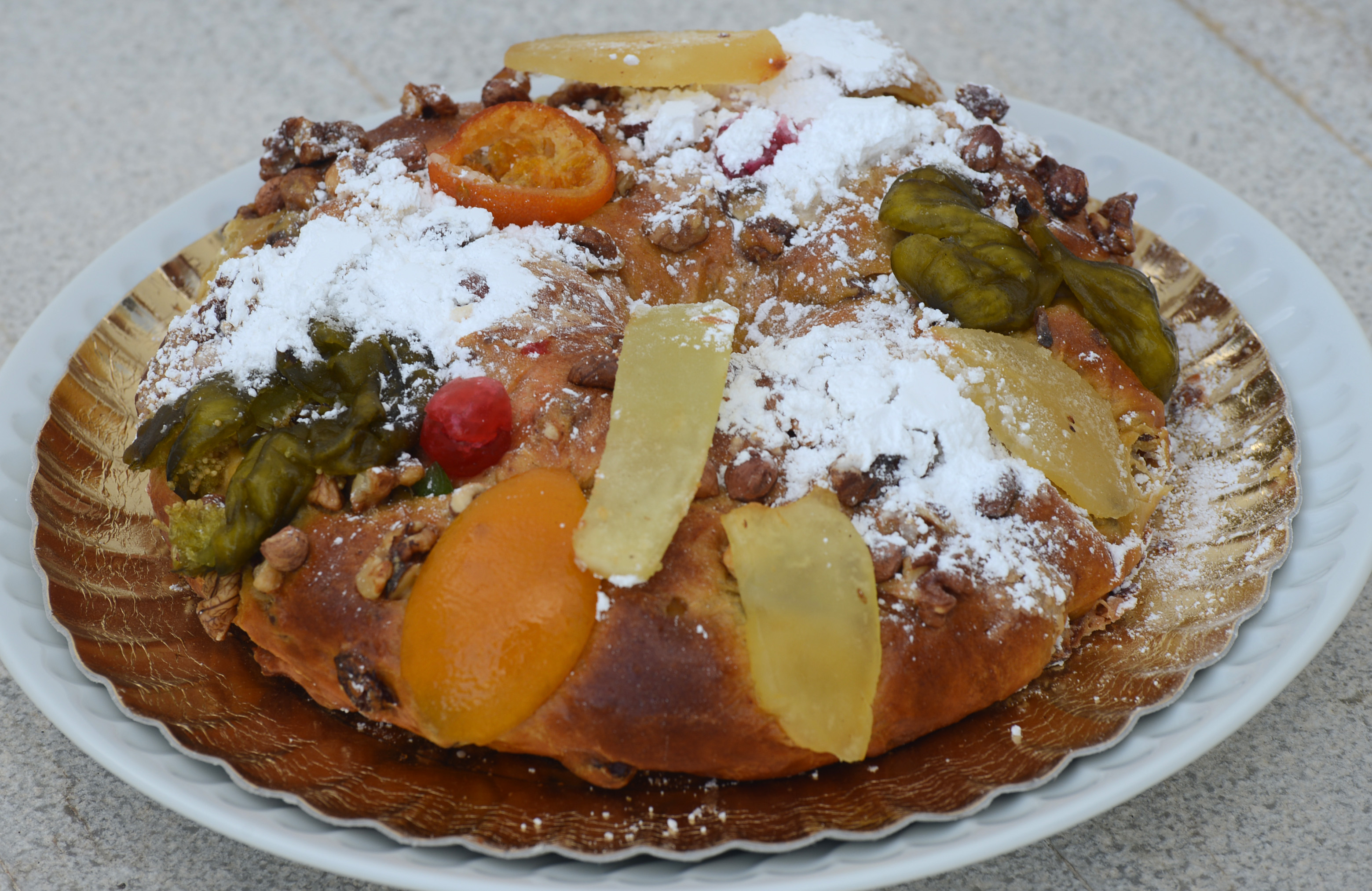
BoloRei

During the Christmas season, Portuguese pastry stores transform many tons of flour, sugar, eggs, port wine, and candied fruit into the popular king’s cake (bolo rei).

Bolo rei was introduced in Portugal in the second half of the 19th century by Confeitaria Nacional, a pastry store in downtown Lisbon. It was based on France’s “gateaux des rois,” a royal cake forbidden during the French revolution until pastry chefs renamed it the “people’s cake” (gateaux des sans culottes).

Over time, Confeitaria Nacional’s recipe was imitated and adapted, and bolo rei became an integral part of Portuguese culture. So much so that, when the monarchy was abolished in 1910, the Portuguese parliament renamed it Republic’s cake. But the awkward name never caught on.

Pastry stores used to hide two objects inside the cake: a gift (a trinket or, in some cases, a gold coin) and a dried fava bean. The gift has been eliminated but the fava bean is still included. According to tradition, whoever gets it has to buy the next cake.

The custom of hiding a fava bean inside a cake originated in the ancient Roman festival of Saturnalia. The person who found the fava bean became king of the Saturnalia and served as the festival’s master of ceremonies.

If you’re in Portugal during the Christmas season, make sure you try some bolo rei. It’s a sweet piece of European history.

Memories of a lost cheese

Marcel Proust could vividly recall the taste and smell of his aunt’s madeleines. Those memories inspired his masterpiece, Remembrance of Things Past.

Joana Garcia remembered the taste and smell of the cheese she ate as a child with her grandmother in Alentejo. Those memories inspired her to recreate that long-lost flavor. She quit her job as a lawyer, moved to Alentejo and bought 500 sheep. After trying endless combinations of milk, salt and cardoon, she found the taste of her youth. Garcia’s masterpiece is called Queijo Monte da Vinha. It is a delicious, soft, buttery cheese with the precious taste of a distant past.

You can try Queijo Monte da Vinha at the wonderful Tasca da Esquina restaurant in Lisbon. You can buy it at Mercearia Creativa, a gourmet grocery store where you’ll find many other great Portuguese products (Av. Guerra Junqueiro, 4A, Lisbon, tel. 218-485-198). Click here for the Monte da Vinha website.