Belmiro is the kind of restaurant that is increasingly hard to find in Lisbon. It does not prepare food to look good on Instagram. It does not seek originality for its own sake. Instead, it cooks classics of the Portuguese cuisine with good-quality, seasonal ingredients.
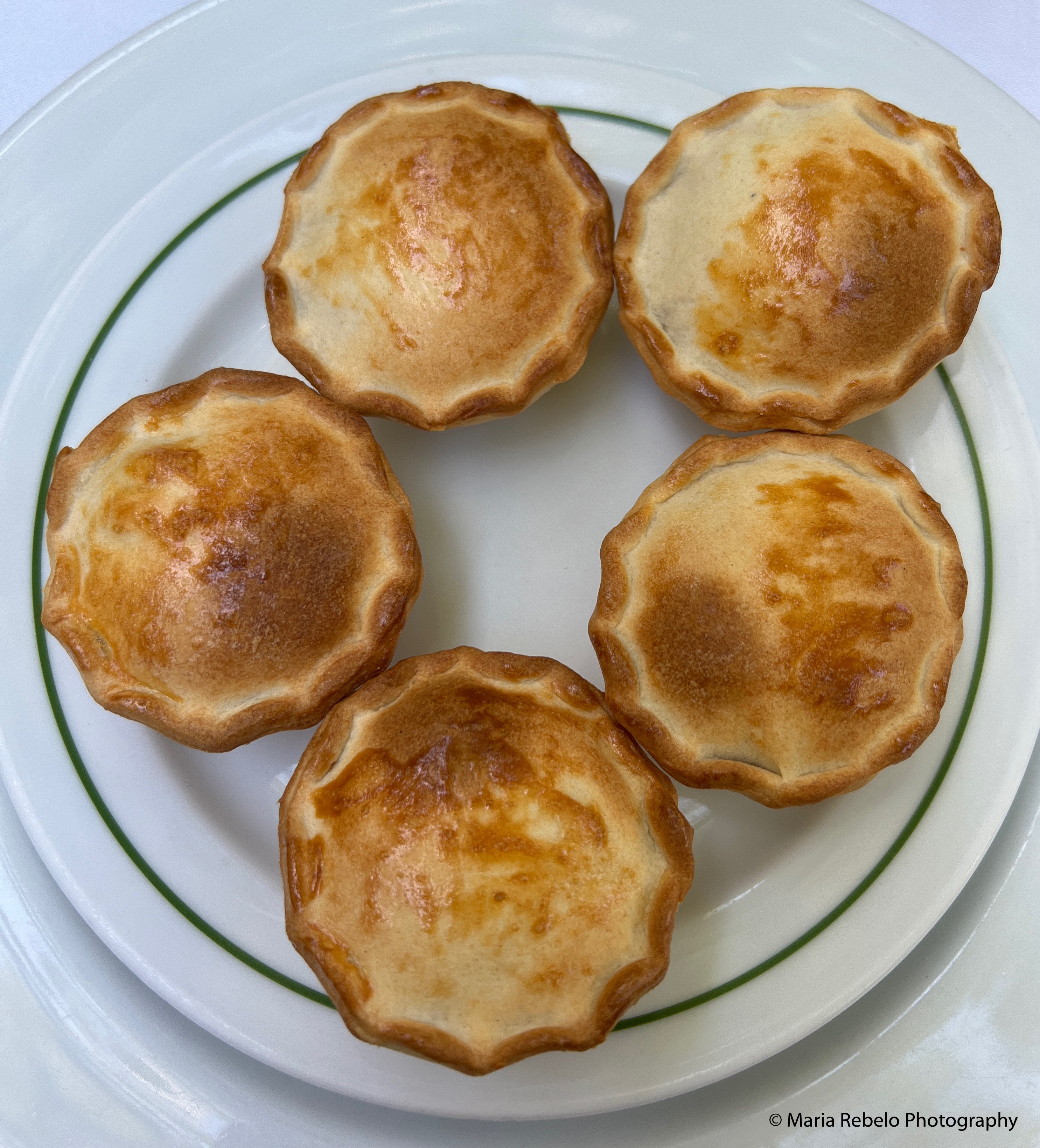
The restaurant is named after Belmiro de Jesus, an old hand who’s been a chef at places like Salsa & Coentros. Belmiro is famous for his mouthwatering “empadas,” small pies with delightful fillings. And he is a virtuoso at cooking partridge and hare. He prepares them with rice, in “açorda,” with beans, and much more. The menu is seasonal, it changes to reflect what’s fresh in the market. If you can’t decide what to choose, a good rule of thumb is to order anything cooked in a “tacho” (a saucepan).
We like to go to Belmiro with friends and ask the chef to prepare a few entrées we can all share. Accompanied by some good bottles of wine, the meal always turns into a party.
Belmiro is located at Paço da Rainha 66, Lisbon, tel. 21 885 2752.
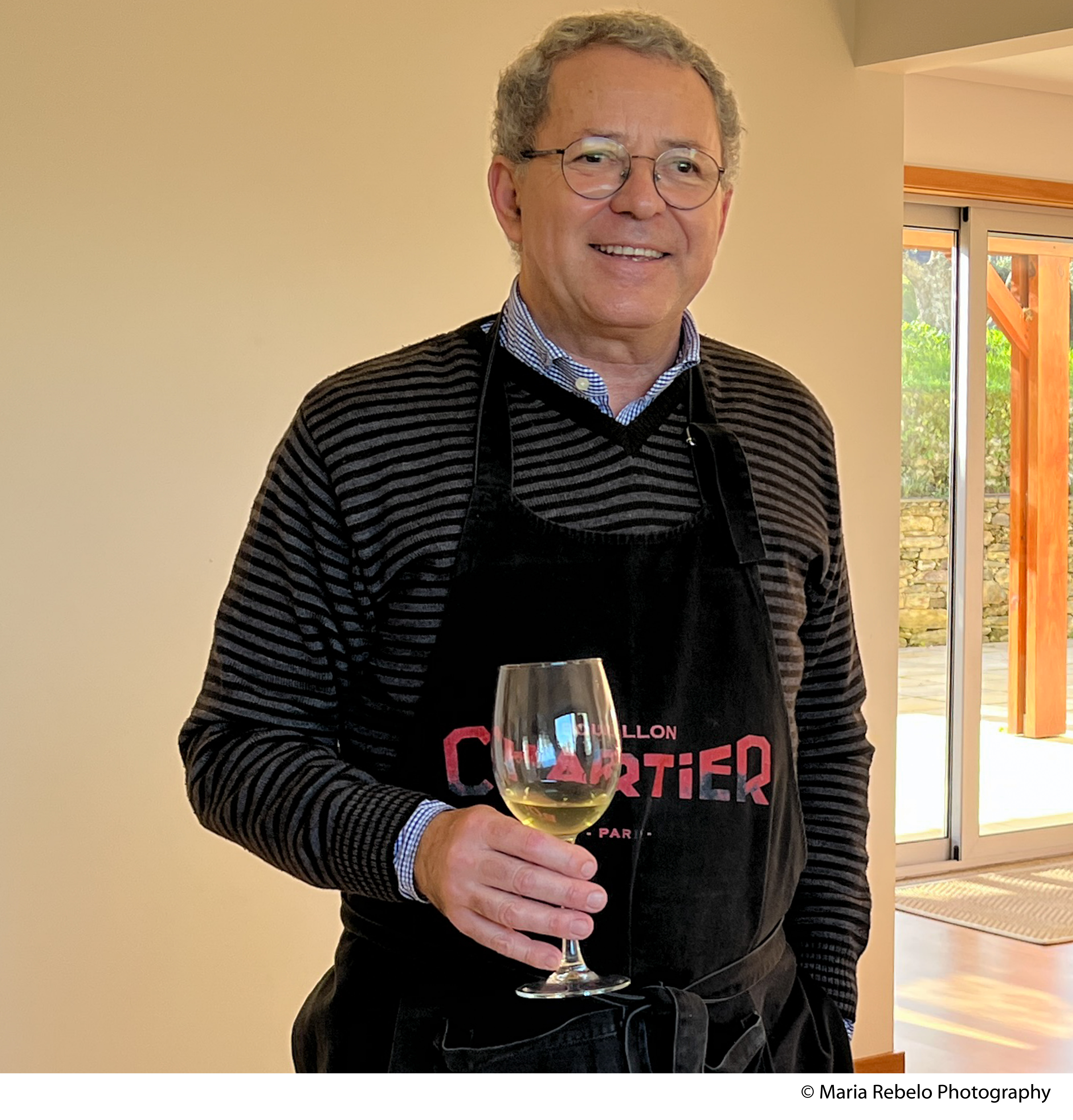
The best partridges we ever tasted were cooked by a professor. His name is Emídio Gomes. He is the rector of the UTAD, the university that trained many of the star enologists who work in the Douro valley.
Emídio learned to cook while studying in France on a meager scholarship. He asked his grandmother to teach him some of her recipes so that he could eat at home. Cooking was so relaxing that he continued to cook regularly after returning to Portugal.
Emídio’s stewed partridges are renowned throughout the Douro valley. The professor generously gave us his grandmother’s recipe and allowed us to share it with our readers.
The recipe starts with an admonition: “If the partridges are good, make sure you don’t ruin them.” Here’s the rest.
Remove the feathers and the tripes of the wild partridges and cut them into pieces. Marinate them for twelve hours in a small amount of white wine, laurel, parsley, and a little thyme.
Heat a cast iron pot. Pour a generous amount of olive oil. The quality of the olive oil is paramount. Choose an olive oil with low acidity, ideally from the Douro valley. Slice enough onions to cover the bottom 2 inches of the pot. Slowly sweat the onions. Remove the thyme, laurel, and parsley, and place the partridges in the pot. Add a small amount of water to prevent the stew from drying.
Cover the pot with the lid and slowly stew the partridges for four to five hours. Monitor periodically to ensure the stew does not dry; add small amounts of water as necessary. Season with salt towards the end of the cooking period. After the first four hours, regularly pierce the meat with a fork. The partridge is ready when the meat offers no resistance. Serve with white rice and toasts.
Like a top scientific paper, the recipe requires high-quality content and flawless execution. And in the end, the results look deceptively simple.
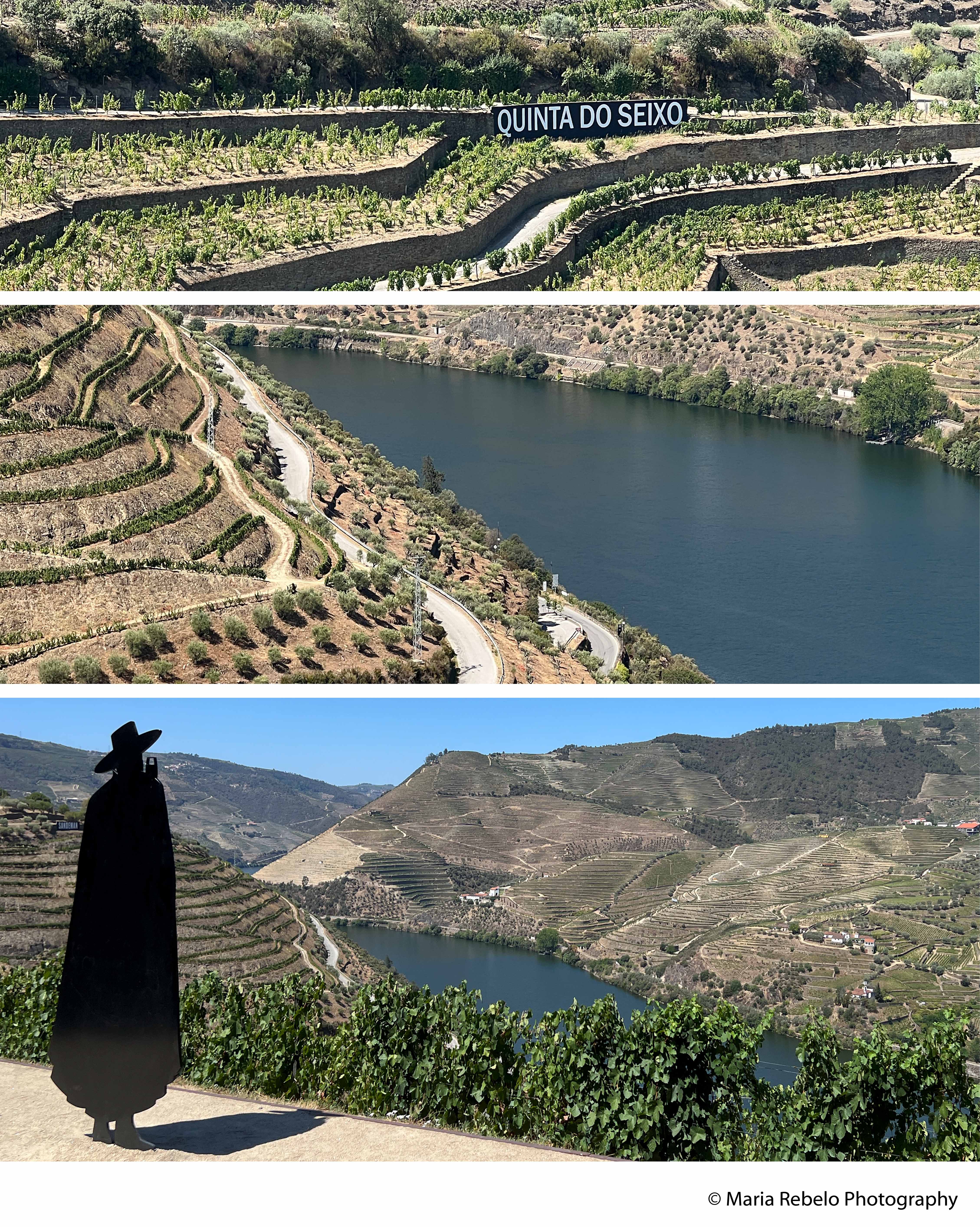
Quinta do Seixo in the Douro valley is a place of timeless beauty. Here’s how Henry Vizetelly described it in his book “Facts about Port and Madeira,” published in 1880:
“It occupies the spurs and slopes of a mountain, one side of which bounds the Douro, and the other the Rio Torto valley. Scattered over the heights above are the white cottages of the village of Valença, the vineyards of which produce a considerable quantity of first-class wine. The buildings of the Quinta do Seixo , which is entered through an imposing gateway, surmounted by the armorial bearings of its owner, are very extensive. The casa is both commodious and well arranged, and has a certain air of pretension about it, while the lagares and the adega are on a scale proportionate to the extent of the surrounding vineyard.”
This description remains remarkably apt. The main house still offers spectacular views of the surrounding vineyards, some of which are centenarian. But Vizetelly would be amazed to see that inside the traditional building, there’s a state-of-the-art winery.
Our guide explained what makes the Douro different: the stone terraces built to support the vines, the “field blends” made from varietals planted together in the vineyards, the poor soils that force the plants to struggle, making the berries small but full of flavor, and the methods used to produce tawnies, vintages, and late-bottled vintages.
She also told us about Georges Sandeman, the Scottish merchant who founded Sandeman in 1790. The company quickly became the largest port-wine shipper. Its mysterious logo, created in 1928, was inspired by its two product lines: ports from Portugal and sherries from Spain. It is a silhouette of a man wearing a Spanish hat and dressed in the cloak used by students in Coimbra, Portugal’s oldest university.
At the end of the tour, we tasted four wines—first, a harmonious white Vinha Grande with fine tannins and a pleasing acidity. Then, an exuberant red Callabriga made with grapes from the Callabriga hill, which was originally planted by the Romans. Next, a delicious 2019 Vintage Port from Quinta do Seixo that tastes even better with a view of the vines that produced it. And, finally, a great Sandeman Vau port wine from the 1999 vintage.
A visit to Quinta do Seixo is a delightful introduction to the wonders of the Douro valley.
On the last day of the year, there were fireworks on the beach. People enjoyed the impressive pyrotechnics. But the ocean did not stand still to stare at the sky; its waves kept rolling on the sand.
On the first day of the new year, there was copious rain. The ocean, created by millions of years of precipitaton, rejoiced like a child who sees her mother after a long absence. The waves danced, and we watched in awe how a coastline known for its sunny days could be so beautiful in the rain.
We wish you a joyous New Year and hope you come to see the beauty of the Portuguese coastline, rain or shine.
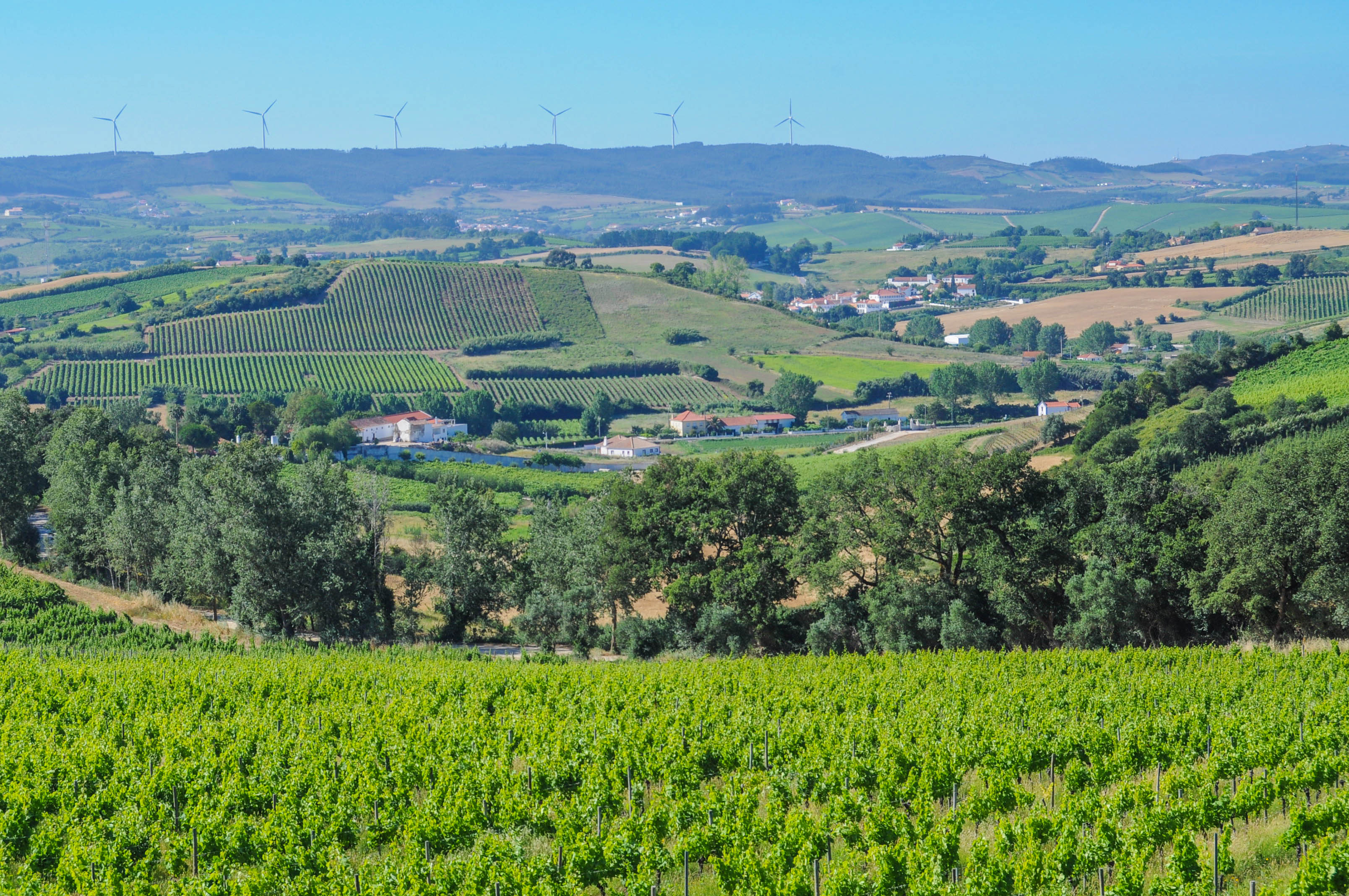
Some of our favorite wines come from an estate near Lisbon called Chocapalha. It has a privileged location. The Montejunto mountain protects the land from cold winds and the Atlantic breeze lends the wines an enticing freshness and acidity. The farm, which is known for its wines since the 16th century, has a hilly terrain with different sun exposures and soils rich in clay and limestone.
Chocapalha belonged since the 19th century to the family of Diogo Duff, a Scottish noble who came help the Duke of Wellington fight the Napoleonic troups. Paulo Tavares da Silva, a retired Portuguese Navy officer, and his Swiss wife Alice bought the estate from the Duff family in 1987.
The journey to the glorious wines produced today was long and arduous. There was a modern winery to build, laborers to hire, new vineyards to plant, sustainable practices to implement, and many other tasks. When we first met Paulo, he told us that a visiting producer tried to discourage him by quoting a French aphorism: “wine is an easy business; only the first 200 years are hard.” But he and Alice were not deterred. They were driven by a passion for the land and a desire to create a legacy for future generations. For this reason, they paid from the start close attention to environmental issues. They want to see that the soil is alive, the vineyards are healthy, and the birds and animals are thriving.
The family worked so hard that success came much sooner than anticipated. Alice and Paulo enlisted two of their daughters, Sandra and Andrea, to work at Chocapalha. Sandra, a renowned enologist, took time from Wine & Soul, the project she has in the Douro valley with her husband, to oversee the planting of the vineyards and the making of the wines. Andrea left a lucrative career in finance to manage the estate. Paulo works tirelessly in the vineyards. Alice graciously receives the many guests that visit the farm.
The wines speak for themselves: they are pure and refined, produced with minimal intervention so that each glass can take our palate to the sunny hills of Chocapalha.
There are many wines to try. There’s a Castelão with the elegance of a Pinot Noir and a Viosinho with the charm of a Chardonnay. Vinha Mãe has rich tannins and great concentration; it is a perfect companion for a cold winter night. The CH white, made with Arinto from old vines, is an aristocratic wine with subtle salinity. The wine is an homage to Alice (CH is the symbol of Switzerland, her homeland). The red Guarita, named after the farm’s sentry house, is an homage to Paulo. Produced with Alicante Bouschet, it is a symphony for the palate.
When you visit Chocapalha, you can taste their wines, visit the picturesque vineyards, and get to know a family passionate about creating some of the world’s most fascinating wines.
Chocapalha is located at Aldeia Galega da Merceana, 50 km from Lisbon. You can schedule a wine tasting by emailing chocapalha@chocapalha.com. Click here for their website.
The farmers market was bustling. The baker ran out of cornbread; the vegetable stalls were out of Christmas cabbages. At home, thick slices of salt codfish were soaked to be cooked and doused with fragrant olive oil. In a country with so many splendid wines, it’s hard to elect one to grace the table. But the choice was made. Pumpkin fritters and other delights are ready to be served. And most of all, there are friends and family coming to enjoy each others’ company in this beautiful corner of the world called Portugal.
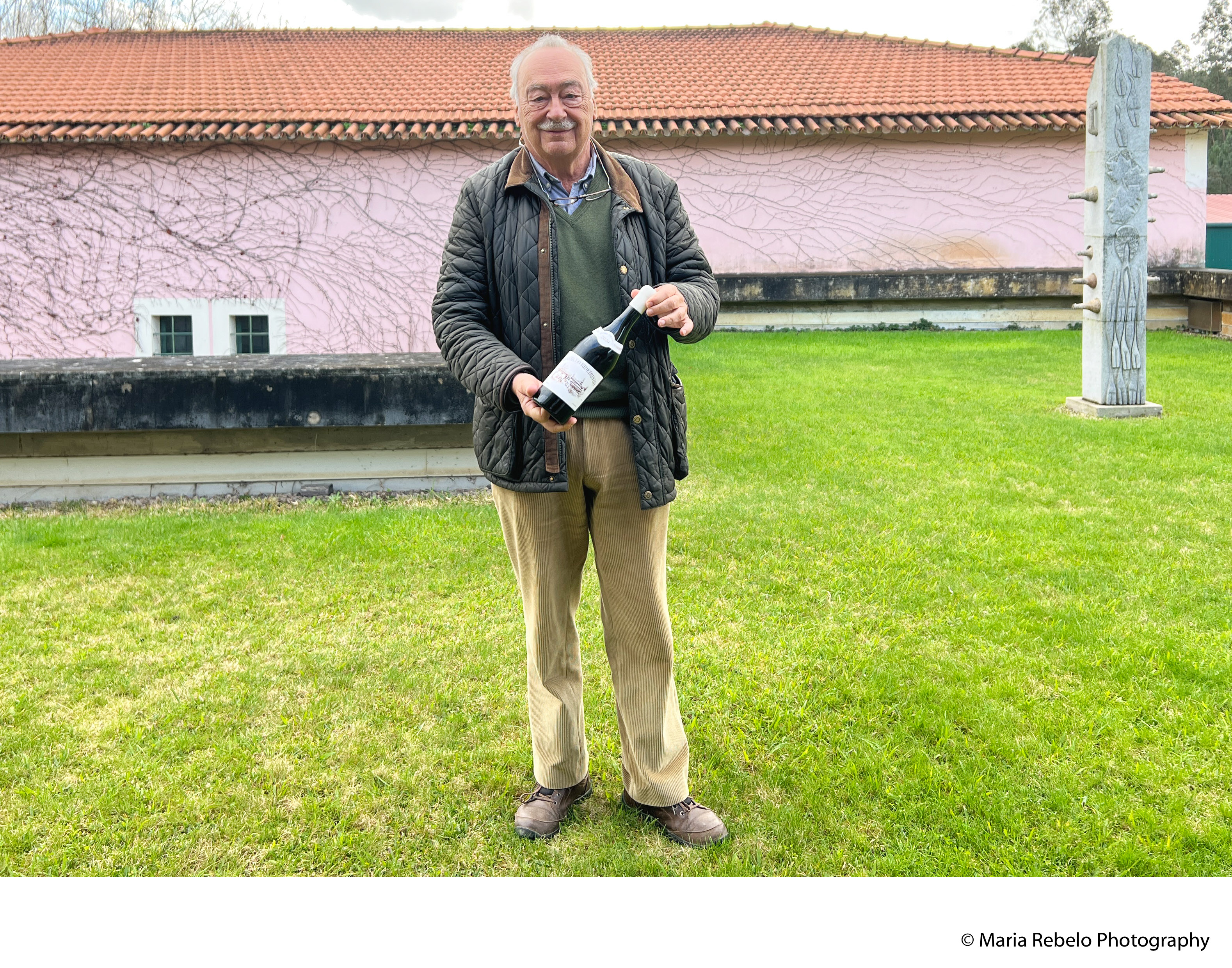
Luís Pato, the famous Bairrada winemaker, is always doing something new. One of his recent projects is a white wine made from a rare grape called Sercialinho. This varietal was created in the 1950s by crossing two iconic grapes: Sercial, used in Madeira wine, and Alvarinho, used in vinho verde (green wine). João Pato, Luís’ father, planted this new varietal about half a century ago on the sandy soils of his Quinta de Ribeirinho. Luís always loved the grape’s aromas, which resemble those of Alsatian Rieslings. For years, he has used Sercialinho to add acidity and aroma to his renowned Vinhas Velhas (old vines). In 2013 Luís made a single-varietal Sercialinho in his father’s honor. He started producing it regularly with great results since 2019. “I’m the world’s sole producer of Sercialinho,” Luís told us with pride.
But Sogrape, Portugal’s largest wine producer, also launched to great acclaim a Sercialinho wine produced in Bairrada (in Quinta de Pedralvites). It is part of their “Séries Ímpares” created to showcase unique varietals and terroirs.
DNA analysis revealed that Sogrape’s Sercialinho is a cross of Vital and Uva Cão. Is this the same varietal that João Pato planted? Are the two Sercialinhos identical twins, fraternal twins, or homonymous strangers? It is a mystery. What we do know is that they’re both spectacular wines!
We arrived late in the afternoon and waited outside the imposing marble gate. Before we could say ‘abracadabra’ or some other incantation, the gate opened, welcoming us to Quinta Dona Maria, a magnificent wine estate in Alentejo.
Isabel Bastos came to greet us. We walked with her to the palace’s chapel and sat down to hear her recount the story of Quinta Dona Maria. The estate was a gift from King John V to Dona Maria, a lady of the court with whom the king fell in love. Dona Maria left no descendants, so the property was sold in a public auction upon her death. The Reynolds, a family of merchants from southern England, purchased it. They renamed the estate Quinta do Carmo in honor of an image of the Lady of Carmo they bought for the chapel in 1752. The estate currently belongs to Júlio Bastos, Isabel’s husband, who descends from the Reynolds family.
Júlio’s grandfather started producing fine wines on the estate. The project was so successful that in a blind tasting with the Rothschilds held in the late 1980s, the wines from Quinta do Carmo tied with Lafitte Rothschild. Impressed by this feat, the Rothschilds proposed Júlio Bastos a partnership. But the two winemakers had different objectives and approaches. Júlio is passionate about the old vines planted with the traditional varietals of Alentejo, most of all Alicante Bouschet, a varietal brought by the Reynolds from France to Alentejo. The Rothschilds wanted to replant the vineyards with French varietals that could appeal to the international market. Eventually, the two parties separated. In this process, the Rothschilds kept the brand Quinta do Carmo, so Júlio renamed his wines and estate Quinta Dona Maria.
We walked to the wine cellar to see the 18th-century marble tanks where the grapes are still crushed by foot treading. The tanks were brimming with grapes that were starting the fermentation process that transmutes earthly grape juice into heavenly wine. Isabel served us an enticing rosé with pleasing fruit notes and refreshing acidity. Next, we tried a delightful white Viognier that shows how much this French grape shines in the soils of Alentejo. The tasting ended with pomp and circumstance provided by two sumptuous Dona Maria red reserves from 2005 and 2008.
It was time to go to the palace. The large door creaked as it slowly opened to show us rooms lit by candlelight that made us feel like we were back in the 18th century. Júlio joined us for dinner. His love for the land, food, and wine of Alentejo were evident throughout the meal.
The dinner, prepared by Filipe Ramalho from Páteo Real and Beatriz Tobinha, the palace’s resident chef, was a memorable feast. It started with Filipe’s famous tart made from chestnut-flower sausage, pears cooked in wine, quince marmalade, and chard. Then there was a slew of appetizers: tomato and watermelon salad, roasted peppers with bacon, slices of the brilliant sausages made at Salsicharia Canense, plates with savory Alentejo cheeses, and chickpeas with pickled codfish salad. A rich white Dona Maria reserve delicately aged in oak was an enthralling gastronomical companion.
Next came the main dishes: cação (a fish popular in Alentejo) in coriander sauce, pheasant in escabeche sauce and marinated carrots, and duck croquettes with black garlic mayonnaise. A splendid Dona Maria red reserve from 2017 made from old vines complemented the food with its festive taste of berries and hints of spices.
The dessert was an almond and pumpkin tart paired with the famed Júlio B. Bastos Alicante Bouschet, named after Júlio’s father. The wine’s acidity, tannins, and fruit sing to the palate in perfect harmony.
Glancing at the watch, we saw the two hands pointing to midnight. We knew from fairy tales that it was time to leave. We thanked Isabel and Júlio for their warm hospitality and drove back to our hotel. We slept peacefully but woke up wondering: was the dinner at Quinta Dona Maria a dream?
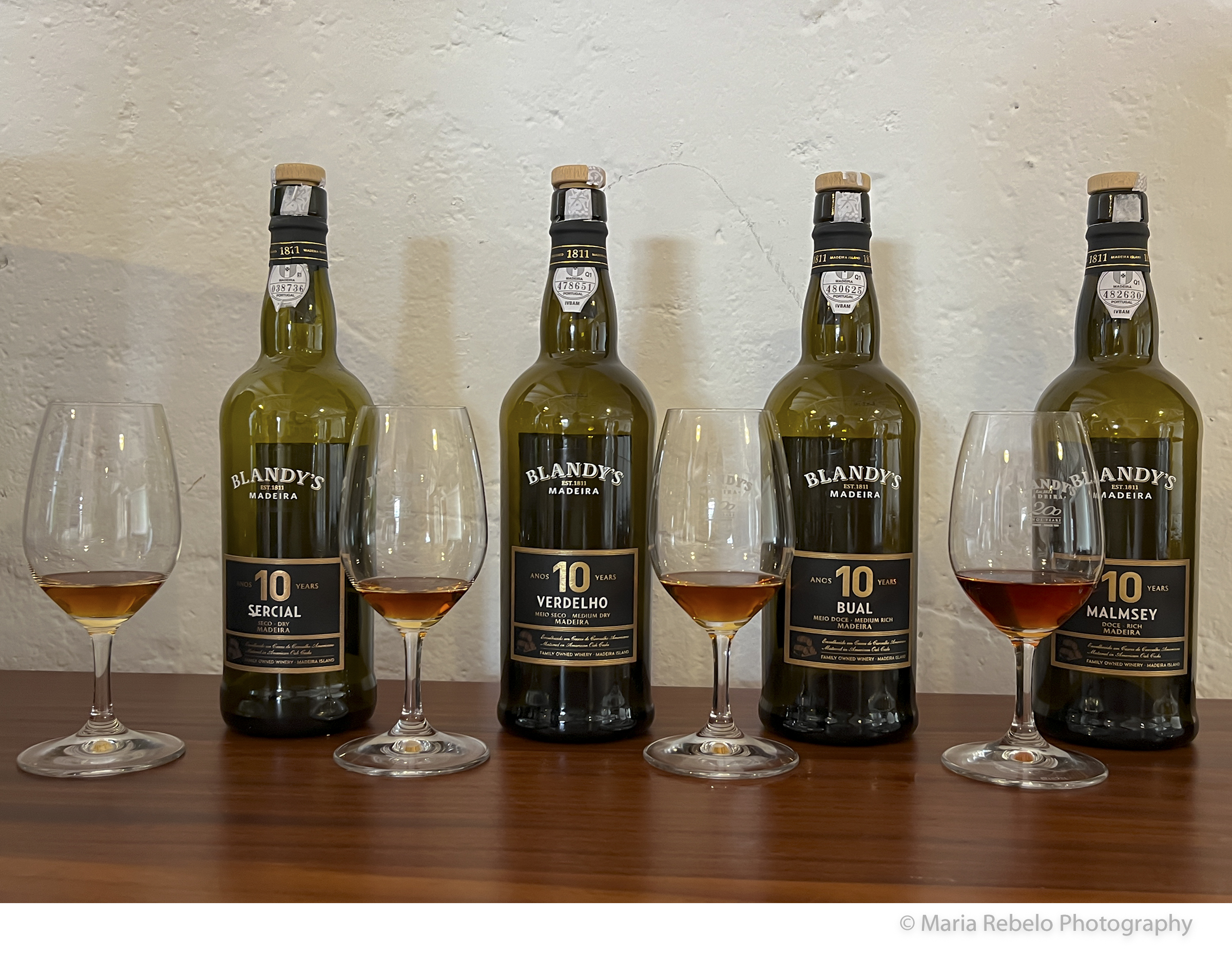
If you’re looking for a fun holiday activity for your grown-up friends, we have just the thing: a Madeira wine tasting. We suggest starting with the four classic styles, each named after the white grape varietal used in its production: Sercial, Verdelho, Bual, and Malmsey.
These wines have a combination of sweetness and acidity that enchants the palate. But each style is distinct. Sommeliers often serve the dry Sercial and medium-dry Verdelho as aperitifs and the medium-sweet Bual and sweet Malmsey as dessert wines.
Madeiras are fortified wines. Winemakers add neutral vinic alcohol at 96 degrees to stop the fermentation process through which yeast converts grape fructose into alcohol. As a result, not all fructose is converted into alcohol and the wine retains some residual sugar. Fortification has been used since the mid-18th century to give Madeiras the endurance they needed to survive long sea voyages.
Francisco Albuquerque, Blandy’s winemaker, says he generally stops the Sercial fermentation after ten days. For Malmsey, he suspends the fermentation after two days, so there’s a lot more sweetness left in the wine. Perhaps that is why, according to Shakespeare, the Duke of Clarence, condemned to death for treason against his brother King Edward IV, asked to be drowned in a cask of Malmsey.
Shippers discovered that Madeiras improve when they cross the equator in the hulls of sailboats. To mimic this effect, producers expose Madeiras to heat. For superior Madeiras this exposure happens in warm cellars, where the wines age for several years in old American oak casks before they’re ready for our enjoyment. The longer they stay in oak barrels, the more complex they become.
So, which Madeira do you favor? And which do your friends prefer? It’s great fun to find out!
Standing in the shadow of Lisbon’s old pantheon, we knock on an inconspicuous door that opens into a courtyard erected in 1728. On our right is the entrance to one of Lisbon’s most hallowed dining rooms: a restaurant called Ceia. Those who’ve been here before experienced much more than superb food, exquisite wines, and courteous service. We had an enchanted evening.
João Rodrigues, Ceia’s owner, is an alchemist who knows how to transform a meal that nourishes the body into a celebration that nurtures the soul. He gathered a star team, headed by chef Diogo Caetano and sous-chef Tiago Silva, and trusted them with precious ingredients: pristine organic produce freshly picked at Herdade do Tempo in Alentejo.
Ivo Custódio, the sommelier, greets us with an old acquaintance: a white wine made by Luís Mota Capitão, the iconoclast winemaker of Herdade do Cebolal. We enjoy the wine and the conversation with the other guests. Then, Ivo invites us into the dining room. We gather around a long wooden table to hear him explain that the meal is a journey through Portugal’s culinary and enological landscapes.
The voyage starts at the bottom of the ocean with tuna tartare on crunchy seaweed crackers, seaweed sponge cake, and gooseneck barnacles. An Atlantis rosé made with Negra Mole on the Madeira Island enhances the sea flavors.
We rise to the ocean’s surface with the taste of briny oysters paired with tart apples from Alcobaça and seaweed ice cream. The oysters come with a magnificent 2014 white wine from Colares, a small region near the sea where the vines, planted in the sand, survived the phylloxera scourge that decimated Europe in the 19th century. Made by Chitas (the nickname of an old producer called Paulo da Silva) it is a complex wine that fascinates and delights.
We arrive at the beach with a delicately cooked turbot seasoned with smoky olive oil powder and served in a Bulhão Pato sauce. It is so delicious we barely resist the urge to ask for seconds.
But we find new joys in the lowlands where a sourdough bread fermented for three days and a cornbread baked with dried fruits await us. They come with Amor é Cego, a piquant oil made from Galega olives. There are also plates of luscious butter from Pico, an island in the Azores archipelago.
Ivo serves an elegant 2012 red from Quinta de Lemos in the Dão region. It is made with Jaen–a grape varietal brought to Portugal by pilgrims who traveled to Santiago de Compostela. Like the wine, the conversation flows freely around the table.
In the plains, there is rabbit served with an ice cream made from escabeche, a traditional sauce prepared with vinegar and olive oil. Kompassus, a sparkling wine made from Baga, a red grape from Bairrada, refreshes our palate.
We climb up the mountain with a roasted purple cabbage dressed with a pennyroyal and champagne sauce. It comes with Sousão, a vibrant red wine from Vale da Raposa in the Douro valley.
At the top of the mountain, we taste pigeon and potatoes from Trás-os-Montes served with a fermented garlic sauce. There’s also a mystery box with a delightful croquette and a scrumptious Philo-dough cup filled with sorrel leaves.
Ivo serves a celebratory Breijinho da Costa, a fortified wine made in Setúbal with purple muscatel grapes. The meal ends with sweet fireworks: a noisette pave, petals of roasted peach, thyme ice cream, and lemon curd. And there are mignardises: a traditional Abade de Prisco pudding, coconut biscuits, cinnamon and strawberry truffles.
Everybody lingers around the table feeling a sense of camaraderie. Then, we say our thanks and goodbyes and walk into the warm night in a state of enchantment.
Ceia is located at Campo de Santa Clara, 128. Lisbon. Click here for the restaurant’s website.





 Salt of Portugal