A dream palace

Sintra_PalácioPena
The Pena Palace, Maria Rebelo, digital print image, 2012.

The story of the Pena Palace begins in the 16th century. King Dom Manuel was hiking in Sintra when he sighted Vasco da Gama’s sailboats arriving in Cascais from their voyage to India. To celebrate da Gama’s feat, the king built a monastery on the top of the Sintra mountain. But, over time, the building fell into disrepair and was eventually abandoned.

When Ferdinand Saxe-Coburg-Gotha, the husband of Queen Dona Maria II, visited Sintra, he saw the derelict monastery surrounded by a barren landscape. Ferdinand imagined a beautiful palace and an enchanted forest. He bought the property in 1838 and restored the old monastery to use as a Summer residence. Later, he built an adjacent palace with larger rooms to accommodate state functions. The monastery is pink and the new palace yellow, so they are easy to tell apart.

Around the palace, Ferdinand created artificial lakes and an irrigation system. He studied the soil and supervised the plantation of trees brought from all over the world.

In 1853, Dona Maria died and Pedro, the couple’s elder son, inherited the Portuguese throne. Ferdinand was offered the throne of Spain, but he loved living in Pena so much that he refused the offer. The Pena Palace is the dream of a German prince who fell in love with Portugal.

The art of traveling

FrancesMayes

Travel is like many other things in life–we get what we put into it. So much of the pleasure of travel is anticipation: plotting the route, learning about history and culture, imagining the sights, preparing the senses for new tastes and aromas. Travel guides help us with the planning, but they often urge us to rush from site to site, accumulating tourist points until we’re totally exhausted and eager to return home.

There’s so much we can learn about the art of travel from the writer Frances Mayes. In chapter 2 of her book “A Year in the World,”  Mayes describes how she navigated through Portugal without compass, astrolabe or GPS. She knows when to slow down to enjoy the scenery, how to spot a good restaurant that no guidebook has noticed, how to be open to happenstance. And her writing places us on location, enjoying our vacation before it even starts!

Portuguese zen

Bola de Berlim

A “bola de Berlim” (Berlim ball) is deliciously simple: fried dough filled with pastry cream and coated with sugar. How can we enjoy this treat in an era of constant calorie counting?

Here’s the strategy. Do you know those times when we’re annoyed by the small predicaments of life? We’re waiting in an endless line, lock our keys inside the car, step on a puddle of oil, or lose our umbrella as it starts to rain. Instead of getting frustrated, we smile and think: we earned a bola de Berlim!

We rush to a pastry store and ask without a trace of guilt: “uma bola de Berlim, por favor.” We then enjoy the bola for what it really is: a necessary moment of zen.

This Bola de Berlim is from Tartine, a wonderful new bakery in Chiado where you can enjoy breakfast, brunch and other light meals. Tartine is located on Rua Serpa Pinto, 15, Lisbon, tel. 213429108. Click here for their website.

The queen’s in the palace

JV_205-Edit

Her grandfather, who worked in an antique shop, believed that it takes several generations to create a great artist. Maybe this belief was the point of departure for Joana Vasconcelos, who often draws inspiration from age-old artisan techniques. Some of her pieces have a colossal scale, shoes built with pots and pans, giant wrought-iron teapots, towers fashioned out of champagne bottles. But she also makes small, whimsical objects.

In 2012, the Palace of Versailles invited Vasconcelos to showcase her work. The artist filled the palace with glamorous objects made of humble materials: feathered helicopters, ceramic lobsters, giant fabric sculptures, outsize hearts built with plastic cutlery. She dedicated the exhibition to the Portuguese women who work in Paris as concierges.

From March 23 to August 25, Vasconcelos shows her work in a perfect setting: the Ajuda royal palace in Lisbon. Portugal abolished the monarchy in 1910. But, in the arts, Joana Vasconcelos is our reigning queen.

Click here to visit Joana Vasconcelos’ web site. You can see her exhibition at Ajuda from 10 am to 7 pm every day except on Wednesdays. On Saturday the exhibition stays open until 9 pm. Click here for more information.

Cherishing the mackerel

RBD_desenho-cavala
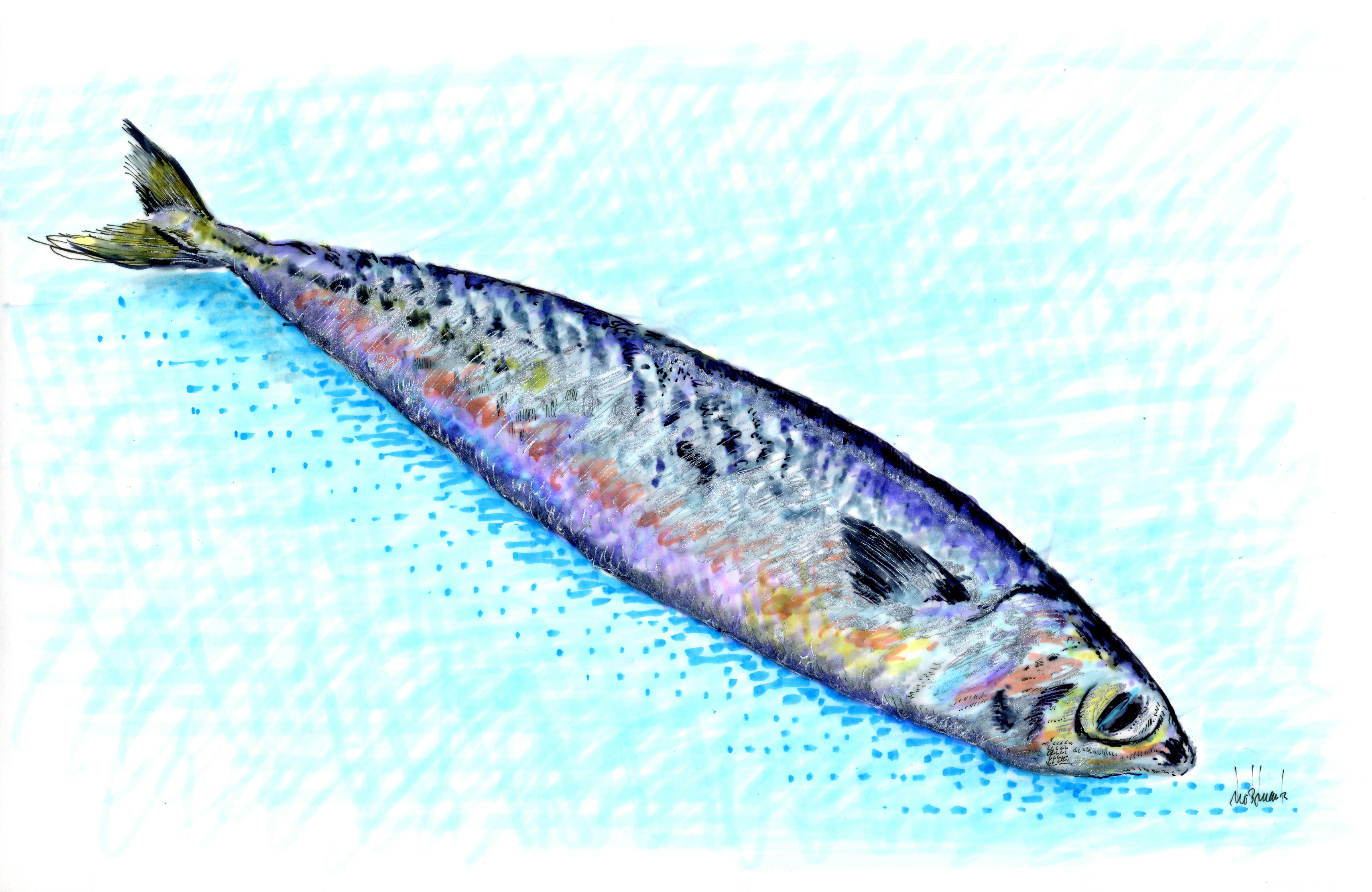
A cavala, Rui Barreiros Duarte, ink on paper, 2012.

Fernand Point’s famous cookbook, Ma Gastronomie, includes two mackerel recipes. But in Portugal this fish, known as “cavala,” has never been popular. When fish mongers find mackerel mixed with other fish, they often give it away.

We worry that our national indifference toward the mackerel might make it swim to France in search of recognition. Luckily, chef José Avillez decided to pay tribute to this wonderful fish at his restaurant, Belcanto.  His recipe starts with a traditional “salmoura”: the fish is soaked in water, salt and sugar. It is then sliced and marinated in an infusion of rice vinegar and green apples. Finally, the mackerel is seared and served with delicately pickled vegetables.

If you go to Belcanto, please order this delicious dish. Help us keep the mackerel on the Portuguese coast!

Cavala Belcanto

Belcanto is located at Largo de S. Carlos, 10 in Lisbon. Tel. 213-420-607.

A sweet inheritance

Morgadinho

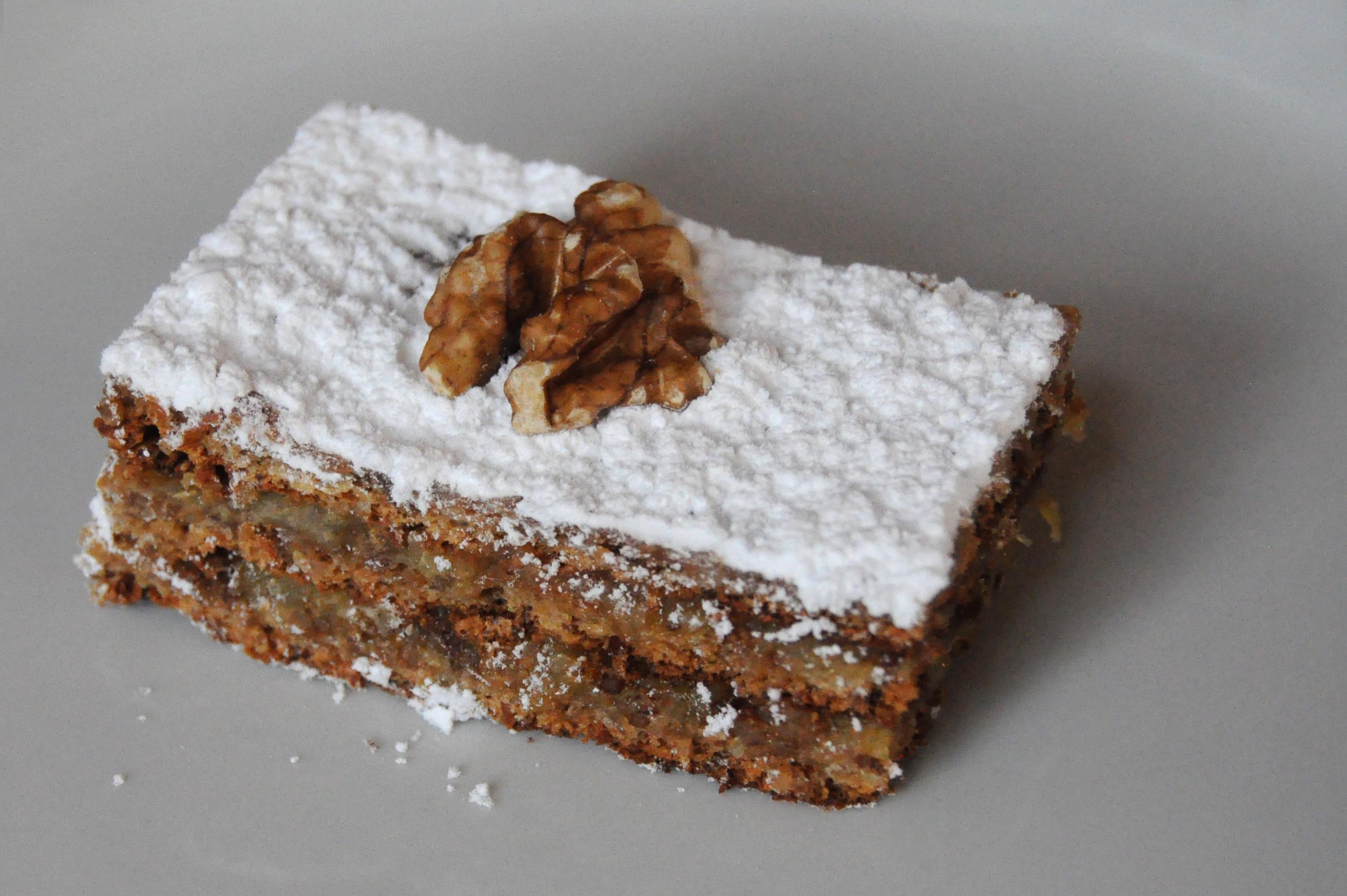
When we eat lunch at the Palace Hotel in Bussaco, we feel like a character in a 19th-century novel. There is a serenity, an ability to enjoy the passage of time that is absent from modern life.

The items on the menu are variations on traditional recipes, prepared with care and served with elegance. When the dessert cart arrives, the waitress recommends without hesitation the “Morgado do Bussaco.” It is a perfect dessert, made with only nuts and honey. Morgado means young heir. We’re lucky that Bussaco inherited this old recipe and shared it with us.

Sacred woods

Bussaco

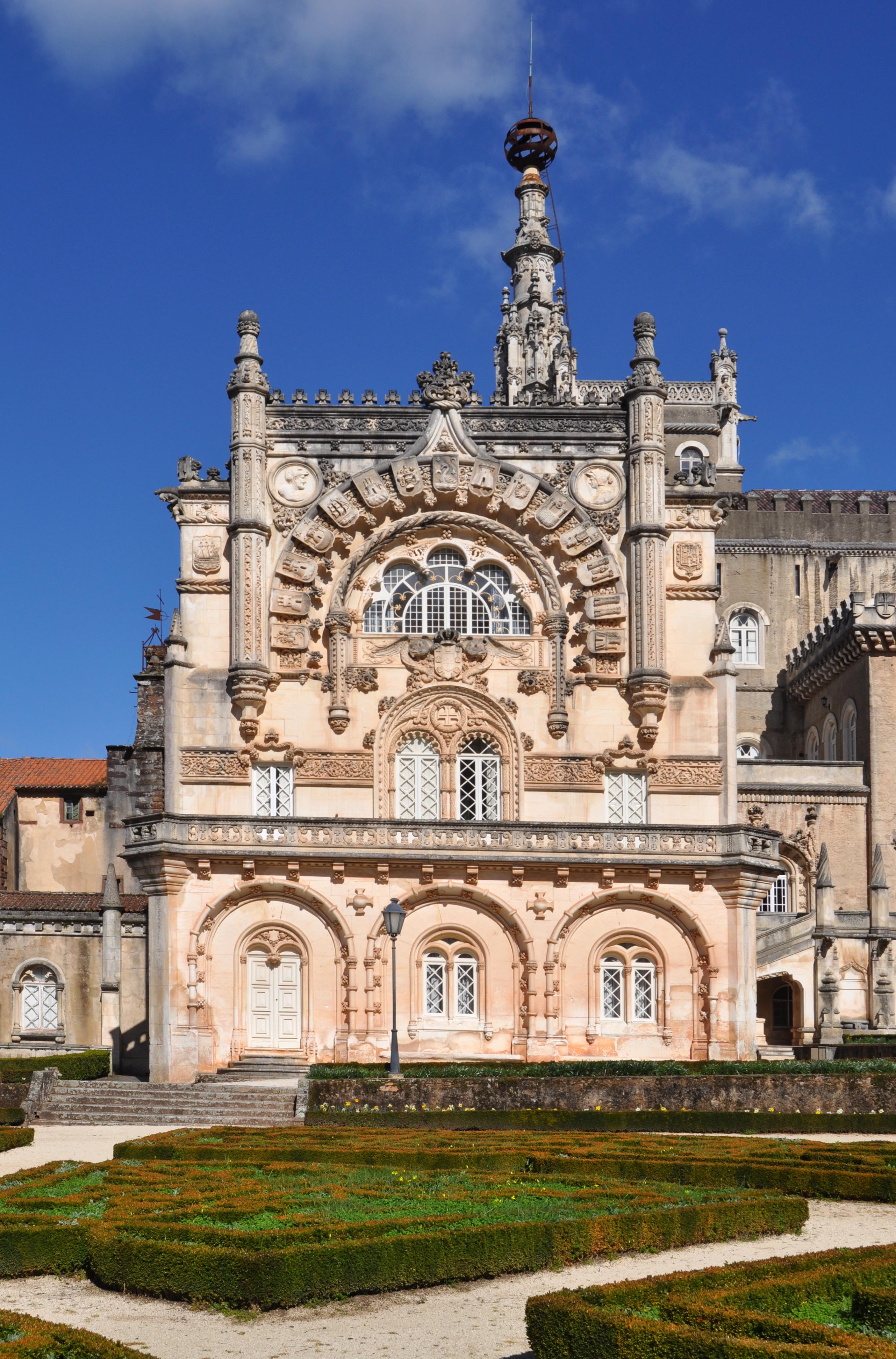
Bussaco is one of the most romantic places in Portugal. It was once a Carmelite monastery where only men were allowed. When, in the 17th century, Queen Catherine of Bragança announced a visit, the monks opened a special door for her. But the visit was canceled and the door was immured.

The monks called the lush woods around the monastery “boscum sacrum,” sacred woods. Some say this designation is the origin of the word Bussaco. It was in these woods that Portuguese and English troops led by the Duke of Wellington defeated Napoleon’s army.

By the late 19th century, the Bussaco monastery was in ruins. King Dom Carlos transformed it into a pavilion where the royal family could stay while hunting for wild boars. Later, the pavilion was converted into a fairy-tale luxury hotel that became a favorite with the European aristocracy. Dom Manuel II, the last king of Portugal, came here on vacation, not knowing that he would soon be forced into exile.

The Carmelite monks used to produce wine in the monastery grounds. The Palace Hotel revived this tradition in the early 20th century, making unfiltered wines with grapes from two regions, Dão and Bairrada. You cannot buy these legendary wines anywhere, so you have to travel to Bussaco to try them. It is a trip you’ll not forget.

Click here, for the Bussaco Palace web site.

Portuguese fast food

H3

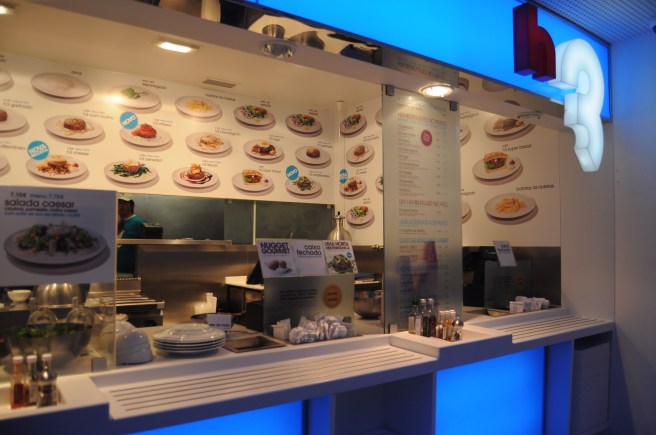
Portuguese cuisine is definitely slow food. You have to wait for the fish to grill, the clams to open, the meat to roast, or the shrimp to cook. If you’re in a hurry, Portuguese cafés offer a wide array of finger foods to eat on the go: tasty codfish cakes (bolos de bacalhau), delicious small pies (empadas), crunchy paninis (tostas mistas), and much more.

But, if you’re in need of something quick and more substantial, try a Portuguese hamburger chain called H3. They cook to order delicious hamburgers made with great ingredients. Start with the wonderful “croquetes de alheira” as a appetizer. Then, choose one of the many burger configurations, with toppings ranging from mushrooms to foie gras. You’ll see why this fast-food chain is growing so fast.

Click here for the H3 website (choose “onde” to see a list of locations). 

Mental vacations

Mentalvacation

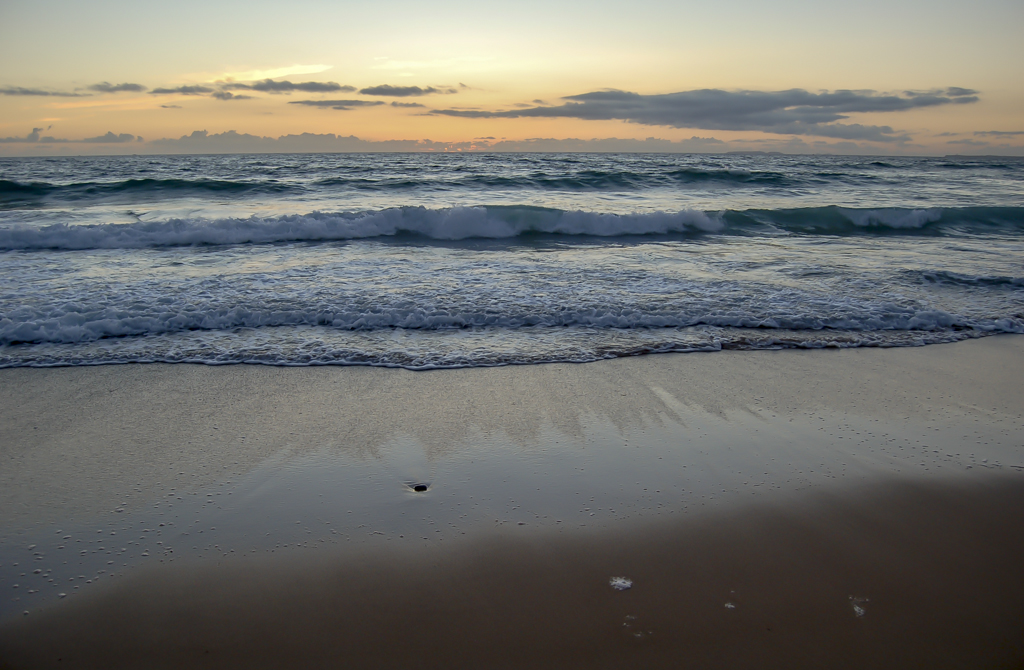
When things are not going our way, we take a mental vacation and recall a day at the beach. It’s late afternoon and the sun is getting ready for an ocean dive. The temperature is perfect; a slight breeze caresses our skin. Sometimes, we daydream about the Algarve, where the air is perfumed by almond flowers. Other times, we imagine the west coast of Portugal, where the wind smells of pine and seaweed. All we hear is the chatter of the waves. All we feel is the serenity of the moment.

Pedro Rebelo is a Portuguese composer, sound artist and performer, working primarily in chamber music, improvisation and installation with new technologies. You can learn more about his wonderfully original work by clicking here.

Kissing in Portugal

Labios

Historians trace the costume of kissing on the cheeks to the French Revolution when it was used to show solidarity. Since then, the French made greeting into an art form. Depending on location and circumstance, they might kiss twice, thrice, four times, or not at all.

The Portuguese are quite formal, but greeting norms are relatively simple. Men greet each other by shaking hands. Women greet man or other women with two kisses, the first on the right cheek and the second on the left.

There is, however, one tricky exception: in Lisbon close friends kiss only once, on the right cheek. So, as you start making friends in Portugal, you might go through a period of hesitation: should I greet them with one or two kisses? It’s a price well worth paying for the joy of having Portuguese friends.

Drawing (ink on paper, 2013) by Ana Duarte. Check out her clothes collection here.