Quinta do Vale Meão

One of the Douro Valley’s ultimate experiences is visiting Quinta do Vale Meão. While the estate is not generally open to the public, it does receive a few small groups each year. You can email in advance to inquire whether they can host you.

Vale Meão was the last estate planted by the legendary Dona Antónia Ferreira. It was a colossal endeavor: 300 hectares of wild bush were converted into vineyards and olive groves. Dona Antónia invested in the remote Vale Meão against the advice of her general manager because of its unique characteristics. It is located on a geological fault with three different types of soil: schist, granite, and sedimentary clay deposited by the river. The weather is dry, as clouds rarely cross the Marvão mountain, reducing the prevalence of vine diseases like oidium.

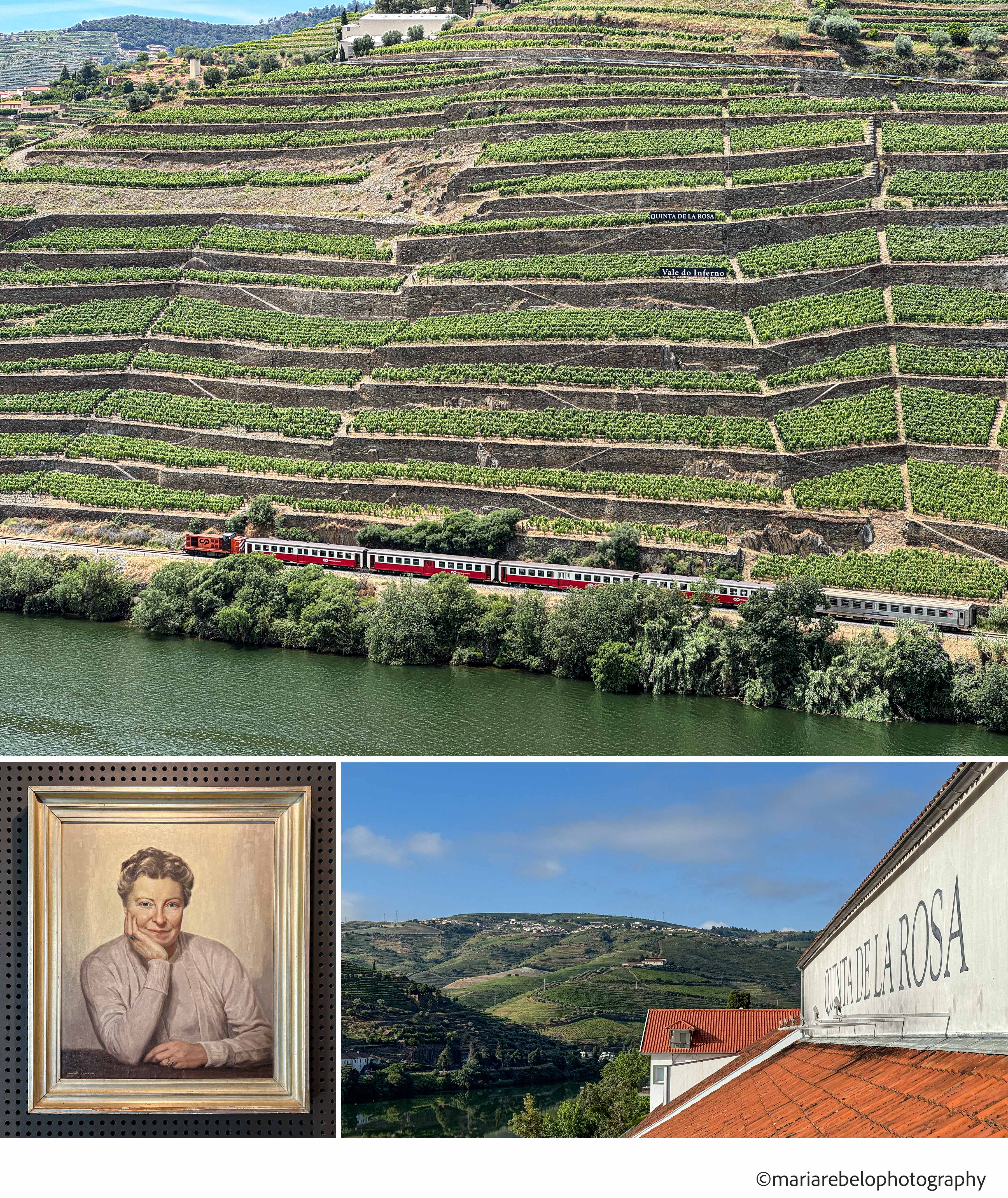
The best way to reach Vale Meão is by taking the train from Pinhão to Pocinho. There are usually few passengers, so you can choose a seat by the riverside and enjoy a glorious hour beholding the Douro river in all its splendor. The train rushes through bridges and tunnels carved into granite hills, but the river is seldom out of sight.

You go by Cachão da Valeira, a treacherous spot before dams regulated the water flow. Here, Dona Antónia and the Baron of Forrester, another eminent figure of the Douro Valley, fell into the river in a boating accident. Dona Antónia survived, but the Baron drowned. The locals say in jest that her voluminous skirt saved her, while the Baron sank because his pockets were filled with gold coins.

Maria Ferreira, a former teacher who oversees enotourism at Vale Meão, picked us up at the Pocinho train station in a vintage Land Rover. Though not related to Dona Antónia, Maria speaks about the estate with such passion it feels as though she is part of the family. An eagle followed the Land Rover as we drove through Cortes de Veiga, a village created to house the many laborers who worked at Vale Meão between 1885 and 1887.

The name Meão, which means “middle,” refers to the river encircling the property, making it feel like an island. The vineyards are planted on a magnificent plateau by the river.

Maria took us on an exhilarating safari through the vineyards. We then visited Barca Velha, a cellar built in 1892 named after an old rowboat used to cross the river. Here, Fernando Nicolau d’Almeida crafted the first Barca Velha in 1952, combining grapes from Vale Meão with those grown at higher altitudes in Meda to craft a table wine that became iconic.

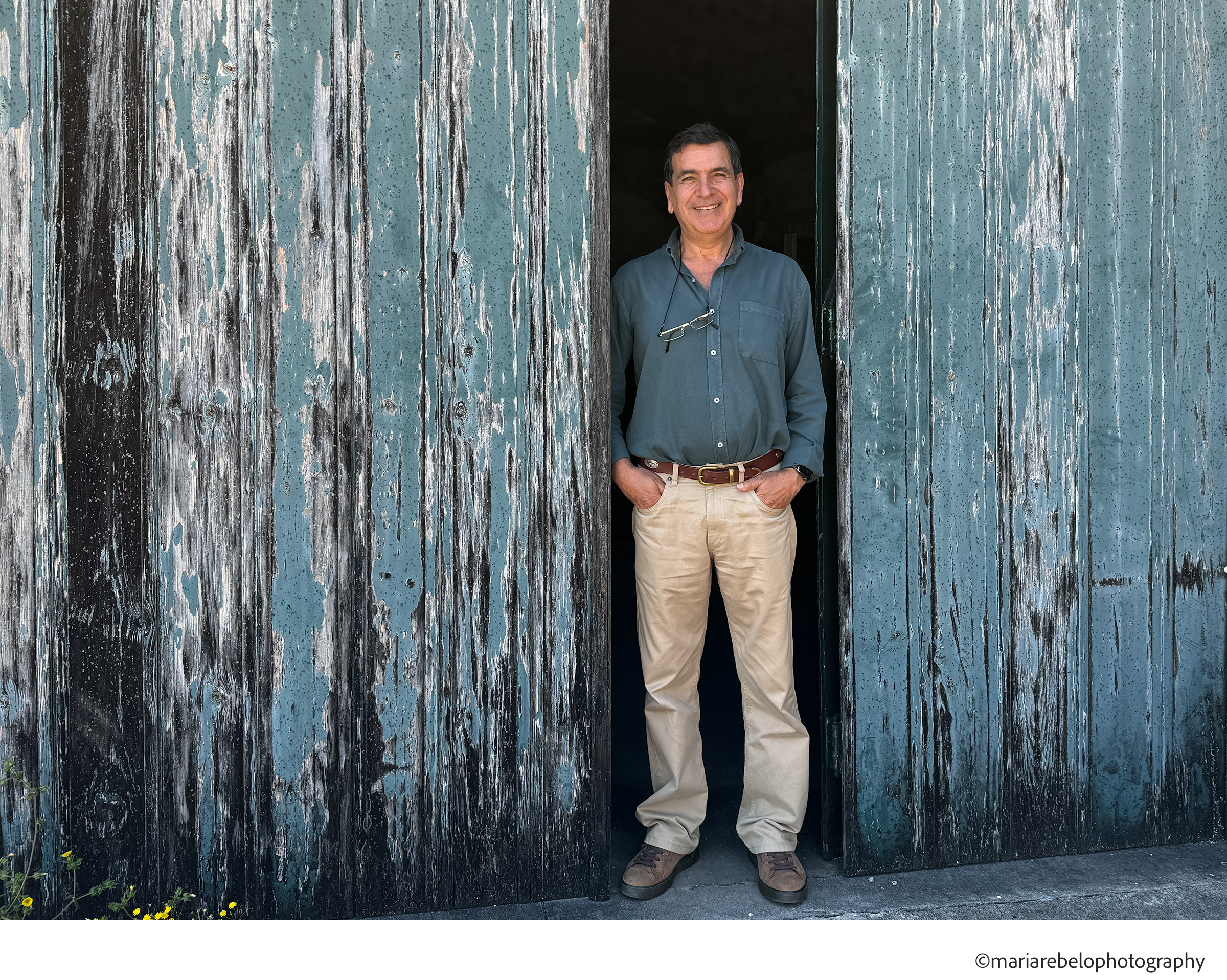
Our tour concluded at the main house, constructed by Dona Antónia in 1894. We were warmly received by three of her descendants: Francisco Olazabal, known as Vito, his son Francisco, known as Xito, and his daughter Luísa. They welcomed us with a refreshing white Monte Meão, made from a blend of two grape varietals grown at opposite ends of the estate—Arinto in the sedimentary soils of the north and Rabigato in the schist soils of the south. This wine beautifully showcases the diversity of the terroirs at Vale Meão.

As we talked to Vito, Xito, and Luísa, it became clear that wine is a language to them. Soils and grape varietals are like words that can express human craftsmanship and the whims of the seasons to make wine as fine as poetry. Their passion for wine is only matched by the generosity with which they share the fruits of this extraordinary place with those who visit.

We tasted the Monte Meão Vinha da Cantina, a surprising wine made from baga, a red grape from Bairrada. While in Bairrada, baga produces tannic, robust reds; here, it yields a light (11.5% alcohol), vibrant wine.

Next, we enjoyed a remarkable Monte Meão Touriga Nacional from the granite soils of Vinha dos Novos. It has a crimson color, a delicate floral aroma, and a supine elegance on the palate. It was followed by a beautiful Monte Meão from Casa das Máquinas, home to the estate’s oldest vineyards that combines Touriga Francesa and Tinta Barroca.

The tasting of table wines concluded with two stunning Vale Meão vintages. The 2014 vintage is a complex, alluring wine, and the 2002 vintage is exquisite in its subtlety and refinement. 

Then, port wines entered the scene. First, a 10-year-old tawny, which is all that a great tawny can be, offering notes of nuts, coffee, chocolate, and orange rind to enchant the palate. Then, a stunning 1999 colheita, that is richly satisfying.

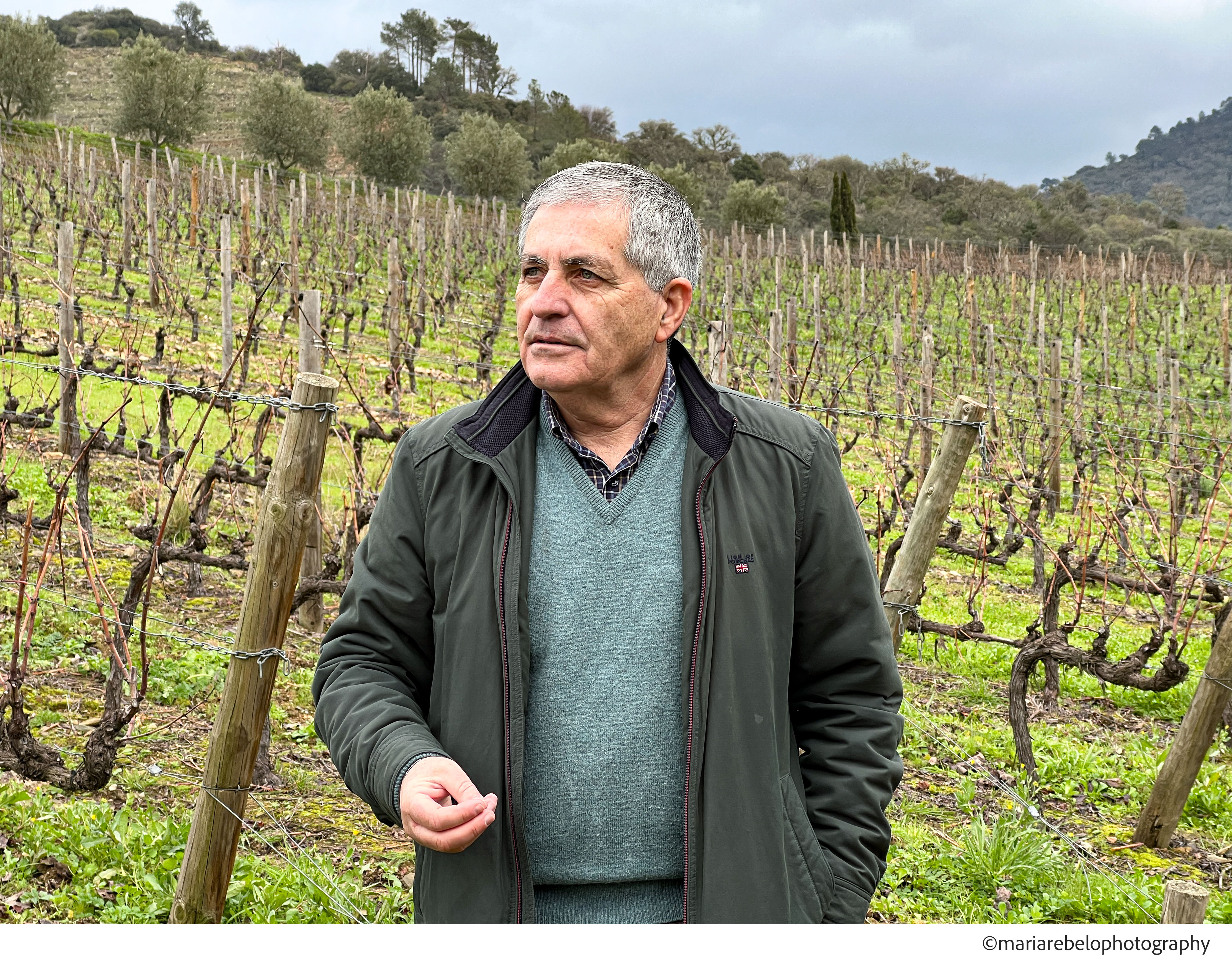
In 1999, Vito took a significant risk by leaving his safe position as a director at Sogrape, the large wine company that acquired most of Dona Antónia’s properties, to start a new family project under the Vale Meão name. The many accolades earned since then, including inclusion in the Wine Spectator’s list of the world’s top 5 wines, show clearly that the risk paid off. From her celestial vantage point, Dona Antónia must be beaming with pride.

To inquire about a tour hosted by Maria Ferreira, email turismo@quintadovalemeao.pt. Click here, for the estate’s website.

Destination restaurants in Portugal 

In 1926, the Michelin Guide began classifying restaurants into “vau l’etape” (worth stopping), “vaut le detour” (worth going out of your way for), and “vaut le voyage” (destination restaurants).

We are often asked which are the destination restaurants outside of Lisbon and Porto. Here are our very own recommendations listed in alphabetical order.

Alta

Chef Julie Marteleira and her sister Jennie left successful careers in Toronto to open a restaurant near the Portuguese village where their parents married. Alta, at Praia da Areia Branca, offers the freshest ingredients, exceptional preparation, and stunning ocean views.

Botequim da Mouraria

Located in Évora, a beautiful Roman town, this restaurant seats only eight people and takes no reservations. It is worthwhile to arrive early to feast on the traditional food from Alentejo prepared by Florbela Canelas and served by her husband Domingos.

Bussaco Palace 

A royal retreat built by King Charles I and converted into a luxury hotel in the early 20th century. This place has everything: a majestic setting, iconic wines exclusive to the hotel, and delicious food prepared by Nelson Marques, a talented young chef.

Gadanha Mercearia 

Brazilian chef Michele Marques has lived in Portugal for so long that she almost lost her Brazilian accent. But her approach to cooking food in Alentejo remains unique—a magical combination of authenticity and creativity that always produces memorable meals. 

Lamelas 

This restaurant is in Porto Covo, a seaside village so beautiful that it inspired an eponymous song by singer Rui Veloso. Chef Ana Moura offers a cuisine that is elegant, creative, and full of  flavor, making every meal feel like a summer vacation.

Mugasa 

Chef Ricardo Nogueira is renowned throughout Portugal for his delicious roasted suckling pig. His restaurant is a gathering place for great Bairrada winemakers like Mário Sérgio, Filipa, and Luis Pato. The restaurant offers their wonderful wines at modest prices.

Noélia 

The culinary queen of the kingdom of Algarve did not inherit the throne. She conquered it by cooking the pristine seafood of the Algarve with such reverence and care that every meal is like a prayer. 

Páteo Real

In the shade of the castle at Alter do Chão Filipe Ramalho, serves a delicious evolution of traditional Alentejo cooking. Do not miss his classic tart, cooked with farinheira sausage made with chestnut flour, topped with pears cooked in wine, quince marmalade, and chard. 

Toca da Raposa 

Located in Ervedosa do Douro, surrounded by some of the best vineyards in the Douro Valley, Dona Graça and her daughter Rosário use almost forgotten recipes to make food that satisfies the soul.

Quinta de La Rosa

La Rosa was among the first estates in the Douro Valley to welcome guests. Over thirty years ago, several rustic houses were converted into accommodations, allowing visitors to stay amidst some of the region’s finest vines. The lodgings are simple, but the views are magnificent. Across the river, olive groves and vineyards ascend a steep hill. Below, the river flows without a care, its green waters sparkling in the sunlight like diamonds set in green turquoise. 

In the morning, the sun casts a golden glow over the vines, gently evaporating the dew and steadily raising the temperature. This process helps maintain the freshness of the grapes, which contributes to the wine’s unique character.

We wake up to the sounds of boats gliding on the river and roosters singing, accompanied by a choir of birds. It’s wonderful to sit in the shade and enjoy the stunning landscape. The terrace of the breakfast room offers one of the best views in the Douro Valley.

At the turn of the 20th century, the estate was known as Quinta das Bateiras and belonged to António Reis, a local doctor. The Feuerheards, a family of German port shippers, bought the quinta as a christening present for their granddaughter Claire. Her father renamed it La Rosa after a successful brand of sherry his company had launched. He used the estate’s grapes to make port under the Feuerheard label.

In 1935, the Feuerheard shipping company went bankrupt, but Claire kept the estate because it was her personal property. When Claire divorced in 1946, she moved to La Rosa and lived there until she died in 1972. The beauty of the place compensated for the challenges of running an estate that was always in need of maintenance and repairs. To make up for the remote location, Claire hosted lively house parties for visitors and neighbors.

When, in 1988, Sophie Bergqvist, Claire’s granddaughter, took over the business with her father, the estate was in disrepair. Sophie started making port under the La Rosa name. In 1991, she enlisted David Baverstock, a famous enologist, to make one of the first Douro table wines. Since then, the fame of the wines has continued to grow. In 2002, another renowned enologist, Jorge Moreira, took over wine-making at La Rosa. Prizes and accolades continue to accumulate. If Claire were alive today, she would undoubtedly throw a grand party to celebrate the success of La Rosa.

Quinta de La Rosa, situated near Pinhão, is easily recognizable by its main entrance adorned with wooden statues of the eagles featured on the family crest. Click here for their website.

Tradition and modernity at Casa Tradição

Casa Tradição is located near Lisbon’s old cathedral, a neighborhood rarely visited by locals. The restaurant has rustic decor, so we went in expecting a traditional meal. But our waiter mentioned a tasting menu, and we tried it.

Dinner began with an assortment of bread served with creamy nut butter and fragrant olive oil from Porto de Mós, the hometown of the restaurant’s chef, Samuel Mota.

Then, the unexpected delights started. First, a martini glass brimming with ice held a slice of apple marinated in citrus and spices, evoking the essence of a frozen sangria. Then, a crisp mini baguette layered with Serra cheese and exquisite Pata Negra prosciutto. 

But the clearest sign that this would be a memorable night came next: a pastry resembling a pastel de nata crowned with smoked codfish and filled with a blend that echoes the flavors of traditional creamed codfish.

We were still recovering from this moment of deliciousness when we were served a cabbage tempura stuffed with migas made from beans and olives. The rich and satisfying taste was reminiscent of a Portuguese sausage called alheira. 

The seafood entrée was stunning: a delicately cooked large Algarve shrimp served with a broth and fermented lupini beans. The fish course was a perfectly cooked corvina with asparagus and açorda made with fish roe.

The seventh step to culinary heaven was faux cabidela rice. Traditionally made with vinegar and chicken blood, it was ingeniously reimagined as a beetroot risotto, subtly enhanced with raspberry vinaigrette, and served with succulent guineafowl cooked with bacon.

The meal concluded with a moist pão de ló and a foam crafted from Serra cheese. Chef Samuel’s five-year tenure at the acclaimed Belcanto helped prepare him to follow his imagination. Though rooted in tradition, his creations brim with innovative, delicious culinary ideas.

Casa Tradição is located at Travessa do Almargem, n. 4, Lisbon, tel. 967-340-913. Click here for their website.

Évora’s Octant

We arrived at Octant, a hotel nestled on the Alentejo plains near Évora, as the day was winding down. The sun was still casting its glow, though it looked tired. It had shined since dawn so the wildflowers—freshly asperged with rain—could bloom across the fields in vibrant yellows and purples. 

After an extensive renovation, the hotel reopened in 2021. Its entrance hall has been decorated with bright Alentejo motifs. The spacious rooms offer expansive views of the surrounding countryside. Scattered across the property are several small pools, perfect for serene contemplation during the warm summer months.

The hotel has a relaxed atmosphere and offers three luxuries: the tranquil silence of the Alentejo, the brilliant stars during the night, and the dazzling light during the day. What else could one possibly need?

Click here for the hotel’s website.

Elegance and passion at Foz Torto

Because we were born 150 years apart, we did not have a chance to meet the Baron of Forrester, the British port wine trader who championed the Douro Valley. But we know Abílio Tavares da Silva, another outsider who became one of Douro’s best ambassadors. 

Originally a tech entrepreneur, Abílio sold his company in 2000 and retired at the age of 40 to pursue his passion for winemaking. He does not believe in taking shortcuts, so he built his expertise from the ground up by earning an enology degree at the University of Trás-os-Montes e Alto Douro. He also began his search for the ideal vineyards.

In 2004, he acquired Foz Torto, a picturesque estate near Pinhão, close to the confluence of the river Torto with the Douro. Planted with old vines, it offers stunning views of the Douro Valley. Abílio teamed up with Sandra Tavares da Silva, a star enologist, to craft his wines. Despite having the same surnames, Abílio and Sandra are not relatives. But they share a passion for making wines that combine elegance with great aging potential. Their portfolio includes a lavish red from 80-year-old vines and a beguiling white from 40-year-old vines grown in Porrais, 600 meters above sea level.

Abílio describes his winemaking philosophy as simple, yet as he explained his process, we quickly filled a notebook with intricate details. The caliber of his wines reflects not just the superior quality of the grapes but also the meticulous attention to detail that his engineering mindset brings to every facet of production—from managing the vineyards year-round, harvesting the grapes when they reach the perfect balance of sugar and acidity, controlling fermentation temperatures, and choosing the ideal aging processes.

Every August, Abílio helps organize a competition to select the finest heirloom tomatoes in the Douro Valley. This event brings winemakers together and showcases the Douro’s uniqueness. The poor schist soil encourages plants to grow deep roots, resulting in not only extraordinary wines but also exceptional fruits, herbs, vegetables, and olive oil. A few drops of the olive oil Abílio produces at Foz Torto can turn a simple salad into a culinary offering worthy of Mount Olympus.

For us, Abílio is much more than a gifted winemaker. He is a source of inspiration and a role model. When we grow up, we want to be like him.

Touta, the sensuous cuisine of Lebanon in Lisbon

We heard from the culinary rumor mill that a famous Lebanese chef had moved to Lisbon and opened a restaurant called Touta. So, on a warm spring evening, we climbed the hill from Estrela to Campo de Ourique to try it out.

Rita Abou Ghazaly welcomed us into the gracious dining room decorated with Middle Eastern motifs. She served us hibiscus and rose-petal kombucha while Lebanese music filled the air with the same microtones we hear in fado.  

Dinner started with a basket of Lebanese bread and cheese bonbons—crispy cheese treats wrapped in phyllo dough. Next came a plate of hummus, a combination of chickpeas and tahini sauce that is a staple of Middle Eastern cuisine. This rendition was the best we ever tried. It was topped with soujak meat, pickles, and aquafaba, a sumptuous emulsion of chickpea water that resembles whipped egg whites. It was quickly followed by grilled cabbage with lentils and beetroots delicately seasoned with cured lemons. 

We tried a delicious soup made with a local fish called mero. It reminded us of cação soup, a traditional Alentejo recipe. Finally, we had a spectacular grilled black pork served with black beans, carob marshmallows, and a barbecue sauce made from molasses. Dessert was a simply perfect sweet croquette. 

“What made you decide to open a restaurant in Lisbon?” we asked Rita. “Ask Waël,” Rita said, laughing, “it’s all his doing.” Waël Haddad told us he has had a crush on Lisbon since his first visit ten years ago. “I kept returning and brought my friend Rita and my cousin Touta, a celebrated Lebanese chef. With every visit, our love for the city deepened, and so we started looking for a restaurant location. We explored various neighborhoods until we stumbled upon this perfect spot with a ‘for sale’ sign. Now, here we are, living our dream.”

Chef Cynthia Bitar, affectionately known as Touta, came to greet us. She inherited her passion for cooking from her mother, a famous Middle East caterer. Touta has always been obsessed with cooking.  “When I was a child and went on play dates, I often cooked in my friend’s kitchens. I think about food during the day and dream about it at night.” 

She returned to her family’s catering business after training at the Paul Bocuse Academy in Lyon. But, like Waël and Rita, Touta fell for Lisbon’s charms. She was drawn to the similarity between Lebanese and Portuguese cuisines, the quality of local ingredients, and the warmth of the people. “I found amazing produce in the farmers markets. Try this carrot.” She sliced a small carrot in half so we could experience its aroma and enjoy its sweet taste.” 

Touta took us to the grocery store at the back of the restaurant. Its shelves are full of products from Lebanon and jars with pickles, jams, fermented drinks, and preserved citruses that she prepared. We stayed past midnight, bewitched by Touta’s sensuous cuisine, sampling everything from molasses and infusions to spices like sumac and za’atar.  

In the 15th and 16th centuries, trade with Africa, Asia, and South America turned Lisbon into a hub for global talent. The diverse influx of people profoundly influenced Portuguese culture, cuisine, and art. It is wonderful to see Lisbon once more attracting people who will bring the city to new heights.  Welcome, Waël, Rita, and Touta!

Touta is located at Rua Domingos Sequeira 38 in Lisbon 960 49 49 49. Click here to go to the restaurant’s website.

Garum from Troia

If you’re looking for a unique gift from Lisbon for a food-loving friend, we have just the thing. Can the Can, a restaurant in Terreiro do Paço, sells flasks of garum. This fermented fish sauce created by the Greeks was coveted throughout the Roman Empire. Like Asian fermented fish sauces, it enhances flavor, adding a rich umami taste.

The Troia peninsula in Setúbal is home to sprawling remains of piscinae, large basins used by the Romans for salting and fermenting fish. Along Portugal’s Atlantic seaboard, this region is ideal for garum production, thanks to its plentiful fish stocks and a climate favorable for fermentation. 

Maria da Luz and Vitor Vicente, two entrepreneurs, revived the production of garum in Troia using mackerel (favored by the Greeks), swordfish, tuna, sea bream, octopus, mullets, and sardines (our favorite). 

In the Roman Empire, garum was a symbol of extravagance. Pliny the Elder described it in his Natural History as a “liquoris exquisiti,” an exquisite liquor. Priced on par with the rarest perfumes, it was reserved for the tables of the affluent. Today, thanks to Can the Can, this nearly forgotten delicacy is both accessible and affordable.

Can the Can is located at Terreiro do Paço, 82/83 in Lisbon. Click here for their website.

A tasty guide to Portuguese clams

The Portuguese are obsessed with clams. These bivalves star in two of the most important recipes of Portuguese gastronomy. The first, clams Bulhão Pato, is a simple preparation that produces delicious results: clams are cooked in olive oil, smashed garlic, and a dash of white wine until the shells open and then are sprinkled with coriander. The second, pork and clams Alentejo style, combines pork marinated in a pepper sauce called pimentão with clams and fried potatoes.

Among the myriad of clams, three stand out for their distinct characteristics. The Japanese clam, or ruditapes philippinarum, originally from the Pacific, thrives in Portuguese waters. Venerupis corrugata, known as macha, and ruditapes decussatus, or boa (meaning ‘good’ in Portuguese), are two notable local varieties.

Visually, each clam has its unique charm. The Japanese clam boasts the most attractive shell. Macha’s shell is elongated with shades of beige, brown, and grey. Boa clams, flatter and oval, have independent siphons that enhance their ability to search for nutrients. When the clams are in seawater, you can tell the boa variety by the way they stretch their siphons.

Regarding weight, macha clams have the heaviest shells and boa the lightest. A kilogram comprises approximately 120 macha, 130 Japanese, and 150 boa clams.

Flavor-wise, boa clams reign supreme. Their intense taste and pleasant texture, paired with the large size that fills the shell, make them a top choice for fine dining. Macha clams also fill their shells but offer a tougher texture and milder flavor. The Japanese clam is smaller and less firm and flavorful. 

Each type of clam can taste differently depending on where it comes from in Portugal. And there are other varieties that deserve to be tasted. Exploring this diversity is a delightful culinary journey.

Hamilton Reis’ exhilarating wines

Extreme sports, like surfing giant waves, captivate enthusiasts with their exhilarating adrenaline rush. Hamilton Reis’ family wine project, Natus, offers this kind of thrill. The production is organic; the vines are not irrigated; the fermentation relies only on wild yeast and takes place first in the large clay pots that the Romans used and then in old oak barrels. The grapes are picked by hand and trodden by foot. Most modern winemaking techniques are set aside to produce wines with minimal intervention but meticulous attention to detail. Like a master surfer, Hamilton can afford to take these risks because of his extensive experience and depth of knowledge.

Natus means born in Latin. Hamilton chose the name to indicate that he and his family started this project from the ground up. They bought four hectares of land in Vidigueira, Alentejo in 2008. For ten years, Hamilton nurtured the soil so it could recover from decades of chemical abuse with herbicides and pesticides. During that time, he learned about the climate and the varietals planted in the region and talked to the elders about the local wine-making traditions. Those traditions are, for Hamilton, as much part of the terroir as everything else. 

He built a house for his family in the middle of the field so he could take care of the vines as if they were part of his family. The cellar is invisible. It lies underground so that gravity can help unload the grapes. 

An important aspect of the location is the absence of barriers between the land and the sea. The Mendro mountain, situated east of the property, forms a shell that keeps the cool air from the sea. The resulting climate produces elegant wines that are low in alcohol and yet rich in complexity, depth, and freshness. 

These unique wines are difficult to buy because only about 6,000 bottles are produced in each year. Hamilton is determined not to increase production to a level that would compromise his ability to maintain personal control over every aspect of the process. However, to meet the demand for his wines, he has initiated a new venture named Intus, the Latin word for “inside.” This wine is crafted from grapes sourced from a select group of farmers who refrain from irrigating their vines and agree to adopt the rigorous biodynamic methods that Hamilton champions. Like Natus, Intus wines are characterized by their low extraction and alcohol content. However, they undergo fermentation in stainless steel, which preserves the pure essence of the fruit.

The Natus label has a secret. Those who discover it get a glimpse of what Hamilton sees every day: vines that produce wines made without compromises, perfectly in tune with nature.

The Natus vineyards are on Estrada da Cancelinha in Vidigueira, Alentejo. Click here for the Natus website.