Queijadas de Sintra


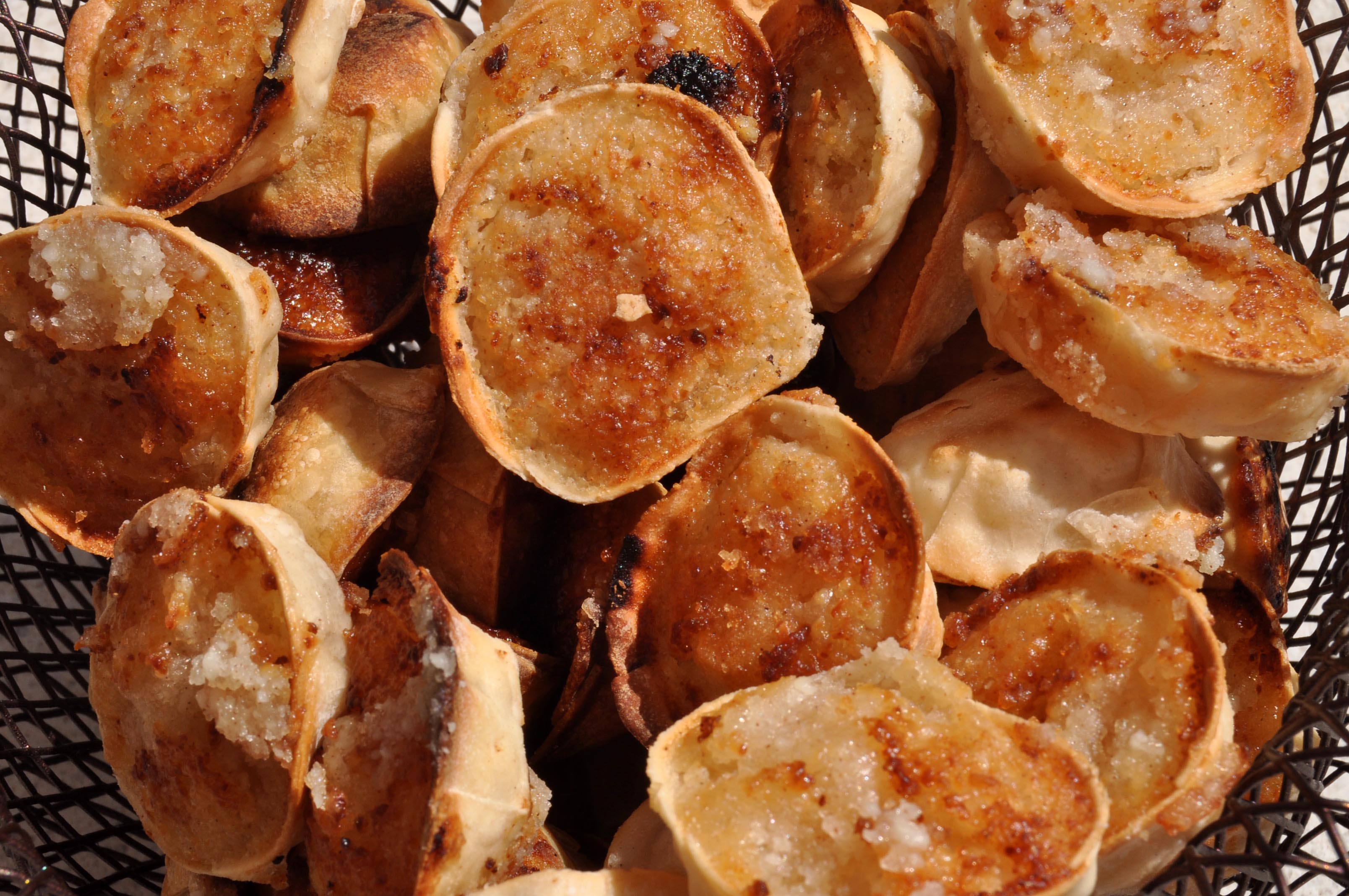
Queijadas de Sintra are cheese tarts made from fresh cow’s cheese, eggs, sugar, flour, and cinnamon. There are several producers and there is even an association that certifies whether the recipe is authentic. The ones featured here are from Casa do Preto (Estrada Chão Meninos, 44, Sintra).

Historians think that the first Sintra queijadas were produced in the Middle Ages (presumably without cinnamon). It is easy to believe that it has taken a few centuries to figure out how to make the shell so thin and the filling so moist and flavorful. And, if you try them, you will see that all this effort has paid off.

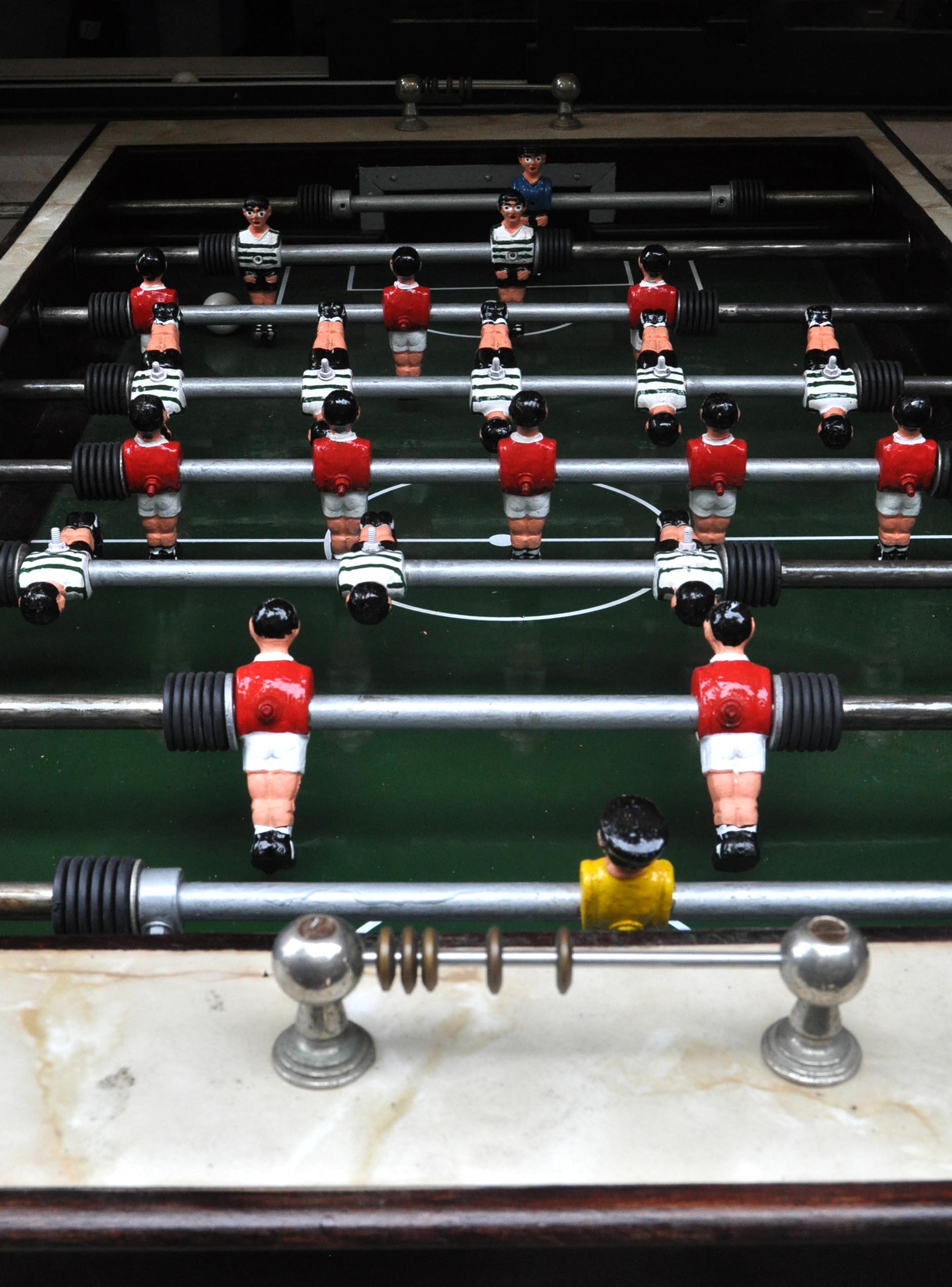
Matraquilhos

This unpronounceable word is the Portuguese word for table soccer. In the old days, many Portuguese wasted their youth learning the fine motor skills needed to control the ball. Even today, table soccer remains popular. So, if you see a table at a local café, don’t be afraid to join in. You will be surprised at how easy it is to start playing and at how much fun it can be.

Berbigão


Put yourself in the shells of the “berbigão.” You are constantly outshined by your cousins the clams.  Clams star in famous Portuguese dishes such as “carne the porco à Alentejana” (pork with clams).  Berbigão gets roles in minor culinary productions such as “arroz de berbigão,” a rice used to accompany other dishes. But forget what the critics say. Cook berbigão with a little olive oil and garlic and you will feel its star power.

Vista Alegre


Vista Alegre has been producing porcelain since 1824. Their many designs are used in Portuguese state banquets. Our favorite is a simple design called Sagres. It has beautiful proportions. The coffee and tea cups are particularly wonderful because they have very thin edges. And that makes all the difference.

Portuguese corn bread

Broa is a delicious corn bread that is a great complement to many Portuguese dishes (if you guessed that broa goes great with grilled sardines, you guessed right).

For a while broa was hard to find in urban areas where people preferred bread made with white flour. But, over time, urbanites saw the error in their ways, so now you can find broa almost everywhere. The texture and color varies by region but the taste is always deeply satisfying.

Tasca da Esquina

“Tasca” means a modest establishment that serves cheap wine and “petiscos” (the Portuguese word for “tapa”). When well-known chef Vitor Sobral opened this restaurant he probably called it tasca to signal its affordable price. But the quality is excellent.

There is a daily menu featuring small dishes, all original, all prepared with great care. There is also a degustation.

Three star food almost at tasca prices, that is what you get at Tasca da Esquina. Reservations are a must.

Rua Domingos Sequeira 41C , Campo de Ourique,  1350-119 Lisboa, Tel. 919 837 255, email info@tascadaesquina.com. Click here for web site.


300 years of brewing


The Portuguese produce wonderful coffee. “It tastes like cognac,” an American friend said, admiring the smooth taste of Delta coffee. This coffee is so good that Delta exports it to Brazil.

It has taken three centuries of experience in three continents to learn to roast coffee that tastes like no other. All so that we can wake up in a good mood, looking forward to our first cup of brew.

Click here to visit Delta‘s web site.

Bottled sunshine

Favaios is an aperitif made from muscatel grapes grown in the Douro region. These grapes trap the sunlight all year round, which is why Favaios looks like liquid sun.

You will not be surprised, dear reader, to know that the best place to enjoy Favaios is by the beach at 6:30 pm, when the sun is tired and all is at peace. Favaios can be enjoyed outside of Portugal. But it will only remind you that you’re not in Portugal.