Silent inspiration

OLYMPUS DIGITAL CAMERA
Carmelite nuns lived most of their days in silence and solitude. The local peasants offered them agricultural products, including numerous eggs. The nuns used the egg whites to starch their clothes and the egg yolks to make desserts.

One day, the nuns received a bag of the finest, whitest wheat flour they had ever seen. They decided to try to make something special with this gift. The flour was combined with water to create a “virgin dough” that was left to rest. The nuns then stretched the dough and let it rest again. To get the most out of the rare flour, they repeated this stretching-resting cycle until the dough was so thin they could read the bible through it.

The dough was cut into rectangles and used to wrap a delicate mixture of egg yolks and sugar. The nuns used a feather to spread some melted butter over the dough and baked the pastries in the oven. Finally, they dusted them with powdered sugar. The result was so extraordinary that a new tradition was born. Whenever the nuns received fine white flour, they made these unique pastries and offered them to the sick and the poor.

When the religious orders were abolished in Portugal in 1834, the Carmelite nuns shared the recipe for this exquisite pastry with the families that gave them shelter. Two Portuguese towns, Tentúgal and Vouzela have competing versions of the original Carmelite recipe. Each town claims their pastry is the best. They are both extraordinary expressions of the silent inspiration of Carmelite nuns.

The pastries produced in Tentúgal are sold in many coffee and pastry shops throughout Portugal. Vouzela pastries are harder to find, they are mostly sold in Viseu and other locations close to Vouzela. They are well worth a special trip.

Becoming famous

OLYMPUS DIGITAL CAMERA

The Portuguese love codfish so much that the easiest way to become famous in Portugal is to create a popular codfish recipe.  Writers might see their books go out of print, painters might see their works gather dust. But no one forgets Brás, Zé do Pipo, and Gomes de Sá because their recipes are part of our daily life.

In a recent visit to Tasca da Esquina, chef Victor Sobral prepared us a surprise menu. One of the items was a very refined version of codfish Brás style, the best we have ever tried. Imagine how Brás would feel, seeing his century-old recipe come alive in the hands of a great contemporary chef!

We wish we could write a longer post but we have to go, we bought some codfish to try a few ideas.

Heavenly delights

OLYMPUS DIGITAL CAMERA

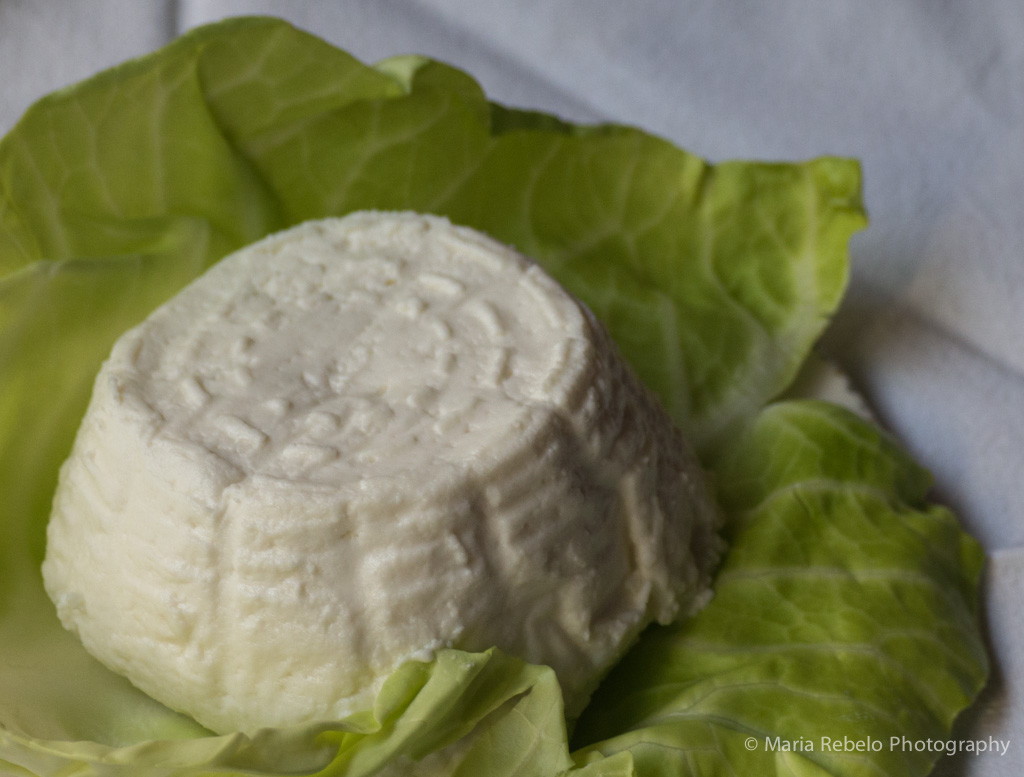
During the cold months of the year, banquets in heaven include slices of a white soft cheese served with pumpkin jam, toasted almonds, and a whiff of cinnamon. It has a silky texture and a smooth, milky taste, just what you’d  expect from heavenly food.

“What do you call this celestial cheese?,” newcomers ask the angels. “Requeijão” they answer. “It is made with sheep and goat milk by shepherds who live nearby, in Portugal’s Estrela mountain. Requeijão is great all year round. But it is exceptional in the Fall and Winter, when we always include it on our menus.”

One of the surprises of heaven is that some of its delights come from earth.

12 wishes

Sunset-at-Penha-Longa

A thin line separates the year that was from the year that will be. In Portugal, we prepare for the magical moment when time crosses this line with 12 raisins in our hand. With each of the 12 clock strokes, we eat a raisin and make a silent wish.

This year we’ll save a raisin for you, dear reader, to wish that you’ll come experience the radiant beauty of Portugal.

Happy New Year!

Sea dance

DCIM103GOPRO Like a child who can’t wait, the sea brought its gifts today. It asked the clouds to dress in white, lavender and yellow. It convinced the sun to warm up the salty air. And then the waves danced. Arabesques of water, pirouettes of foam. We wish you were here to share in the indescribable beauty of the Portuguese sea.

Alcobaça

RBD_Alcobaça
Alcobaça, ink on paper, Rui Barreiros Duarte, 2014.

To understand Portugal, you have to visit Alcobaça. It was here that the first king of Portugal, Dom Afonso Henriques, founded a monastery in thanksgiving for his conquests. He laid the first stone in 1148 on a beautiful valley irrigated by two rivers, Alcoa and Baça.

Alcobaça became a center of agricultural research with a vast library that included volumes printed by Gutenberg. The monastery served as a luxury hotel for the royal family and their guests, but it also baked bread to feed the poor. The kitchen of the monastery was famous throughout the kingdom. Water from the river Alcoa runs through the kitchen, providing water for cleaning and cooking.

Built in an early gothic style, the monastery was expanded and renovated throughout the centuries. King Dom Pedro erected sumptuous tombs to celebrate his eternal love for Inês de Castro. Henry the Navigator, who was the abbot of Alcobaça, built a palace inside the abbey. Every stone of the Alcobaça monastery is a page of the history of Portugal.

The king of Portugal’s favorite fish

Desenho RBD_20140826_salmonete
A noble mullet, pencil on paper, Rui Barreiros Duarte, 2014.

King John II, who reigned in Portugal in the late 15th century, liked to say that “a nation is like an ocean. There are many types of fish in the ocean. The sardine tastes good and it is abundant, so it is cheap. The mullet also tastes good, but it is rare, so it is expensive. I prefer the sardine.”

Historians debate whether this aphorism, in which the mullet represents the nobility and the sardine the people, was good court politics. But it is good advice to those going to the fish market.

Making love last

Mangerico

In Portugal, June is devoted to celebrating the popular saints. In Lisbon we celebrate Santo António on the 13th, in Oporto São João on the 24th, and in Sintra São Pedro on the 29th.

There is an old custom of writing a verse and offering it with a “manjerico” (a pot of miniature basil) to our loved one. According to tradition, if we smell the manjerico with our nose, it dies quickly. We should instead pat it gently with our hand and smell the hand. Then, the manjerico will last and, presumably, so will our love.

The art of seeing

Pedras na praia

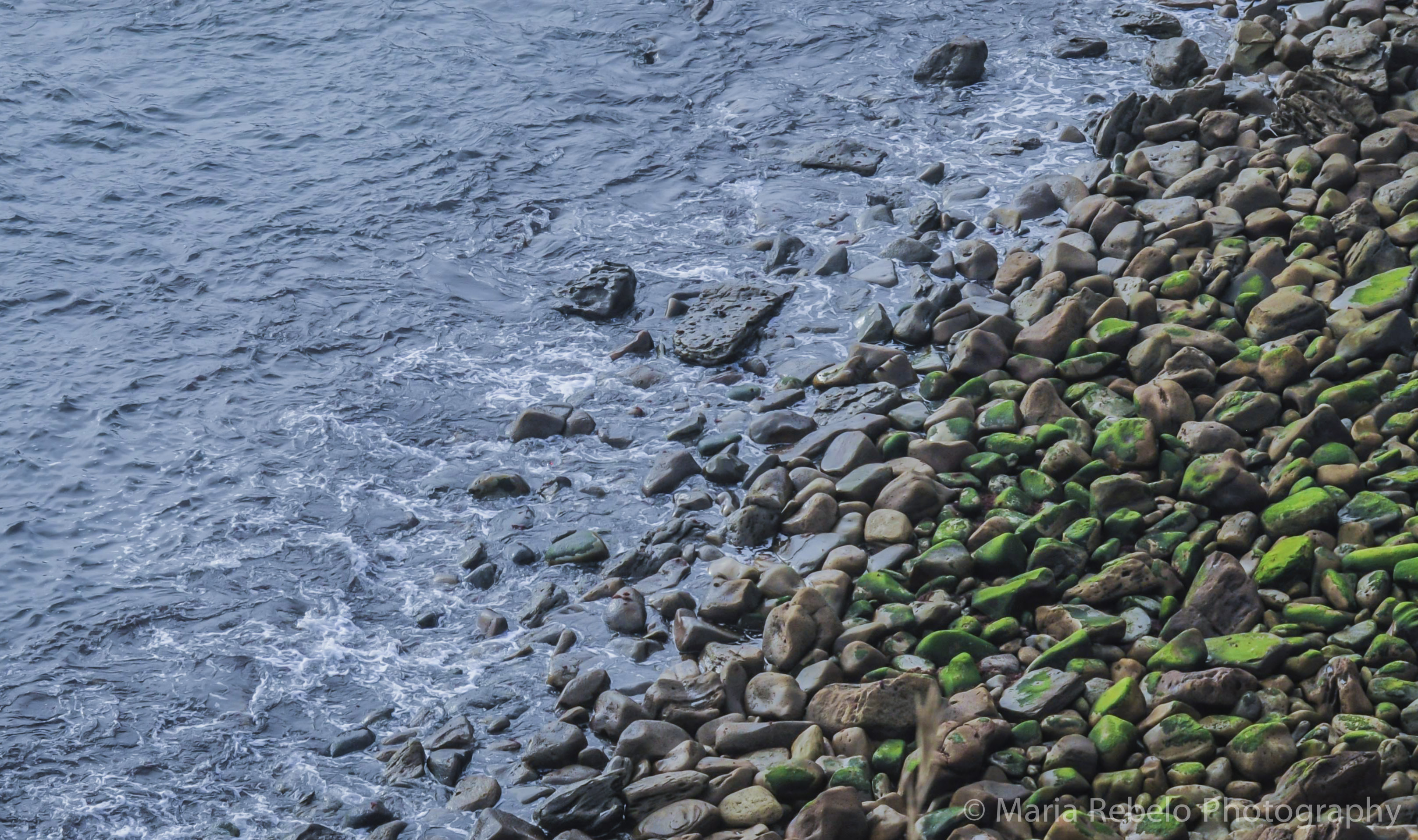
We can be artists without drawing, painting, dancing or playing music. All we need is to see the world with child-like wonder. Here’s how Lourdes de Castro, a great Portuguese artist, demonstrates the art of seeing:

“When the tide is low, I hear the sound of the waves pouring over the stones, rolling them day and night, for years, centuries until pieces of basalt become smooth. A pebble is a work of art!”

Portugal’s landscape is an immense canvas inviting you to become an artist. Come and see!