The serene beauty of Flor da Rosa

DCIM102GOPRO

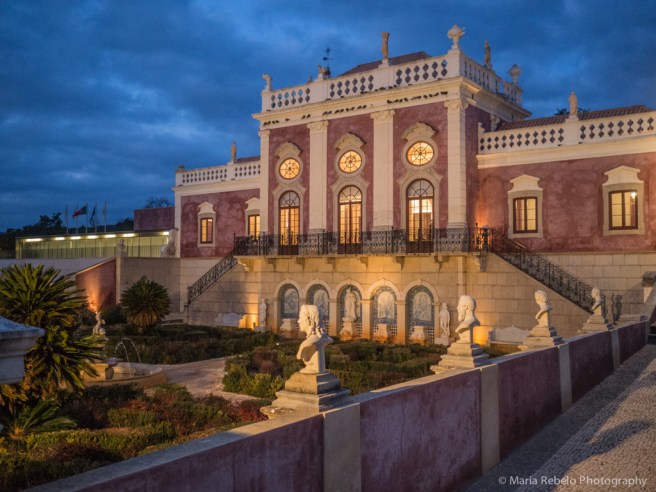
On the way to Flor da Rosa, a medieval castle converted into an historical hotel, we traveled through small villages lost in time and fields of cork and olive trees. Nothing prepared us for the sight of the castle standing proudly on the Alentejo plain.

The hotel has 24 rooms with beautiful views of the countryside and a swimming pool that overlooks the castle. The space is designed to offer guests great privacy. And the staff is so attentive that they made us feel like royalty.

The next morning, we woke up in luxurious silence, far from the cacophony of modern life. We relaxed by the pool until it was time for lunch. We then headed to the restaurant where we tried some wonderful renditions of the local gastronomy: purslane soup, fish in coriander sauce, and marinated rabbit. These courses were followed by cheese from Nisa and Serpa. Our taste buds were celebrating these amazing gifts from the shepherds of Alentejo when a sampling of desserts arrived. They had uncommon names like “sericaia” and “encharcada,” and rightly so for everyday words cannot begin to describe these sweet creations.

We had a great time sightseeing around Crato, the village where the hotel is located. In the late afternoon, the church bell reminded us that the sun would soon retire and that it was time to return to the castle. As we crossed the vaulted arches, we heard birds singing. These are the same sounds that were heard in the castle during the middle ages. Flor da Rosa is a precious time capsule that preserves the beauty of an age gone by.

Click here for the Pousadas’ website and here for more photos of Flor da Rosa.
A magical Summer soup

Composit 3F©

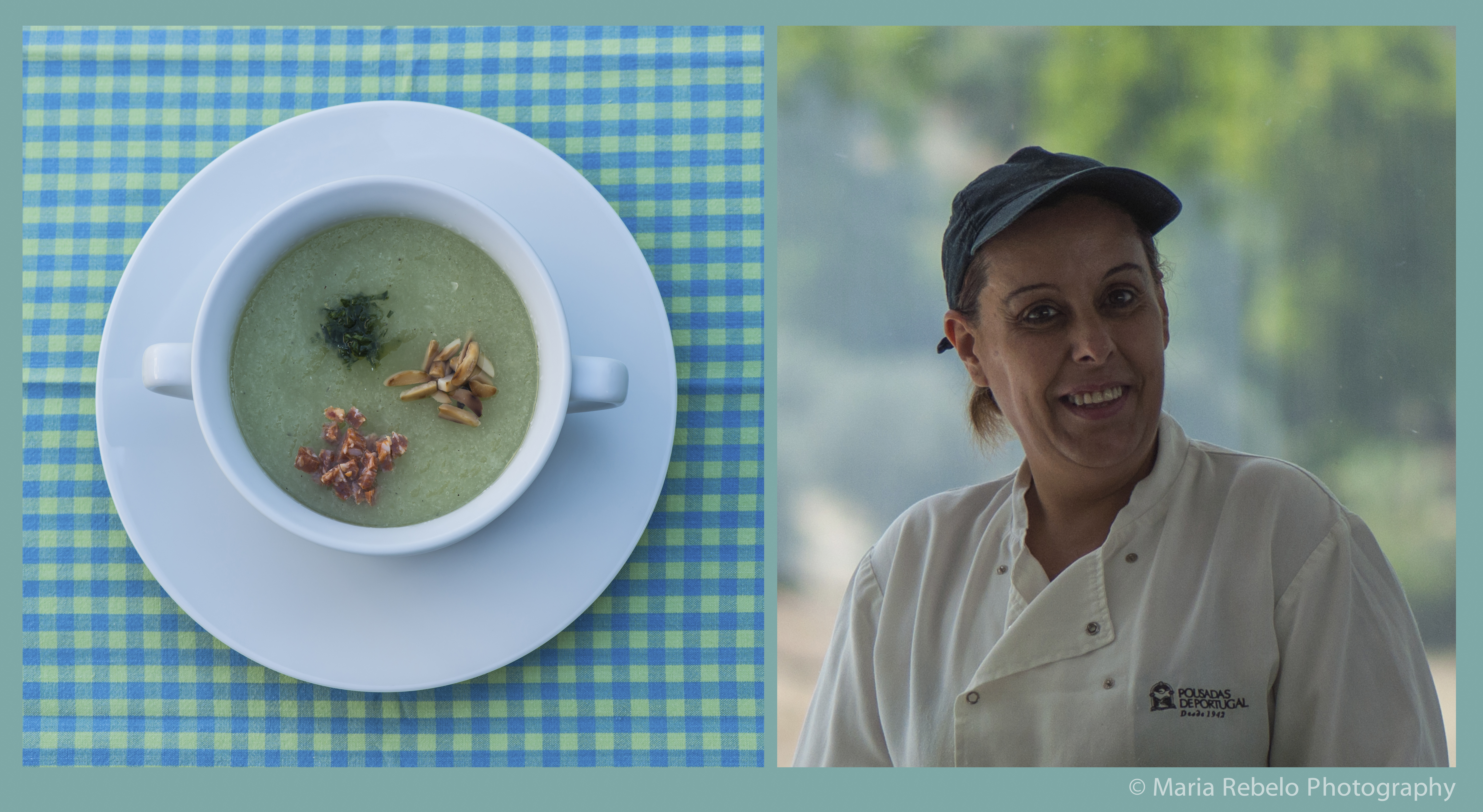
When we sat down for dinner in the beautiful esplanade of the Arraiolos Pousada, we expected good food and attentive service. We got much more than that. We were served a series of delicious dishes that harmonized perfectly with Alentejo wine and made us feel we were at the right place, at the right time.

The dinner started with two soups, a Summer cucumber soup, followed by a tomato soup with quail egg. We then had “migas” (an Alentejo specialty made with bread) with wild asparagus and lamb grilled with rosemary. The grand finale was a sampling of traditional convent desserts updated with great refinement.

We congratulated the chef, Elizabete Velez, who told us that she learned to cook with her mother and grandmother in a small village in Alentejo. She offered to give us the recipe for her delicious Summer cucumber soup because it is very easy to make. Here it is.

Elizabete Velez’s Summer cucumber soup

Get the very best cucumbers you can find. Peel them (this step is key because the peel is very bitter) and remove their seeds. Dice the cucumbers, season them carefully with salt, pepper, and great olive oil. Puree the mixture in a blender. Pour into small bowls, placing one or two ice cubes in each bowl. Garnish with toasted slivered almonds, small strips of cucumber peel, and Portuguese sausage (preferably from Alentejo!).

Imagine eating this soup in a warm Summer evening, as the sun sets over a grove of olive trees and the stars wait their turn to shine on the Arraiolos castle. It’s magical!

Click here for the Pousadas’ website and here for more photos of the Arraiolos Pousada.

Spending time at the Arraiolos Pousada

Arraiolos CompositWhen you need to rest your body and nurture your soul, there is no place like Alentejo. It is a land of great natural beauty, blessed by the sun and far from the concerns of daily life.

One of our favorite places in Alentejo is the Arraiolos Pousada, a 16th century monastery that was converted into a wonderful hotel.

There’s a lot to do in the vicinity of the Pousada. You can take horseback-riding lessons, visit wineries, shop for the famous Arraiolos rugs, or do some sightseeing. But it is also great to relax in the spacious balconies that overlook the countryside or to seat by the pool, enjoying the view of the perfectly-round Arraiolos castle.

When we first arrived at the Pousada, we walked to our room through a sequence of hallways of different sizes that took us from light to shade and then back to light. This walk felt like an initiation rite. And indeed it was. Our stay at Arraiolos was an introduction to the art of enjoying the passage of time. We now need to return to continue our apprenticeship.

Click here for the Pousadas’ website and here for more photos of the Arraiolos Pousada.

Waiting in Cascais

Cascais_75F

Some visitors like to stay in Lisbon to have the excitement of the capital city on their doorstep. Others prefer the seclusion of Sintra with its romantic palaces and lush vegetation.

If you’re visiting the Lisbon region, there is a third option: you can stay in Cascais, a picturesque beach resort, 30 km north of the capital. From Cascais you can take the train to Lisbon, following a scenic route along the Tagus river. You can also rent a car and visit Sintra, Colares, and Cabo da Roca.

The great writer Samuel Beckett vacationed in Cascais in the late 1960s and early 1970s. Beckett stayed at the Cidadela de Cascais, an old fort converted into a hotel favored by Portuguese writers. This hotel has recently been beautifully renovated to add modern comforts to its historical location and expansive ocean views.

Once Beckett got to Cidadela, he simply stayed there, enjoying the moments when the sea paints the sky with white mist. It’s not surprising that the author of a play about waiting in vain knew to stay still when beauty arrives.

The Cidadela de Cascais is located on Avenida Dom Carlos I, Cascais, tel. 214814300. This hotel is part of a network of historical hotels called Pousadas. Click here for our post on the Pousadas and here for the Pousadas web site.

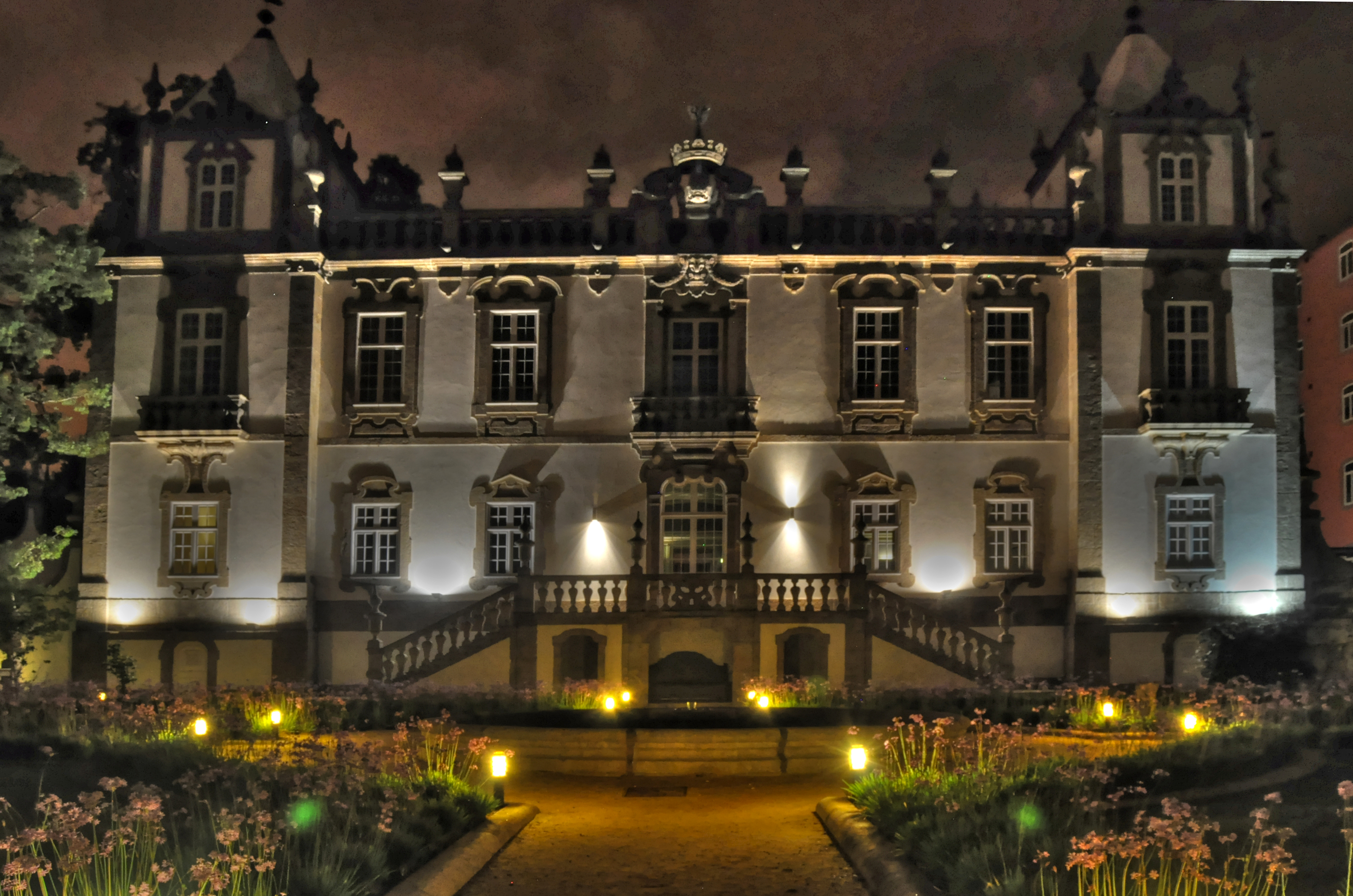
The most elegant palace in Oporto


It took two architects to create this incredible hotel on the margins of the Douro river. The first, the Italian Nicolau Nasoni, designed the Freixo Palace in the 18th century for the family of a rich cleric, Jerónimo de Távora. The second, the Portuguese Fernando de Távora, a relative of the original owner, transformed it into a luxury hotel.

Built in 1750, Freixo became the most elegant palace in Oporto. It was here that king Luis I stayed when he visited the city in 1872. But the century that followed the royal visit was one of decline and decay. A soap factory was built on the grounds. Later, this factory was converted into a distillery. Later still, the palace became the headquarters of the Harmonia flour factory. A flour mill was built on the palace gardens and many of the palace rooms were used for storage. When the city of Oporto bought the palace in 1986, it was little more than a romantic ruin.

In 1995 the restoration project led by Fernando Távora and his son brought the palace to its original glory. The elegant rooms were restored to create a spacious dining area and beautiful meeting spaces. The old flour mill was reconfigured to accommodate comfortable guest rooms that have stunning views of the Douro river. Freixo is, once again, the most elegant palace in Oporto.

Palacio do Freixo, Estrada Nacional 108, Porto, tel. 225-311-000, email: guest@pousadas.pt. Click here for the hotel’s website.

Pousadas

OLYMPUS DIGITAL CAMERA

In the 1940s, the Portuguese government started converting many castles, palaces and monasteries into historical hotels called pousadas. There are now more than forty of these wonderful establishments. They are places where you can sleep and eat like royalty without having to wear funny-looking hairdos or worry about court intrigue.

Click here for the pousadas website.