
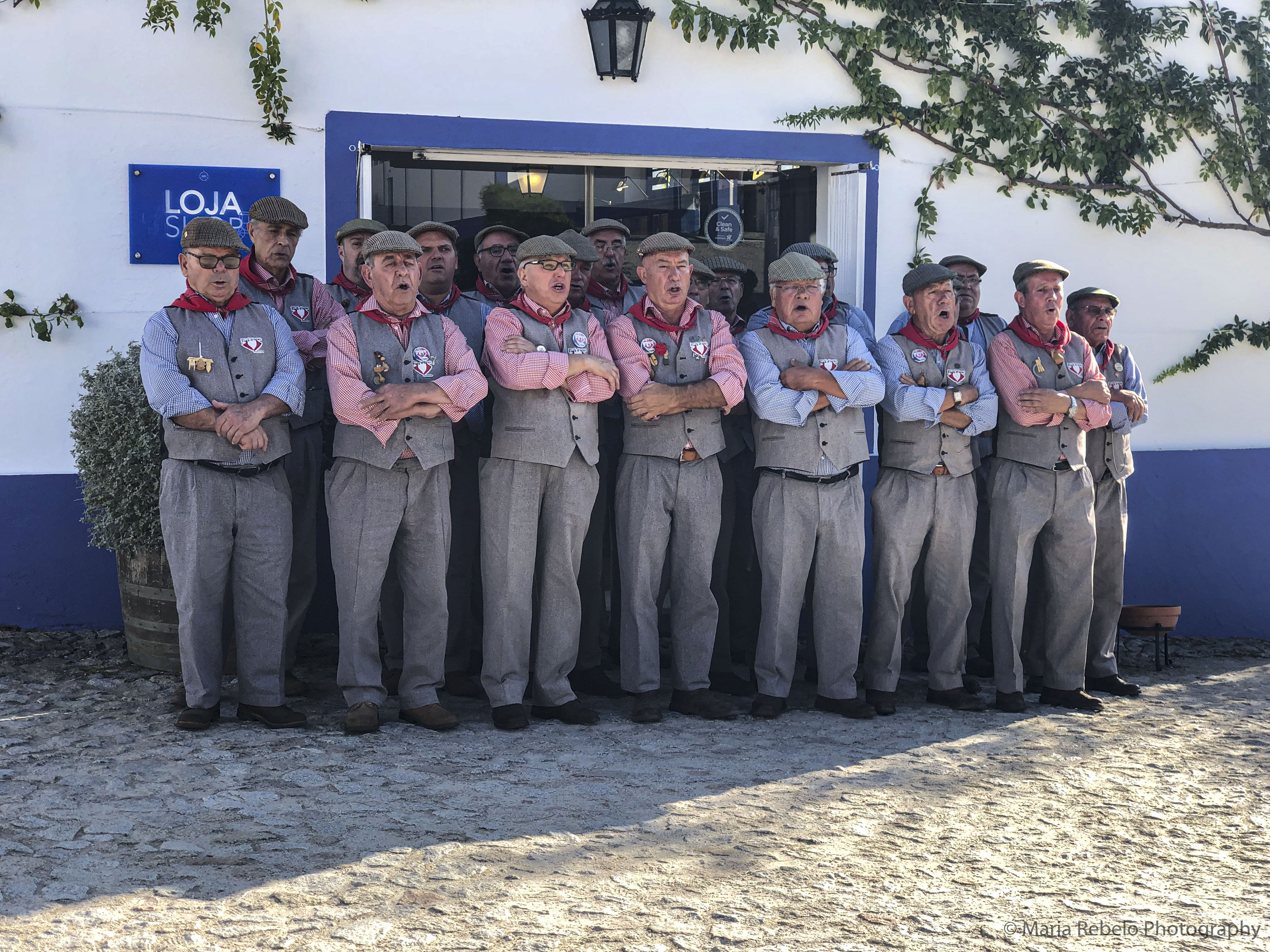
Rows of laborers stand motionless, like a battalion poised for battle. The “ponto” starts singing a few verses alone. The “alto” responds often singing the same melody a major third above the ponto. Then, the choir sings, their voices soaring towards the sky. This style of music is called “cante.” UNESCO recognized it in 2014 as part of the Intangible Cultural Heritage of Humanity.
The tunes are generally in a major key, but the people of Alentejo imbue their singing with such a sense of longing that they make major scales sound minor. The tempo is languid, like the rhythm of life in Alentejo, a place where the summer’s sweltering heat eases the pace of everything.
The verses are simple and sincere. They speak about toiling in the fields, love, faith, the fruits of the land, and the hardships of life.
As the day winds down, people often congregate at local taverns to drink a glass of amphora wine with bread, olives, and some black-pork sausages. Someone sings a few verses, someone else responds, and the group spontaneously burst into song. It is a privilege to hear these voices that carry with them the soul of Alentejo.
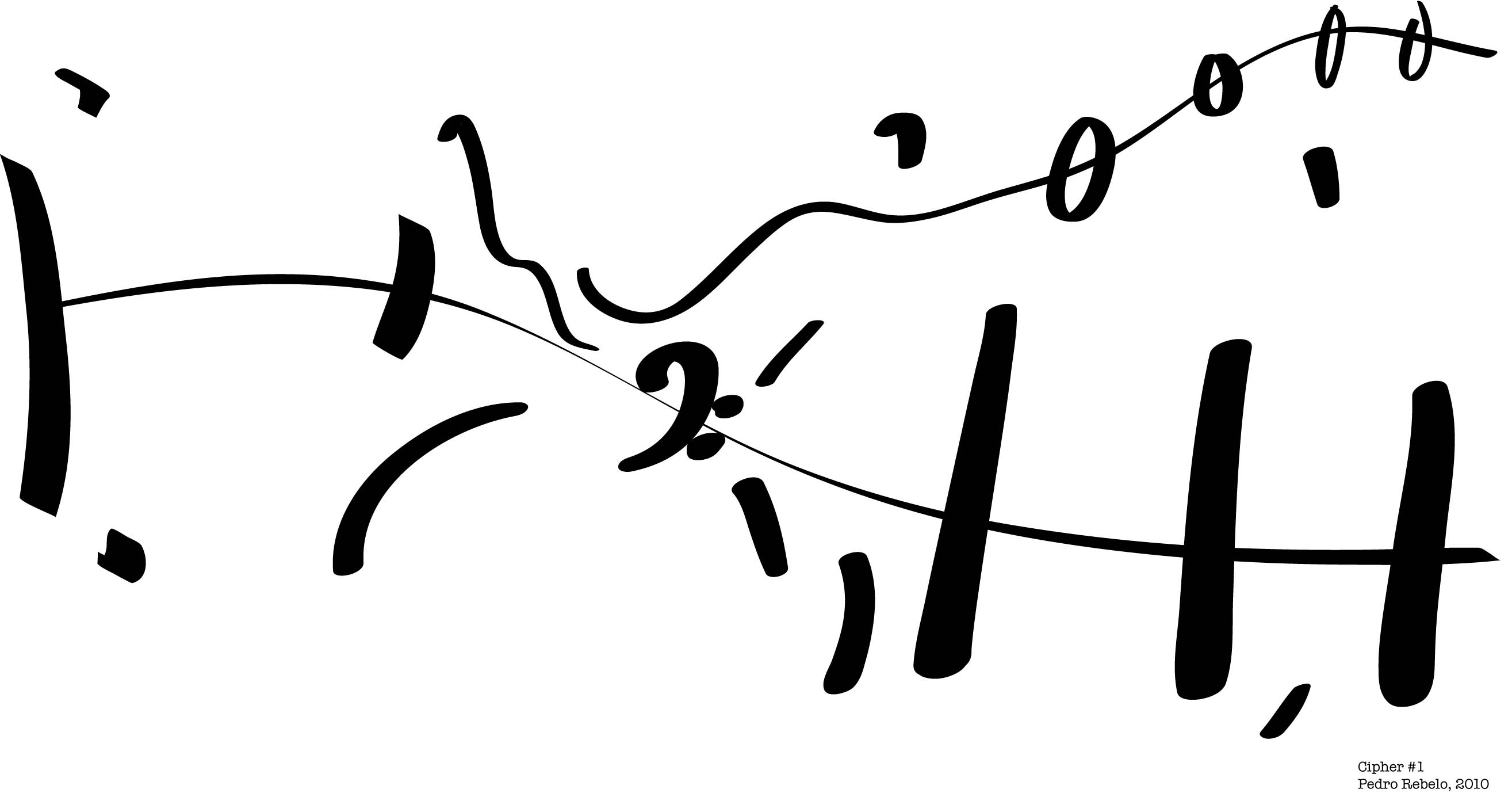
Field recording of Fora d’horas group singing at Monte da Ravasqueira by Vasco Rosa Santos. Sound editing by Pedro Rebelo.

 Salt of Portugal