
The Óbidos Pousada

Obidos Composit The first king of Portugal, Dom Afonso Henriques, laid siege to the Óbidos castle for two months, but the moorish population resisted his attack. One moonless night, a beautiful lady came down from the castle to speak to the king. She told him that, even though she lived in the castle, she was not moorish. And that she had a recurrent dream she had to fulfill. The king was to attack the castle’s main door. At the same time, he would send a small group of soldiers to the back. There, the lady would leave an open door to let them in. Their surprise attach would secure the victory of the Portuguese troops.

The king of Portugal feared falling into a trap. But something about the lady’s demeanor convinced him to adopt her plan. The next day, the castle back door was indeed open and the Portuguese conquered Óbidos. The king looked everywhere for the beautiful lady, but she had vanished.

The castle of Óbidos was converted into a beautiful historical hotel. After entering though the front door, the one the king attacked, you find a romantic place with wonderful views of the countryside. One of the best views is just outside a door painted red. It is the door the lady left open.

In the dining room two beautiful windows, the sun and moon windows, give us a choice between seeing the sunset and the moonrise. This choice between astral spectacles is one of the many enchanting details that makes a stay at the pousada so memorable.

The pousada is the perfect place to stay at Óbidos. After all, who wouldn’t want to be treated like royalty in a medieval town?

Click here for the Pousadas’ website and here for more photos of the Óbidos Pousada.
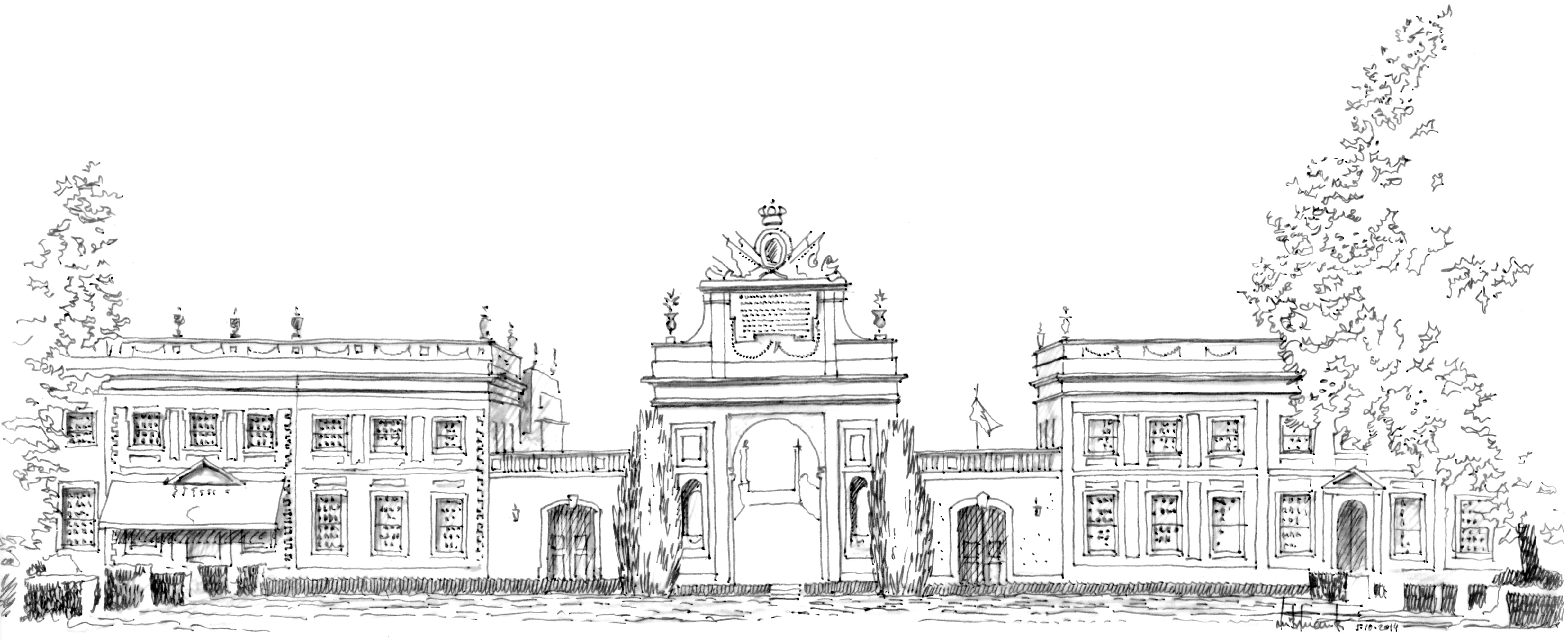
The Seteais palace

The Seteais Palace, Rui Barreiros Duarte, ink on paper, 2014.

Seteais means seven sighs, a name inspired, according to legend, by the romance between a Portuguese noble and a Moorish princess.

The Seteais palace was built in Sintra in 1787 by the Dutch consul and later sold to the wealthy Marquis of Marialva.

In 1954, the palace was converted into a luxury hotel. Booking a room at Seteais guarantees you’ll have a memorable experience. If you don’t stay at the hotel, you can still experience its unique atmosphere by visiting the elegant bar for a glass of white port before dinner.

In 1802, the Marquis of Marialva invited the Prince Regent, John IV and his wife for a visit. To celebrate the occasion, the Marquis built an archway decorated with busts of the royals. A Latin inscription praises the prince for his wisdom and prudence. No one could guess that five years later the Portuguese royal family would flee to Brazil to escape Napoleon’s troops.

The echoes of these twists and turns of Portuguese history have long faded. What remains, is one of the most romantic places in the world.

 Click here to see the Seteais Palace website.

Wild life in Mafra

TapadaMafra2

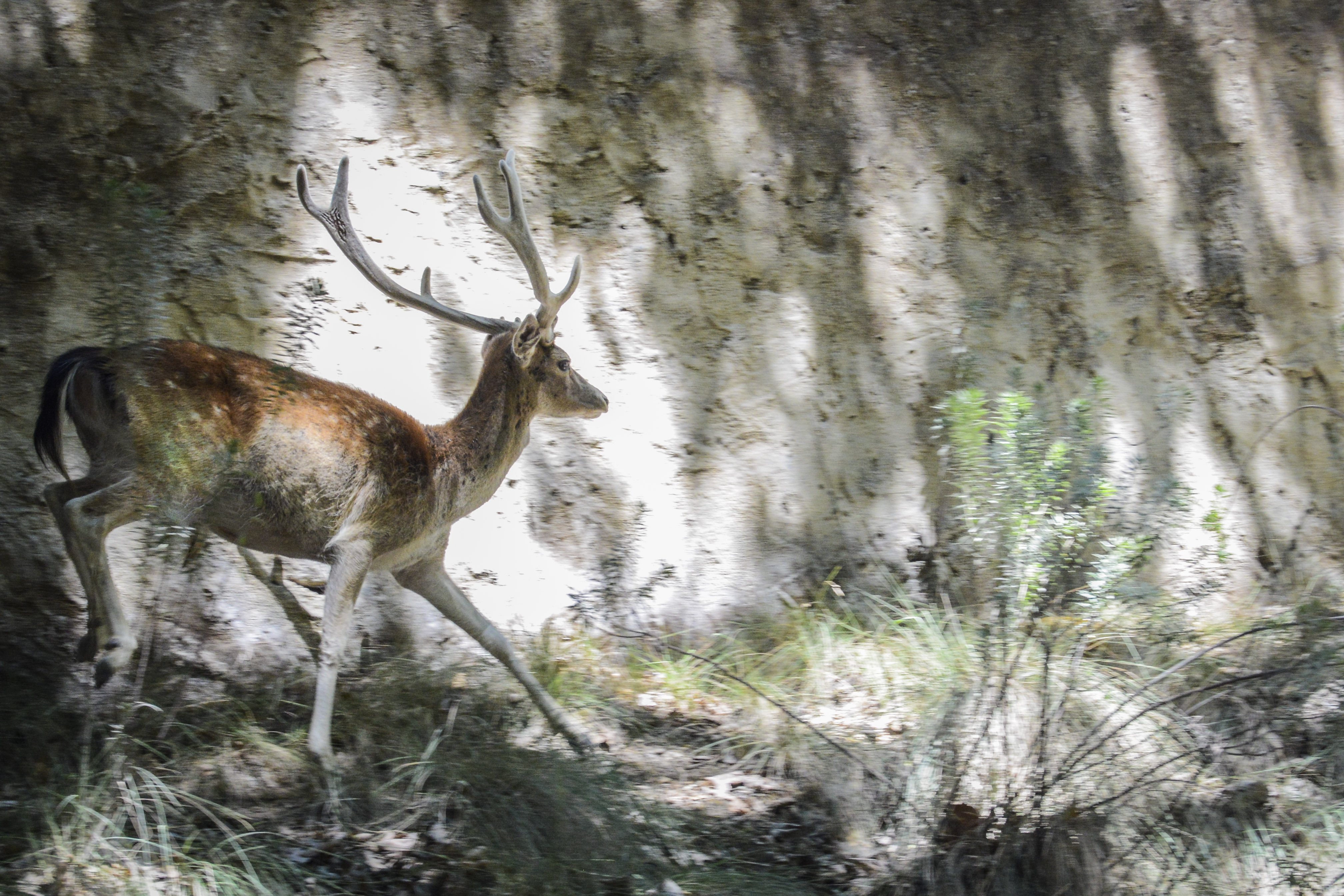
When the Portuguese kings and queens stayed at the Mafra Palace, they enjoyed hunting at a local game reserve called Tapada de Mafra. The Tapada is now a national park that offers many fun activities for kids. There are train rides, donkey rides, archery lessons, and falconry demonstrations. You can see deer, wild boar, foxes, and other animals in their natural habitat.

Our favorite activity at Tapada is taking horse-ridding lessons. A 30-minute lesson costs only 5 euros. But riding an elegant horse in the beautiful Tapada grounds, always makes us feel like royalty.

Click here for the Tapada’s web site. Mafra is an easy 40 km drive from Lisbon on the A8 highway. Horse-ridding lessons are offered between 9:30 am and 12:00 pm. It is a good idea to call in advance to make reservations (Tel. 261 81 4240 or reservas@tapadademafra.pt).

A famous beach house

CasaBranca

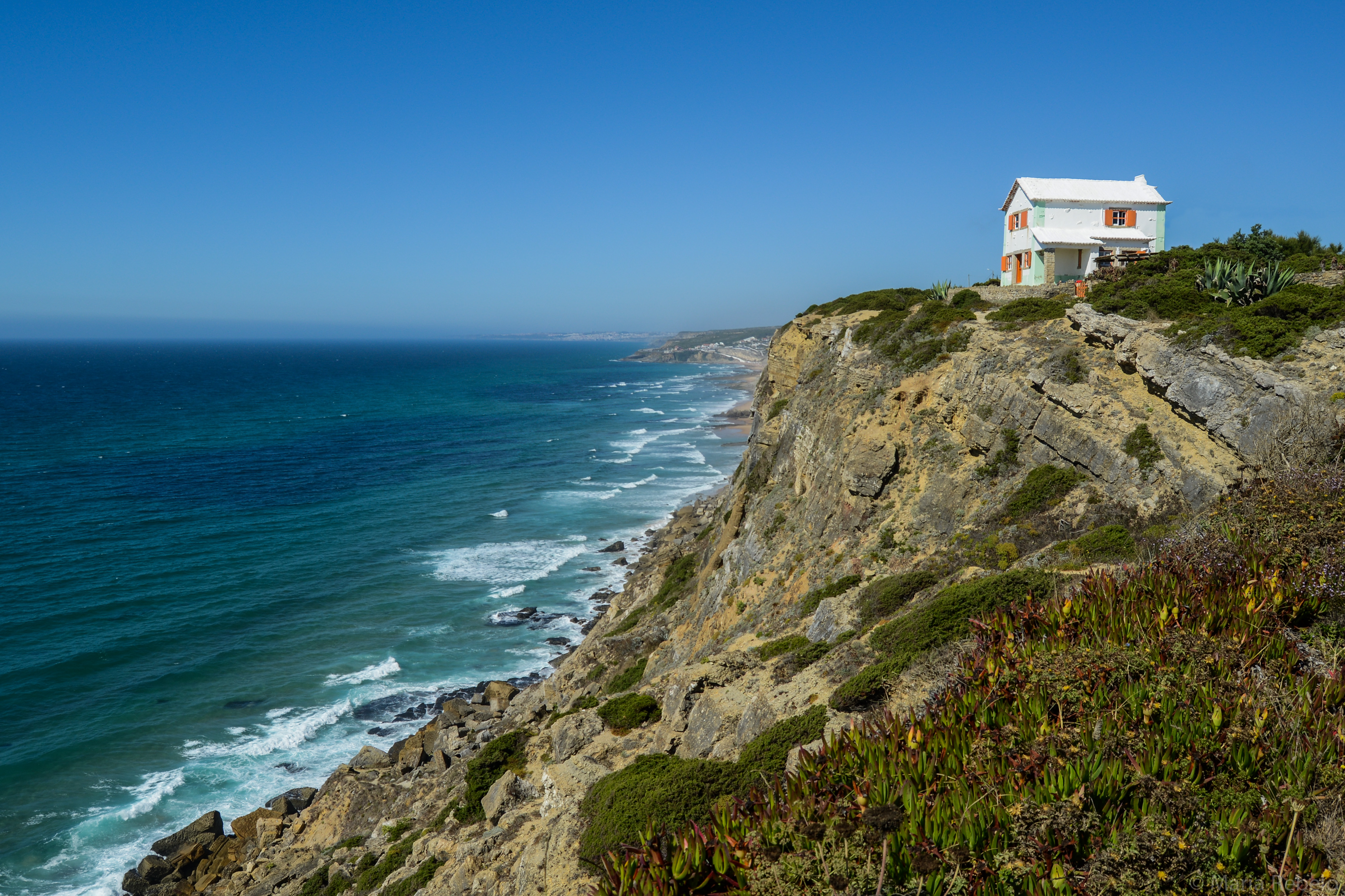
One of the most famous beach houses in Portugal is Casa Branca (white house) in the village of Azenhas do Mar. Architect Raul Lino designed it in 1920 to be his Summer home. Lino had to choose between building within the village perimeter to gain access to electricity and running water, or to forego these modern comforts and place the house on a cliff with an incredible ocean view. For him, the choice was obvious.

Raul Lino is famous for synthesizing the vernacular traditions that go back to Roman times to create the archetypal Portuguese house. The Casa Branca is based on this archetype, but Lino made two surprising choices. Instead of using the traditional green color for the windows, he chose bright orange. Then, he painted the orange roof tiles white, thus accentuating the orange of the windows.

Orange is the complementary of blue and so the windows of Casa Branca became the complement of the sea. It’s as if, to be beautiful, the sea needs someone admiring it from the window.

The place to ask

AzenhasMar2

On the steps of the stairs that lead to the lookout point at Azenhas do Mar, gently inscribed in white chalk, are the words: “eu vou casar contigo” (I’m going to marry you).

Was this promise well received? Did they exchange wedding vows and live happily ever after? We’ll never know. What we do know is that Azenhas do Mar is a perfect place for a marriage proposal.

A village by the sea

AzenhadoMar

The French use the expression “village perché” to describe a village on top of a hill, overlooking the surrounding landscape.  One of the prettiest village perchés in Portugal is Azenhas do Mar. Built on a cliff in the Colares region near Sintra, it has amazing views of the Atlantic ocean.

If you rent a house in Azenhas do Mar, you can spend the day listening to the waves and watching the sea try different shades of blue and green. It’s a very fine use of time.

A dream palace

Sintra_PalácioPena
The Pena Palace, Maria Rebelo, digital print image, 2012.

The story of the Pena Palace begins in the 16th century. King Dom Manuel was hiking in Sintra when he sighted Vasco da Gama’s sailboats arriving in Cascais from their voyage to India. To celebrate da Gama’s feat, the king built a monastery on the top of the Sintra mountain. But, over time, the building fell into disrepair and was eventually abandoned.

When Ferdinand Saxe-Coburg-Gotha, the husband of Queen Dona Maria II, visited Sintra, he saw the derelict monastery surrounded by a barren landscape. Ferdinand imagined a beautiful palace and an enchanted forest. He bought the property in 1838 and restored the old monastery to use as a Summer residence. Later, he built an adjacent palace with larger rooms to accommodate state functions. The monastery is pink and the new palace yellow, so they are easy to tell apart.

Around the palace, Ferdinand created artificial lakes and an irrigation system. He studied the soil and supervised the plantation of trees brought from all over the world.

In 1853, Dona Maria died and Pedro, the couple’s elder son, inherited the Portuguese throne. Ferdinand was offered the throne of Spain, but he loved living in Pena so much that he refused the offer. The Pena Palace is the dream of a German prince who fell in love with Portugal.

A novelist’s wine

Eça de Queiroz (pronounced essa de kaeroz) is a great 19th century writer whose novels cast a critical eye on Portuguese society.  Eça loved wine from the Colares region, and so do his characters. Here are the words of Teodoro, the protagonist of Eça’s novel, The Mandarin: “What a day! I dined in selfish solitude in a private room at Hotel Central with the table full of bottles of wine from Bordeaux, Burgundy, Champagne, and the Rhine, as well as liqueurs from every conceivable religious community, as if I were trying to quench a thirty-year-old thirst. But the only wine I drank, until I was satiated, was from Colares.”

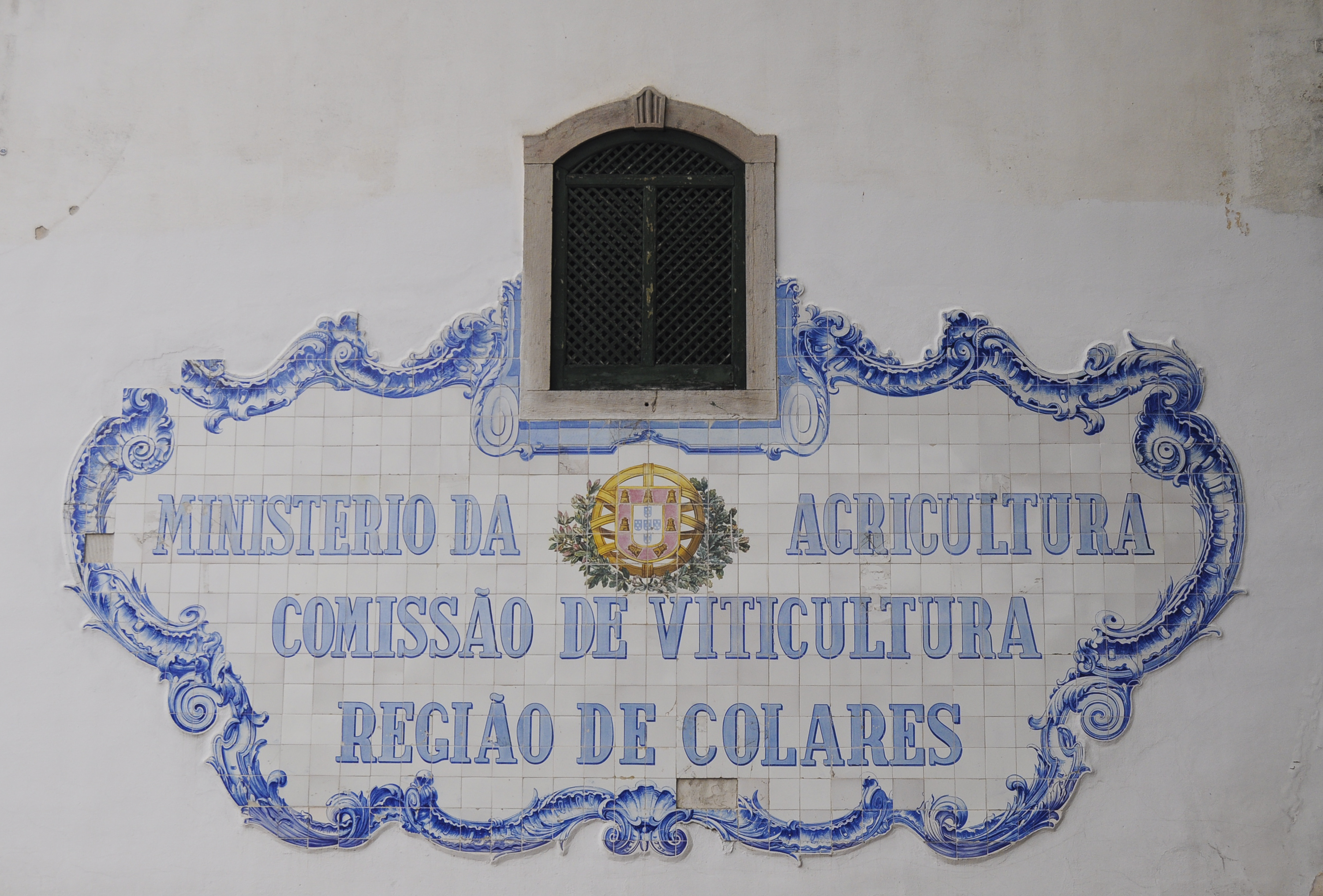
Colares wine is made with a unique varietal called Ramisco. Farmers plant this vine on sand, digging a deep hole until they find a layer of clay to attach the roots. All this hard work paid off during the phylloxera epidemic because Ramisco was one of the few varietals to survive the disease.

If you’re in Sintra and you’re interested in wine, visit the nearby town of Colares to drink a glass of Ramisco at the local cooperative. It’s not everyday that you can taste a wine unscathed by both the phylloxera plague and the criticism of Eça de Queiros.

Adega Regional de Colares, Alameda Coronel Linhares de Lima, 32, Colares, tel. 219291210, email: geral@arcolares.com. Wine tastings by appointment. Click here for the Adega web site.

Heavenly pillows

No trip to Portugal is complete without visiting Sintra and no visit to Sintra is complete without eating a travesseiro at Piriquita. Travesseiro means large pillow, and that is what these pastries look like. But, instead of cloth and feathers, these pillows have layers of puff pastry filled with an egg and almond cream.

Despite many attempts, no one has been able to copy these travesseiros since Piriquita first opened its doors to the public in 1952. Some say that fairies sprinkle them with star dust. Others claim to hear sirens singing while they prepare the pastry. All we know is that for us, mere mortals, these heavenly travesseiros are one more reason to go to Sintra.

Piriquita-Antiga Fábrica de Queijadas, Rua Padarias 1/7, Sintra, tel. 219 230 626. Lines can be long in the Summer but, if you go up the street, you’ll find a second Piriquita café with much shorter lines (please don’t tell anyone!).

Dreaming of Sintra

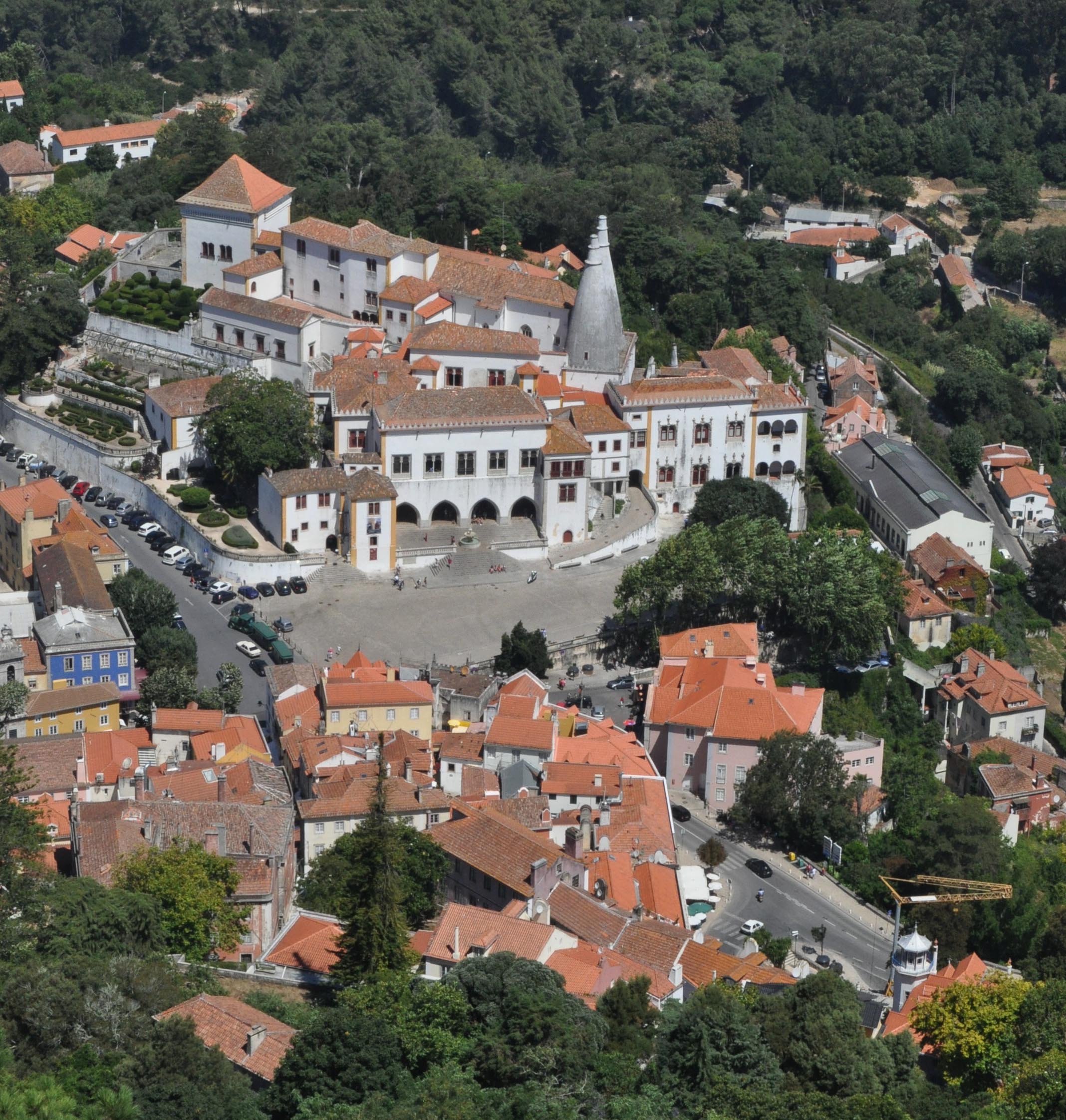
Sintra is a village near Lisbon where Portuguese monarchs used to seek respite from the Summer heat. It is a place like no other, with its lush vegetation and fairy-tale palaces. The National Palace (shown above) is the oldest and most historically significant. It was remodeled so many times that it looks like a visual dictionary of Gothic, Manueline and Moorish styles. The Pena Palace is the newest and most romantic. Built in the 19th century, it sits on top of a hill where, in ancient times, the Romans worshiped the moon.

On the way to Pena you can visit a 9th century Moorish castle with wonderful views to the surrounding region. From here you can get a glimpse of other palaces, Monserrate, Seteais (an 18th century palace converted into a luxury hotel), and Quinta da Regaleira. They are all worth visiting.

Staying in Sintra is a privilege. In the morning, you can see Pena while the fog hides the modern world and brings back the 19th century. And at night, you can walk to Seteais to see the moon paint the hill with silver light, waiting to be worshiped.