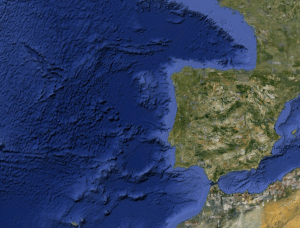
 Americans discovered France, Italy, and more recently,
Spain, as vacation destinations. But Portugal has remained terra incognita. That is changing. The New York Times has written a steady stream of articles about Portugal. Most are about Lisbon; about the places to go, the culinary renaissance, the new restaurants, the new museums, the relaxed atmosphere, and the art scene. But the Times has also discovered Cascais and Évora. The Wall Street Journal tells its readers that “In Portugal you can pack seven days worth of castles, clubbing, seafood, shopping and luxury hotels into one perfectly affordable long weekend.” Now, perhaps Woody Allen will consider directing a movie about a writer who comes to Lisbon and discovers that the secret to eternal youth is a daily bath of piri-piri sauce.
Places to visit
Star olive oil
So many people come to Portugal looking for the perfect vacation. We see them arriving at the airport, impatient sun worshipers ready to experience the country’s radiant beauty.
For some of these visitors, what starts with a few days of relaxation turns into a lifetime adventure. Detlev von Rosen, a Swedish entrepreneur, came to Portugal forty years ago and he never left. He bought farmland in the Algarve and began to learn about the soil, the water, the wind and the sun.
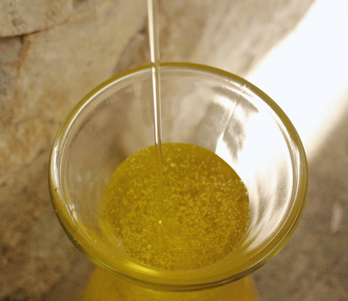
He first used this knowledge to cultivate flowers. Later, when he felt ready, he planted olive trees. He discovered that the olives had to be picked by hand and pressed shortly after the harvest. He searched for ways of extracting the oil that would keep it pure.
His results are extraordinary. We could tell you that his customers include Carla Bruni and the Queen of Sweden. However, this is not a gossip blog, dear reader, so we will refrain from name dropping.
Sadly, Detlev Von Rosen passed away in 2016 at age 80. But his legacy lives on in the hands of long-time collaborators who inherited his passion for producing exceptional olive oil.
The oil is sold in small bottles under the name Monterosa, a Portuguese transliteration of Von Rosen. These bottles are hard to find, but you can order them online through the company’s website. If you’re looking for a special gift for a loved one, forget Chanel No. 5 and try Monterosa No. 1.
The Mafra palace
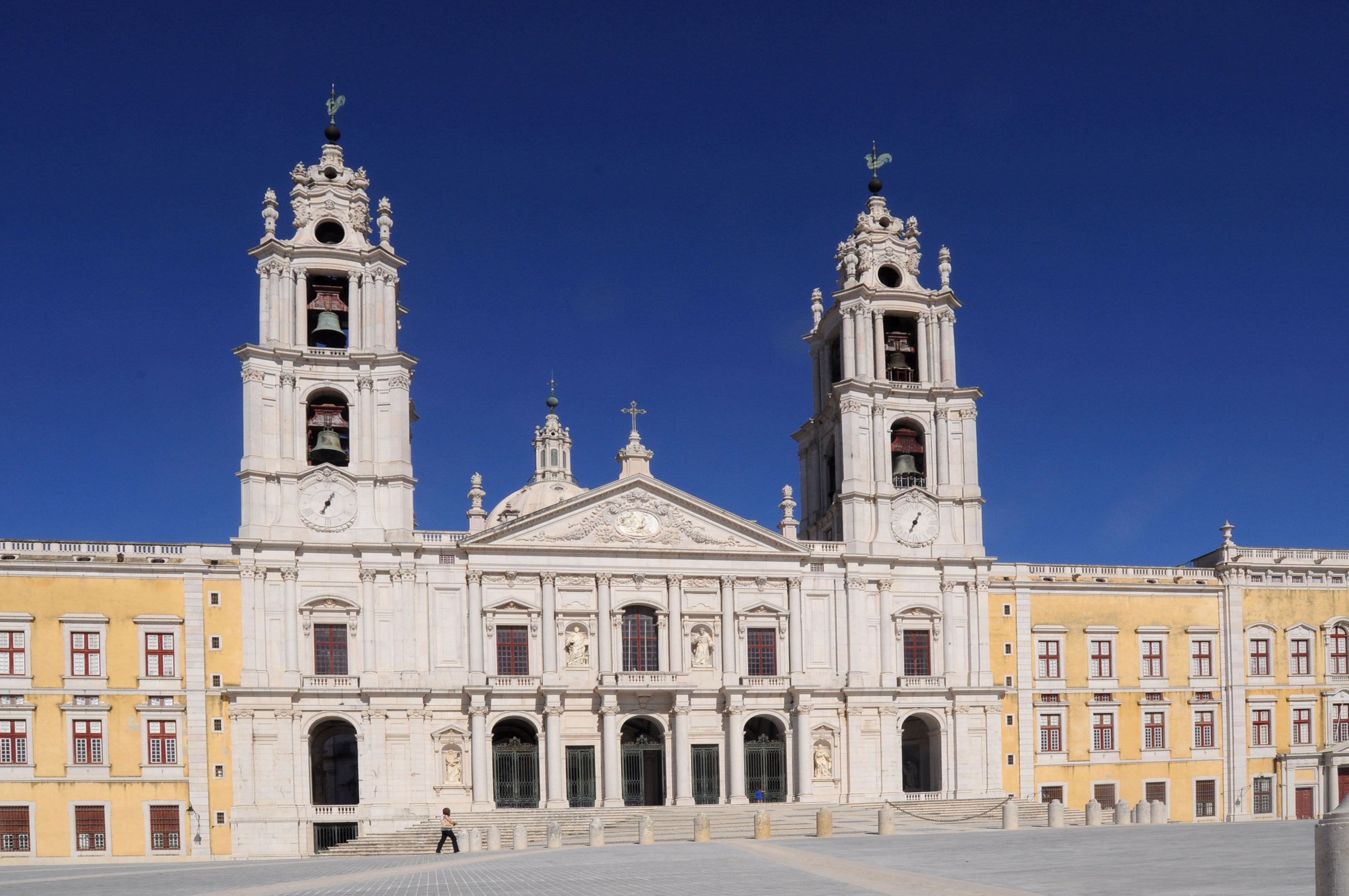
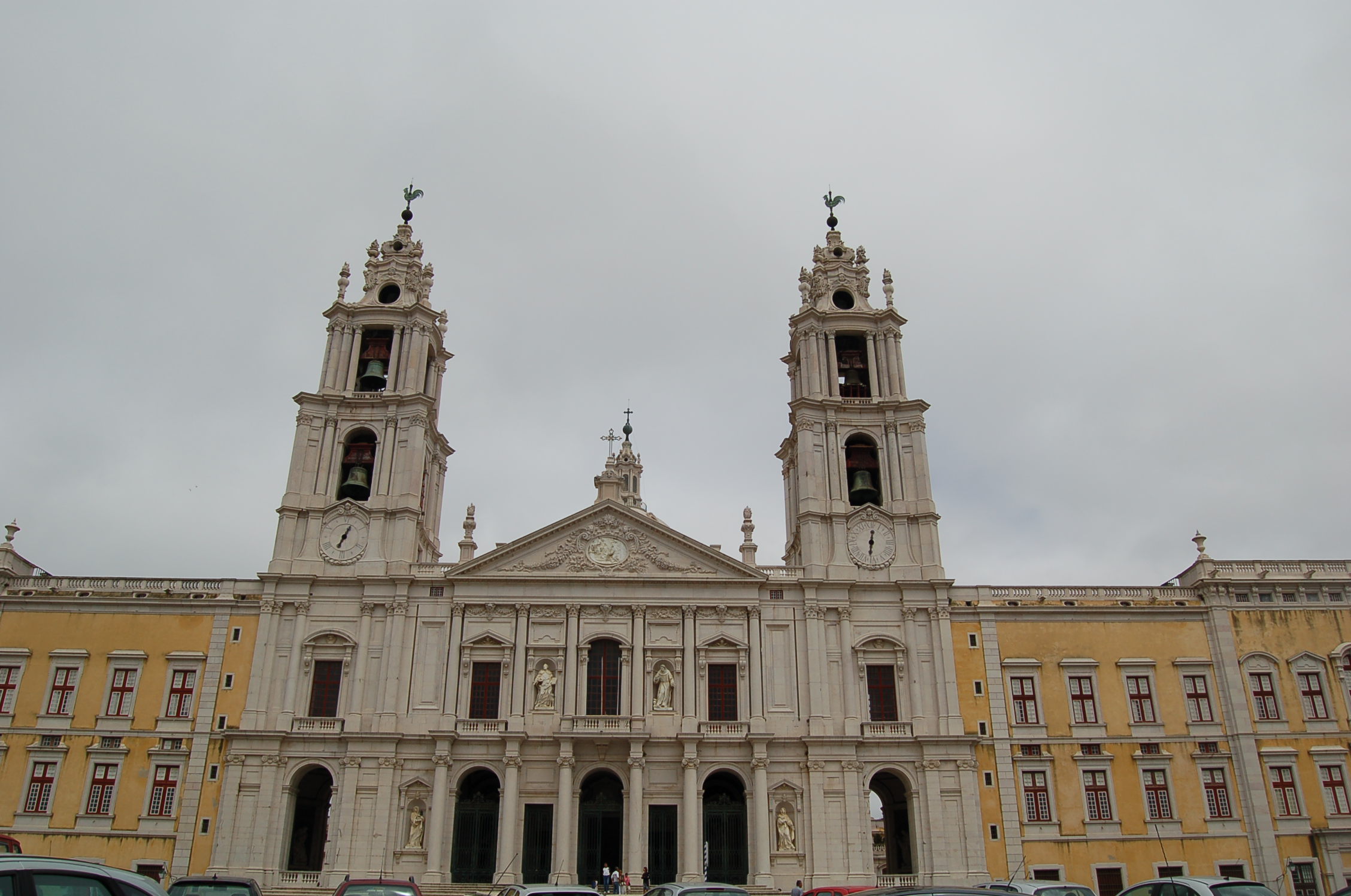
Every morning King D. João V looked in the mirror and told his reflection: you’re magnificent! There was only one cloud in his life: he did not have an heir to the throne. So, he promised that, if Queen D. Maria Ana got pregnant, he would build a magnificent monastery. That is, according to legend, how the Mafra Palace came to be built.
Financed with gold from Brazil, it features sumptuous accommodations for the king and queen, a magnificent Basilica with six pipe organs, and an enormous library. This library has been preserved by a colony of bats that prey on the insects that would otherwise devour the book pages. It is well worth it to visit this 18th century palace built by a vain Portuguese king for an austere Austrian queen, guarded by Franciscan monks and their learned bats.
Ginjinha
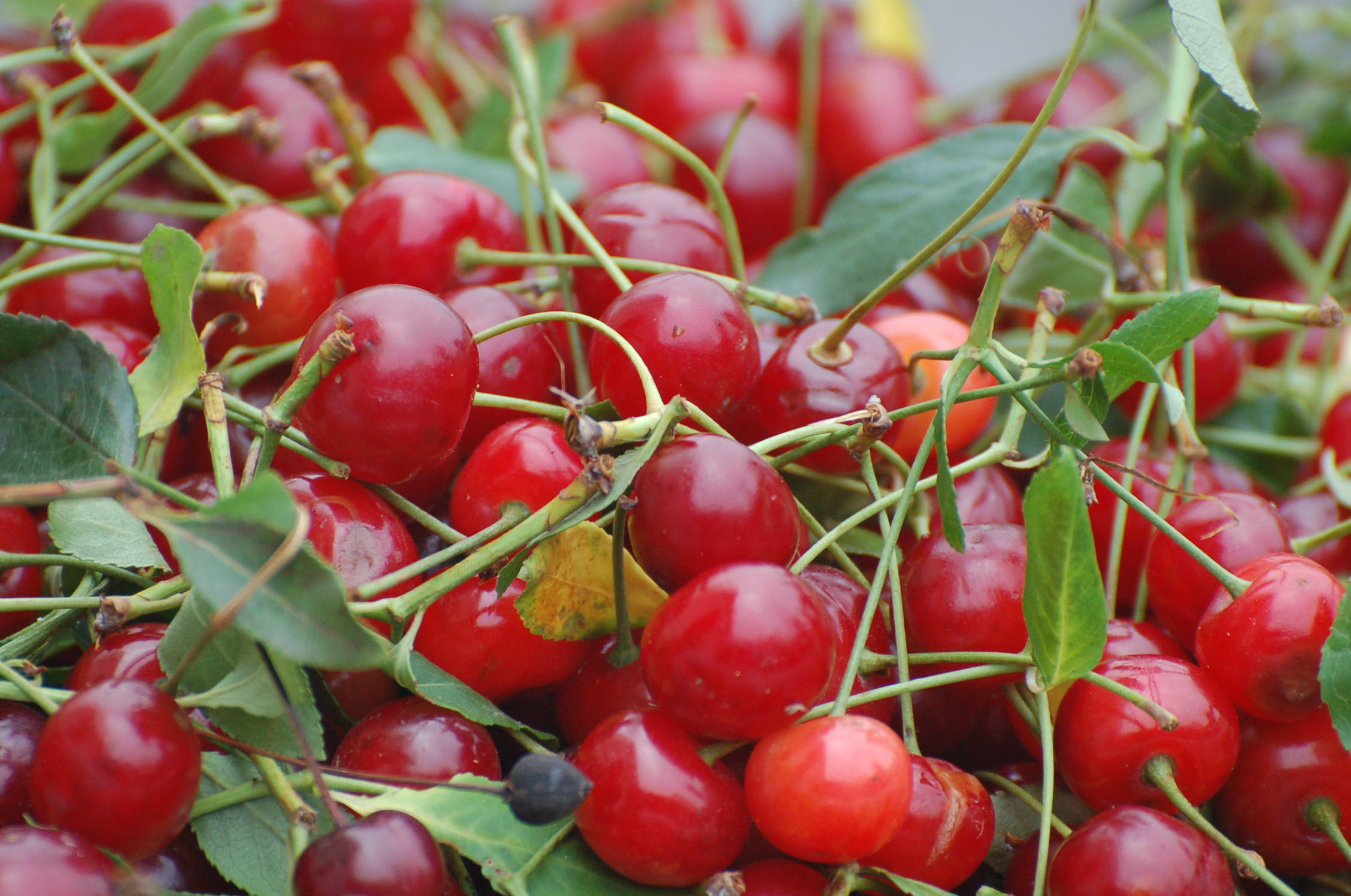
“Ginjinha” is a liquor made from sour cherries called “ginjas.” It is produced in various locations, including Alcobaça, Bombarral, and Caldas da Rainha. But the most famous ginjinha comes from Óbidos, a region where the Romans planted cherry trees.
There are several producers, including FrutÓbidos, Oppidum (the Latin name for Óbidos), and Ibn Errik Rex (the Arab name for the first king of Portugal, D. Afonso Henriques). Each producer has its proprietary, carefully guarded, secret recipe.
You won’t be surprised, dear reader, to know that we have our own secret ginjinha recipe. Rumor has it that our ginjinha is made only from ginjas harvested during the new moon and that it uses dew collected at dawn from the petals of wild flowers. We are neither confirming nor denying.
Óbidos
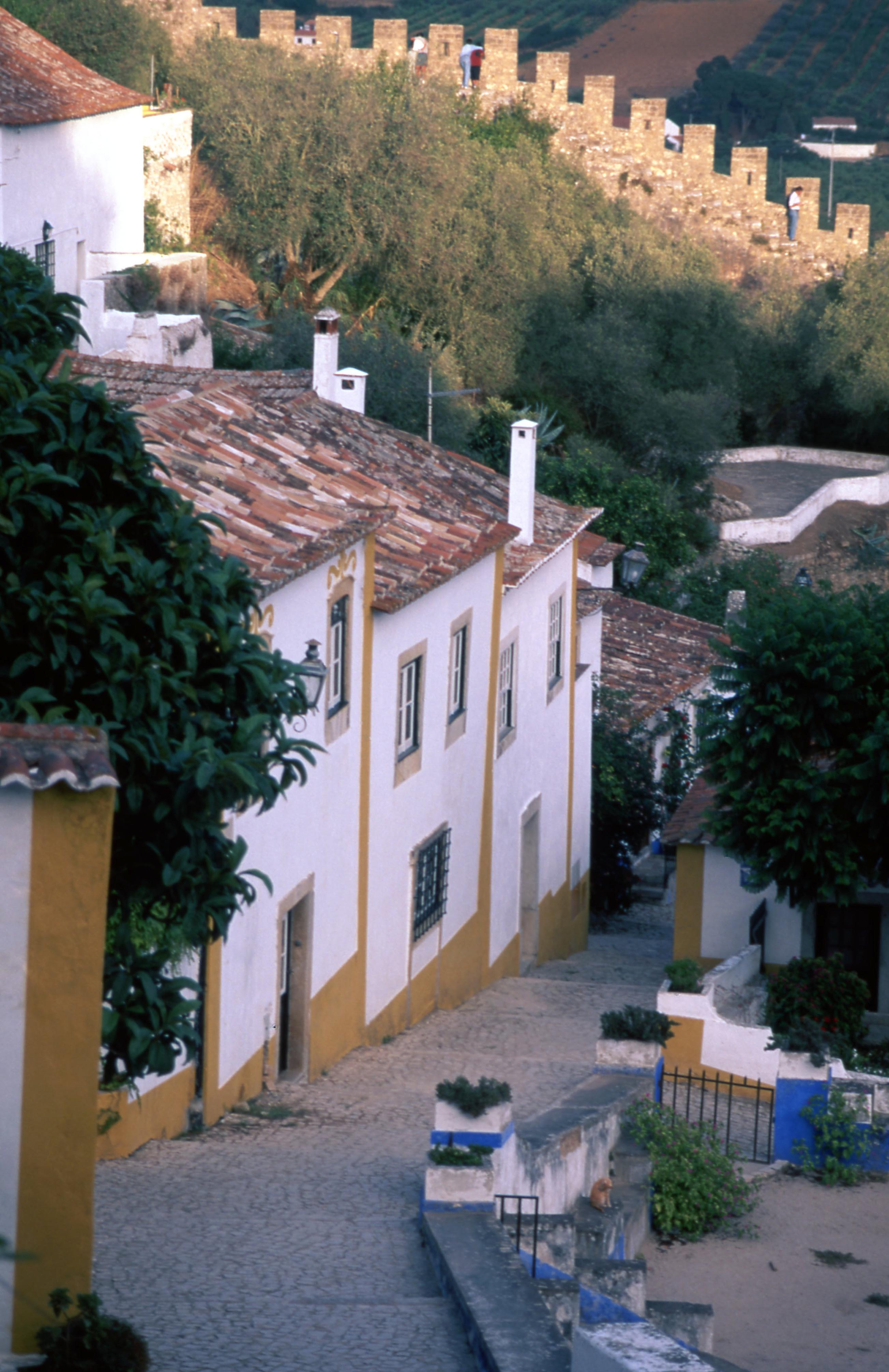 Imagine that the year is 1282 and that you are king D. Dinis. What wedding present would you choose to impress your bride, Isabel of Aragon?
1) a passionate “cantiga de amor” (a medieval love poem);
2) a state-of-the art ship that can crest ocean waves without capsizing;
3) silk and jewels;
4) a medieval town.
If you guessed 4), you are correct. King Dinis offered Queen Isabel the town of Óbidos. And, while the gift might seem extravagant, Queen Isabel repaid it many times over by helping the poor and maintaining peace in the realm.
Óbidos’ beauty is unique. Inside the castle walls it is easy to imagine we are in the Middle Ages and that we might bump into the “Lidador,” the knight who helped conquer the town in 1148.
If you cannot afford giving your loved one a medieval town, you can settle for the next best thing: a visit to Óbidos.
Queijadas de Sintra
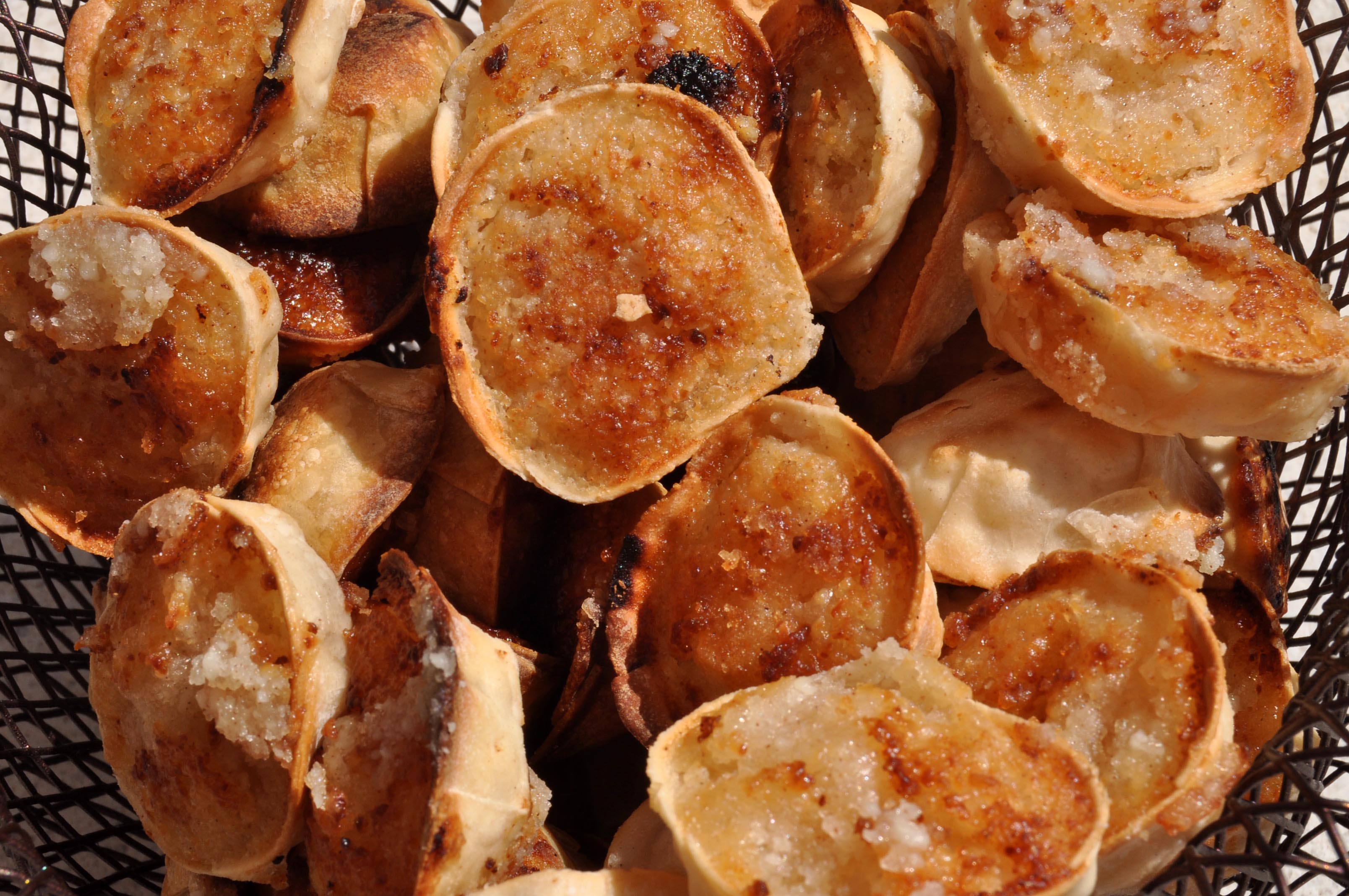
Queijadas de Sintra are cheese tarts made from fresh cow’s cheese, eggs, sugar, flour, and cinnamon. There are several producers and there is even an association that certifies whether the recipe is authentic. The ones featured here are from Casa do Preto (Estrada Chão Meninos, 44, Sintra).
Historians think that the first Sintra queijadas were produced in the Middle Ages (presumably without cinnamon). It is easy to believe that it has taken a few centuries to figure out how to make the shell so thin and the filling so moist and flavorful. And, if you try them, you will see that all this effort has paid off.
The Óbidos medieval fair
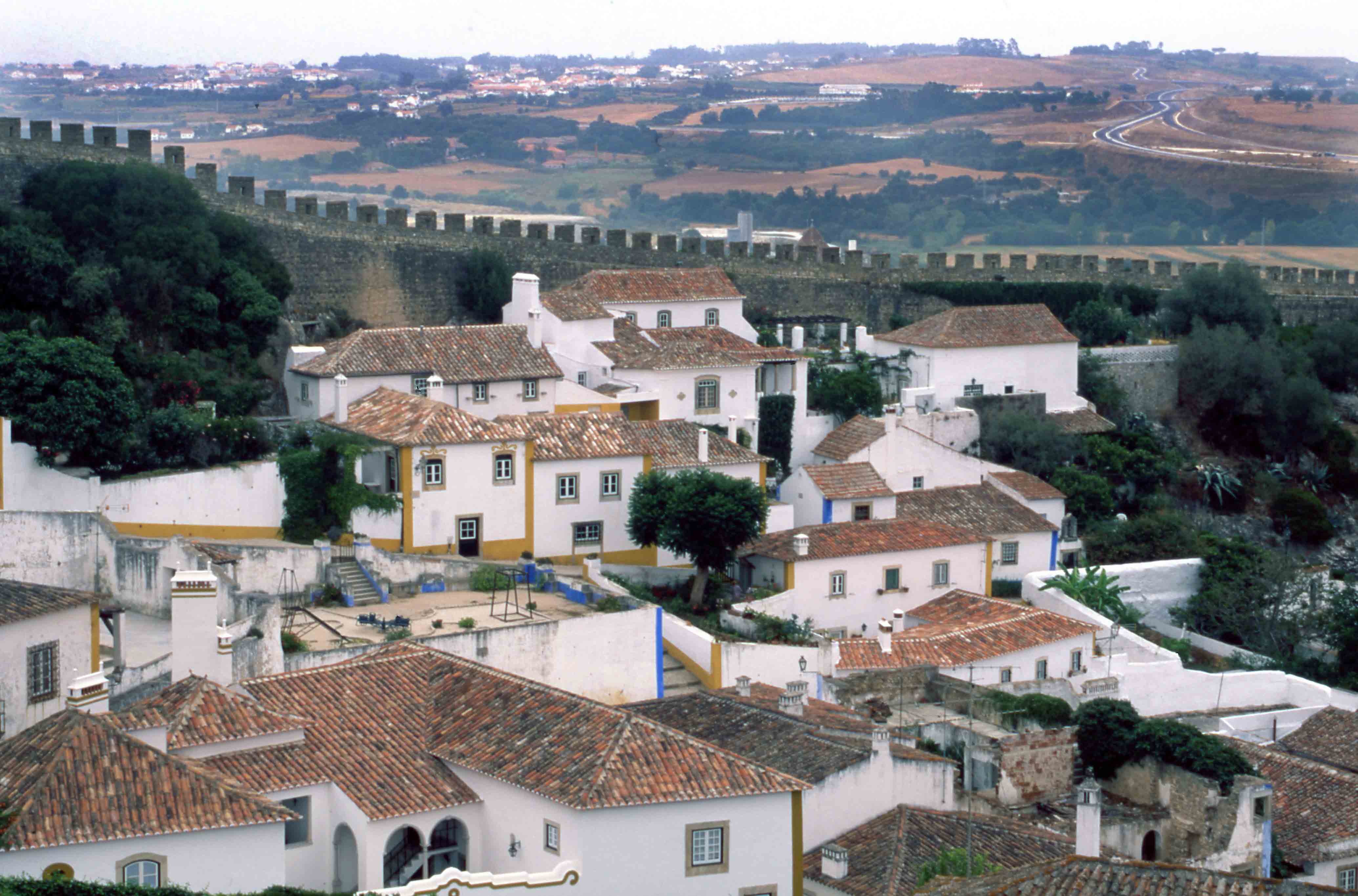
If you’re in Portugal in July, you might want to visit the Óbidos medieval fair. It features jugglers, jesters, and jousting tournaments, all in the shadow of the majestic Óbidos castle. You can also taste the delicious pork roasted on a spit, a delicacy that, in the Middle Ages, only kings could afford.
Tasca da Esquina
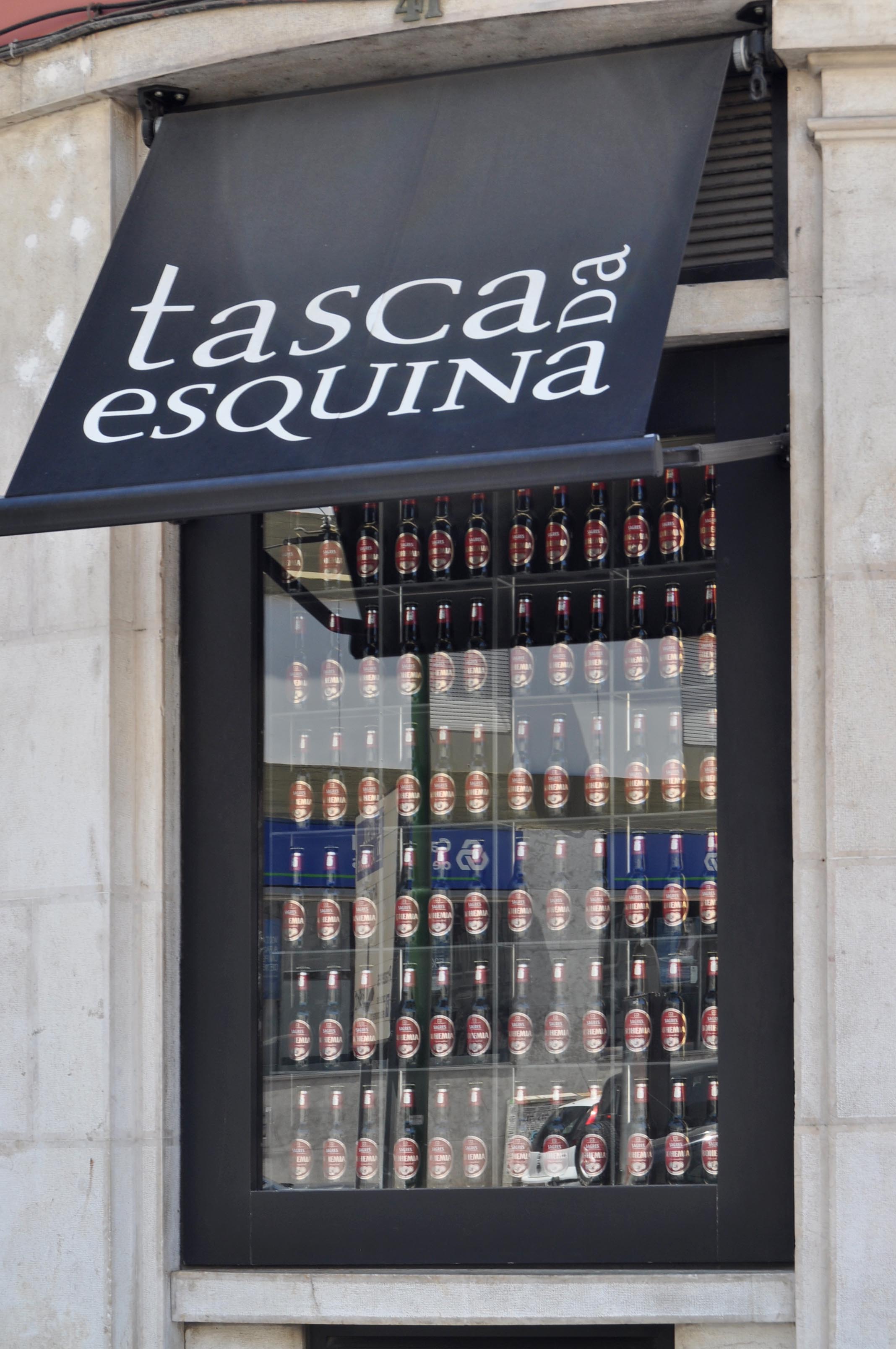 “Tasca” means a modest establishment that serves cheap wine and “petiscos” (the Portuguese word for “tapa”). When well-known chef Vitor Sobral opened this restaurant he probably called it tasca to signal its affordable price. But the quality is excellent.
There is a daily menu featuring small dishes, all original, all prepared with great care. There is also a degustation.
Three star food almost at tasca prices, that is what you get at Tasca da Esquina. Reservations are a must.
Rua Domingos Sequeira 41C , Campo de Ourique, 1350-119 Lisboa, Tel. 919 837 255, email info@tascadaesquina.com. Click here for web site.
Boia Bar
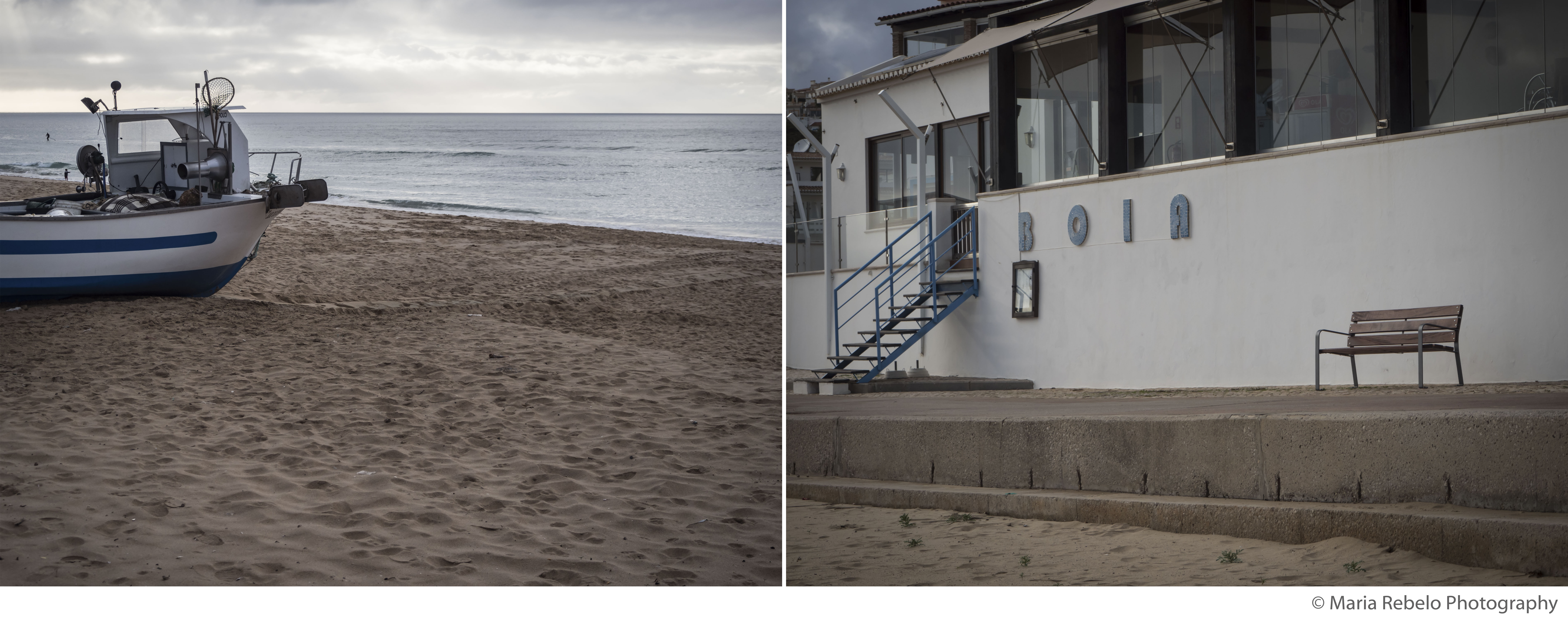
At Boia Bar, a restaurant in Salema, near Lagos, Algarve, we always feel we are in a movie set. Everything is too perfect to be real. The restaurant is right on the beach. At dinner time you see the sky drowned in yellow and the sea getting ready for sunset, covering its dark blue color with washes of lighter hues. The warm air and the fresh sea breeze create the perfect temperature. Then, the wine and food arrive.
The best item on the menu is the “robalo” (sea bass) grilled Algarve style. Before grilling, the chef makes diagonal incisions on the fish and fills them with thin slices of garlic and some olive oil. It’s that simple. But simple things are often the hardest. You have to have the freshest fish. You have to know the right temperature for the coal, the right amount of salt to use, the right moment to take the fish from the grill to the table. It’s this perfection of simple things that you can enjoy at Boia Bar.
Rua dos Pescadores 101, 8650-199 Salema, tel. 282 695 382, email: boiabar@mail.telepac.pt, click here for website.
 Salt of Portugal