Adega Mayor

Adega Mayor

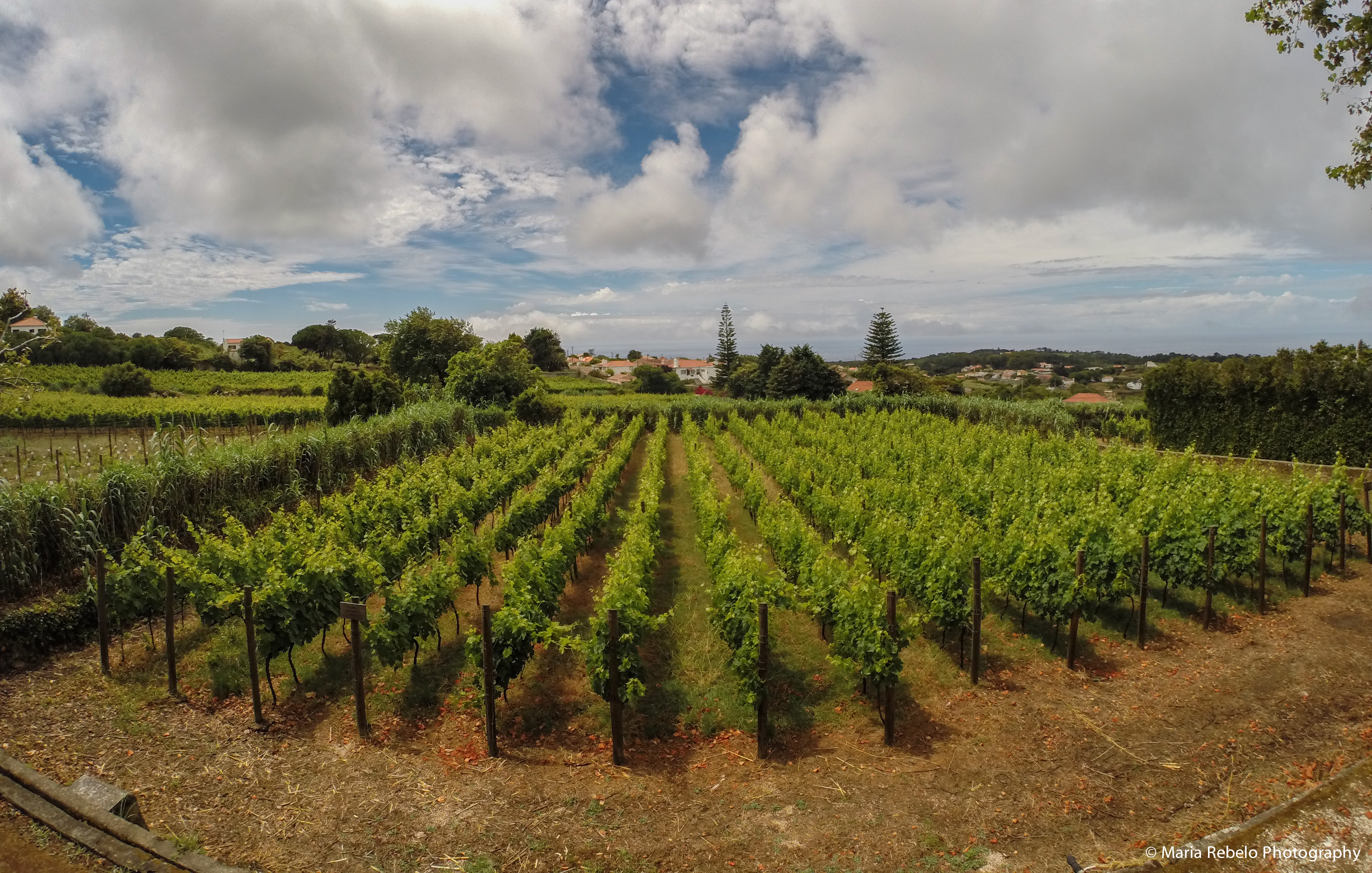
If you’re a wine lover traveling in Alentejo, don’t miss the chance to visit a wonderful winery called Adega Mayor. It is located in Campo Maior, a region on Portugal’s border with Spain that was once the stage of fierce battles between the two countries.

Adega Mayor was designed by Álvaro Siza Vieira, a Portuguese architect who received the Pritzker prize. He is famous for his ability to create buildings that are in harmony with their surroundings. At Adega Mayor, he succeeded brilliantly. The winery is a subtle white accent on the Alentejo landscape, toped by a terrace with amazing vistas. It is extraordinary to sit on the terrace at sunset and watch the Alentejo sky painted with colors others skies can only dream of.

The wines of Adega Mayor are produced with immense skill and care. But they offer much more than technical perfection. They carry in them the soul of Alentejo.

We left Adega Mayor with a warm feeling of optimism. We saw ancient battle fields turned into peaceful vineyards that produce extraordinary wines.

Click here for Adega Mayor’s website.

In the footsteps of the angels

Porto-Fixed_135F

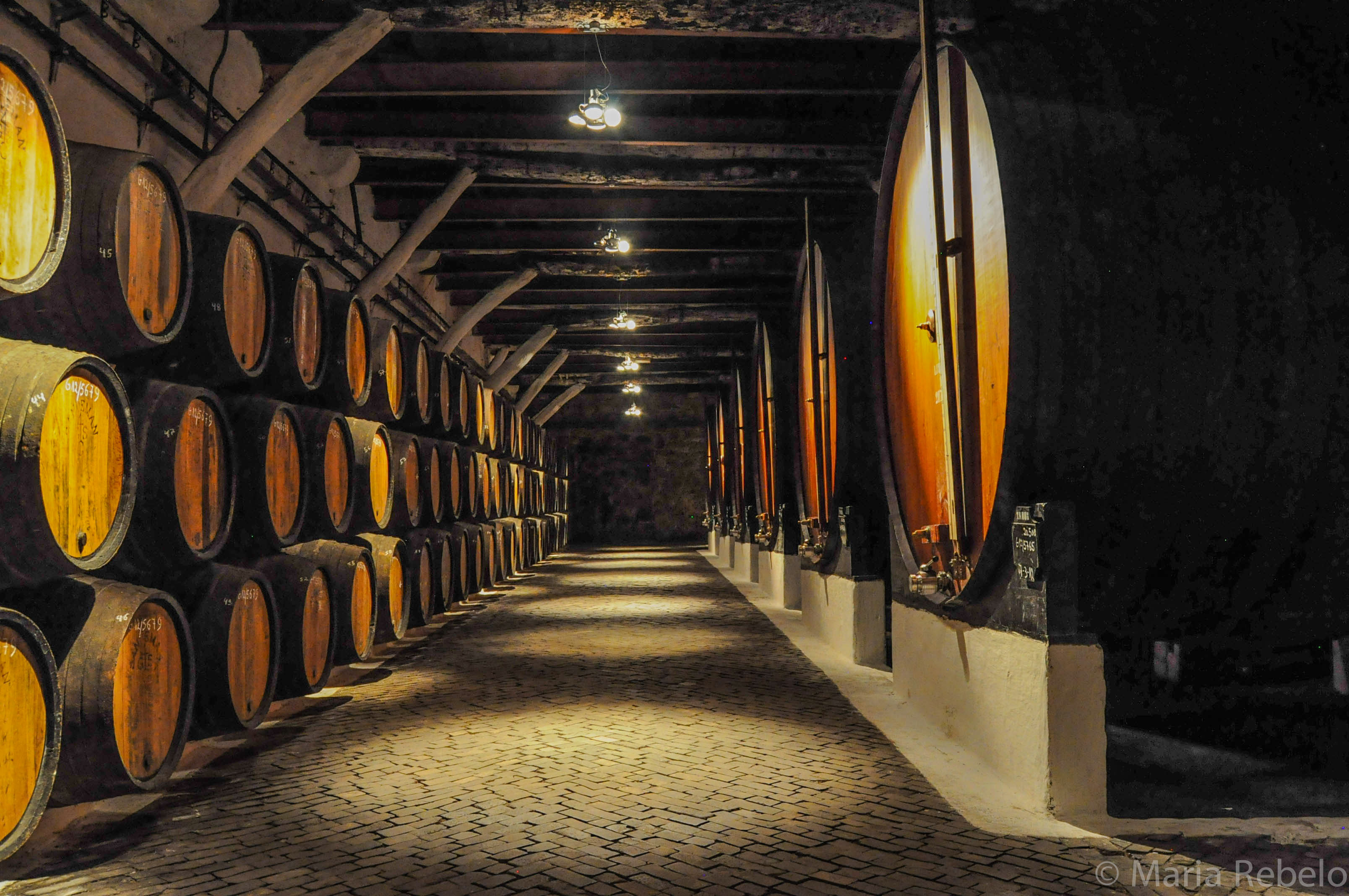
If you keep a list of ideas for fun activities, we would like to suggest a new entry: visiting a port-wine cellar.

Port wine is made in the Douro region where Summers can be very hot. So, the wine is shipped to Vila Nova de Gaia, a town adjacent to Oporto, to be stored away from the heat. There, the wine is kept in dark, cool cellars until it trades the brashness of youth for the refinement that comes with maturity.

Most port-wine houses offer tours of their cellars. The tour guides teach you to distinguish between tawny, ruby, late-bottled vintage, and vintage port. They also regale you with interesting stories and facts about port-wine production. You’ll learn, for example, that the “share of the angels” is the fraction of the wine stored that is lost to evaporation. At the end of the tour you are invited to a port-wine tasting, so you’ll also get a share of this precious nectar.

Sandman’s and Taylor’s are two of the most popular cellars to visit. Click here and here for information about their tours.     

Madeira wine

MadeiraMadeira is a fortified wine produced in the island of Madeira. Brandy is added during fermentation to kill the yeast and prevent it from converting all the sugar into alcohol. The result is a sweet wine that can endure the changes in temperature that used to occur during shipping.

George Washington and Thomas Jefferson kept their cellars well stocked with Madeira. So did John Adams, who said that a few glasses of Madeira made anyone feel capable of being president. Perhaps for this reason, both the signing of the American Constitution and the Declaration of Independence were celebrated with Madeira.

There are several different types of Madeira, depending on the varietals used in their production. The most popular varietal, Malvasia or Malmsey, produces a sweet, smooth wine. Sercial makes an excellent dry aperitif. Verdelho makes an elegant semi-dry wine. Bual produces a dark amber semi-sweet wine.

They’re all irresistible, which is why, in Shakespeare’s play Henry VI, Falstaff is accused of selling his soul to the devil for a glass of Madeira.

Cork secrets

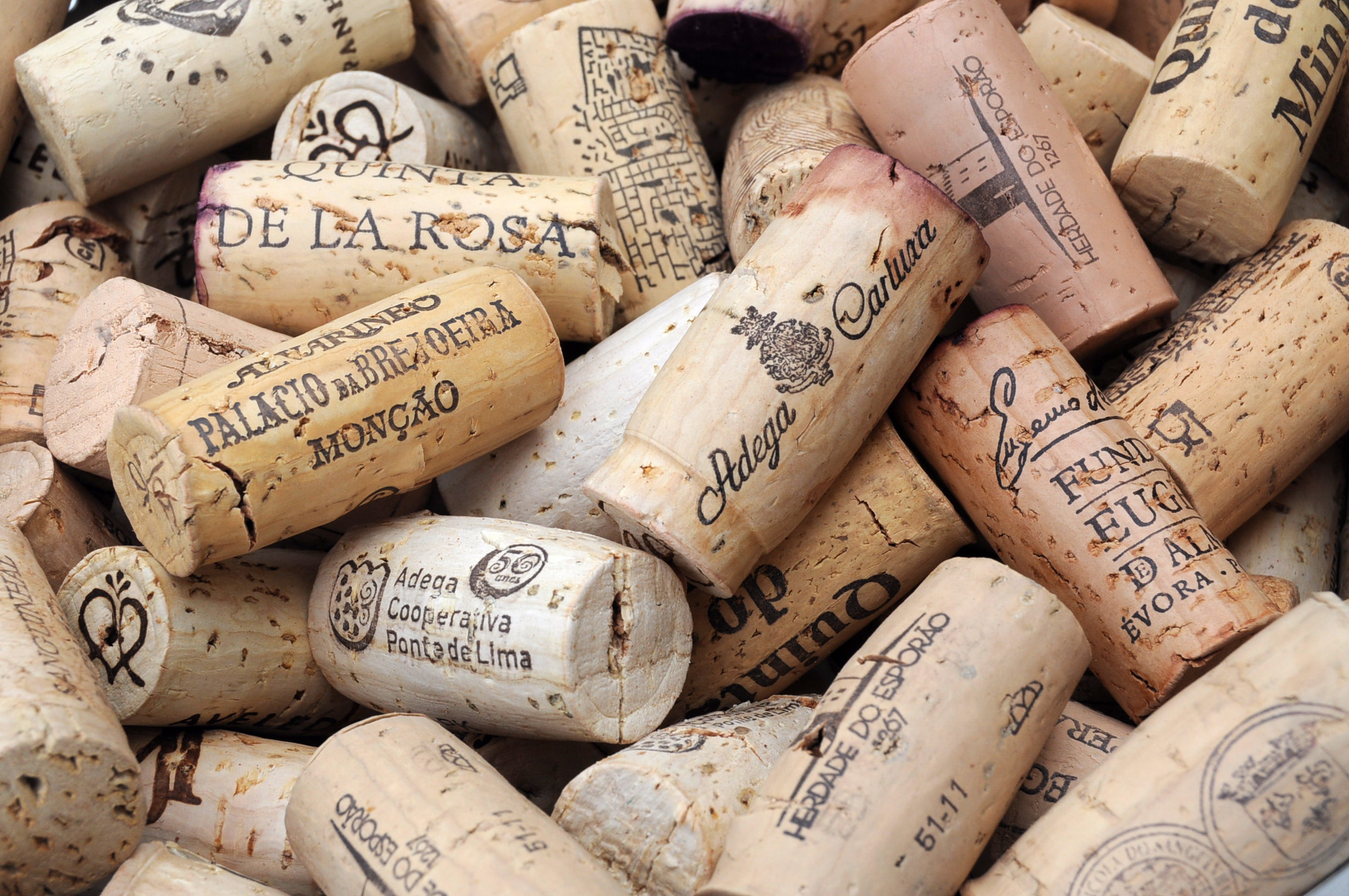
You can’t judge a book by its cover, but you can rate a wine by its cork. Low-quality wines use plastic corks or other cork substitutes that do not allow the wine to breathe. The next step up in the quality ladder are wines that use stoppers made of agglomerate cork. Better wines have solid corks, and the very best wines have beautiful waxed corks with the winery’s name carefully imprinted.  So, when a wine critic is not available, use the cork as your guide!

A Portuguese symposium

Queijo de AzeitãoSymposium is a Greek word that means drinking together. It refers to parties in which people sat around, drinking wine and talking about life. One of these parties, attended by Socrates, was immortalized by Plato in his writings.

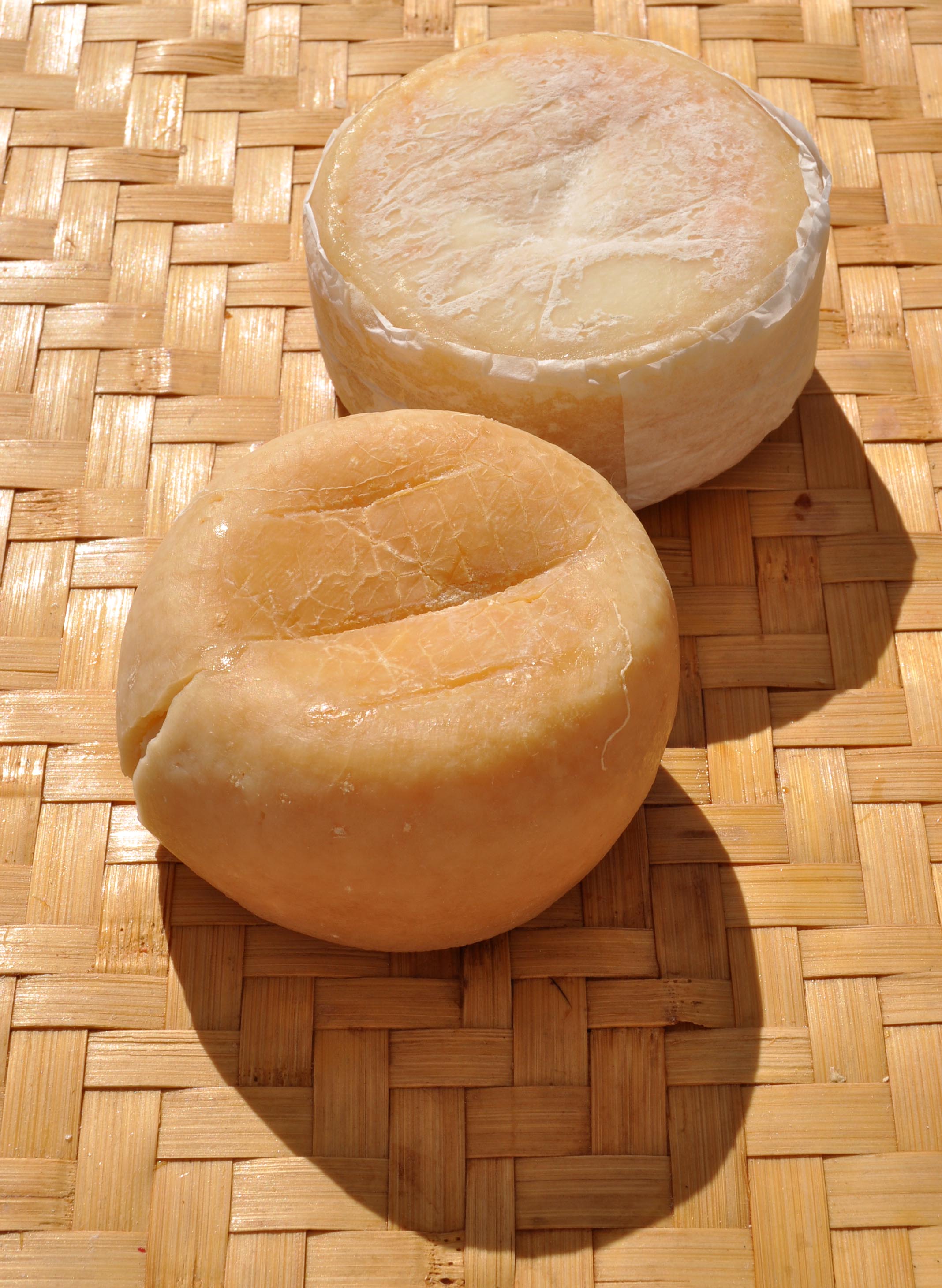
You can easily recreate a symposium atmosphere in Portugal. First, invite some great friends. Second, procure three great ingredients: rustic bread, Azeitão cheese and Piriquita wine.

Azeitão is produced with sheep milk in small farms in the Arrábida mountain with the same techniques used to make Serra cheese in the Estrela mountain. But different pastures make different cheese, so Azeitão has a taste all of its own. Piriquita is a wine from the nearby Palmela region, produced with a grape varietal known as Castelão or Piriquita.

This wine and cheese are a heavenly pairing. So, you’ll have a good time, even if no philosophers show up. But, if you’re lucky, the conversation will be so brilliant that people will still talk about your party in 2500 years.

The Azeitão cheese produced by Fernando & Simões in Quinta do Anjo is one of our favorites. 

Wellington’s wine

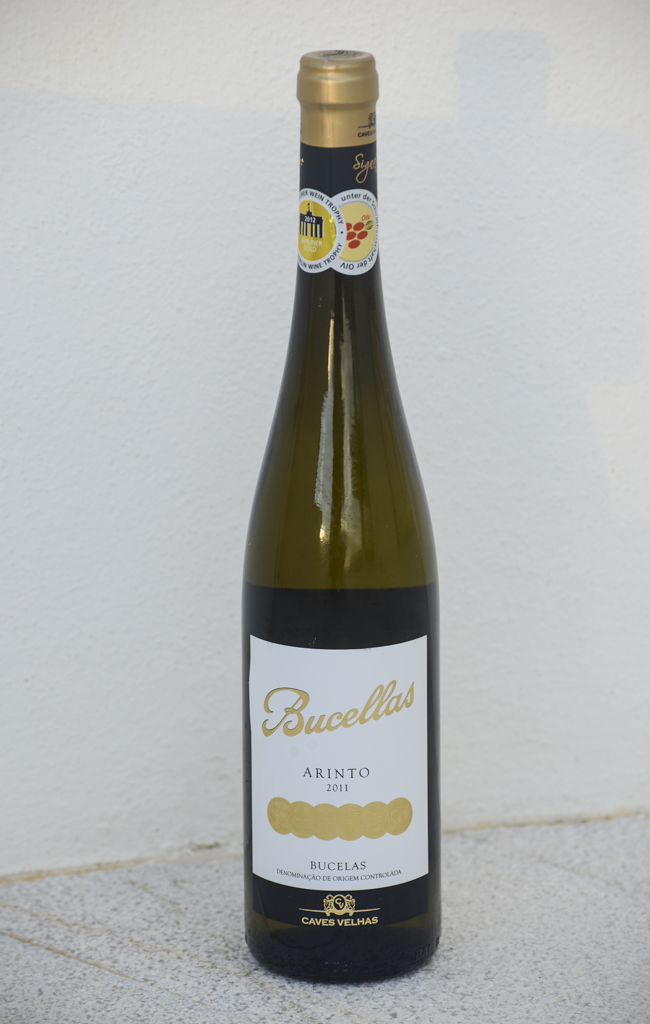
DSC_1082-FDuring the Napoleonic wars, the Duke of Wellington stationed his troops in the Bucelas region, north of Lisbon. There, he drank a white wine made with Arinto, an indigenous varietal. He enjoyed it so much that, after the war, he imported large quantities back to England. Wellington offered some bottles of Bucelas to King George III, who claimed that they cured him of a troublesome kidney disease. The wine continued to gather fame during the Victorian era. German Rieslings were known in England as “Hock,” so London wine merchants called Bucelas “Portuguese Hock.”

When the British publisher Henry Vizetelly arrived in Portugal in 1877 to work on a book about wine, his first stop was Bucelas. He writes that the young wines are “remarkably fresh in flavor,” and the older wines are “rounder and more aromatic” with a “soft, almondy after taste.” He concludes that: “Certainly purer wines than these are not easily met with.”

Bucelas was enjoyed by Thomas Jefferson and Charles Dicken, but its fame dwindled over time. If you’re in Portugal, make sure to try this inexpensive, wonderful wine. Wine fashions come and go, but the remarkable freshness of Bucelas is here to stay.

A novelist’s wine

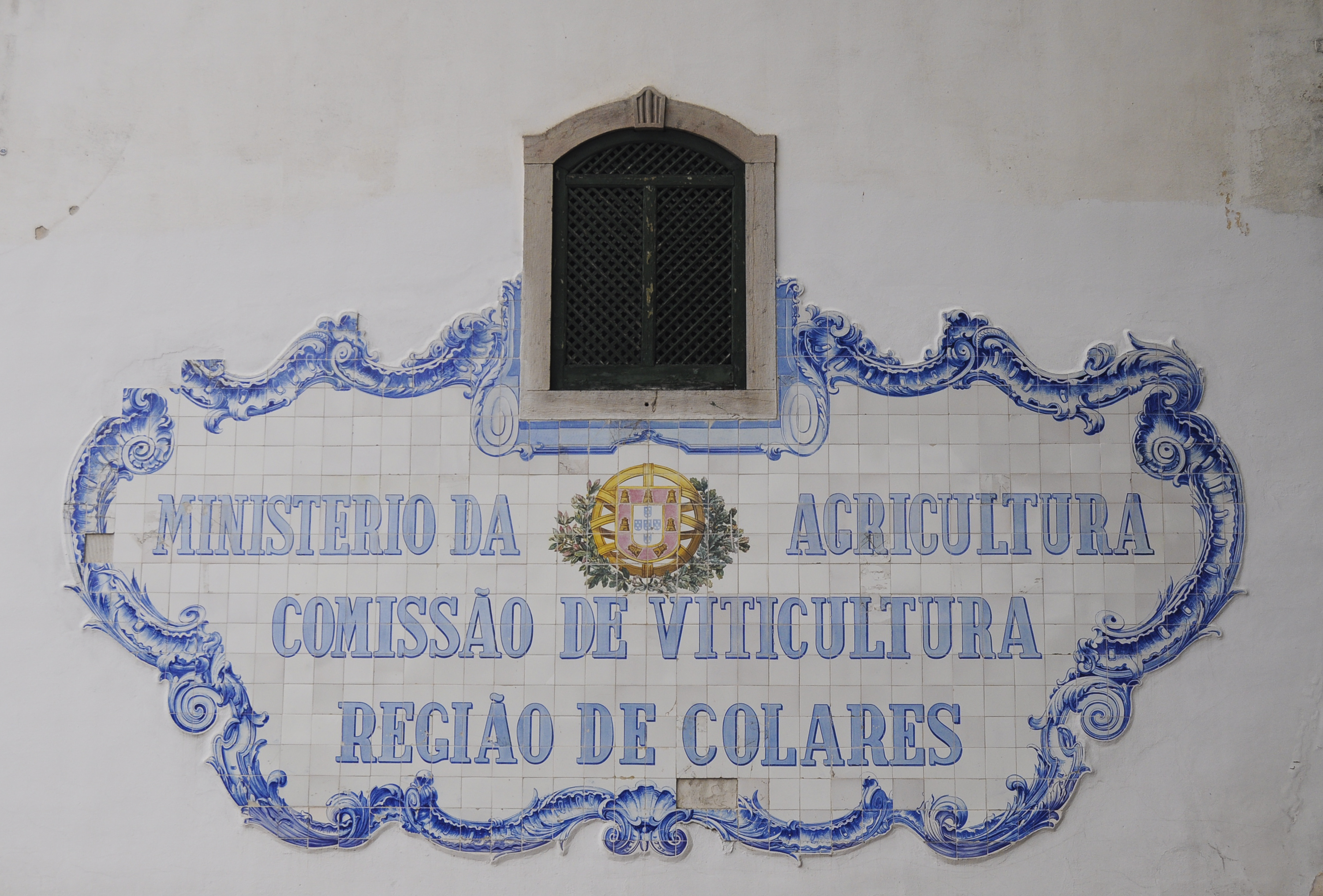
Eça de Queiroz (pronounced essa de kaeroz) is a great 19th century writer whose novels cast a critical eye on Portuguese society.  Eça loved wine from the Colares region, and so do his characters. Here are the words of Teodoro, the protagonist of Eça’s novel, The Mandarin: “What a day! I dined in selfish solitude in a private room at Hotel Central with the table full of bottles of wine from Bordeaux, Burgundy, Champagne, and the Rhine, as well as liqueurs from every conceivable religious community, as if I were trying to quench a thirty-year-old thirst. But the only wine I drank, until I was satiated, was from Colares.”

Colares wine is made with a unique varietal called Ramisco. Farmers plant this vine on sand, digging a deep hole until they find a layer of clay to attach the roots. All this hard work paid off during the phylloxera epidemic because Ramisco was one of the few varietals to survive the disease.

If you’re in Sintra and you’re interested in wine, visit the nearby town of Colares to drink a glass of Ramisco at the local cooperative. It’s not everyday that you can taste a wine unscathed by both the phylloxera plague and the criticism of Eça de Queiros.

Adega Regional de Colares, Alameda Coronel Linhares de Lima, 32, Colares, tel. 219291210, email: geral@arcolares.com. Wine tastings by appointment. Click here for the Adega web site.

Portugal’s star wine varietal

Touriga Nacional, Rui Barreiros Duarte, ink on paper, 2012.

There is a Portuguese saying, “muita parra, pouca uva,” (leafs are many but grapes are few) that applies to Touriga nacional. This varietal has very small grapes. But they burst with flavor through a thick skin that gives the wine an intense red color. Touriga has been planted for centuries in the Dão region but has little name recognition outside of Portugal.

If you are a wine lover, it is worthwhile to learn how to say Touriga nacional (toereega nacional), because this grape is destined for stardom. So, when the Touriga frenzy takes over the world, you’ll be able to say: I drank those fantastic Touriga wines when they were great buys because almost no one outside Portugal knew about them.

Chryseia

Even though Douro is the world’s oldest demarcated wine region, it is not know for its table wines. Douro winemakers produced port wine in part because of climatic conditions. The weather can be very hot during the harvest season, raising wine fermentation temperatures and killing the yeast that converts sugar into alcohol. When Fernando Nicolau de Almeida produced the first Barca Velha, in 1952, he famously carted blocks of ice at great expense to control the fermentation temperature.

The combination of modern wine-making technology and the Douro’s unique grapes is heralding a new era for the region. One example of this new beginning is Chryseia, a wonderfully elegant table wine made with grapes traditionally reserved for the great vintage Ports. It is produced by Bruno Prats, the famous wine maker from Bordeaux, and the Symington family, renowned for their port wines.

Chryseia means golden in Greek. The name is a reference to the Douro region (Douro means “made of gold” in Portuguese). But it is also a sign that, when two great wine names get together, they’ll settle for nothing less than brilliant.

The future of Bairrada

When we have something great to celebrate, we do not drink French Champagne or Italian Prosecco. We much prefer to get our sparkles sipping Espumante from Bairrada, a region that has produced wine since the 10th century. Our favorite Espumante is made by Luís Pato with a white varietal known in Bairrada as Maria Gomes and elsewhere as Fernão Pires.

We just heard from Luís Pato that his newest creation is a red wine made with this white grape. The wine marks the birth in 2011 of his new grandson, Fernão. And it celebrates the future of Bairrada as one of the world’s premier wine regions. Cheers!