A gourmet fish

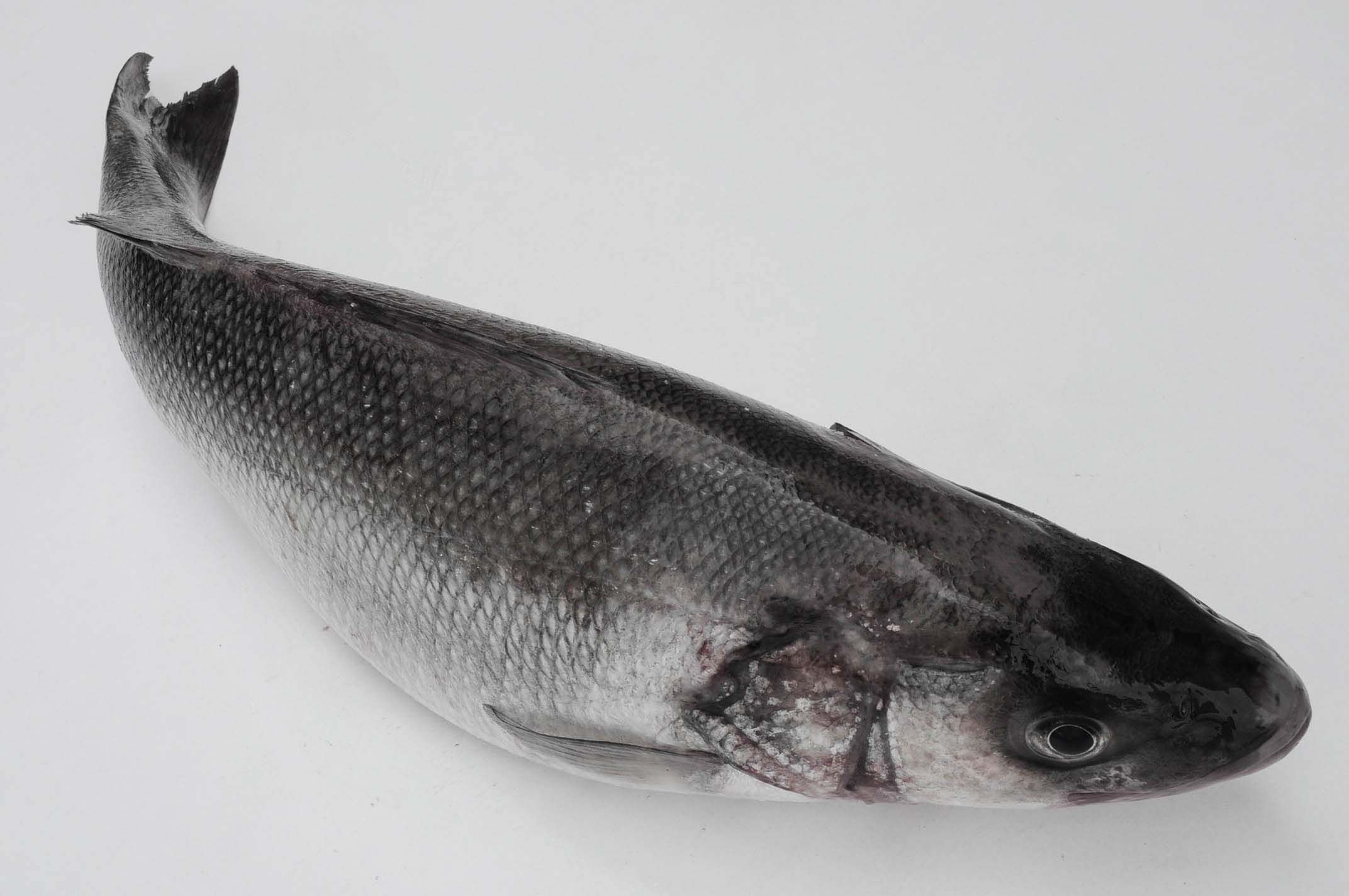
Robalo, Maria Rebelo, digital print image, 2012.

Portuguese restaurant waiters like to give all fish equal opportunity. Ask them about one variety and they’ll tell you that it’s very very fresh and very very good. Ask about another variety, and you’ll hear much the same.

After the waiter sings the praises of all fish on the menu, we usually choose a robalo. This species is known in English as “common snook,” but there’s nothing common about it. The robalo is a voracious, discerning foodie who loves to feast on small crabs. As a result, it has a really unique taste. Try it, and you’ll see that it is very very delicious.

A children’s song

SaiaCarolina2This recording is a reworking of “A saia da Carolina” (Carolina’s skirt), a traditional Portuguese song that kids learn in kindergarten. The lyrics are about a little girl who wears a skirt with a lizard print. She shows a precocious sense of fashion, using animal fabrics way before René Lacoste embroidered a crocodile on his blazer.

Pedro Rebelo (concertina and production) and Sergio Rebelo (guitar). The drawing is by Ana Duarte, a new Portuguese fashion designer well on her way to success and fame. Check out her clothes collection here.

A regal cake

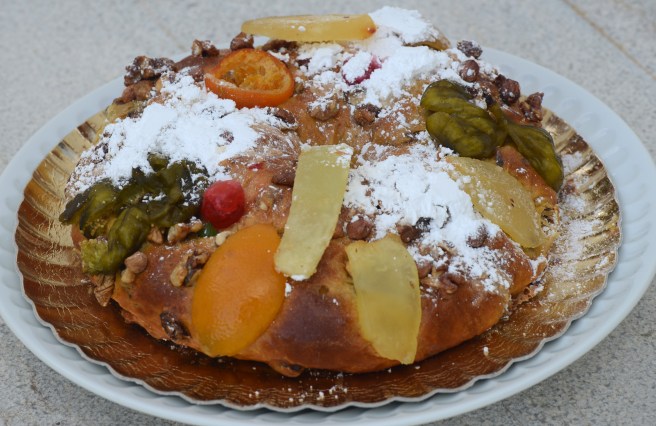
BoloRei

During the Christmas season, Portuguese pastry stores transform many tons of flour, sugar, eggs, port wine, and candied fruit into the popular king’s cake (bolo rei).

Bolo rei was introduced in Portugal in the second half of the 19th century by Confeitaria Nacional, a pastry store in downtown Lisbon. It was based on France’s “gateaux des rois,” a royal cake forbidden during the French revolution until pastry chefs renamed it the “people’s cake” (gateaux des sans culottes).

Over time, Confeitaria Nacional’s recipe was imitated and adapted, and bolo rei became an integral part of Portuguese culture. So much so that, when the monarchy was abolished in 1910, the Portuguese parliament renamed it Republic’s cake. But the awkward name never caught on.

Pastry stores used to hide two objects inside the cake: a gift (a trinket or, in some cases, a gold coin) and a dried fava bean. The gift has been eliminated but the fava bean is still included. According to tradition, whoever gets it has to buy the next cake.

The custom of hiding a fava bean inside a cake originated in the ancient Roman festival of Saturnalia. The person who found the fava bean became king of the Saturnalia and served as the festival’s master of ceremonies.

If you’re in Portugal during the Christmas season, make sure you try some bolo rei. It’s a sweet piece of European history.

Two columns

The writer Christopher Hitchins summarized his first impressions of Lisbon with the words, “Mediterranean though it can feel, Portugal is the only European country that has the Atlantic Ocean lapping around in its capital city.’’

We can sense the energy of the Atlantic on the iconic Cais das Colunas, a quay adorned by two columns in Terreiro do Paço. The undulation of the Tagus river echoes the waves of the ocean beyond. The columns mark Portugal as the point of departure and the sea as our destiny.

Oporto smugness

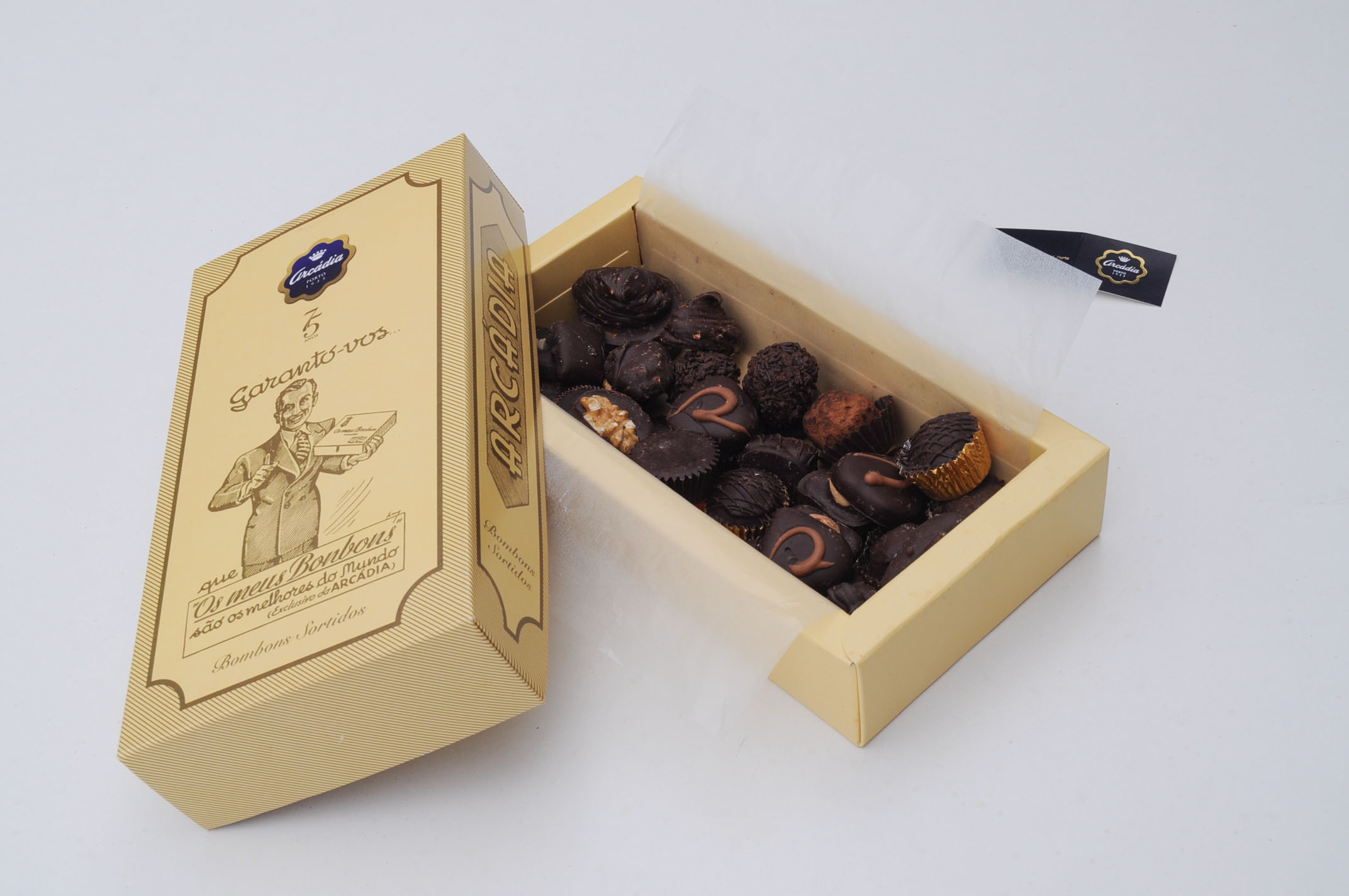
Oporto residents have been smug since 1933. That’s the year when Arcadia, a wonderful artisanal chocolate maker, opened its doors in that northern city. In France, chocolatiers compete for the title of Meilleur Ouvrier de France and the winners receive plenty of fame and recognition. But these are not the ways of Portugal, where we often keep quiet about our great things. So, Arcadia remained under the radar for decades.

In 2010, Arcadia started opening stores outside of Oporto so the rest of the country could finally find out what they’d been missing. There’s a lot to catch up with, from dark chocolate made with São Tomé cocoa, to port wine bonbons, beautiful chocolate roses, and delicious “cat tongues.” No wonder Oporto residents were so smug!

Arcádia, Rua do Almada, 63, Porto, tel. 22 200 15 18, Av. de Roma 14D, Lisboa, tel. 21 840 8670, email online@arcadia.pt. Click here for the Arcadia website. You can also buy Arcadia chocolates at Portfolio, a store in the  Lisbon airport. Click here for their website.

Have you tried salted cod?

Bacalhau

Bacalhau (cod) is a fish with a bland taste. But, once it is salted and dried in the sun, it becomes the perfect foil for garlic and olive oil. The Portuguese have enjoyed salted cod for more than two centuries. Lucas Rigaud, chef at the court of D. Maria I, included two cod recipes in his 1780 cookbook.

In 1778, Queen D. Maria eliminated the cod sales tax to help the fisherman and the poor. When the Queen returned from a boat ride on the Tagus river, she was greeted by ships decorated with garlands, overflowing with people cheering to the sound of music and fireworks. D. Maria was so touched, that she did the unthinkable. With tears in her eyes, the Queen sent away her coach and walked unguarded amid the crowd to the royal palace in Terreiro do Paço.

If you’re visiting Portugal, give salted cod a try. There’s something truly unique about food that can bring a distant queen so close to her people.

A novelist’s wine

Eça de Queiroz (pronounced essa de kaeroz) is a great 19th century writer whose novels cast a critical eye on Portuguese society.  Eça loved wine from the Colares region, and so do his characters. Here are the words of Teodoro, the protagonist of Eça’s novel, The Mandarin: “What a day! I dined in selfish solitude in a private room at Hotel Central with the table full of bottles of wine from Bordeaux, Burgundy, Champagne, and the Rhine, as well as liqueurs from every conceivable religious community, as if I were trying to quench a thirty-year-old thirst. But the only wine I drank, until I was satiated, was from Colares.”

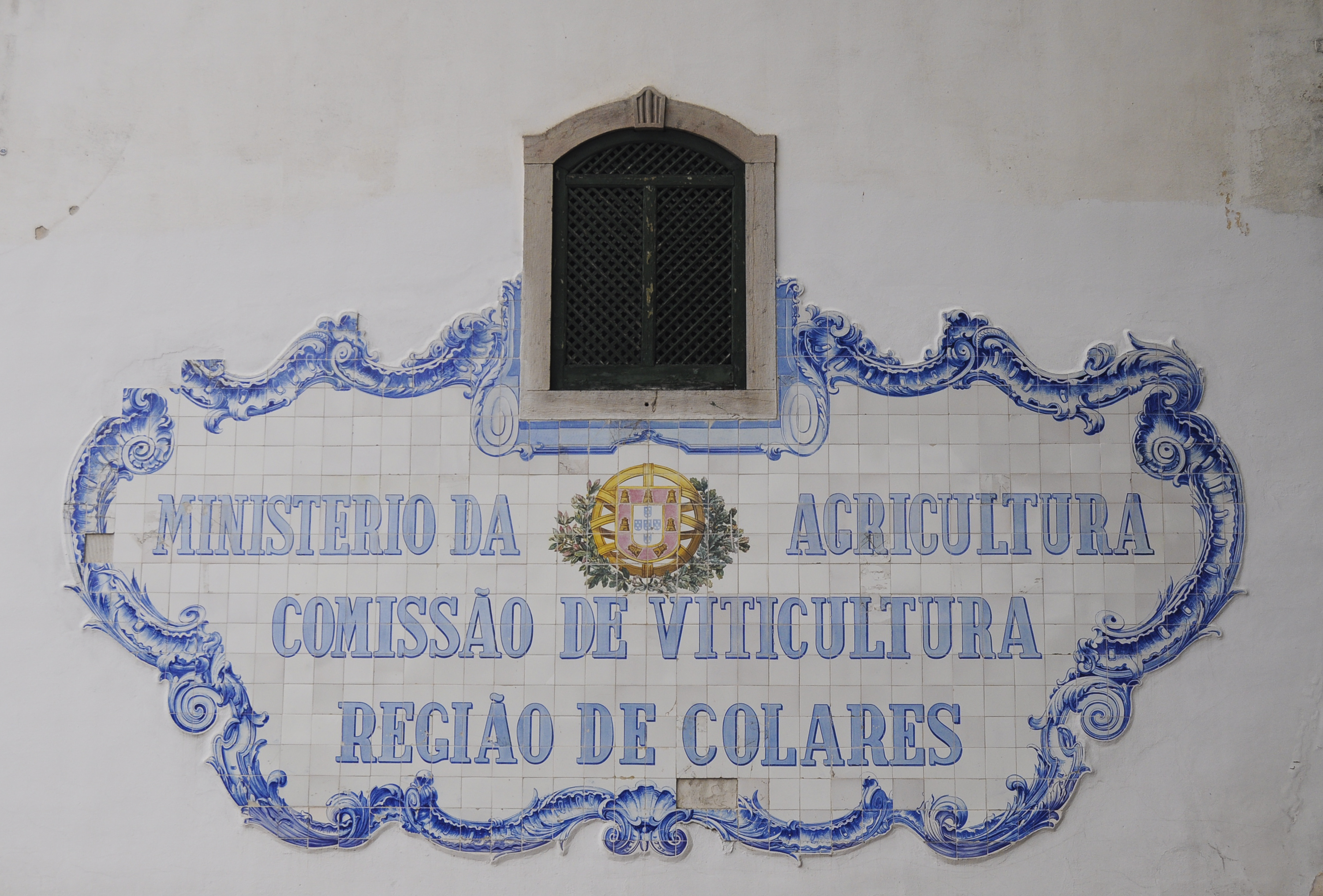
Colares wine is made with a unique varietal called Ramisco. Farmers plant this vine on sand, digging a deep hole until they find a layer of clay to attach the roots. All this hard work paid off during the phylloxera epidemic because Ramisco was one of the few varietals to survive the disease.

If you’re in Sintra and you’re interested in wine, visit the nearby town of Colares to drink a glass of Ramisco at the local cooperative. It’s not everyday that you can taste a wine unscathed by both the phylloxera plague and the criticism of Eça de Queiros.

Adega Regional de Colares, Alameda Coronel Linhares de Lima, 32, Colares, tel. 219291210, email: geral@arcolares.com. Wine tastings by appointment. Click here for the Adega web site.

A perfect weekend in Porto

Perhaps you need a change of scenery to recharge your batteries, but lack the time and energy to plan a perfect weekend. If that’s the case, we’re here to help!

Book a flight to Porto, a city in the north of Portugal. Then, reserve a room at the Freixo Palace, an aristocratic hotel where you’ll be treated like royalty. Next, check the program at Casa da Música, a great performance center designed by Rem Koolhaas, and buy tickets if there’s a show that interests you.

After checking into the hotel, relax with a glass of white port while enjoying the panoramic view of the Douro river. In the afternoon, visit Serralves, a modern art museum designed by Siza Vieira, a Portuguese architect who won the Pritzker prize. For dinner, choose Pedro Lemos or DOP, two restaurants that combine traditional inspiration with great artistry.

On the second day, go on a cruise of the Douro river. You’ll see many Porto landmarks, such as the Dona Maria bridge designed by Gustave Eiffel. Enjoy a “cimbalino” (that’s what Porto residents call an espresso) at the Majestic Café. After coffee, the obvious next stop is Arcadia, an artisan chocolate maker.  Don’t leave Oporto without seeing the Lello bookstore, the place where J.K. Rowling found the gothic inspiration for Hogwarts.  Enjoy a lunch of simply great food at Adega S. Nicolau and spend the afternoon visiting one of the port-wine houses.  For dinner, go to Casario, a restaurant that surprises and delights.

You’ll go back ready for a fresh start with sweet memories of a wonderful weekend.

Click here for Freixo Palace’s website and here for Casa da Música’s website.
Serralves, Rua Dom João de Castro, 210, click here for website.
Pedro Lemos, Rua Padre Luis Cabral, 974, click here for the website.
DOP, Palácio das Artes Largo de S. Domingos, 18, click here for website.
Majestic Café, Rua Santa Catarina, 112, click here for the web site.
Arcadia, Rua do Almada, 63, click here for website
Lello bookstore, Rua das Carmelitas 144 , Porto.
Adega S. Nicolau, R. São Nicolau, 1, Ribeira. Tel. 222-008-232.
Casario, Praça da Ribeira, Viela do Buraco, nº19, click here for web site.

Chestnuts roasted on an open fire

November 11 is the day dedicated to S. Martinho (St. Martin), a Roman soldier who gave half of his cape to a beggar during a heavy snow storm. Impressed by this gesture, the sun came out and melted the snow. Centuries later, the star still remembers the saint’s generosity and shines with gusto to give us a taste of Summer in Autumn.

The Portuguese celebrate these warm days with a feast called magusto (magoostoo). We gather outdoors to eat roasted chestnuts and drink a small glass of jeropiga, a fortified wine. It’s an ancient tradition that reminds us that there’s no place like Portugal.

Fun on your doorstep

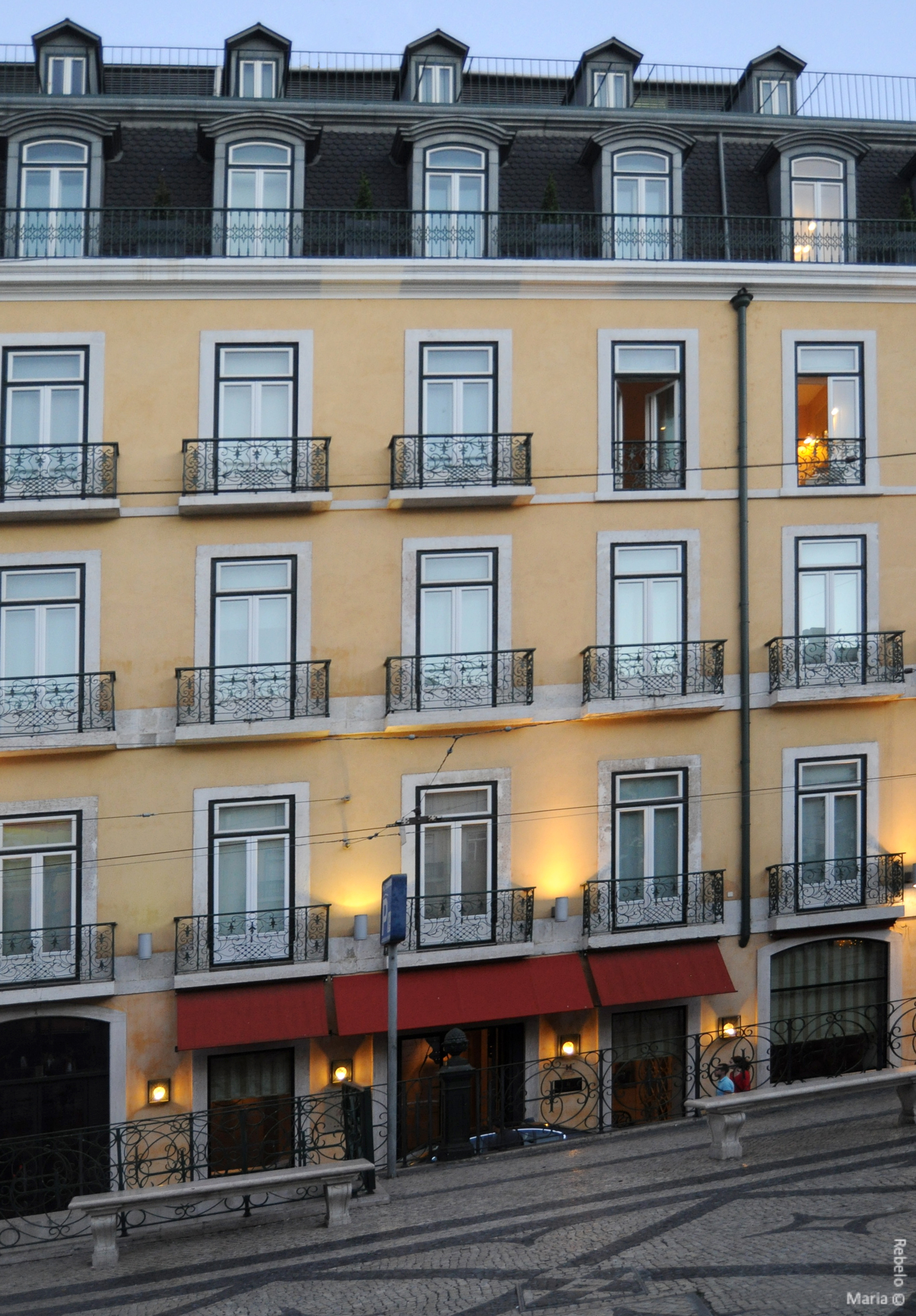
In 2005, the 18th century Hotel d’Europe was transformed into the Hotel do Bairro Alto. The result is a unique combination of aristocratic charm, modern comfort and superb location.

After checking in, you can relax on the top floor terrace and enjoy the fantastic view of the Tagus river. Once you walk out, ready to explore the city, you’re seconds away from Lisbon’s most famous café, A Brasileira, and two minutes from Santini‘s fabulous artisan gelato. You can shop for porcelain to your heart’s content at Vista Alegre or choose beautiful cutlery at Cutipol. You can walk to Bairro Alto, enjoy the view of St. Jorge’s castle, stop for a drink at the port-wine institute, listen to some fado, and check out the avant-garde scene at Galeria Zé dos Bois. Or you can go downtown to stroll on Rossio and Terreiro do Paço. Where else in the world, dear reader, can you find so much fun on your doorstep?

Hotel do Bairro Alto, Praça Luís de Camões 2, Lisbon, tel. 213 408 288, email: reservations@bairroaltohotel.com. Click here for the hotel’s website.