Pizza in Lisbon

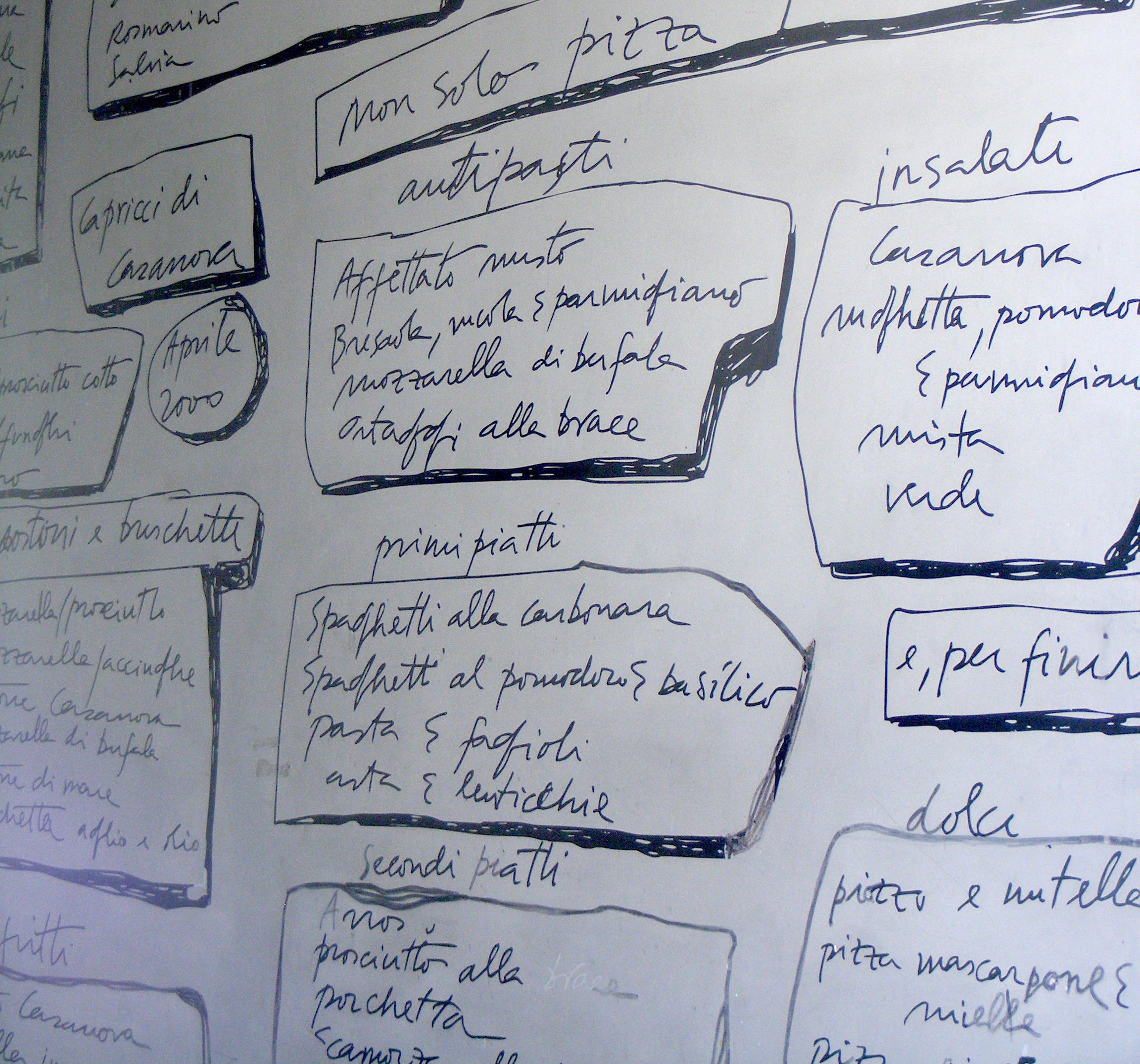
It happens to the best of us. You are in Lisbon, enjoying the fresh fish and the wonderful seafood when, suddenly, you have a craving for pizza! There’s no need to rush to the airport and fly to Naples. You can satisfy your longing for Italian food in Lisbon.

In the 1970s, Maria Paola Porru moved from Italy to Portugal to study cinema. Years later, she opened Casanostra, a restaurant in Bairro Alto, planning to go back to the movie industry once she made some money. But the restaurant was so successful that she continued to run it while working as a sound engineer in several motion pictures.

A few years ago, Porru opened the Pizzeria Casanova in a beautiful location by the Tagus river. The Pizzeria does not accept reservations and there is often a long line. It is here that young people go to see and be seen because, while they wait for some of the best pizza on this side of the Tiber, they feel they’re in a movie.

Restaurante Casanostra, Travessa do Poço da Cidade, nº 60, Bairro Alto, Lisboa, tel. 21 342 59 31, email Italma@sapo.pt. Restaurante Casanova, Avenida Infante Dom Henrique Cais da Pedra à Bica do Sapato, Loja 7, Lisboa, tel. 218877532. 

Three reasons to learn Portuguese

1. To understand more. The Italians say that “traduttore, traditore,” translators are traitors.  Authors labor over every word, but much of the meaning they create is lost in translation. Learning Portuguese opens the doors to a new world of elegant novels, inspired poetry and fabulous travel tales by Portuguese, Brazilian and African writers. Which other language allows you to read the literary hearts and minds of three continents?

2. To gain more insight. The philosopher Ludwig Wittgenstein wrote that  “what we cannot speak about we must pass over in silence.” Language is the scaffold of thought. A new language can take your thinking to new heights, forming synapses that feed creativity and insight. Why learn Portuguese? Here you have to trust the great poet Fernando Pessoa who said that English is the language of science but Portuguese is the language of feelings. So you need both, you see?

3. To sway knowingly to the sound of Bossa Nova. Brazilian music is an irresistible combination of African rhythms, jazz harmonies, and tropical sensibility. And these songs have romantic, funny, sunny lyrics which will make your heart sing.

The joy of cooking

Happiness researchers find that emotional peaks, moments of great joy or sadness, have a lasting impact on our happiness. Travel vacations give us a chance to collect nuggets of joy that we can savor in the future. A great way to relive a vacation in a foreign country is to cook some of the food we tried. Tastes and smells have the power to put us in another place and time.

So, how can you cook some Portuguese dishes after vacationing in Portugal? The Portuguese cuisine is an intuitive affair and recipes are notoriously vague, with instructions like: “follow the usual procedure,” or “use sugar qb.” The ubiquitous cooking expression qb is an abbreviation of “quanto baste,” which means “just the right amount.”

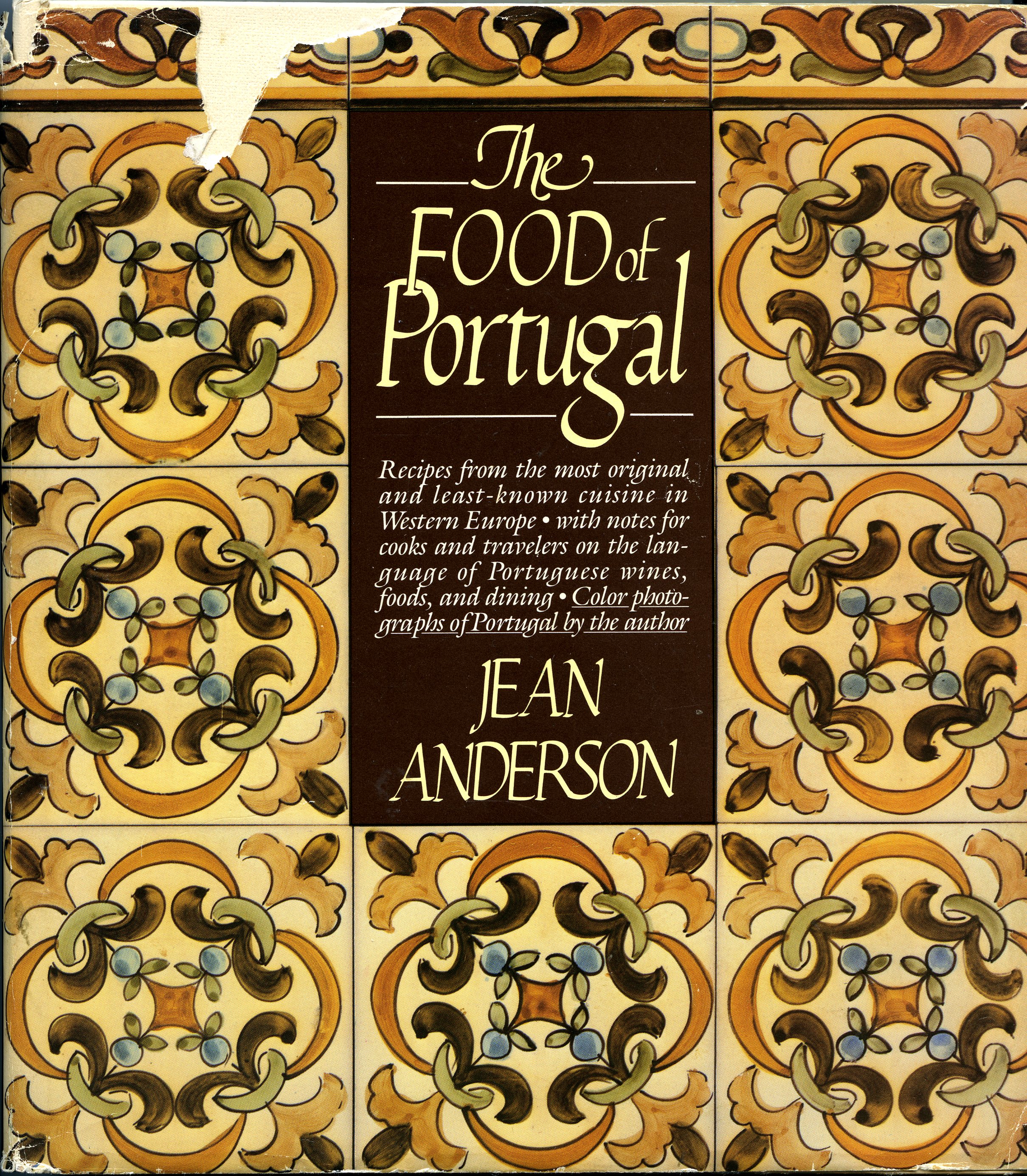
We are lucky that a talented American cookbook author, Jean Anderson, wrote detailed recipes for many classic Portuguese dishes. With her book “The Food of Portugal” in hand, you can cook food that will remind you of dining in a medieval city, a Port-wine quinta or a beach-side restaurant. These memories will bring you happiness, qb.

How to cook fresh octopus

When you eat octopus in a Portuguese restaurant, it is always tender and delicious. But, when you buy fresh octopus and cook it at home, it often turns into a rubbery disappointment.

Portuguese chefs stage an elaborate disinformation campaign to keep secret their cooking technique. They tell you to cook the octopus with an onion, a cork, or a nail; or leave it in the pot until the water is cold; or cook it in red wine or in red vinegar; or beat it three times on the kitchen counter; or “scare” it by raising it from the boiling water. All these tricks produce inedible, chewy octopus.

So, how do you tenderize this eight-armed mollusk? You freeze the fresh octopus before you cook it! That’s all. But please don’t tell anyone; it’s a secret.

100 maneiras

The name is a play on words. “Cem maneiras” means one-hundred ways. But trade the “c” for an “s,” and you get “sem maneiras,” which means without etiquette. Both expressions hint at what makes this tiny restaurant in Lisbon’s Bairro Alto so special.

Yugoslavian chef Ljubomir Stanisic is a magician who combines traditional Portuguese ingredients in inventive ways. But his restaurant is not one of those culinary temples where diners must eat in reverent silence, heads bowed in a show of appreciation for the chef’s genius. The atmosphere at 100 Maneiras is unpretentious, and the only important etiquette rule is that guests have some great gourmet fun.

Restaurante 100 Maneiras, Rua do Teixeira, 35, Bairro Alto, tel. 910 307 575, email: info@restaurante100maneiras.com. Click here for 100 Maneiras’ web site.

The Portuguese oranges of Louis XIV

As laranjas Portuguesas de Luis XIV, Rui Barreiros Duarte, ink on paper, 2012.

“Portugal,” “Portugal,” cried the street vendors in 17th century Paris. They were selling a novelty fruit: sweet oranges from Portugal. European oranges were bitter, good only to make marmalade.  That all changed when the Portuguese brought sweet-orange trees from India and China. These trees produced the most fashionable fruit in Europe. Portuguese oranges were so expensive, that Moliére used them in his play The Miser to signify extravagance. Louis XIV, who thought that sweet oranges looked like the sun, adopted them as his personal symbol and did not rest until he had his own “orangerie.”

If you visit Portugal, order a freshly squeezed orange juice in an outdoors café in an old neighborhood. Imagine yourself in the 17th century. Enjoy this luxurious drink that only kings and nobles can afford. Doesn’t it taste sweet?

Tram number 28

One of Lisbon’s hallmarks are the “eléctricos,” the yellow trams that have helped residents negotiate the city’s narrow streets and steep hills since 1901. A very popular way to see Lisbon is to board tram number 28.

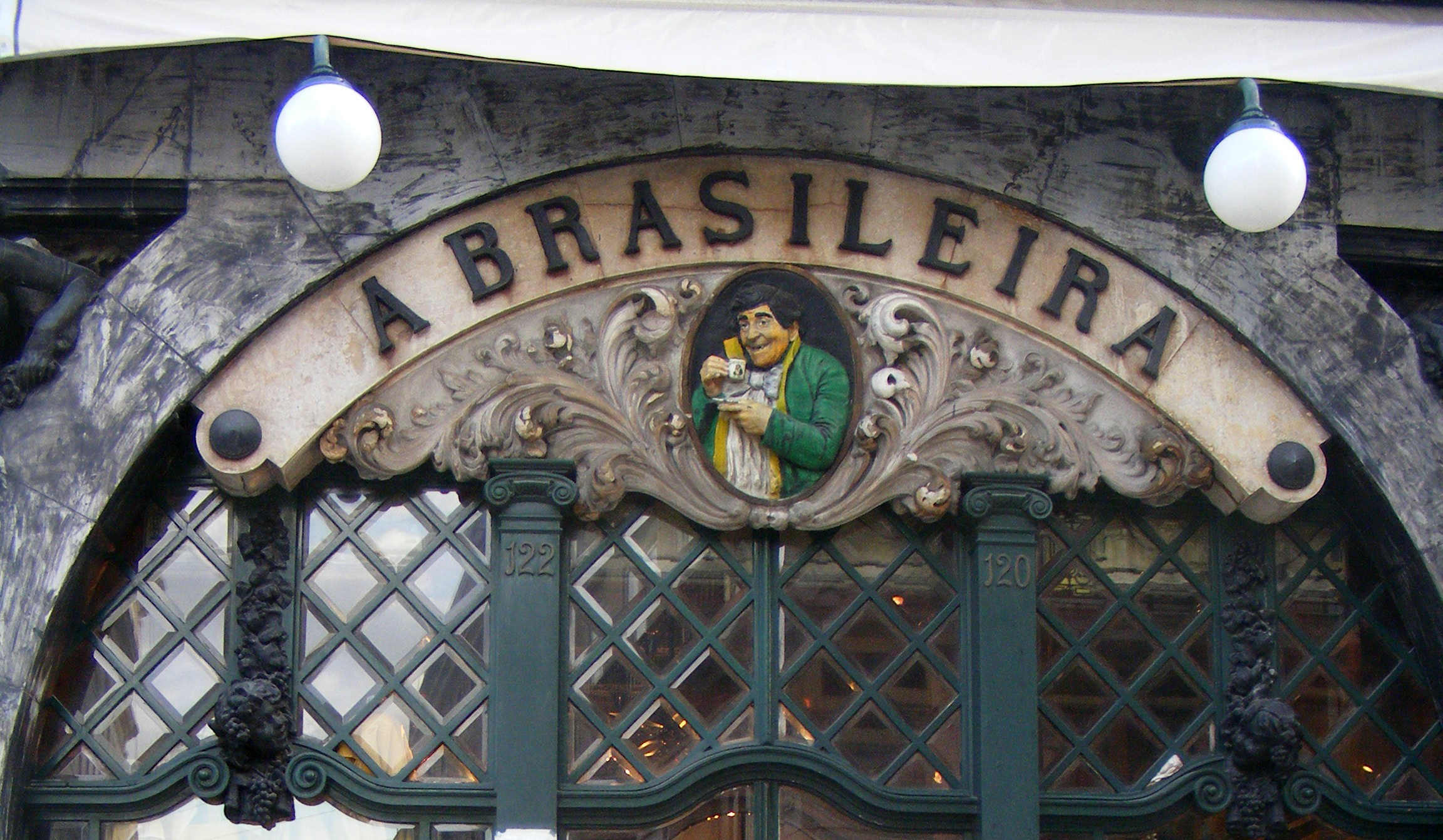
You can make Campo de Ourique your first stop and have a wonderful lunch at Tasca da Esquina. Save some room for dessert because, around the corner, you can eat a slice of life-changing chocolate cake. Don’t drink coffee yet; the tram takes you to Chiado where you can have an espresso at Brasileira, one of poet Fernando Pessoa’s favorite cafés.

Next, the 28 goes downtown. You can stroll in Rossio and sit in the esplanade of Café Nicola, enjoying the views and drinking another cup of coffee. Then, walk to Terreiro do Paço through Rua do Ouro (goldsmith street) or Rua da Prata (silversmith street). In Terreiro do Paço you can contemplate the Tagus river and have yet another coffee at Martinho da Arcada, another Fernando Pessoa favorite.

Now that you are fully caffeinated, board the 28 to go uphill to Alfama, the only neighborhood that survived the 1755 earthquake. You can walk to St. Jorge’s castle and enjoy the sunset views. Then, back to Chiado, where you can have a great dinner at Cantinho do Avilez, followed by some ice cream at Santini. As the day ends,  you’ll realize that the tram 28 is much more fun than the Orient Express.

Hotel Britania

In the 1940s, it was impossible to find an hotel room in Lisbon. Aristocrats, businessmen, smugglers, and spies of all stripes filled the luxury hotels. They also crowded the gambling tables in Casino Estoril, the place where Ian Fleming, a young British intelligence officer, found the inspiration for the first James Bond novel, Casino Royale.

Most of the hotels popular in the 1940s have been renovated beyond recognition. One exception is the beautiful Hotel Britania, which was recently restored to its original elegance and understated glamour.

Built in 1944, it was designed by architect Cassiano Branco in an art deco style. Located on a quiet street, it is the kind of place where Ingrid Bergman could have mended her broken heart, and where martinis are served shaken, not stirred.

Click here for Hotel Britania’s web site.

The beauty of mail

Abstrait 9, Renée-Paule Danthine, stamp and watercolor, 2010.

Renée-Paule Danthine is a Swiss painter who, in her miniature series, celebrates the allure of old-fashioned mail. We have all but forgotten the pleasure of handwriting a letter, hiding it in an envelope and affixing the stamp, trusting the precious package to a mysterious delivery system that, somehow, almost always worked. Danthine reminds us of all that we lost by using post-office stamps as the point of departure for her work. Her travels to Portugal inspired several paintings in this series. Each of her wonderful watercolors is a lesson on how to see the extraordinary in the ordinary.

Click here to see more of Renée-Paule Danthine’s work.

The Berlenga island

The Berlenga is one of the crown jewels of the Atlantic Ocean. It is surrounded by small, diamond-shaped islands, adorned by emerald waters, and decorated with sparkling crystal caves. It is a place loved by birds of all stripes. Not just sparrows, crows, pidgeons, seagulls, woodcocks, and turtledoves, but also rare birds with unpronounceable Latin names, like ruticcilia tithys and puffinus kuhlii.

The island is close enough to be visible from the coast, but far enough to be shrouded in mystery.  Fishermen attribute to it all sorts of mystical powers. “Expect good weather if there’s fog on the island and rain if it’s clear,” they say.  But ask a fisherman whether the Berlenga inspired Alfred Hitchcock’s movie The Birds, and he will shrug his shoulders. The island does not need another legend. It is a place where, throughout the centuries, treasures were buried, pirates conspired, and lives were lost in harrowing shipwrecks.

In the Summer, there is a regular ferry between Peniche and the Berlenga. You can visit the 17th century fort (shown in the photo), bathe on white sand beaches with crystalline water, and chart a boat to go around the island. It is a grand adventure.

You can catch amazing sea bass in Berlenga’s waters, but you have to know where to cast your line. Ask a fisherman for the best place to fish for sea bass, and he will quickly change the subject, perhaps by asking you: “Did you know that the Berlenga inspired Hitchcock’s famous movie, The Birds?”

Click here for the schedule of boats from Peniche to Berlengas. Boats depart from the port of Peniche.