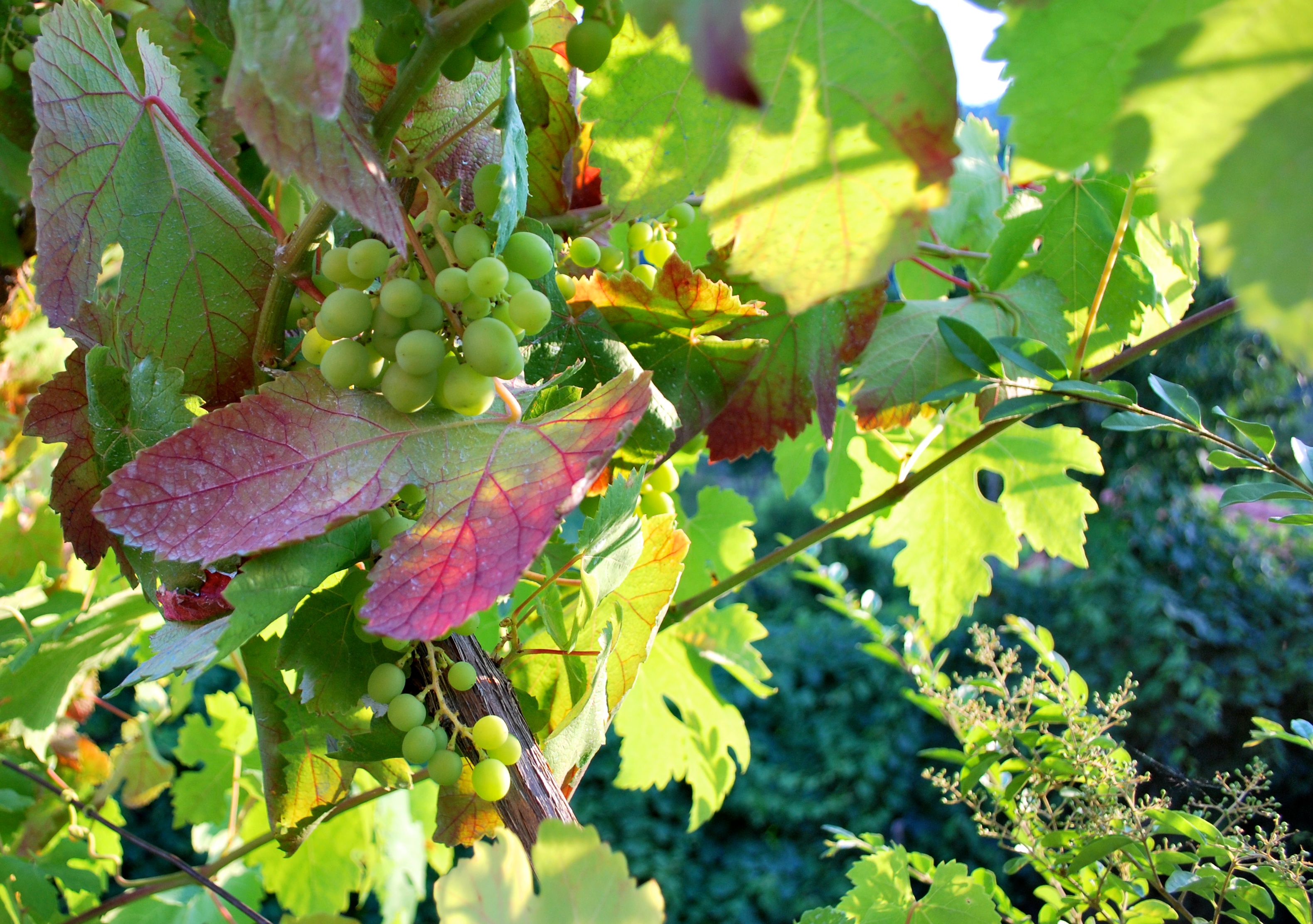
Do any of these names ring a bell? Touriga nacional, trincadeira, baga, tinta roriz, tinta miúda, ramisco, bastardo? What about alvarinho, arinto, esgana cão, Fernão Pires, sercial? They are all grape varietals unique to Portugal (the first is a list of red grapes and the second a list of white grapes). A few French commodity grapes, such as cabernet sauvignon and chardonnay, currently dominate the international wine market. Portugal has a treasure trove of native grape varietals, developed over centuries of wine production. These varietals have unique flavors and aromas that are waiting to be discovered. So, if you are tired of the same old wines from the same old French grapes, try the wines of Portugal’s growing number of top producers.
Rip Curl in Peniche

Peniche, a sleepy fishing village, used to be an island. But the waves worked tirelessly, carrying mountains of sand to connect Peniche to land. The sand banks they built created beaches that are perfect for surfing: Supertubos, Molho Leste, and Baleal.
Every October, the waves enjoy the fruits of their labor, watching the best surfers in the world compete at the Peniche Rip Curl Pro event. You don’t have to cart any sand to be part of this grand surf celebration. All you have to do is drive to Supertubos on the third week of October.
Traveling in Portugal
It is great fun to read John Murray’s “Handbook for Travellers in Portugal,” published in London in 1864. He warns that, to explore far-distant valleys, hills, and mountains, the tourist in Portugal “must be prepared for poor accommodation, poor food, and great fatigue.” But, at the same time, “to one who is in pursuit of scenery, more especially to the artist, no other country in Europe can possess such attractions and such freshness of unexplored beauty.”
So much has changed in the last 150 years! You can now travel throughout Portugal in great comfort, eating delicious food, and staying in elegant hotels, pousadas and bed and breakfasts. But, what remains unchanged, is the freshness of the country’s beauty. Take a look!
The light of Lisbon

Almost fifty years ago, when Jackie was young, she traveled from England to Sweden. There, she met a young Portuguese called José Catarino. She liked his handsome looks and calm demeanor. Jackie returned to England and José to Portugal. And that was supposed to be the end of the story.
But Jackie could not forget José. So, she looked for a job in Lisbon. She found one, as an English tutor to the children of a wealthy Portuguese family. As her flight landed in Lisbon, she marveled at the warm light that made the rooftops look pink. She promised silently that, if she could, she would stay in this enchanted city. It took her some time to find José. But, once she found him, she never let him go.
Jackie Catarino became a painter. Her canvases burst with bold shapes of contrasting colors. And, under the edges, where the shapes meet, lies the shimmering light that she first saw on the rooftops of Lisbon.
Raúl da Bernarda
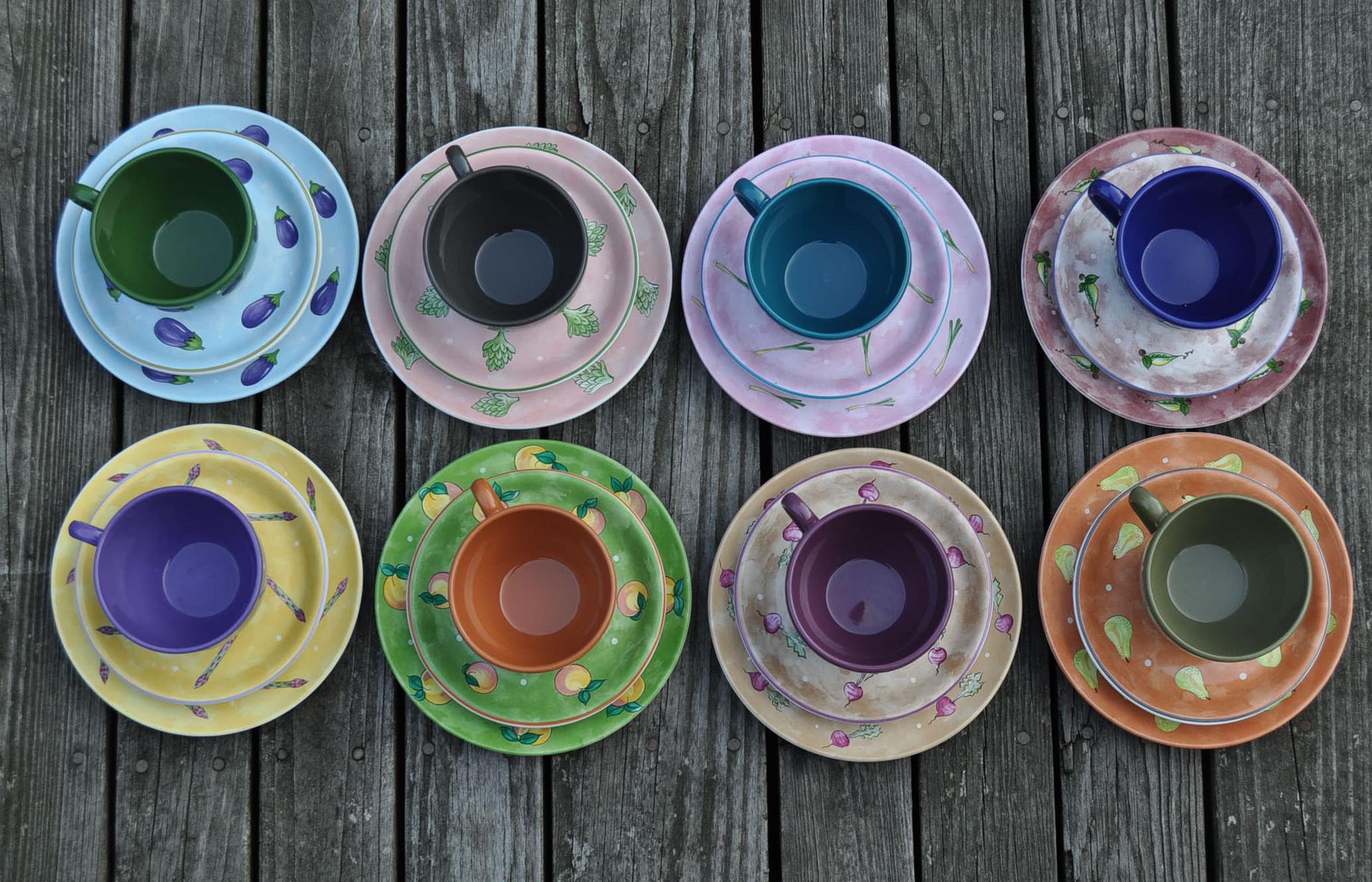
These cups and plates are so full of joie de vivre that they make the tea more fragrant, the cake more intense, the fruit more exquisite. Raúl da Bernarda, an Alcobaça factory founded in 1875, produced these and other great ceramics. Hellas, this family business closed its doors in 2008. But, since most of their production was exported, you can still find their products in shops all over the world. So, let the treasure hunt begin! And what treasures they are, produced by five generations of artisans who molded humble clay into lasting beauty.
A childhood treat
Farturas are similar to Spanish churros, though larger and softer. A light dough made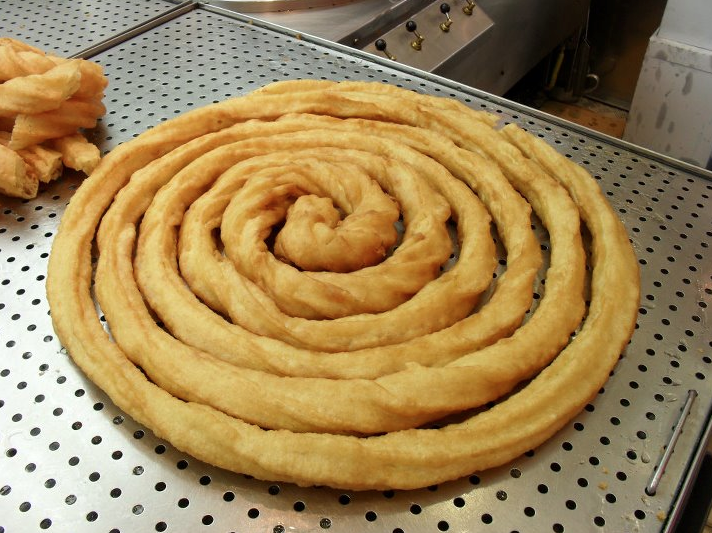 of eggs and flour is squeezed out of a pastry bag to form a large spiral shape. The dough is gently fried in oil, snipped with scissors into pieces, sprinkled with sugar and cinnamon, and served immediately.
A hot fartura has a way of taking you back to childhood, when everything felt simple and full of promise, and the infinite future tasted sweet. You’ll find farturas at fairs across Portugal, but our favorites come from the São Mateus fair in Viseu. This year, the fair runs until September 23—so there’s still time to go, and to feel like a kid again.
Beer and seafood in Lisbon

When Portuguese chefs are not working, they like to gather at Cervejaria Ramiro to enjoy some beer and seafood.
The restaurant is located in an unglamorous part of Lisbon and looks like an ordinary place. What makes it unique is its extraordinary seafood.
Ramiro does not serve farmed shrimp that arrives, tired and frozen, from far away lands. Instead, they offer you precious fresh shrimp from the Algarve. They prepare exquisite “carabineiros,” large shrimps once abundant in Spain but now available only in Portugal. They cook tender clams, a wonderful crab called “santola,” and salty percebes brought warm to the table.
Even though Ramiro is in business since 1956, it is excluded from tourist guides for national security reasons. If the Spaniards learned about Ramiro’s seafood, they might invade Portugal.
Av. Almirante Reis, nº1 – H, 1150-007 Lisboa, tel. 21 885 10 24, email geral@cervejariaramiro.pt, click here for website.
Portuguese sausage
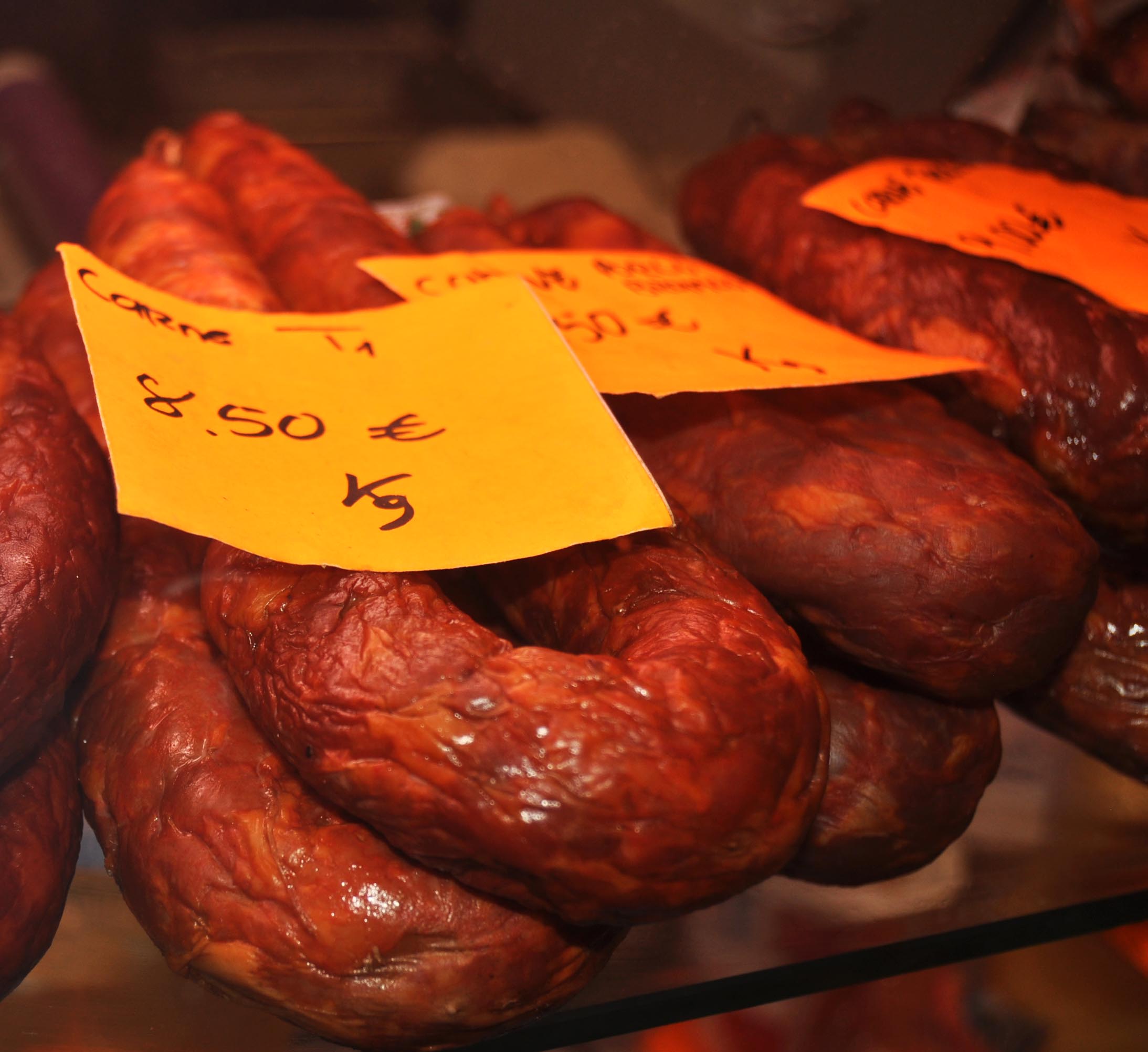 One day someone will write an encyclopedia about Portuguese sausages. And all thirty volumes will be best sellers. A play based on this work will be adapted to the cinema. And the blockbuster movie will feature Juliette Binoche playing a farmer who makes sausages from the meat of unicorns and other magical creatures.
Those exotic sausages would not compare with the real thing: a sausage called “chouriça” made with pork marinated in red wine, paprika, garlic, and bay leaves, and smoked slowly during Winter. It is culinary magic.
Sea pebbles
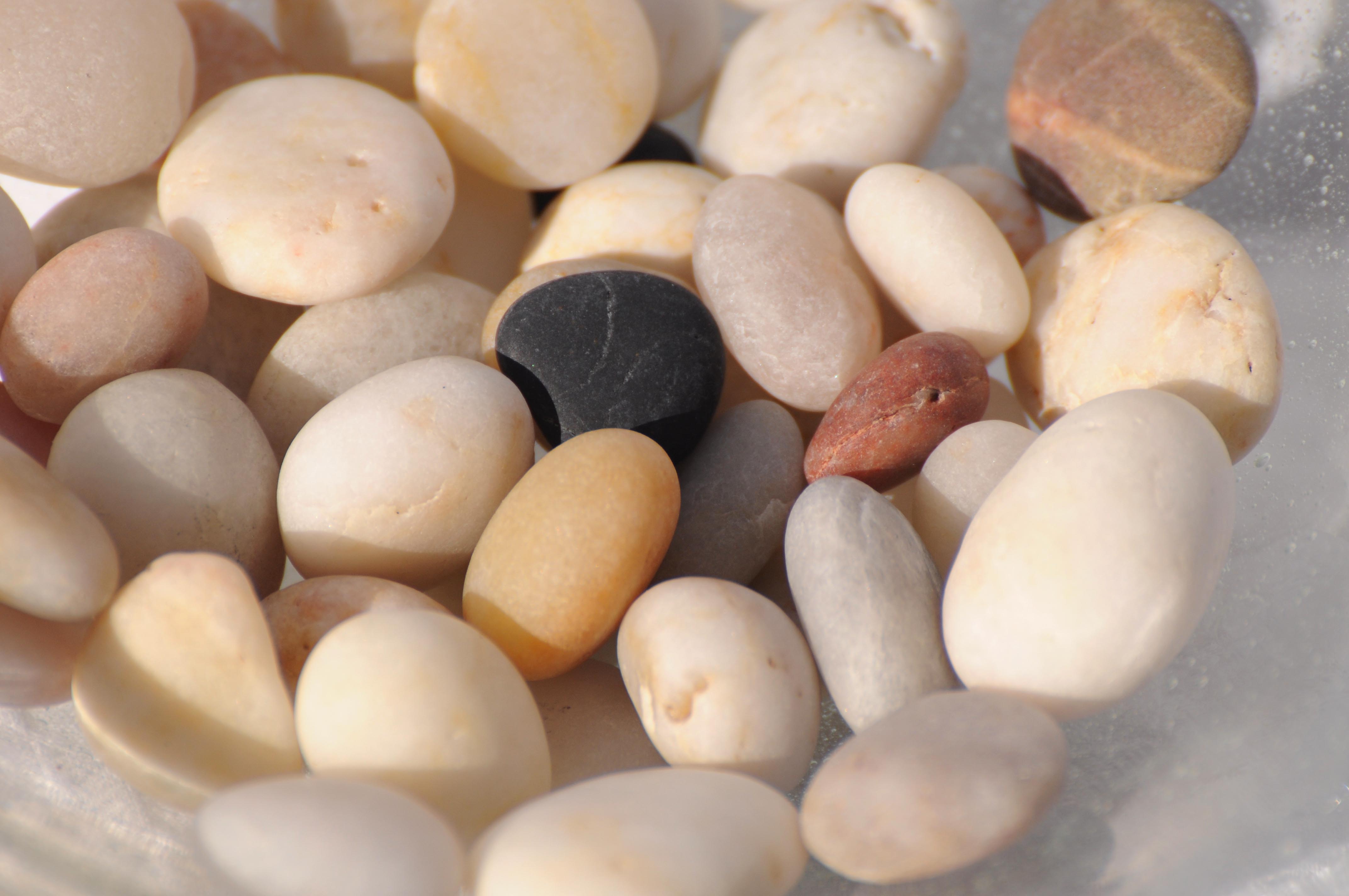
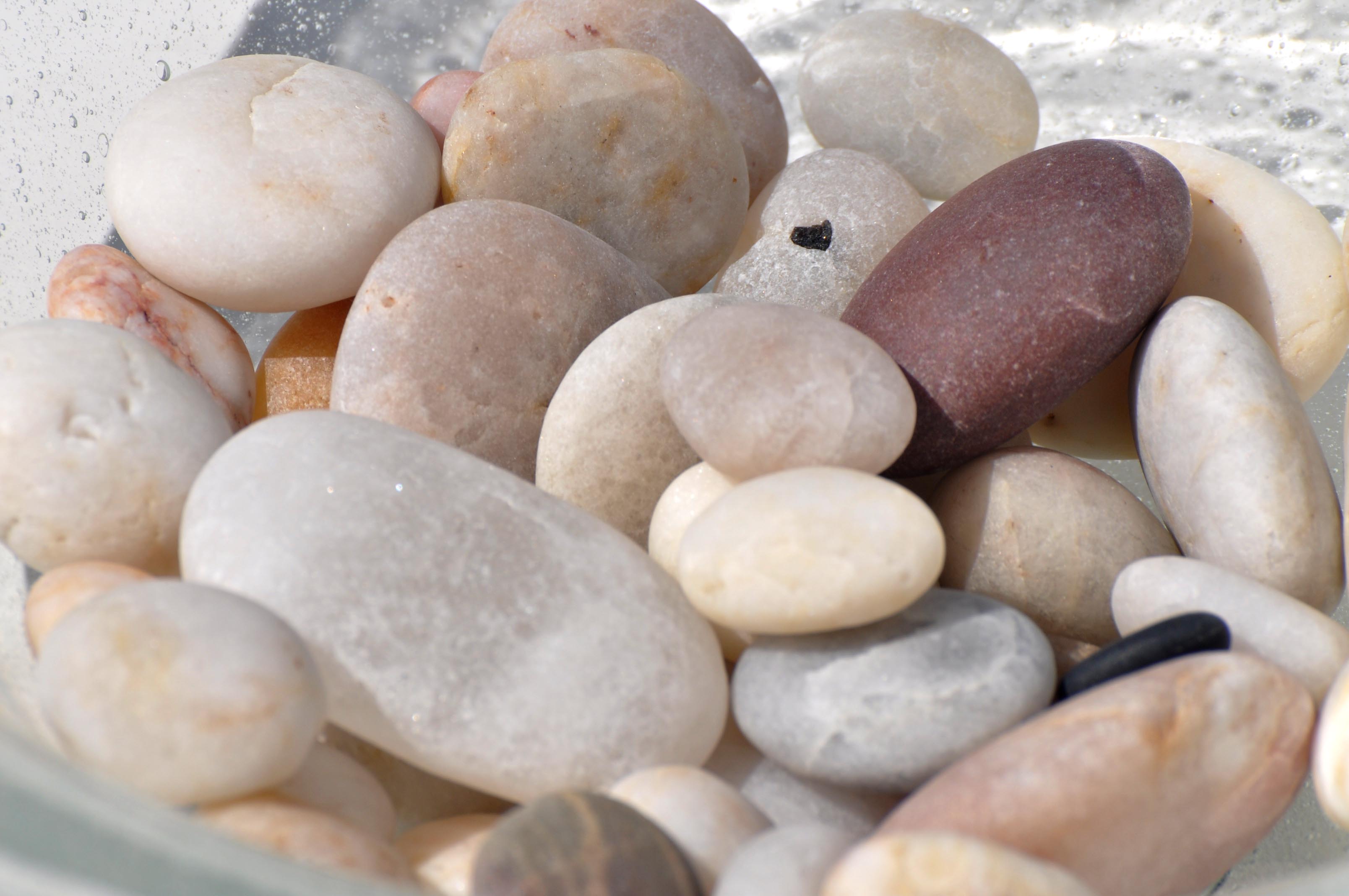
All the seas work hard to please Neptune. They take large rocks and polish them for years, decades, sometimes centuries, to make shiny round pebbles of different colors and shapes. The seas deposit these treasures on the beach sand as a gift from Neptune to those who venerate the majesty of the oceans. When beach goers ignore these offerings, Neptune goes into a rage, and the seas shake with furious storms.
When we are at the beach, we always collect sea pebbles. Later, in the dark days of winter, we touch them to remember the summer warmth and to appease Neptune.
Mãe d’ Água
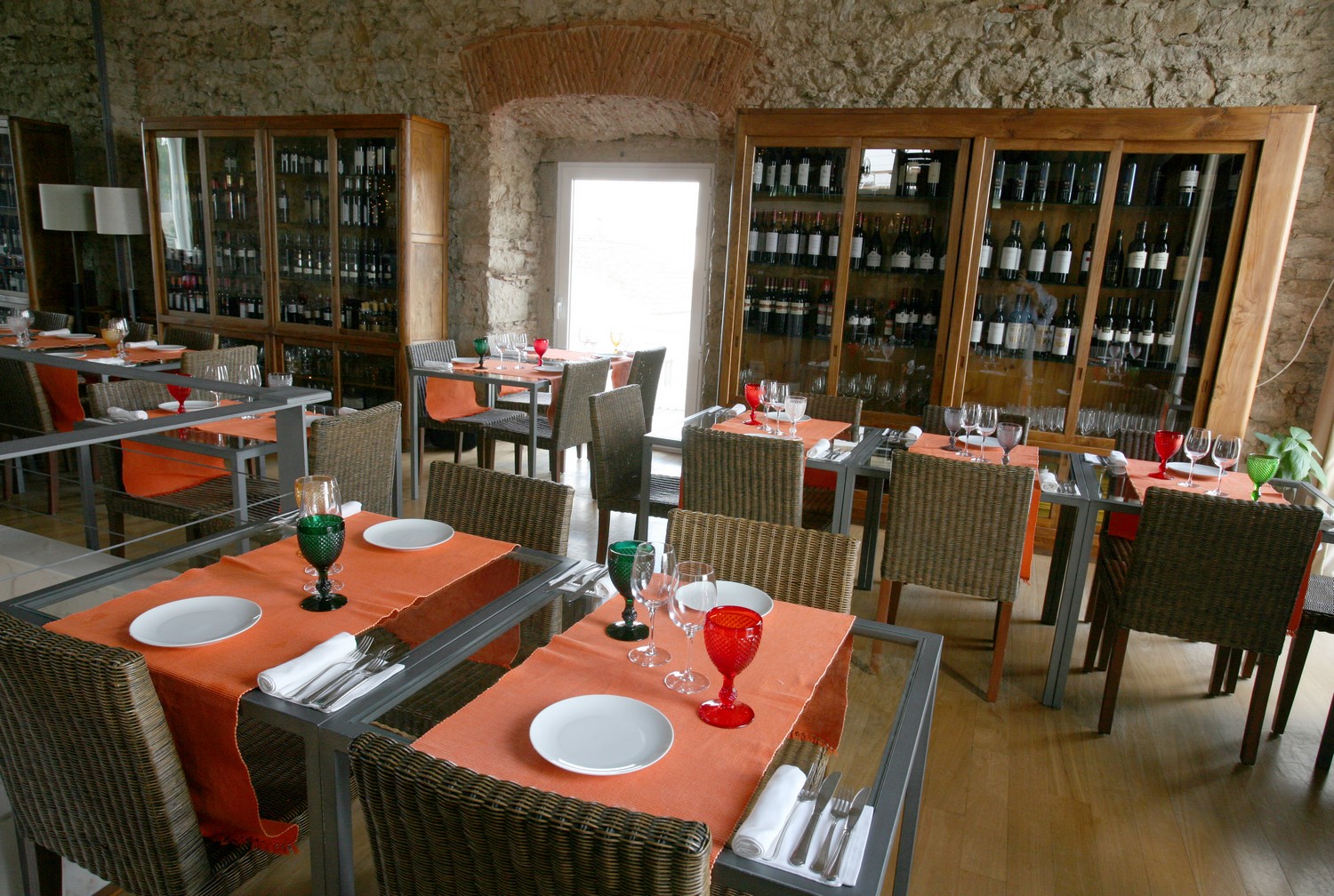 There is so much about this restaurant that is out of a fairy tale: two brothers, an ancient spring, a magical landscape, food and wine fit for a king.
In 2004 the brothers Artur and Carlos Lopes found a late 19th century barn in Sobral do Parelhão, a small village near Bombarral, 70 km north of Lisbon. There, they built a restaurant perfectly in tune with its surroundings. They called it Mãe d’Água (water source) because water from a nearby spring runs through the building.
They cut the ancient brick walls to open large windows that frame the handsome landscape of Estremadura. They filled elegant wood cabinets with wines from the region. They chose a menu full of delicacies, briny shrimp in garlic sauce, fragrant lingueirão rice, tender lamb chops, and much more. Mãe d’Água is a fairy tale come true.
Sobral do Parelhão, Bombarral, Rua 13 de Maio 26, 2540-467 Carvalhal, tel.262 605 408, email geral@restaurantemaedagua.com, click here for their website.
 Salt of Portugal