August Braga

Braga Composit

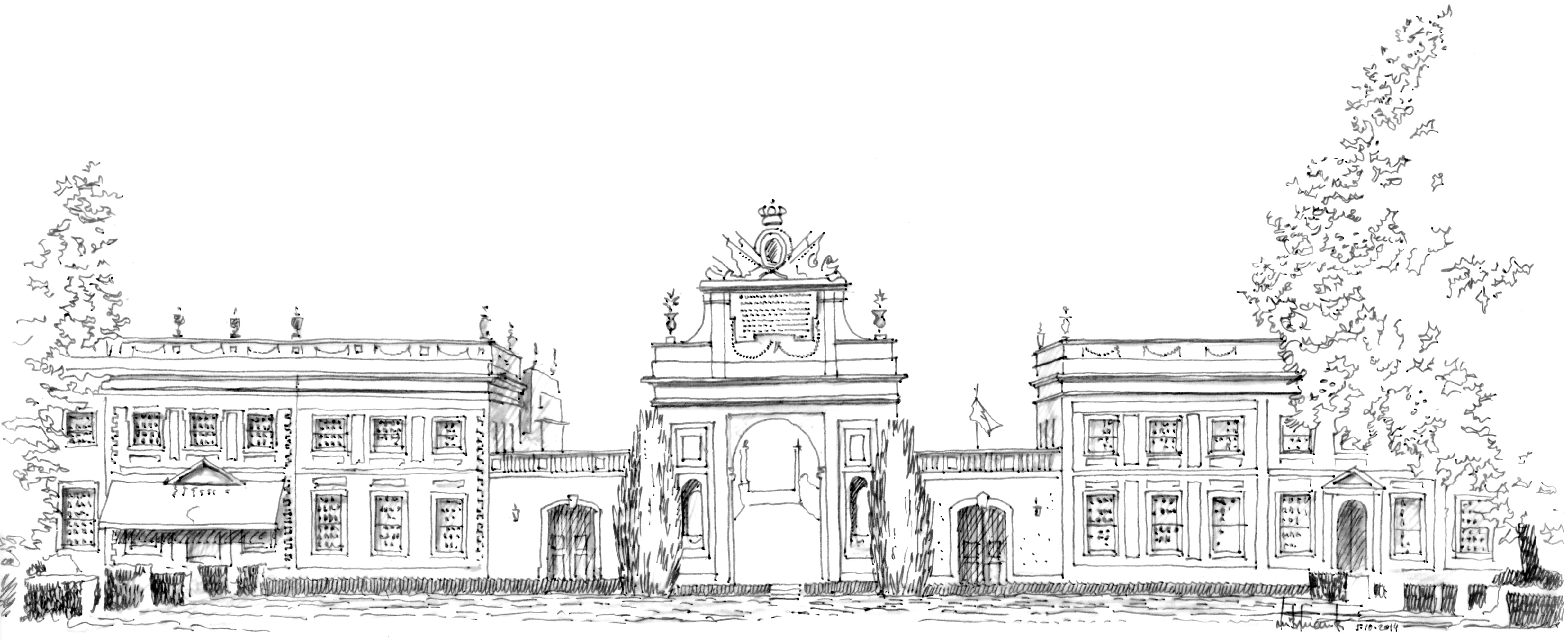
Walking in Braga, a beautiful city in the north of Portugal, is like taking a journey from ancient times to the present. The city flourished during the Roman era when emperor Augustus honored it with the name Bracara Augusta. But, with the demise of the Roman empire, Braga fell on hard times. The city emerged again in the 11th century, when the king of Castile and Léon offered it as a wedding present to his daughter Teresa. Her son, Dom Afonso Henriques, became the first king of Portugal.

In the early years of Portugal as a nation, the archbishop of Braga, Pedro Julião, became pope John XXI. Perhaps that is why the city has as many reflections of spiritual power (convents and churches) as temporal power (defensive towers, palaces, and manor houses).

In his book “The Design of Cities,” published in 1967, Edmund Bacon writes that: “Throughout history, architects have lavished much of their tenderest care on the part of the building which meets the sky.” Braga provides many wonderful examples of what Bacon has in mind. Its monuments are made of heavy granite but they rise towards the heavens.

First impressions of Lisbon

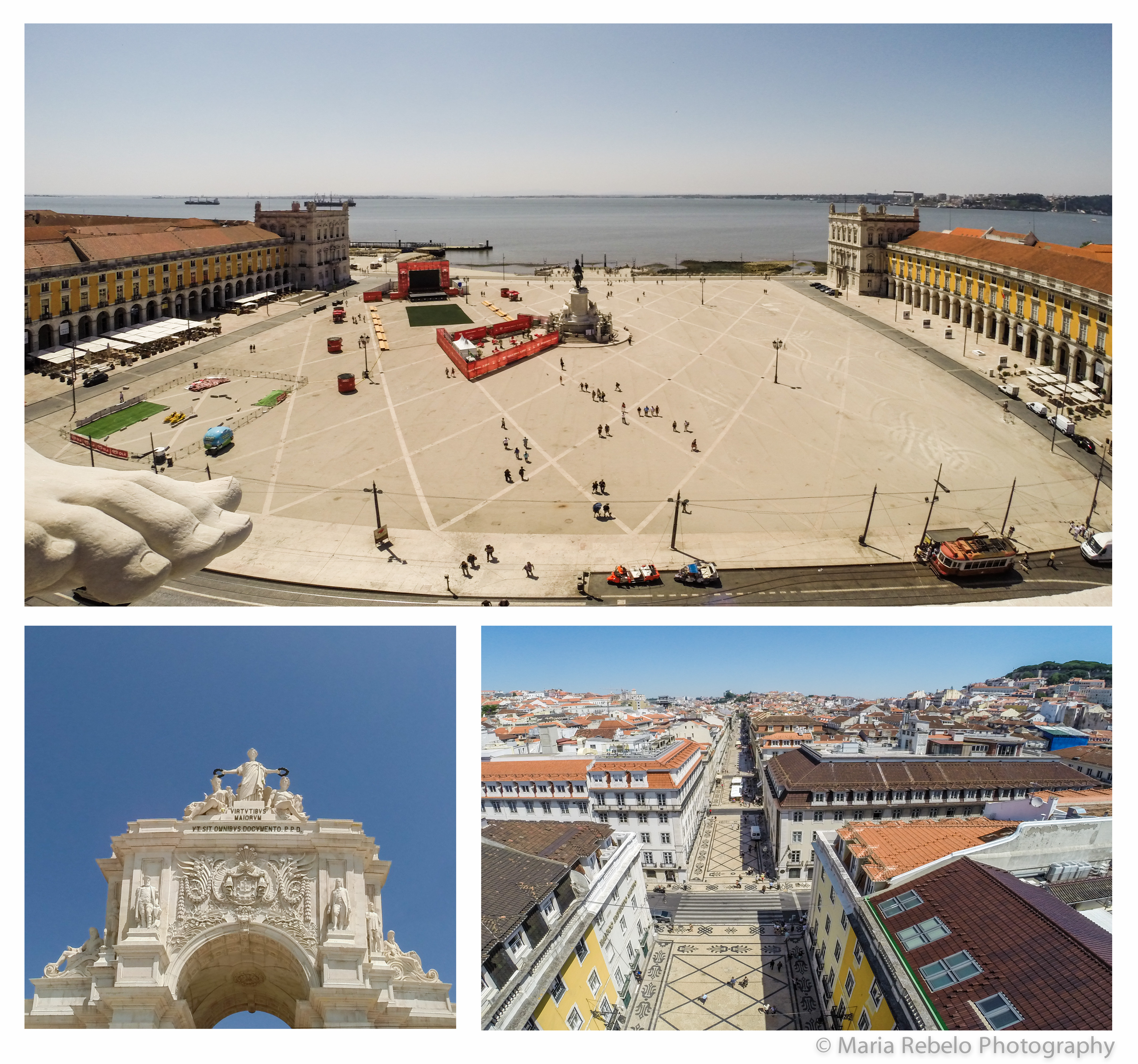
Composit LisboaFirst impressions are important, so we recommend for your first stop in Lisbon the top of the Rua Augusta arch. More than a century in the making (from 1759 to 1875), the arch is a symbol of the reconstruction of the city after the devastating 1755 earthquake.

The three statues on top of the arch (glory, valor, and genius) remind us of what Portugal at its best can do. The two statues on the sides, which personify the Douro and Tagus rivers, are symbols of the country’s natural beauty. The remaining four statues represent important historical figures: Viriato, a military leader who resisted the Roman invasion, Nuno Alvares Pereira, the hero of a key medieval battle against Castile, Vasco da Gama, the famous navigator, and the Marquis of Pombal, who oversaw the efforts to rebuild Lisbon after the earthquake.

You can reach the top of the arch by elevator. The views are breathtaking. On the North side, you see St. Jorge’s castle, the ancient cathedral, and the spacious, orderly downtown district that replaced, after the earthquake, the narrow, irregular medieval streets. On the South side, you see Terreiro do Paço, the entry hall of the city, adorned by the Tagus river. And so you’ll meet Lisbon, a city that is rich and poor, extroverted and mysterious, an aristocratic old lady full of youthful charm.

The first Portuguese hero


Viriato was the first Portuguese hero. As a leader of the Lusitanos, he resisted the Roman invasion between 147 BC and 139 BC by waging a clever guerrilla war. He died in bed, assassinated by members of his tribe bribed by the Romans.

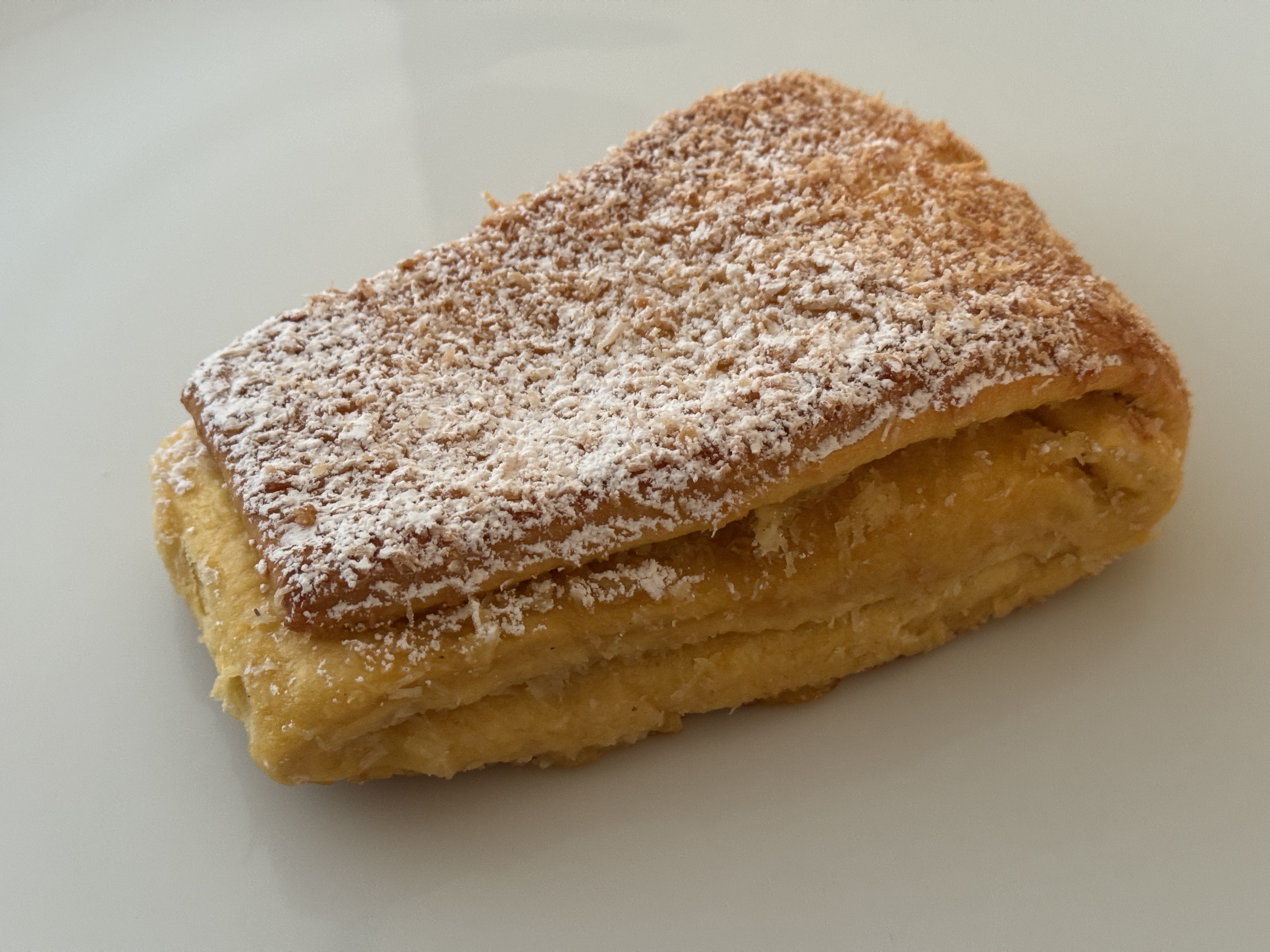
In the 1940s the city of Viseu erected an impressive monument to Viriato. But the most popular homage to the great warrior is not carved in marble or cast in bronze. It is made of eggs, coconut, and sugar. The V-shaped pastries called Viriatos are very popular in the Viseu region. And, thanks to them, all the little kids know the name of Portugal’s first hero.