Adventures on the peach tree island

Composit do Pessegueiro-3One of the most captivating beaches in Portugal is the Pessegueiro (peach tree) beach near Porto Covo in Alentejo. It is wonderful to seat on the sand feeling the sea breeze and enjoying the view of the Pessegueiro island. The island looks so mysterious that it is impossible to resist the temptation to plunge in the emerald waters and swim a shore. It is great fun to explore the 15th century fort and the ruins that date from Roman times.

In the afternoon, it is fantastic to go horseback ridding along the coast. Claudia Castanheira and Paulo Rosa of Herdade do Pessegueiro provide all you need: well-trained, intelligent horses, horse-riding instruction, and a picnic. Riding a horse through trails and sand dunes, feeling one with nature is an unforgettable adventure.

Click here for the Herdade do Pessegueiro web site.
Peniche’s golden waves

OLYMPUS DIGITAL CAMERA

In 1786 a Spanish galleon, San Pedro de Alcantara, departed from Peru loaded with a fortune in silver and gold and a precious botanical collection of tropical specimens. The galleon also carried a famous passenger: Fernando Tupac Amaru, an inca whose father had started the most successful uprising against Spanish rule in Peru.

The ship’s captain used a French map that omitted the position of the Berlenga islands. This error had tragic consequences: on the night of February 2, 1786 San Pedro de Alcantara shipwrecked near Papoa, a small peninsula on the coast of Peniche. Almost everybody died but Tupac Amaru managed to swim ashore.

The Spaniards hired divers from all over Europe to come to Peniche help salvage the galleon’s treasures. They also succeeded in recapturing Tupac Amaru.

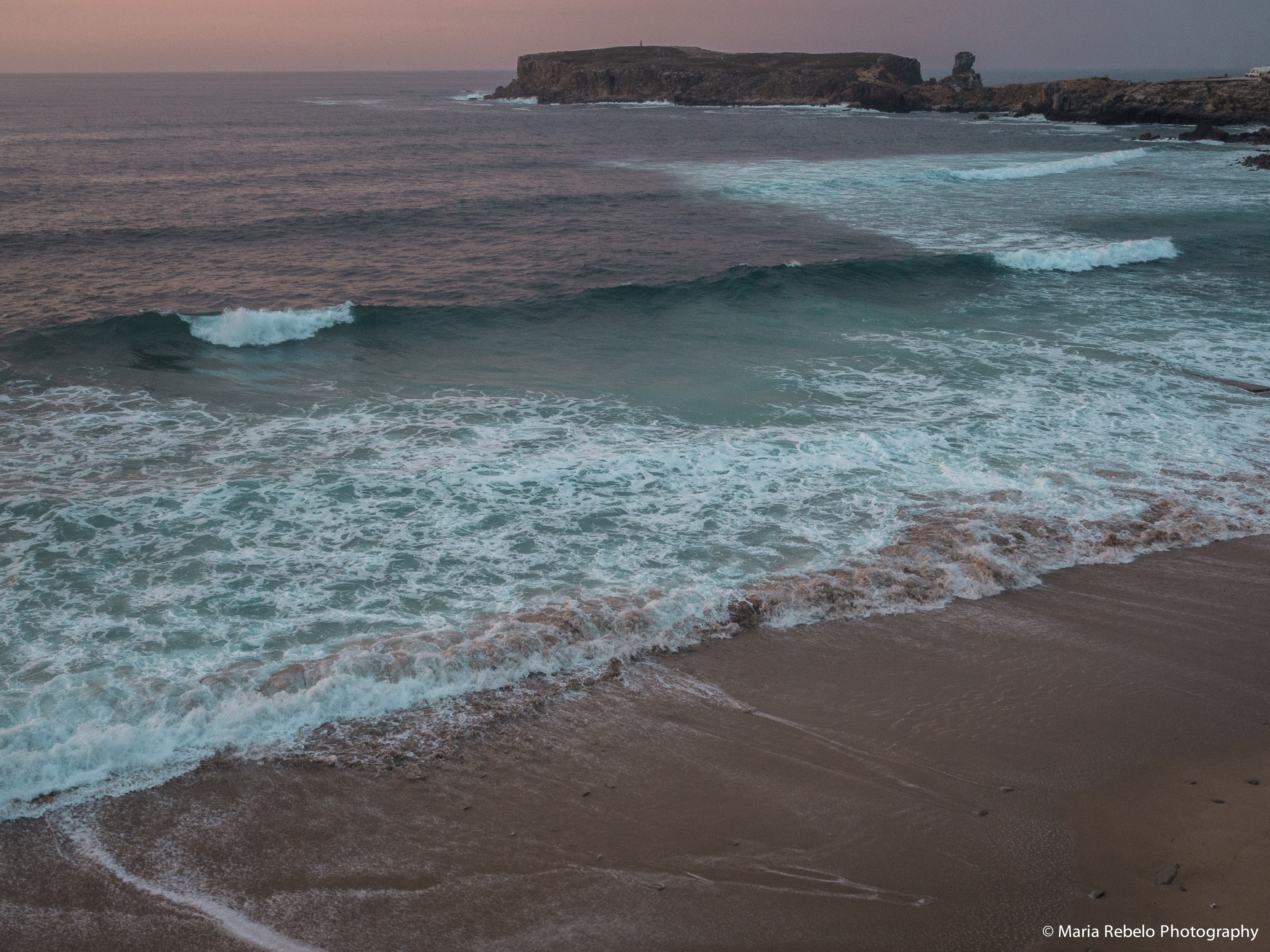
Today, Peniche’s perfect tubular waves attracts surfers from all over the world. How many of them know that beneath those waves once lied a fortune in silver and gold?

The past and future of Portuguese wine

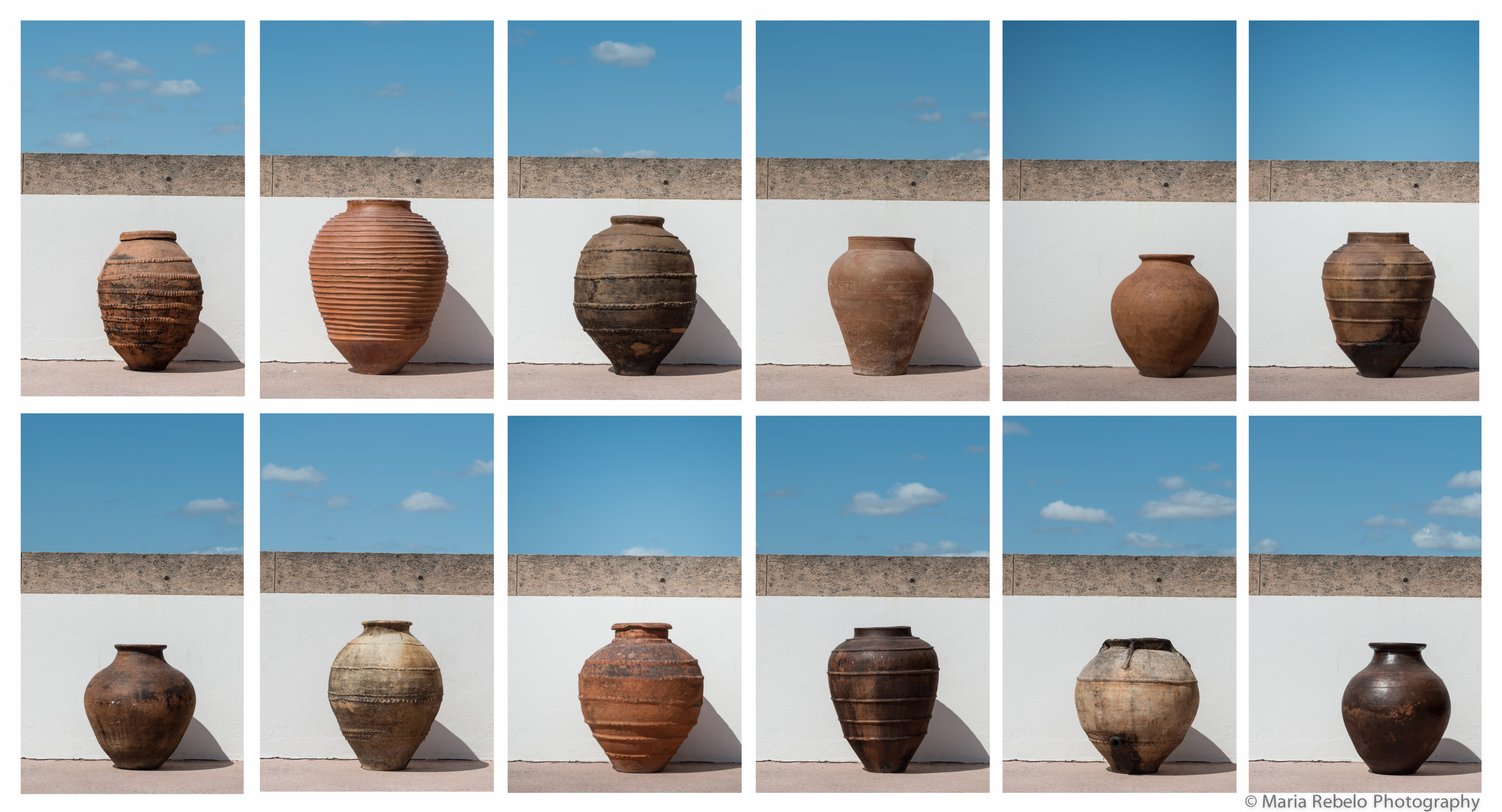
AmphorasCrato

The Flor da Rosa Pousada in Crato has a beautiful collection of “talhas” (clay amphoras) made by potters in Alentejo.  The small amphoras were used to store olives or olive oil. The large ones were used to produce wine, a tradition that goes back to Roman times.

Several Portuguese wine makers are rediscovering the lost art of producing wine in amphoras. One of them is Dirk Niepoort, a great producer from the Douro region. We can’t wait to try these wines which bring the past into the future!

Click here for the Pousadas’ website and here for more photos of Flor da Rosa.

The Miramar beach

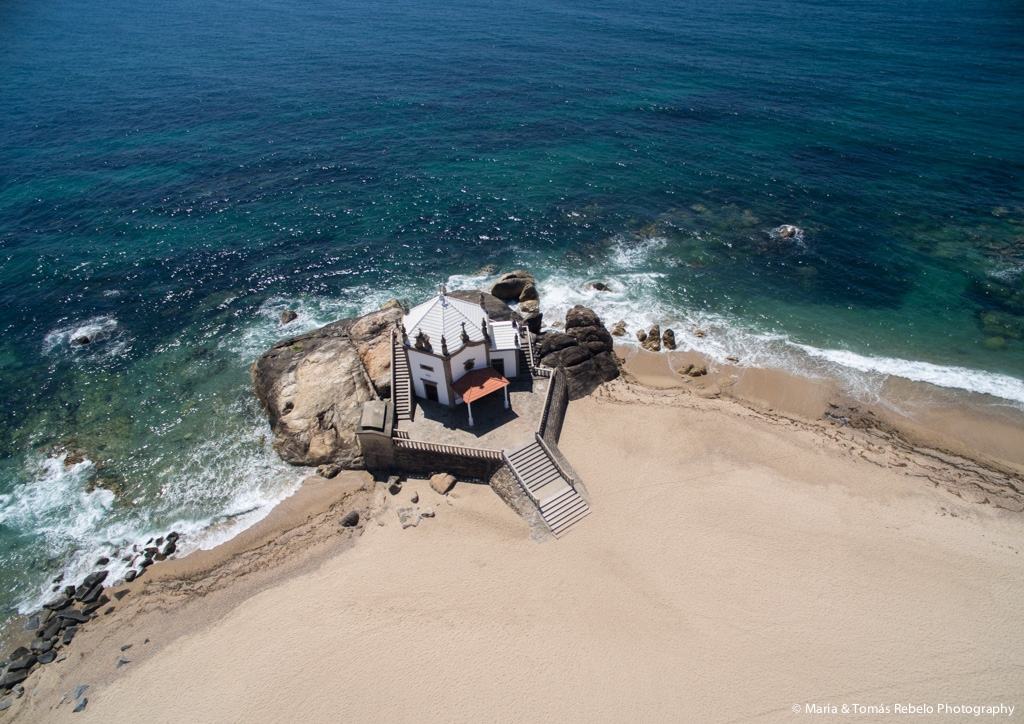
Igreja na praia-2One of the most beautiful beaches in Portugal is Miramar, near Oporto. It has a long stretch of sand bathed by green and blue water. But what makes this beach so special, is an old church built on rocks by the sea on the same place where there was once a pagan temple.

As we entered the church courtyard, we felt surrounded by the sea; dazzled by its sight, soothed by its sound, intoxicated by its scent.

It is easy to understand why this location has been a place of worship for centuries. Faced with such immense beauty, how can we not give thanks to its creator?

The sweet alchemy of Tecolameco

Tecolomeco

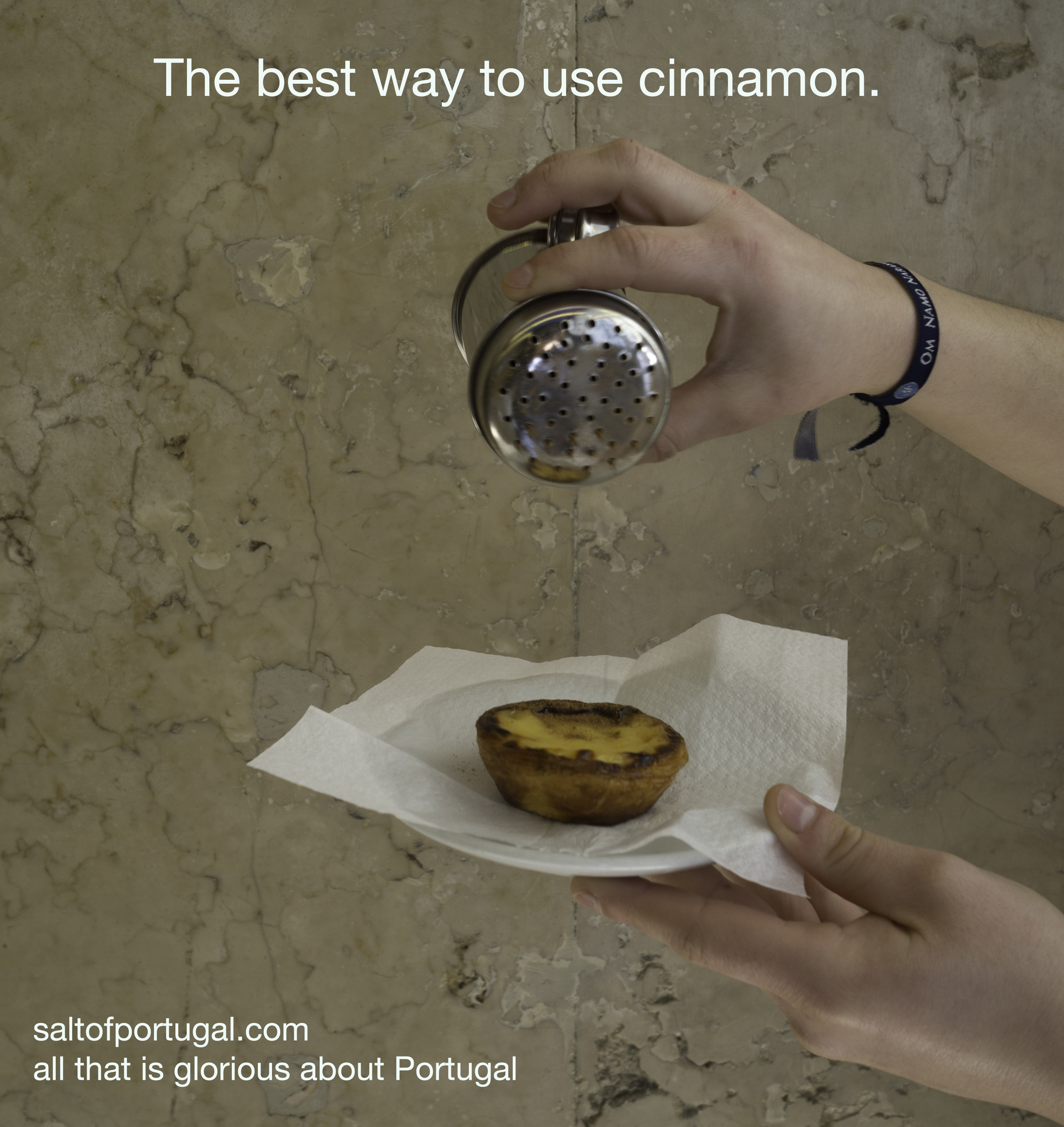
At the end of a wonderful meal at Flor de Rosa, a great historical hotel in Crato, Alentejo, the maître d’ brought us two slices of a dessert called Tecolameco. In our quest to eat fewer sweets, we decided to have only a small bite to be polite. But once we tasted this marvelous dessert, our will power vanished.

Tecolameco is made of sugar, eggs, almond, pork lard, butter, and cinnamon. There are many other Portuguese desserts made with these ingredients, but none tastes like Tecolameco.

It is said that an old chef found in the Crato castle an ancient book that revealed the meaning of life. All the pages were blank, except for the one with the recipe for Tecolameco.

Click here for the Pousadas’ website and here for more photos of Flor da Rosa.

The youthful joy of living by the sea

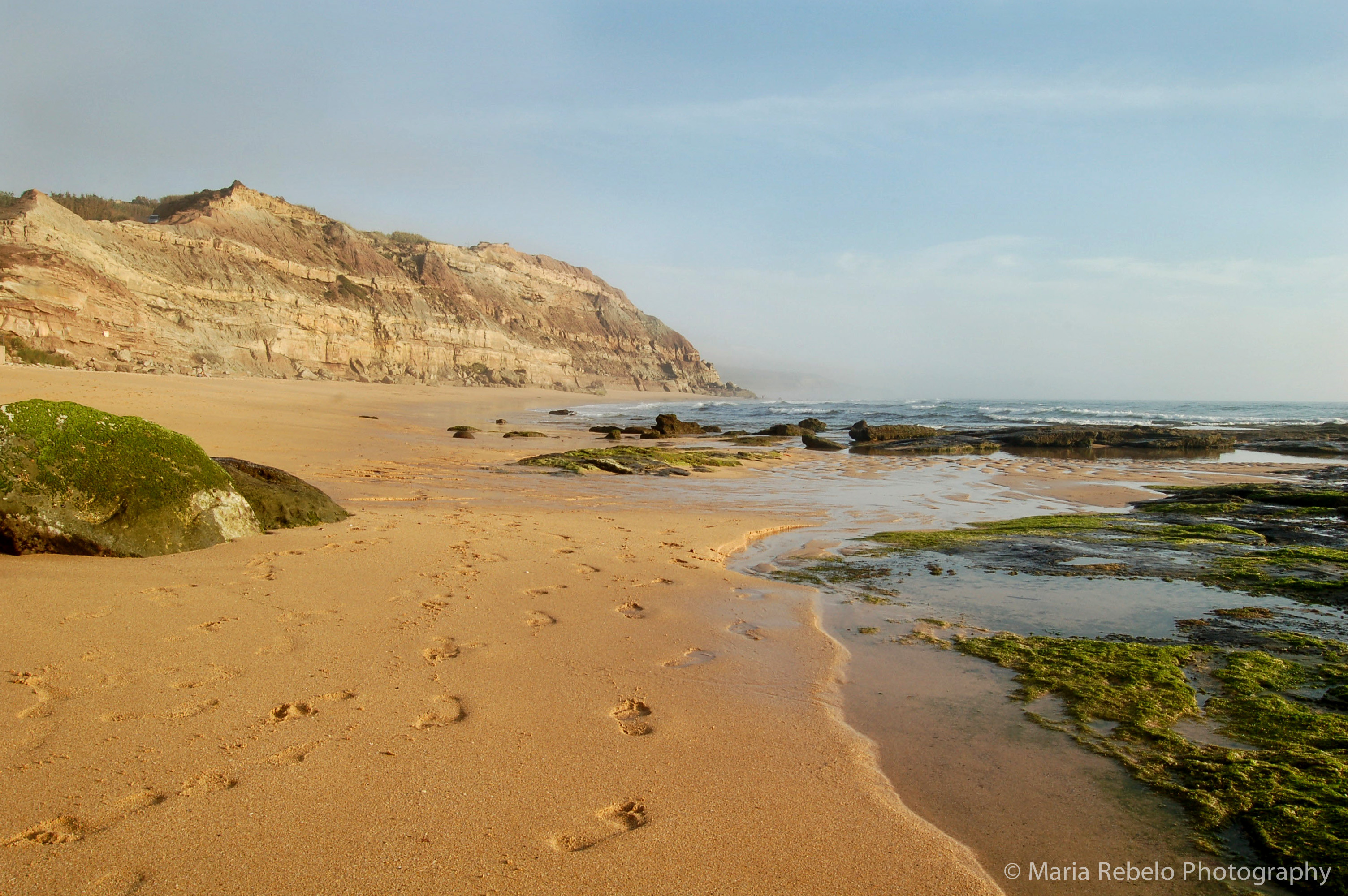
A Walk on the Beach - @mariarebelophotography.comOne of the joys of living on the coast of Portugal is to wake up and go for a walk on the pristine beach sand, letting the waves bathe our feet. We always thought of these moments as pure indulgence until we read Pablo Casal’s memoir “Joys and Sorrows.”

The great cellist continued to play in his 90s, maintaining a youthful spirit and an amazing creative energy. As we searched his memoir for clues to the source of his longevity, here’s what we found:

“I have always especially loved the sea. Whenever possible, I have lived by the sea… It has long been a custom of mine to walk along the beach each morning before I start to work. True, my walks are shorter than they used to be, but that does not lessen the wonder of the sea. How mysterious and beautiful is the sea! How infinitely variable! It is never the same, never, not from one moment to the next, always in the process of change, always becoming something different and new.”

The coolest bar in Lisbon

OLYMPUS DIGITAL CAMERA

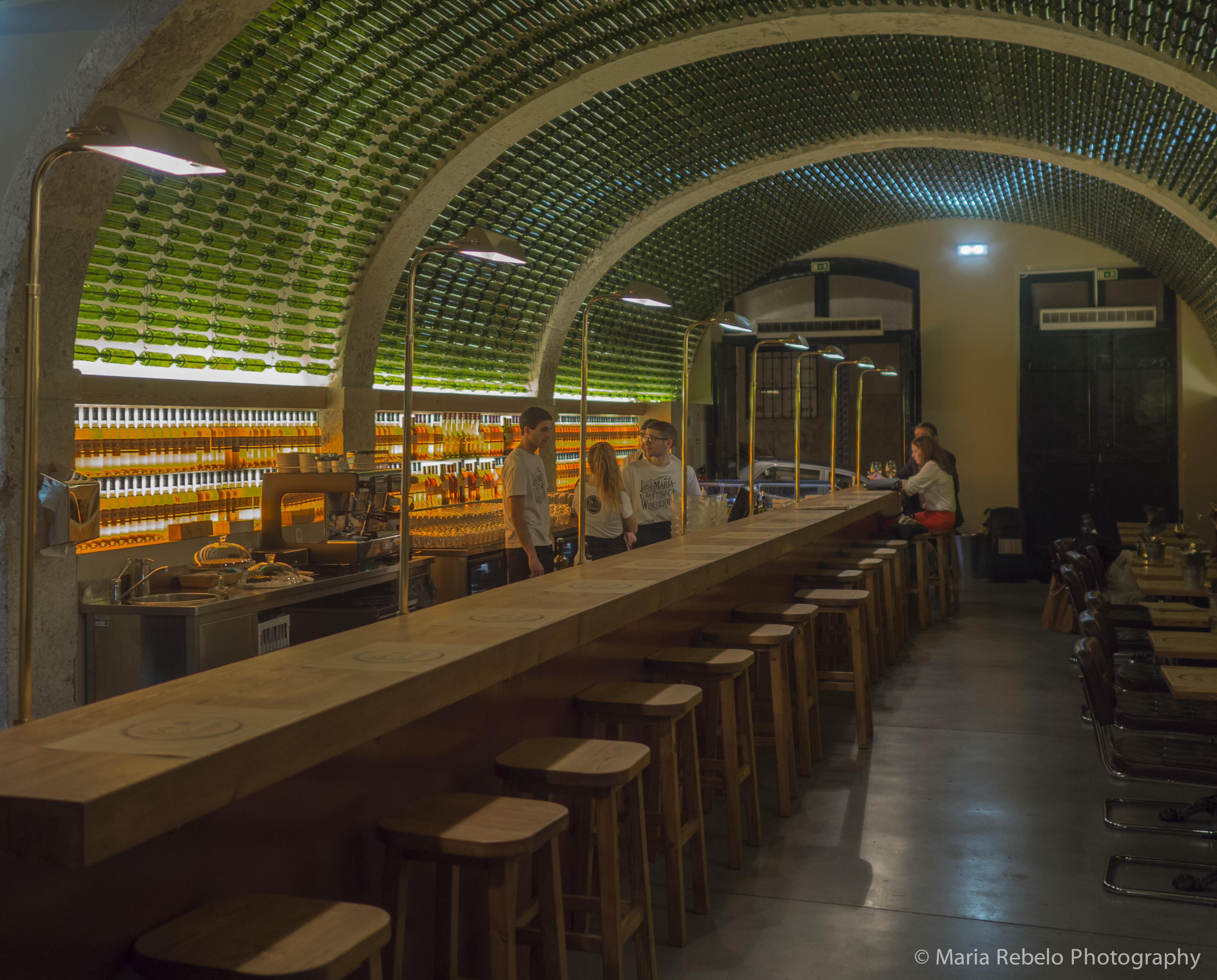
“By the wine,” the coolest bar in Lisbon, has a ceiling decorated with 3267 bottles of Periquita, one of the oldest table wines in Portugal. The bar belongs to Periquita’s producer, José Maria da Fonseca. This company has produced wine since 1834, including the famous Setúbal Moscatel.

“By the wine,” is the perfect place to have a few bites: slices of memorable sausages and prosciutto, cheese, and seafood.

José Maria da Fonseca stocks the bar with a great selection of wines, including some that are hard to find because they are produced in small quantities. It is a delight to try these unique wines surrounded by the beautiful people that give this bar a wonderful vibe!

By the Wine is on Rua das Flores, 41/43, near Chiado, tel. 213420319. 

Monserrate: a must-see palace in Sintra

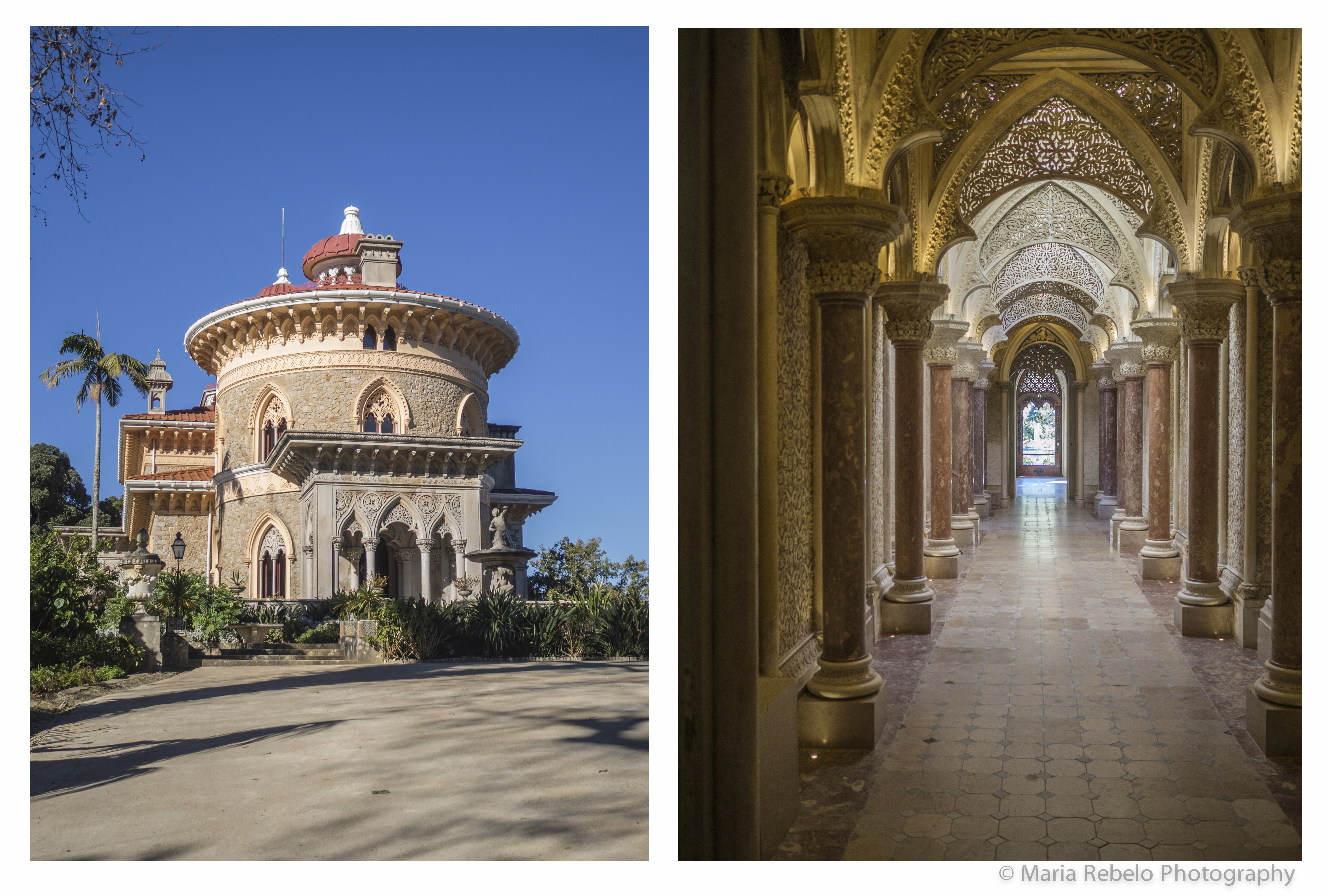
Monserrate - ©mariarebelophotography.comSintra has many romantic palaces but each has something unique to offer. One of our favorites is Monserrate, a palace surrounded by luscious gardens built in 1856 by Francis Cook, a famous British art collector.

When the Portuguese government bought the estate in 1949, the palace was in disrepair. The costly restoration work started in 1999 and only finished recently. It was worth the wait. We now have the privilege of seeing how the palace looked when the Danish writer Hans Christian Andersen visited it in 1866. Here’s what he wrote:

“Large white bell-flowers hang from one tree; pearl-shaped, rose-colored berries from another, juicy fruits and sun-filled colored flowers grew here. Down over the smooth velvet lawn rippled the clear spring water. Above this fresh green, the castle rose in Moorish style, a fit subject for the Arabian Nights or a romantic fairy picture. The sun sank into the sea, which became rose-colored; the brightness of the sea and sky was reflected magically upon the marble white walls and decorations, filling with light the large mirror-clear window panes. The air was so warm, so still, so penetrated with the perfume of flowers, that one felt carried away from reality.”

A treasure hunt in Lisbon

Cpmposot Embaixada“Where did you get that?” people used to ask when they saw someone wearing an interesting piece of clothing or jewelry. This question is now rarely asked. Shopping centers all over the world carry the same goods made by the same brands. In a world of abundance, the thrill of the new has become hard to find.

But you can find it at Embaixada, a new shopping center in Lisbon’s Príncipe Real neighborhood.  Housed in a sumptuous palace built in 1857, it features a collection of unique stores that sell original clothing and decorative pieces. Visiting Embaixada is like going on a treasure hunt. Take home a few prized possessions and people will ask: “where did you get that?”

Embaixada is located on Praça do Príncipe Real, n. 26. Click here for their website.