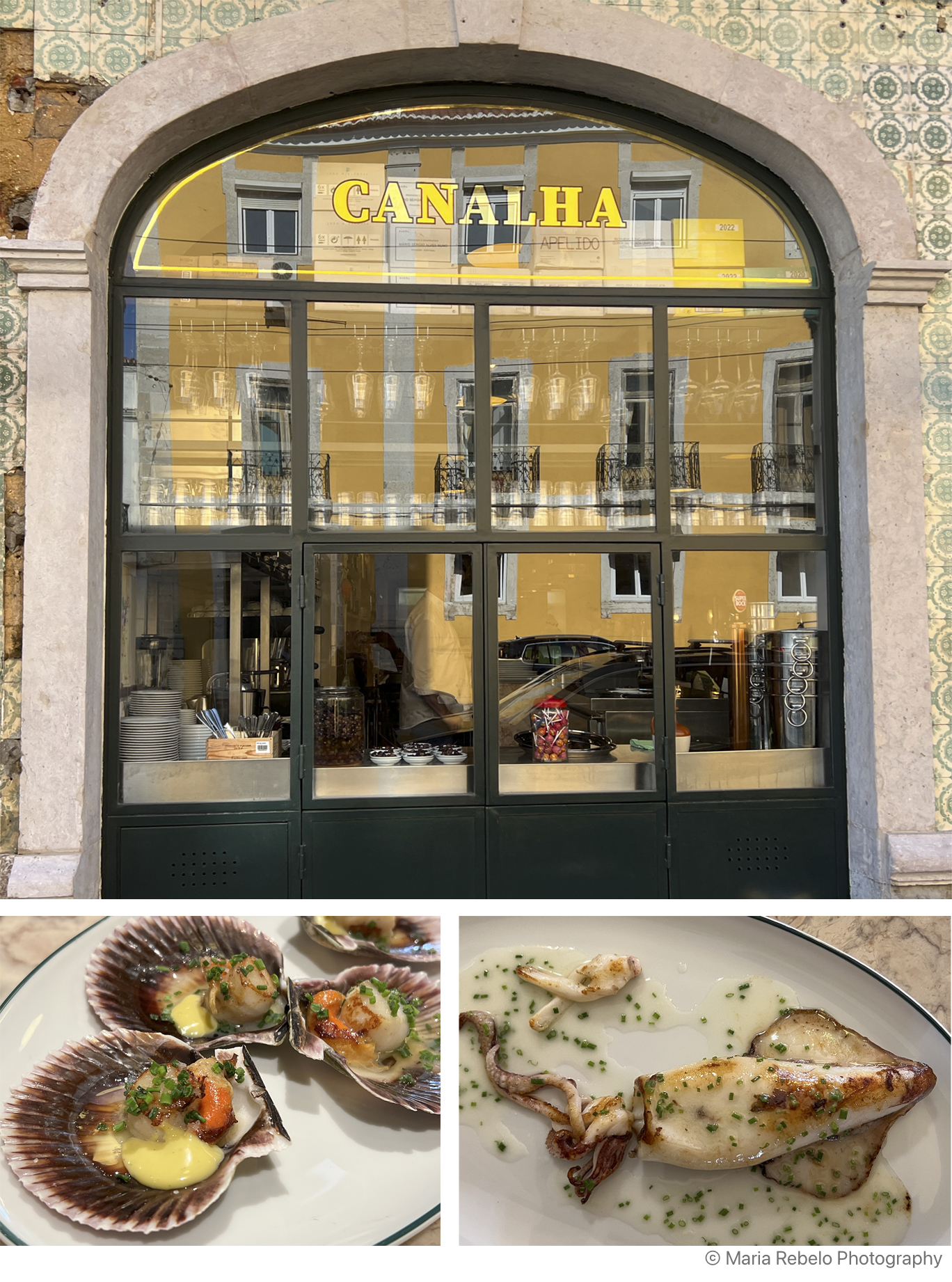
One of Lisbon’s most coveted new restaurants bears a mischievous name: Canalha—the Portuguese word for “scoundrel.” Behind this playful moniker stands one of Portugal’s most acclaimed chefs, João Rodrigues. After earning accolades in haute cuisine, João chose a different path: to open a neighborhood restaurant grounded in the rich culinary traditions of Portugal. The result is a place that is unpretentious and quietly exceptional. Each day features a new “prato do dia”—a beautifully prepared dish offered at a modest price. But for those inclined to indulge, the menu also offers exuberant pleasures: opulent seafood, exceptional cuts of meat, superb artisanal charcuterie, and exquisite wines.
The décor reflects the restaurant’s philosophy of understated elegance. Tabletops are crafted from lioz, the rose-toned limestone that graces Lisbon’s historic buildings. The floors are paved with traditional black-and-white mosaic. Ceiling fans stir the air with their wooden blades, creating a gentle breeze.
Our meal began with crusty bread and pungent olive oil, followed by pastéis de massa tenra—golden, crisp savory pastries filled with seasoned meat and served with a bold sriracha mayonnaise. Then came zamburinhas, small scallops bursting with briny sweetness, and an exquisitely tender squid, lightly charred to smoky perfection. The final dish—grilled octopus with sweet potatoes—was a flawless composition of textures and flavors.
Canalha is not a stage for culinary theatrics. There are no illusions, no deconstructed dishes; there is no drama on the plate. This is cooking rooted in reverence for the land, the seasons, and the ingredients. After stepping away from haute cuisine, João journeyed across Portugal in search of forgotten recipes, unique flavors, and small producers who work with passion and dedication. Their names are celebrated on the menu. One dish is dedicated to our friend Raul Reis, who grows the finest potatoes in Portugal.
João is soft-spoken but intense. At Canalha, he channels this intensity to produce something rare: food steeped in the flavors and traditions of Portugal, cooked with skill, honesty, and soul.
Canalha is located at Rua da Junqueira 207, in Lisboa, tel. 962 152 742. Click here for their website. Reservations are a must.
As John Coltrane’s career evolved, his music underwent a profound transformation. He began as a virtuoso, dazzling audiences with his fluency and flair. But then, he transcended virtuosity, creating music that other players could not imagine because it came from a deeper source of inspiration.
The evolution of Ceia parallels this creative arch. From its inception, this restaurant, nestled within Lisbon’s most elegant hotel, offered unforgettable culinary experiences. But its current menu, orchestrated by a team led by chef Renato Bonfim, transcends technical skill to offer food that is new and exciting.
Titled Change, the menu is a series of culinary moments inspired by our planet and the way we interact with it. Most produce comes from Herdade no Tempo an estate in Alentejo that follows regenerative agriculture practices. Ceia transforms these products into elegies of cooking and celebrations of flavor.
We generally like to describe the tastes, aromas, and sensations that the food evokes, but Ceia’s menu is so unique that revealing too much would detract from its magic. What we can tell you is that the names of the menu entries could be titles of Coltrane tunes: Ocean, Carbon, Air, You Look but Don’t Sea, Solo.
The service at Ceia, as seamless as always, keeps the guests in a state of enchantment. Francisco Guilerme curates a pairing of rare wines that elevate every dish and Kristin Liebold offers an exquisite selection of non-alcoholic drinks.
Ceia is creating new culinary melodies from a deeper source of inspiration to feed our hunger and nourish our souls.
Ceia is located at Campo de Santa Clara, 128. Lisbon. Click here for the restaurant’s website.
Casa Tradição is located near Lisbon’s old cathedral, a neighborhood rarely visited by locals. The restaurant has rustic decor, so we went in expecting a traditional meal. But our waiter mentioned a tasting menu, and we tried it.
Dinner began with an assortment of bread served with creamy nut butter and fragrant olive oil from Porto de Mós, the hometown of the restaurant’s chef, Samuel Mota.
Then, the unexpected delights started. First, a martini glass brimming with ice held a slice of apple marinated in citrus and spices, evoking the essence of a frozen sangria. Then, a crisp mini baguette layered with Serra cheese and exquisite Pata Negra prosciutto.
But the clearest sign that this would be a memorable night came next: a pastry resembling a pastel de nata crowned with smoked codfish and filled with a blend that echoes the flavors of traditional creamed codfish.
We were still recovering from this moment of deliciousness when we were served a cabbage tempura stuffed with migas made from beans and olives. The rich and satisfying taste was reminiscent of a Portuguese sausage called alheira.
The seafood entrée was stunning: a delicately cooked large Algarve shrimp served with a broth and fermented lupini beans. The fish course was a perfectly cooked corvina with asparagus and açorda made with fish roe.
The seventh step to culinary heaven was faux cabidela rice. Traditionally made with vinegar and chicken blood, it was ingeniously reimagined as a beetroot risotto, subtly enhanced with raspberry vinaigrette, and served with succulent guineafowl cooked with bacon.
The meal concluded with a moist pão de ló and a foam crafted from Serra cheese. Chef Samuel’s five-year tenure at the acclaimed Belcanto helped prepare him to follow his imagination. Though rooted in tradition, his creations brim with innovative, delicious culinary ideas.
Casa Tradição is located at Travessa do Almargem, n. 4, Lisbon, tel. 967-340-913. Click here for their website.
The initial thrill of a new experience often fades with repetition, a phenomenon psychologists call hedonic adaptation. Somehow, this human trait does not manifest itself at Ceia, a restaurant in Lisbon that keeps reinventing itself, serving food that is always interesting, new, and delicious.
Ceia’s culinary team is currently headed by Chef Renato Bonfim, who previously worked at Adega, a Michelin-starred Portuguese restaurant in California. The menu is inspired by the pristine produce from Herdade no Tempo, a beautiful estate in Alentejo that follows regenerative agriculture practices.
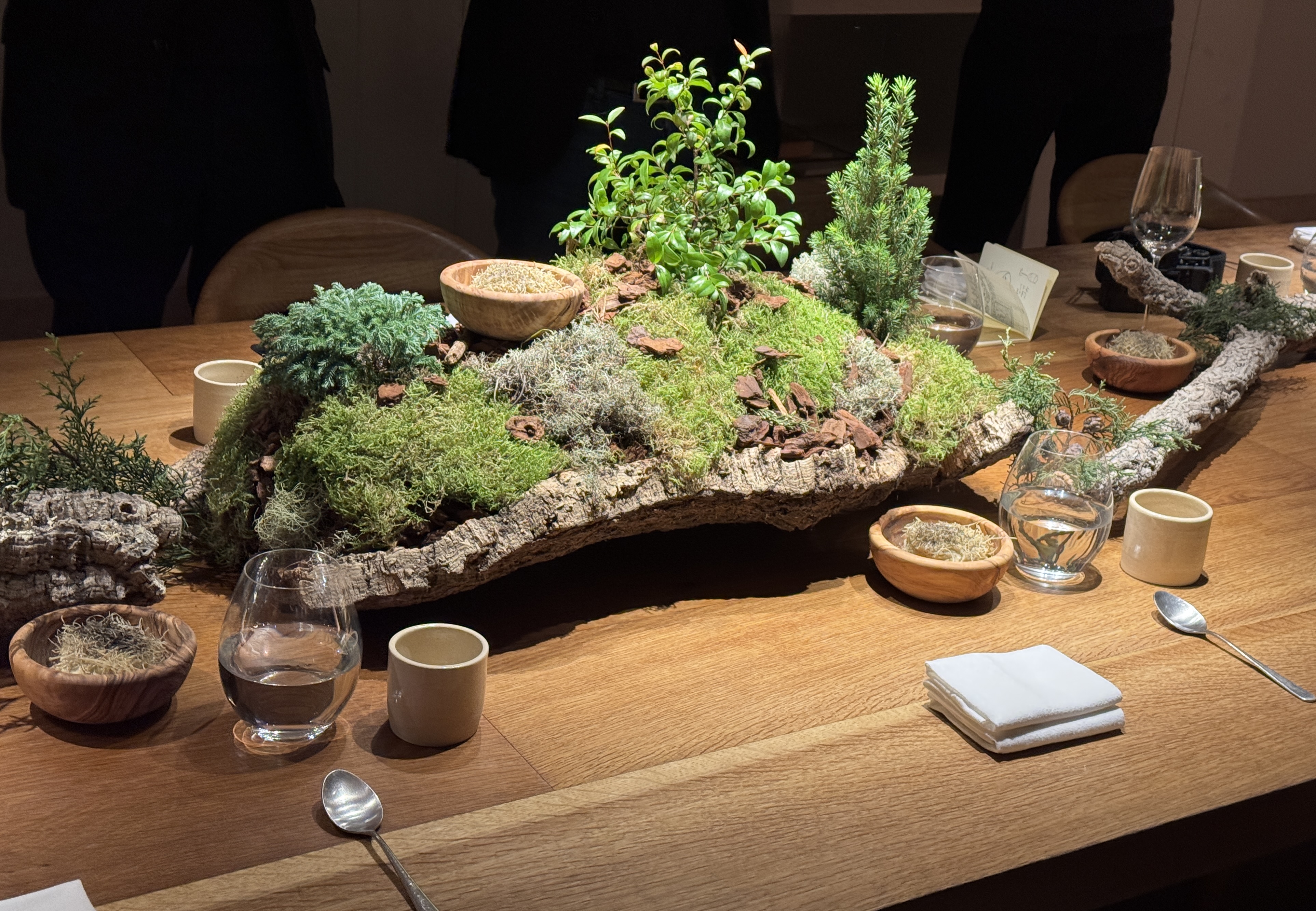
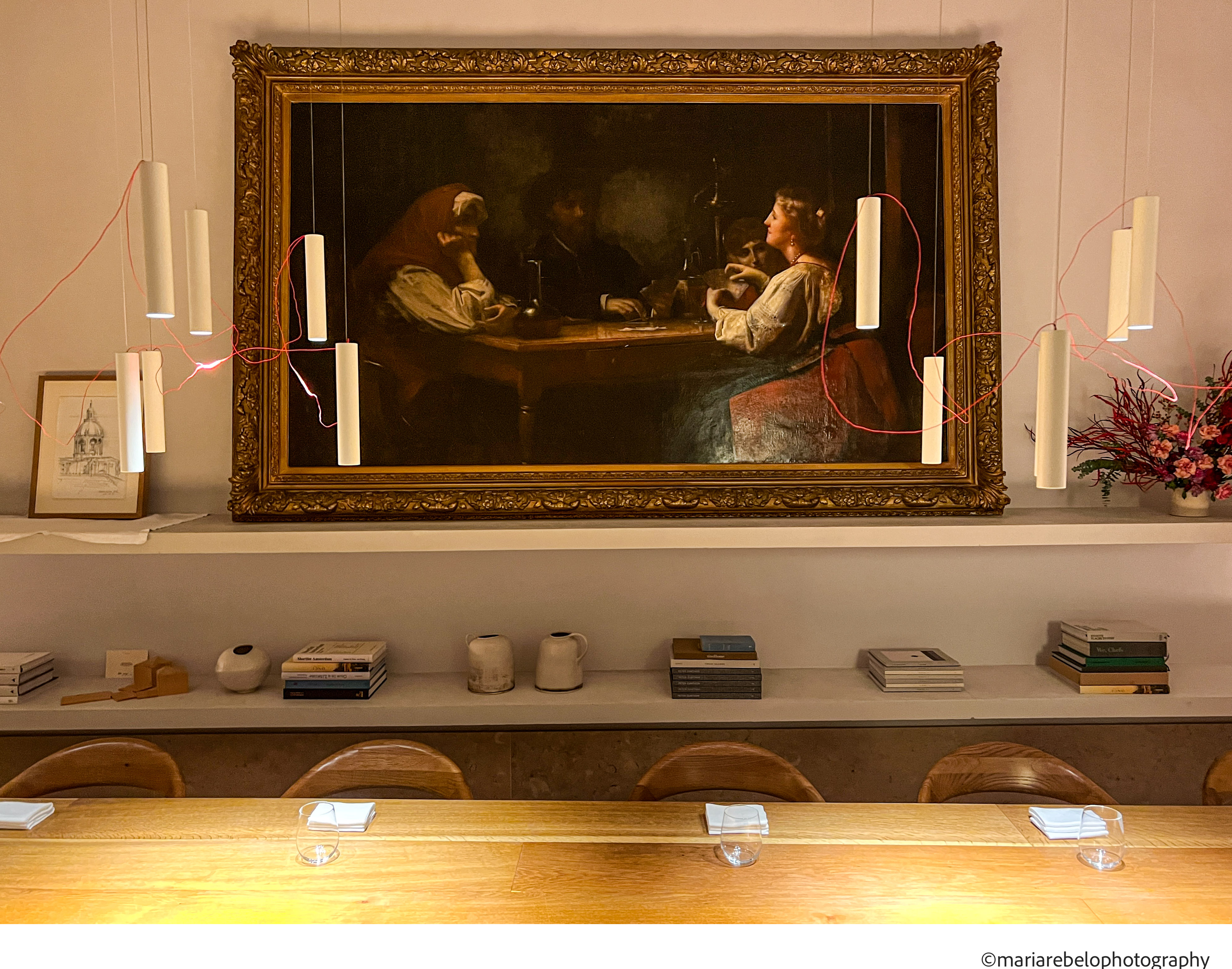
The restaurant, which is part of a project called Silent Living, is located on the ground floor of Santa Clara, an intimate hotel with privileged views of the Tagus River and the Pantheon. Kristin Liebold, a member of the Silent Living team, welcomed us to the spacious courtyard of the historical building that dates back to 1728. She presented us each with glasses of Ode, a refreshing wine crafted near Lisbon from Arinto grapes. As we mingled with other guests, Kristen appeared to whisper a magical incantation. Then a door swung open, unveiling a dining room so perfect it could be the setting for a Vermeer painting.
As we gathered around the table, Renato and his teammates Ricardo Cruz and Tiago Ramos came to greet us and, like the three kings, they brought three offerings. First, slices of sourdough bread accompanied by a sumptuous butter from the Azores and a luscious spread crafted from butter and a type of sausage called alheira. Second, a crispy tartelette made with perfectly seasoned lírio (greater amberjack) and vegetables. Finally, exquisite polenta cubes topped with aioli, garlic, and cheese and nestled in wooden boxes filled with bright yellow corn. Dardas, a bright vinho verde (green wine) made with the Avesso varietal, kept us in great company.
As we debated which of these offerings had most captivated our taste buds, Ricardo introduced a new chapter to our culinary adventure: an algae chowder. It is based on shio koji, a salted Japanese pudding encircled by algae cooked in a Bulhão Pato style. The preparation was crowned with a leaf of the rare Mertensia maritima. We were instructed first to eat the leaf, savor its unique oyster flavor, and then blend a small glass filled with chowder with the algae. The result was an unexpectedly delightful harmony of flavors.
As our glasses filled with a silky Dona Paulette from Quinta de Lemos in the Dão region, we were brought plates of octopus grilled in charcoal, topped with kale, and seasoned with an inventive mole made from grilled peppers and pomegranate—another unusual but perfect combination of flavors and textures.
The next dish featured crispy sarraceno wheat mixed with chanterelles and shiitake mushrooms seasoned with a sauce made from shallots, beer yeast, dehydrated apricots, and raisins. There was so much flavor to process that we closed our eyes to let our brain focus on the gastronomic sensations. A late harvest from the Douro Valley called Aneto complemented the earthy flavors of the dish with a delicate, effusive sweetness.
A sparkling wine made by Sidónio de Sousa in Bairrada ushered the arrival of a turbot from the Azores delicately cooked, dressed with beurre blanc and kombucha, topped with fermented turnip and kohlrabi and finished with a few drops of garum. This Roman fish sauce, which is once again being produced in the Troia peninsula after a hiatus of 15 centuries, added a unique depth to the dish.
The meat course was a succulent black pork served with a rich purée made from Jerusalem artichokes, chestnuts, and purple onion. It was served with a robust vinhão, a red wine made from a dyer grape called Sousão produced in the vinho verde region by Vale da Raposa.
The first dessert was an ensemble of panna cotta, chocolate, and matcha powder, garnished with leaves from Madeira that taste like passion fruit. A white port made by Alves de Sousa called Oliveirinha added a velvety smoothness to this symbiosis of flavors.
The second dessert was ginger and pumpkin cooked with Chinese spices, a praline made from pumpkin seeds and seasoned with pollen.
Our meal concluded with a refreshing lemongrass tea, quindin, a Brazilian coconut pudding, and truffles crafted from 70 percent pure chocolate from the island of São Tomé.
We lingered at the table, talking with the other guests about the culinary experience we had just enjoyed, so replete with unexpected pleasures and delights that we felt like we were dining at Ceia for the very first time.
Ceia is located at Campo de Santa Clara, 128. Lisbon. Click here for the restaurant’s website.
Belmiro is the kind of restaurant that is increasingly hard to find in Lisbon. It does not prepare food to look good on Instagram. It does not seek originality for its own sake. Instead, it cooks classics of the Portuguese cuisine with good-quality, seasonal ingredients.
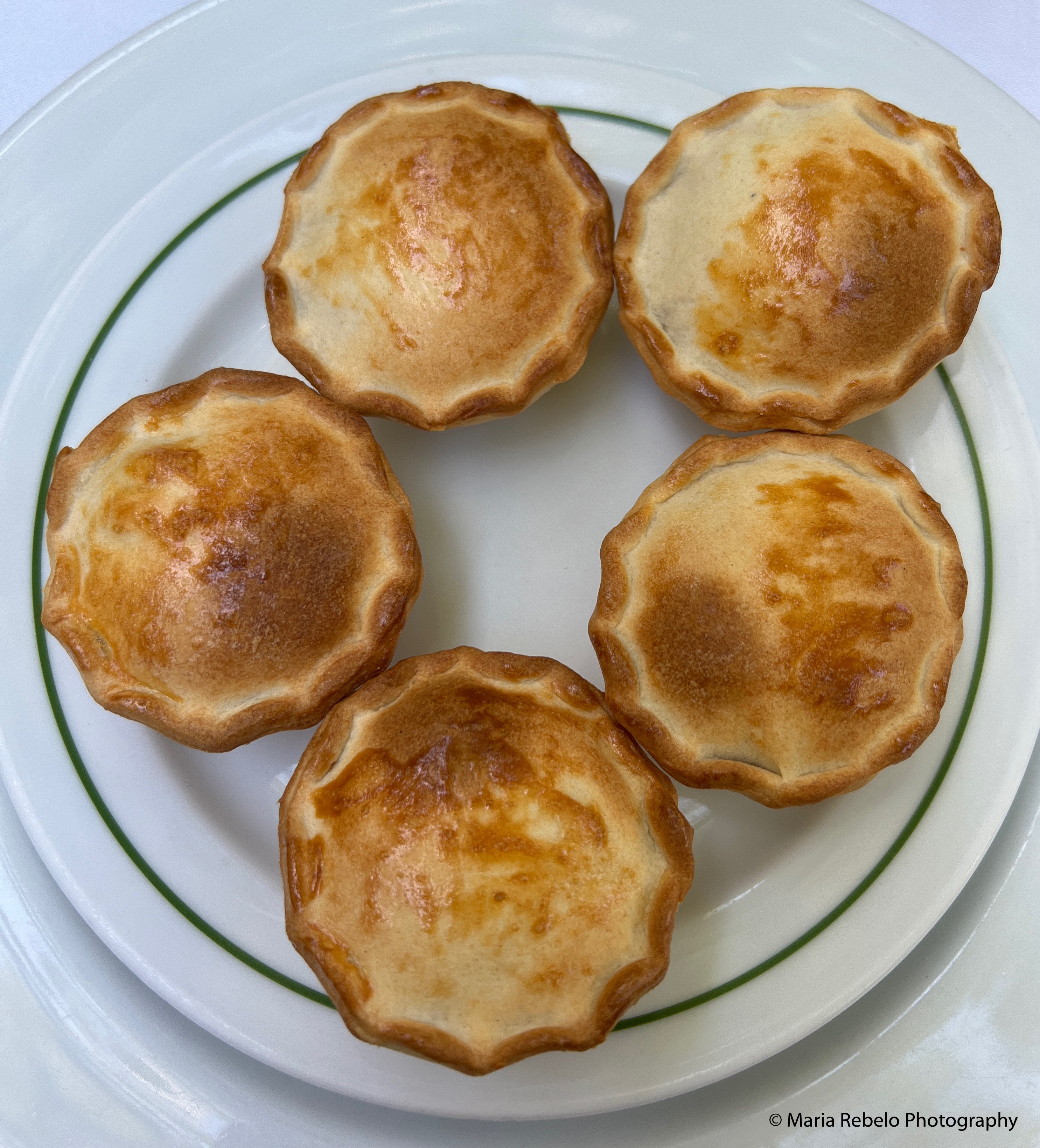
The restaurant is named after Belmiro de Jesus, an old hand who’s been a chef at places like Salsa & Coentros. Belmiro is famous for his mouthwatering “empadas,” small pies with delightful fillings. And he is a virtuoso at cooking partridge and hare. He prepares them with rice, in “açorda,” with beans, and much more. The menu is seasonal, it changes to reflect what’s fresh in the market. If you can’t decide what to choose, a good rule of thumb is to order anything cooked in a “tacho” (a saucepan).
We like to go to Belmiro with friends and ask the chef to prepare a few entrées we can all share. Accompanied by some good bottles of wine, the meal always turns into a party.
Belmiro is located at Paço da Rainha 66, Lisbon, tel. 21 885 2752.
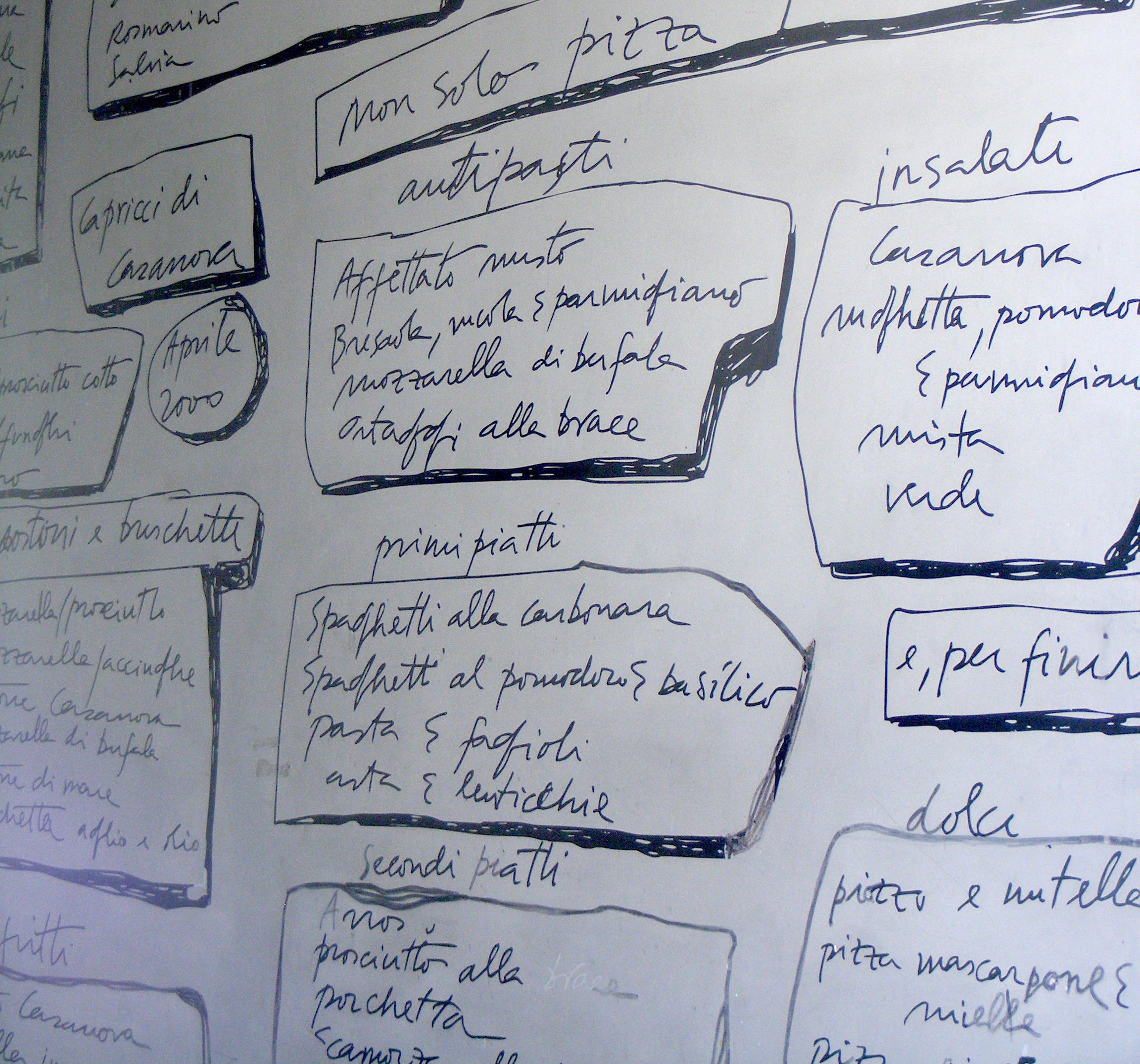
It happens to the best of us. You are in Lisbon, enjoying the fresh fish and the wonderful seafood when, suddenly, you have a craving for pizza! There’s no need to rush to the airport and fly to Naples. You can satisfy your longing for Italian food in Lisbon.
In the 1970s, Maria Paola Porru moved from Italy to Portugal to study cinema. Years later, she opened Casanostra, a restaurant in Bairro Alto, planning to go back to the movie industry once she made some money. But the restaurant was so successful that she continued to run it while working as a sound engineer in several motion pictures.
A few years ago, Porru opened the Pizzeria Casanova in a beautiful location by the Tagus river. The Pizzeria does not accept reservations and there is often a long line. It is here that young people go to see and be seen because, while they wait for some of the best pizza on this side of the Tiber, they feel they’re in a movie.
Restaurante Casanostra, Travessa do Poço da Cidade, nº 60, Bairro Alto, Lisboa, tel. 21 342 59 31, email Italma@sapo.pt. Restaurante Casanova, Avenida Infante Dom Henrique Cais da Pedra à Bica do Sapato, Loja 7, Lisboa, tel. 218877532.
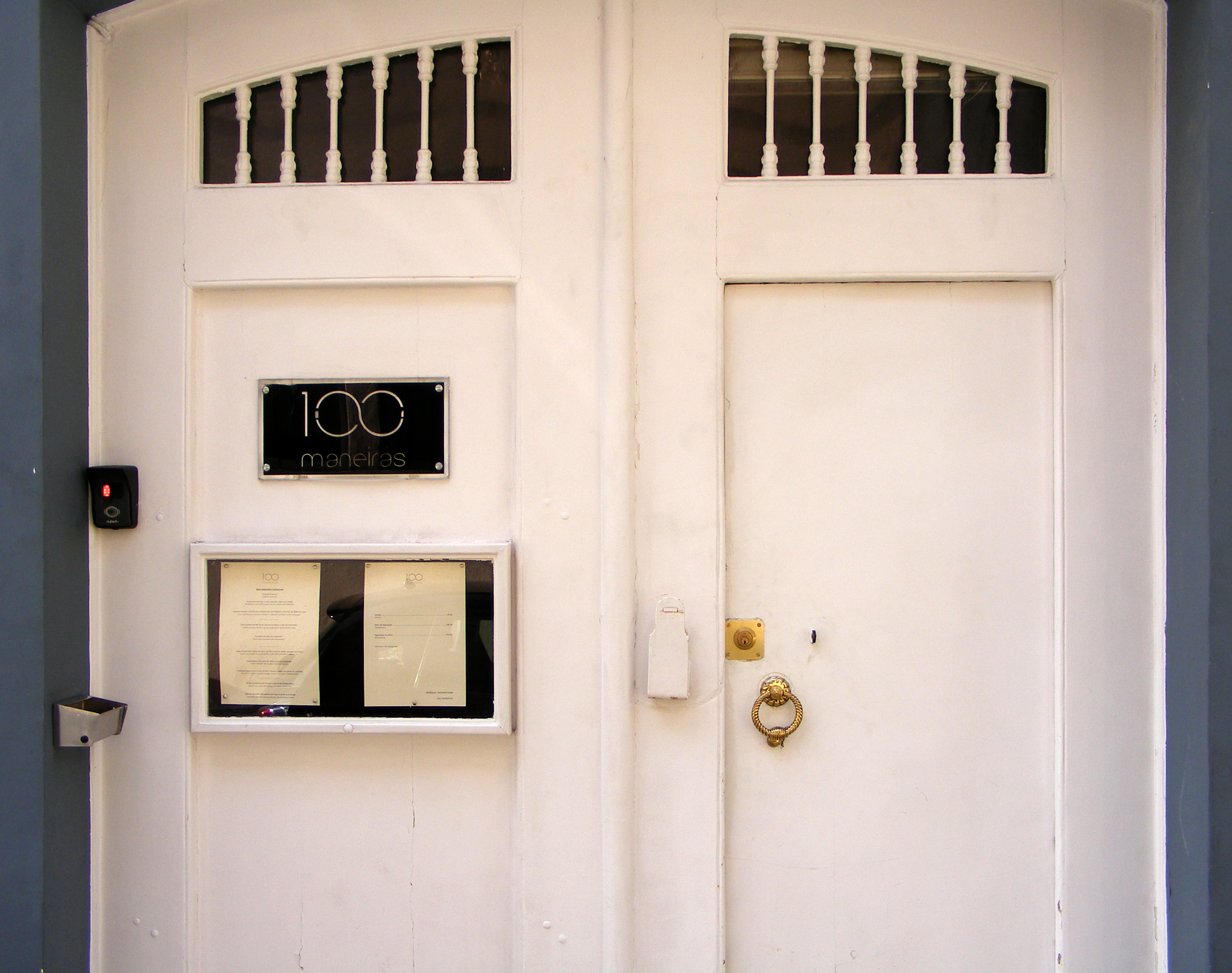
The name is a play on words. “Cem maneiras” means one-hundred ways. But trade the “c” for an “s,” and you get “sem maneiras,” which means without etiquette. Both expressions hint at what makes this tiny restaurant in Lisbon’s Bairro Alto so special.
Yugoslavian chef Ljubomir Stanisic is a magician who combines traditional Portuguese ingredients in inventive ways. But his restaurant is not one of those culinary temples where diners must eat in reverent silence, heads bowed in a show of appreciation for the chef’s genius. The atmosphere at 100 Maneiras is unpretentious, and the only important etiquette rule is that guests have some great gourmet fun.
Restaurante 100 Maneiras, Rua do Teixeira, 35, Bairro Alto, tel. 910 307 575, email: info@restaurante100maneiras.com. Click here for 100 Maneiras’ web site.
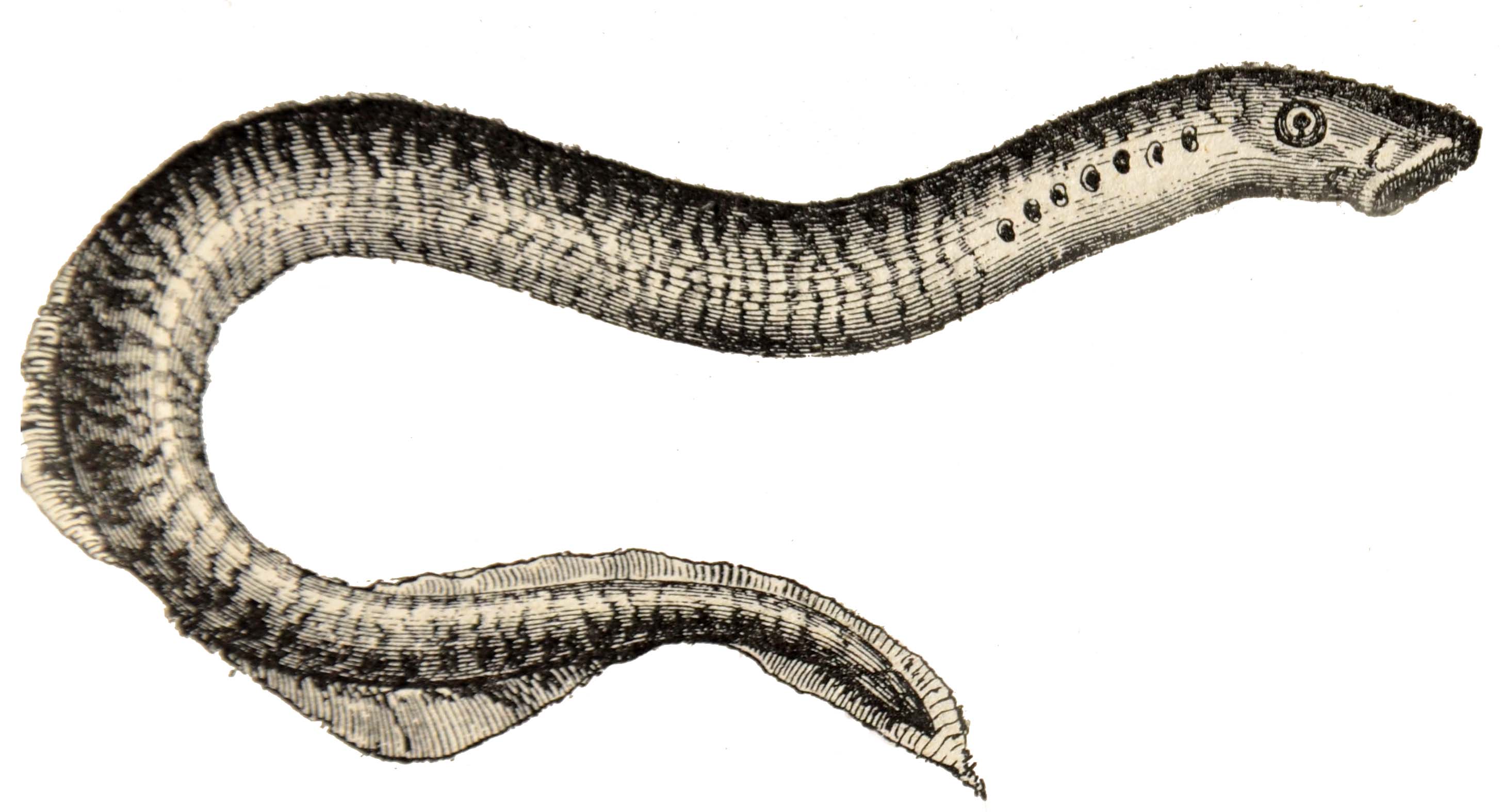
Lampreia (lamprey) is a very strange fish that, somehow, gained favor with emperors and kings. The Romans included it in banquets prepared for Julius Caesar. The oldest known Portuguese cookbook, a 16th century collection of recipes attributed to Infanta D. Maria, has a single fish recipe that describes how to prepare and cook lamprey.
You don’t have to conquer Gaul or marry royalty to eat lamprey. Many Portuguese restaurants offer this delicacy between January and April. It is usually served stewed, accompanied with rice. You find excellent lamprey at Solar dos Presuntos, a traditional Lisbon restaurant where you can dine like a king.
Restaurante Solar dos Presuntos, Rua das Portas de Stº Antão, 150, Lisbon. Tel. 21 342 42 53, GPS coordinates: 38º43’07″N and 9º08’51″O. Click here for their website.
When Portuguese chefs are not working, they like to gather at Cervejaria Ramiro to enjoy some beer and seafood.
The restaurant is located in an unglamorous part of Lisbon and looks like an ordinary place. What makes it unique is its extraordinary seafood.
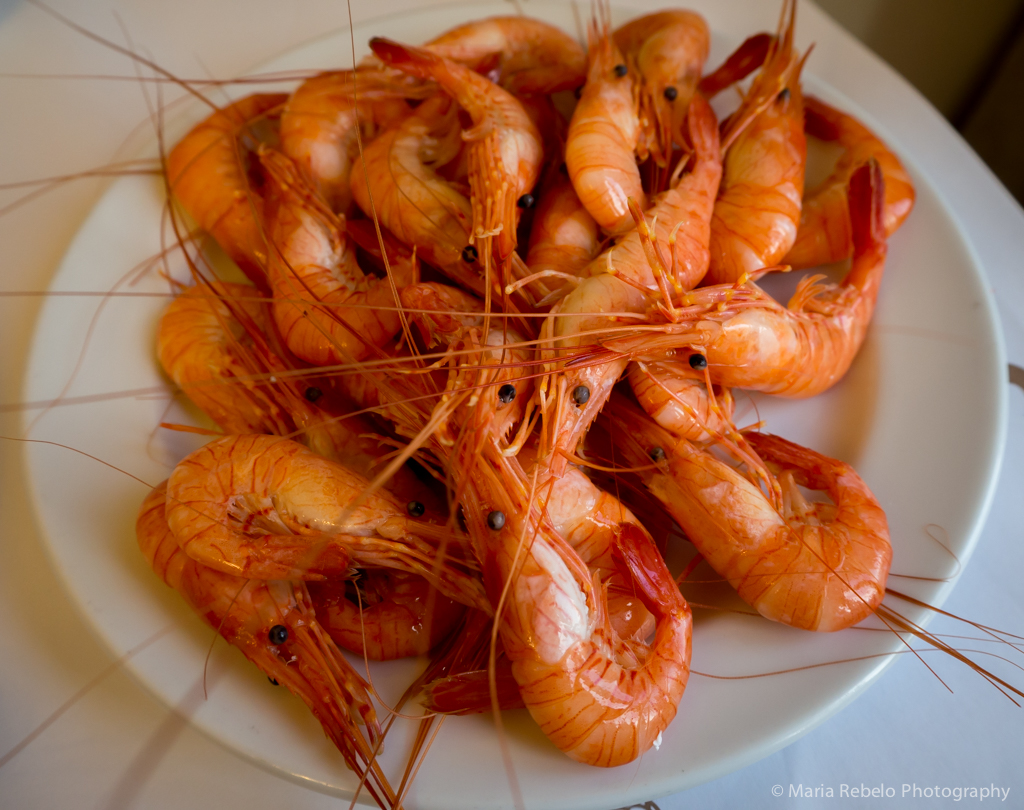
Ramiro does not serve farmed shrimp that arrives, tired and frozen, from far away lands. Instead, they offer you precious fresh shrimp from the Algarve. They prepare exquisite “carabineiros,” large shrimps once abundant in Spain but now available only in Portugal. They cook tender clams, a wonderful crab called “santola,” and salty percebes brought warm to the table.
Even though Ramiro is in business since 1956, it is excluded from tourist guides for national security reasons. If the Spaniards learned about Ramiro’s seafood, they might invade Portugal.
Av. Almirante Reis, nº1 – H, 1150-007 Lisboa, tel. 21 885 10 24, email geral@cervejariaramiro.pt, click here for website.
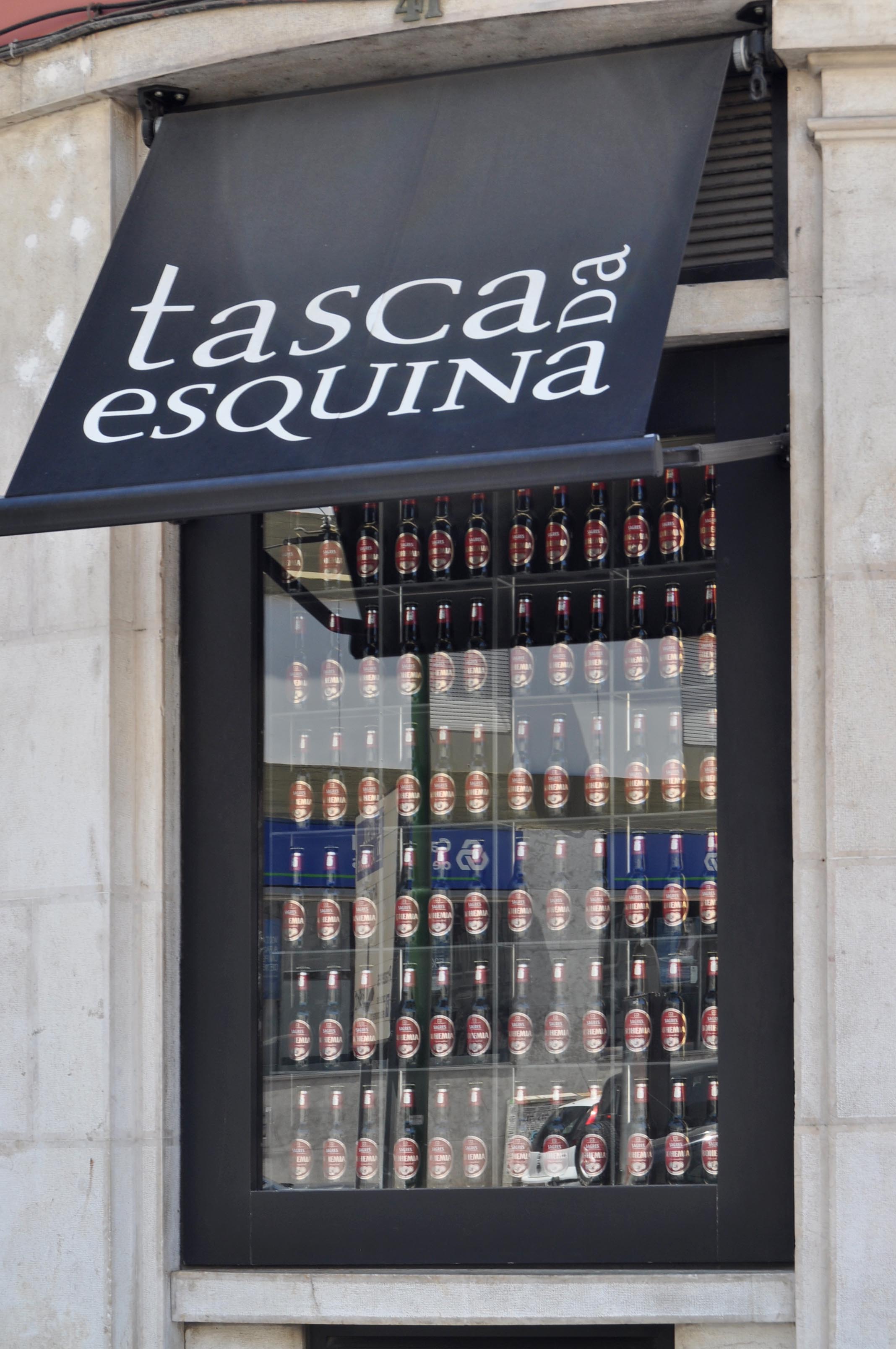
“Tasca” means a modest establishment that serves cheap wine and “petiscos” (the Portuguese word for “tapa”). When well-known chef Vitor Sobral opened this restaurant he probably called it tasca to signal its affordable price. But the quality is excellent.
There is a daily menu featuring small dishes, all original, all prepared with great care. There is also a degustation.
Three star food almost at tasca prices, that is what you get at Tasca da Esquina. Reservations are a must.
Rua Domingos Sequeira 41C , Campo de Ourique, 1350-119 Lisboa, Tel. 919 837 255, email info@tascadaesquina.com. Click here for web site.


 Salt of Portugal