Have you tried salted cod?

Bacalhau

Bacalhau (cod) is a fish with a bland taste. But, once it is salted and dried in the sun, it becomes the perfect foil for garlic and olive oil. The Portuguese have enjoyed salted cod for more than two centuries. Lucas Rigaud, chef at the court of D. Maria I, included two cod recipes in his 1780 cookbook.

In 1778, Queen D. Maria eliminated the cod sales tax to help the fisherman and the poor. When the Queen returned from a boat ride on the Tagus river, she was greeted by ships decorated with garlands, overflowing with people cheering to the sound of music and fireworks. D. Maria was so touched, that she did the unthinkable. With tears in her eyes, the Queen sent away her coach and walked unguarded amid the crowd to the royal palace in Terreiro do Paço.

If you’re visiting Portugal, give salted cod a try. There’s something truly unique about food that can bring a distant queen so close to her people.

A novelist’s wine

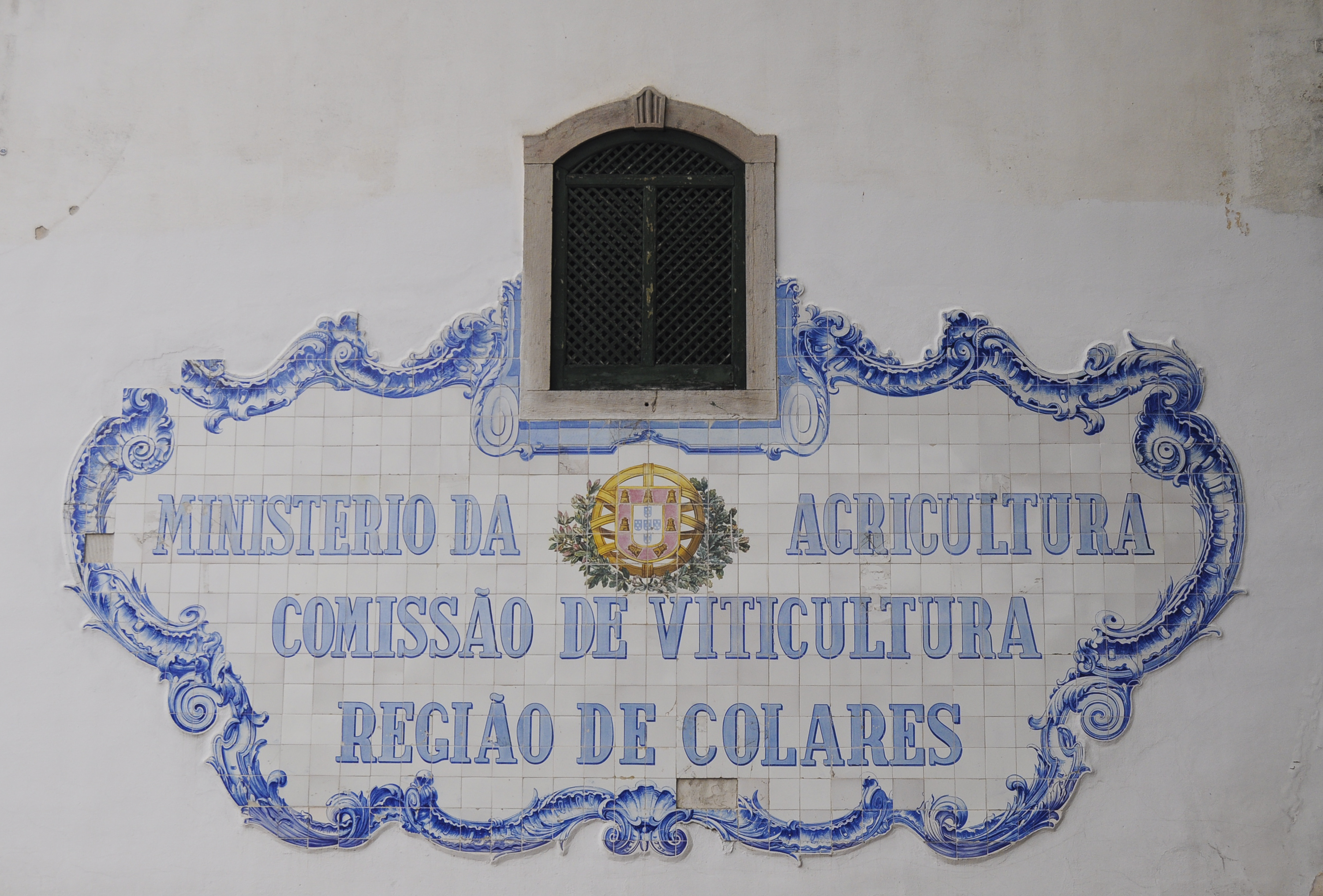
Eça de Queiroz (pronounced essa de kaeroz) is a great 19th century writer whose novels cast a critical eye on Portuguese society.  Eça loved wine from the Colares region, and so do his characters. Here are the words of Teodoro, the protagonist of Eça’s novel, The Mandarin: “What a day! I dined in selfish solitude in a private room at Hotel Central with the table full of bottles of wine from Bordeaux, Burgundy, Champagne, and the Rhine, as well as liqueurs from every conceivable religious community, as if I were trying to quench a thirty-year-old thirst. But the only wine I drank, until I was satiated, was from Colares.”

Colares wine is made with a unique varietal called Ramisco. Farmers plant this vine on sand, digging a deep hole until they find a layer of clay to attach the roots. All this hard work paid off during the phylloxera epidemic because Ramisco was one of the few varietals to survive the disease.

If you’re in Sintra and you’re interested in wine, visit the nearby town of Colares to drink a glass of Ramisco at the local cooperative. It’s not everyday that you can taste a wine unscathed by both the phylloxera plague and the criticism of Eça de Queiros.

Adega Regional de Colares, Alameda Coronel Linhares de Lima, 32, Colares, tel. 219291210, email: geral@arcolares.com. Wine tastings by appointment. Click here for the Adega web site.

A perfect weekend in Porto

Perhaps you need a change of scenery to recharge your batteries, but lack the time and energy to plan a perfect weekend. If that’s the case, we’re here to help!

Book a flight to Porto, a city in the north of Portugal. Then, reserve a room at the Freixo Palace, an aristocratic hotel where you’ll be treated like royalty. Next, check the program at Casa da Música, a great performance center designed by Rem Koolhaas, and buy tickets if there’s a show that interests you.

After checking into the hotel, relax with a glass of white port while enjoying the panoramic view of the Douro river. In the afternoon, visit Serralves, a modern art museum designed by Siza Vieira, a Portuguese architect who won the Pritzker prize. For dinner, choose Pedro Lemos or DOP, two restaurants that combine traditional inspiration with great artistry.

On the second day, go on a cruise of the Douro river. You’ll see many Porto landmarks, such as the Dona Maria bridge designed by Gustave Eiffel. Enjoy a “cimbalino” (that’s what Porto residents call an espresso) at the Majestic Café. After coffee, the obvious next stop is Arcadia, an artisan chocolate maker.  Don’t leave Oporto without seeing the Lello bookstore, the place where J.K. Rowling found the gothic inspiration for Hogwarts.  Enjoy a lunch of simply great food at Adega S. Nicolau and spend the afternoon visiting one of the port-wine houses.  For dinner, go to Casario, a restaurant that surprises and delights.

You’ll go back ready for a fresh start with sweet memories of a wonderful weekend.

Click here for Freixo Palace’s website and here for Casa da Música’s website.
Serralves, Rua Dom João de Castro, 210, click here for website.
Pedro Lemos, Rua Padre Luis Cabral, 974, click here for the website.
DOP, Palácio das Artes Largo de S. Domingos, 18, click here for website.
Majestic Café, Rua Santa Catarina, 112, click here for the web site.
Arcadia, Rua do Almada, 63, click here for website
Lello bookstore, Rua das Carmelitas 144 , Porto.
Adega S. Nicolau, R. São Nicolau, 1, Ribeira. Tel. 222-008-232.
Casario, Praça da Ribeira, Viela do Buraco, nº19, click here for web site.

Chestnuts roasted on an open fire

November 11 is the day dedicated to S. Martinho (St. Martin), a Roman soldier who gave half of his cape to a beggar during a heavy snow storm. Impressed by this gesture, the sun came out and melted the snow. Centuries later, the star still remembers the saint’s generosity and shines with gusto to give us a taste of Summer in Autumn.

The Portuguese celebrate these warm days with a feast called magusto (magoostoo). We gather outdoors to eat roasted chestnuts and drink a small glass of jeropiga, a fortified wine. It’s an ancient tradition that reminds us that there’s no place like Portugal.

Fun on your doorstep

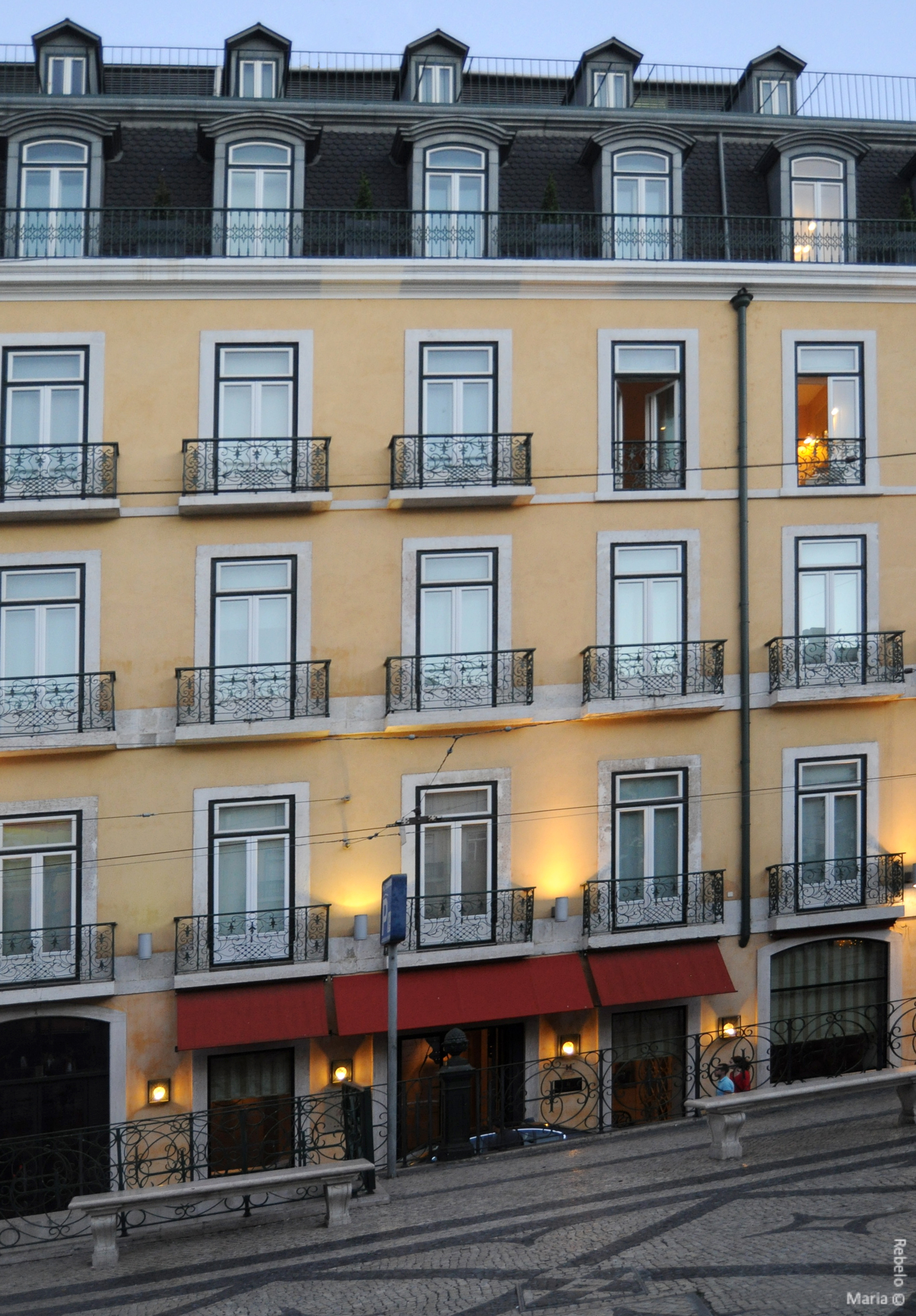
In 2005, the 18th century Hotel d’Europe was transformed into the Hotel do Bairro Alto. The result is a unique combination of aristocratic charm, modern comfort and superb location.

After checking in, you can relax on the top floor terrace and enjoy the fantastic view of the Tagus river. Once you walk out, ready to explore the city, you’re seconds away from Lisbon’s most famous café, A Brasileira, and two minutes from Santini‘s fabulous artisan gelato. You can shop for porcelain to your heart’s content at Vista Alegre or choose beautiful cutlery at Cutipol. You can walk to Bairro Alto, enjoy the view of St. Jorge’s castle, stop for a drink at the port-wine institute, listen to some fado, and check out the avant-garde scene at Galeria Zé dos Bois. Or you can go downtown to stroll on Rossio and Terreiro do Paço. Where else in the world, dear reader, can you find so much fun on your doorstep?

Hotel do Bairro Alto, Praça Luís de Camões 2, Lisbon, tel. 213 408 288, email: reservations@bairroaltohotel.com. Click here for the hotel’s website.

The resilient beauty of Lisbon

On November 1, 1755, Lisbon woke up with the rumble of a devastating earthquake. By the end of the day the city was covered with ashes and rubble, stripped of its magnificent buildings and opulent commerce.

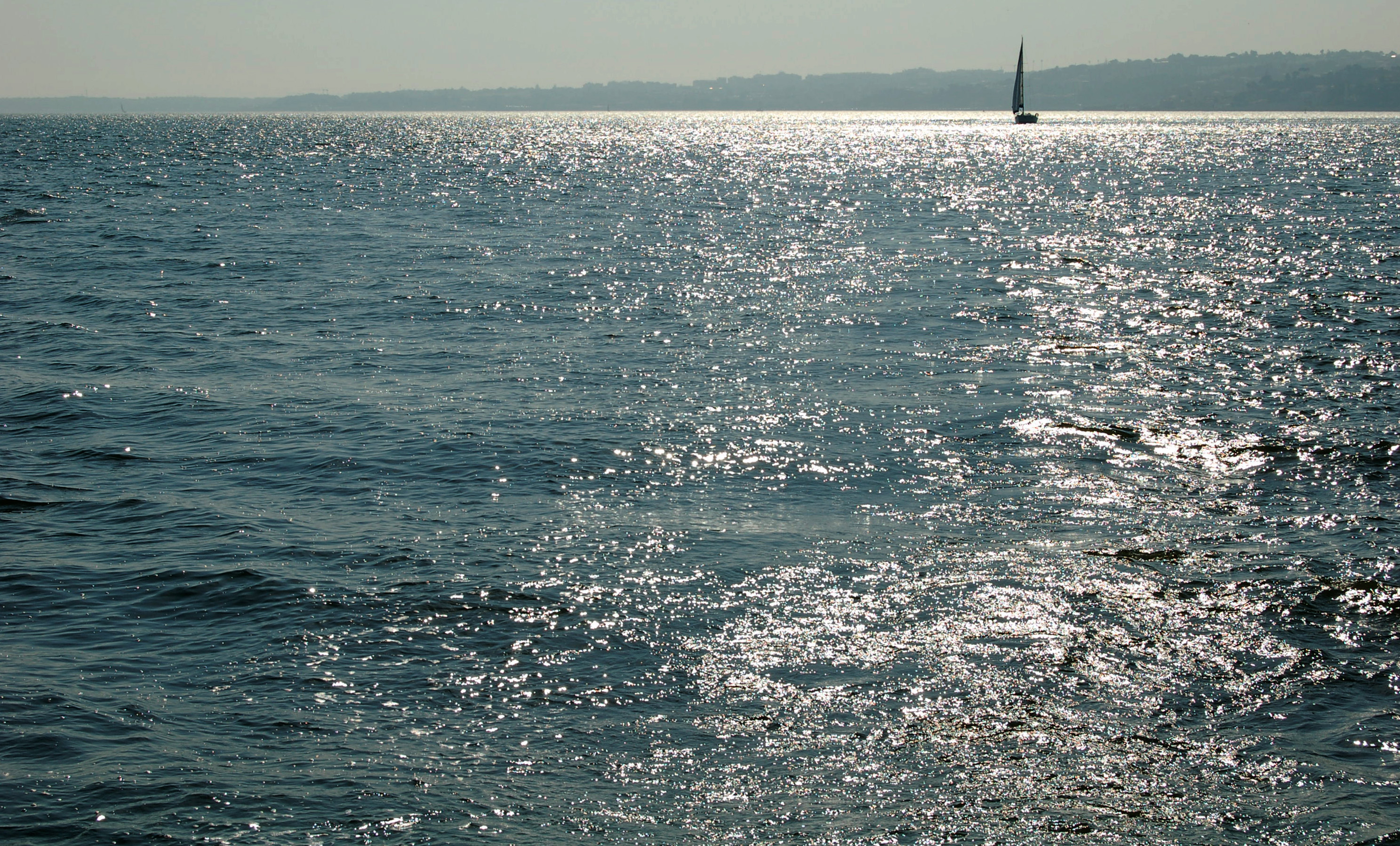
What was left? In the words of Alfredo Mesquita: “There was still the Tagus river, blue and bewitching, cloaked in velvet by the crystal clear sky which is studded with stars by night and gilded with sunlight by day. And the noble, melancholic majesty with which the city reclines, its feet bathing in the waters, elegant and regal, on the throne of its seven hills.”

Alfredo Mesquita, Lisboa, Empreza da História de Portugal, Livraria Moderna, 1903.

Contemporary art in Cascais

If you’re interested in contemporary art, be sure to visit the Cascais museum devoted to the Portuguese painter Paula Rego. Her work is housed in a striking building designed by Eduardo Souto de Moura, a Portuguese architect who received the Pritzker prize in 2011. Rego uses ordinary faces, objects, and landscapes from Portugal to paint unusual scenes that challenge visual and social conventions.

Memories of a lost cheese

Marcel Proust could vividly recall the taste and smell of his aunt’s madeleines. Those memories inspired his masterpiece, Remembrance of Things Past.

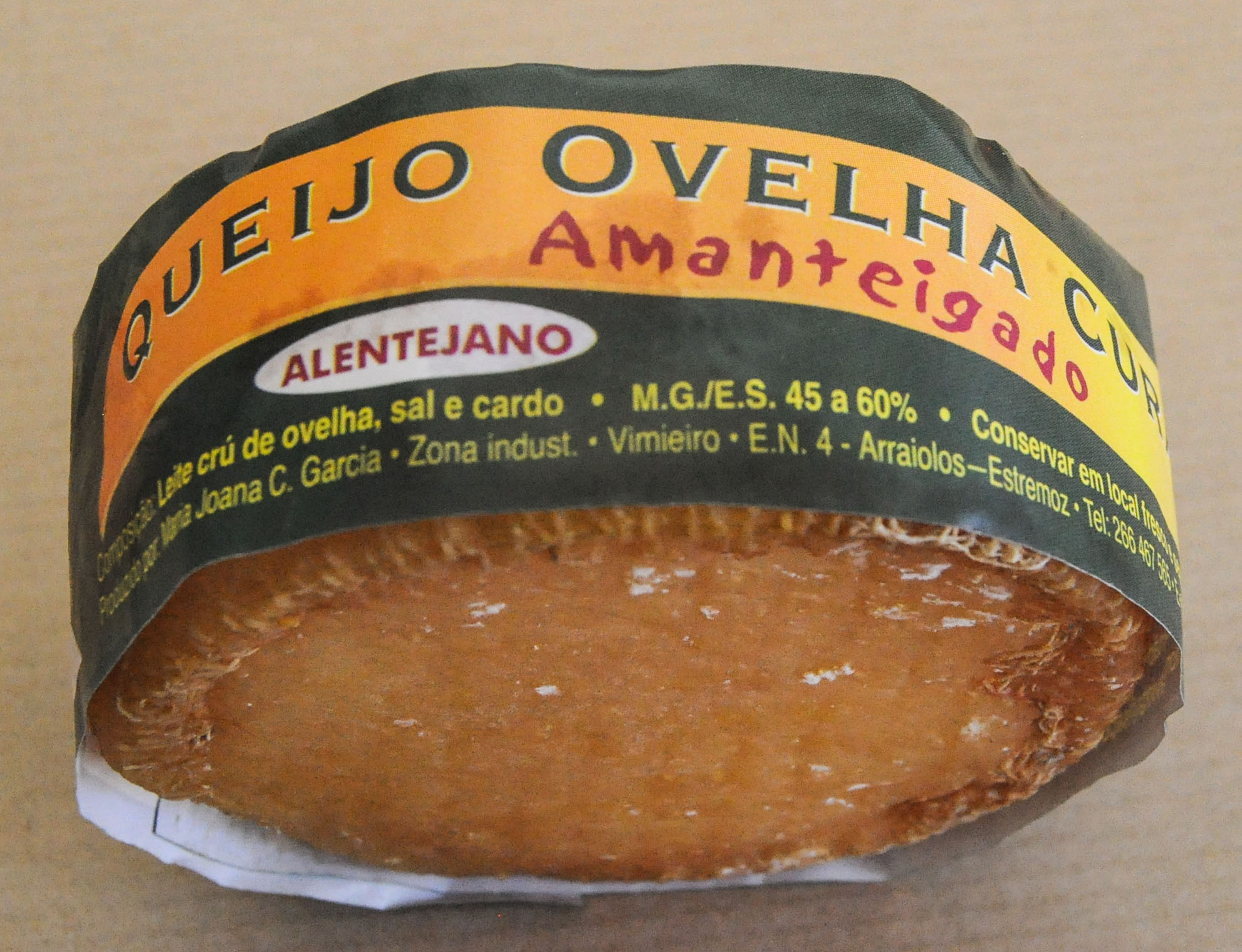
Joana Garcia remembered the taste and smell of the cheese she ate as a child with her grandmother in Alentejo. Those memories inspired her to recreate that long-lost flavor. She quit her job as a lawyer, moved to Alentejo and bought 500 sheep. After trying endless combinations of milk, salt and cardoon, she found the taste of her youth. Garcia’s masterpiece is called Queijo Monte da Vinha. It is a delicious, soft, buttery cheese with the precious taste of a distant past.

You can try Queijo Monte da Vinha at the wonderful Tasca da Esquina restaurant in Lisbon. You can buy it at Mercearia Creativa, a gourmet grocery store where you’ll find many other great Portuguese products (Av. Guerra Junqueiro, 4A, Lisbon, tel. 218-485-198). Click here for the Monte da Vinha website.

Rossio’s wild memories

Rossio, Maria José Rebelo, digital print image, 2012.

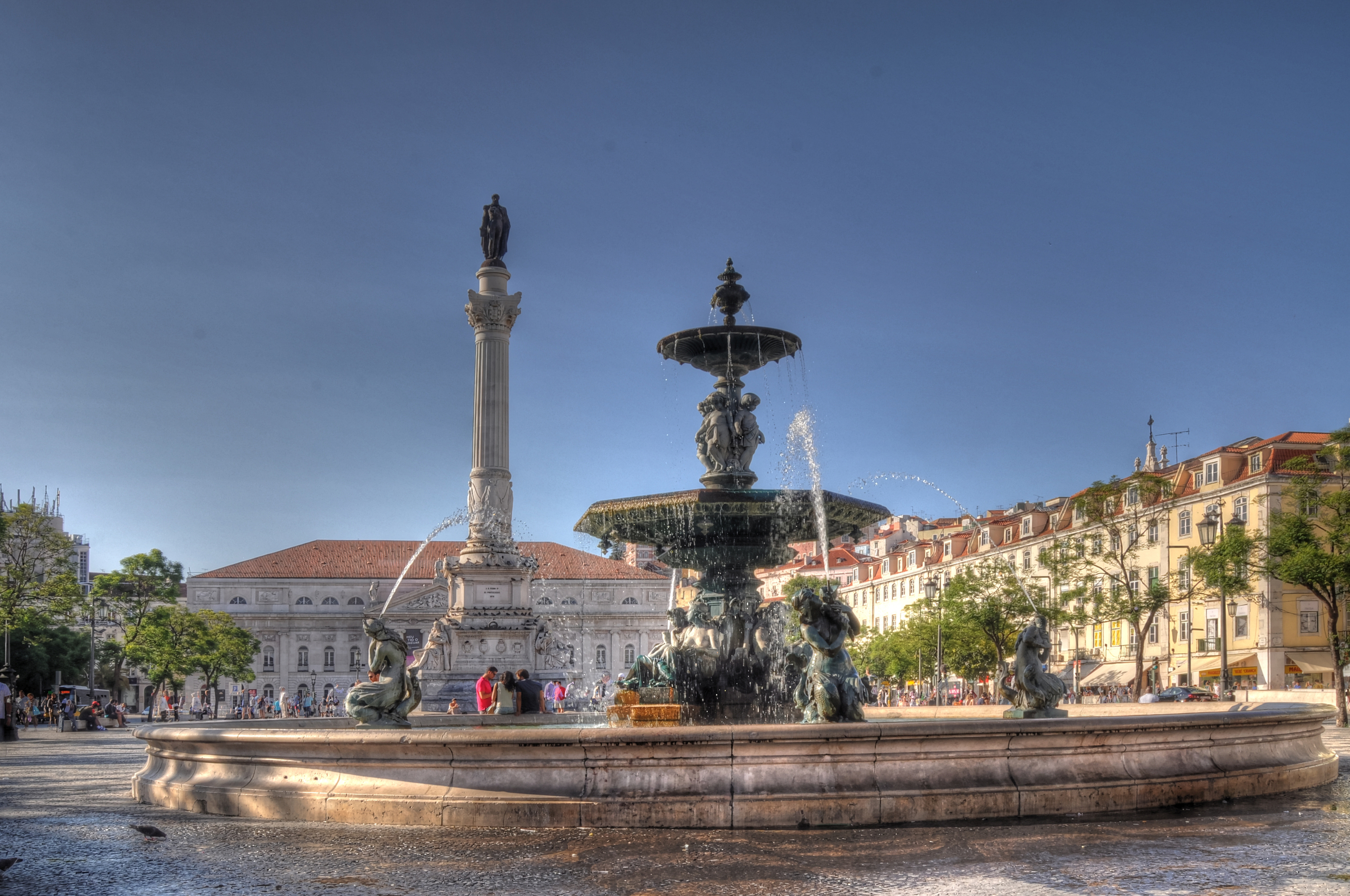
Rossio, one of Lisbon’s main plazas, is an aristocratic lady who has seen it all: war and peace, prosperity and poverty. Bullfights were once staged in the middle of the square. In 1515, King Manuel arranged a duel in Terreiro do Paço between an elephant and a rhinoceros. At the sight of its armored opponent, the elephant panicked, broke its enclosure, and fled toward Rossio.

Even its monuments have improbable histories. The statue of D. Pedro IV, King of Portugal and Emperor of Brazil, was inaugurated by his daughter, D. Maria II, but the monument remained unfinished for fourteen years. Finally, in 1867, a tall column was erected. A statue of Emperor Maximilian happened to be in Lisbon in transit to Mexico when news arrived that he had been shot. Rumor has it that the statue was bought at a discount and used in Rossio.  It was a fine way to save money, since all emperors look alike atop a high column.


In search of the muses

Martinho da Arcada, Maria José Rebelo, monochrome digital print image, 2012.

Martinho da Arcada, a café in Terreiro do Paço, is a time capsule. It shows us what Lisbon cafés looked like in the first part of the 20th century. It is an austere place and, yet, it was here that the poet Fernando Pessoa wrote some of the best poetry in the Portuguese language.

Do the muses still gather at Martinho da Arcada, waiting to whisper their rhymes to those willing to listen? There’s only one way to find out. Take a pen and a pad of paper, sit down at one of the tables, order some coffee, and watch what happens.