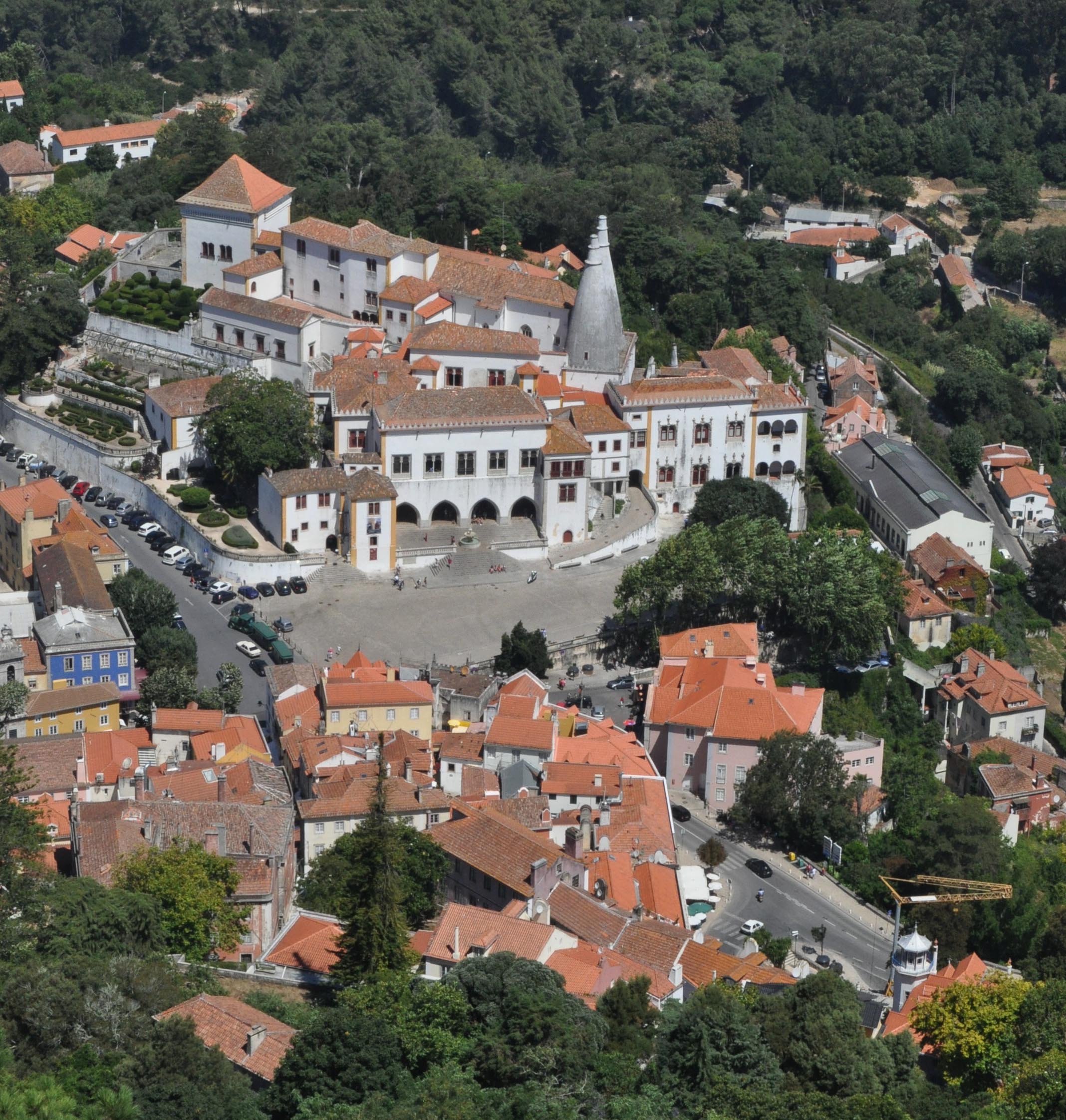
Dreaming of Sintra

Sintra is a village near Lisbon where Portuguese monarchs used to seek respite from the Summer heat. It is a place like no other, with its lush vegetation and fairy-tale palaces. The National Palace (shown above) is the oldest and most historically significant. It was remodeled so many times that it looks like a visual dictionary of Gothic, Manueline and Moorish styles. The Pena Palace is the newest and most romantic. Built in the 19th century, it sits on top of a hill where, in ancient times, the Romans worshiped the moon.

On the way to Pena you can visit a 9th century Moorish castle with wonderful views to the surrounding region. From here you can get a glimpse of other palaces, Monserrate, Seteais (an 18th century palace converted into a luxury hotel), and Quinta da Regaleira. They are all worth visiting.

Staying in Sintra is a privilege. In the morning, you can see Pena while the fog hides the modern world and brings back the 19th century. And at night, you can walk to Seteais to see the moon paint the hill with silver light, waiting to be worshiped.

Sweet Romeo and Juliet

Quince jam (marmelada) is very popular in Portugal. Some people like it freshly made, when it is soft and yellow, while others prefer it aged, when it is hard and dark red. But both factions agree that a slice of buttered bread with marmelada is one of the world’s most simple and satisfying pleasures.

Marmelada is often paired with a slice of queijo da ilha, a cheese from the Azores islands. This combination is so perfect that it is known as “Romeo and Juliet.” Be sure to try it when you visit Portugal!

Below you’ll find a marmelada recipe from a 16th century Portuguese cookbook attributed to Infanta D. Maria. If you find quinces in your local market, bring them home and make some marmelada. There is something very special about cooking from a recipe that is four centuries old.

MARMELADA D. JOANA

Use two kilograms of quince and 1.5 kilograms of sugar. Cook the quince in a covered pot of water. Peel the quince, cut it in pieces and strain the pulp through a fine sieve. Combine sugar and water in a pot and make a syrup. Add a little orange-flower water to the syrup. Remove the pot from the heat and combine the strained quince pulp with the syrup. Heat this mixture and stir the marmalade until it no longer sticks to the bottom.

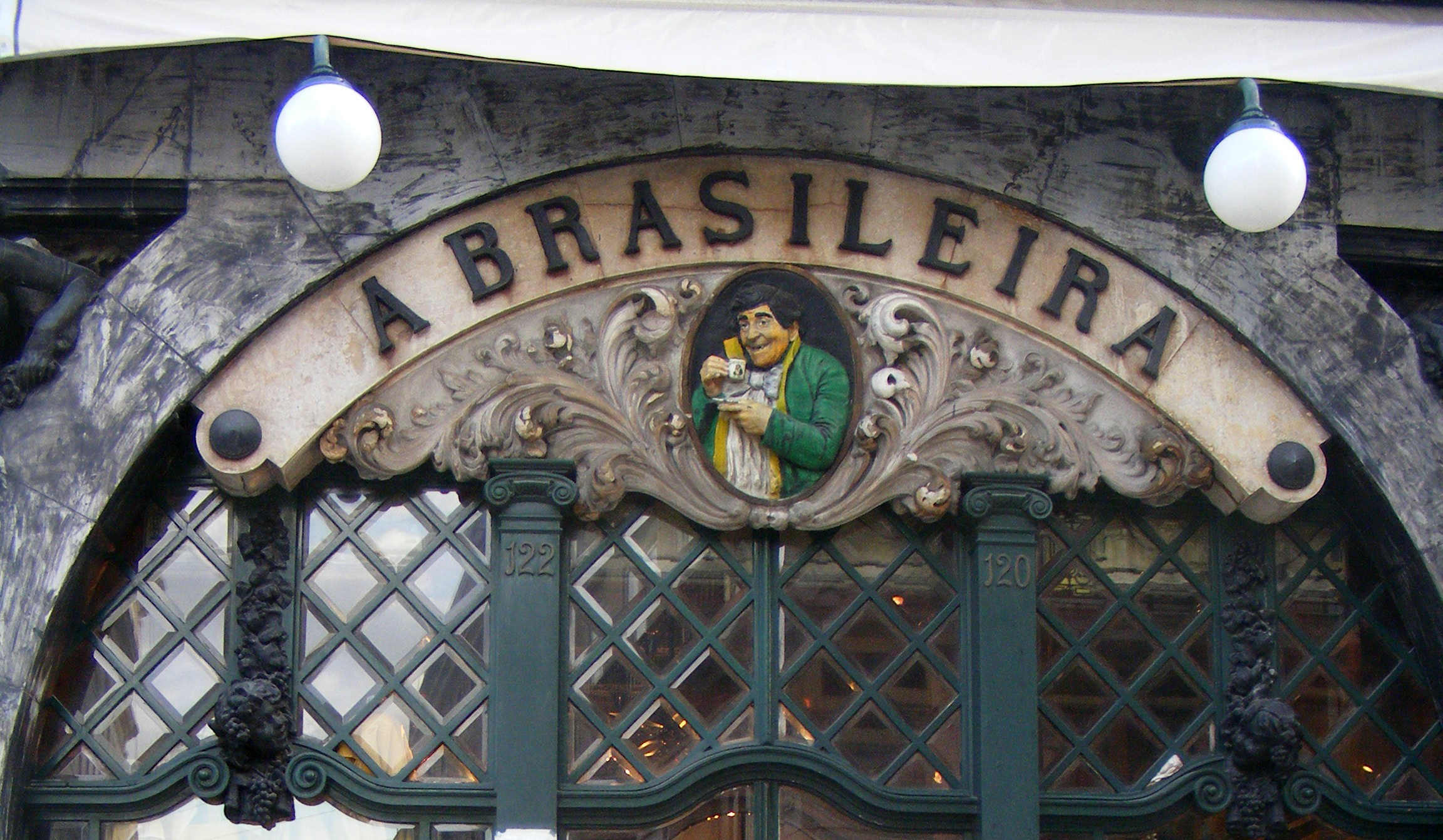
Lisbon’s most famous café

If you are near Chiado, don’t miss the chance to have an espresso in Lisbon’s most famous café, A Brasileira. The poet Fernando Pessoa spent here many golden hours, writing words that became immortal. If you want to pay homage to his genius, do not take a photo with the awkward Pessoa statue resting in the esplanade. Sit instead at a table and write a poem.

The blank page can be intimidating, so it might help you to know that Pessoa’s first poem was a modest effort. When he was seven, his widowed mother decided to remarry and start a new life in South Africa. Pessoa, worried that she might leave him behind in Lisbon, gave her this poem :

Here I am in Portugal
In the land where I was born
As much as I adore it
I love you even more

These simple words were Pessoa’s ticket to South Africa. So, summon the muses and write their whispers on your blank page. Who knows where those words might take you!

A Portuguese lullaby

This post is our 100th!  Thanks to all the readers who have been following us on this journey through all that is glorious in Portugal. We decided to celebrate by posting a recording of a Portuguese folk tune which you can’t hear anywhere else.

Portugal has a treasure trove of traditional music which evolved over centuries. Each generation burnished the melodies, sharpened the rhythms, and clarified the rhymes until all that is left is pure emotion.

Today we bring you Menino d’oiro (golden baby boy), a lullaby made popular by the folk singer José Afonso. Our version is a home recording made with soprano Cecília Fontes, violinists Evandra Gonçalves and Teresa Mascarenhas, conductor Joana Carneiro on viola, and Sergio Rebelo on guitar. Pedro Rebelo mixed and produced the recording.

Even if you don’t understand the lyrics, we bet you can feel the mother’s emotions as she lulls her precious baby to sleep.

Island cheese

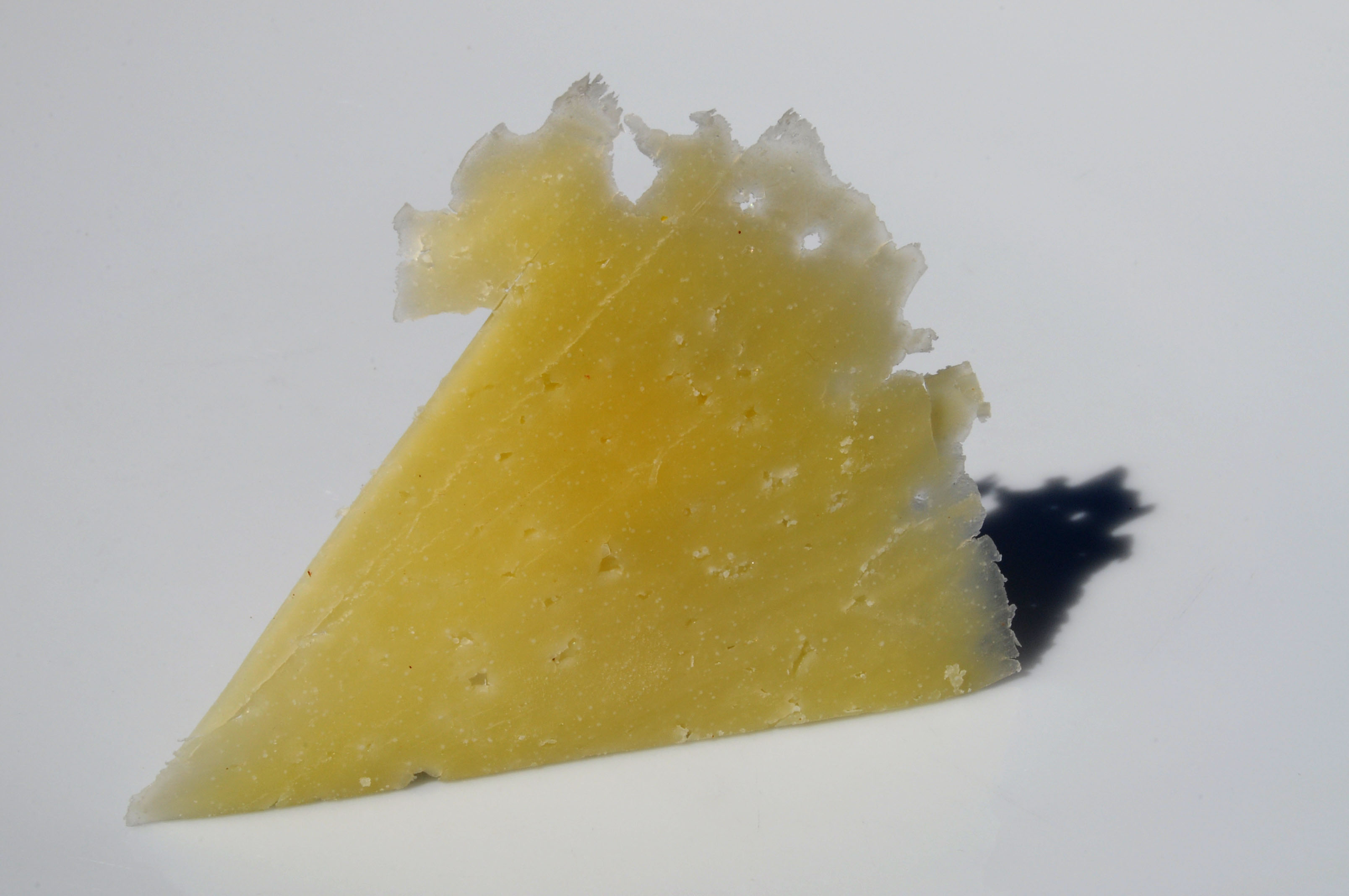
Queijo da ilha is a wonderful cheese that has been produced in the Azores archipelago since the 16th century. The most famous variety comes from the island of St. Jorge. It is hard and has a sharp, spicy taste.

What makes queijo da ilha so unique is that it is produced with the milk of cows that roam freely on the pastures of Azores. Farmers spend their days following their cows in order to milk them. It is not unknown for cows to wander into a bookstore or a museum, perhaps looking for the famous Andy Warhol cow paintings. It is a privilege to taste cheese that comes from animals who are such free spirits.

Pizza in Lisbon

It happens to the best of us. You are in Lisbon, enjoying the fresh fish and the wonderful seafood when, suddenly, you have a craving for pizza! There’s no need to rush to the airport and fly to Naples. You can satisfy your longing for Italian food in Lisbon.

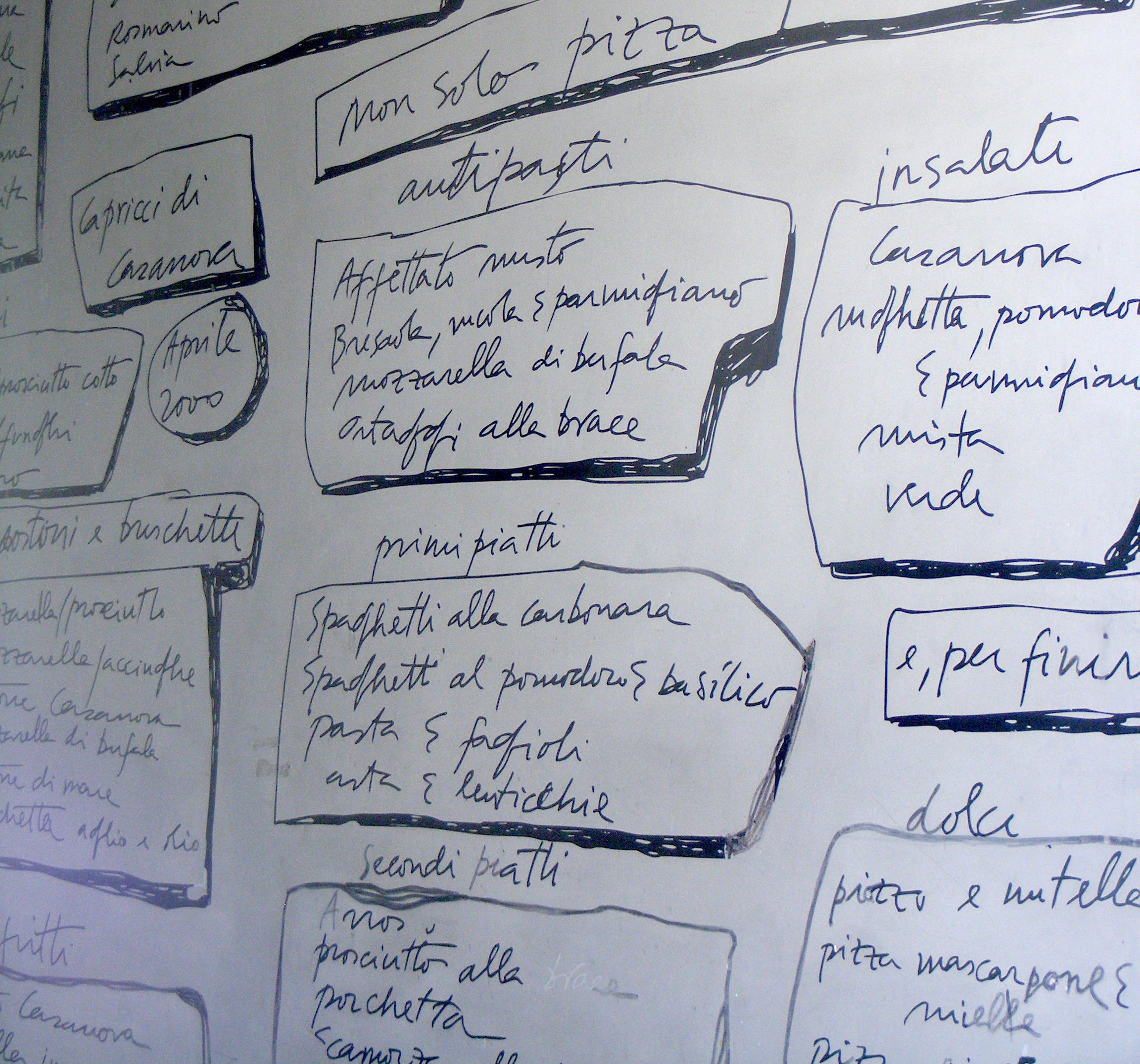
In the 1970s, Maria Paola Porru moved from Italy to Portugal to study cinema. Years later, she opened Casanostra, a restaurant in Bairro Alto, planning to go back to the movie industry once she made some money. But the restaurant was so successful that she continued to run it while working as a sound engineer in several motion pictures.

A few years ago, Porru opened the Pizzeria Casanova in a beautiful location by the Tagus river. The Pizzeria does not accept reservations and there is often a long line. It is here that young people go to see and be seen because, while they wait for some of the best pizza on this side of the Tiber, they feel they’re in a movie.

Restaurante Casanostra, Travessa do Poço da Cidade, nº 60, Bairro Alto, Lisboa, tel. 21 342 59 31, email Italma@sapo.pt. Restaurante Casanova, Avenida Infante Dom Henrique Cais da Pedra à Bica do Sapato, Loja 7, Lisboa, tel. 218877532. 

Three reasons to learn Portuguese

1. To understand more. The Italians say that “traduttore, traditore,” translators are traitors.  Authors labor over every word, but much of the meaning they create is lost in translation. Learning Portuguese opens the doors to a new world of elegant novels, inspired poetry and fabulous travel tales by Portuguese, Brazilian and African writers. Which other language allows you to read the literary hearts and minds of three continents?

2. To gain more insight. The philosopher Ludwig Wittgenstein wrote that  “what we cannot speak about we must pass over in silence.” Language is the scaffold of thought. A new language can take your thinking to new heights, forming synapses that feed creativity and insight. Why learn Portuguese? Here you have to trust the great poet Fernando Pessoa who said that English is the language of science but Portuguese is the language of feelings. So you need both, you see?

3. To sway knowingly to the sound of Bossa Nova. Brazilian music is an irresistible combination of African rhythms, jazz harmonies, and tropical sensibility. And these songs have romantic, funny, sunny lyrics which will make your heart sing.

The joy of cooking

Happiness researchers find that emotional peaks, moments of great joy or sadness, have a lasting impact on our happiness. Travel vacations give us a chance to collect nuggets of joy that we can savor in the future. A great way to relive a vacation in a foreign country is to cook some of the food we tried. Tastes and smells have the power to put us in another place and time.

So, how can you cook some Portuguese dishes after vacationing in Portugal? The Portuguese cuisine is an intuitive affair and recipes are notoriously vague, with instructions like: “follow the usual procedure,” or “use sugar qb.” The ubiquitous cooking expression qb is an abbreviation of “quanto baste,” which means “just the right amount.”

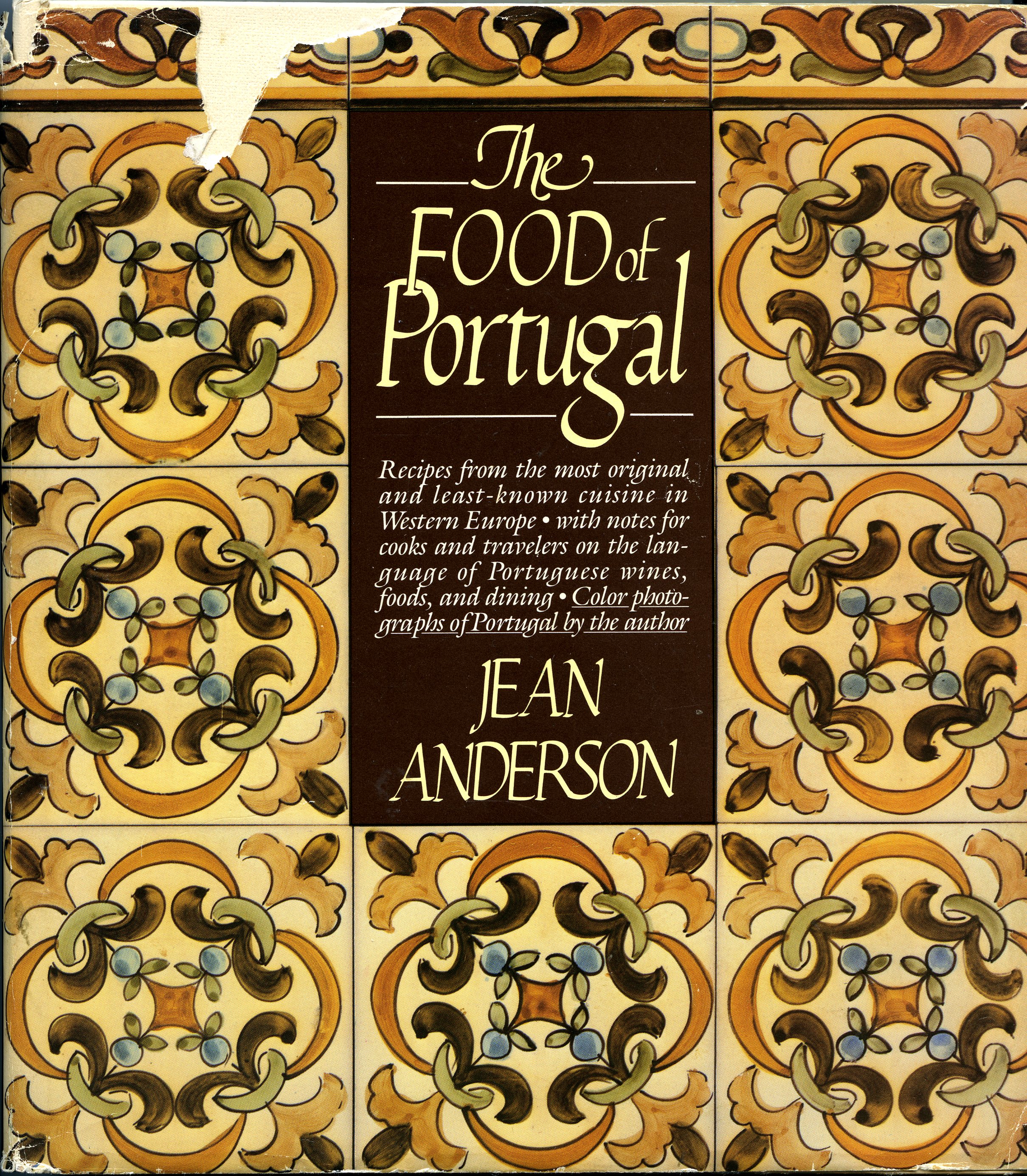
We are lucky that a talented American cookbook author, Jean Anderson, wrote detailed recipes for many classic Portuguese dishes. With her book “The Food of Portugal” in hand, you can cook food that will remind you of dining in a medieval city, a Port-wine quinta or a beach-side restaurant. These memories will bring you happiness, qb.

How to cook fresh octopus

When you eat octopus in a Portuguese restaurant, it is always tender and delicious. But, when you buy fresh octopus and cook it at home, it often turns into a rubbery disappointment.

Portuguese chefs stage an elaborate disinformation campaign to keep secret their cooking technique. They tell you to cook the octopus with an onion, a cork, or a nail; or leave it in the pot until the water is cold; or cook it in red wine or in red vinegar; or beat it three times on the kitchen counter; or “scare” it by raising it from the boiling water. All these tricks produce inedible, chewy octopus.

So, how do you tenderize this eight-armed mollusk? You freeze the fresh octopus before you cook it! That’s all. But please don’t tell anyone; it’s a secret.

100 maneiras

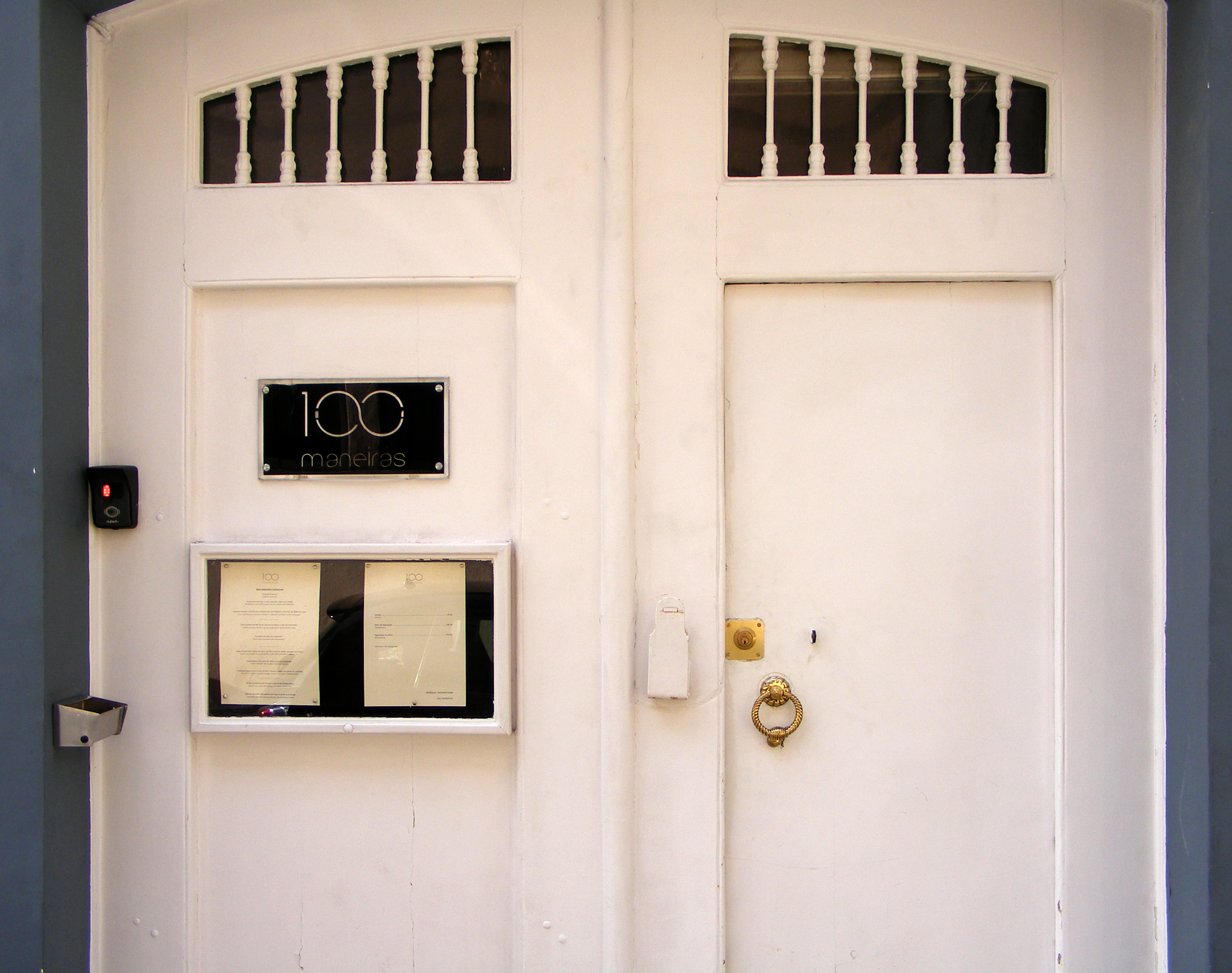
The name is a play on words. “Cem maneiras” means one-hundred ways. But trade the “c” for an “s,” and you get “sem maneiras,” which means without etiquette. Both expressions hint at what makes this tiny restaurant in Lisbon’s Bairro Alto so special.

Yugoslavian chef Ljubomir Stanisic is a magician who combines traditional Portuguese ingredients in inventive ways. But his restaurant is not one of those culinary temples where diners must eat in reverent silence, heads bowed in a show of appreciation for the chef’s genius. The atmosphere at 100 Maneiras is unpretentious, and the only important etiquette rule is that guests have some great gourmet fun.

Restaurante 100 Maneiras, Rua do Teixeira, 35, Bairro Alto, tel. 910 307 575, email: info@restaurante100maneiras.com. Click here for 100 Maneiras’ web site.