Mountain cheese

Queijo da Serra (mountain cheese) is made from the milk of sheep guarded by shepherds and their dogs in the granite ridges of the Estrela mountain, 2,000 meters above sea level. It comes in three varieties: amanteigado (soft and buttery), meio-curado (firm), and curado (aged; hard in texture and intense in flavor).  Its quality varies from good to magnificent.

Serra cheese has almost no name recognition outside of Portugal. But one day, in the not-too-distant future, the world will discover this cheese. It will then become impossibly expensive, affordable only to Chinese tycoons, African magnates, and Bollywood stars. So, the time to try a magnificent “queijo da Serra” is now. The clock is ticking.

Noble bed and breakfasts

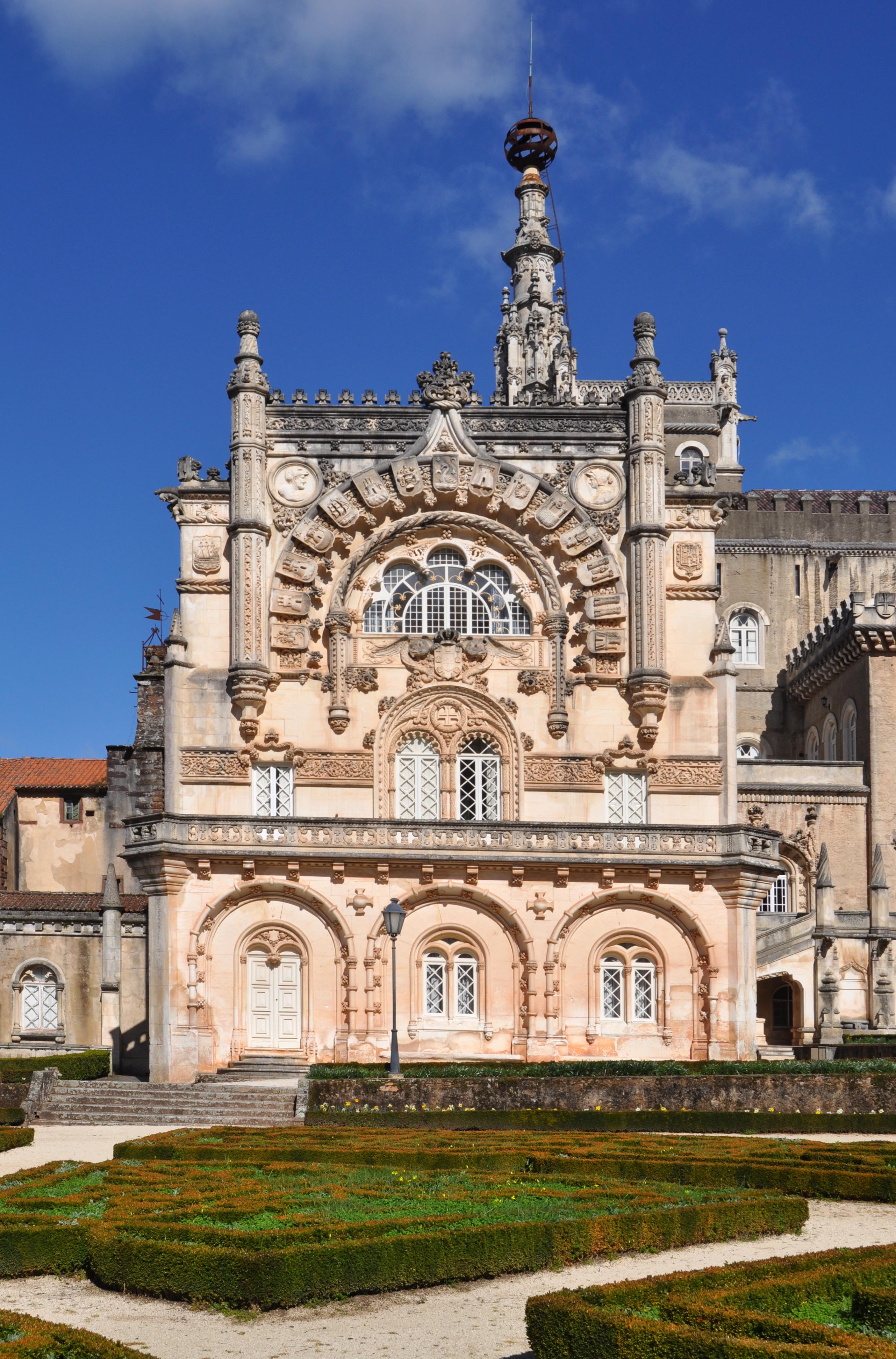
Portugal has many ancient manor houses and palaces built by noble families and wealthy landowners. These houses are expensive to maintain, so in the 20th century many fell into disrepair. The government created a program called “Turismo de Habitação” (home tourism) that subsidized their restoration. In return, the owners agreed to turn them into “bed and breakfasts.”

You can tour the country staying, at very affordable prices, in aristocratic homes, with expansive vistas and warm hospitality.

These proud houses are silent witnesses to centuries of history. When you visit them, you touch the soul of Portugal.

Click here for the Home Tourism web site.  

Percebes

OLYMPUS DIGITAL CAMERA

You eat these pre-historic looking crustaceans by twisting off their heads and exposing their meat. They taste and smell like the sea and they are great with beer.

The English name for percebes, “gooseneck barnacles,” comes from the medieval theory that they are embryonic barnacle geese. This theory conveniently explained why flocks of geese would suddenly appear out of nowhere (the fact that birds migrate was not known in the Middle Ages).

In any case, do not worry. There are no recent reports of percebes flying off the plate to migrate south.

Berbigão


Put yourself in the shells of the “berbigão.” You are constantly outshined by your cousins the clams.  Clams star in famous Portuguese dishes such as “carne the porco à Alentejana” (pork with clams).  Berbigão gets roles in minor culinary productions such as “arroz de berbigão,” a rice used to accompany other dishes. But forget what the critics say. Cook berbigão with a little olive oil and garlic and you will feel its star power.

Sardines

The sardine is the silver of the sea, mined by brave Portuguese fishermen to adorn the dinner tables of rich and poor.

Portuguese sardines have a layer of fat that melts during cooking and gives them their unique taste. The most popular way to cook sardines is to grill them on charcoal. They are usually served with grilled peppers dressed with olive oil. Another popular preparation is “sardinhas de escabeche,” fried sardines marinated in olive oil, vinegar, onion, and bay leaves.

During the June feasts of St. Antony, St. John and St. Peter restaurants set up their grills on the street and serve sardines to passersby, saints and sinners alike.

Bem vindo!

It means welcome in Portuguese. Welcome to our blog about places to see, food to eat, wine to drink, poetry to read, and whatever else comes to mind. The Portuguese navigators discovered much of the world four hundred years ago. But the world has yet to discover Portugal. So the country remains the last secret of Europe. A place of castles and palaces, of mountains and valleys, of sand and sea. All bathed in warm light, all cooled by the breeze that carries the ocean’s salt, the salt of Portugal.