Two Port wine stories

The first story is about the death of Dona Antónia Ferreira’s grandfather. He had a chance encounter with Napoleon’s troops and, eager to show off, addressed the soldiers in impeccable French. The soldiers assumed that he was a deserter from the French army and shot him.

The second story is about Admiral Horatio Nelson. Nelson drank port while he devised his strategy for the battle of Trafalgar. According to legend, he dipped his finger in port wine to draw a map of the fleet positions he later used.

Some might infer from these stories that in times of danger it is a good idea to drink port and a bad idea to speak French. But the lessons from history are always subjective.
Ferreirinha

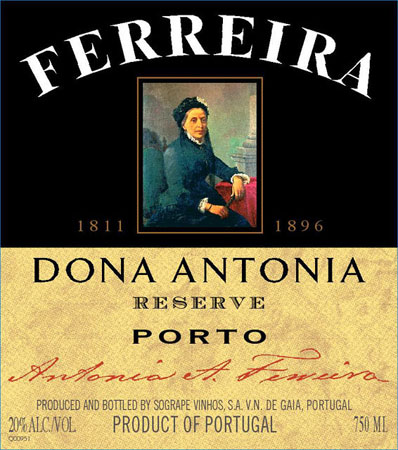
Dona Antónia Ferreira lived in turbulent times. She was born in 1811, the year in which Napoleon’s troops finally retreated from Portugal. When she inherited her grandfather’s wine business, another enemy came: the phylloxera epidemic.

Dona Antónia hired thousands of workers to graft her vines into the roots of American vines resistant to the pest. And it worked!

She went on to produce great port wines, plant new vineyards, and make a fortune. She used some of her wealth to endow schools and hospitals, earning the nickname Ferreirinha (little Ferreira) for her generosity.

In 1987, her descendants sold her company to Sogrape, another wine maker. But the brand Casa Ferreirinha endures as a symbol of quality. So, if you see a Ferreirinha bottle in your wine shop, take it home. And make a toast to Dona Antónia who believed that one can plant the seeds of prosperity during hard times.

Wine varietals


Do any of these names ring a bell?  Touriga nacional, trincadeira, baga, tinta roriz, tinta miúda, ramisco, bastardo? What about alvarinho, arinto, esgana cão, Fernão Pires, sercial? They are all grape varietals unique to Portugal (the first is a list of red grapes and the second a list of white grapes). A few French commodity grapes, such as cabernet sauvignon and chardonnay, currently dominate the international wine market. Portugal has a treasure trove of native grape varietals, developed over centuries of wine production. These varietals have unique flavors and aromas that are waiting to be discovered. So, if you are tired of the same old wines from the same old French grapes, try the wines of Portugal’s growing number of top producers.

Portuguese wine


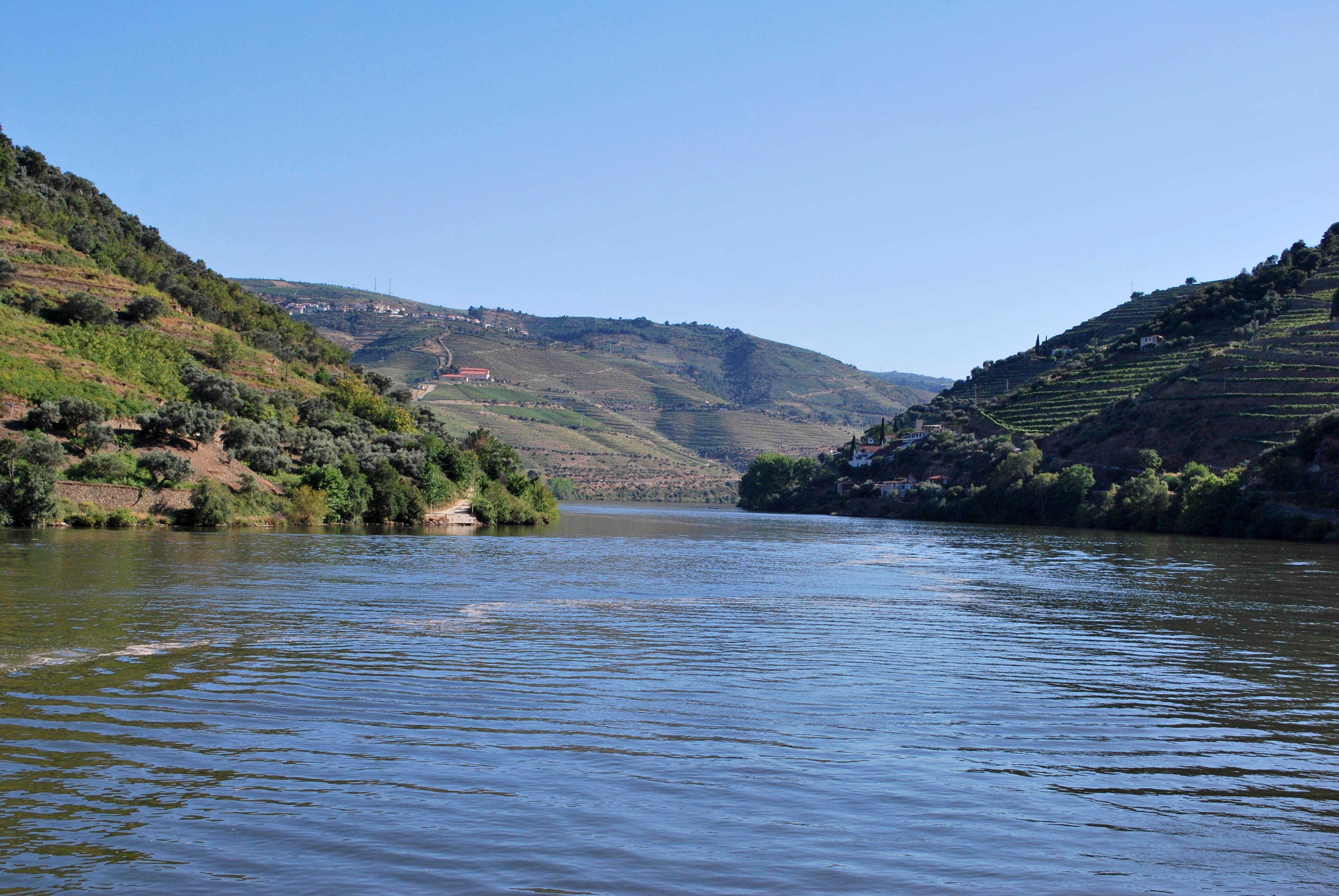
After World War II Mateus Rosé, a sweet rosé wine, brought precious export revenues to a poor country. But it branded Portugal as a producer of cheap, easy-to-drink wine. Virgil famously wrote that “Bacchus amat colles,” (Bacchus loves the hills), implying that grapes cultivated on slopes are especially blessed. Portugal’s rolling hills going down to the sea are ideal for wine production. Large investments in technology and a new generation of enologists are making sure that the blessings of the ancient god of wine do not go to waste.

The Bombarral wine fair

Cistercians monks started producing wine in the Bombarral region in 1153. The Bombarral wine fair, which takes place in early August, celebrates this ancient wine-making tradition.

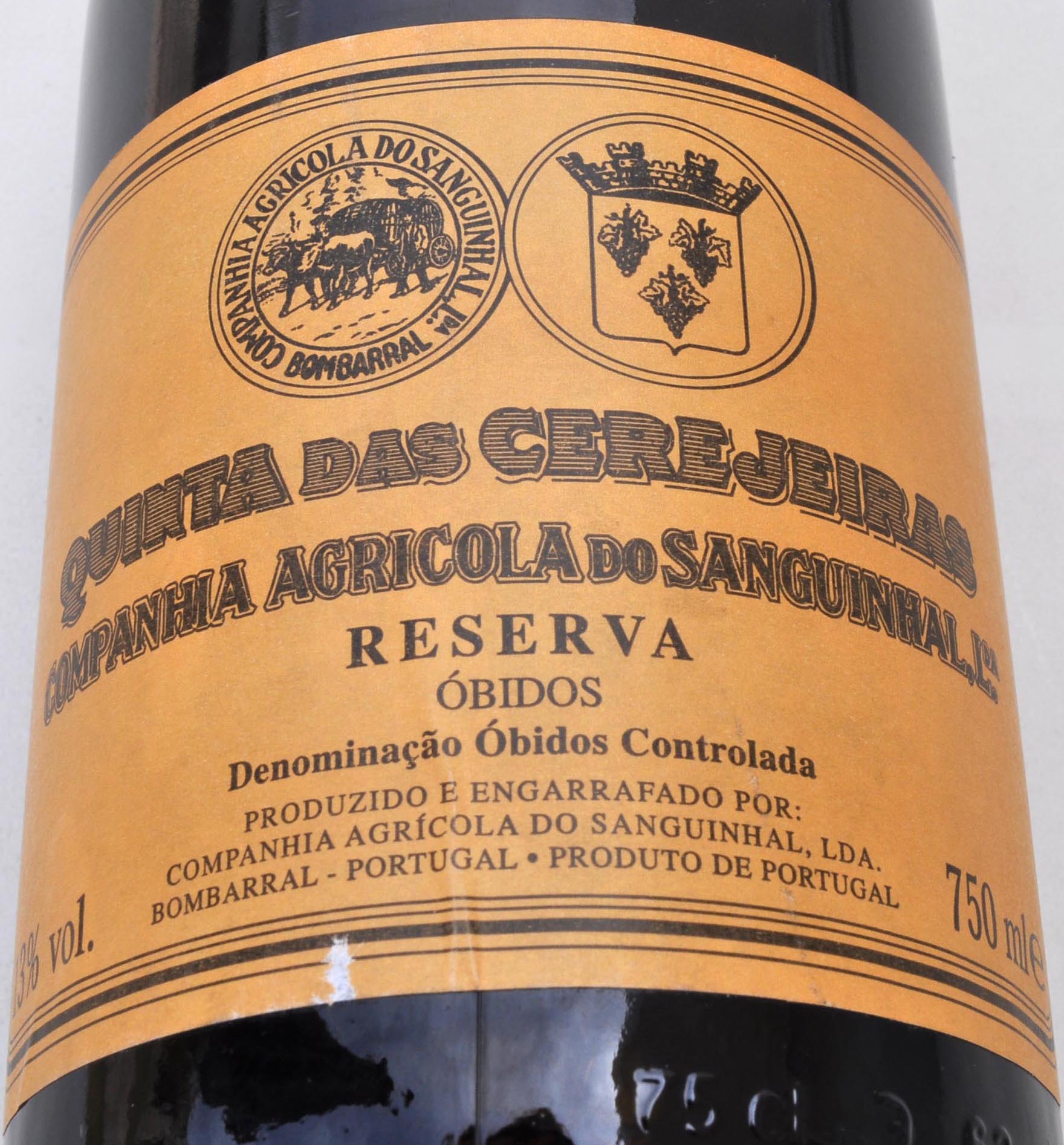
You’ll find few tourists there. It is an event designed for the locals, which makes it a lot more fun. You can buy a glass for a nominal amount (about 3 Euros) and use it to try the wines of many producers, including one of our favorites, Quinta do Sanguinhal.

You can meet the famous D. Amélia, maker of an incredible pear cake and many other delicacies. And eat outdoors underneath the foliage of ancient oak trees at the Zélia restaurant stand. They serve an astonishing grilled rabbit and a lot of other great fare. Mark your calendars!