A romantic guide to Sintra

If you only have one day to venture outside Lisbon, spend it in Sintra. The town lies just 28 km away and is easily reached by car or by train from Rossio Station.

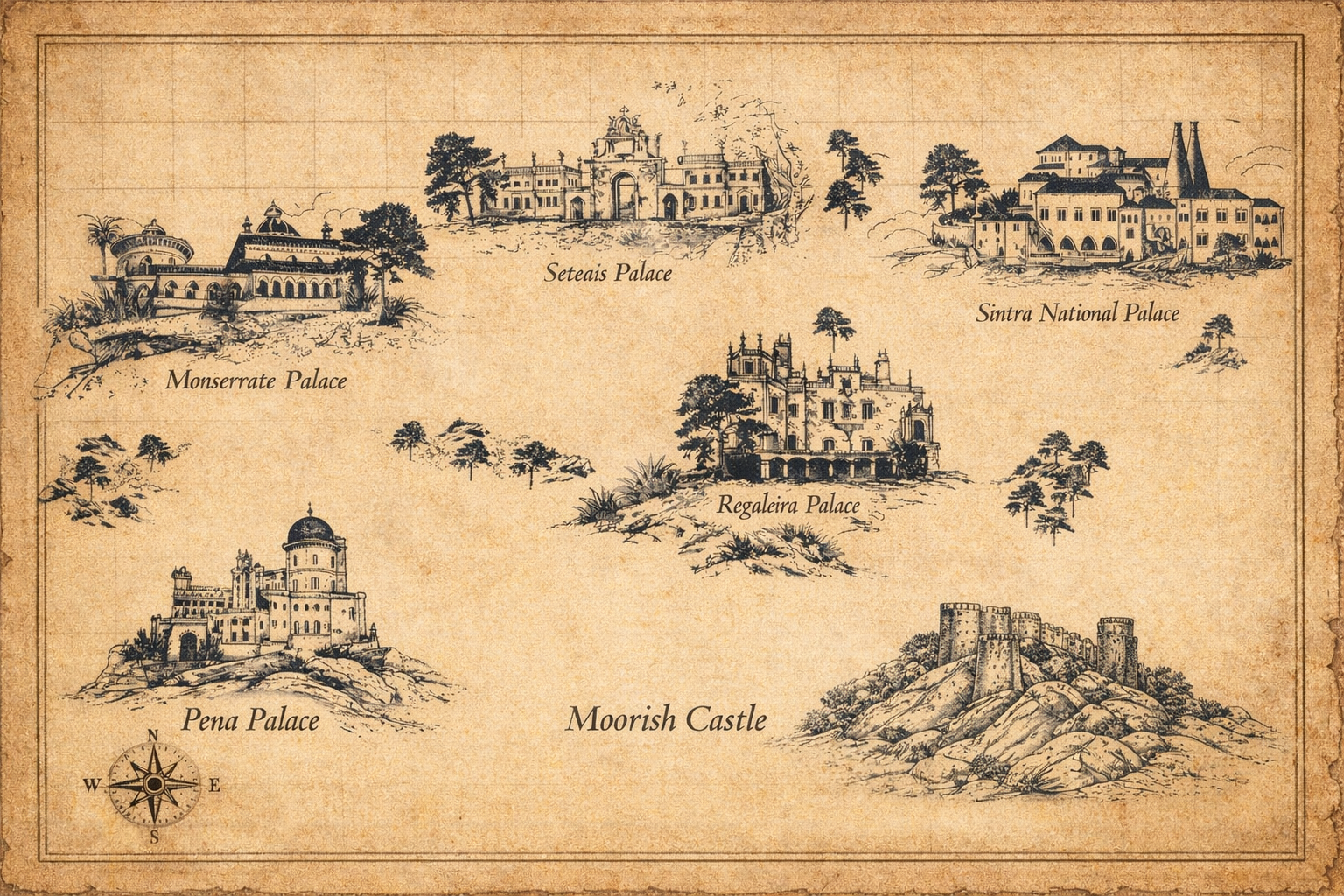
We love Sintra most on foggy days, when humid Atlantic air climbs the slopes of the Serra de Sintra, cooling as it rises until its vapor condenses into mist. You can walk along the ramparts of the Moorish castle as if you had slipped back to the eighth century, with no trace of the modern world on the horizon. 
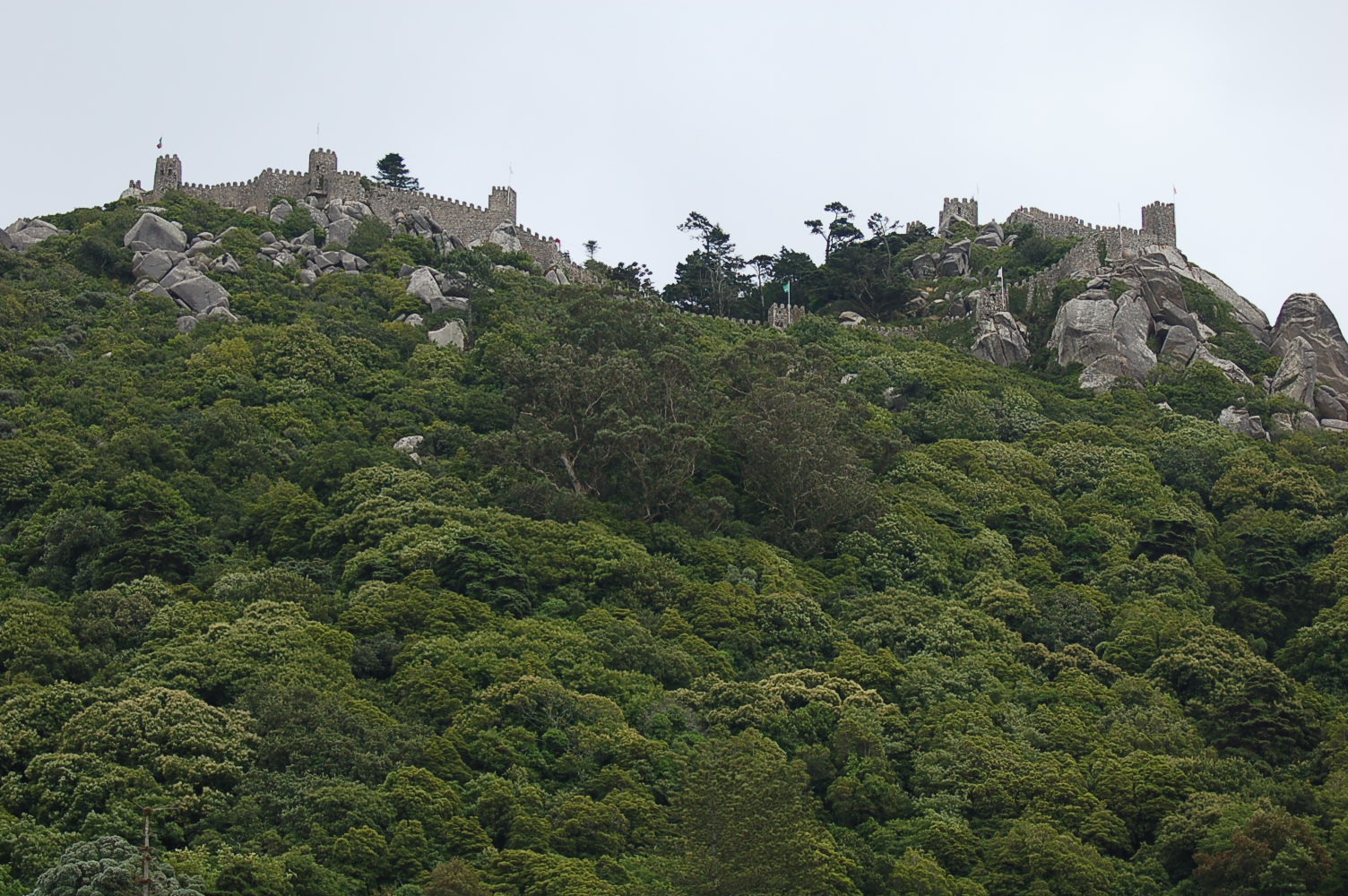
The Moorish castle

Climb the short kilometer that separates the castle from the Pena Palace, and you travel through eleven centuries, arriving in a setting worthy of a nineteenth-century fairy tale.
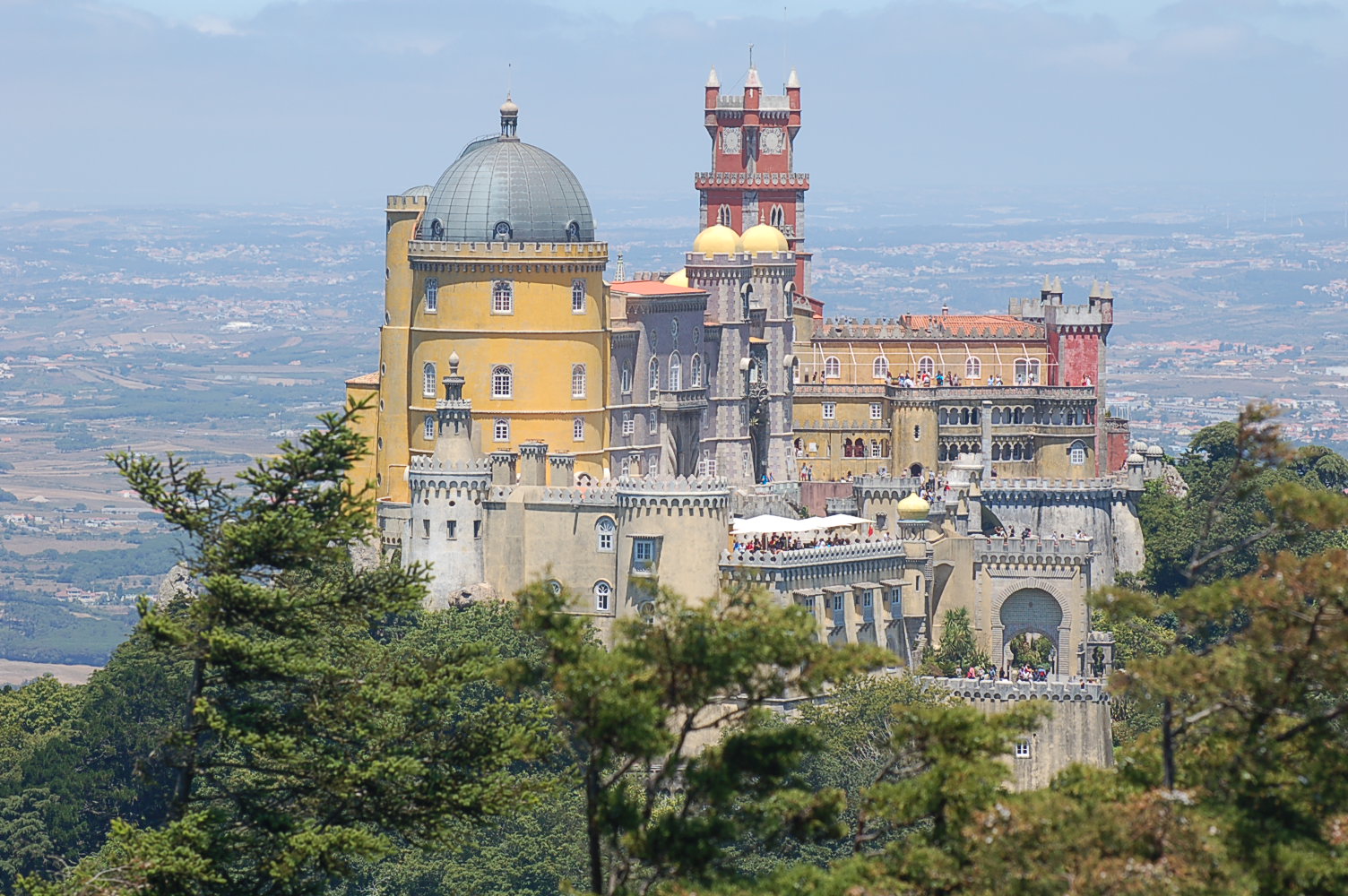
The Pena Palace

First day

Arrive at Palácio da Pena as early as possible to avoid the crowds. Built in the 1840s by King Ferdinand II on the ruins of a fifteenth-century convent, the palace crowns the Serra de Sintra with Romantic splendor. On clear days, the view stretches all the way to the Bay of Cascais. Tradition holds that from these heights, King Manuel I glimpsed the arrival of Vasco da Gama’s battered fleet returning from its first voyage to India.

The palace is a colorful blend of Moorish, Manueline, and Gothic styles. One of its many curiosities is a sculpture of the Monstrengo, the mythical sea creature said to guard the Cape of Good Hope at the southern tip of Africa from Portuguese sailors.

When Ferdinand II acquired the estate in 1838, the mountain was largely bare. He planted thousands of trees—sequoias from North America, Japanese cedars, camellias from China—creating a forest of luxuriant diversity. In the Valley of the Ferns, enormous tree ferns imported from Australia flourish in Sintra’s cool, misty climate.

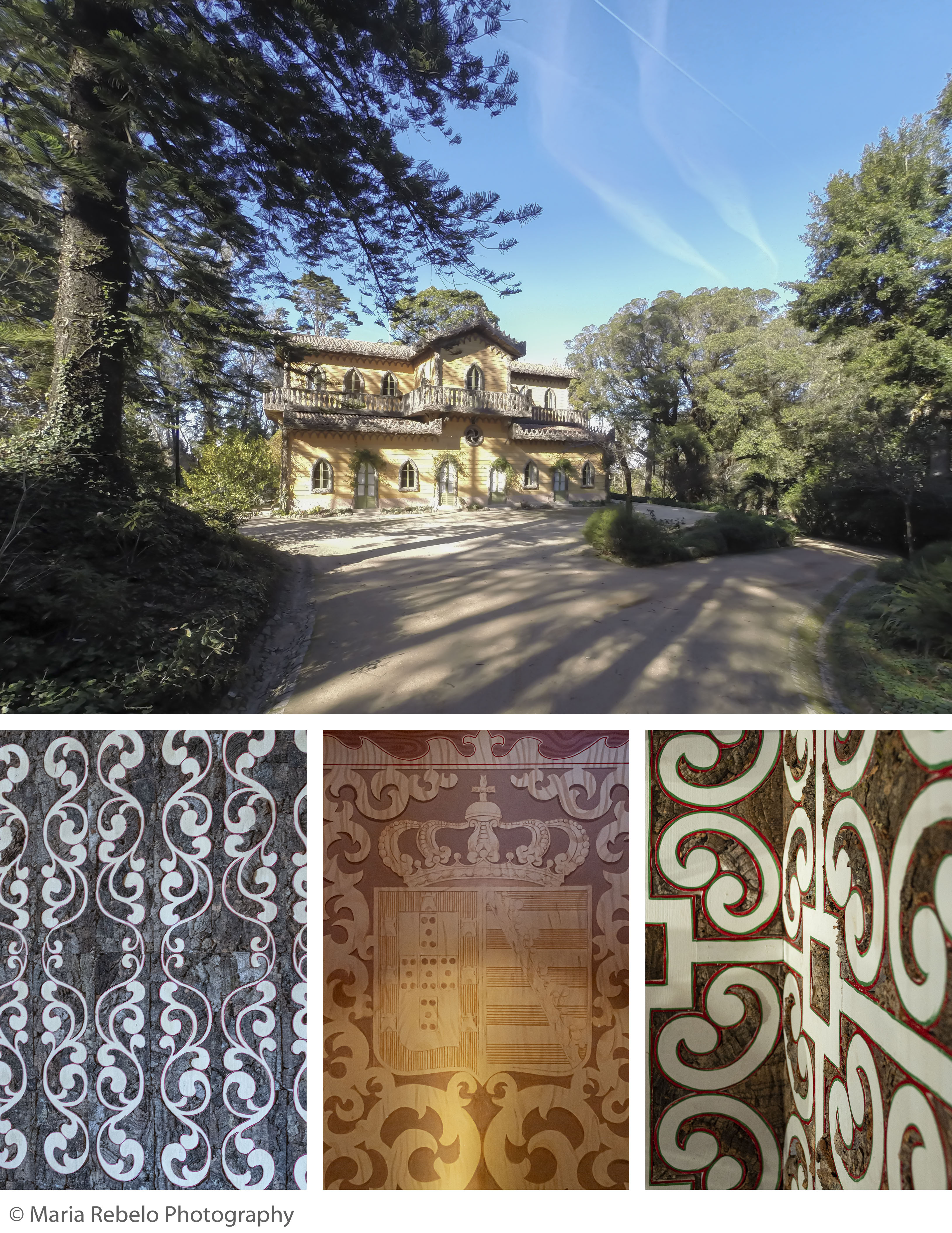
If time allows, visit the Countess of Edla’s Chalet. After Queen Maria II’s death in 1853, Ferdinand fell in love with the opera singer Elise Hensler, whom he married in 1869. He built her a romantic Alpine-style chalet, now beautifully restored, an intimate testament to their unlikely love story.

Monserrate

From Pena, descend through the forest toward the western slopes of the Serra, to the Monserrate Palace. The name comes from a small sixteenth-century hermitage dedicated to Our Lady of Monserrate. In the late eighteenth century, the estate was leased first to the English merchant Gerard Devisme and later to William Beckford, a writer and heir to a vast Caribbean sugar fortune. After Beckford returned to England, the property gradually fell into disrepair. By the time Lord Byron visited in 1808, it had become a romantic ruin.

The estate was later purchased by the English collector Sir Francis Cook, who in 1856 hired architect James Knowles to create an elaborate palace combining Gothic, Moorish, Mughal, and Indian styles. The palace rises amid botanical gardens filled with plants gathered from around the world.

Seteais

After wandering through Monserrate’s lush gardens, it may be time for a refreshment: perhaps a chilled white Port at the nearby Seteais Palace. The origin of its name, meaning “seven signs,” has been lost to time.

The palace was built in the 1780s by the Dutch consul Daniel Gildemeester, who made his fortune as part of a merchant group with exclusive rights to import and sell tobacco. After returning to Holland, he sold the estate to the Viscount of Marialva, who expanded the palace, adding a triumphal arch in 1802 to mark a royal visit by the future King João VI of Portugal. Since 1954, the palace has operated as a luxury hotel, preserving the quiet elegance of Sintra’s aristocratic history.

Praia da Adraga and Azenhas do Mar

From Seteais, head west toward the Atlantic. In summer, finish your day with dinner by the sea at the beachside restaurant on Praia da Adraga. It’s a simple place serving grilled fish, but the catch is exceptionally fresh. Start with percebes or clams, and pair your meal with wine from the nearby Colares region.

If time allows, stop before dinner at Azenhas do Mar, a small village perched on cliffs overlooking the Atlantic. Here stands one of Portugal’s most famous beach houses, easily recognized by its white roofs. It was designed by Raúl Lino, the architect who codified Portuguese vernacular architecture and created archetypes that remain influential today.

Spending two or three more days in Sintra

After a day exploring Sintra’s Romantic palaces and Atlantic views, the following days reveal an older and more intimate side of the region.
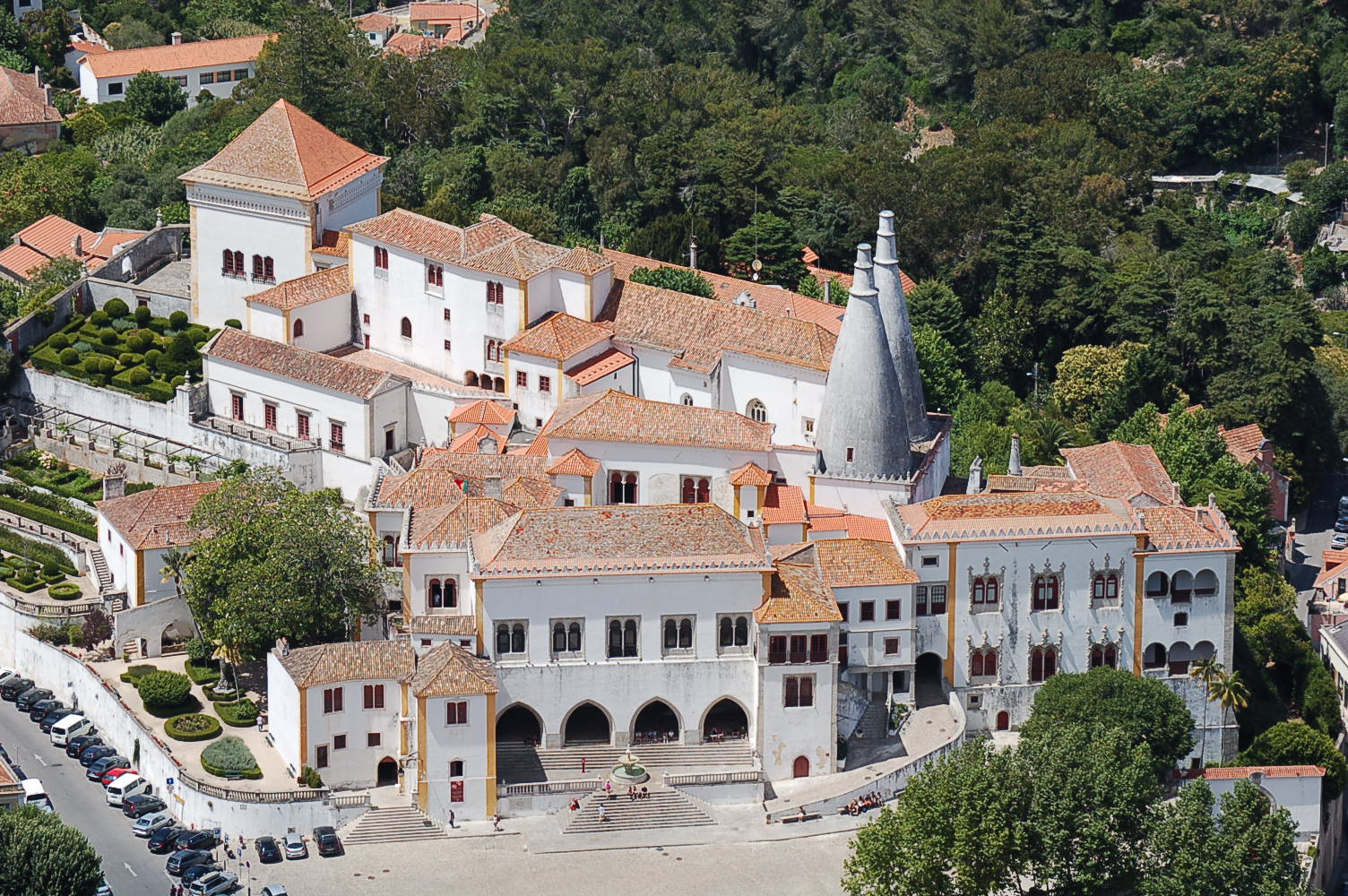
Sintra National Palace

The Sintra National Palace

The Sintra National Palace, originally a Moorish palace, was gradually transformed after the conquest of Sintra in 1147. It later became a favored summer retreat for Portuguese royalty seeking relief from Lisbon’s heat. Its distinctive twin chimneys hint at the grand banquets once held here.


The building was extensively remodeled at the end of the fifteenth century by King Manuel I. Yet traces of its Moorish heritage remain in the geometric decoration, inner courtyards, and windows adorned with floral motifs. The nineteenth-century art historian Joaquim de Vasconcelos described the palace as “a veritable museum of the rarest and oldest azulejos in high relief that we possess.”

Among the many rooms, two are particularly memorable. The first is the Sala das Pegas, or Magpie Room, a playful reminder of King John I’s indiscretions. Queen Philippa of Lancaster caught the king kissing one of her ladies-in-waiting. He protested that it was done por bem—his intentions were good—but the episode became the talk of the court. To silence the gossip, the king ordered the ceiling painted with 136 magpies, one for every lady of the court, each bearing the words por bem in its beak.

The second is the Sala de Armas. King Manuel I commissioned a display of the coats of arms of noble families who had distinguished themselves in battle. Their heraldic insignia honored past achievements and reminded their sons and grandsons of their duty to defend the kingdom.

The palace also witnessed darker chapters of Portuguese history. Here, the young King Sebastião, only sixteen, held his final council before leading the Portuguese nobility on the ill-fated campaign to Morocco. He died in 1578 at the Battle of Alcácer Quibir, a disaster that ushered in sixty years of Spanish rule.

A century later, another monarch met a quieter fate within these walls. Afonso VI, crippled by a paralytic seizure, was overthrown in a coup led by his brother, the future Peter II. His wife, the beautiful Marie Françoise of Savoy, had their unconsummated marriage annulled and married Peter. Afonso spent the last nine years of his life confined in the palace, where he died in 1683.

Writing in 1903, the Count of Sabugosa saw the palace as a reflection of Portugal itself, where Celtic, Gothic, Arab, and other traditions blended into a spirit of “imagination, poetry, enthusiasm, and dreamy melancholy.”
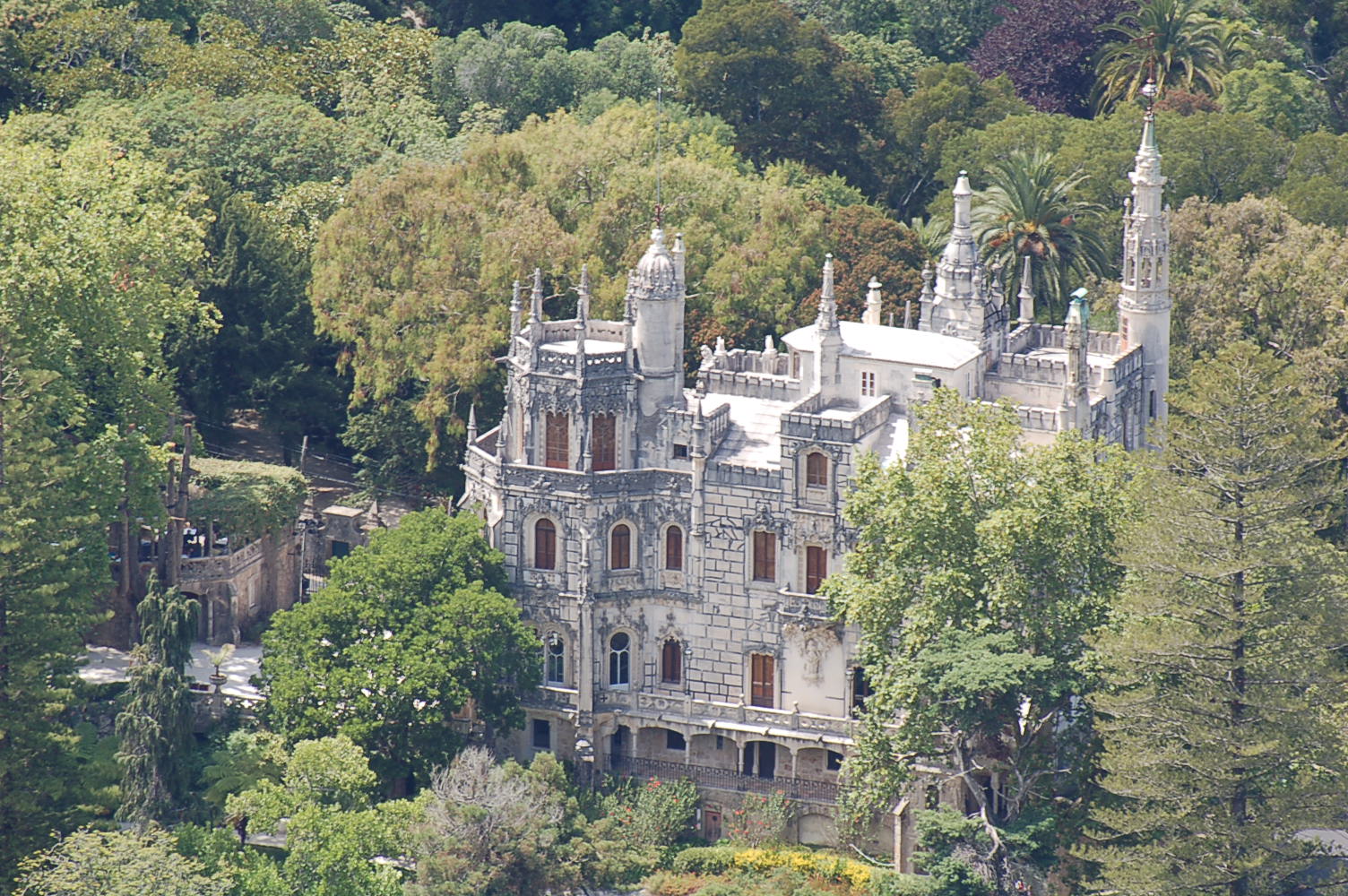
Quinta da Regaleira

Quinta da Regaleira

Our next stop is Quinta da Regaleira. Its palace was built between 1904 and 1910 by António Monteiro, a Portuguese businessman born in Brazil and nicknamed as Monteiro dos Milhões, “Monteiro the Millionaire.” Fascinated by alchemy, Freemasonry, the Knights Templar, Rosicrucianism, and symbolism, Monteiro designed the estate to reflect these esoteric interests.

The gardens unfold as a symbolic journey through caves, towers, lakes, hidden tunnels, and secret doors. The Initiation Well is an inverted tower with a spiral staircase descending deep into the earth. Its nine landings are often interpreted as alluding to the nine circles of Hell, the nine levels of Purgatory, and the nine heavens described in Dante’s Divine Comedy.

Capuchos Convent

It is now time to move from extravagance to austerity. The Convento dos Capuchos, founded in 1560, belonged to the Capuchin branch of the Franciscans, one of the most austere religious orders in early modern Europe. The monks lived within a small stone complex, sleeping on bare boards in tiny cells lined with cork for insulation. It is said that King Dom Sebastião, deeply religious, occasionally left the opulent court to seek spiritual counsel and reflection at this spartan convent.

Not all convents practiced such austerity. Many became famous for their sweets. According to local tradition, Friar João da Anunciação created a recipe for queijadas at the Penha Longa convent in the thirteenth century. These small tartlets have a crisp shell made from flour, lard, water, and salt. The filling combines requeijão (a ricotta-style cheese) and egg yolks with two ingredients that became plentiful in the fifteenth century: sugar and cinnamon.

Sintra residents take their queijadas seriously. An association certifies producers who follow the traditional recipe. You can taste them at Casa do Preto, Pastelaria Gregório, or Piriquita—each slightly different, yet equally delightful. At Piriquita, you will also find another local specialty: the famous travesseiros, pillow-shaped pastries filled with almond and egg cream.
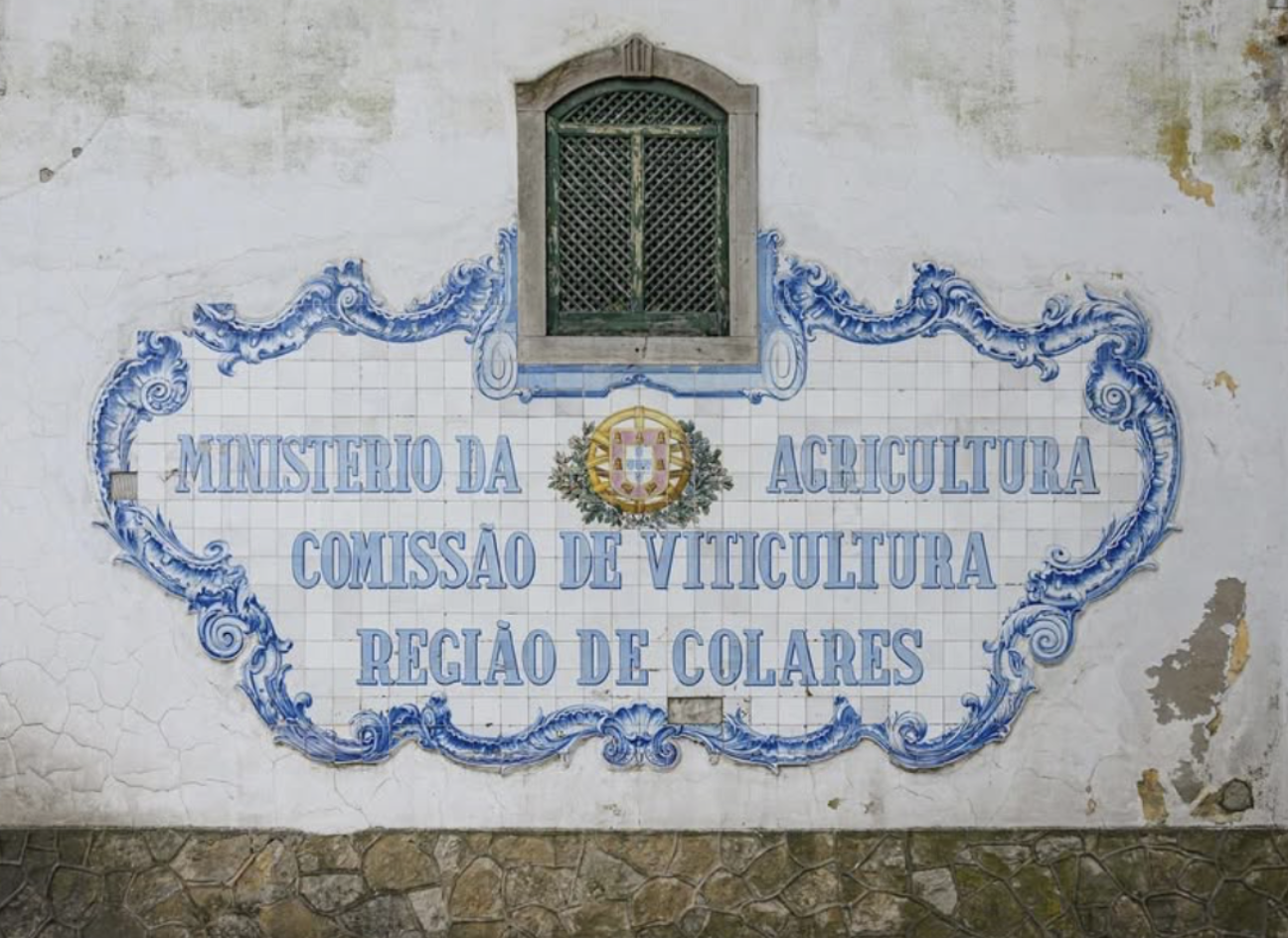
Colares

From the forests of Sintra, the land descends toward the Atlantic vineyards of Colares, a small but historically important wine region. In the second half of the nineteenth century, phylloxera devastated European vineyards by attacking vine roots. Most regions survived only by grafting European vines onto resistant American rootstocks. Colares is a rare exception: planted in deep sandy soils where phylloxera cannot reach, its vines remain ungrafted to this day.

Colares wines, made from the white Malvasia and the red Ramisco, are renowned for their exceptional longevity. The Adega Regional de Colares cooperative and Viúva Gomes are both worth visiting for a tasting of their distinctive wines.

The quaintest way to reach Colares is aboard the historic tram that has connected Sintra to the nearby beach of Praia das Maçãs since 1905. The ride is slow and charmingly uncomfortable, but memorable.
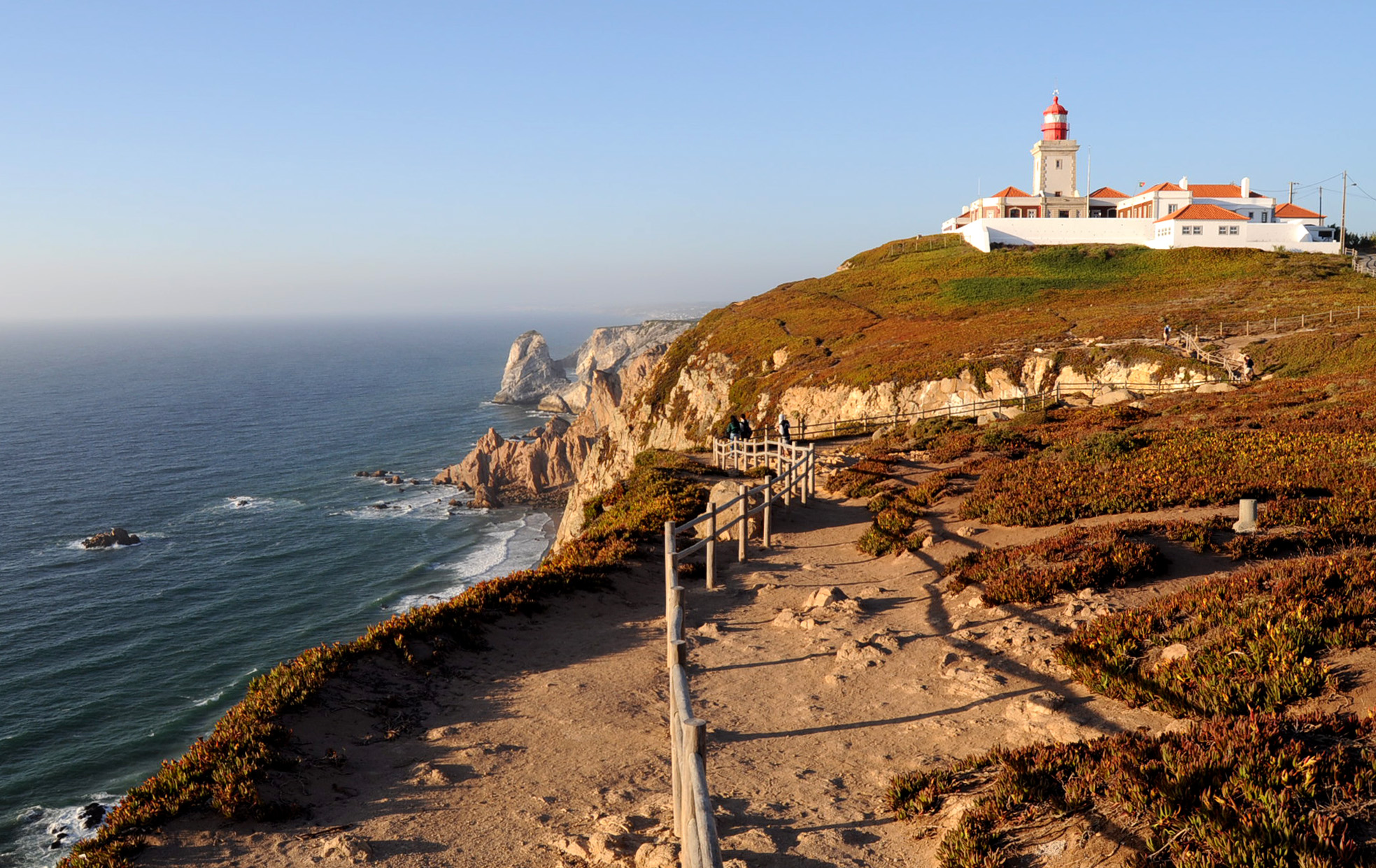
Cabo da Roca

Cabo da Roca

Another remarkable place to visit is Cabo da Roca, long regarded as the edge of the world. In the first century the Greek geographer Strabo described this coast as the western limit of the inhabited world. Centuries later, the poet Luís Vaz de Camões immortalized it as the place “where the land ends and the sea begins.”
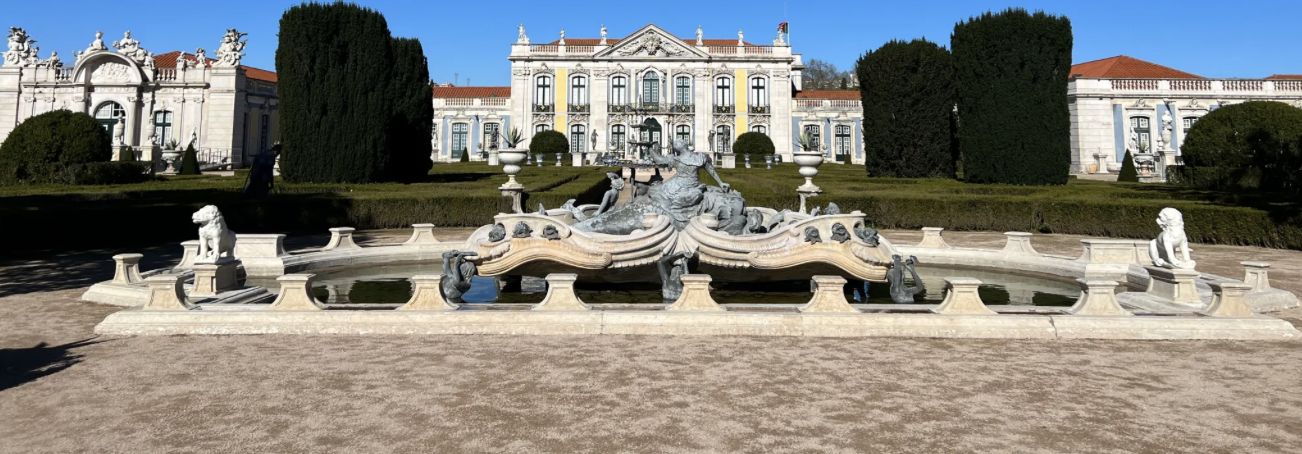
The Queluz Palace

Queluz

On the way back to Lisbon, consider stopping at Queluz, home to the vibrant Queluz National Palace, an elegant Rococo summer residence built in the mid-eighteenth century for Peter III, husband of Queen Maria I.

Just across from the palace, you can stay at the Pousada Palácio de Queluz, a charming historic hotel.

A Final Thought

You need three or four days to see all that the Sintra region has to offer. If you only have one day, resist the urge to rush from site to site.

Visiting Sintra is stepping back to an era when life unfolded slowly. More than any monument, it is the feeling the place evokes—the sense of living in a different time—that makes Sintra unforgettable.

The bean pastries of Torres Vedras

Portugal is a land of culinary miracles, where humble ingredients are transformed into transcendental food. Before the dissolution of the religious orders in 1834, many of these wonders came from convent kitchens. But miracles also come from the hands of lay cooks.

One such culinary prodigy is the Pastel de Feijão, a pastry made with white beans in the town of Torres Vedras, just 30 minutes north of Lisbon. The city is celebrated both for its heroic stand against the French during the Napoleonic wars and for its bean pastries.

The first written mention of these pastries is in the catalogue of the Portuguese Ethnography Exhibition published in 1896. Local tradition credits Joaquina Rodrigues, a home cook, with creating the recipe at the end of the 19th century. By the early 20th century, growing demand led to the opening of the first pastry workshops in Torres Vedras. 

Each pastel cradles within its paper-thin, crispy shell a golden cream of almond, flour, sugar, egg yolks, and white beans. Today, the most acclaimed are the Pastéis de Feijão from Serra da Vila. First sold in a modest hillside café in the 1990s, the pastries gained such renown that production had to expand to meet the ever-growing stream of admirers.

If you have a sweet tooth and find yourself traveling north of Lisbon, be sure to stop in Serra da Vila. It is your chance to savor a miraculous creation.

The Serra da Vila pastry store is located at Rua Miguel Jerónimo Nº19A, Serra da Vila, tel. 261 321 552.

Chocapalha’s fascinating wines

Some of our favorite wines come from an estate near Lisbon called Chocapalha. It has a privileged location. The Montejunto mountain protects the land from cold winds and the Atlantic breeze lends the wines an enticing freshness and acidity. The farm, which is known for its wines since the 16th century, has a hilly terrain with different sun exposures and soils rich in clay and limestone.

Chocapalha belonged since the 19th century to the family of Diogo Duff, a Scottish noble who came help the Duke of Wellington fight the Napoleonic troups. Paulo Tavares da Silva, a retired Portuguese Navy officer, and his Swiss wife Alice bought the estate from the Duff family in 1987. 

The journey to the glorious wines produced today was long and arduous. There was a modern winery to build, laborers to hire, new vineyards to plant, sustainable practices to implement, and many other tasks. When we first met Paulo, he told us that a visiting producer tried to discourage him by quoting a French aphorism: “wine is an easy business; only the first 200 years are hard.” But he and Alice were not deterred. They were driven by a passion for the land and a desire to create a legacy for future generations. For this reason, they paid from the start close attention to environmental issues. They want to see that the soil is alive, the vineyards are healthy, and the birds and animals are thriving. 

The family worked so hard that success came much sooner than anticipated. Alice and Paulo enlisted two of their daughters, Sandra and Andrea, to work at Chocapalha. Sandra, a renowned enologist, took time from Wine & Soul, the project she has in the Douro valley with her husband, to oversee the planting of the vineyards and the making of the wines. Andrea left a lucrative career in finance to manage the estate. Paulo works tirelessly in the vineyards. Alice graciously receives the many guests that visit the farm. 

The wines speak for themselves: they are pure and refined, produced with minimal intervention so that each glass can take our palate to the sunny hills of Chocapalha. 

There are many wines to try. There’s a Castelão with the elegance of a Pinot Noir and a Viosinho with the charm of a Chardonnay. Vinha Mãe has rich tannins and great concentration; it is a perfect companion for a cold winter night. The CH white, made with Arinto from old vines, is an aristocratic wine with subtle salinity. The wine is an homage to Alice (CH is the symbol of Switzerland, her homeland). The red Guarita, named after the farm’s sentry house, is an homage to Paulo. Produced with Alicante Bouschet, it is a symphony for the palate.

When you visit Chocapalha, you can taste their wines, visit the picturesque vineyards, and get to know a family passionate about creating some of the world’s most fascinating wines.

Chocapalha is located at Aldeia Galega da Merceana, 50 km from Lisbon. You can schedule a wine tasting by emailing chocapalha@chocapalha.com. Click here for their website.

The Correio-mor palace

We visited the Correio-mor palace in Loures on a sunny winter morning. The building was the country house of the family that, for two centuries, had a monopoly on mail distribution in the Portuguese empire. When the 1755 earthquake destroyed their Lisbon home, the family relocated to Loures and made this palace their permanent residence.

The ornate gates opened with ease as if they were expecting us. We stepped into a spacious courtyard that overlooks the Baroque building. Our first stop was the kitchen. White and blue tiles reflect the bright light that pours through the windows. The tiles depict the delicacies served at the palace: fish, game, vegetables, and fruits. A lonely marble table sits in the middle of the room, longing for the days when armies of cooks crowded around it to prepare sumptuous banquets. Across from the kitchen, we see vast wine cellars that once stored the fruits of many harvests.

An elegant staircase takes us to the noble floor. The limestone steps show the gentle wear that only shoes made of silk and soft leather can produce. At the top of the stairs, a hallway overlooks the expansive garden. We admire the ancient pine trees that have seen all the parties and heard all the gossip. Impassive, they sway in the wind, revealing nothing.

It is easy to get lost inside the palace. There are many elegant rooms with lavishly decorated ceilings and walls covered with tiles depicting naval scenes, hunting expeditions, and garden parties. 

At the Correio-mor palace we do not feel the stress of the modern world, only the gilded ease of aristocratic life. 

You can rent the Correio-mor palace for movies, weddings, and other special events. Click here for the palace’s website.

The chalet of the Countess of Edla

We stood outside the charming house hesitating. Should we go in? What gives us the right to see this royal love nest? But it was a cold, windy morning. With this feeble excuse, we stepped inside the cozy chalet where king Ferdinand II lived with his second wife, the opera singer Elise Hensler.

The king’s first wife was queen Dona Maria II. When they married, he was a dashing young man with an impressive mustache and a regal name: prince Ferdinand Georg August of Saxe-Coburg and Gotha. The couple enjoyed a blissful marriage. Together, they had 11 children.

Ferdinand avoided interfering in state affairs, devoting his time to various artistic interests. His most important project was planning and building the fairy-tale Pena Palace and turning the barren surroundings into the lush landscape we enjoy today. When the queen died of childbirth in 1853, Ferdinand was devastated. He was offered the throne of Spain but preferred to stay in Portugal, living in peace in his beloved Pena Palace.

A night out at the opera in 1860 changed his life. The king saw Elise Hensler on stage at the São Carlos Opera in Lisbon and fell in love. They started a passionate love affair that culminated with their marriage in 1869. Elise received the title of the Countess of Edla.

The prince and the countess built this lovely chalet on the grounds of the Pena palace. Inspired by alpine architecture, it is meticulously decorated with references to nature. Cork is used as both insulation and decoration. The exterior walls are painted to simulate wood.

The Pena and National Sintra palaces project power and wealth. At the chalet everything is intimate and private, the power of the state surrendered to the power of love.

Click here to book a visit to the chalet of the Countess of Edla.

The incomparable wines from Colares

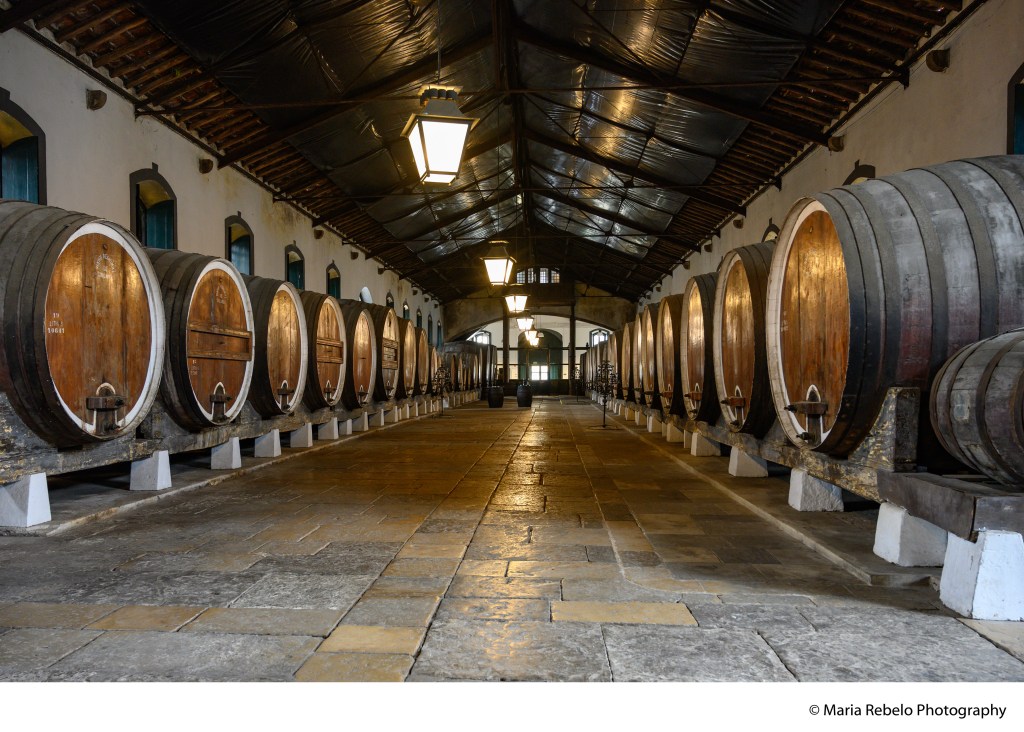
One of the coolest places you can find during the Portuguese Summer is the cellar of the wine cooperative of Colares, a bucolic town near Sintra. It is a place where large barrels fashioned out of exotic woods from Brazil rest, protected by thick walls that keep the temperature cool.  

The wines these barrels store are cool in attitude. They come from a unique “terroir” near the ocean where two varietals, Malvasia and Ramisco, grow on sandy soils. The roots of the vines have to stretch deep into the sand to find the moisture necessary to stay alive. 

All this toil paid off in the 19th century when phylloxera decimated European vines. Protected by sand, the vines of Colares escaped the bug’s voracity. 

These hard-working vines produce wines with exuberant tannins that need to be tamed. The reds age in barrels for almost a decade before bottling. Once bottled, both reds and whites continue to age beautifully, enjoying remarkable longevity.

Francisco Fezas, the resident enologist, told us that Adega Regional de Colares is the oldest wine cooperative in Portugal. The local wine makers got together in 1931 to buy the 19th-century cellar owned by a famous wine merchant, José Maria da Fonseca. In 1938, the government gave the cooperative the monopoly of production in order to guarantee the quality of the wine produced in Colares. The cooperative sold the wine to different distributors who bottled it under brands like Chitas, Adega Beira Mar and Viúva Gomes

In the 1960s, Colares had more than one million hectares of vines that produced more than one million liters of wine. Then, the vines were attacked by a foe more formidable than the phylloxera: urban sprawl. Many farmers succumbed to the temptation of selling their land to property developers who wanted to build houses near the ocean. As a result, the cultivation area dwindled to a paltry 23 hectares which produces a mere 18 thousand bottles, making Colares one of the world’s rarest historical wines. 

Francisco’s first harvest in Colares was in 1999, at a time when the cooperative was struggling financially and the future looked dim. Since then, there has been a remarkable renewal that preserves the future of the incomparable wines from Colares.

Adega Regional de Colares is located at Alameda Coronel Linhares de Lima, nº 32 in Colares, tel. 219 291 210, email geral@arcolares.com.. Click here for the adega’s website.

The resplendent tranquility of the Mafra library

OLYMPUS DIGITAL CAMERA

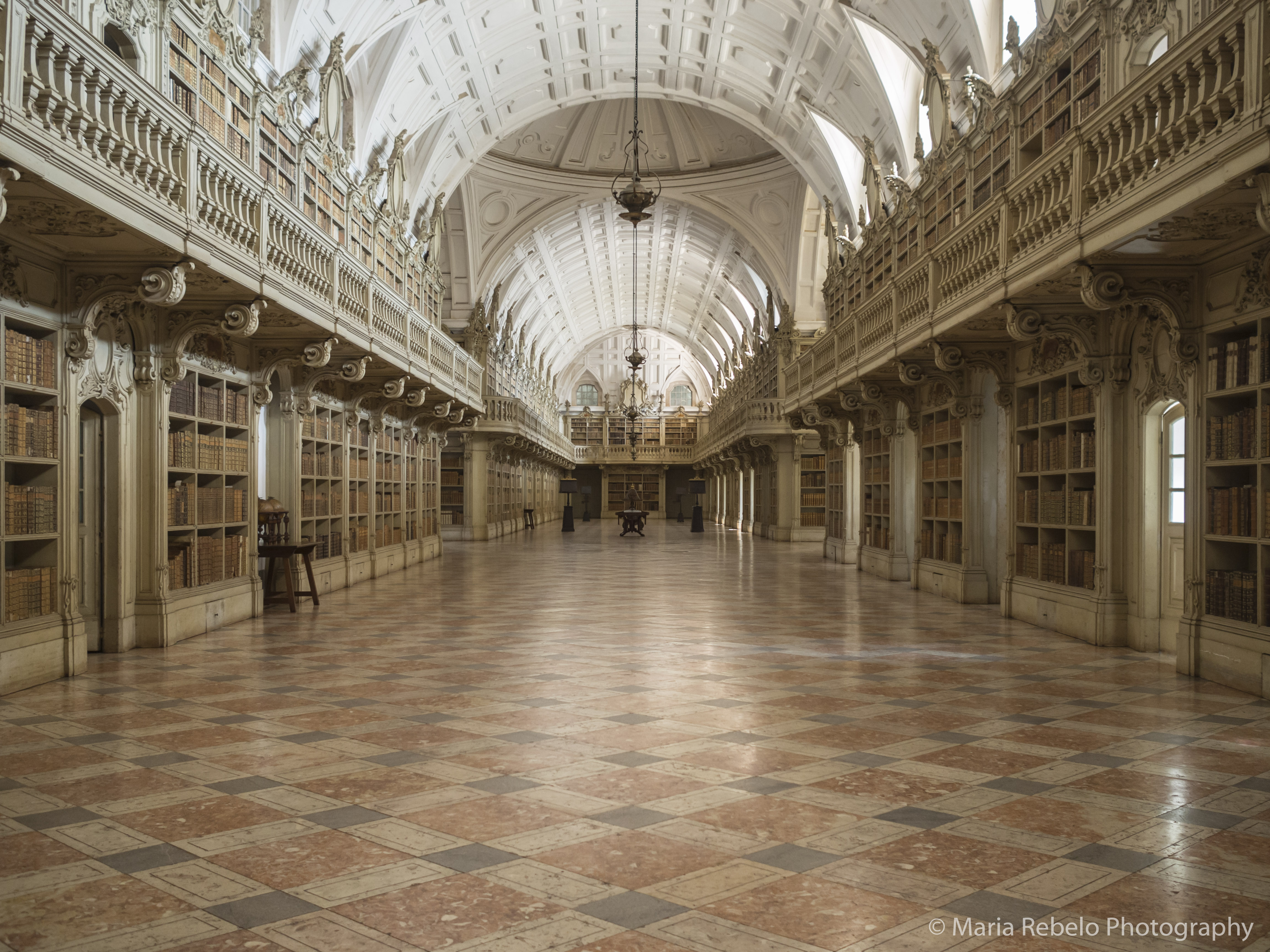
Standing at the entrance of the library of the Mafra palace, it is easy to believe that the world is orderly. In the pristine silence of this space designed by architect Manuel Caetano de Sousa, we have everything we need to understand the world of the 18th century. There are science and mathematics books in the shelves near the entrance, so we can learn the laws of the physical world. Further ahead, there are bookshelves with travel diaries that tell us about lands near and far. Dictionaries and grammars teach us the rhythms and intonations of foreign languages. If we use them to master Greek and Latin, we can enjoy the classics of antiquity, tales of love and war, stories about gods and humans. Walking the 88 meters of marble floors that take us to the end of the library, we reach the shelfs devoted to the mysteries of the soul.

The palace of Mafra and its library were built with the riches from Brazil. But the money ran out and the gold decorations that had been planned for the library were never executed. It is just as well, because the white Nordic-pine shelves give this library an elegant simplicity that looks modern.

It was here that José Saramago, a Nobel laureate, found inspiration for his famous novel about the construction of the Mafra Palace as seen through the eyes of two young lovers, Baltasar and Blimunda.

If you’re traveling in Portugal, don’t miss the chance to experience the resplendent tranquility of the Mafra library. And don’t forget to take a notebook, in case the muses that inspired Saramago whisper in your ear.

Stone soup at Quinta do Arneiro

Quinta do Arneiro Composit (cropped)

Once upon a time, there was a poor friar was too shy to ask for food. Famished, he knocked on the door of a farm house and solicited a pot and some water to cook a stone soup. The farmer and his wife were intrigued by this request. The friar took a stone from his bag, placed it in the pot and put the pot on the fireplace.

“How is the soup?” the farmer asked. “Delicious,” answered the friar “and when you put some lard, it tastes even better.” The farmer gave the friar a piece of lard. The friar tasted the boiling broth and said “this stone makes an excellent soup, especially when it is seasoned with a little salt.” The farmer’s wife promptly offered the friar some salt. The farmer commented that it was starting to smell good. “If I added some leftover beans, cabbage, and potatoes, the aroma would be divine.” Curious, the farmer gave the friar the vegetables he mentioned. “Is it ready?” the farmer ’s wife asked. “Almost done, if we added some slices of sausage, even the angels would eat it.” The farmer’s wife gave the friar a sausage. He sliced it into the broth and a few minutes later declared the soup ready. He shared it with his hosts who agreed that the stone had produced a remarkable  soup.

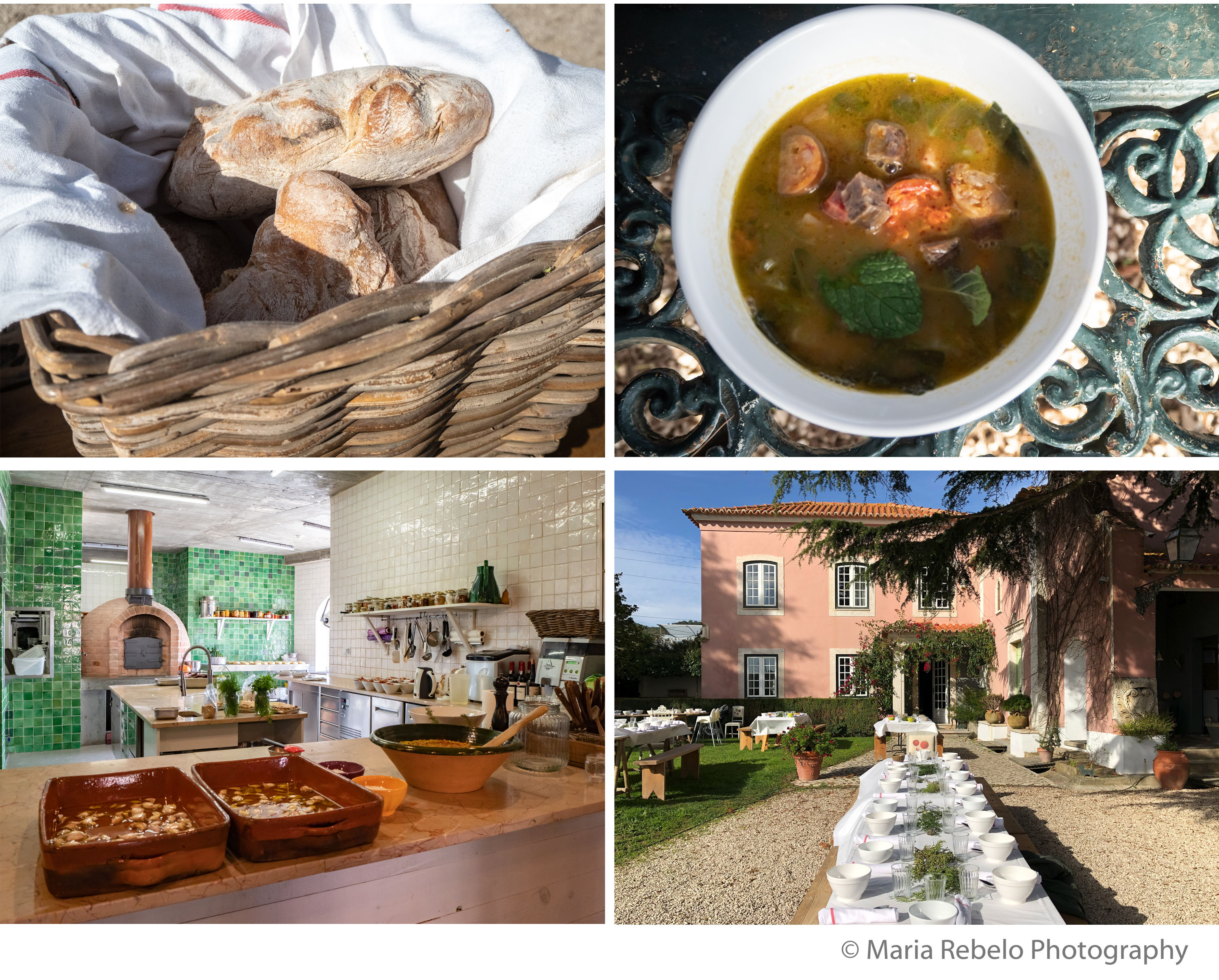
Every year on December 8, Quinta do Arneiro, a biological farm near Lisbon, uses its pristine vegetables and sausages to cook a monumental stone soup. The meal starts with hot country bread baked in a wood-fired oven accompanied by plates of freshly made hummus, olive oil and garlic. Then, the hearty soup is served with mulled wine. A delicious dessert composed of oranges, pomegranate, pumpkin jam, and roasted sweet potatoes brings the meal to a satisfying end.

Luisa Almeida, the owner of Quinta do Arneiro inherited the farm from her father. When Luisa was a teenager, she wanted nothing to do with agriculture, But, Luisa went to live on the farm after she married and it was there that her children were born and raised. In 2007, worried about the detrimental health effects of the chemicals used in conventional agriculture, Luisa ventured into organic farming. “It is arduous work but every day we treat nature with the respect it deserves,” she says proudly. The quinta delivers regular baskets of organic produce to lucky subscribers and opens its restaurant  for lunch from Wednesday to Sunday. A meal at the restaurant is a unique opportunity to eat nutritious, delicious seasonal products, freshly picked and cooked with love.

We greatly enjoyed our meal outdoors warmed by the bright sun that joined the feast. And the soup?  Even the angels would eat it!

Quinta do Arneiro is located in Azueira, Mafra. Click here for the farm’s website. To have lunch at the restaurant, email restaurantedaquinta@quintadoarneiro.com  or call 918740906 for reservations.

A glass of Jampal wine?

OLYMPUS DIGITAL CAMERA

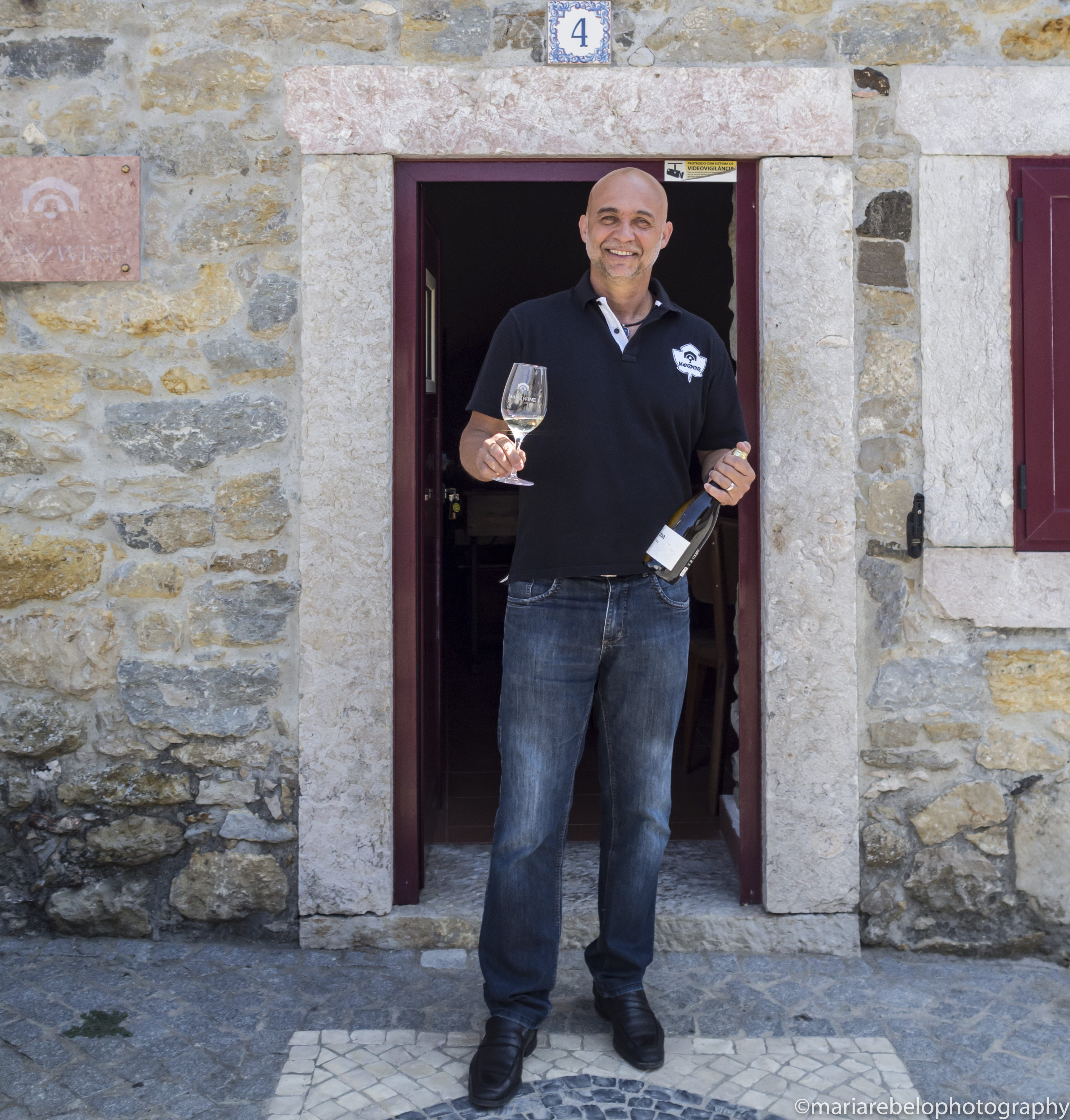
André Manz, a Brazilian soccer player turned entrepreneur, was searching for a place to build offices on the outskirts of Lisbon. He liked a small village near Mafra called Cheleiros. There, he bought the Orchard of the Holy Spirit (Pomar do Espírito Santo), named for its proximity to the Holy Spirit chapel. His wife Margarida fell in love with the orchard and convinced André to use it to build their home and locate the offices elsewhere.

When they moved to Cheleiros, an elderly lady called Dona Celeste told André that in the old days everybody in the village made their own wine. There were 43 wine presses in a village with only 800 people. André said that it would be cool to produce wine and Dona Celeste seized the opportunity to sell him her abandoned vineyard.

When enologists came to study the old vines, they concluded that the red grapes were “castelão” but they couldn’t identify the white grapes. André told Dona Celeste about their difficulties and she replied “Young people don’t know anything! Those grapes are jampal.” This is a grape varietal that was considered extinct. It produces small grapes so, in years gone by when quantity trumped quality, farmers replaced it with higher-yielding varietals. The wine institute sent technicians to certify that the grapes are indeed jampal and André became the world’s sole producer of jampal wine.

In the first few years, André bottled the wine in plain bottles. He gave a few to his friends and consumed the rest in his household. On the occasion of an important lunch, André decided to put some labels on the wine. He called it Dona Fátima, the name of his mother in law. When the bottles arrived at the table, Dona Fátima was delighted. “Why did you name the wine after me?” she asked André with curiosity. “Because of its acidity,” quipped André.

When Julia Harding and Jancis Robinson were working on their book, The World of Grapes, they contacted André to see if they could get a bottle of jampal wine. They liked it so much that they included it in their selection of the 50 best Portuguese wines.

Since then, it has become very hard to buy one of the 6,000 bottles of Dona Fátima produced every year.  If you see one in a wine store make sure you get it. If not, drive to the village of Cheleiros, to try one of the world’s most unique wines.

Click here for Manzwine’s web site.


A widow from Colares and her extraordinary wines

Viuva Gomes Composit

About 25 years ago, we hosted a friend who’s a great wine connoisseur for a couple of weeks in Lisbon. He tried Portuguese wines from different regions and always had something nice to say. But we noticed that his enthusiasm for these wines paled in comparison to his passion for the French wines that filled his cellar.

Towards the end of his stay, we had dinner at a small restaurant that had a rare wine on its list. “This wine is amazing!” exclaimed our friend after taking a sip. “How many more bottles do you have?,” he asked the waiter. “Two,” the waiter replied. “That is perfect. I am spending two more nights in Lisbon. Can we make dinner reservations for both nights and also reserve the two bottles?”

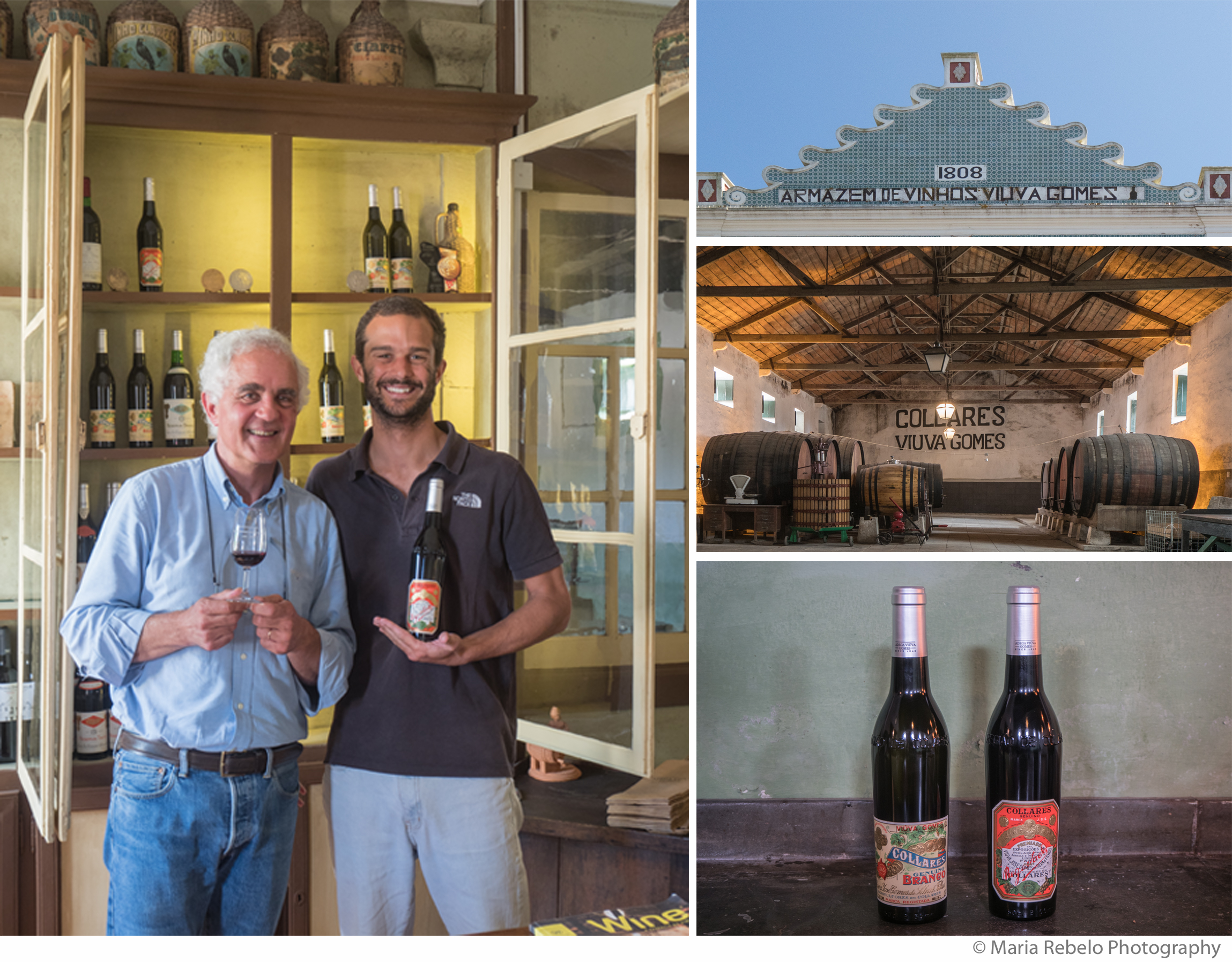
The wine that so impressed our oenophile friend was a 1969 Viúva Gomes. Its origin goes back to 1808, the year when José Gomes da Silva built a cellar in the village of Almoçageme to produce wines in Colares, near Sintra.

The tiny Colares region is home to two unique grape varietals: the white Malvasia and the red Ramisco. These grapes survived the onset of phylloxera in the 19th century because they are planted on clay soils covered with sand that protected the roots from the deadly bug.

After Gomes da Silva died, his widow and sons continued to produce wine which they sold under the label Viúva Gomes (viúva is the Portuguese word for widow). Their company was sold in 1920 and resold in 1931. By 1988, it was once again up for sale. It was then that José Baeta seized the opportunity to buy the vineyards, the cellar and a treasure trove of vintages going back to beginning of the 20th century.

We knocked on the door of the 1808 cellar and soon José Baeta came to greet us. Visiting this building full of old bottles and ancient wine barrels made from precious woods is a voyage into the 19th century.

José spoke with great passion about the unique character of the Viúva Gomes wines. We sampled a wonderful 2016 white Malvasia that is exuberant, with hints of salt from the Atlantic Ocean. We then tried a red Ramisco from 2009. It is an alluring, intense wine with notes of dried cherries. While most wines pale in the presence of food with bold flavors, the Viúva Gomes Ramisco holds its own and helps the meal sparkle.

Only 2,000 bottles of white and 4,000 bottles of red are produced every year. “I always run out of wine to sell before the year ends,” says José Baeta. With the help of his son Diogo, José is trying to expand his production, finding the right soils to plant more vines.

Drinking a bottle of Viúva Gomes is an extraordinary experience. These are nectars  made from the rarest vines, caressed by the Atlantic winds and guarded by millions of grains of sands.

The cellar of Viúva Gomes is located at Largo Comendador Gomes da Silva, 2 Almoçageme, Colares, tel. 219 290 903 and 967 248 345, email  info@adegaviuvagomes.com . Click here for the Viúva Gomes website.