The light of Lisbon


Almost fifty years ago, when Jackie was young, she traveled from England to Sweden. There, she met a young Portuguese called José Catarino. She liked his handsome looks and calm demeanor.  Jackie returned to England and José to Portugal. And that was supposed to be the end of the story.

But Jackie could not forget José. So, she looked for a job in Lisbon. She found one, as an English tutor to the children of a wealthy Portuguese family. As her flight landed in Lisbon, she marveled at the warm light that made the rooftops look pink. She promised silently that, if she could, she would stay in this enchanted city. It took her some time to find José. But, once she found him, she never let him go.

Jackie Catarino became a painter. Her canvases burst with bold shapes of contrasting colors. And, under the edges, where the shapes meet, lies the shimmering light that she first saw on the rooftops of Lisbon.

Beer and seafood in Lisbon

OLYMPUS DIGITAL CAMERA
When Portuguese chefs are not working, they like to gather at Cervejaria Ramiro to enjoy some beer and seafood.

The restaurant is located in an unglamorous part of Lisbon and looks like an ordinary place. What makes it unique is its extraordinary seafood.

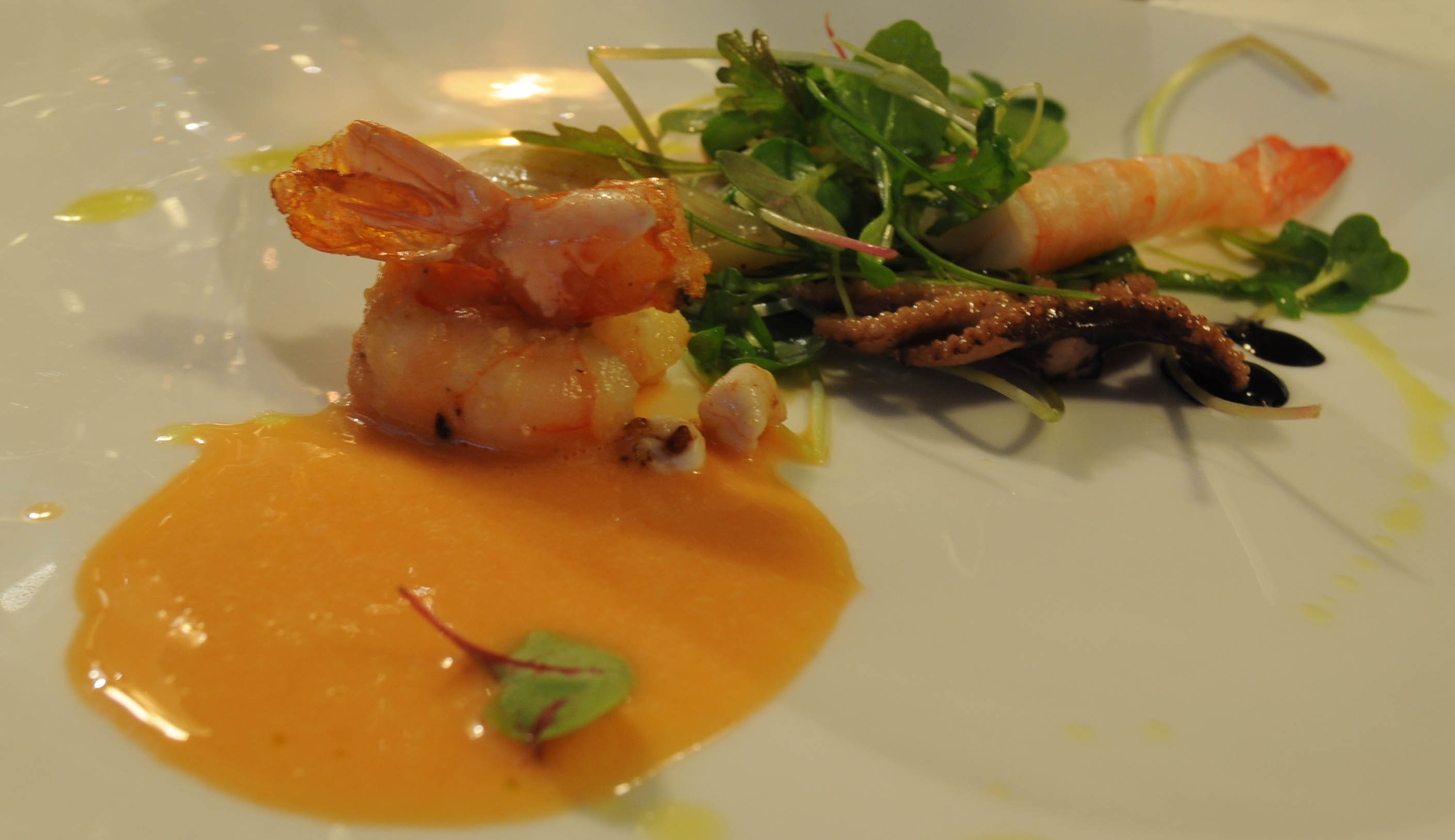
Ramiro does not serve farmed shrimp that arrives, tired and frozen, from far away lands. Instead, they offer you precious fresh shrimp from the Algarve. They prepare exquisite “carabineiros,” large shrimps once abundant in Spain but now available only in Portugal. They cook tender clams, a wonderful crab called “santola,” and salty percebes brought warm to the table.

Even though Ramiro is in business since 1956, it is excluded from tourist guides for national security reasons. If the Spaniards learned about Ramiro’s seafood, they might invade Portugal.

Av. Almirante Reis, nº1 – H, 1150-007 Lisboa, tel. 21 885 10 24, email geral@cervejariaramiro.pt, click here for website.

Reinventing Portuguese cuisine

You need to study before eating at Pedro Lemos’ wonderful restaurant in Oporto. You have to learn the taste of roasted suckling pig, the smell of codfish and chickpeas, the texture of veal from Miranda, the saltiness of sardines, the sweetness of rocha pears. Only then will you understand that Lemos is reinventing these traditional Portuguese flavors with imagination and soul.

Pedro Lemos, Rua Padre Luis Cabral, 974, Foz do Douro, Porto, Tel. 220115986, email reservas@pedrolemos.net

America discovers Portugal

Americans discovered France, Italy, and more recently,
Spain, as vacation destinations.  But Portugal has remained terra incognita. That is changing. The New York Times has written a steady stream of articles about Portugal. Most are about Lisbon; about the places to go, the culinary renaissance, the new restaurants, the new museums, the relaxed atmosphere, and the art scene. But the Times has also discovered Cascais and Évora. The Wall Street Journal tells its readers that “In Portugal you can pack seven days worth of castles, clubbing, seafood, shopping and luxury hotels into one perfectly affordable long weekend.” Now, perhaps Woody Allen will consider directing a movie about a writer who comes to Lisbon and discovers that the secret to eternal youth is a daily bath of piri-piri sauce.

Star olive oil

OLYMPUS DIGITAL CAMERA

So many people come to Portugal looking for the perfect vacation. We see them arriving at the airport, impatient sun worshipers ready to experience the country’s radiant beauty.

For some of these visitors, what starts with a few days of relaxation turns into a lifetime adventure. Detlev von Rosen, a Swedish entrepreneur, came to Portugal forty years ago and he never left. He bought farmland in the Algarve and began to learn about the soil, the water, the wind and the sun.

He first used this knowledge to cultivate flowers. Later, when he felt ready, he planted olive trees. He discovered that the olives had to be picked by hand and pressed shortly after the harvest. He searched for ways of extracting the oil that would keep it pure.

His results are extraordinary. We could tell you that his customers include Carla Bruni and the Queen of Sweden. However, this is not a gossip blog, dear reader, so we will refrain from name dropping.

Sadly, Detlev Von Rosen passed away in 2016 at age 80. But his legacy lives on in the hands of long-time collaborators who inherited his passion for producing exceptional olive oil.

The oil is sold in small bottles under the name Monterosa, a Portuguese transliteration of Von Rosen. These bottles are hard to find, but you can order them online through the company’s website. If you’re looking for a special gift for a loved one, forget Chanel No. 5 and try Monterosa No. 1.

The Mafra palace


Every morning King D. João V looked in the mirror and told his reflection: you’re magnificent!  There was only one cloud in his life: he did not have an heir to the throne. So, he promised that, if Queen D. Maria Ana got pregnant, he would build a magnificent monastery. That is, according to legend, how the Mafra Palace came to be built.

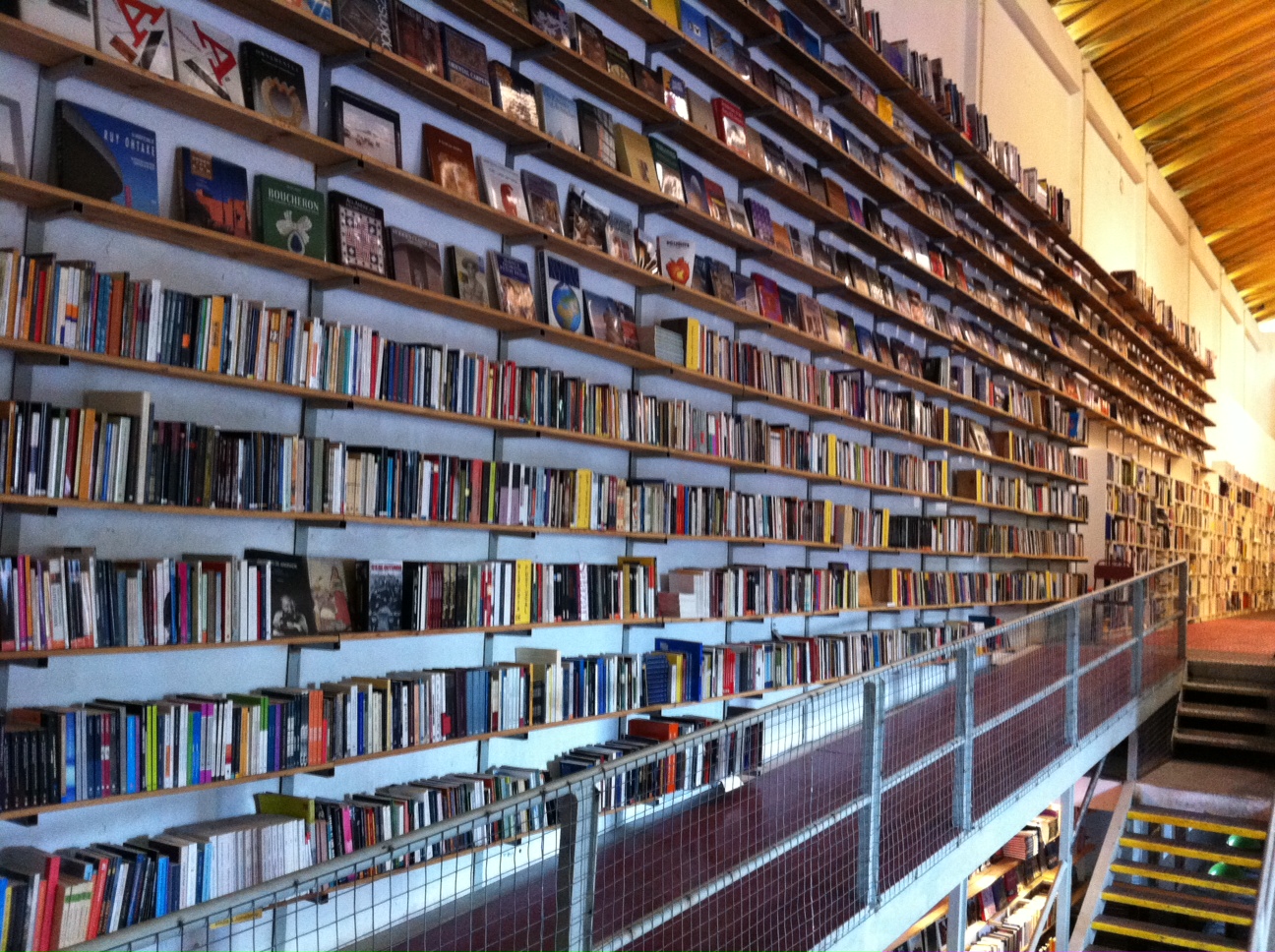
Financed with gold from Brazil, it features sumptuous accommodations for the king and queen, a magnificent Basilica with six pipe organs, and an enormous library.  This library has been preserved by a colony of bats that prey on the insects that would otherwise devour the book pages. It is well worth it to visit this 18th century palace built by a vain Portuguese king for an austere Austrian queen, guarded by Franciscan monks and their learned bats.

Ginjinha

“Ginjinha” is a liquor made from sour cherries called “ginjas.” It is produced in various locations, including Alcobaça, Bombarral, and Caldas da Rainha. But the most famous ginjinha comes from Óbidos, a region where the Romans planted cherry trees.

There are several producers, including FrutÓbidos, Oppidum (the Latin name for Óbidos), and Ibn Errik Rex (the Arab name for the first king of Portugal, D. Afonso Henriques). Each producer has its proprietary, carefully guarded, secret recipe.

You won’t be surprised, dear reader, to know that we have our own secret ginjinha recipe. Rumor has it that our ginjinha is made only from ginjas harvested during the new moon and that it uses dew collected at dawn from the petals of wild flowers. We are neither confirming nor denying.

Óbidos

Imagine that the year is 1282 and that you are king D. Dinis. What wedding present would you choose to impress your bride, Isabel of Aragon?

1) a passionate “cantiga de amor” (a medieval love poem);

2) a state-of-the art ship that can crest ocean waves without capsizing;

3) silk and jewels;

4) a medieval town.

If you guessed 4), you are correct. King Dinis offered Queen Isabel the town of Óbidos. And, while the gift might seem extravagant, Queen Isabel repaid it many times over by helping the poor and maintaining peace in the realm.

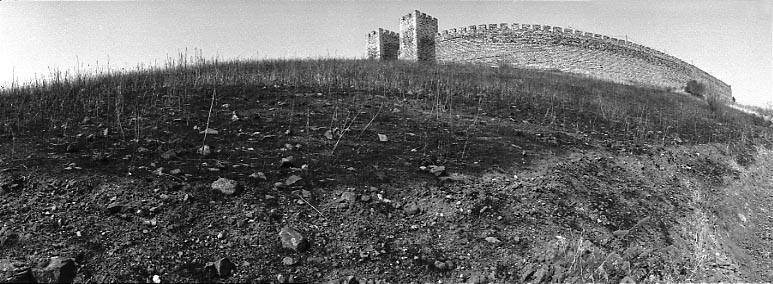
Óbidos’ beauty is unique. Inside the castle walls it is easy to imagine we are in the Middle Ages and that we might bump into the “Lidador,” the knight who helped conquer the town in 1148.

If you cannot afford giving your loved one a medieval town, you can settle for the next best thing: a visit to Óbidos.

Queijadas de Sintra


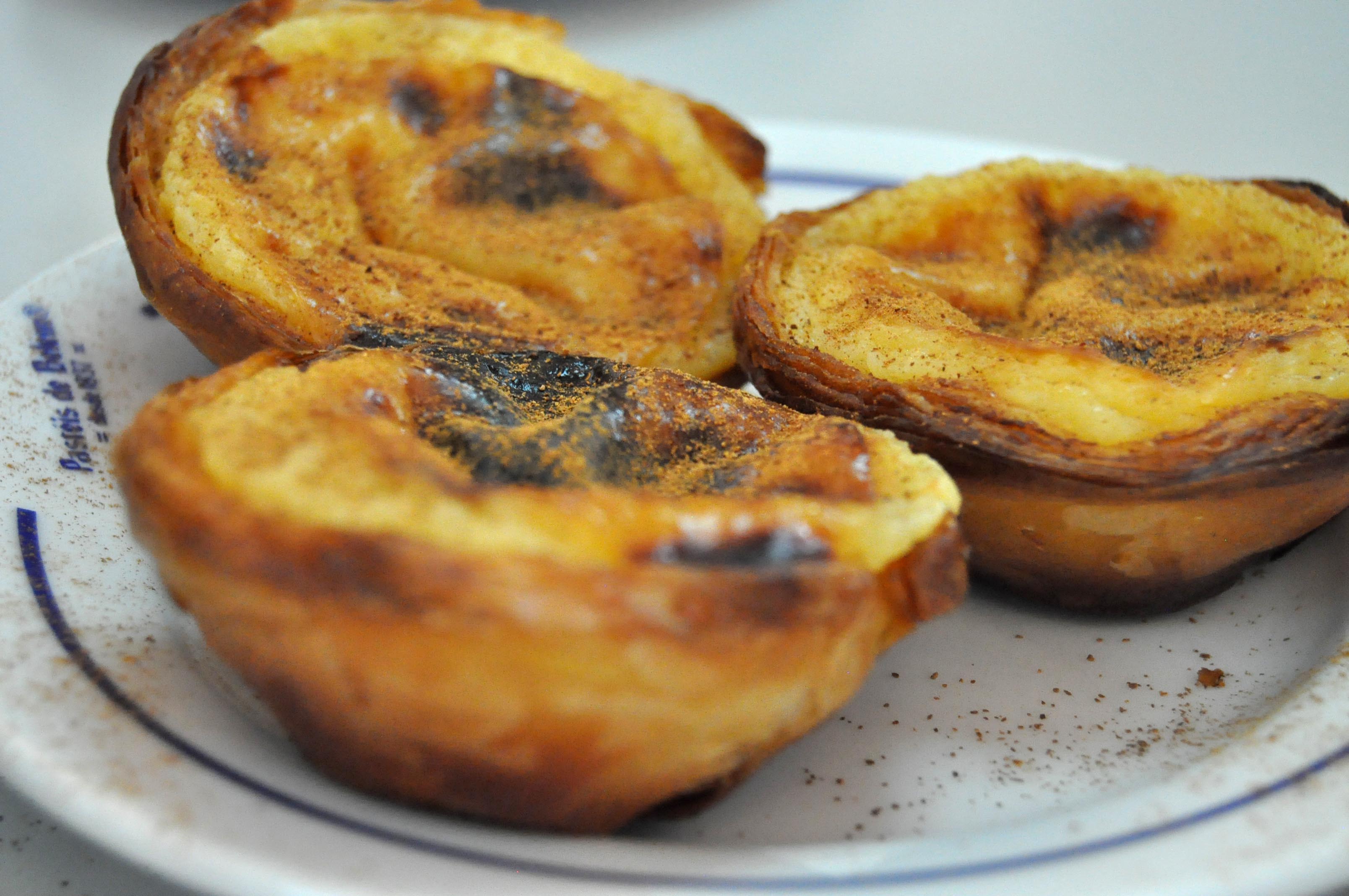
Queijadas de Sintra are cheese tarts made from fresh cow’s cheese, eggs, sugar, flour, and cinnamon. There are several producers and there is even an association that certifies whether the recipe is authentic. The ones featured here are from Casa do Preto (Estrada Chão Meninos, 44, Sintra).

Historians think that the first Sintra queijadas were produced in the Middle Ages (presumably without cinnamon). It is easy to believe that it has taken a few centuries to figure out how to make the shell so thin and the filling so moist and flavorful. And, if you try them, you will see that all this effort has paid off.