In this 10th masterclass, viticulturist António Magalhães explores the ultimate expression of the Douro Valley: Vintage Port.
António was steeped in the Tawny style of Port: his family produced it, and he began his career at Barros e Almeida, a house renowned for the finesse of its tawnies.
In 1992, he joined Taylor’s, where the emphasis was on Vintage and Late Bottled Vintage Ports. Head winemaker Bruce Guimaraens invited António to several dinners at which he poured the celebrated 1977 Vintage. António savored each sip, paying attention not only to the wine but also to Bruce’s simple, evocative way of speaking about it. These evenings conveyed an unspoken message: that only work of the highest quality in the vineyards could serve as the foundation of great Vintages.
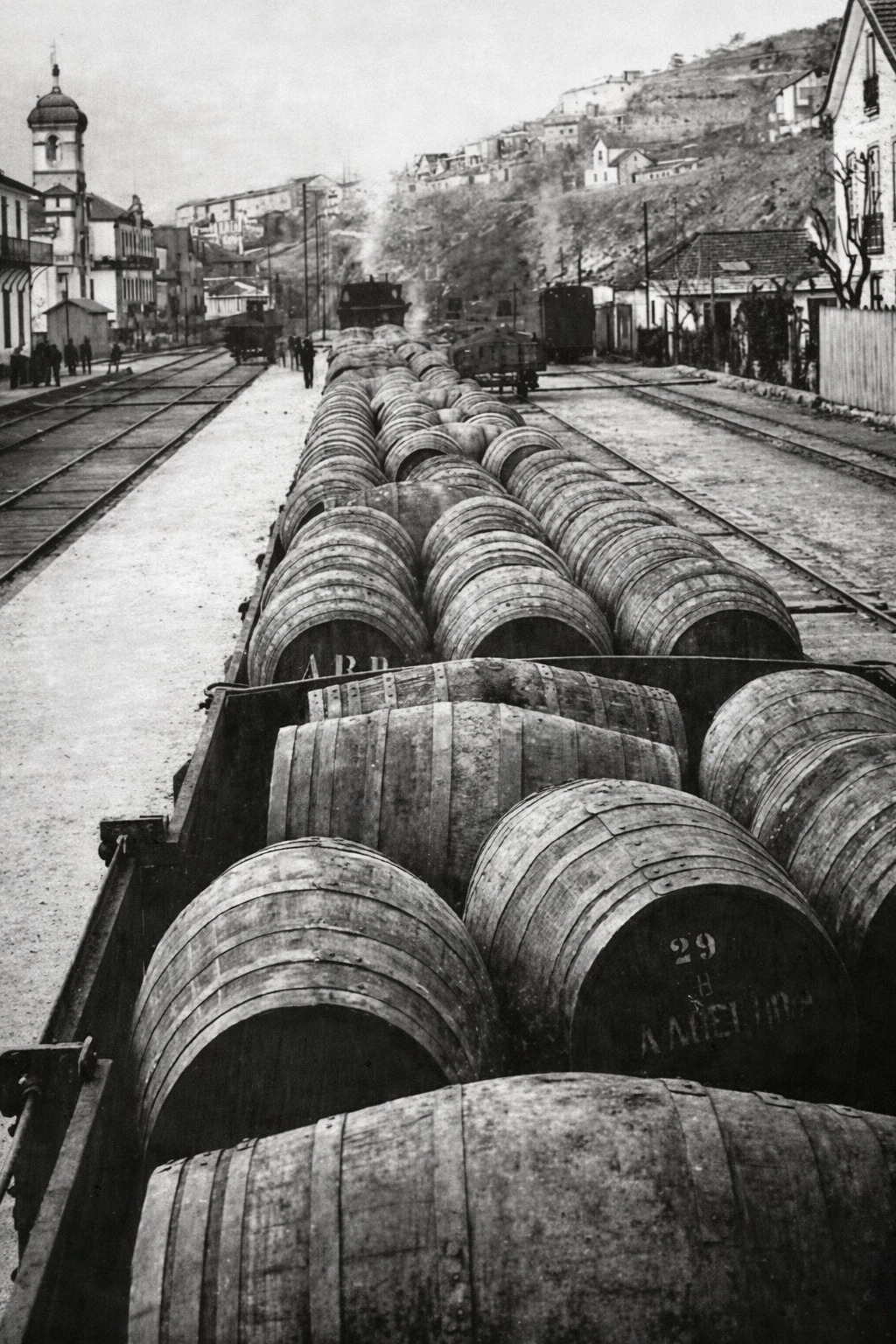
The term “Vintage Port” first came into use in the late 1700s to describe wines from outstanding years. Its rise coincided with the adoption of cylindrical glass bottles, which allowed Port wines to age for many years.
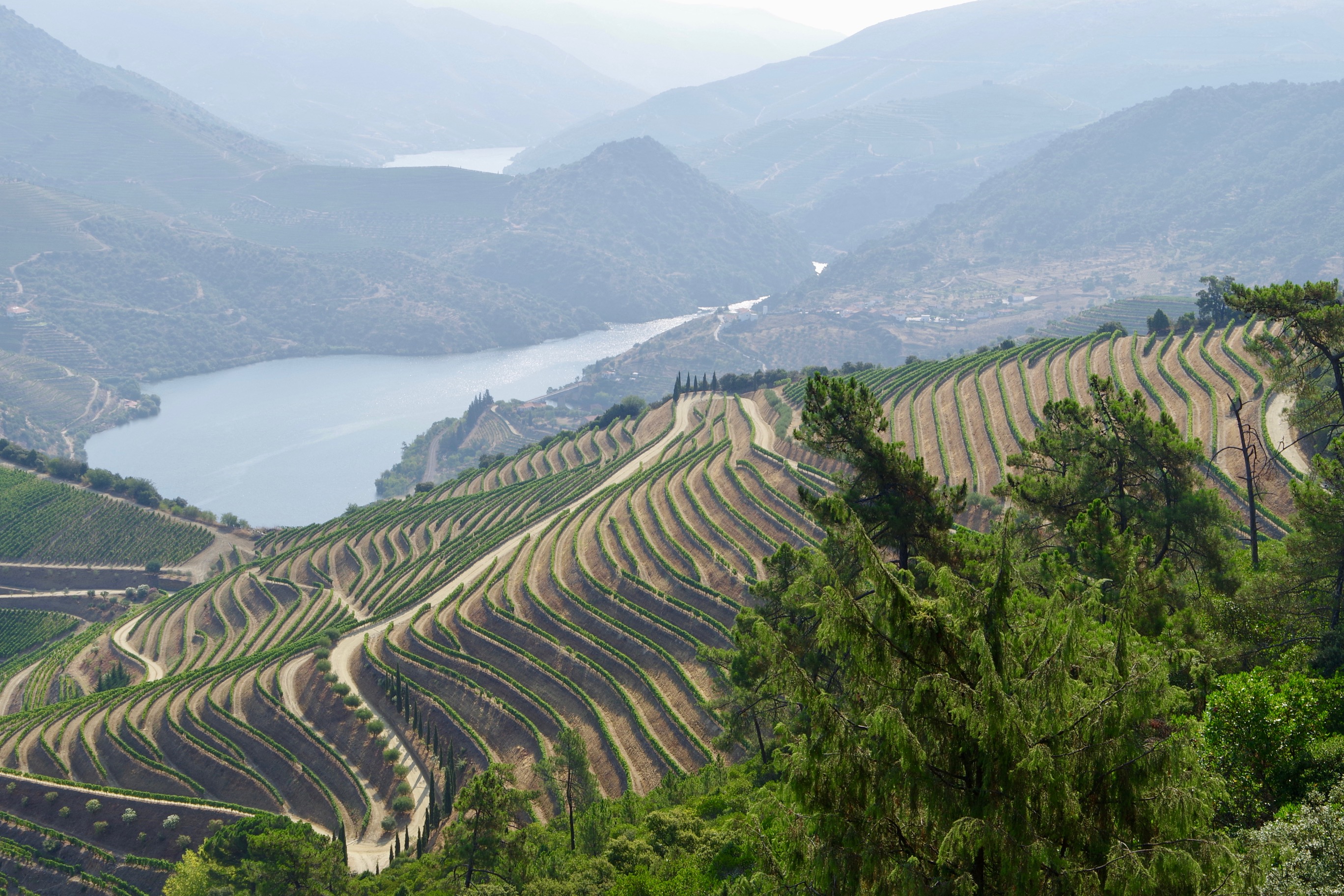
Most grapes for this style come from vineyards below the mid-slope in Cima Corgo, where the right varieties are planted in the right sites and complex field blends offer resilience against changing seasons. Fruit from the finest old vines brings consistency and depth, while the contribution of younger vines is less reliable. They are capable of brilliance, yet occasionally unruly.
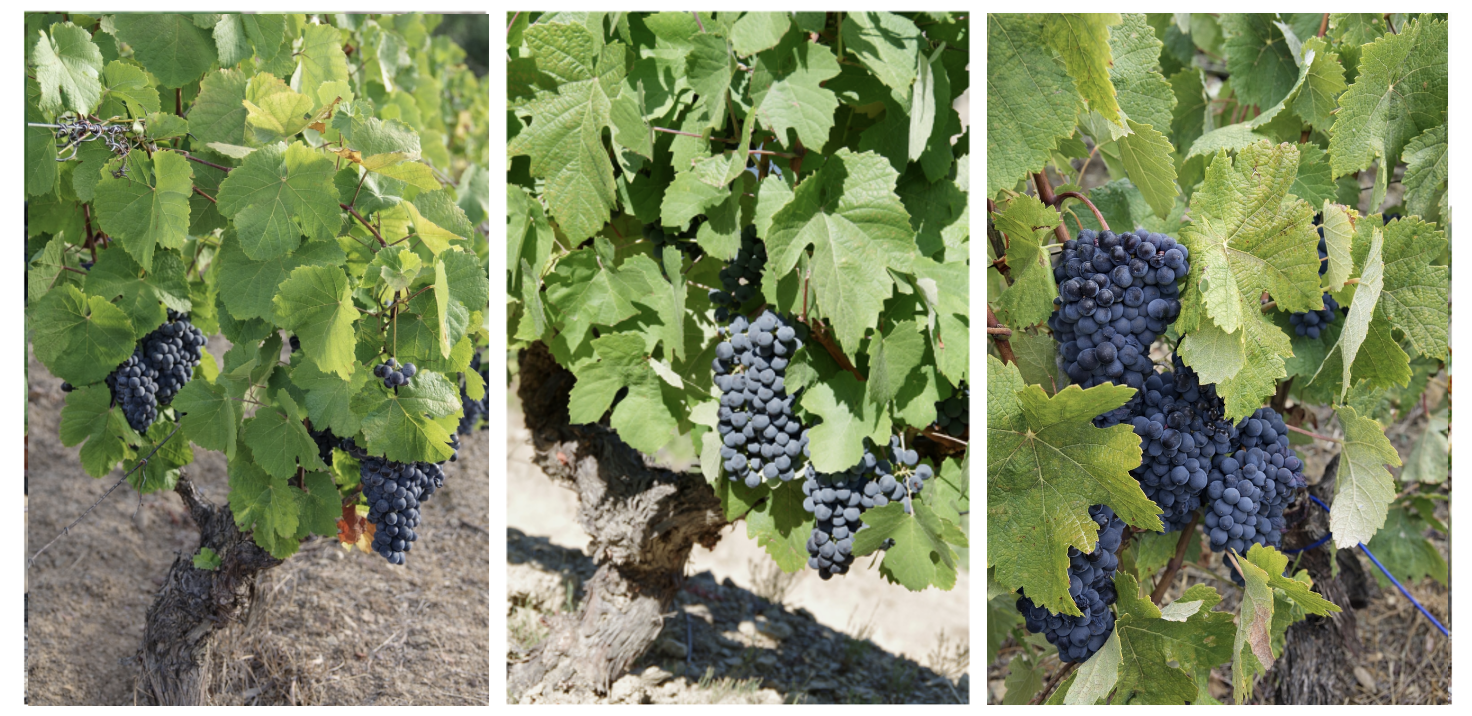
Choosing which varieties to favor each year is central to the art of making great Port. Touriga Francesa, Touriga Nacional, and Tinta Roriz form the core, complemented by Tinta Amarela, Tinta Barroca, and Tinto Cão, among others.
What distinguishes a Vintage year is not merely favorable weather, but the right weather at the right time: a winter generous with rain, filling what António calls the “water piggy bank”; a calm and even flowering; a summer that is warm yet measured; a ripening season free of excess heat or rain; and, in drier years, a gentle rain that refines the grapes just before the harvest.
Cool nights are essential, allowing the vines to rejuvenate overnight after the day’s scorching heat. These wide diurnal temperature swings play a decisive role in ripening: hot days promote sugar accumulation and concentration, giving the wines structure and depth, while cool nights slow the loss of acidity, preserving freshness.
In the finest years, ripening occurs in two stages: first through natural maturation, then through further concentration from a hot, dry summer, which gently dehydrates the grapes while still on the vine.
At harvest, the finest fruit is handpicked at the right moment: never too early, never too late.
Douro grapes typically ripen with high sugar levels and relatively low acidity. Bruce Guimaraens taught António that a lagar should have the fragrance of fresh fruit, never the jam-like notes that signal over-maturation. At that time, sugar content was the key measure of grape quality: 12 degrees Baumé was the minimum, while 13 to 14 degrees was considered ideal.
With the rise of DOC Douro wines, greater attention has been paid to acidity and its role in aging. Yet sugar remains critical: fermentation is interrupted after 72 hours by the addition of grape spirit, limiting extraction. Ripeness is therefore essential to ensure depth.
Once the harvest is finished, wines from each parcel are vinified separately. After fortification, they spend the winter resting in the Douro. In January and February, they are tasted for the first time. It is a moment of quiet reflection, when the year’s work in the vineyards is assessed and its lessons gathered to guide the seasons ahead.
Wines with potential to become Vintage spend two winters in large wood vats (either vertical balseiros or horizontal toneis) rather than in small casks, preserving origin and freshness through gentle maturation in seasoned wood. After the first winter, an initial blending brings greater harmony to the lots.
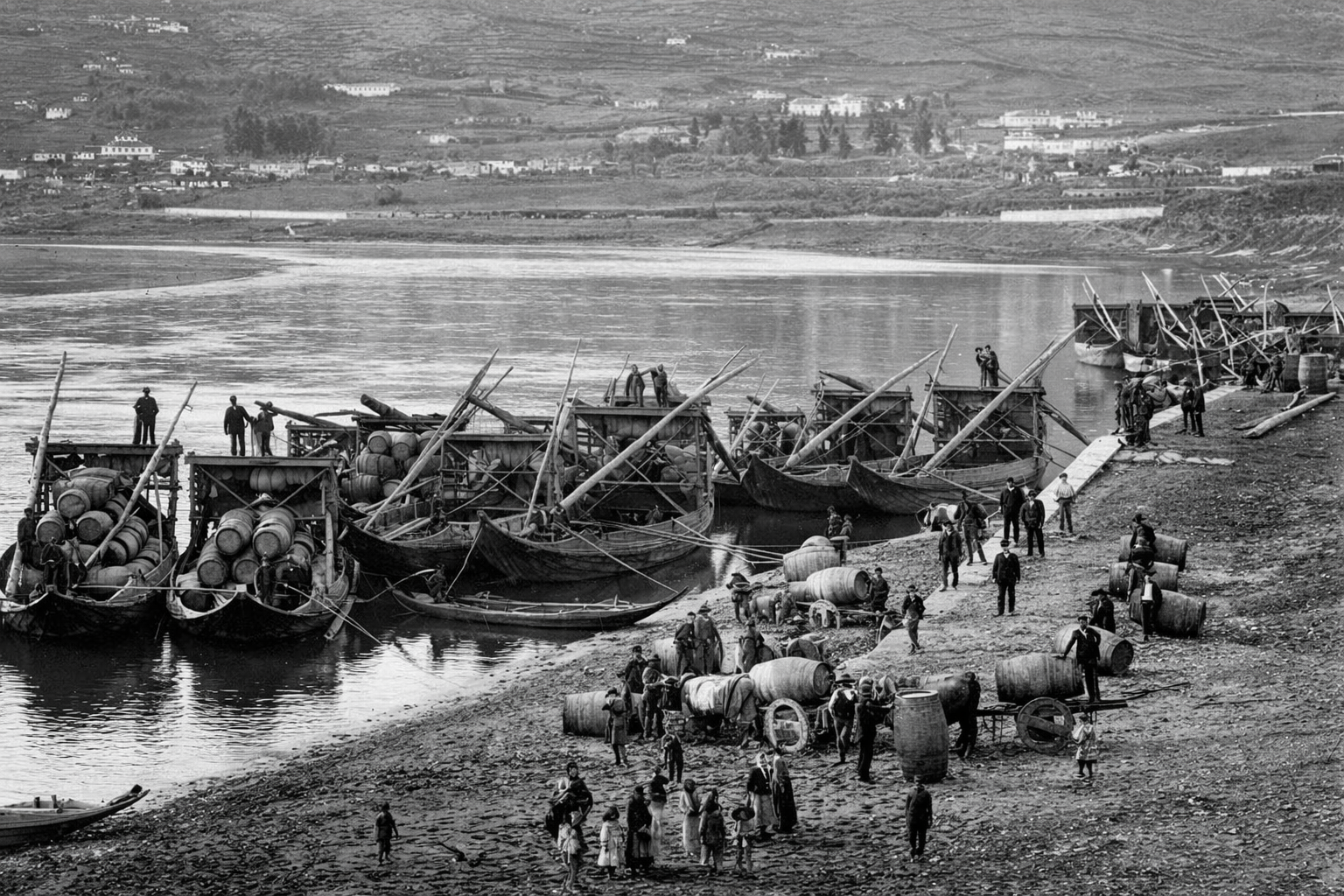
In the spring, the wines travel downriver to Vila Nova de Gaia, where they age in cool, north-facing lodges, sheltered from the Douro’s summer heat. In their second year, they are tasted again, alongside wines from the most recent harvest, and the final blend is made. The wine is then bottled unfiltered, allowing it to continue evolving in glass. Each bottle becomes a time capsule, a chronicle of vineyard life.
Port houses decide independently whether to declare a Vintage year. This declaration is a promise of longevity: the wine should reward both present and future generations.
“Classic Vintages” describe years when weather patterns bring out the finest expression of the main red grape varieties, allowing a declaration across most estates. Such years occur only two or three times per decade.
In other years, select sites within the Douro’s hills and valleys can still excel, producing wines with quality and character that merit the Vintage Port designation.
The longevity of Vintage Port results from several factors. The natural concentration of sugars, tannins, and phenolic compounds provides structure and density, preserved by fortification, giving the wines the ability to endure. The quality of the grape spirit is decisive, while the balance among alcohol, acidity, and sweetness ensures stability over time.
Vintage Port carries an unmistakable human imprint, shaped by choices in viticulture, winemaking, and blending. Each house has its own style, most evident in family-run firms where traditions are passed down across generations.
To age well, Vintage Port should be stored horizontally, keeping the cork moist at a stable temperature between 12°C and 16°C. With minimal oxygen exposure, the wine gradually develops aromatic complexity, while the polymerization of tannins and pigments softens astringency, alters the color, and leads to the formation of natural sediment—hence the need for decanting.
This slow transformation, from youthful austerity to layered refinement, is visible in the glass. The deep purple of youth gradually softens. Aromas evolve from fresh fruit toward greater complexity, forming the bouquet of aging. On the palate, firm structure gives way to a velvety texture.
As wine critic James Suckling writes: “After tasting a 1948 Fonseca or 1945 Croft, it is hard to believe better wines exist. The layers of concentrated aromas and flavors in such wines offer a kaleidoscope of sensations. Each sip seems better than the last, as your taste buds react to this nectar.”
We asked António which vintages he finds most memorable. Unsurprisingly, he turns to the wines of Taylor Fladgate, where he spent more than three decades.
The 2016 and 2017 Vintage Ports, he says, already offer great pleasure. António speaks with particular affection about 2017. Walking through Quinta de Vargellas on the morning of August 18, with David Guimaraens, head winemaker, and Alistair Robertson chairman of Taylor Fladgate, renowned for his sharp palate, they found the grapes already at 13.7º Baumé. “Forty-five… nineteen forty-five…” murmured Alistair, comparing the year to the great 1945 vintage.
The harvest began on August 31, the only time António recalls picking red grapes in August. It yielded a classic Croft Vintage and the Serikos from Roeda’s remarkable post-phylloxera vines.
From the previous decade, the 2003 Vintage stands out. The intense heat of early August marked the onset of a warmer climatic cycle. It also revealed the importance of human judgment: severe sunburn on west-facing grapes was managed through meticulous, cluster-by-cluster selection.
In the following decade, 2011 stands out. Dow’s Vintage 2011 was named Wine of the Year by Wine Spectator in 2014, and Jancis Robinson wrote that the Vargellas Vinha Velha 2011 “may just be the finest wine produced anywhere in the world in 2011.”
It was also the year António had the privilege of contributing to Quinta da Eira Velha Vintage, a superb wine rooted in the estate’s first post-phylloxera vines, complemented by fruit from the Sagrado vineyard. Quinta da Eira Velha itself has a storied past, connected to Hunt’s Port, whose wines were shipped to age in casks in Newfoundland.
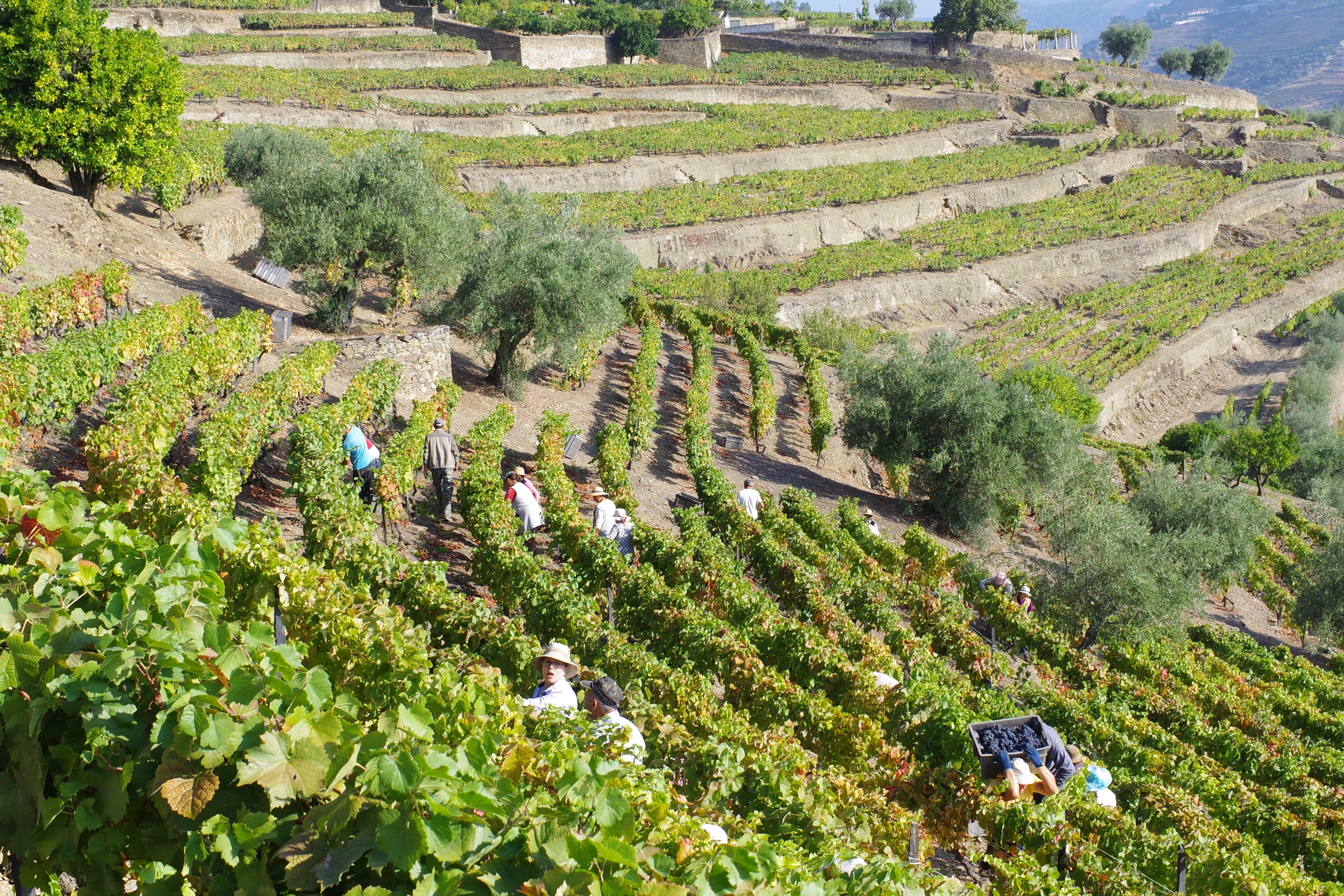
From the 1990s, two years stand out: 1992 and 1994. In 1992, António learned how a touch of September rain can refine the grapes and yield an exceptional Vintage. In 1994, he was captivated by the beauty of the vineyards in summer. During a tasting in the Vargellas lagares, he recalls David remarking, “I don’t know if I will ever make a wine as good as this one again.” Few could have imagined that the 1994 Taylor Fladgate and Fonseca Vintages would both later be named Wines of the Year, each scoring 100 points.
Reaching further back, António points to 1985, another exceptional year; 1977, the vintage that marked his initiation at Taylor Fladgate; 1970, which he chose in magnum to celebrate his fiftieth birthday; 1966 and 1963, forever inviting the question of which is finer; 1955, unforgettable at Fonseca; and 1945, often compared to 2017. One could go further still, to 1927 and 1912, remarkable years that defy description.
So far, Niepoort, Ramos Pinto, Sogrape, Symington, and Wine & Soul have declared 2024 a Vintage year. In a nod to the historic role of British merchants, Taylor Fladgate announces Vintage declarations on April 23, the feast day of England’s patron saint, Saint George. Today, they, too, confirmed 2024 as a Vintage year.
The growing season was both warmer and wetter than usual, with an especially hot July and a harvest under clear, dry skies. It is heartening that, even amid climate change, the Douro continues to produce Classic Vintages destined to endure for generations.
For António, the moment has deep personal meaning: his distinguished career at Taylor Fladgate is framed by two classic declarations, 1992 and 2024.
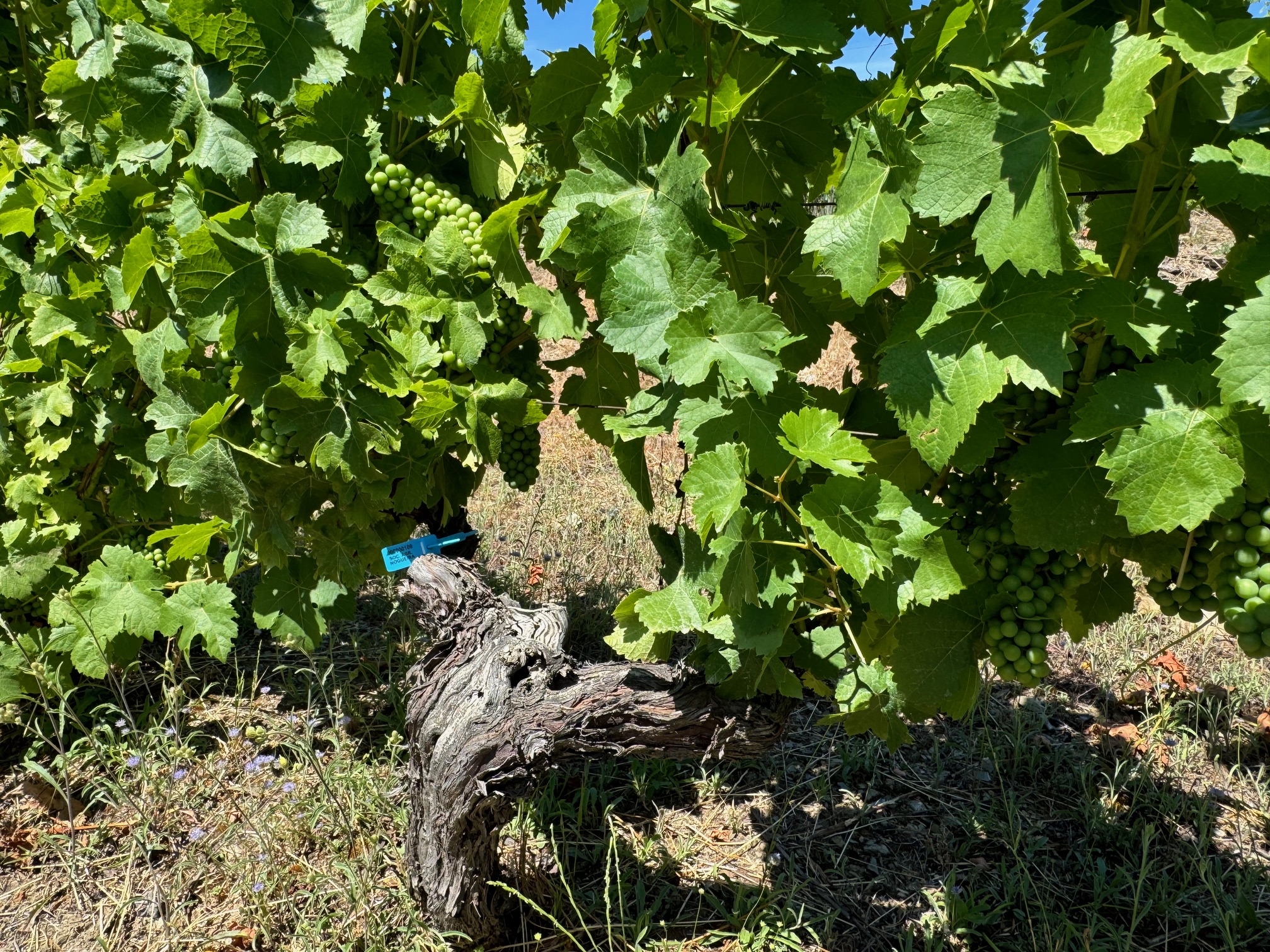
In his final months at Taylor’s, July and August 2024, António worked on a massal selection in the Fladgate vineyards, establishing at Quinta da Roeda a mother vineyard for grafting material of the main red varieties to be planted by the next generation. To escape the heat, he began at dawn, assessing thousands of vines over 40 years old, capable of producing grapes suited for Vintage Port. He selected roughly 700. In doing so, António fulfilled the silent promise he made to his mentor, Bruce Guimaraens, during those dinners in 1992: to lay the foundation for great Vintage Ports yet to come.
To taste a Vintage Port is to travel through time and across the slopes of the Douro Valley. The experience lingers well beyond the final sip, the result of work that transforms the hardships of mountain viticulture into something enduringly sublime.
For those looking to deepen their understanding, António recommends three excellent books on Port wine. The first is the comprehensive “Port Vintages – The Chronicle of Vintage Ports, from the Beginning” by J. D. A. Wiseman, Académie du Vin Library, 2nd edition, 2022.
The second is ‘Vintage Port, The Wine Spectator’s Ultimate Guide for Consumers, Collectors, and Investors’ by James Suckling, Wine Spectator Press. 1990. It is out of print, but you can find second-hand copies.
If you read Portuguese, another great book is Porto Vintage by Gaspar Martins Pereira and João Nicolau de Almeida, Instituto do Vinho do Porto e Campo de Letras. 2nd edition, 2002.