If you’re up for a climb in Lisbon, we recommend visiting St. George’s castle. You can start at the bottom of the hill and go up the old meandering streets of Alfama, the only neighborhood that survived the 1755 earthquake.
At almost every corner, someone sells glasses of ginginha, a delightful liquor made from sour cherries. But it is unbecoming to drink ginginha from plastic glasses. We prefer to get it at “A Ginginha” in Largo São Domingos, where they’ve served it in proper glasses since 1840.
It’s worthwhile to buy the ticket to enter the castle. However, keep your expectations low–a first sight, there isn’t much to see. A bronze statue of Dom Afonso Henriques, the first king of Portugal, who conquered the castle from the Moors in 1147. A marble statue of Dom Manuel, the monarch who oversaw the golden age of discoveries by Portuguese navigators. Fountains whose water has run dry, broken marble columns, and cannons that are no longer battle-ready lie around the castle, all in medieval disarray. There are pines and olive trees, their branches sought by vain peacocks searching for a thrill.
The castle was built and rebuilt over centuries, first with cement and stone and then with brick and mortar. The layers of the imposing walls read like a diary of all those who lived here: Phoenicians, Carthaginians, Romans, Moors, and Portuguese.
What the castle offers are magnificent views of Lisbon. The city lies at our feet, making us feel like royalty—scratch your skin, and surely blue blood will trickle out. A map made out of tiles shows us the lay of the land. Nearby there are benches inscribed with the words of Sophia de Mello Breyner. What a beautiful idea to carve in stone the words of a poet!
We stroll around the castle until the sun sets down. Only then do we go downhill. Be careful because the cobblestones are slippery. And there’s no need to rush. There’s plenty of time to get to Largo de São Domingos and enjoy a glass of ginginha.
You can get tickets online at the castle’s website, here.
We visited the Correio-mor palace in Loures on a sunny winter morning. The building was the country house of the family that, for two centuries, had a monopoly on mail distribution in the Portuguese empire. When the 1755 earthquake destroyed their Lisbon home, the family relocated to Loures and made this palace their permanent residence.
The ornate gates opened with ease as if they were expecting us. We stepped into a spacious courtyard that overlooks the Baroque building. Our first stop was the kitchen. White and blue tiles reflect the bright light that pours through the windows. The tiles depict the delicacies served at the palace: fish, game, vegetables, and fruits. A lonely marble table sits in the middle of the room, longing for the days when armies of cooks crowded around it to prepare sumptuous banquets. Across from the kitchen, we see vast wine cellars that once stored the fruits of many harvests.
An elegant staircase takes us to the noble floor. The limestone steps show the gentle wear that only shoes made of silk and soft leather can produce. At the top of the stairs, a hallway overlooks the expansive garden. We admire the ancient pine trees that have seen all the parties and heard all the gossip. Impassive, they sway in the wind, revealing nothing.
It is easy to get lost inside the palace. There are many elegant rooms with lavishly decorated ceilings and walls covered with tiles depicting naval scenes, hunting expeditions, and garden parties.
At the Correio-mor palace we do not feel the stress of the modern world, only the gilded ease of aristocratic life.
You can rent the Correio-mor palace for movies, weddings, and other special events. Click here for the palace’s website.
The Portuguese culinary tradition does not come from palace kitchens. It comes from the cooking of humble people who, in every season, took the best ingredients that nature offered and prepared them using recipes perfected over centuries. The food presentation is often rustic, but the taste is delicious because everything is harmonious and natural.
Many chefs are reinventing the cuisine of Portugal. But the truth is that there’s no need for reinvention. What we need is an evolution, the creation of new recipes that, like clams Bulhão Pato and Caldo Verde, bring joy to the dining tables of Portugal. Easy to say, but who can do it?
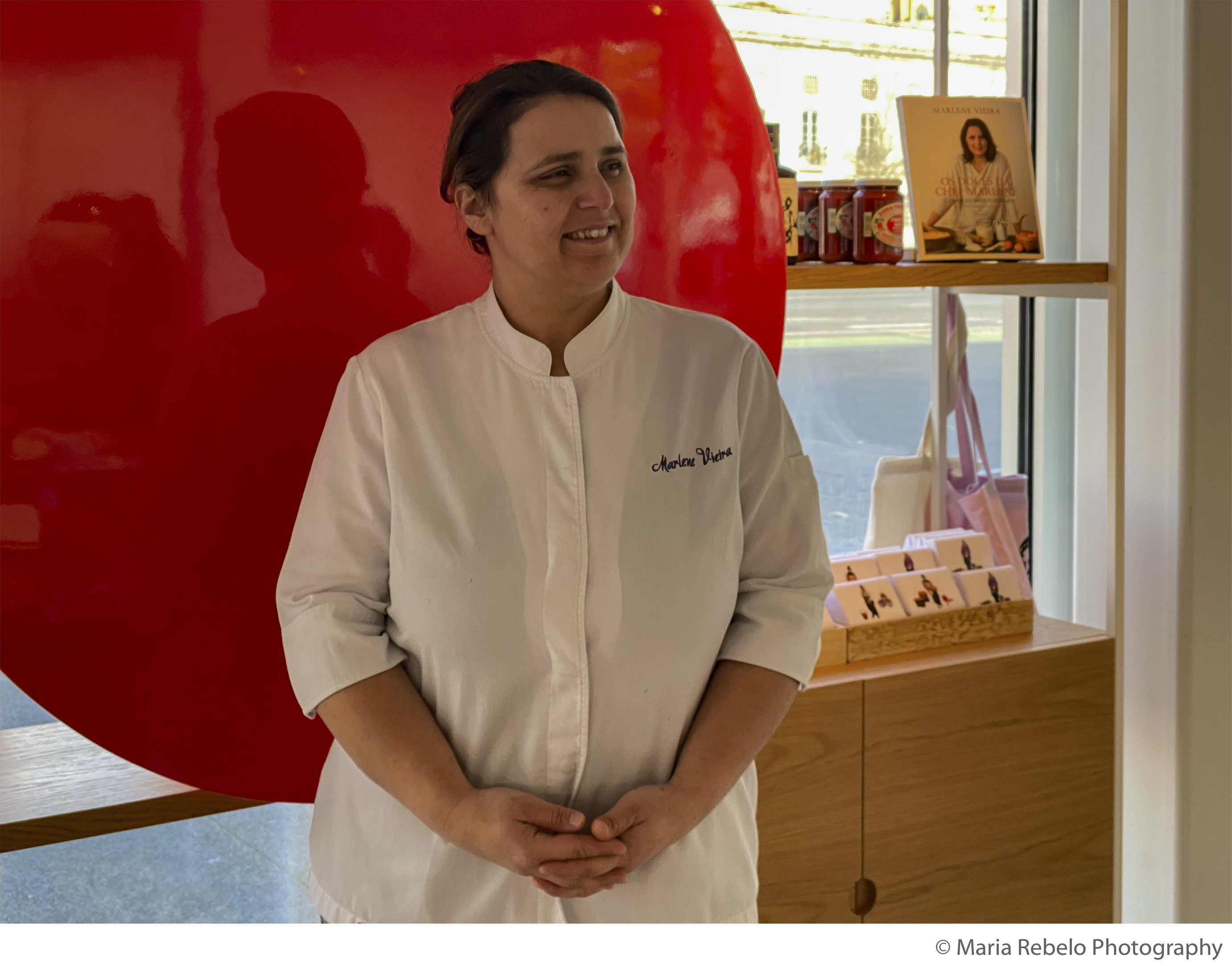
We know one chef who can: Marlene Vieira. Her Zun Zum and Time Out restaurants are indispensable stops in any culinary tour of Lisbon. Her food is creative, not because she wants to surprise or shock. Marlene’s originality stems from her ability to intuit new, delicious ways of preparing Portugal’s great food products.
Marlene started cooking at age 12. Her father, who owned a butcher shop, took her on a delivery to an Oporto restaurant that served French-inspired food. The chef invited Marlene to sample what they were preparing, and she was hooked. She loved the taste, the refinement, and elegance. Marlene spent holidays and school vacations helping out at the restaurant. She relishes the organized chaos of a professional kitchen, and cooking proved to be an ideal outlet for her bountiful energy.
At age 16, Marlene went to culinary school. She graduated as the best student and stayed as a teaching assistant, while working as a pastry chef at a boutique hotel. Up to this point, all her cooking had revolved around French techniques.
At age 20, a friend invited her to work at a Portuguese restaurant in New York. For the first time, Marlene had to cook traditional Portuguese food. She remembered fondly the food that her mother and grandmother prepared, but she did not know how to cook it. More than three thousand miles away from home, this young chef started to study the cuisine of Portugal. And for the first time, she realized that she had a role to play: embrace Portuguese cuisine and make it her own.
Marlene returned to Portugal inspired to learn more about traditional cooking. She continued to work in fine dining, but her cooking became more and more Portuguese. A breakthrough moment came when Time Out magazine chose her dish featuring a large shrimp called “carabineiro” served with an almond brulée as the year’s best recipe. This dish has the hallmark of Marlene’s cooking: it draws on combinations of ingredients and techniques that are hard to envision but feel utterly natural once you try them.
We asked Marlene whether she could share a recipe with our readers. She generously gave us a codfish recipe.
Portugal has many codfish recipes, but only a few have stood the test of time, like those of Brás, Zé do Pipo, and Gomes de Sá. Perhaps one day, this recipe will be known as Codfish Marlene. Enjoy!
Codfish Confit with Sweet Potatoes Gnocchi, Low-temperature Egg, and Pea Emulsion
Ingredients for four people
600 grams of codfish filets
2 garlic cloves
1 laurel leaf
400 grams of sweet potatoes
5 eggs
100 grams of flour
70 grams of onion
70 grams of leaks
300 grams of peas
Microgreens for garnish
3 deciliters of olive oil
200 milliliters of whole milk
Sea salt
Preparation
Pre-heat the oven at 150 ºC.
Clean the codfish fillets, removing the bones. Divide into 12 portions. Smash the garlic, leaving the skin. Place the garlic, the codfish, the laurel leaf, and 2 dl of olive oil on a tray. Set aside.
Place 4 eggs in a pot with water. Heat the pot until the temperature reaches 63.5 ºC. Use a thermometer to control the temperature and keep it steady for 45 minutes. Once the time is up, place the eggs in an ice bowl to lower the temperature.
Cook the sweet potatoes with the skin on. Let them cool, peel them, and make a purée. Mix in a bowl the flour, the purée, and one egg. Blend until the mixture is homogeneous. Make small cylinders and cut them into gnocchi. Bring water and salt to a boil. Once it is boiling, add the gnocchi, cooking for 3 minutes. Remove them with a slotted spoon and drain the remaining water by placing the gnocchi on paper towels.
Slice the onions and leek. Put olive oil, the onion, and leek in a pot and let the vegetables sweat for 10 minutes in low heat. Add the peas, season with salt, cover with milk and cook for another 15 minutes. Blend the mixture with a hand blender and strain.
Place the codfish in the oven for 10 minutes. Heat a frying pan with a bit of olive oil. Once the oil is warm, add the gnocchi and let them cook—season with salt and pepper.
Heat up the eggs in tepid water for 10 minutes. Remove the eggshell.
Warm the pea emulsion and blend with a hand blender until it makes foam.
Serve on a deep plate, placing the gnocchi at the bottom, then the codfish and the egg. Finalize using the pea emulsion and some microgreens.
Dining at Loco is like attending a jazz concert–there’s a feeling of excitement in the air. The restaurant lighting is soft, but the tables are lit like a stage, ready for chef Alexandre Silva’s performance.
We sat down and studied the interesting wine list curated by Mário Marques, an old acquaintance from Ceia and Cura.
The performance started with a series of delicious food riffs presented on a wide variety of backgrounds: stones, coal, shells, and much more. The tempo was fast, like John Coltrane playing Giant Steps. We recognized culinary motifs inspired by the classics of Portuguese cuisine. For example, there were disks of crispy chicken skin that tasted like the traditional roasted chicken with piri-piri sauce.
Then, the rhythm slowed down to a ballad tempo, like Thelonious Monk playing ‘Round about Midnight. A basket of artisan bread came with rich butters and a bowl with sauce from the traditional clams Bulhão Pato. There was also delicately cooked, perfectly seasoned black pork, pumpkin dumplings, and pristine fish dressed with colorful sauces.
The desserts were playful, pomegranate granita and supple ice cream topped with hibiscus crystals. Finally, there were some encores–miniature sweets that please the eye and charm the palate. It is a thrill to dine at Loco!
Loco is located at Rua dos Navegantes nº53-B, Lisbon, tel. 21 395 1861. Click here for the restaurant’swebsite.
Vinha do Altar is a poem without words. Its authors, Jorge Serôdio Borges and Sandra Tavares da Silva, are two enologists known for masterpieces like the unforgettable white Guru and the iconic red Pintas.
Their new wine is elegant and fresh, delightful to drink now, and sure to improve with age. Its grapes come from vines planted in a north-facing plateau that overlooks the Douro valley. Jorge’s great grand uncle purchased the land in 1939, and it became part of Casa Quintães, an estate where Jorge spent stretches of his youth. The land produced wine until the 1990s, but then the vineyard was abandoned.
Jorge’s uncle dreamed of replanting the vineyard, but he died, and the land remained fallow. A few years ago, his widow, Márcia, asked Jorge and Sandra whether they could make the dream come true. The couple meticulously prepared the land and planted a new vineyard, called Altar, with a virtuoso trio of white grapes: Arinto, Gouveio, and Viosinho.
The first harvest was in 2019, and now we can drink this wine that speaks without words about ties of family, memories of youth, and the magic of winemaking.
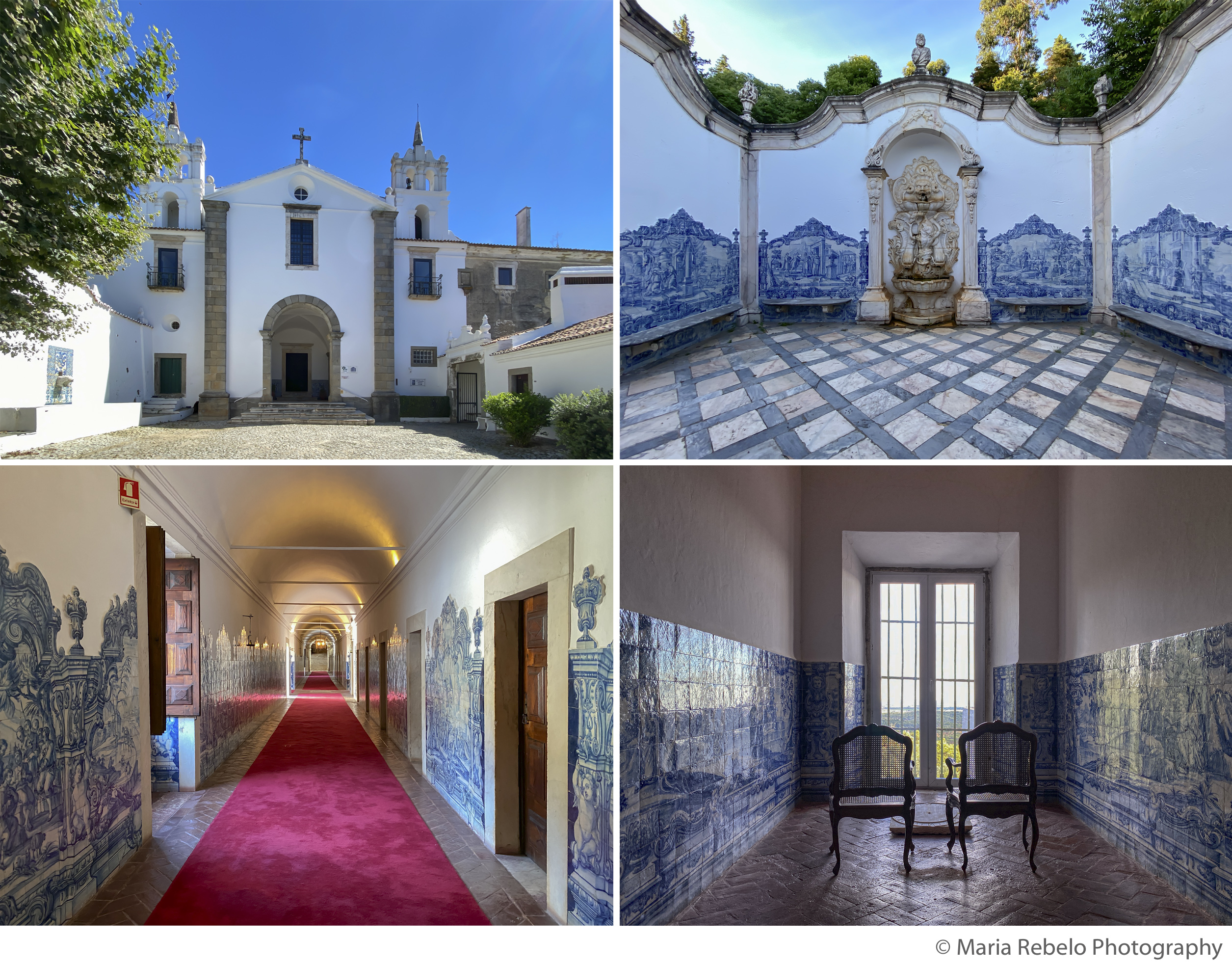
It is hard to believe that there’s a monastery larger than Lisbon’s Rossio plaza in the middle of Alentejo. Driving on the winding roads of the d’Ossa mountain, we almost lost faith. But we were climbing, and that is always a good omen. Convents often occupy mountain tops so that monks can be closer to heaven.
The first glimpse of the building is easy to miss. The sprawling monastery hides behind 600 hectares of olive trees, pines, oaks, ashes, and oleanders. After a few more twists and turns, we arrived at the Convent of São Paulo.
Marília Nanitas came out to greet us. She works for the foundation that manages the hotel. “Can you tell us the story of this place?” we asked with curiosity. “I can tell you a good lie, which is better than a half-truth,” she replied teasingly. Then, she lent us a book about the history of the convent.
What we learned from this tome is that it took centuries to build this monastery. The first edifice was a hermitage erected in the year 315. In 446, an earthquake partially destroyed the structure. When in 715 the Arabs invaded the region, the hermits abandoned the sanctuary.
The second king of Portugal, Sancho I, decided in 1182 to rebuild the hermitage as a monastery. In 1372, Dona Brites, the daughter of King Dom Pedro I and Inês de Castro, donated her lands near the convent to the monks. The royal family provided steady support, financing the glorious collection of cobalt blue tiles installed between 1710 and 1725.
After the state abolished religious orders in 1834, the convent was disputed for 37 years by two municipalities, Estremoz and Redondo. Before leaving the monastery, the monks protected the tiles with plaster walls. It is thanks to their ingenuity that more than 50,000 tiles have survived to this day.
When the government auctioned the convent and the surrounding lands, Henriqueta Leotte Tavares purchased it with her dowery. It was a dream to own a place like this. But also a burden, a responsibility to history. Over the next two centuries, Henriquetta’s family used their income from agriculture to restore the convent. The first generation built a factory that made tiles to repair the roof. The second generation hired carpenters to rebuild the doors and windows.
Henrique Lotte Tavares, a chemical engineer, belongs to the third generation. He has no descendants, so he decided to turn the convent into a hotel to preserve it for posterity. Between 1989 and 2009, Henrique oversaw countless renovations. In 1993, he created a foundation to manage the hotel and continue the restoration work.
How was life in the monastery? The Latin word “silentio” inscribed in the tiles reminded the monks of their vow of silence. There are many fountains, perhaps because the sound of flowing water makes silences feel less awkward. The monks could talk only on their way to lunch or dinner. To make the most out of these convivial moments, the friars walked slowly through the corridor that leads to the dining room, which became known as “passos perdidos” (lost steps).
We too walked slowly on the long corridors of the convent to savor the moments spent in this beautiful place so far from the hurries of modern life, so close to the tranquility of heaven.
The Convento de São Paulo is located at Aldeia da Serra d’Ossa in Redondo, Évora. Click here for the hotel’s website.
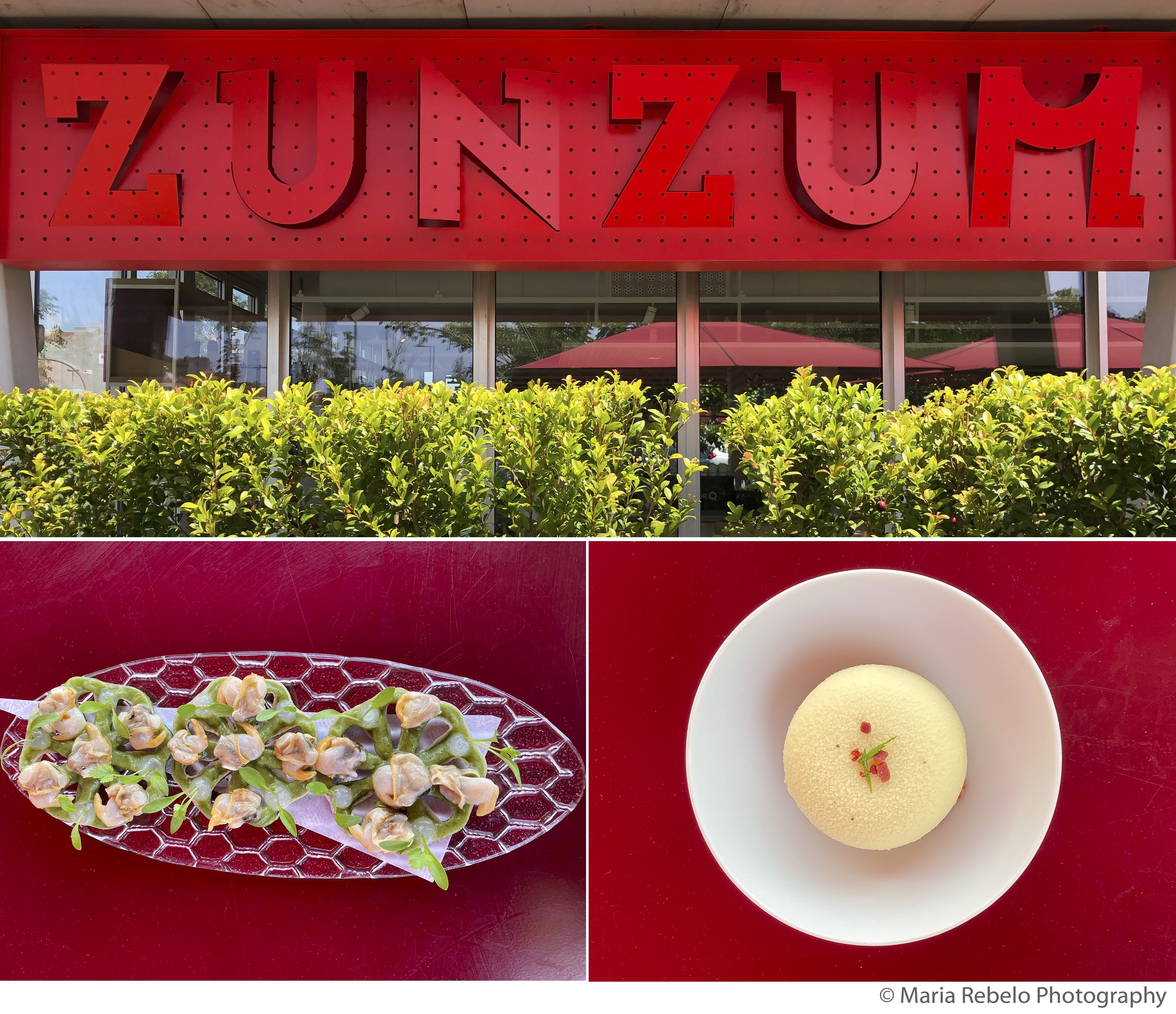
It is so much fun to eat at ZunZum! The restaurant, headed by chef Marlene Vieira, has a great location, with the Tagus river on one side and the Pantheon on the other. The food is as wonderful as the location.
We sat for lunch in the esplanade under a large red umbrella on one of those perfect sunny days that Lisbon residents take for granted. The simpatico waiter suggested a rosé made from bastardo at Quinta de Arcossó in Tràs os Montes. It has nice acidity and flavors of cherry and tropical fruit. “Do you want to choose from the menu or be surprised by the chef?” the waiter asked. Surprised, we chose without hesitation.
The “couvert,” a set of delightful little bites that start the meal included codfish tempura (“pataniscas de bacalhau”) and a sourdough brioche.
The first appetizer was a luscious ceviche made with unusual ingredients: popcorn, red onion, and passion fruit. It was followed by tasty mini pizzas topped with trout eggs, a spider crab called sapateira, and avocado. The pizzas were coated with a traditional spider-crab filling.
Then came “filhoses de berbigão.” They are a feast, the cockles large and juicy floating on a star-shaped bed made from fried dough filled with a cream of cockle broth, coriander, and lemon.
The fish entrée was a bowl of creamy, savory rice made with clams, cockles, razor clams, and mussels. The rice, a carolino variety from Bom Sucesso, has large grains that soak the appetizing sauce made by the seafood.
The meat entrée was a slice of delicious black pork accompanied by fried corn and pickles made from cauliflower and celery.
Our first dessert was a yogurt parfait on a bed of strawberry jam. The fatness of the yogurt and the sweetness of the jam are a perfect yin and yang. The second dessert was “toucinho do céu” (bacon from heaven) a pudding made with egg yolks and bacon. It is so tasty that it could, indeed, be served in heaven.
We left ZunZum deeply satisfied and certain that if Robinson Crusoe could eat Marlene Vieira’s food on his desert island, he would never want to leave.
ZunZum is located ar Av. Infante D. Henrique, Doca Jardim do Tabaco in Lisbon, email hello@zunzum.pt, tel. 915 507 870. Click here for the restaurant’s website.
“You have to try my restaurant in Gaia at Espaço Porto Cruz. Stop by the terrace first and then come down to DeCastro Gaia to eat,” advised chef Miguel Castro e Silva.
A few days later, we stepped out of the elevator on the top floor at Espaço Porto Cruz and wow, what a view! The waters of the Douro river flowed quietly below, saying farewell to the city on their way to the sea. Porto, dressed in bright light, was trying to sway the river to linger a little longer. The river margins were decorated with “rabelo” boats, the traditional vessels that, in times gone by, brought barrels of precious ports to be stored in the Gaia cellars.
It was hard to leave the gorgeous view, but we were curious about the gastronomical experience created by Miguel at DeCastro Gaia. So we went down one floor and sat at a table overlooking Porto.
Before the meal started, our waiter brought us a seductive white Dalva port that put us in a festive mood. Then, a velvety vegetable soup prompted us to say the first of many “oh, so good!”
The waiter filled our glasses with Contacto Alvarinho, a lively green wine made by Anselmo Mendes. It paired perfectly with our next dish, a lush artichoke and goat cheese salad. More delights followed. The turnovers made from phyllo dough, spinach, and alheira were wonderful. At first bite, they resemble a Greek spanakopita, but then the allure of the alheira surprises the palate. The codfish fried in batter (“patanisca”) melted in the mouth. Finally, the rooster fish with clams was fresh and oh, so good!
The menu offers old classics of Portuguese cuisine and new classics created by chef Castro Silva. What the menu does not reveal is the freshness of the ingredients and the precision of the confection. The Portuguese have an expression “tudo no ponto” that describes food that is perfectly cooked, seasoned, and sauced. That is what DeCastro Gaia offers. What more do we need?
DeCastro Gaia is located in Espaço Porto Cruz at Largo Miguel Bombarda 23, Vila Nova de Gaia. Click here for the restaurant’s website.
João Rodrigues spends most of his time flying as a pilot. Perhaps it’s in the sky that the muses inspire him. When he is on the ground, João runs Silent Living, a company that is reinventing the art of hospitality.
On a warm summer day, we got on the road to Casa no Tempo, a Silent Living guest house in Alentejo. It is a secluded place where only the wind brings news of the outside world.
At first sight, the house looks ordinary. It has a rectangular geometry with thick stone walls and a roof covered with weathered orange tiles. Then, we notice that the proportions are perfect. The sinuous swimming pool confirms that this is no ordinary place. Filled with emerald water, it looks as if it is made of salt.
The house is spacious, with large windows that frame the landscape. A light breeze flows through the rooms as if it owns the place. Walls, doors, and windows are painted with white hues that soften the sunlight. The floor is paved with cubes of orange tile that convey warmth and comfort. It all adds up to a wonderful sense of ease and tranquility.
A vaulted arch shades a courtyard with a large wooden table and some benches. While we went for a quick swim, two cooks set up the table for lunch with plates of local cheese, plump olives, and a basket of country bread. Glasses of refreshing white wine accompanied a gazpacho made from sweet tomatoes. The main course was lamb roasted with potatoes, a rustic dish that is deeply satisfying. The dessert was an appetizing fruit tart that came with cups of strong coffee.
After this delightful lunch, we sat in the courtyard watching the sun paint the landscape with layers of golden light. The sound of bells heralded the arrival of a herd of goats that strolled by the house without a care in the world. Then, a peaceful silence returned to this place where everything is simple and everything is perfect.
We drove from Porto to Leça da Palmeira on a warm, sunny day to have lunch at the Boa Nova tea house. Our expectations were high. The building, classified as a national monument, was designed by Álvaro Siza Vieira, an architect who won the Pritzker prize. It houses since 2014 a restaurant headed by chef Rui Paula that has earned two Michelin stars.
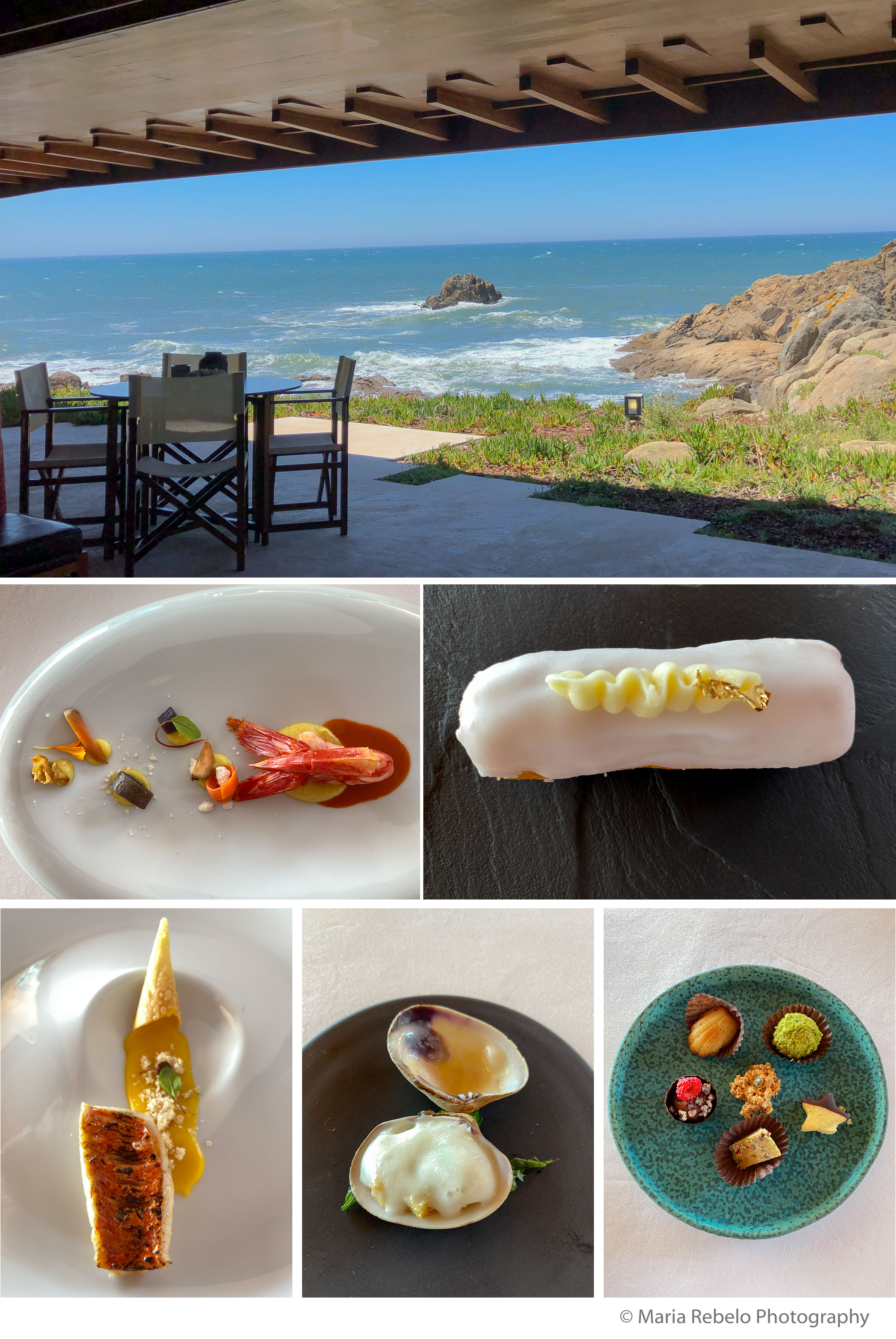
The house, ensconced inside a cliff, is a gentle mark on the landscape. As we walked up the stairs that lead to the front door, we were greeted by the wind carrying aromas of salt and seaweed to stimulate our appetite. We stopped for a few moments to look at the spectacular seascape. Then, the door opened and we stepped inside. The sea is even more alluring framed by afizélia, an African red wood that covers the interior walls and ceilings. Inaugurated in 1962, the tea house is one of Siza’s early works. The influence of Frank Lloyd Wright is clearly visible. But instead of echoing the flatness of the American prairie, the house reflects the rugged landscape of the Portuguese coast.
We sat at the table admiring the expansive view. The sommelier came over and we talked leisurely about what to drink with the meal. We settled on a sparkling wine made with Arinto at Quinta da Romeira in Bucelas that kept us pleasant company during our gastronomic journey.
The meal started with a rustic touch: a warm toast buttered with lard that was a staple of the chef’s childhood breakfasts. It was followed by a splash of sophistication: a translucent taco with avocado and fish eggs. A spoon with clams Bulhão Pato arrived next. We ate it in a single bite. It filled our palate with the taste of many clams.
Then dessert arrived in the form of an elegant eclair. “Time goes by fast at the Boa Nova tea house,” commented our waitress smiling. “It feels like you just started the meal and you are already having dessert.” It was a false ending. The eclair is a savory treat stuffed with a delicate mussel filling.
A number of delights from the sea arrived in quick succession. A slice of robalo (sea bass) bathing in a green algae sauce, topped with perfectly crisp skin and percebes (gooseneck barnacles). Scallops embraced by tapioca, adorned with two sauces, one made with lemon and the other with chouriço (sausage). A large red shrimp called carabineiro with carrots of different textures and a delicious bisque. Salmonete (mullet) with cassava and cashew nuts, a preparation inspired by Brazilian cuisine. And, finally, cherne (grouper) wrapped in paper and accompanied by sweet potatoes.
This whirlwind tour of sea treasures was followed by a plate called dejá vue. It is a surprise, so perhaps it is best if we don’t describe it.
The dessert was called “late harvest.” It is fresh and crunchy, a combination of honey, nuts and dried fruit that evokes the flavors of a late harvest wine.
At the touch of a button, our waiter made the windows vanish. Suddenly, the sound of the sea filled the room and a gentle breeze refreshed our senses.
Our waitress brought us another dessert: olive cake served with olives and olive ice cream decorated with tuilles shaped like olive leaves. Then, a cart carrying small wooden boats offered us a choice of apetizing petit fours.
Our high expectations were greatly exceeded. We left the tea house in a state of enchantment, delighted by the beauty of the place, the deliciousness of the food, the elegance of the plating, the graciousness of the service, and the magic of it all.
The Boa Nova tea house is located at Avenida da Liberdade nº 1681, Leça da Palmeira, tel. 229 940 066. Click here for the restaurant’s website.