DOC & DOP

DOP

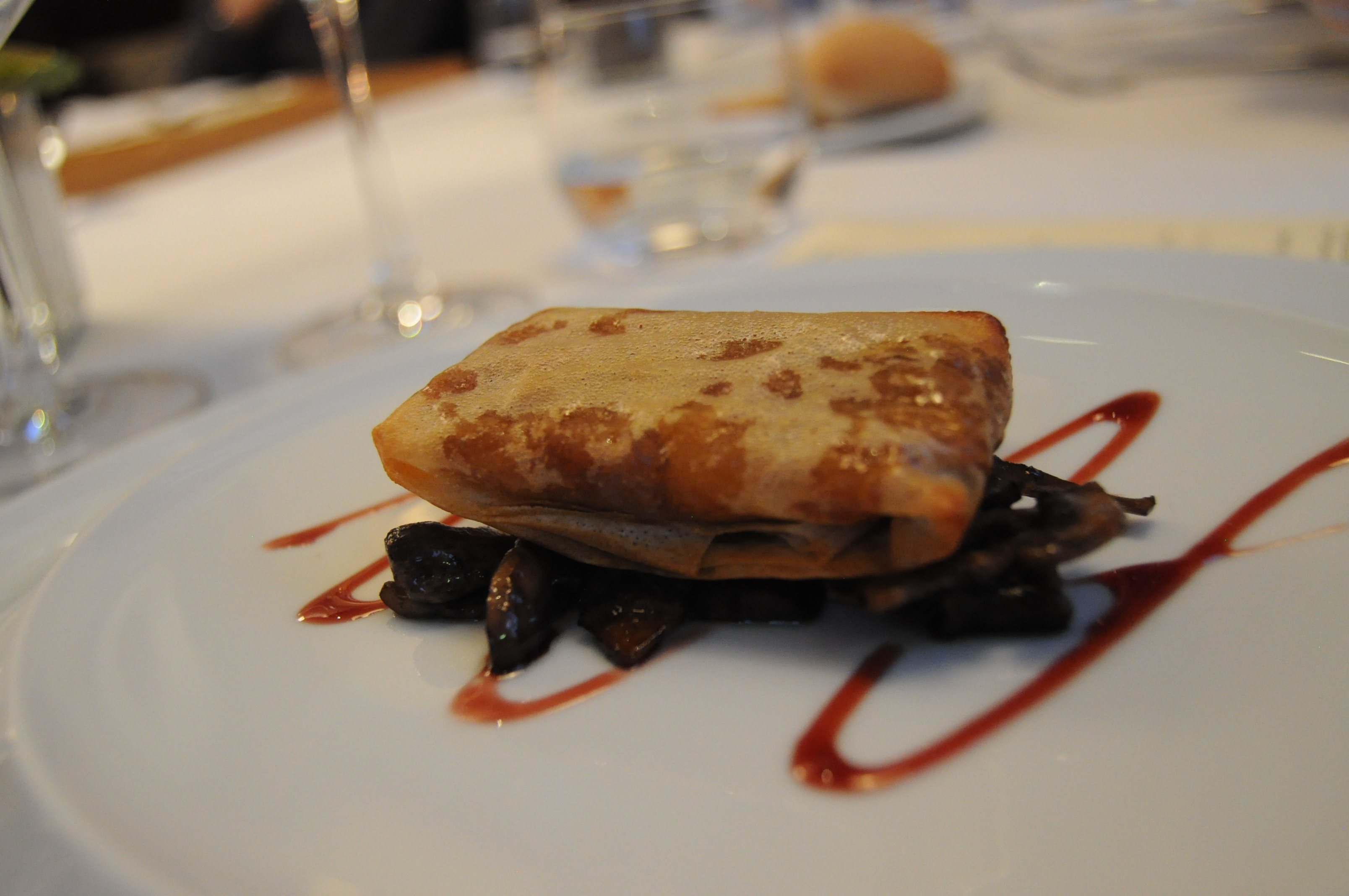
The rustic food of Portugal is made of elemental aromas and deeply satisfying flavors. It is a cuisine of humble people; fishermen, shepherds, and farmers, who liked food that nourishes the body. In contrast, the French culinary tradition pioneered by Marie-Antoine Carême is all refinement and beauty. It is a cuisine of kings and queens who loved to feast their eyes as much as feed their belly.

Rui Paula, a Portuguese chef, spent two decades marrying these two traditions. At DOP, his restaurant in Oporto, he serves country food cooked with palatial elegance. DOC, his restaurant in Amarante, offers a similar menu. Here, the dining experience is heightened by the serene beauty of the location, on the margins of the Douro river.

If you’re traveling in the north of Portugal, don’t miss the opportunity to try these restaurants. They’ll satisfy your body and soul.

Click here for Rui Paula’s website. DOP is located at Palácio das Artes, Largo de S. Domingos, 18, Porto, tel. 22 20 14 313, email dop@ruipaula.com. DOC is located at Estrada Nacional 222, Folgosa, Armamar, tel. 254 858 123, email doc@ruipaula.com.

Why the British don’t eat salted cod

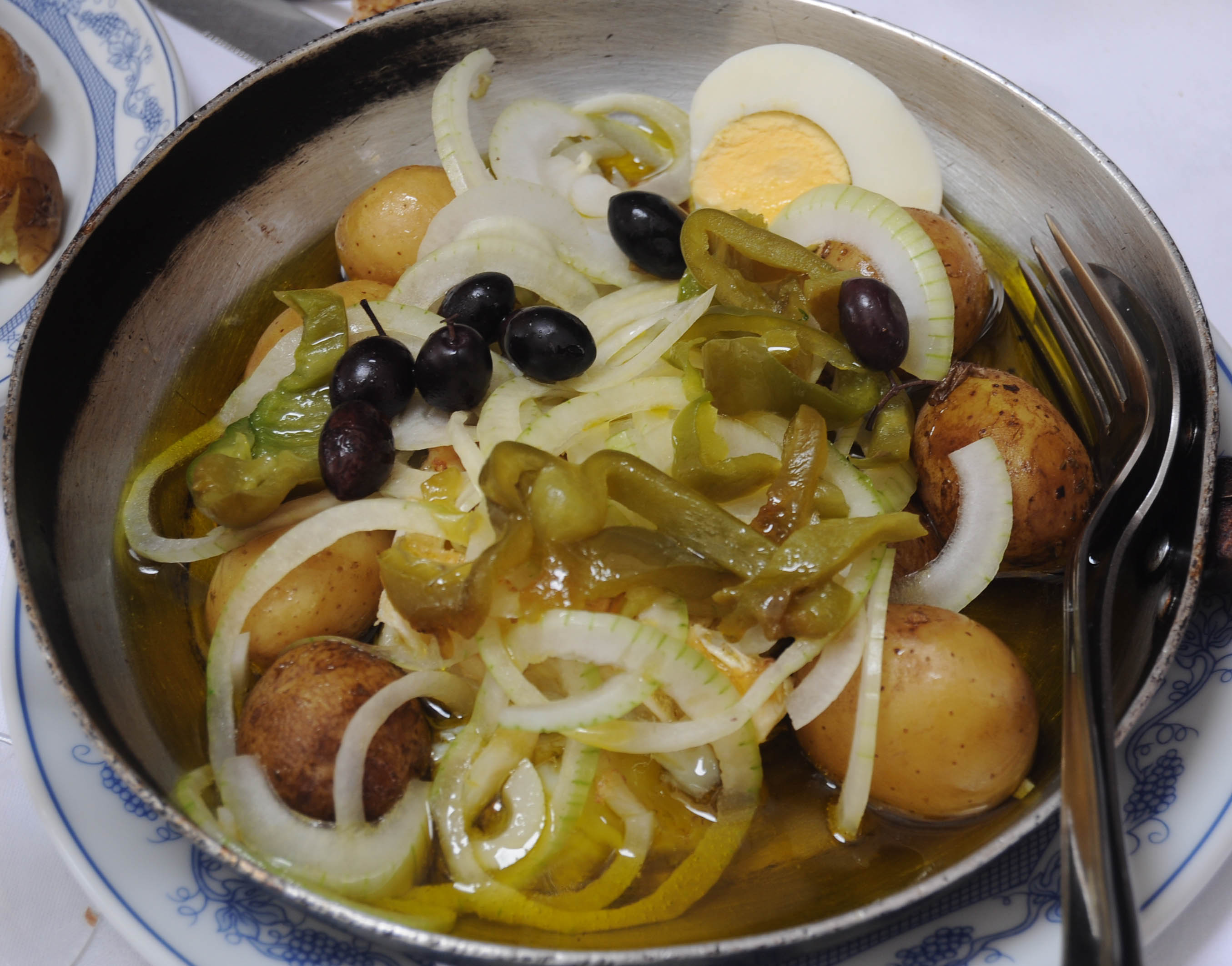
CodfishCarpaccioF

Some British guidebooks tell their readers that eating salted cod is a strange Portuguese custom that they should avoid. There’s an historical reason for this point of view.  When Henry V married Catherine de Valois in 1420, England was in the midst of the One Hundred Years’ War. Perhaps for this reason, the royal couple had a frugal wedding feast. The 600 guests ate boiled salted cod served on slices of stale bread. The meal was so bad that the British have avoided salted cod ever since.

Portuguese restaurants offer many codfish preparations. If you’re a salted cod neophyte, we suggest that you start with something simple: codfish carpaccio. The codfish is sliced razor thin and combined with an infusion of garlic and olive oil.

You can taste a great version of this preparation at Mãe d’Água, a wonderful restaurant in Bombarral near Lisbon. Imagine how different British cuisine would be if Mãe d’Água had catered Henry V’s wedding.

Mãe d’Água is in Sobral do Parelhão, Bombarral, Rua 13 de Maio 26, 2540-467 Carvalhal, tel.262 605 408, email geral@restaurantemaedagua.com. Click here for their website and here for our post on the restaurant.

Portuguese fast food

H3

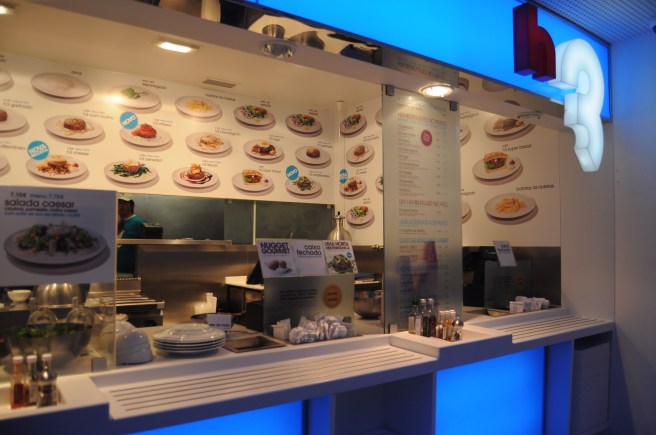
Portuguese cuisine is definitely slow food. You have to wait for the fish to grill, the clams to open, the meat to roast, or the shrimp to cook. If you’re in a hurry, Portuguese cafés offer a wide array of finger foods to eat on the go: tasty codfish cakes (bolos de bacalhau), delicious small pies (empadas), crunchy paninis (tostas mistas), and much more.

But, if you’re in need of something quick and more substantial, try a Portuguese hamburger chain called H3. They cook to order delicious hamburgers made with great ingredients. Start with the wonderful “croquetes de alheira” as a appetizer. Then, choose one of the many burger configurations, with toppings ranging from mushrooms to foie gras. You’ll see why this fast-food chain is growing so fast.

Click here for the H3 website (choose “onde” to see a list of locations). 

A friendly restaurant

Salsa&Coentros

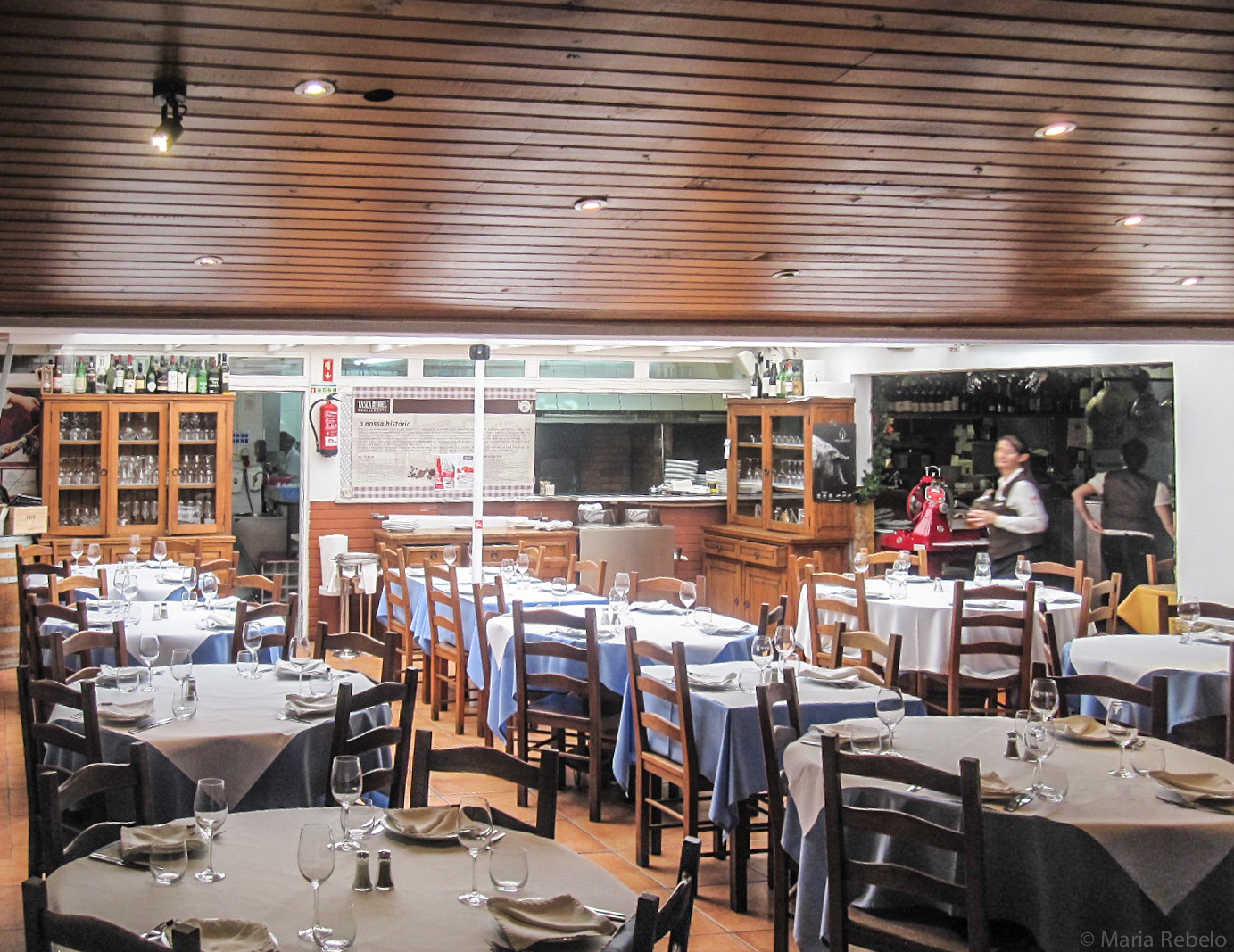
The Portuguese do not like to divulge their favorite neighborhood restaurants, so we’re violating social norms by telling you about Salsa & Coentros (parsley and coriander). It is a delightful restaurant in Lisbon’s Alvalade neighborhood which serves food from the Alentejo and Trás-os-Montes provinces.

Dining at Salsa & Coentros is like visiting a friend who makes wonderful meals with local ingredients such as míscaros (wild mushrooms), cação (dogfish), partridges, wild asparagus, black pig, and fresh octopus.

If you become a regular visitor to Portugal, you’re likely to meet friends who are great home cooks. Until then, you can enjoy the traditional cuisine of Portugal at Salsa & Coentros.

Salsa e Coentros is located at Rua Coronel Marques Leitão, n. 12, Lisbon. Tel. 218410990. 

A supreme chicken

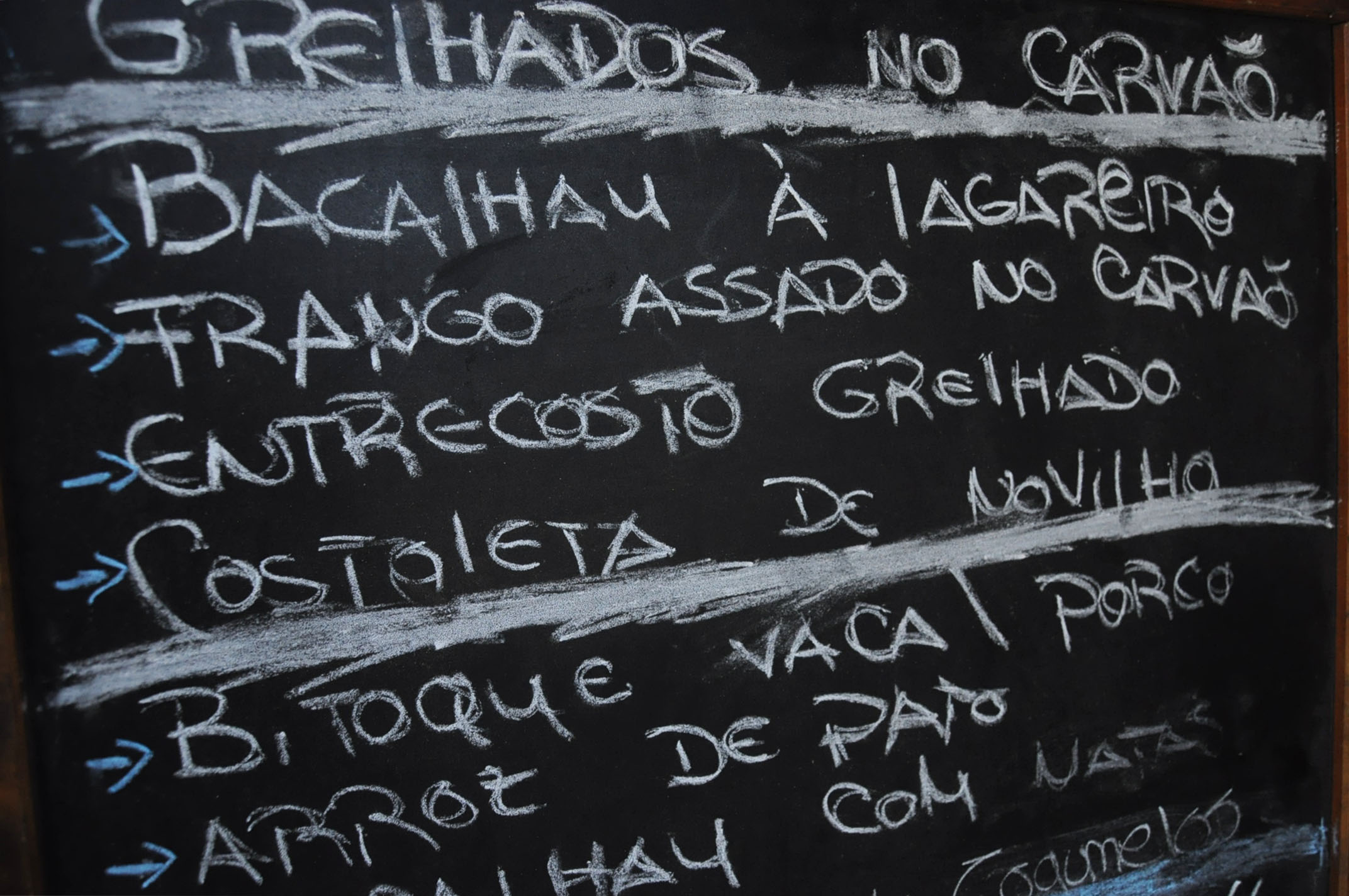
One of the simple pleasures of Portuguese cuisine is roasted chicken with piri-piri, a spicy sauce made with peppers that came originally from Africa.

Frango da Guia, a small roasted chicken, is very popular in the Algarve. But the best roasted chicken we have ever had is from Frango Saloio, a tiny take-out place in the municipal market of the town of Lourinhã, 70 km north of Lisbon. You see no tourists there, only locals who wait while their chicken is cooked to perfection over red-hot coals. Lines can be long during the Summer, so please don’t tell anyone about this place!

Frango Saloio is located in Mercado Municipal, Loja 2, Lourinhã, tel. 917 272 385.

Great traditional cuisine in Oporto

Looks can be deceiving. Adega S. Nicolau, a restaurant in the Ribeira area of Oporto, has no celebrity chef or design furniture. But it serves amazing food: grilled fish, fried sardines, roasted codfish, fried octopus, and much more. The star of the menu is the “posta de vitela arouquesa” a steak of veal from Arouca seared to perfection, the best we have ever had.

Everything on the menu follows traditional recipes, but the food is hard to imitate. It takes enormous confidence to trust the quality of the ingredients and let them shine through simple preparations. It is this confidence that Adega S. Nicolau has been building since 1930.

Adega S. Nicolau, R. São Nicolau, 1, Ribeira, Oporto. Tel. 222-008-232.

Pizza in Lisbon

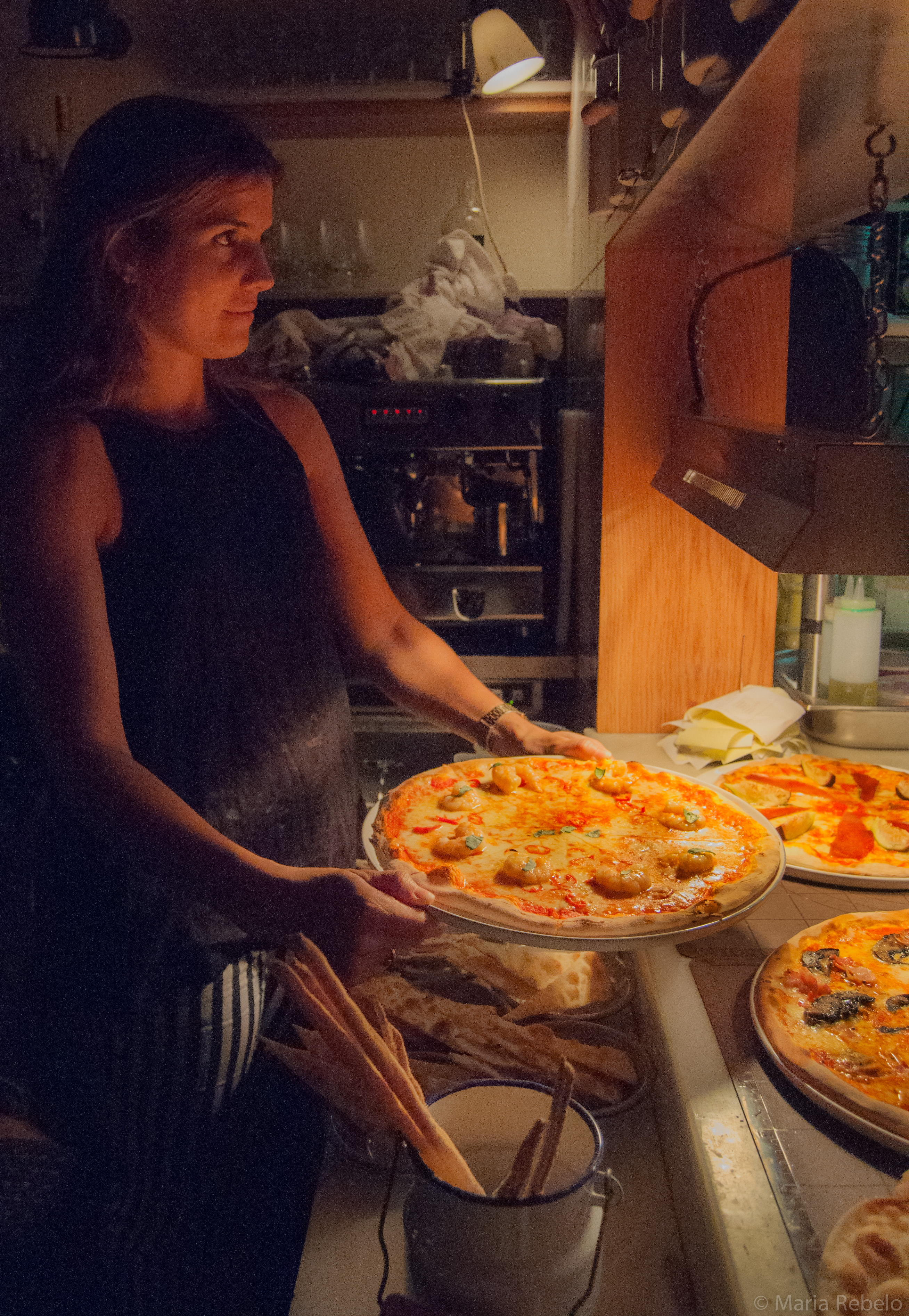
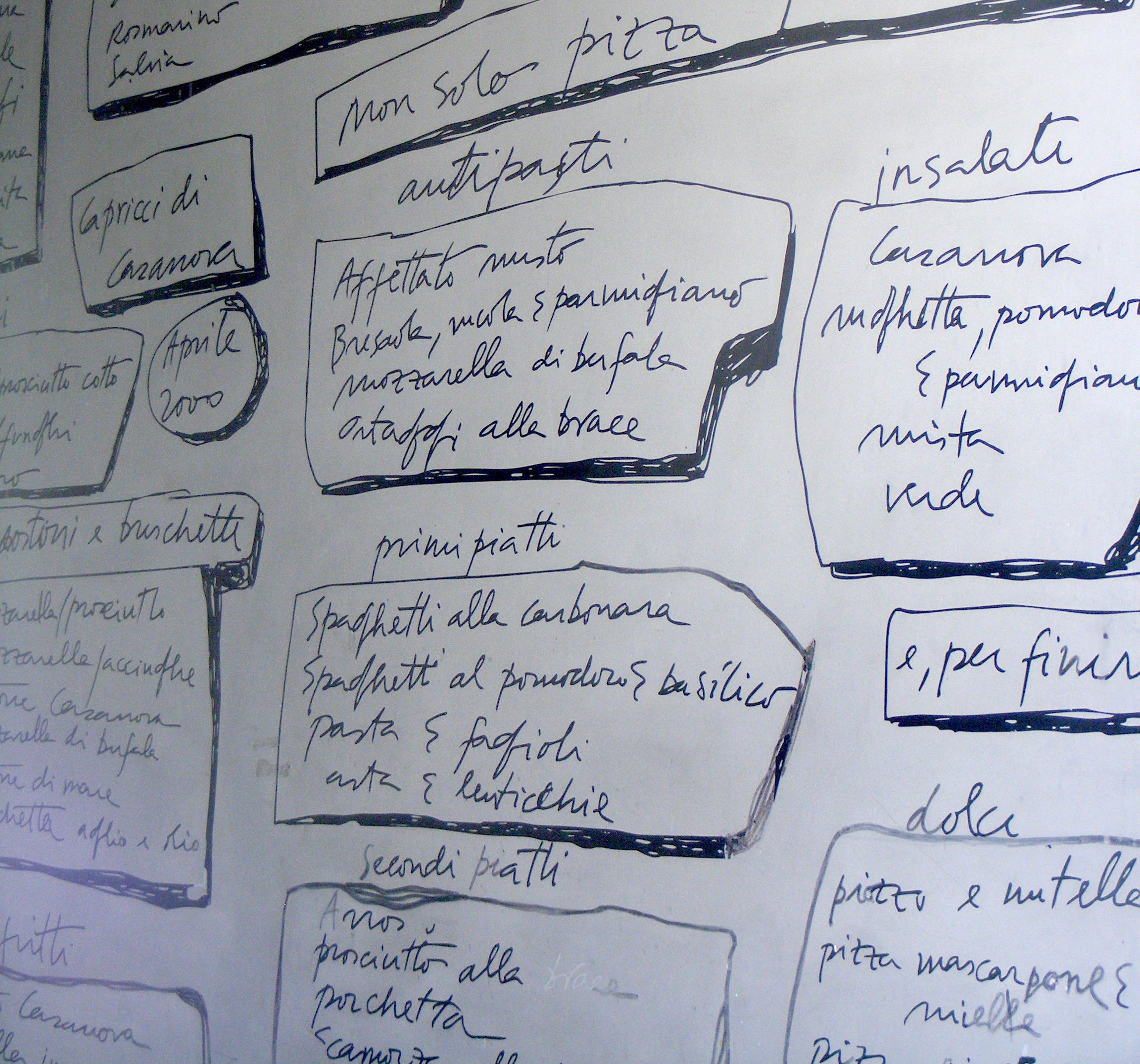
It happens to the best of us. You are in Lisbon, enjoying the fresh fish and the wonderful seafood when, suddenly, you have a craving for pizza! There’s no need to rush to the airport and fly to Naples. You can satisfy your longing for Italian food in Lisbon.

In the 1970s, Maria Paola Porru moved from Italy to Portugal to study cinema. Years later, she opened Casanostra, a restaurant in Bairro Alto, planning to go back to the movie industry once she made some money. But the restaurant was so successful that she continued to run it while working as a sound engineer in several motion pictures.

A few years ago, Porru opened the Pizzeria Casanova in a beautiful location by the Tagus river. The Pizzeria does not accept reservations and there is often a long line. It is here that young people go to see and be seen because, while they wait for some of the best pizza on this side of the Tiber, they feel they’re in a movie.

Restaurante Casanostra, Travessa do Poço da Cidade, nº 60, Bairro Alto, Lisboa, tel. 21 342 59 31, email Italma@sapo.pt. Restaurante Casanova, Avenida Infante Dom Henrique Cais da Pedra à Bica do Sapato, Loja 7, Lisboa, tel. 218877532. 

100 maneiras

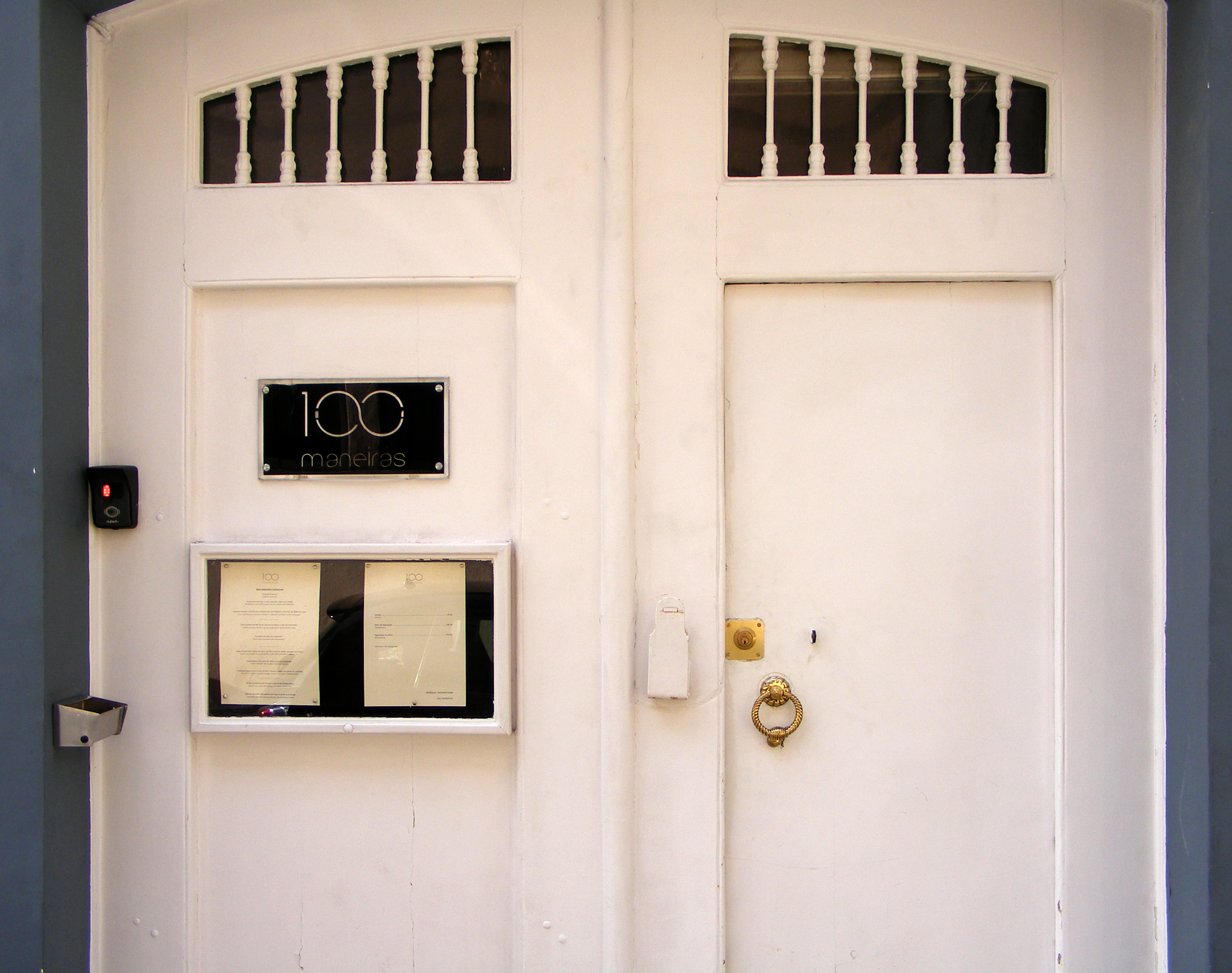
The name is a play on words. “Cem maneiras” means one-hundred ways. But trade the “c” for an “s,” and you get “sem maneiras,” which means without etiquette. Both expressions hint at what makes this tiny restaurant in Lisbon’s Bairro Alto so special.

Yugoslavian chef Ljubomir Stanisic is a magician who combines traditional Portuguese ingredients in inventive ways. But his restaurant is not one of those culinary temples where diners must eat in reverent silence, heads bowed in a show of appreciation for the chef’s genius. The atmosphere at 100 Maneiras is unpretentious, and the only important etiquette rule is that guests have some great gourmet fun.

Restaurante 100 Maneiras, Rua do Teixeira, 35, Bairro Alto, tel. 910 307 575, email: info@restaurante100maneiras.com. Click here for 100 Maneiras’ web site.

Santini’s artisan gelato

In 1949 an Italian called Attilio Santini opened a gelato store in Estoril, an idyllic beach resort near Lisbon. There was a tradition of gelato making in his family; his great grandfather had a gelato store in Vienna. Santini’s approach was simple: make the gelato fresh every day using only the very best cream and fruit. Word of mouth quickly made Santini famous in the 1950s. It helped that many of Europe’s dethroned kings and queens lived in Estoril and became loyal customers. One of these customers, Juanito, is now better known as King Juan Carlos of Spain.

There was a feeling of elegance, of relaxed optimism about the 1950s that you can see in the lines of the Fiat cinquecento or hear in Miles Davis’ recording of ‘Round Midnight. It is this sweet feeling that you can still taste today in a Santini gelato.

Santini has currently three locations, one in Lisbon, near Chiado (Rua do Carmo, 9) and two others in beach resorts near Lisbon (S. João do Estoril, Rua Nova da Estação, 5, and Cascais, Av. Valbom, 28F). There can be long lines in the Summer. The wait is an opportunity to consider which of the more than 50 varieties we are going to try. We don’t want to rush into this decision! Click here for Santini’s website.

Tea and scones at the Vicentinas

Nuvens, Rui Barreiros Duarte, ink on paper, 2011.

Clouds also deserve a break and, on their day off, they occasionally travel to Lisbon. Mostly, it’s the cirrus and stratus, the pretty, socialite clouds that come looking for a good time. But, sometimes, they let the nimbus clouds tag along and then it rains.

These rainy days are a blessing to the ancient trees scattered throughout the city, fruits of the seeds that Portuguese sailors brought from all over the world. For the tourist, a rainy day is an opportunity to try some of the best tea and scones in Lisbon. These have been served for more than 30 years at the Vicentinas, a tea shop in Rua de São Bento. The proceeds go to charity, which makes these wonderful scones taste even better.

As Vicentinas, Rua de São Bento, 700
, Lisboa

, Tel: 213 887040.