Vintage vinegar

Moura-AlvesIf you’re looking for a present for a gourmet friend, look no further: buy a bottle of Moura Alves vinegar. While most vinegar is made with the artificial addition of acetic acid, Moura Alves is produced naturally.

Wine from the Bairrada region is combined with acetic bacteria and left in oak barrels while the bacteria converts alcohol into acetic acid. It’s a very slow process: it takes ten years to reach the ideal level of acidity. But, if you try this vinegar, you’ll see it’s worth the wait.

Moura Alves vinegar is available in many gourmet stores and at El Corte Inglés, at the crossing of Avenidas António Augusto de Aguiar, Marquês de Fronteira e Sidónio Pais in Lisbon, tel 213 711 700. You can also order it from the web site A Vida Portuguesa, click here.

Pizzaria Lisboa

Pizzaria LisboaChef José Avillez can do it all. At Belcanto he showcases avant-garde cuisine that is deliciously original. At Cantinho do Avillez he serves inventive bistro food. Now he opened a pizzeria!

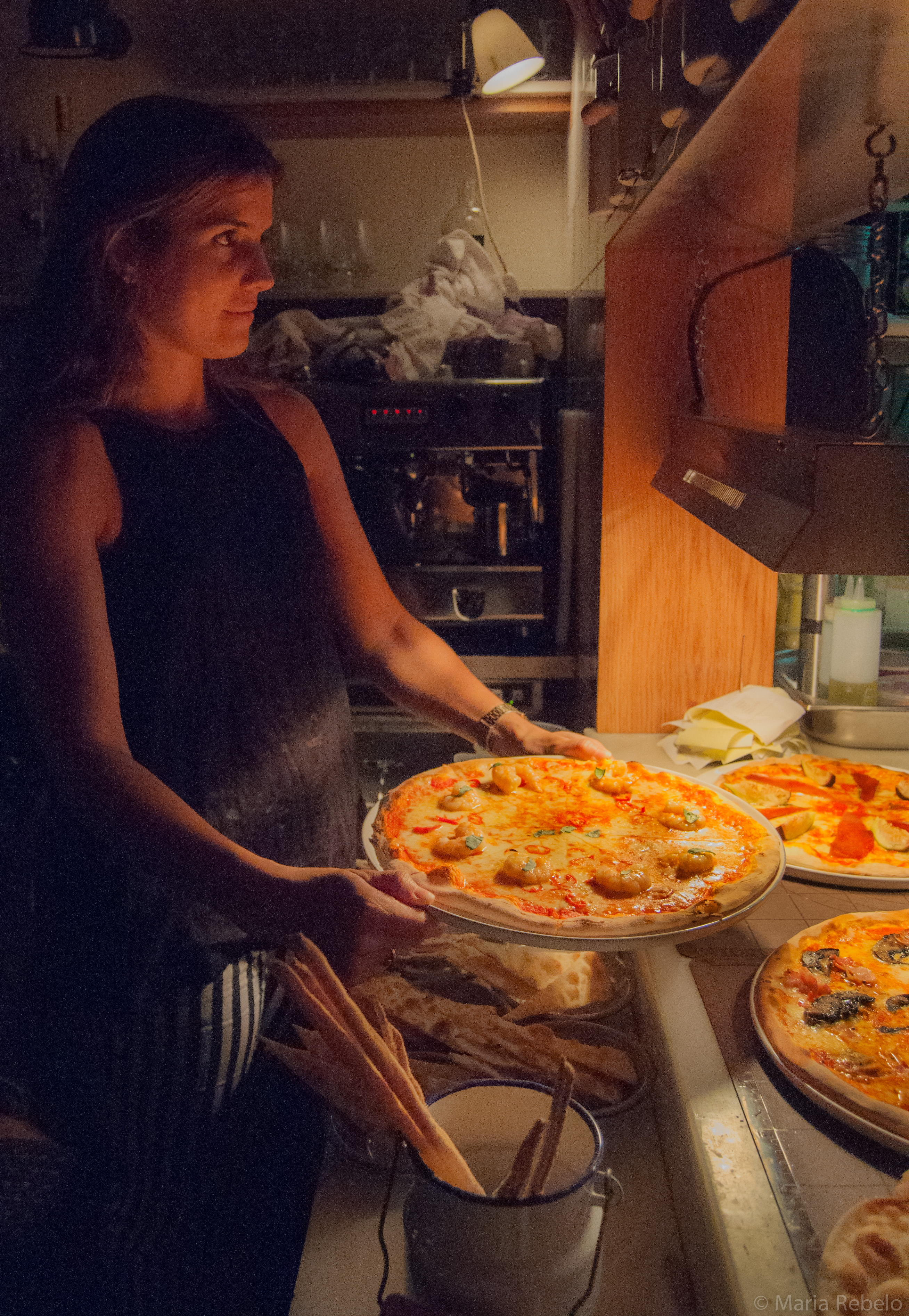
At Pizzaria Lisboa Avillez uses the Italian pizza as a canvas to showcase ingredients and inspiration that are Portuguese. The restaurant feels as if it’s always been there, serving as meeting point for groups of friends.

The service is great. We asked for a pizza degustacion, a sequence of different pizzas cut into slices. Our server replied: what a great idea, of course we’ll do it! And so we tried pizza Chiado, Figueira, 28, Comércio, and Caravela.

Not once did we wish we were in Naples or Rome. Instead, we went out into the warm night feeling lucky to be in Lisbon.

Pizzaria Lisboa is located at Rua dos Duques de Bragança, 5H, tel. 21-155-4945. Reservations are a must. Click here for their web site.

A great start

Tartine

Any nutritionist will tell you that breakfast is the most important meal. It gets our body ready and sets the mood for the day. A lousy breakfast is like a bad haircut, it makes us look weird and feel awkward.

If you’re staying near Chiado, you can start your day with the right foot by walking into Tartine, a wonderful new café. We like to order coffee with toasts made from one of the delicious whole grain breads that are so healthy. After being nutritionally savvy, we reward ourselves with one of the amazing pastries or fruit tarts. When we walk out, the sun is shining and the future looks bright.

Tartine is located on Rua Serpa Pinto, 15-A, tel 21-342-9108. Click here for their web site.

Secrets of Portuguese cooking

Portuguese cooks love to alter traditional recipes, adding ingredients that can be difficult to detect but impart a special taste. We recently learned a few of these tricks.

Our fish monger told us that “people always rave about my fish sauces. They don’t know I use a secret ingredient. When no one’s looking, I blend in a tablespoon of Savora mustard. It makes all the difference.”

A saleswoman at Quinta do Sanguinhal confided: “when I roast meat, I use a secret ingredient. When no one’s looking, I pour a glass of “licoroso” (desert wine) on the meat. It gives the sauce an amazing taste.”

The butcher gave us a pretty conventional stew recipe. When we asked him what made the recipe so special, he said, “Well, I use a secret ingredient. When no one’s looking I pour half a beer on the stew. Then, I drink the other half.”

We plan to find out whether these tricks work… when no one’s looking.

Flying over Lisbon

Bartolomeu Gusmão, a priest born in Brazil in 1685, was probably the first human to fly. On August 8, 1709, in the presence of King John V and his court, Gusmão soared four meters above the ground, held by a paper balloon full of hot air.

This moment of triumph was followed by years of failure and disappointment. Gusmão worked tirelessly on an airship called Passarola. He planned to fly it over Lisbon, but his invention never left the ground. Gusmão’s contemporaries considered him a fool for thinking that a heavy machine could fly. What would they say if they saw us land in Lisbon aboard a modern version of the Passarola?

Pure chocolate

ClaudioCoralo

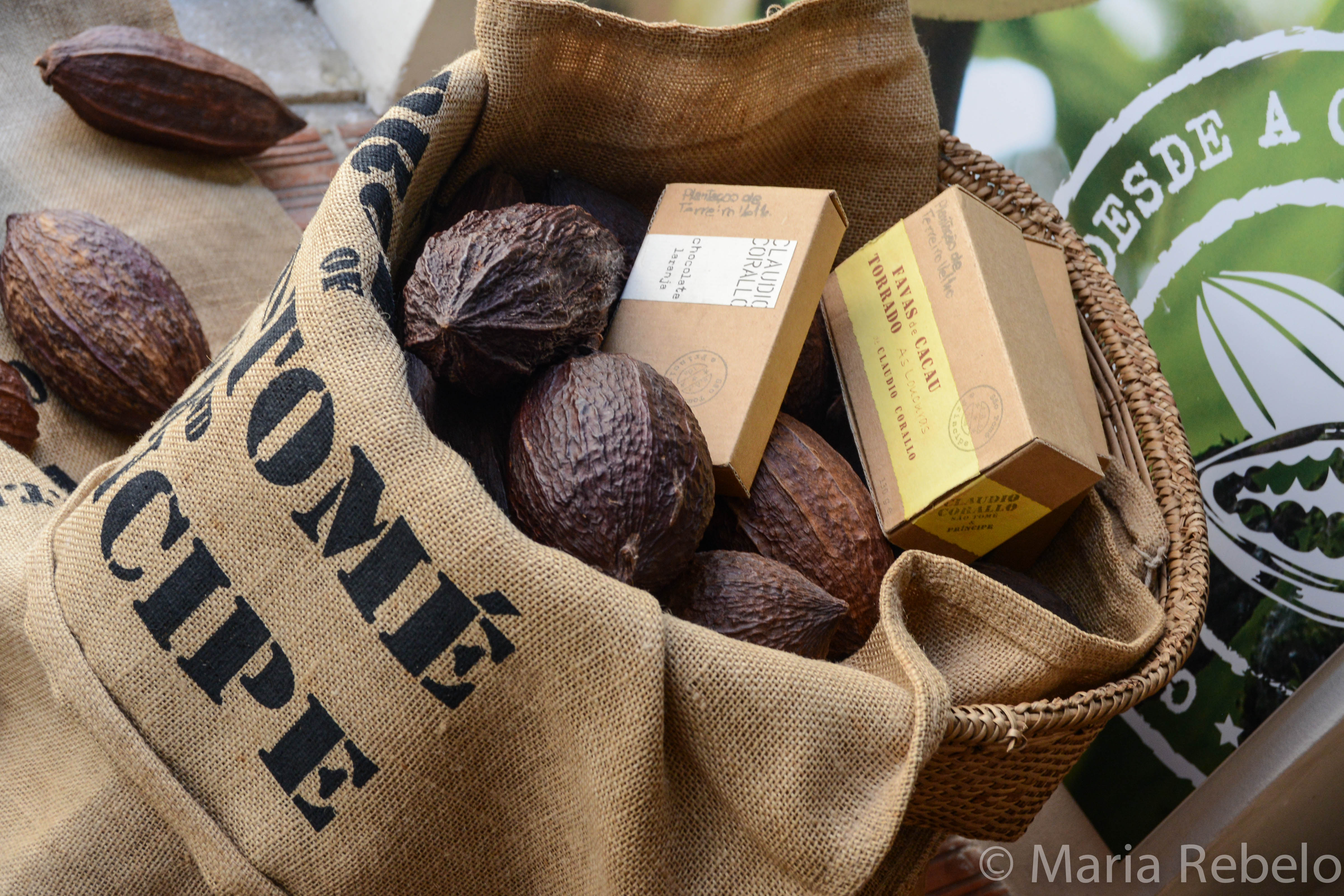
Claudio Corallo is an Italian who, in the 1970s, moved to the former Portuguese islands of São Tomé and Principe to make chocolate. He uses the original cocoa plants brought from South America which have low yields but produce perfect beans. Corallo roasts these beans with great care, so they never burn. He then breaks them by hand to remove the germ that makes other chocolates taste bitter. The result is pure chocolate that tastes delicious without the addition of milk or vanilla.

We are lucky that Claudio married Bettina, a Portuguese because their sons came back to Lisbon. They opened a coffee and chocolate shop that serves as the unofficial meeting point for all the gourmets in the city.

The bonbons are amazing, the tablets unforgettable, the sorbet indescribable. They make us realize that all the other chocolates were youthful indiscretions, passing flings. Corallo is the one.

Corallo’s store is in the Principe Real neighborhood, on Rua Escola Politécnica, 4, tel. 21 386 2158.

Madeira wine

MadeiraMadeira is a fortified wine produced in the island of Madeira. Brandy is added during fermentation to kill the yeast and prevent it from converting all the sugar into alcohol. The result is a sweet wine that can endure the changes in temperature that used to occur during shipping.

George Washington and Thomas Jefferson kept their cellars well stocked with Madeira. So did John Adams, who said that a few glasses of Madeira made anyone feel capable of being president. Perhaps for this reason, both the signing of the American Constitution and the Declaration of Independence were celebrated with Madeira.

There are several different types of Madeira, depending on the varietals used in their production. The most popular varietal, Malvasia or Malmsey, produces a sweet, smooth wine. Sercial makes an excellent dry aperitif. Verdelho makes an elegant semi-dry wine. Bual produces a dark amber semi-sweet wine.

They’re all irresistible, which is why, in Shakespeare’s play Henry VI, Falstaff is accused of selling his soul to the devil for a glass of Madeira.

Cherries are in season!

DSC_9106FFarmer markets are bursting with cherries! They all taste great, but the very best cherries in Portugal come from Fundão, near the Estrela mountain. This region has unique conditions that produce exceptional cherries: granitic soils that are sheltered from the winds and cold days followed by temperate Springs.

Fundão cherries are everywhere in Lisbon; in the menus of the best restaurants and in vans stationed throughout the city. Don’t miss this chance to try Fundão’s red gold!

The most beautiful esplanade in Lisbon

DSC_9092F

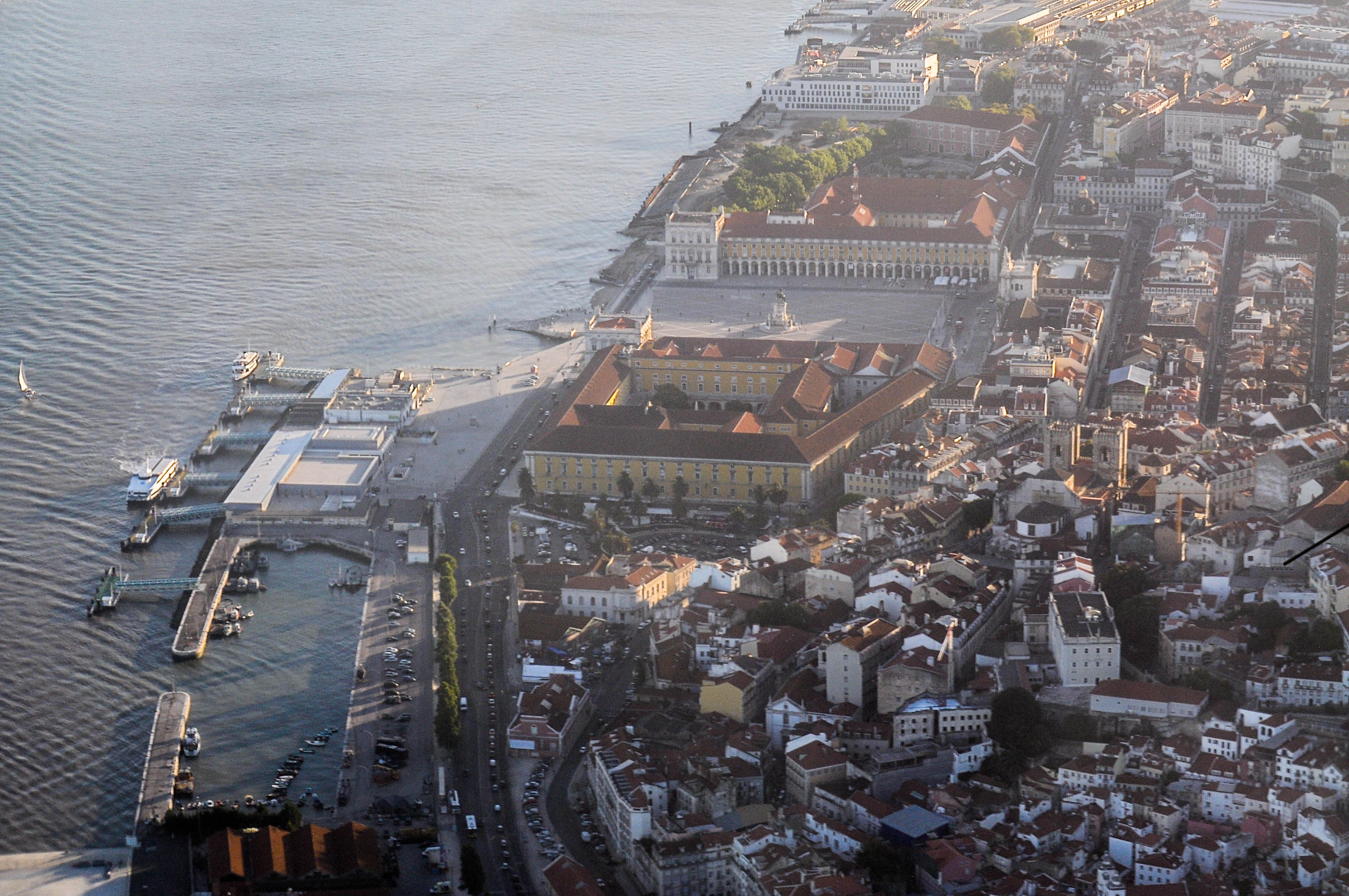
Ribeira das Naus is the place where the caravels were once built and repaired. These ships sailed as far as Goa and Cochim in search of cinnamon and other spices. Lisbon has recently transformed the Ribeira das Naus site into a wonderful promenade that extends from Terreiro do Paço to Cais do Sodré.

The part of the promenade close to Terreiro do Paço, has a beautiful esplanade. Here, you can drink a cup of coffee and eat a “pastel de nata” while enjoying the wonderful river view. Don’t forget to ask for a sprinkle of cinnamon on your pastel, for old time sake.

Summer feasts

CavalhadasIn the 17th century, the Viseu region depended on the waters of the Pavia river to irrigate the farmland and power the watermills. In 1652, after a terrible drought, farmers built dykes that reduced the river flow to a trickle. As a result, the watermills in the village of Vildemoinhos stopped working. The millers clashed with the farmers over water rights until, in 1653, the royal court resolved the case with a verdict favorable to the millers.

To show their appreciation for this life-saving decision, the millers organized a cavalcade called Cavalhada through the city of Viseu. The Cavalhada was so successful that it became an annual event. It is held on June 24 (St. John’s day). Farmers sell pots of wild basil and children feast on Viriatos, a local sweet. There are marching bands, traditional dancing troupes, groups of drummers, and giant paper-machê dolls.

This Cavalhada is one of the many Summer feasts organized everywhere across the country. If you see a sign for Festa Popular (popular feast), be sure to stop by. They’re always fun events. And they celebrate the ancient traditions that make Portugal more than just a pretty landscape.