Chestnuts roasted on an open fire

November 11 is the day dedicated to S. Martinho (St. Martin), a Roman soldier who gave half of his cape to a beggar during a heavy snow storm. Impressed by this gesture, the sun came out and melted the snow. Centuries later, the star still remembers the saint’s generosity and shines with gusto to give us a taste of Summer in Autumn.

The Portuguese celebrate these warm days with a feast called magusto (magoostoo). We gather outdoors to eat roasted chestnuts and drink a small glass of jeropiga, a fortified wine. It’s an ancient tradition that reminds us that there’s no place like Portugal.

Fun on your doorstep

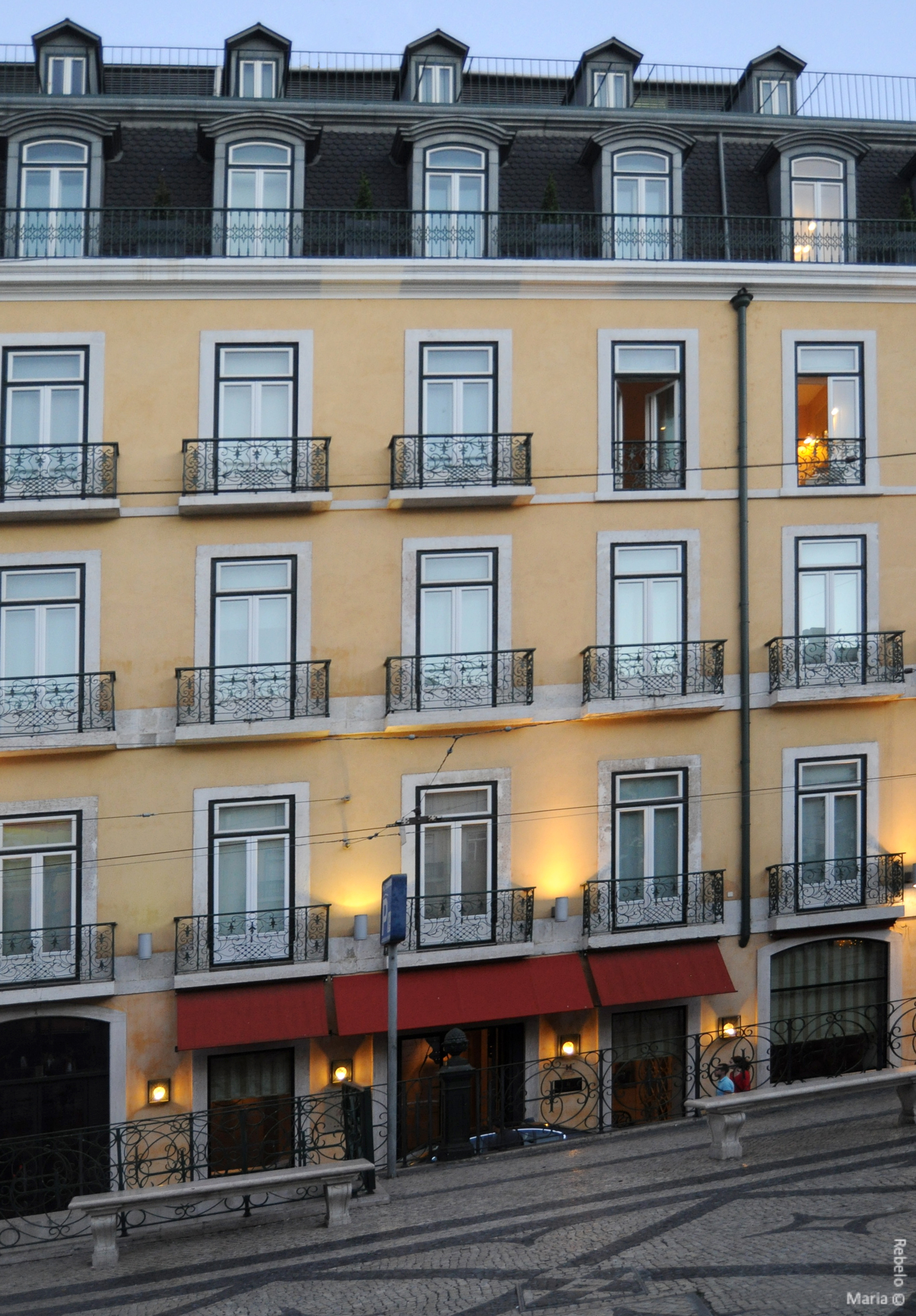
In 2005, the 18th century Hotel d’Europe was transformed into the Hotel do Bairro Alto. The result is a unique combination of aristocratic charm, modern comfort and superb location.

After checking in, you can relax on the top floor terrace and enjoy the fantastic view of the Tagus river. Once you walk out, ready to explore the city, you’re seconds away from Lisbon’s most famous café, A Brasileira, and two minutes from Santini‘s fabulous artisan gelato. You can shop for porcelain to your heart’s content at Vista Alegre or choose beautiful cutlery at Cutipol. You can walk to Bairro Alto, enjoy the view of St. Jorge’s castle, stop for a drink at the port-wine institute, listen to some fado, and check out the avant-garde scene at Galeria Zé dos Bois. Or you can go downtown to stroll on Rossio and Terreiro do Paço. Where else in the world, dear reader, can you find so much fun on your doorstep?

Hotel do Bairro Alto, Praça Luís de Camões 2, Lisbon, tel. 213 408 288, email: reservations@bairroaltohotel.com. Click here for the hotel’s website.

The resilient beauty of Lisbon

On November 1, 1755, Lisbon woke up with the rumble of a devastating earthquake. By the end of the day the city was covered with ashes and rubble, stripped of its magnificent buildings and opulent commerce.

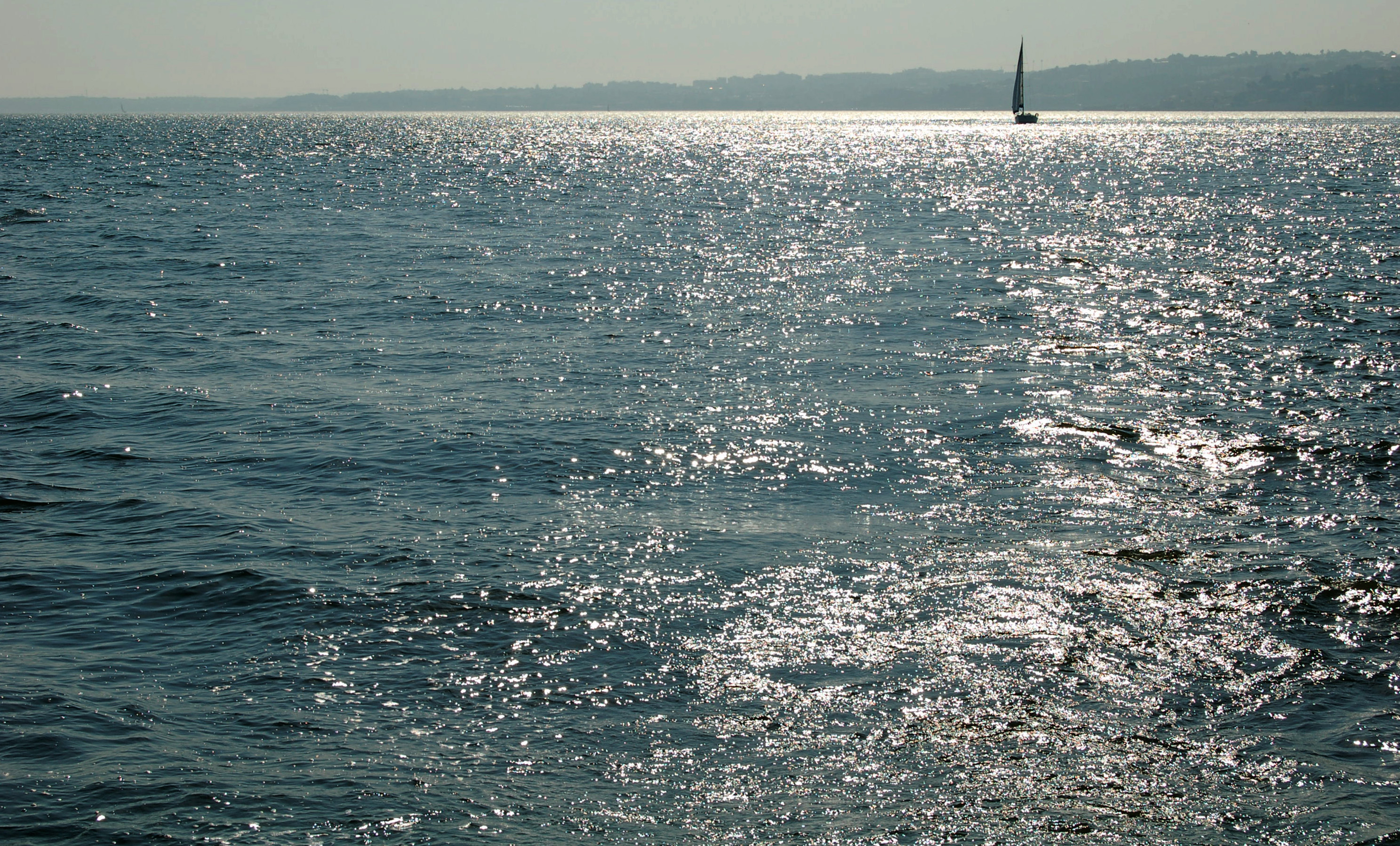
What was left? In the words of Alfredo Mesquita: “There was still the Tagus river, blue and bewitching, cloaked in velvet by the crystal clear sky which is studded with stars by night and gilded with sunlight by day. And the noble, melancholic majesty with which the city reclines, its feet bathing in the waters, elegant and regal, on the throne of its seven hills.”

Alfredo Mesquita, Lisboa, Empreza da História de Portugal, Livraria Moderna, 1903.

Contemporary art in Cascais

If you’re interested in contemporary art, be sure to visit the Cascais museum devoted to the Portuguese painter Paula Rego. Her work is housed in a striking building designed by Eduardo Souto de Moura, a Portuguese architect who received the Pritzker prize in 2011. Rego uses ordinary faces, objects, and landscapes from Portugal to paint unusual scenes that challenge visual and social conventions.

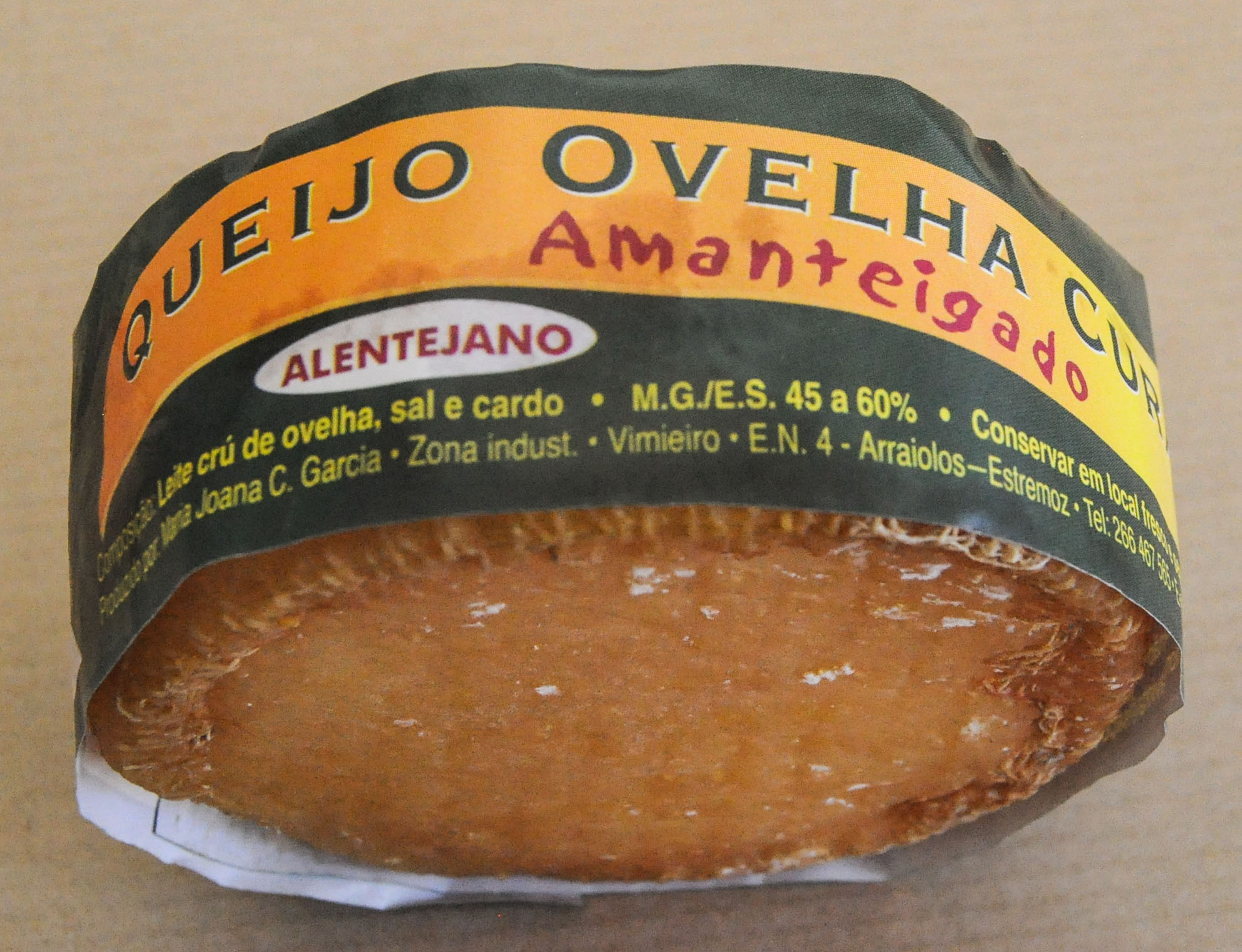
Memories of a lost cheese

Marcel Proust could vividly recall the taste and smell of his aunt’s madeleines. Those memories inspired his masterpiece, Remembrance of Things Past.

Joana Garcia remembered the taste and smell of the cheese she ate as a child with her grandmother in Alentejo. Those memories inspired her to recreate that long-lost flavor. She quit her job as a lawyer, moved to Alentejo and bought 500 sheep. After trying endless combinations of milk, salt and cardoon, she found the taste of her youth. Garcia’s masterpiece is called Queijo Monte da Vinha. It is a delicious, soft, buttery cheese with the precious taste of a distant past.

You can try Queijo Monte da Vinha at the wonderful Tasca da Esquina restaurant in Lisbon. You can buy it at Mercearia Creativa, a gourmet grocery store where you’ll find many other great Portuguese products (Av. Guerra Junqueiro, 4A, Lisbon, tel. 218-485-198). Click here for the Monte da Vinha website.

Rossio’s wild memories

Rossio, Maria José Rebelo, digital print image, 2012.

Rossio, one of Lisbon’s main plazas, is an aristocratic lady who has seen it all: war and peace, prosperity and poverty. Bullfights were once staged in the middle of the square. In 1515, King Manuel arranged a duel in Terreiro do Paço between an elephant and a rhinoceros. At the sight of its armored opponent, the elephant panicked, broke its enclosure, and fled toward Rossio.

Even its monuments have improbable histories. The statue of D. Pedro IV, King of Portugal and Emperor of Brazil, was inaugurated by his daughter, D. Maria II, but the monument remained unfinished for fourteen years. Finally, in 1867, a tall column was erected. A statue of Emperor Maximilian happened to be in Lisbon in transit to Mexico when news arrived that he had been shot. Rumor has it that the statue was bought at a discount and used in Rossio.  It was a fine way to save money, since all emperors look alike atop a high column.


In search of the muses

Martinho da Arcada, Maria José Rebelo, monochrome digital print image, 2012.

Martinho da Arcada, a café in Terreiro do Paço, is a time capsule. It shows us what Lisbon cafés looked like in the first part of the 20th century. It is an austere place and, yet, it was here that the poet Fernando Pessoa wrote some of the best poetry in the Portuguese language.

Do the muses still gather at Martinho da Arcada, waiting to whisper their rhymes to those willing to listen? There’s only one way to find out. Take a pen and a pad of paper, sit down at one of the tables, order some coffee, and watch what happens.

Pink glamour

Lula, Rui Barreiros Duarte, ink on paper, 2012.

The squid is a sea socialite, always hopping from shrimp to smelt parties, elegant and glamorous in its pink-dotted design gown. This cephalopod has in recent years become a globe trotter. Every day, billions of squid travel by road, sea and air to the menus of fashionable restaurants around the world. But all this roving takes a toll on the delicate mollusk, which arrives tired and frozen, long on frequent-flyer miles and short on taste.

If you’re in Portugal, don’t miss the chance to try some fresh squid. The best way to cook it is “Algarve style” (lulas à Algarvia):  the squid is lightly fried in olive oil, garlic, and bay leaves. It’s a simple preparation and yet, it produces sublime results that do justice to the squid’s diaphanous freshness.

Portugal’s navigators

The centerpiece of the 1940 Portuguese World Fair was a large plaster sculpture celebrating Portugal’s age of discovery. Two decades later, this sculpture was rebuilt in cement and stone. It has a terrace on top that you can reach by elevator. It is well worth the climb to enjoy the magnificent view of Lisbon.

The monument is shaped like a ship prowl. Both sides are crowded with statues of monarchs, sailors, scientists, missionaries, writers, and artists. They’re all jostling for a good position on the narrow decks, thinking that, if they’re going to stand still until the end of time, they might as well get a nice view of the Tagus river.

Prince Henry the Navigator secured the prime spot. He stands right in front of the monument with a stern look on his face. Some say that he’s thinking about the perils that Portuguese explorers had to endure. But a more popular theory is that he’s simply afraid of being pushed into the river. Despite his nautical fame, Prince Henry never learned to swim.

A supreme chicken

One of the simple pleasures of Portuguese cuisine is roasted chicken with piri-piri, a spicy sauce made with peppers that came originally from Africa.

Frango da Guia, a small roasted chicken, is very popular in the Algarve. But the best roasted chicken we have ever had is from Frango Saloio, a tiny take-out place in the municipal market of the town of Lourinhã, 70 km north of Lisbon. You see no tourists there, only locals who wait while their chicken is cooked to perfection over red-hot coals. Lines can be long during the Summer, so please don’t tell anyone about this place!

Frango Saloio is located in Mercado Municipal, Loja 2, Lourinhã, tel. 917 272 385.