The best Portuguese pears


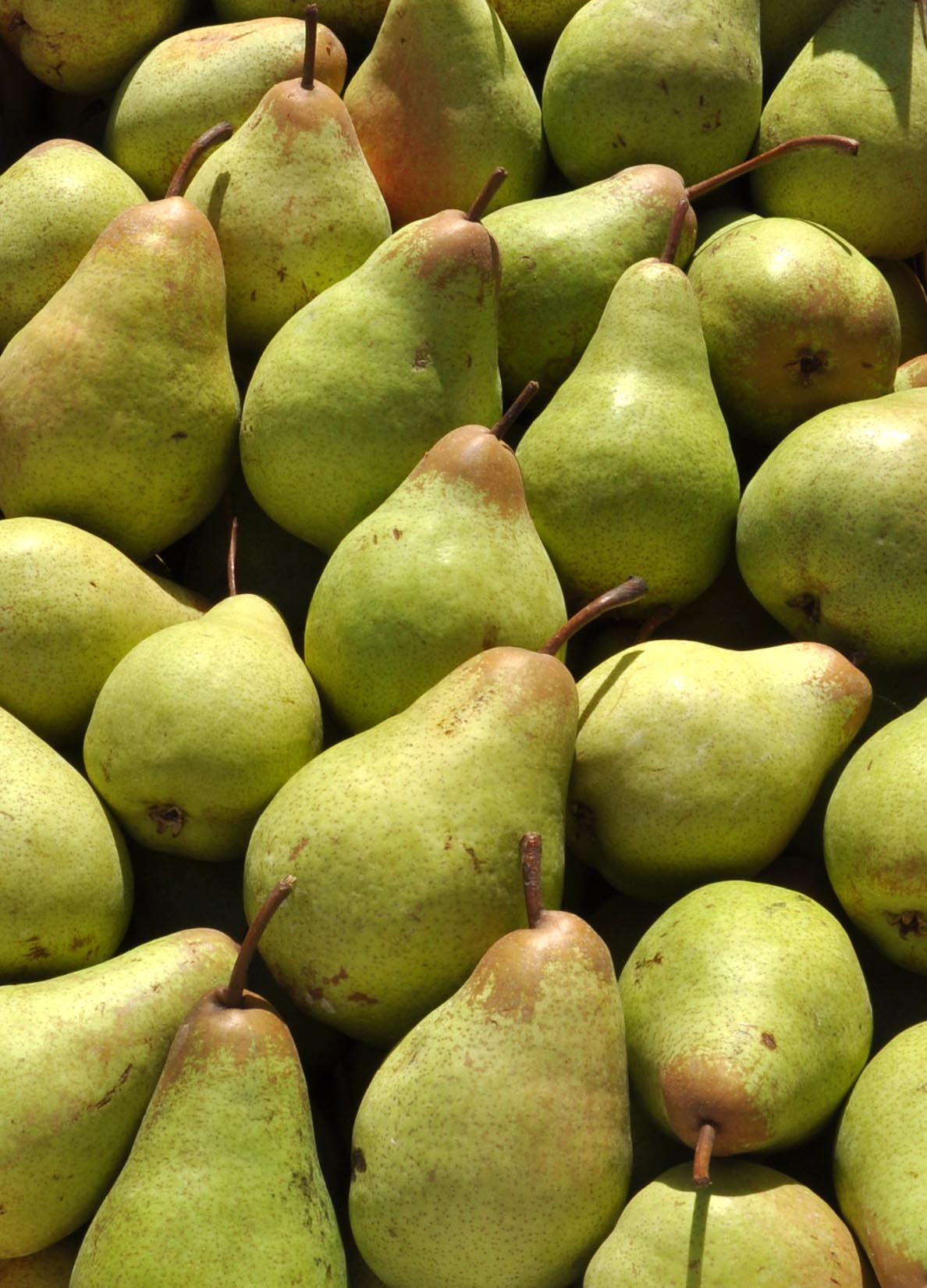
In August farmers markets overflow with pera rocha (rocha pear), a delicious pear variety unique to Portugal. In 1836 António Rocha, a horse dealer from Sintra, noticed a tree that produced unusual pears. These pears had a crusty texture, a sweet aroma, and a refreshing taste. He shared grafts from this wonder tree with his neighbors, who shared them with their neighbors, spreading pera rocha throughout the west of Portugal.

Paul Cézanne, born in 1839, loved to paint pears. He painted them as overlapping abstract shapes, with warm colors and cool shadows, with flat brush strokes, with thin washes of pure pigment. All his life he searched for the perfect pear. He did not know that António Rocha had found it.

Millenary honey


Archaeologists discovered 2,000 year-old Egyptian honey that is still in good condition. This longevity stems from the honey’s remarkable purity.

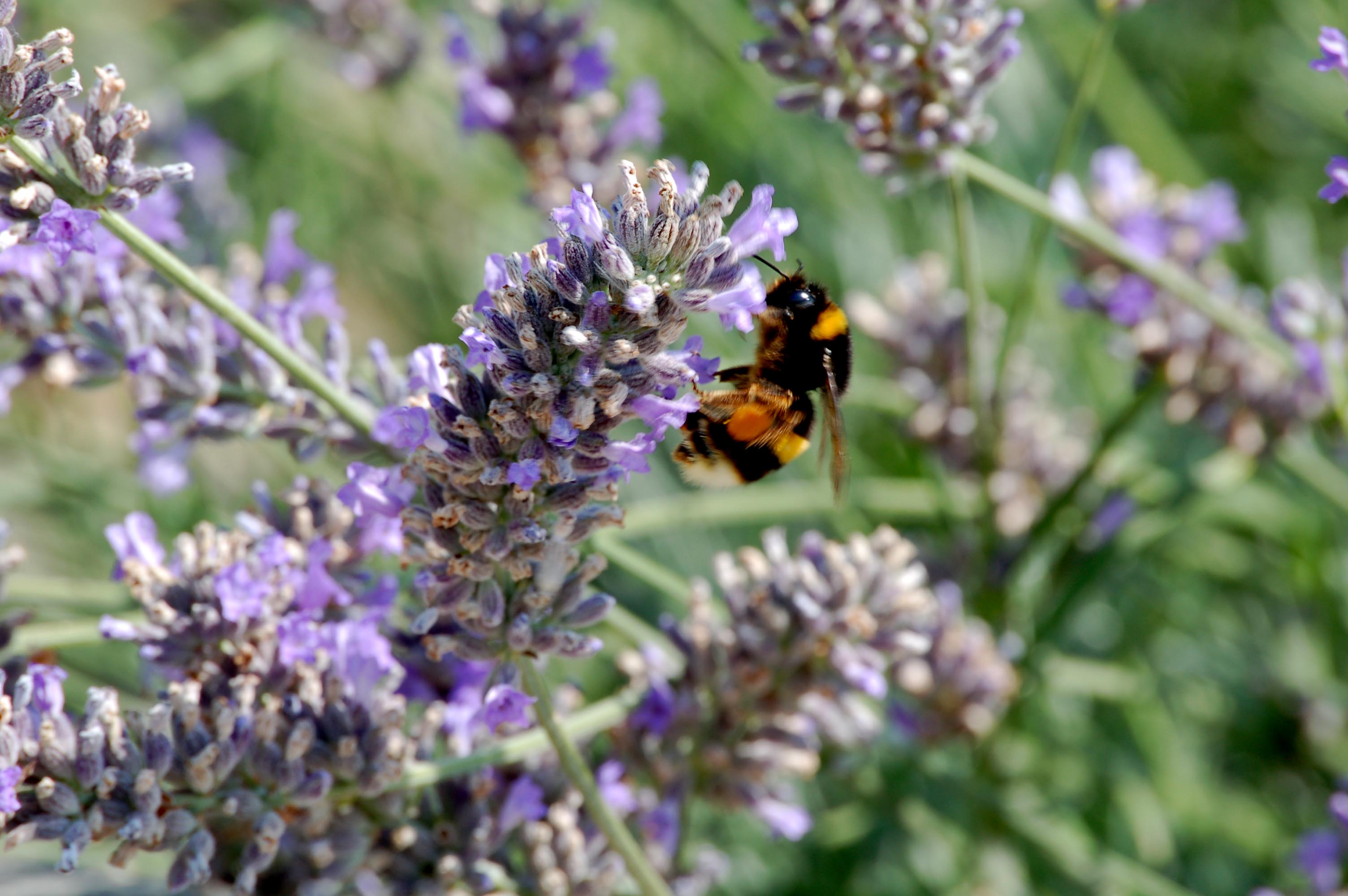
There are a number of Portuguese beekeepers that strive for this purity. They spurn the industrialized processes that sacrifice the bees to extract the honey. They shun the additives used to keep the honey from crystalizing during Winter.  Some produce honey from the nectar and pollen of a single flower species, such as eucalyptus, lavender, or rosemary. Others produce multifloral honey, extracted only after the bees feasted on flowers from all seasons, from the wild flowers that bloom after the Winter rains to the fleeting pumpkin flowers that bloom only for a day.

It takes a little effort to find this superior artisan honey. It is mostly sold in farmers markets (one of our favorite producers, Miguel Evaristo, sells his honey at the Lourinhã fair on the last Saturday of each month). But, once you buy it, you can take your time enjoying it. It is good for 2,000 years.

Areias do Seixo

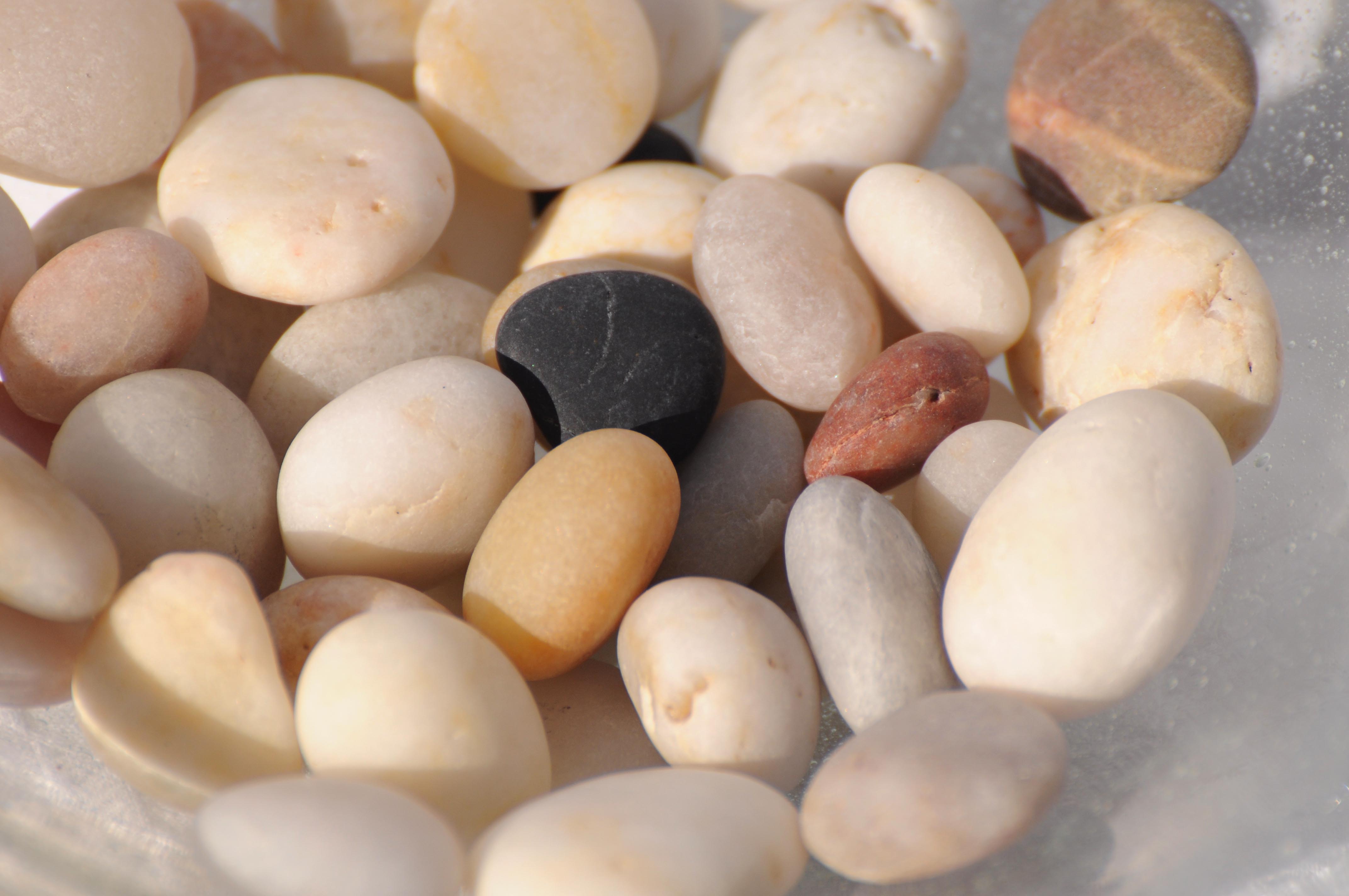
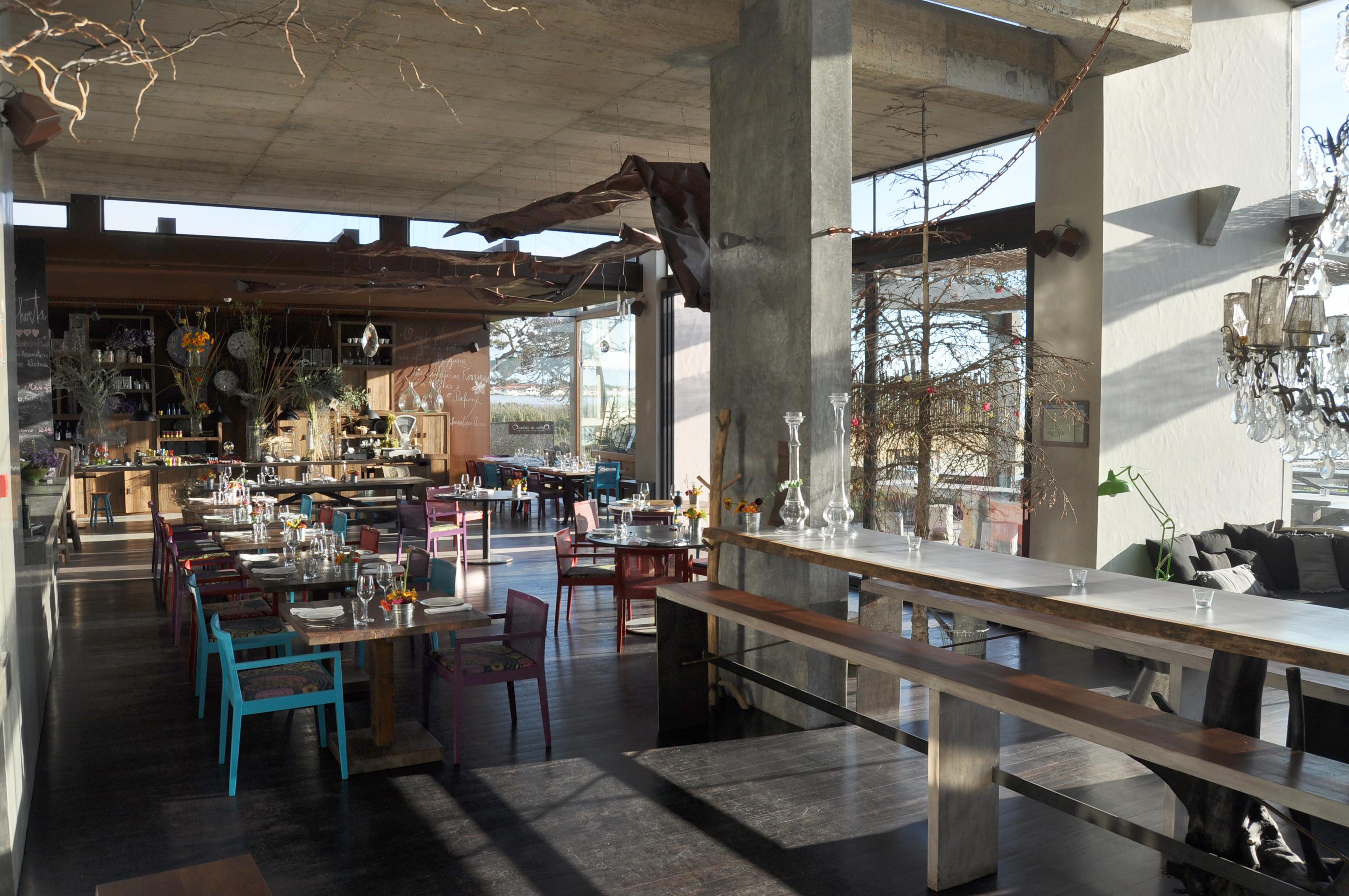
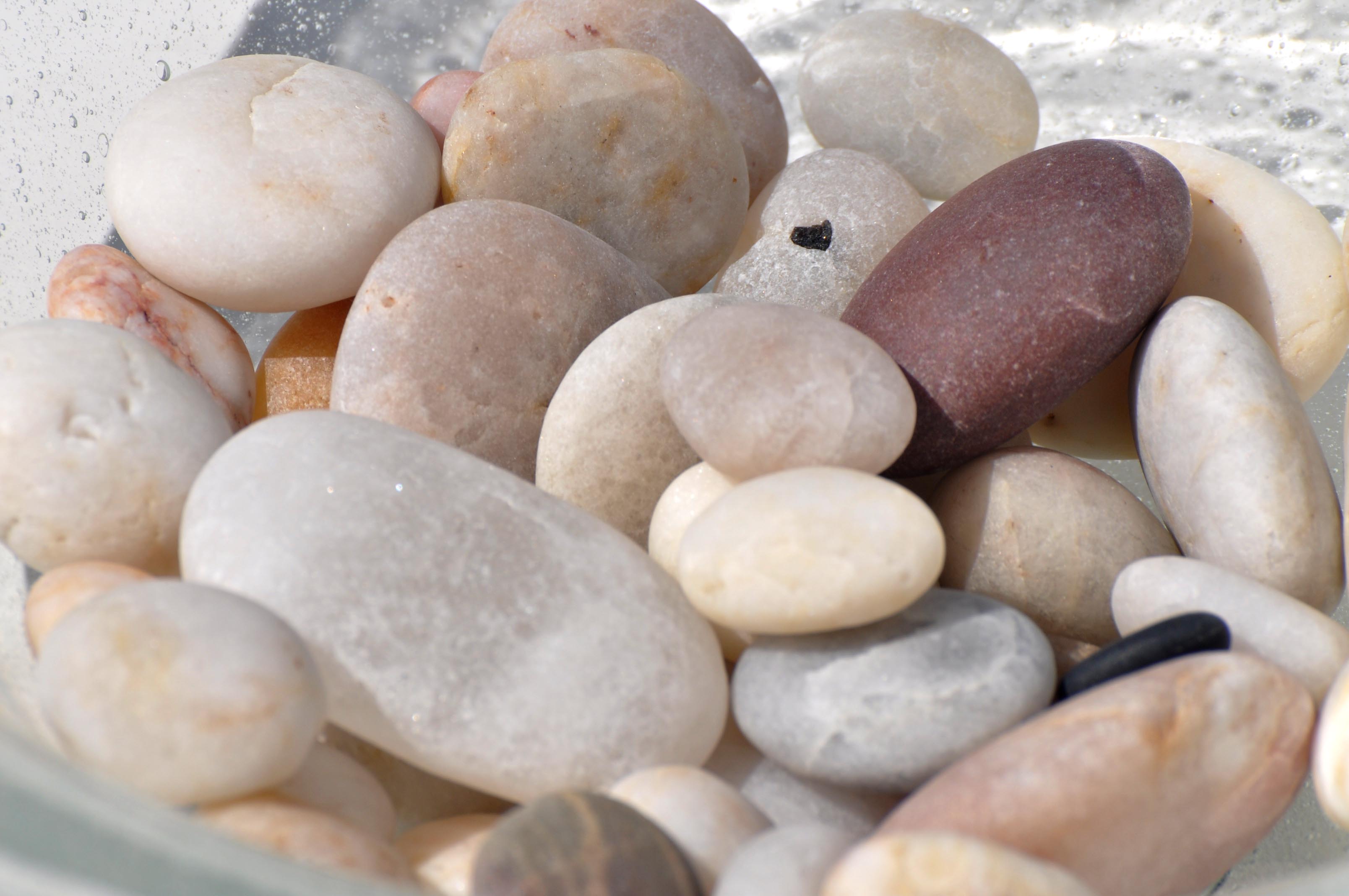
You ring the bell as if you were visiting a friend’s house. The large weathered wood door opens to reveal a magical place overlooking the sea. Everything feels right: the driftwood benches, the pebble walls, the bare swimming pool, the wood fire burning outside.

You can walk to the beach through sandy dunes and fragrant pine trees to see blue waves crashing on white sand. Or you can drink a glass of wine while the sun and the moon exchange duties.

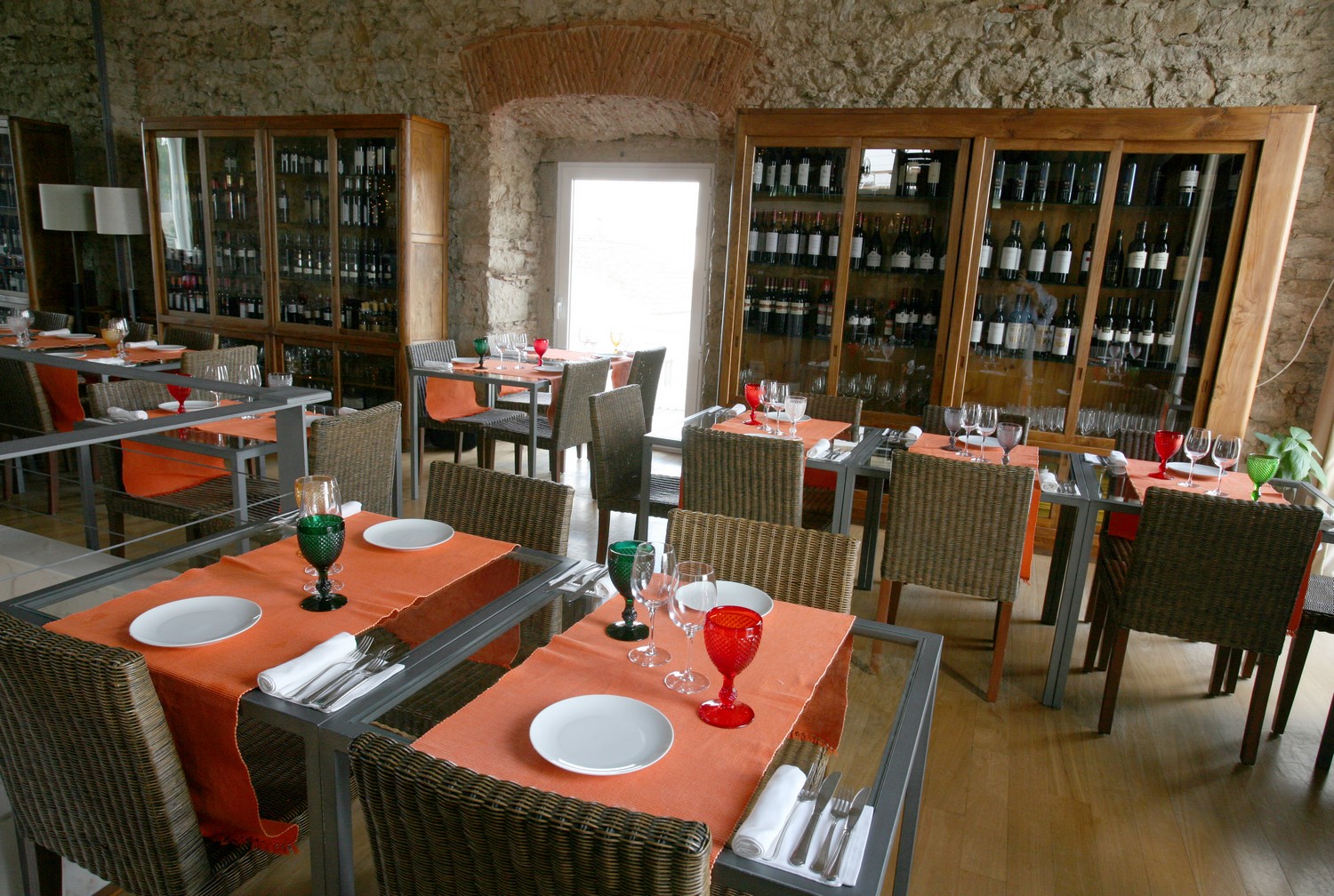
The restaurant staff make you feel at home while you choose from a small menu that changes daily. The food is wonderfully simple, prepared with great local ingredients: fresh fish, tender vegetables, succulent meat, briny seafood.

We hear that people in heaven like to return to this world to stay for a few days in this boutique hotel near Praia de Santa Cruz.  We have not been able to confirm this rumor. But one thing we know: Areias do Seixo is a little piece of heaven on earth.

Praceta do Atlântico, Póvoa de Penafirme, 2560-046 A-dos-Cunhados, tel. 261 936 340, email info@areiasdoseixo.com, click here for website.

Portuguese razor clams

We know nothing about the biology of the lingueirão (Portuguese razor clam). All we know is that, when steamed, it releases the scent of the ocean and we feel we are on the high seas. Use the cooking water to make lingeirão rice and the result is a dish with complex flavor. Guests will think you have been cooking for hours, reducing sauces, combining delicate infusions. And all you did was take advantage of the amazing biology of the lingueirão.

Quinta das Lágrimas

It’s a plot worthy of Shakespeare. Pedro, the crown prince, falls madly in love with a noble lady called Inês de Castro.  His father, King Afonso IV, opposes this liaison. Pedro ignores the king’s will and has four children with the captivating Inês. In 1355, King Afonso IV orders that Inês be put to death.

According to legend, a fountain sprang from the last tears that Inês shed in Quinta das Lágrimas (the quinta of tears).  In the 18th century an elegant palace was constructed on the quinta. This palace has recently been converted into an exquisite small hotel. Don’t be surprised if you find yourself writing a novel during your stay.

Rua António Augusto Gonçalves, P-3041-901 Coimbra, tel. (239) 802 380, email: comercial@quintadaslagrimas.pt, click here for website.

Portuguese cutlery

The Portuguese are obsessed with cutlery. They use a bewildering array of specialized tools to eat their food. Serving snails? You need a snail fork. Eating oysters? You need an oyster fork. The soup is a consomée? A normal soup spoon won’t do. You need a consomée spoon. Cake for dessert? Don’t even think of using a desert fork! You need a cake fork. And, of course, you can only eat fish with proper fish forks and knifes. You can see all this cutlery bravado on display at a Cutipol store. It’s more fun than many museums.

Portuguese wine


After World War II Mateus Rosé, a sweet rosé wine, brought precious export revenues to a poor country. But it branded Portugal as a producer of cheap, easy-to-drink wine. Virgil famously wrote that “Bacchus amat colles,” (Bacchus loves the hills), implying that grapes cultivated on slopes are especially blessed. Portugal’s rolling hills going down to the sea are ideal for wine production. Large investments in technology and a new generation of enologists are making sure that the blessings of the ancient god of wine do not go to waste.

Reinventing Portuguese cuisine

You need to study before eating at Pedro Lemos’ wonderful restaurant in Oporto. You have to learn the taste of roasted suckling pig, the smell of codfish and chickpeas, the texture of veal from Miranda, the saltiness of sardines, the sweetness of rocha pears. Only then will you understand that Lemos is reinventing these traditional Portuguese flavors with imagination and soul.

Pedro Lemos, Rua Padre Luis Cabral, 974, Foz do Douro, Porto, Tel. 220115986, email reservas@pedrolemos.net

America discovers Portugal

Americans discovered France, Italy, and more recently,
Spain, as vacation destinations.  But Portugal has remained terra incognita. That is changing. The New York Times has written a steady stream of articles about Portugal. Most are about Lisbon; about the places to go, the culinary renaissance, the new restaurants, the new museums, the relaxed atmosphere, and the art scene. But the Times has also discovered Cascais and Évora. The Wall Street Journal tells its readers that “In Portugal you can pack seven days worth of castles, clubbing, seafood, shopping and luxury hotels into one perfectly affordable long weekend.” Now, perhaps Woody Allen will consider directing a movie about a writer who comes to Lisbon and discovers that the secret to eternal youth is a daily bath of piri-piri sauce.

Piri piri

piri-piri

The Portuguese brought from Africa a small red pepper called bird’s-eye chilli that they use to make a popular hot sauce. In Portuguese both the pepper and the sauce are called piri piri (pronounced peeree peeree).

Restaurants that serve grilled chicken often make their own piri-piri sauce. What happens if you ask for their recipe? Here are some sample answers: “My Engleesh is not bery good, sory,” “We get it from Spain, you have to ask there.”

After years of undercover work, we gathered some piri-piri intelligence to share with you. The base of the sauce is usually vegetable oil, although a few restaurants use olive oil. Often, the piri-piri peppers are simply combined with the oil and left alone for a few days. In some cases, the oil is warmed to absorb more quickly the taste of the piri-piri pepper. Some recipes use vinegar, whisky, cognac, salt, parsley, coriander, cilantro, or garlic. No matter which version you try, piri piri will spice up your life.