Noble bed and breakfasts

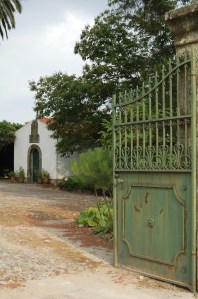
Portugal has many ancient manor houses and palaces built by noble families and wealthy landowners. These houses are expensive to maintain, so in the 20th century many fell into disrepair. The government created a program called “Turismo de Habitação” (home tourism) that subsidized their restoration. In return, the owners agreed to turn them into “bed and breakfasts.”

You can tour the country staying, at very affordable prices, in aristocratic homes, with expansive vistas and warm hospitality.

These proud houses are silent witnesses to centuries of history. When you visit them, you touch the soul of Portugal.

Click here for the Home Tourism web site.  

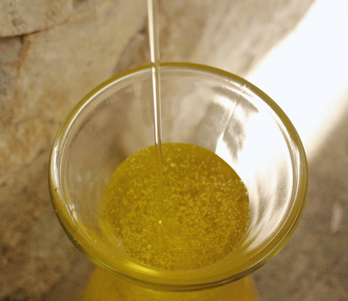
Star olive oil

OLYMPUS DIGITAL CAMERA

So many people come to Portugal looking for the perfect vacation. We see them arriving at the airport, impatient sun worshipers ready to experience the country’s radiant beauty.

For some of these visitors, what starts with a few days of relaxation turns into a lifetime adventure. Detlev von Rosen, a Swedish entrepreneur, came to Portugal forty years ago and he never left. He bought farmland in the Algarve and began to learn about the soil, the water, the wind and the sun.

He first used this knowledge to cultivate flowers. Later, when he felt ready, he planted olive trees. He discovered that the olives had to be picked by hand and pressed shortly after the harvest. He searched for ways of extracting the oil that would keep it pure.

His results are extraordinary. We could tell you that his customers include Carla Bruni and the Queen of Sweden. However, this is not a gossip blog, dear reader, so we will refrain from name dropping.

Sadly, Detlev Von Rosen passed away in 2016 at age 80. But his legacy lives on in the hands of long-time collaborators who inherited his passion for producing exceptional olive oil.

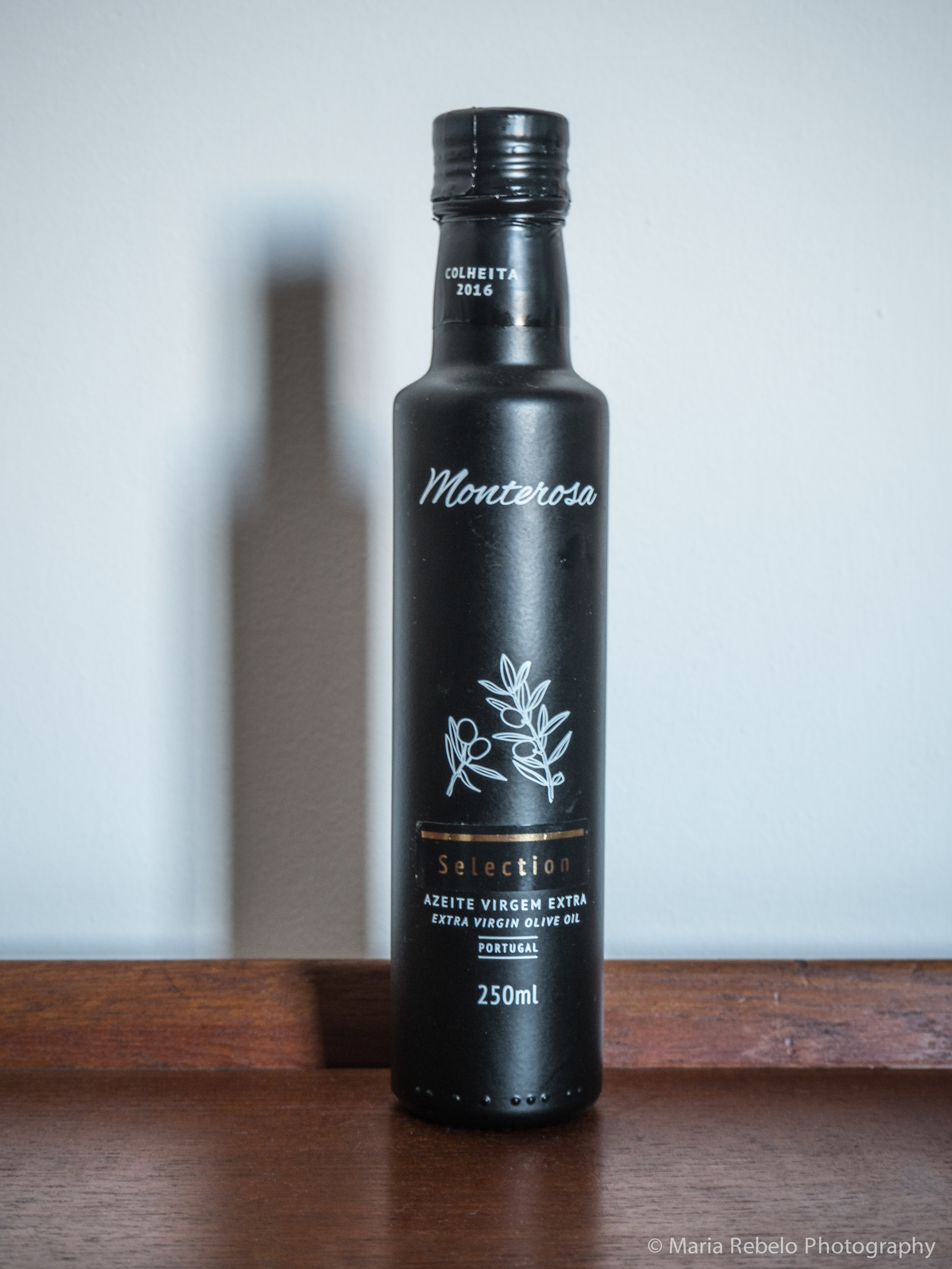
The oil is sold in small bottles under the name Monterosa, a Portuguese transliteration of Von Rosen. These bottles are hard to find, but you can order them online through the company’s website. If you’re looking for a special gift for a loved one, forget Chanel No. 5 and try Monterosa No. 1.

Fog

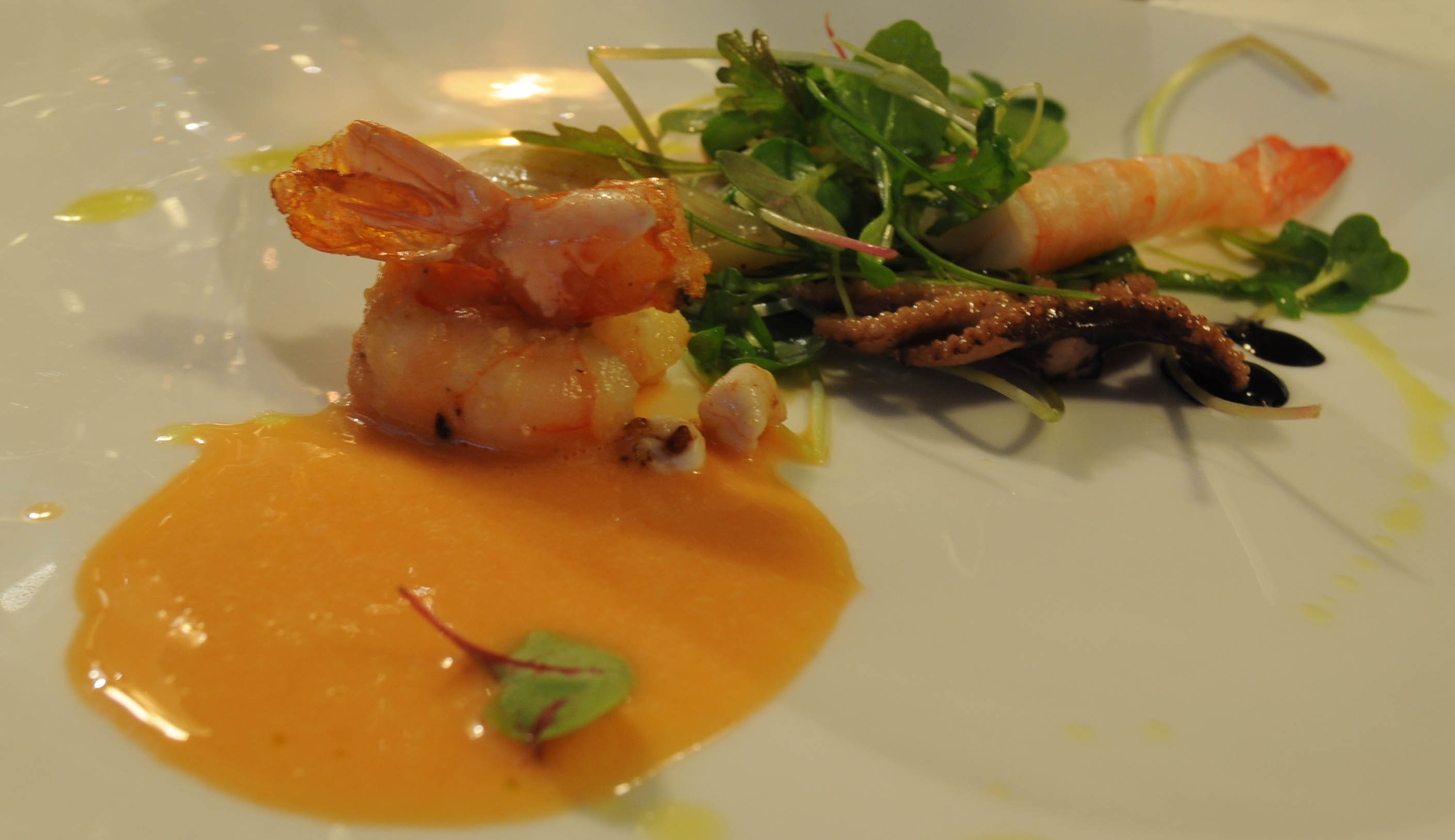
When we walk on the beach on foggy days we always have a sense that something special is about to happen. In the XVI century Portugal had a young king, D. Sebastião, who tried to conquer the north of Africa. He failed with terrible consequences. Much of the country’s elite died in battle or in Moroccan prisons. The king vanished and Portugal lost its independence to Spain. But the Portuguese did not loose hope. They believed that D. Sebastião would return on a foggy day to restore the glory of Portugal. So, if you are walking on the beach on a foggy day, keep an eye on the horizon. This could be the day.

Figs and treasures

Spoiler alert: if you are planning to read ancient tales about treasures, stop reading this post! To those still reading, we will tell you that in ancient tales, treasures are often buried under fig trees. The reason is symbolic. The fig tree is ugly but it bears the most luscious fruit.

Portuguese figs are glorious. You can pair them with “presunto” (Portuguese prosciutto) as an appetizer or have them for desert. When you taste a Portuguese fig you realize that the real treasure is not underneath the fig tree but hanging from its branches.

The Mafra palace


Every morning King D. João V looked in the mirror and told his reflection: you’re magnificent!  There was only one cloud in his life: he did not have an heir to the throne. So, he promised that, if Queen D. Maria Ana got pregnant, he would build a magnificent monastery. That is, according to legend, how the Mafra Palace came to be built.

Financed with gold from Brazil, it features sumptuous accommodations for the king and queen, a magnificent Basilica with six pipe organs, and an enormous library.  This library has been preserved by a colony of bats that prey on the insects that would otherwise devour the book pages. It is well worth it to visit this 18th century palace built by a vain Portuguese king for an austere Austrian queen, guarded by Franciscan monks and their learned bats.

The Bombarral wine fair

Cistercians monks started producing wine in the Bombarral region in 1153. The Bombarral wine fair, which takes place in early August, celebrates this ancient wine-making tradition.

You’ll find few tourists there. It is an event designed for the locals, which makes it a lot more fun. You can buy a glass for a nominal amount (about 3 Euros) and use it to try the wines of many producers, including one of our favorites, Quinta do Sanguinhal.

You can meet the famous D. Amélia, maker of an incredible pear cake and many other delicacies. And eat outdoors underneath the foliage of ancient oak trees at the Zélia restaurant stand. They serve an astonishing grilled rabbit and a lot of other great fare. Mark your calendars!

Tremoço

If percebes are too adventurous for you, your next best bet is tremoços (lupini beans). You eat them by tearing the skin with your teeth and popping the seed into your mouth. Recent research finds that the tremoço is a great health food. These findings would not surprise Hippocrates who touted their health benefits 2,500 years ago.

Percebes

OLYMPUS DIGITAL CAMERA

You eat these pre-historic looking crustaceans by twisting off their heads and exposing their meat. They taste and smell like the sea and they are great with beer.

The English name for percebes, “gooseneck barnacles,” comes from the medieval theory that they are embryonic barnacle geese. This theory conveniently explained why flocks of geese would suddenly appear out of nowhere (the fact that birds migrate was not known in the Middle Ages).

In any case, do not worry. There are no recent reports of percebes flying off the plate to migrate south.

Portuguese beer

Beer has been produced in Portugal at least since the Lusitanos occupied the region. Issues with refrigeration and poor branding prevented the Lusitanos from gaining market share in the Iberian Peninsula before the Roman conquest in 27 B.C. These problems were gradually surpassed over the next 20 centuries.

Two leading brands eventually emerged: Super Bock, introduced in the 1930s, and Sagres, introduced in the 1940s.  Both beers taste great on a hot Summer day. Both taste even better in their draft versions, which you can enjoy at many beach-side cafés.

Super Bock is more popular in the north of Portugal while Sagres is more popular in the south. We try not to take sides in the Sagres versus Super Bock controversy. But, the perceptive reader might find signs of a slight bias on our part.

The tide tables

During beach vacations life follows the rhythm of the tides. Low tide is the best time to walk on the hard, moist sea sand. The sun and the moon regulate the tides with designs that only physicists understand. Luckily, Portugal’s Ocean Institute publishes tide tables, so we don’t have to study physics to know the perfect time to walk on the beach.

Click here to see the tide tables.