Ceia, our favorite place for supper

The initial thrill of a new experience often fades with repetition, a phenomenon psychologists call hedonic adaptation. Somehow, this human trait does not manifest itself at Ceia, a restaurant in Lisbon that keeps reinventing itself, serving food that is always interesting, new, and delicious. 

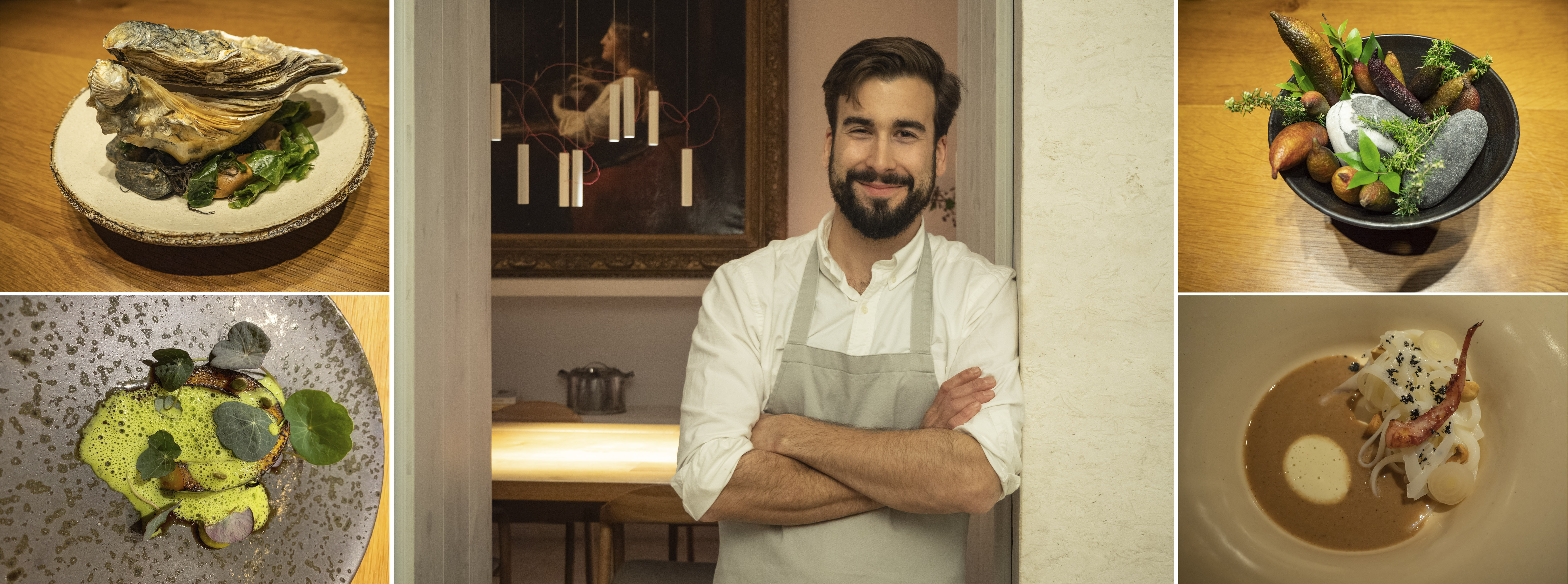
Ceia’s culinary team is currently headed by Chef Renato Bonfim, who previously worked at Adega, a Michelin-starred Portuguese restaurant in California. The menu is inspired by the pristine produce from Herdade no Tempo, a beautiful estate in Alentejo that follows regenerative agriculture practices. 

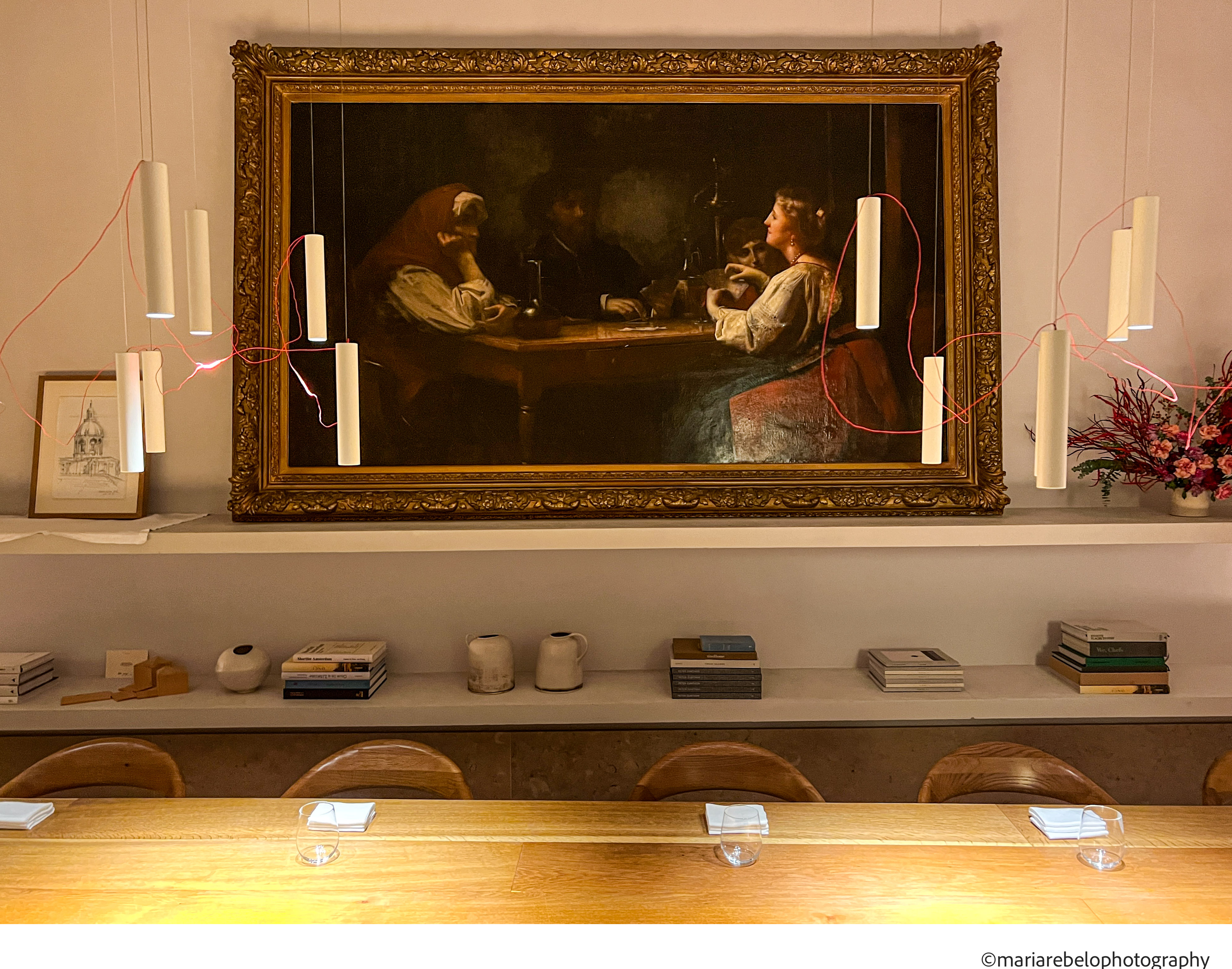
The restaurant, which is part of a project called Silent Living, is located on the ground floor of Santa Clara, an intimate hotel with privileged views of the Tagus River and the Pantheon. Kristin Liebold, a member of the Silent Living team, welcomed us to the spacious courtyard of the historical building that dates back to 1728. She presented us each with glasses of Ode, a refreshing wine crafted near Lisbon from Arinto grapes. As we mingled with other guests, Kristen appeared to whisper a magical incantation. Then a door swung open, unveiling a dining room so perfect it could be the setting for a Vermeer painting.

As we gathered around the table, Renato and his teammates Ricardo Cruz and Tiago Ramos came to greet us and, like the three kings, they brought three offerings. First, slices of sourdough bread accompanied by a sumptuous butter from the Azores and a luscious spread crafted from butter and a type of sausage called alheira. Second, a crispy tartelette made with perfectly seasoned lírio (greater amberjack) and vegetables. Finally, exquisite polenta cubes topped with aioli, garlic, and cheese and nestled in wooden boxes filled with bright yellow corn. Dardas, a bright vinho verde (green wine) made with the Avesso varietal, kept us in great company.

As we debated which of these offerings had most captivated our taste buds, Ricardo introduced a new chapter to our culinary adventure: an algae chowder. It is based on shio koji, a salted Japanese pudding encircled by algae cooked in a Bulhão Pato style. The preparation was crowned with a leaf of the rare Mertensia maritima. We were instructed first to eat the leaf, savor its unique oyster flavor, and then blend a small glass filled with chowder with the algae. The result was an unexpectedly delightful harmony of flavors.

As our glasses filled with a silky Dona Paulette from Quinta de Lemos in the Dão region, we were brought plates of octopus grilled in charcoal, topped with kale, and seasoned with an inventive mole made from grilled peppers and pomegranate—another unusual but perfect combination of flavors and textures.

The next dish featured crispy sarraceno wheat mixed with chanterelles and shiitake mushrooms seasoned with a sauce made from shallots, beer yeast, dehydrated apricots, and raisins. There was so much flavor to process that we closed our eyes to let our brain focus on the gastronomic sensations. A late harvest from the Douro Valley called Aneto complemented the earthy flavors of the dish with a delicate, effusive sweetness.

A sparkling wine made by Sidónio de Sousa in Bairrada ushered the arrival of a turbot from the Azores delicately cooked, dressed with beurre blanc and kombucha, topped with fermented turnip and kohlrabi and finished with a few drops of garum. This Roman fish sauce, which is once again being produced in the Troia peninsula after a hiatus of 15 centuries, added a unique depth to the dish. 

The meat course was a succulent black pork served with a rich purée made from Jerusalem artichokes, chestnuts, and purple onion. It was served with a robust vinhão, a red wine made from a dyer grape called Sousão produced in the vinho verde region by Vale da Raposa. 

The first dessert was an ensemble of panna cotta, chocolate, and matcha powder, garnished with leaves from Madeira that taste like passion fruit. A white port made by Alves de Sousa called Oliveirinha added a velvety smoothness to this symbiosis of flavors.

The second dessert was ginger and pumpkin cooked with Chinese spices, a praline made from pumpkin seeds and seasoned with pollen. 

Our meal concluded with a refreshing lemongrass tea, quindin, a Brazilian coconut pudding, and truffles crafted from 70 percent pure chocolate from the island of São Tomé.

We lingered at the table, talking with the other guests about the culinary experience we had just enjoyed, so replete with unexpected pleasures and delights that we felt like we were dining at Ceia for the very first time.

Ceia is located at Campo de Santa Clara, 128. Lisbon. Click here for the restaurant’s website.

Enchantment at Ceia

Standing in the shadow of Lisbon’s old pantheon, we knock on an inconspicuous door that opens into a courtyard erected in 1728. On our right is the entrance to one of Lisbon’s most hallowed dining rooms: a restaurant called Ceia. Those who’ve been here before experienced much more than superb food, exquisite wines, and courteous service. We had an enchanted evening.  

João Rodrigues, Ceia’s owner, is an alchemist who knows how to transform a meal that nourishes the body into a celebration that nurtures the soul. He gathered a star team, headed by chef Diogo Caetano and sous-chef Tiago Silva, and trusted them with precious ingredients: pristine organic produce freshly picked at Herdade do Tempo in Alentejo.

Ivo Custódio, the sommelier, greets us with an old acquaintance: a white wine made by Luís Mota Capitão, the iconoclast winemaker of Herdade do Cebolal. We enjoy the wine and the conversation with the other guests. Then, Ivo invites us into the dining room. We gather around a long wooden table to hear him explain that the meal is a journey through Portugal’s culinary and enological landscapes.

The voyage starts at the bottom of the ocean with tuna tartare on crunchy seaweed crackers, seaweed sponge cake, and gooseneck barnacles. An Atlantis rosé made with Negra Mole on the Madeira Island enhances the sea flavors.

We rise to the ocean’s surface with the taste of briny oysters paired with tart apples from Alcobaça and seaweed ice cream. The oysters come with a magnificent 2014 white wine from Colares, a small region near the sea where the vines, planted in the sand, survived the phylloxera scourge that decimated Europe in the 19th century. Made by Chitas (the nickname of an old producer called Paulo da Silva) it is a complex wine that fascinates and delights.

We arrive at the beach with a delicately cooked turbot seasoned with smoky olive oil powder and served in a Bulhão Pato sauce. It is so delicious we barely resist the urge to ask for seconds. 

But we find new joys in the lowlands where a sourdough bread fermented for three days and a cornbread baked with dried fruits await us. They come with Amor é Cego, a piquant oil made from Galega olives. There are also plates of luscious butter from Pico, an island in the Azores archipelago.

Ivo serves an elegant 2012 red from Quinta de Lemos in the Dão region. It is made with Jaen–a grape varietal brought to Portugal by pilgrims who traveled to Santiago de Compostela. Like the wine, the conversation flows freely around the table.

In the plains, there is rabbit served with an ice cream made from escabeche, a traditional sauce prepared with vinegar and olive oil. Kompassus, a sparkling wine made from Baga, a red grape from Bairrada, refreshes our palate. 

We climb up the mountain with a roasted purple cabbage dressed with a pennyroyal and champagne sauce. It comes with Sousão, a vibrant red wine from Vale da Raposa in the Douro valley. 

At the top of the mountain, we taste pigeon and potatoes from Trás-os-Montes served with a fermented garlic sauce. There’s also a mystery box with a delightful croquette and a scrumptious Philo-dough cup filled with sorrel leaves. 

Ivo serves a celebratory Breijinho da Costa, a fortified wine made in Setúbal with purple muscatel grapes. The meal ends with sweet fireworks: a noisette pave, petals of roasted peach, thyme ice cream, and lemon curd. And there are mignardises: a traditional Abade de Prisco pudding, coconut biscuits, cinnamon and strawberry truffles.  

Everybody lingers around the table feeling a sense of camaraderie. Then, we say our thanks and goodbyes and walk into the warm night in a state of enchantment. 

Ceia is located at Campo de Santa Clara, 128. Lisbon. Click here for the restaurant’s website.

An unforgettable supper at Ceia

ceia composit 1

ceia composit 2

ceia composit 3

This article describes our experience in Ceia when Pedro Pena Bastos was the chef. Pedro is now at Cura. Ceio has a new star team, headed by chef Diogo Caetano.

If food was just fuel for the body, how come there are meals that linger in our memory as incandescent moments? One of these moments was a lunch amid the vineyards of Herdade do Esporão prepared by a young chef called Pedro Pena Bastos. Another such moment was a recent dinner at a new Lisbon restaurant called Ceia, the Portuguese word for supper. The setting was different but the chef was the same.

We were received in the spacious courtyard outside the Ceia dining room by sommelier Mário Marques. He offered us a choice of two welcome drinks: cherry kombucha or a natural sparkling wine from Quinta da Serradinha. The drinks came with plates of beet beignets served with smoked codfish eggs. Like everything else in this enchanted evening, these choices seemed unusual until we tried them and perfect once we tried them.

Mário invited us into the serene dining room where a long wooden table awaited 14 lucky guests. Pedro welcomed us with three tantalizing bites: Jerusalem artichokes, French toast with seaweed and cockles, and venison from Alentejo served with fermented walnuts and black olives. They were followed by a precious taco made with rose prawns from Algarve, beetroot pearls and yuzu.

A Japanese-inspired tomato broth with mackerel and broccoli showcased Pedro’s ability to create unusual combinations that work perfectly. Then, a large oyster shell from Alvor was placed on the table surrounded by bowls with sweet oysters, fermented asparagus and lima caviar. We were still savoring this intense taste from the sea when flavors from the woods arrived: grilled Hokkaido pumpkin, mushrooms, and a beurre blanc made with Indian cress.

The service progressed with the pace of a sacred ritual that has been perfected throughout the ages. Alexandre Coelho, our amiable server, invited us to visit the adjacent room where chefs place final touches on their next offerings. It is fascinating to observe the choreographed precision that produces such refined food.

Each guest received a bowl of pasta, only it was not pasta—it was the freshest squid, delicately cooked, cut like tagliatelle and served with a sauce made with bergamot zest, hazelnuts and pickled onions. The flavors of the sea continued with a line-caught robalo (sea bass) dressed with chanterelle mushrooms, marjoram and fennel cooked in parsley oil.

A beautiful loaf of sourdough bread smoked with tomato and thyme created an intermission that separated the fish from the meat courses. It came with aged butter seasoned with salt from Castro Marim and a bright-green, spicy olive oil from Pedro’s family estate.

These rustic flavors prepared out palates for the next dish, a rectangular prism of slow-cooked bísaro pork jowl that melted in our mouths. The other meat course was a cylinder of beef from Simental cows, grilled on charcoal and adorned by collard greens and buckwheat.

Next, came a plate of lovage with compote, ganache and sorbet made from a huge Buddha’s hand lemon cultivated in Alentejo. The pungent citrus notes readied our palates for a trio of desserts made with enoki mushrooms, cocoa and quince.

Coffee, brewed in a double-globe glass coffee maker, was served with gum made from dehydrated beets and coriander, raspberry bonbons, and spicy cookies coated with a cream of turmeric and sweet potatoes.

Throughout the meal, Pedro Pena Bastos combines tastes, aromas, textures, and temperatures with the skill of a master orchestrator. His deep understanding of the subtle qualities of different ingredients allows him to create brilliant flavors and invent bold harmonies. The result is a culinary symphony that is unforgettable.

Ceia is located at Campo de Santa Clara, 128. Lisbon. Click here for the restaurant’s website.