Victorian novels describe picnics where friends have a grand time, enjoying delicious food in idyllic settings. But real-life picnics seldom measure up to these literary accounts. Sometimes, the sun is too harsh, and the shade is scarce. Other times, it is cold, the wind blows disagreeably, or the rain intrudes. Wine and beer are lukewarm by the time they are served. Sitting is uncomfortable, and troupes of insects join the party.
When our friend Abílio Tavares da Silva invited us for a picnic, we braced ourselves for the usual woes. But, as soon as we arrived at his Douro Valley estate, it was clear that this would be no ordinary affair.
It was a midsummer day with clear skies and a gentle breeze. Spacious wooden tables with comfortable benches awaited the lucky guests under the shade of two majestic linden trees. The view, with the Douro River stretching out in all its splendor, was worthy of being painted by Turner.
The picnic basket, prepared by the talented Rosário Buia at Toca da Raposa, was brimming with delicacies. There were farinheira tarts, shrimp rissoles, oranges seasoned with olive oil and minced garlic, chickpea salad, carrot and zucchini rice, olives, freshly baked bread, and a tortilla prepared with eggs so delicious that they were surely laid by the happiest of chicken.
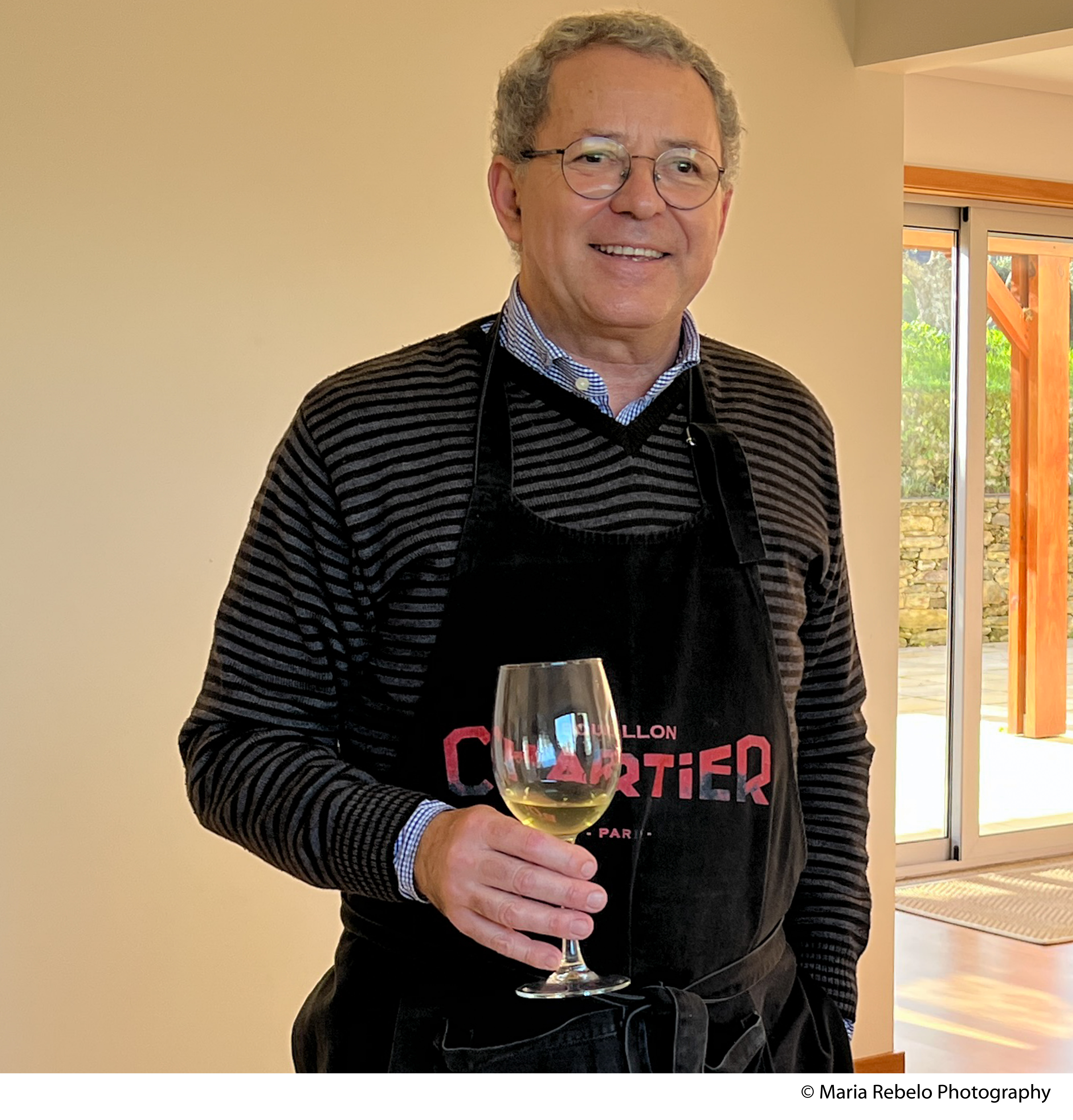
The food was served in colorful pottery designed by the 19th-century master ceramist Rafael Bordallo Pinheiro. Abílio’s alluring Foz Torto white wine, made from precious old vines in Porrais, was poured into crystal glasses at the ideal temperature.
The conversation flowed as freely as the food and the wine. The meal ended late in the afternoon with slices of Toca da Raposa’s famous drunken cake (bolo borrachão) accompanied by glasses of chilled 20-year-old Fonseca tawny port. Not even Jane Austen could imagine such a perfect picnic.
One of the Douro Valley’s ultimate experiences is visiting Quinta do Vale Meão. While the estate is not generally open to the public, it does receive a few small groups each year. You can email in advance to inquire whether they can host you.
Vale Meão was the last estate planted by the legendary Dona Antónia Ferreira. It was a colossal endeavor: 300 hectares of wild bush were converted into vineyards and olive groves. Dona Antónia invested in the remote Vale Meão against the advice of her general manager because of its unique characteristics. It is located on a geological fault with three different types of soil: schist, granite, and sedimentary clay deposited by the river. The weather is dry, as clouds rarely cross the Marvão mountain, reducing the prevalence of vine diseases like oidium.
The best way to reach Vale Meão is by taking the train from Pinhão to Pocinho. There are usually few passengers, so you can choose a seat by the riverside and enjoy a glorious hour beholding the Douro river in all its splendor. The train rushes through bridges and tunnels carved into granite hills, but the river is seldom out of sight.
You go by Cachão da Valeira, a treacherous spot before dams regulated the water flow. Here, Dona Antónia and the Baron of Forrester, another eminent figure of the Douro Valley, fell into the river in a boating accident. Dona Antónia survived, but the Baron drowned. The locals say in jest that her voluminous skirt saved her, while the Baron sank because his pockets were filled with gold coins.
Maria Ferreira, a former teacher who oversees enotourism at Vale Meão, picked us up at the Pocinho train station in a vintage Land Rover. Though not related to Dona Antónia, Maria speaks about the estate with such passion it feels as though she is part of the family. An eagle followed the Land Rover as we drove through Cortes de Veiga, a village created to house the many laborers who worked at Vale Meão between 1885 and 1887.
The name Meão, which means “middle,” refers to the river encircling the property, making it feel like an island. The vineyards are planted on a magnificent plateau by the river.
Maria took us on an exhilarating safari through the vineyards. We then visited Barca Velha, a cellar built in 1892 named after an old rowboat used to cross the river. Here, Fernando Nicolau d’Almeida crafted the first Barca Velha in 1952, combining grapes from Vale Meão with those grown at higher altitudes in Meda to craft a table wine that became iconic.
Our tour concluded at the main house, constructed by Dona Antónia in 1894. We were warmly received by three of her descendants: Francisco Olazabal, known as Vito, his son Francisco, known as Xito, and his daughter Luísa. They welcomed us with a refreshing white Monte Meão, made from a blend of two grape varietals grown at opposite ends of the estate—Arinto in the sedimentary soils of the north and Rabigato in the schist soils of the south. This wine beautifully showcases the diversity of the terroirs at Vale Meão.
As we talked to Vito, Xito, and Luísa, it became clear that wine is a language to them. Soils and grape varietals are like words that can express human craftsmanship and the whims of the seasons to make wine as fine as poetry. Their passion for wine is only matched by the generosity with which they share the fruits of this extraordinary place with those who visit.
We tasted the Monte Meão Vinha da Cantina, a surprising wine made from baga, a red grape from Bairrada. While in Bairrada, baga produces tannic, robust reds; here, it yields a light (11.5% alcohol), vibrant wine.
Next, we enjoyed a remarkable Monte Meão Touriga Nacional from the granite soils of Vinha dos Novos. It has a crimson color, a delicate floral aroma, and a supine elegance on the palate. It was followed by a beautiful Monte Meão from Casa das Máquinas, home to the estate’s oldest vineyards that combines Touriga Francesa and Tinta Barroca.
The tasting of table wines concluded with two stunning Vale Meão vintages. The 2014 vintage is a complex, alluring wine, and the 2002 vintage is exquisite in its subtlety and refinement.
Then, port wines entered the scene. First, a 10-year-old tawny, which is all that a great tawny can be, offering notes of nuts, coffee, chocolate, and orange rind to enchant the palate. Then, a stunning 1999 colheita, that is richly satisfying.
In 1999, Vito took a significant risk by leaving his safe position as a director at Sogrape, the large wine company that acquired most of Dona Antónia’s properties, to start a new family project under the Vale Meão name. The many accolades earned since then, including inclusion in the Wine Spectator’s list of the world’s top 5 wines, show clearly that the risk paid off. From her celestial vantage point, Dona Antónia must be beaming with pride.
The best partridges we ever tasted were cooked by a professor. His name is Emídio Gomes. He is the rector of the UTAD, the university that trained many of the star enologists who work in the Douro valley.
Emídio learned to cook while studying in France on a meager scholarship. He asked his grandmother to teach him some of her recipes so that he could eat at home. Cooking was so relaxing that he continued to cook regularly after returning to Portugal.
Emídio’s stewed partridges are renowned throughout the Douro valley. The professor generously gave us his grandmother’s recipe and allowed us to share it with our readers.
The recipe starts with an admonition: “If the partridges are good, make sure you don’t ruin them.” Here’s the rest.
Remove the feathers and the tripes of the wild partridges and cut them into pieces. Marinate them for twelve hours in a small amount of white wine, laurel, parsley, and a little thyme.
Heat a cast iron pot. Pour a generous amount of olive oil. The quality of the olive oil is paramount. Choose an olive oil with low acidity, ideally from the Douro valley. Slice enough onions to cover the bottom 2 inches of the pot. Slowly sweat the onions. Remove the thyme, laurel, and parsley, and place the partridges in the pot. Add a small amount of water to prevent the stew from drying.
Cover the pot with the lid and slowly stew the partridges for four to five hours. Monitor periodically to ensure the stew does not dry; add small amounts of water as necessary. Season with salt towards the end of the cooking period. After the first four hours, regularly pierce the meat with a fork. The partridge is ready when the meat offers no resistance. Serve with white rice and toasts.
Like a top scientific paper, the recipe requires high-quality content and flawless execution. And in the end, the results look deceptively simple.
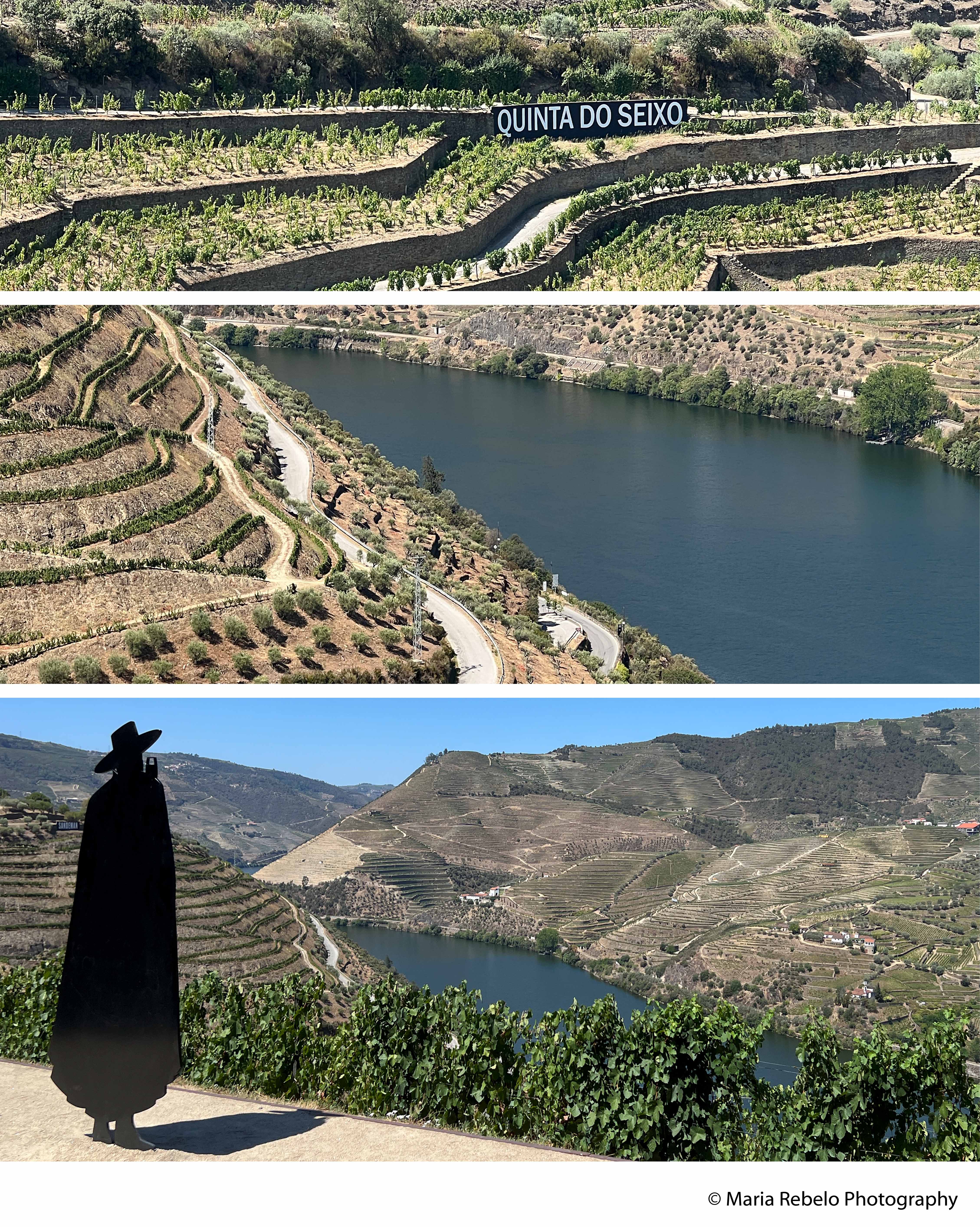
Quinta do Seixo in the Douro valley is a place of timeless beauty. Here’s how Henry Vizetelly described it in his book “Facts about Port and Madeira,” published in 1880:
“It occupies the spurs and slopes of a mountain, one side of which bounds the Douro, and the other the Rio Torto valley. Scattered over the heights above are the white cottages of the village of Valença, the vineyards of which produce a considerable quantity of first-class wine. The buildings of the Quinta do Seixo , which is entered through an imposing gateway, surmounted by the armorial bearings of its owner, are very extensive. The casa is both commodious and well arranged, and has a certain air of pretension about it, while the lagares and the adega are on a scale proportionate to the extent of the surrounding vineyard.”
This description remains remarkably apt. The main house still offers spectacular views of the surrounding vineyards, some of which are centenarian. But Vizetelly would be amazed to see that inside the traditional building, there’s a state-of-the-art winery.
Our guide explained what makes the Douro different: the stone terraces built to support the vines, the “field blends” made from varietals planted together in the vineyards, the poor soils that force the plants to struggle, making the berries small but full of flavor, and the methods used to produce tawnies, vintages, and late-bottled vintages.
She also told us about Georges Sandeman, the Scottish merchant who founded Sandeman in 1790. The company quickly became the largest port-wine shipper. Its mysterious logo, created in 1928, was inspired by its two product lines: ports from Portugal and sherries from Spain. It is a silhouette of a man wearing a Spanish hat and dressed in the cloak used by students in Coimbra, Portugal’s oldest university.
At the end of the tour, we tasted four wines—first, a harmonious white Vinha Grande with fine tannins and a pleasing acidity. Then, an exuberant red Callabriga made with grapes from the Callabriga hill, which was originally planted by the Romans. Next, a delicious 2019 Vintage Port from Quinta do Seixo that tastes even better with a view of the vines that produced it. And, finally, a great Sandeman Vau port wine from the 1999 vintage.
A visit to Quinta do Seixo is a delightful introduction to the wonders of the Douro valley.
We used to buy jams endorsed by the British monarchs, figuring that centuries of sampling jams at tea time gave them the practice required to select the cream of the jam crop.
We quite liked the British jams until one fateful lunch at Toca da Raposa in Ervedosa do Douro. A sampling of jams arrived without fanfare at dessert time. When we tried them, we experienced a whole new level of deliciousness!
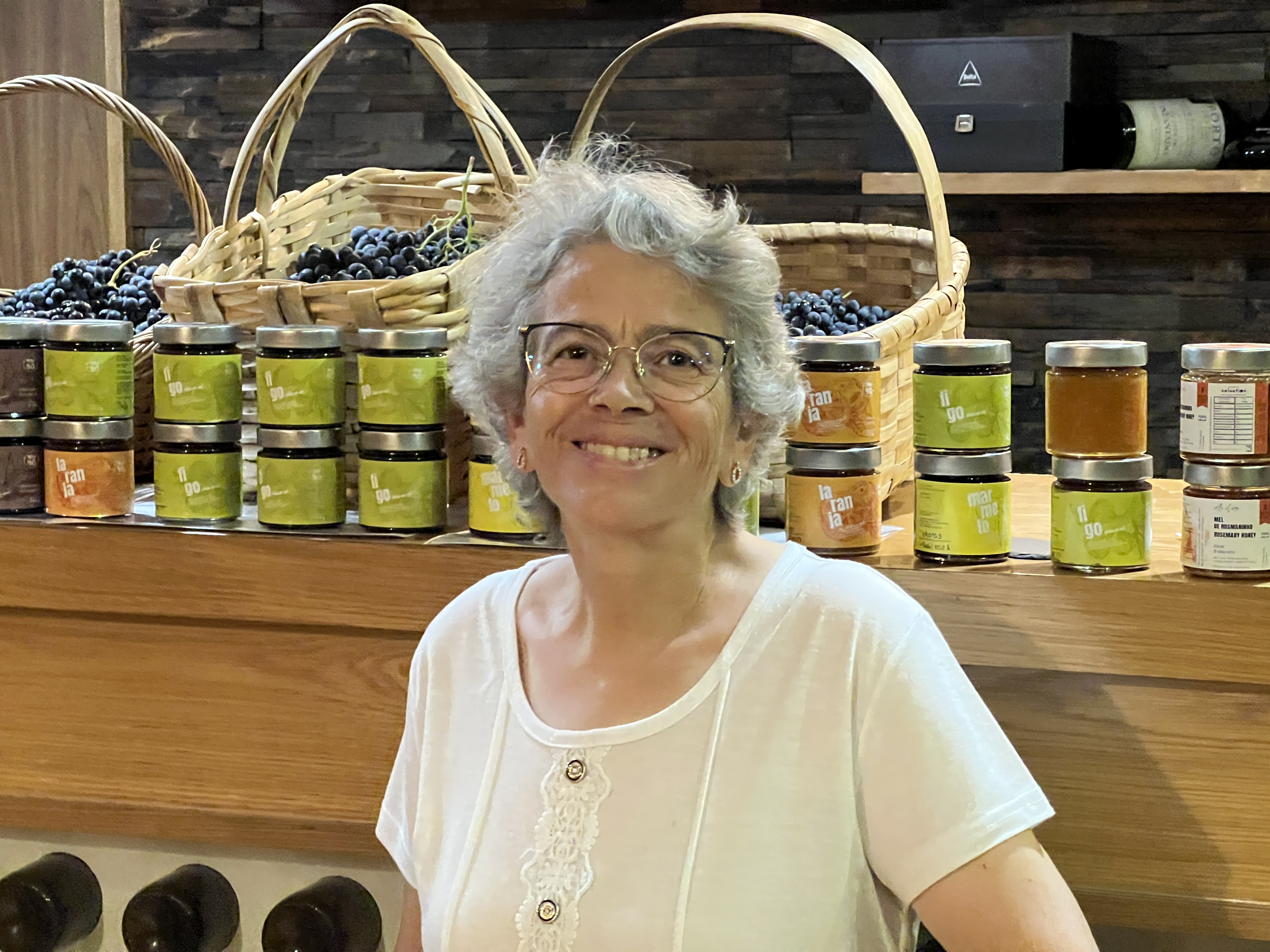
What makes these jams so sublime? Their fruit comes from the Douro valley, a place where the scorching summer heat and a wealth of soil micronutrients create unique conditions that intensify aromas and flavors. And each batch is handcrafted by Dona Graça, a legendary cook, and her talented daughter, Rosário. The two leave nothing to chance, shunning the use of preservatives and making adjustments small and large to ensure that the results are perfect.
There is an orange jam chockfull of strips of orange rind that delight the palate and an orange and hot pepper jam with the ideal combination of sugar and spice. There are jars of jam brimming with perfectly ripe whole figs; a surprisingly delicious zucchini jam; amazing jams made with must from grapes used to produce port wine; jams made from a rare peach variety that grows amidst the vines, and much more.
The jams favored by his royal majesty pale by comparison with the wondrous jams from Toca da Raposa! The question is: how do we tell the king?
Toca da Raposa is located at Rua da Praça in Ervedosa do Douro, tel. 254 423 466.
Vinha do Altar is a poem without words. Its authors, Jorge Serôdio Borges and Sandra Tavares da Silva, are two enologists known for masterpieces like the unforgettable white Guru and the iconic red Pintas.
Their new wine is elegant and fresh, delightful to drink now, and sure to improve with age. Its grapes come from vines planted in a north-facing plateau that overlooks the Douro valley. Jorge’s great grand uncle purchased the land in 1939, and it became part of Casa Quintães, an estate where Jorge spent stretches of his youth. The land produced wine until the 1990s, but then the vineyard was abandoned.
Jorge’s uncle dreamed of replanting the vineyard, but he died, and the land remained fallow. A few years ago, his widow, Márcia, asked Jorge and Sandra whether they could make the dream come true. The couple meticulously prepared the land and planted a new vineyard, called Altar, with a virtuoso trio of white grapes: Arinto, Gouveio, and Viosinho.
The first harvest was in 2019, and now we can drink this wine that speaks without words about ties of family, memories of youth, and the magic of winemaking.
Making great port requires exceptional grapes and a deep knowledge of the production process. But most of all, it requires time, lots of time. Time for the nectars to lose the brashness of youth and mellow with age. That is why we cannot produce port wine by ourselves. We need our children and grandchildren to help. And if our great grandchildren can also lend a hand, even better.
The British port-wine families guarantee their longevity by leaving the business to a single son or daughter and compensating their siblings with cash. In contrast, Portuguese families generally sell their estates to divide the proceeds among the heirs. There is why there are almost no major Portuguese port houses left. The one remarkable exception is Poças, a company that celebrated 100 years in August 2018.
In 1918, Manoel Poças Júnior started buying brandy to supply port-wine producers. He was at times paid with barrels of port, so gradually he also became a port-wine merchant. In 1932, one of Manoel’s brandy clients paid a large debt with a wine estate called Quinta das Quartas. Manuel loved the estate which has granite tanks dating back to 1873. Every week, he made the arduous trip from Oporto to Quinta das Quartas to visit the vineyards.
This passion is shared by his great granddaughter, Maria Manuela Maia, the viticulturist in charge of Quinta das Quartas and of the other two estates acquired by the family, Quinta de Santa Bárbara and Quinta de Vale de Cavalos. Even though today it is much easier to drive from Oporto to the Douro, Maria moved to the Douro valley to be closer to the vineyards.
We met with Maria in Vila Nova de Gaia, at the cellars where barrels full of precious nectars produced by past generations are stored. She shared with us some superb ports: a Vintage from 1997, a Reserva from 2014, and a Vale dos Cavalos from 2015. Our tasting ended with fireworks provided by a remarkable 1967 Tawny, full of freshness and acidity. We filled our glasses with this liquid treasure and made two toasts: to Manoel Poças for the successes of the past and to Maria for the successes of the future.
Click here for the Poças web site. To visit the Poças cellars email visitors@pocas.pt or call 223 203 257.
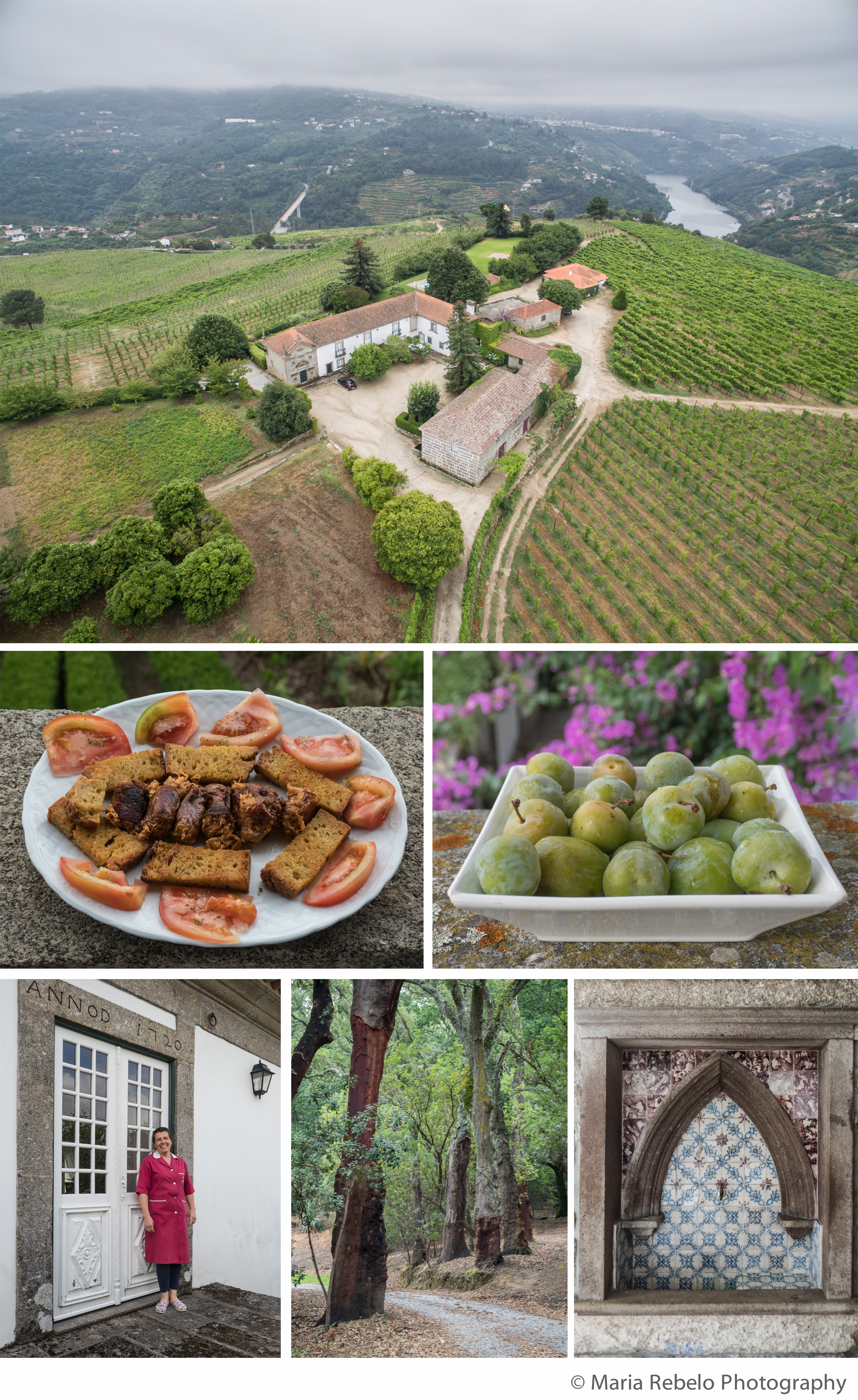
The best way to experience the magic of the Douro valley is to sojourn at a local farm. It was this possibility that attracted us to Quinta de Guimarães, an estate that dates back to the year 1720. It offers rooms in an ancient manor house and in two beautifully restored country homes surrounded by vineyards.
We loved the tranquility of the quinta and the sumptuous meals that Fernanda Pinto, the property caretaker, prepares with produce from the farm. Breakfast includes country breads, homemade sausages and prociuttos, eggs from happy chicken, and traditional desserts. We enjoyed a wonderful dinner composed of spinach soup, baby goat with roasted potatoes, followed by the farm’s luscious fruit. The meal was accompanied by a bright “vinho verde” (slightly sparkling white wine) produced on the property under the label Cazas Novas.
A visit to Quinta de Guimarães is a journey to a place where time has stopped because it found perfection.
Quinta de Guimarães is located at Lugar de Miguas, Sta. Marinha do Zézere, tel. 912 915 699. Click here for the quinta’s website.




 Salt of Portugal