António Tá Certo

It is always pleasant to have lunch at a beach side restaurant, with sea and sky as backdrop and the sound of waves as soundtrack. And, when you find a restaurant like António Tá Certo that serves freshly caught fish, just off the boat, the experience can be idyllic.

Tá Certo is located on the beach of Vale do Garrão, close to Faro in the Algarve. It offers an impressive assortment of robalos (sea bass), douradas (sea bream), garoupas (grouper), and pargos (red snapper). If you ask the staff why their fish tastes so great, they smile and answer: our fish slept in the sea.

There is only one problem with enjoying these simple moments on the seashore: you might never want to leave.

Praia do Garrão Nascente, Vale do Lobo. 8135, Almancil, tel. (289) 396-456. GPS: N’ 37.03815 / W’ 8.04699.
A childhood treat

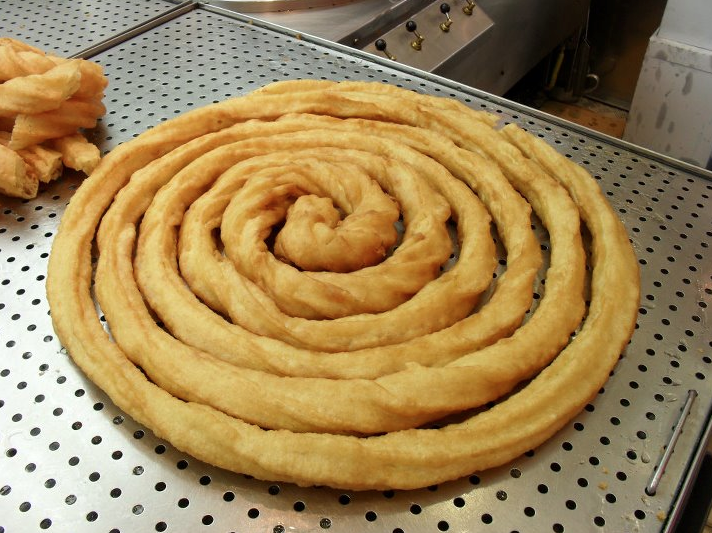
Farturas are similar to Spanish churros, though larger and softer.  A light dough made of eggs and flour is squeezed out of a pastry bag to form a large spiral shape. The dough is gently fried in oil, snipped with scissors into pieces, sprinkled with sugar and cinnamon, and served immediately.

A hot fartura has a way of taking you back to childhood, when everything felt simple and full of promise, and the infinite future tasted sweet. You’ll find farturas at fairs across Portugal, but our favorites come from the São Mateus fair in Viseu. This year, the fair runs until September 23—so there’s still time to go, and to feel like a kid again.

Piri piri

piri-piri

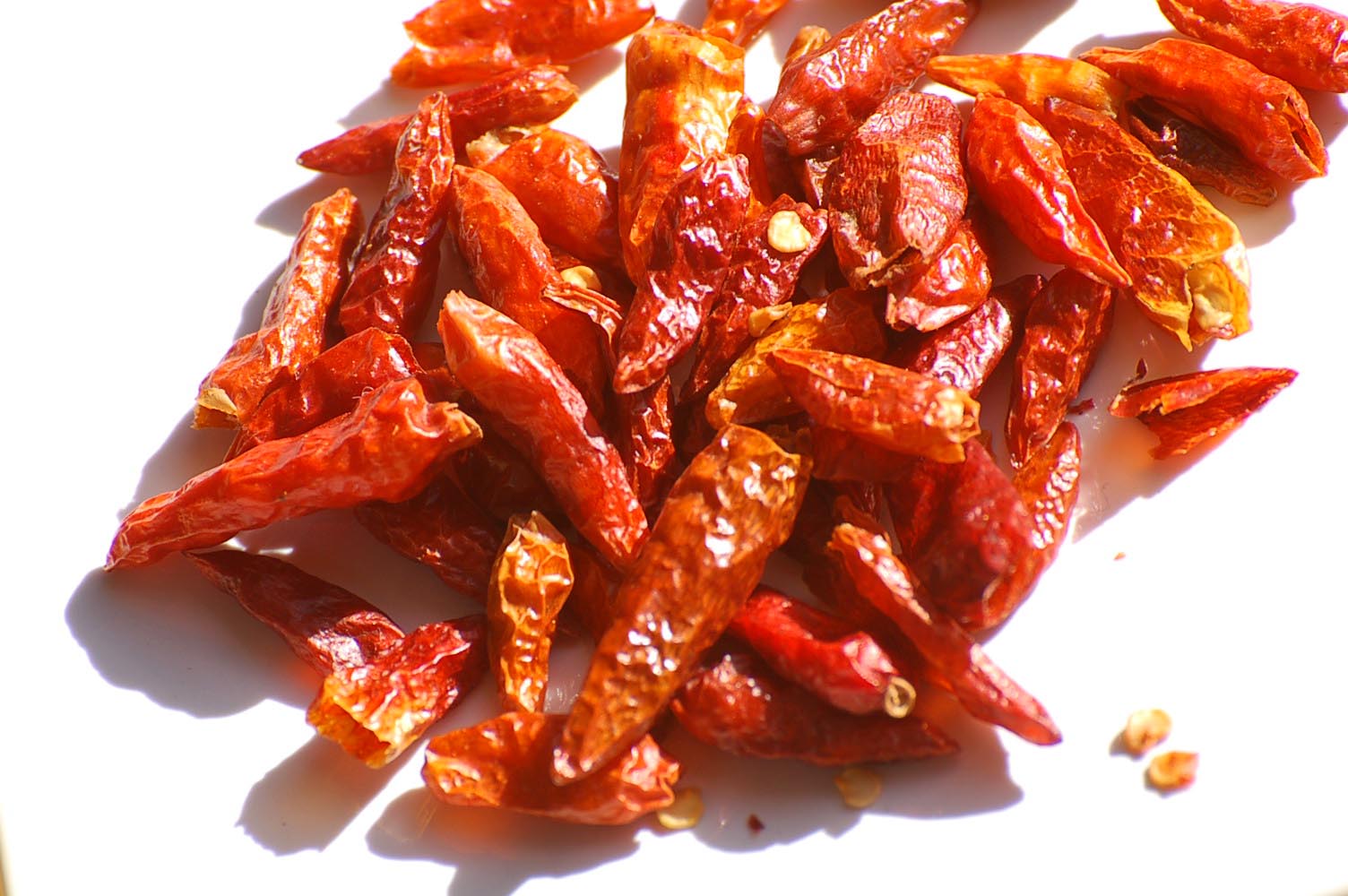
The Portuguese brought from Africa a small red pepper called bird’s-eye chilli that they use to make a popular hot sauce. In Portuguese both the pepper and the sauce are called piri piri (pronounced peeree peeree).

Restaurants that serve grilled chicken often make their own piri-piri sauce. What happens if you ask for their recipe? Here are some sample answers: “My Engleesh is not bery good, sory,” “We get it from Spain, you have to ask there.”

After years of undercover work, we gathered some piri-piri intelligence to share with you. The base of the sauce is usually vegetable oil, although a few restaurants use olive oil. Often, the piri-piri peppers are simply combined with the oil and left alone for a few days. In some cases, the oil is warmed to absorb more quickly the taste of the piri-piri pepper. Some recipes use vinegar, whisky, cognac, salt, parsley, coriander, cilantro, or garlic. No matter which version you try, piri piri will spice up your life.

Mountain cheese

Queijo da Serra (mountain cheese) is made from the milk of sheep guarded by shepherds and their dogs in the granite ridges of the Estrela mountain, 2,000 meters above sea level. It comes in three varieties: amanteigado (soft and buttery), meio-curado (firm), and curado (aged; hard in texture and intense in flavor).  Its quality varies from good to magnificent.

Serra cheese has almost no name recognition outside of Portugal. But one day, in the not-too-distant future, the world will discover this cheese. It will then become impossibly expensive, affordable only to Chinese tycoons, African magnates, and Bollywood stars. So, the time to try a magnificent “queijo da Serra” is now. The clock is ticking.

Figs and treasures

Spoiler alert: if you are planning to read ancient tales about treasures, stop reading this post! To those still reading, we will tell you that in ancient tales, treasures are often buried under fig trees. The reason is symbolic. The fig tree is ugly but it bears the most luscious fruit.

Portuguese figs are glorious. You can pair them with “presunto” (Portuguese prosciutto) as an appetizer or have them for desert. When you taste a Portuguese fig you realize that the real treasure is not underneath the fig tree but hanging from its branches.

Tremoço

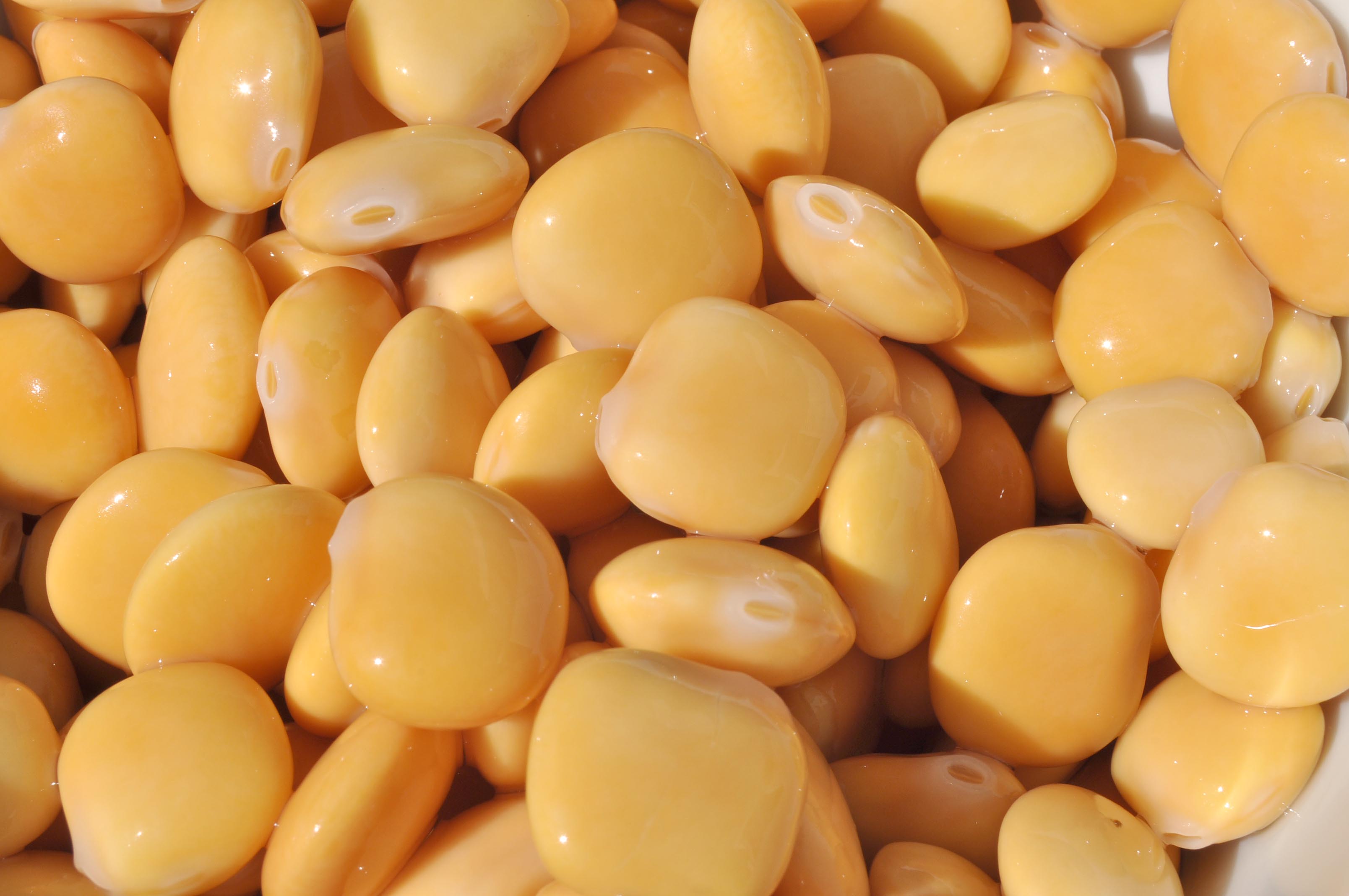
If percebes are too adventurous for you, your next best bet is tremoços (lupini beans). You eat them by tearing the skin with your teeth and popping the seed into your mouth. Recent research finds that the tremoço is a great health food. These findings would not surprise Hippocrates who touted their health benefits 2,500 years ago.

Percebes

OLYMPUS DIGITAL CAMERA

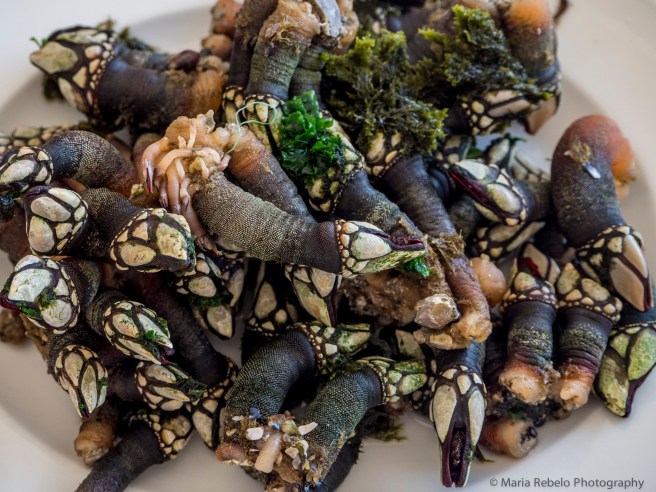
You eat these pre-historic looking crustaceans by twisting off their heads and exposing their meat. They taste and smell like the sea and they are great with beer.

The English name for percebes, “gooseneck barnacles,” comes from the medieval theory that they are embryonic barnacle geese. This theory conveniently explained why flocks of geese would suddenly appear out of nowhere (the fact that birds migrate was not known in the Middle Ages).

In any case, do not worry. There are no recent reports of percebes flying off the plate to migrate south.

Queijadas de Sintra


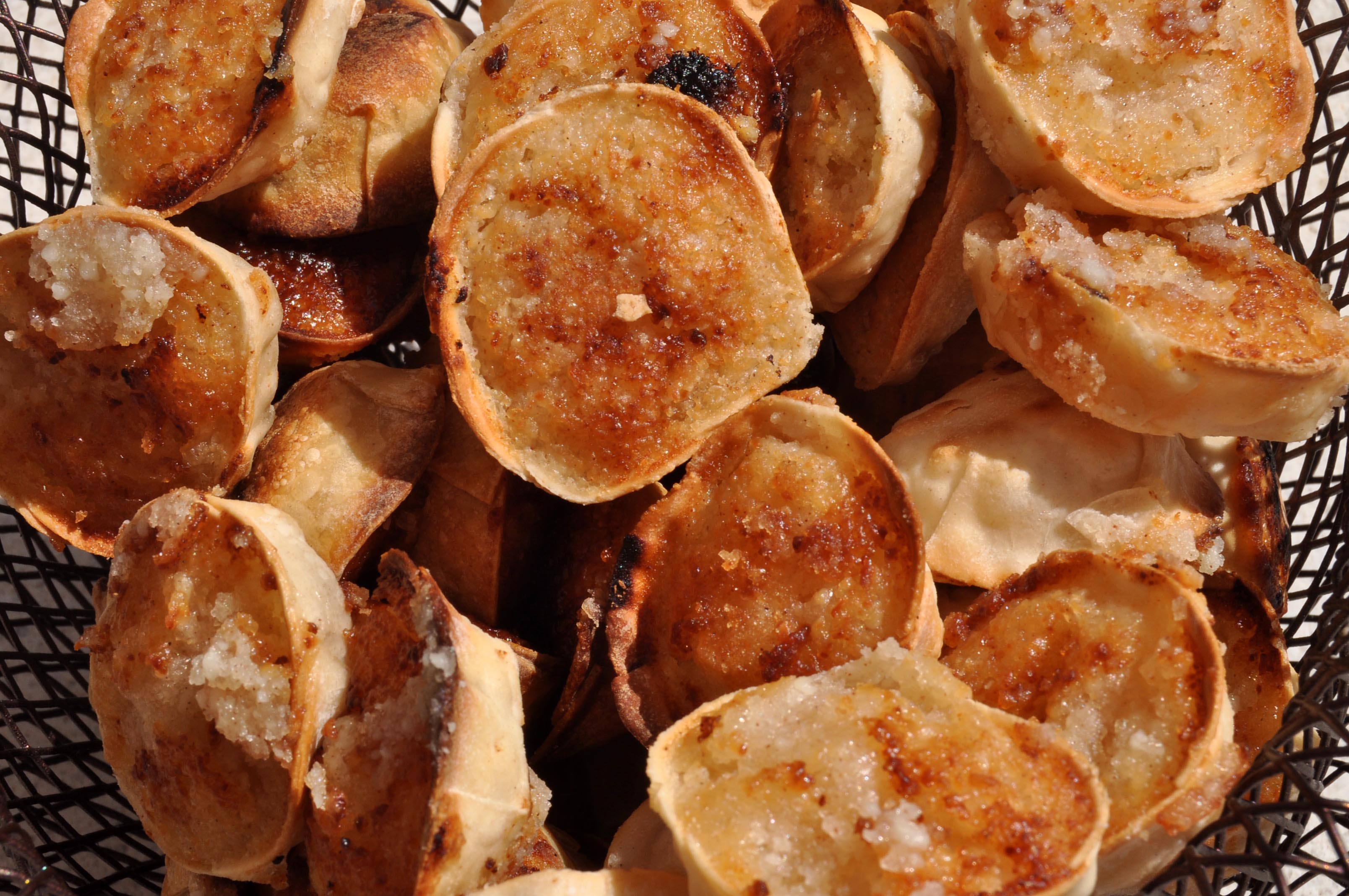
Queijadas de Sintra are cheese tarts made from fresh cow’s cheese, eggs, sugar, flower, and cinnamon. There are several producers and there is even an association that certifies whether the recipe is authentic. The ones featured here are from Casa do Preto (Estrada Chão Meninos, 44, Sintra).

Historians think that the first Sintra queijadas were produced in the Middle Ages (presumably without cinnamon). It is easy to believe that it has taken a few centuries to figure out how to make the shell so thin and the filling so moist and flavorful. And, if you try them, you will see that all this effort has paid off.

Berbigão


Put yourself in the shells of the “berbigão.” You are constantly outshined by your cousins the clams.  Clams star in famous Portuguese dishes such as “carne the porco à Alentejana” (pork with clams).  Berbigão gets roles in minor culinary productions such as “arroz de berbigão,” a rice used to accompany other dishes. But forget what the critics say. Cook berbigão with a little olive oil and garlic and you will feel its star power.