
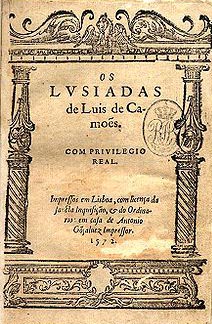
 The great poet Luís Vaz de Camões published his masterpiece, the Lusíadas, in 1572. In the first part of this epic ode we learn that the fate of Portugal is being decided in Greece. The Greek gods (called by their Roman names) are divided into two parties. Bacchus is the nemesis of Portugal. With the help of Neptune, he sows unexpected obstacles and unending perils on the path of the Portuguese. But Venus takes up the cause of Portugal. And, with her thoughtful help, the Portuguese show that they can accomplish great things.
Portugal
Fog
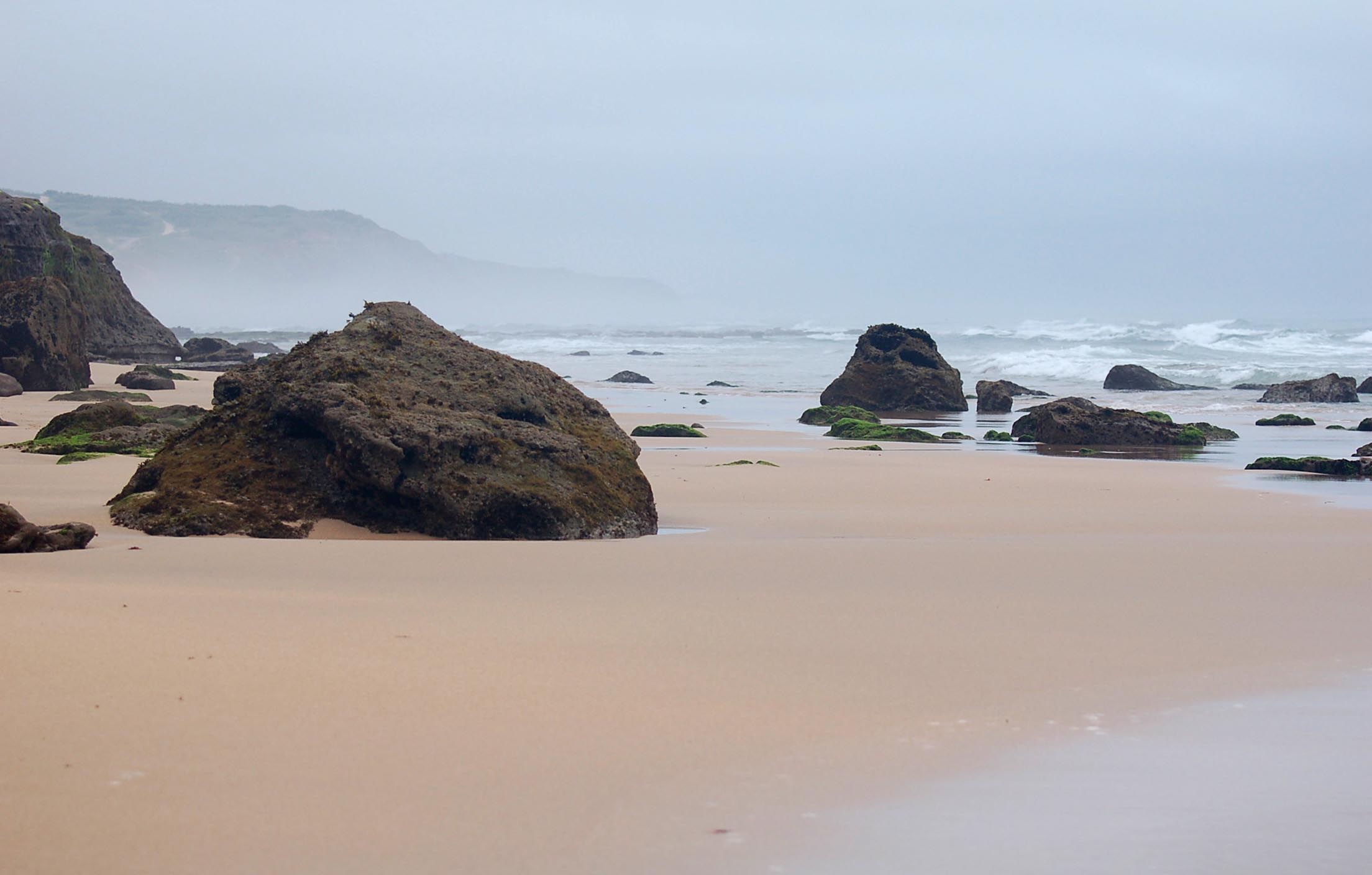
When we walk on the beach on foggy days we always have a sense that something special is about to happen. In the XVI century Portugal had a young king, D. Sebastião, who tried to conquer the north of Africa. He failed with terrible consequences. Much of the country’s elite died in battle or in Moroccan prisons. The king vanished and Portugal lost its independence to Spain. But the Portuguese did not loose hope. They believed that D. Sebastião would return on a foggy day to restore the glory of Portugal. So, if you are walking on the beach on a foggy day, keep an eye on the horizon. This could be the day.
Figs and treasures

Spoiler alert: if you are planning to read ancient tales about treasures, stop reading this post! To those still reading, we will tell you that in ancient tales, treasures are often buried under fig trees. The reason is symbolic. The fig tree is ugly but it bears the most luscious fruit.
Portuguese figs are glorious. You can pair them with “presunto” (Portuguese prosciutto) as an appetizer or have them for desert. When you taste a Portuguese fig you realize that the real treasure is not underneath the fig tree but hanging from its branches.
Portuguese beer
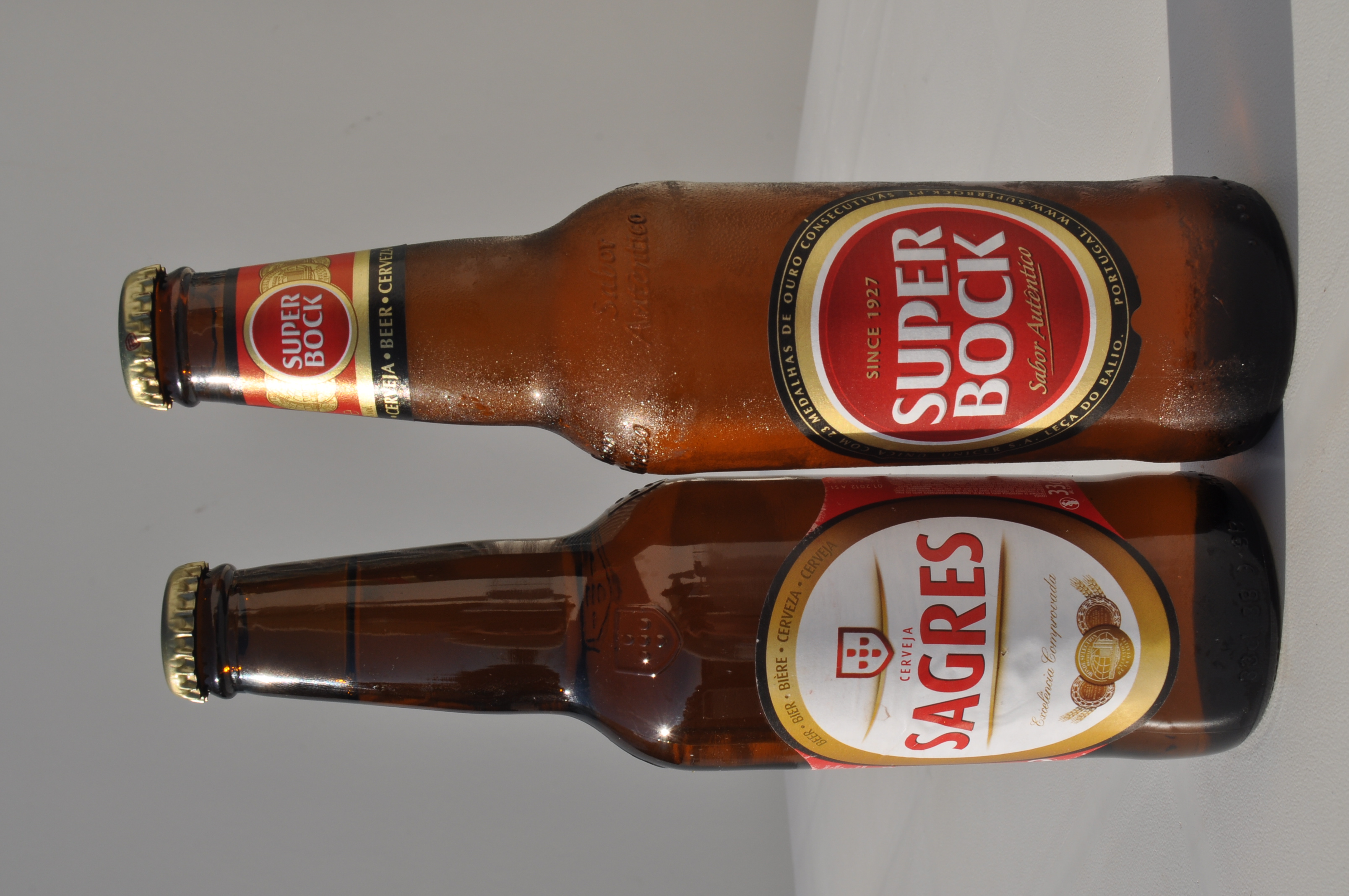 Beer has been produced in Portugal at least since the Lusitanos occupied the region. Issues with refrigeration and poor branding prevented the Lusitanos from gaining market share in the Iberian Peninsula before the Roman conquest in 27 B.C. These problems were gradually surpassed over the next 20 centuries.
Two leading brands eventually emerged: Super Bock, introduced in the 1930s, and Sagres, introduced in the 1940s. Both beers taste great on a hot Summer day. Both taste even better in their draft versions, which you can enjoy at many beach-side cafés.
Super Bock is more popular in the north of Portugal while Sagres is more popular in the south. We try not to take sides in the Sagres versus Super Bock controversy. But, the perceptive reader might find signs of a slight bias on our part.
Óbidos
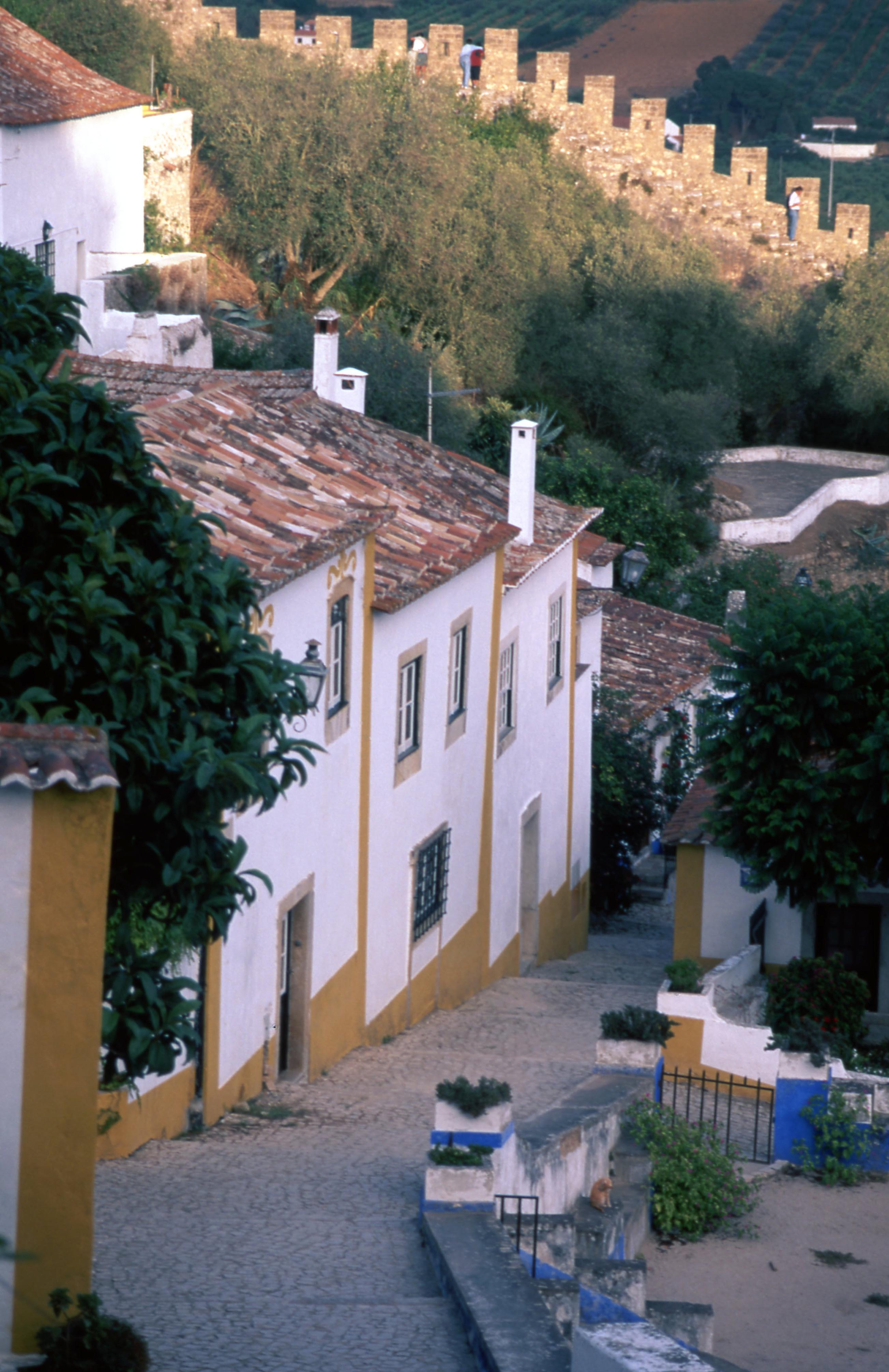 Imagine that the year is 1282 and that you are king D. Dinis. What wedding present would you choose to impress your bride, Isabel of Aragon?
1) a passionate “cantiga de amor” (a medieval love poem);
2) a state-of-the art ship that can crest ocean waves without capsizing;
3) silk and jewels;
4) a medieval town.
If you guessed 4), you are correct. King Dinis offered Queen Isabel the town of Óbidos. And, while the gift might seem extravagant, Queen Isabel repaid it many times over by helping the poor and maintaining peace in the realm.
Óbidos’ beauty is unique. Inside the castle walls it is easy to imagine we are in the Middle Ages and that we might bump into the “Lidador,” the knight who helped conquer the town in 1148.
If you cannot afford giving your loved one a medieval town, you can settle for the next best thing: a visit to Óbidos.
Matraquilhos
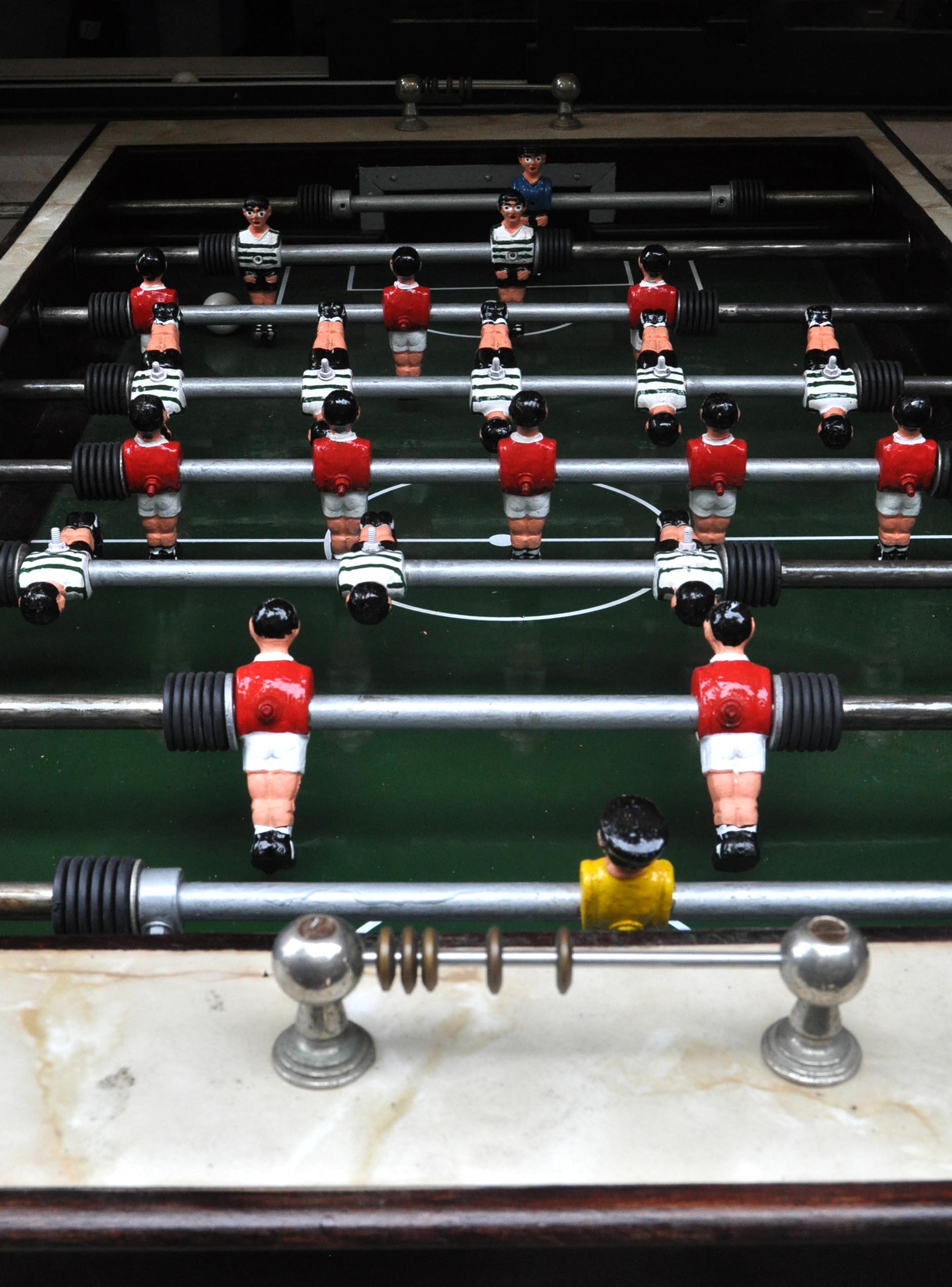
This unpronounceable word is the Portuguese word for table soccer. In the old days, many Portuguese wasted their youth learning the fine motor skills needed to control the ball. Even today, table soccer remains popular. So, if you see a table at a local café, don’t be afraid to join in. You will be surprised at how easy it is to start playing and at how much fun it can be.
Portuguese corn bread
 Broa is a delicious corn bread that is a great complement to many Portuguese dishes (if you guessed that broa goes great with grilled sardines, you guessed right).
For a while broa was hard to find in urban areas where people preferred bread made with white flour. But, over time, urbanites saw the error in their ways, so now you can find broa almost everywhere. The texture and color varies by region but the taste is always deeply satisfying.
300 years of brewing
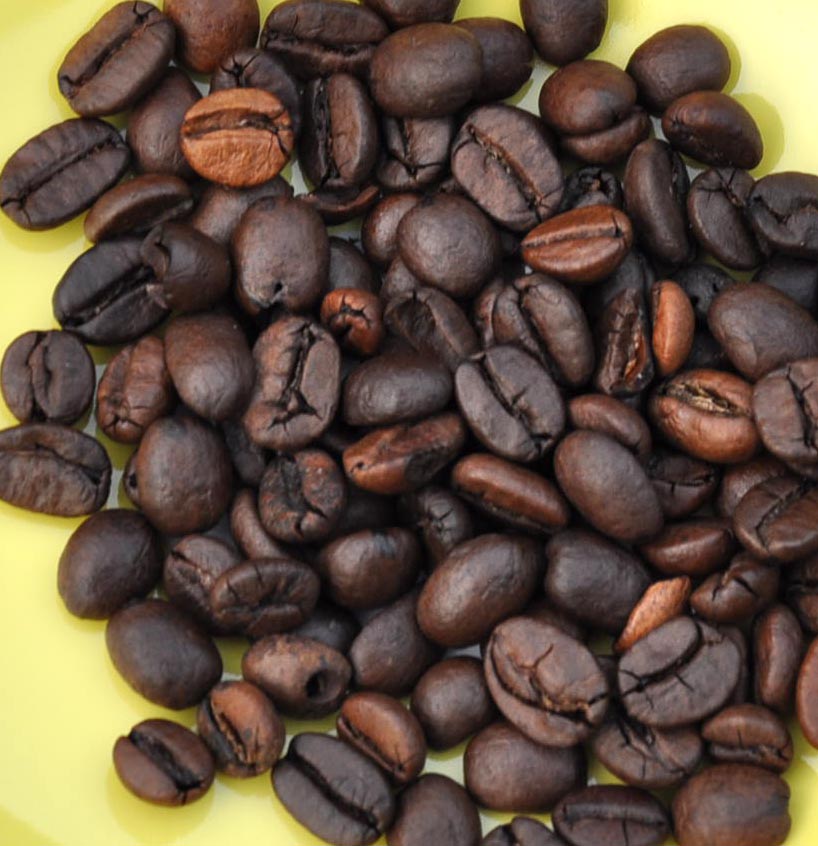
The Portuguese produce wonderful coffee. “It tastes like cognac,” an American friend said, admiring the smooth taste of Delta coffee. This coffee is so good that Delta exports it to Brazil.
It has taken three centuries of experience in three continents to learn to roast coffee that tastes like no other. All so that we can wake up in a good mood, looking forward to our first cup of brew.
Click here to visit Delta‘s web site.
Boia Bar
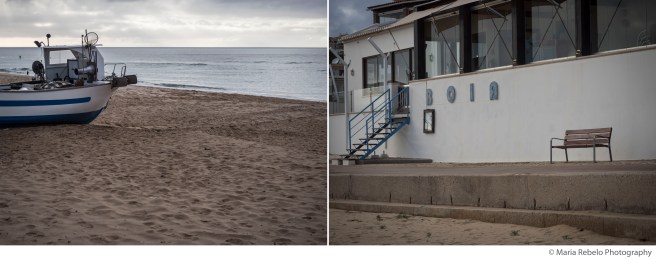
At Boia Bar, a restaurant in Salema, near Lagos, Algarve, we always feel we are in a movie set. Everything is too perfect to be real. The restaurant is right on the beach. At dinner time you see the sky drowned in yellow and the sea getting ready for sunset, covering its dark blue color with washes of lighter hues. The warm air and the fresh sea breeze create the perfect temperature. Then, the wine and food arrive.
The best item on the menu is the “robalo” (sea bass) grilled Algarve style. Before grilling, the chef makes diagonal incisions on the fish and fills them with thin slices of garlic and some olive oil. It’s that simple. But simple things are often the hardest. You have to have the freshest fish. You have to know the right temperature for the coal, the right amount of salt to use, the right moment to take the fish from the grill to the table. It’s this perfection of simple things that you can enjoy at Boia Bar.
Rua dos Pescadores 101, 8650-199 Salema, tel. 282 695 382, email: boiabar@mail.telepac.pt, click here for website.
 Salt of Portugal
