The Estrela Basilica

OLYMPUS DIGITAL CAMERA

One of the buildings often found next to a Roman forum is the basilica. It served as a place where people could meet. Basilicas had no statues of Roman gods and had beautiful light that came in through windows near the roof, so they were a favorite gathering place for early Christians.

The plan of the basilica was later adopted for the construction of important churches. Lisbon has an elegant basilica at Estrela, built in 1790 by Queen  Maria I.

Few people seem to know that one can climb the stairs to the roof of the Estrela basilica and enjoy in peaceful silence breathtaking views of the city. It is a perfect place to meet Lisbon.

The Alcobaça game

Alcobaça Composite

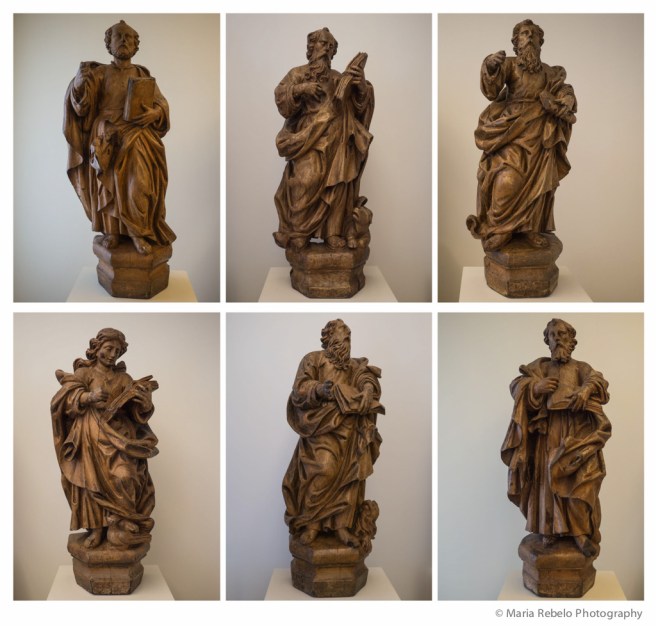
It can be hard to visit monuments with little kids, so it is always a good idea to engage them in a game. If you visit Alcobaça, a beautiful abbey in the middle of Portugal, you can ask your kids to go on a treasure hunt. They can look for stones with carved initials and photograph them. This game can turn an otherwise boring visit into a memorable one.

Masons often carved their personal marks on stones placed in the parts of the cathedral where they worked. They did it to show pride in their work but also to claim the work as theirs so they could get paid.

Centuries later, these signatures remind us of the humble people whose hard work created a legacy of enduring beauty.

Memorable pastries from Vila Real

Crista de GaloMore than a century ago, a baker from Vila Real was given four secret recipes from the local Santa Clara convent. The pastries she made with these recipes were so extraordinary that she decided to turn her bakery into a pastry store.

Today, her great grandchildren continue to use the same prized recipes at Casa Lapão, a pastry store in Vila Real. Their most popular pastry is called “Crista de Galo,” which means rooster comb.  We recommend that you try them with your eyes closed so you can better appreciate the heavenly combination of the flaky dough with the egg and almond filling.

If you’re near Vila Real, a stop at Casa Lapão can turn an ordinary day into a memorable one.

Casa Lapão is located at Rua da Misericórdia 53/55, Vila Real, tel 259 324 146, email casalapao@gmail.com. Click here for their website. 

Beach moments

OLYMPUS DIGITAL CAMERA

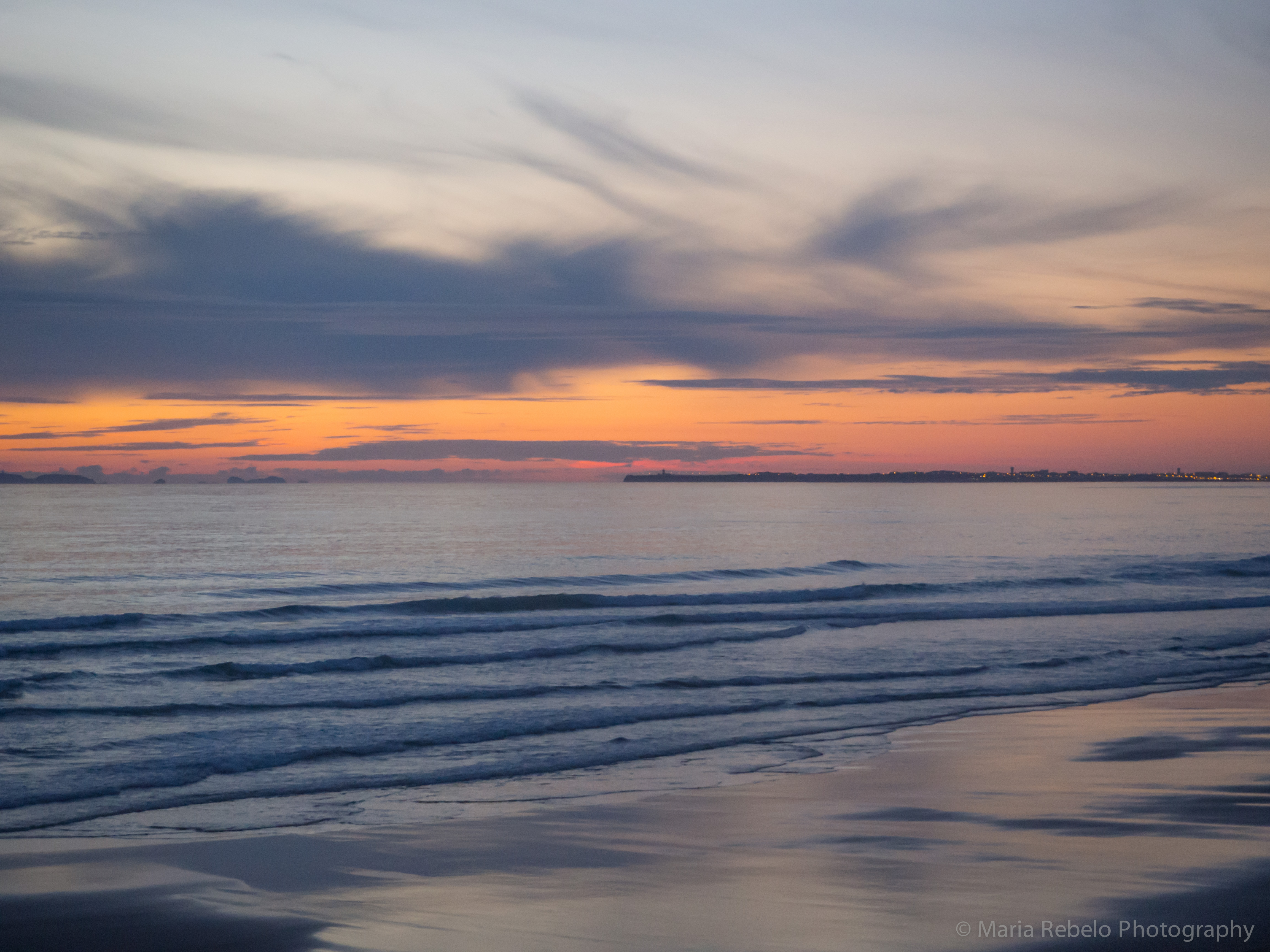
Life is like a train trip. We eagerly anticipate getting to the next station but, once we’re there, we can’t wait to move on.

Much of life is a blur, like the views from a moving train. We remember the arrivals and departures of those we love. And we remember some of the train stops, when the pace of life slows down.

For us, many of these leisure moments are spent on a Portuguese beach. We recall the beauty of the seaside, the wonderful weather, the delicious food and, most of all, those who shared these happy moments with us.

The third island

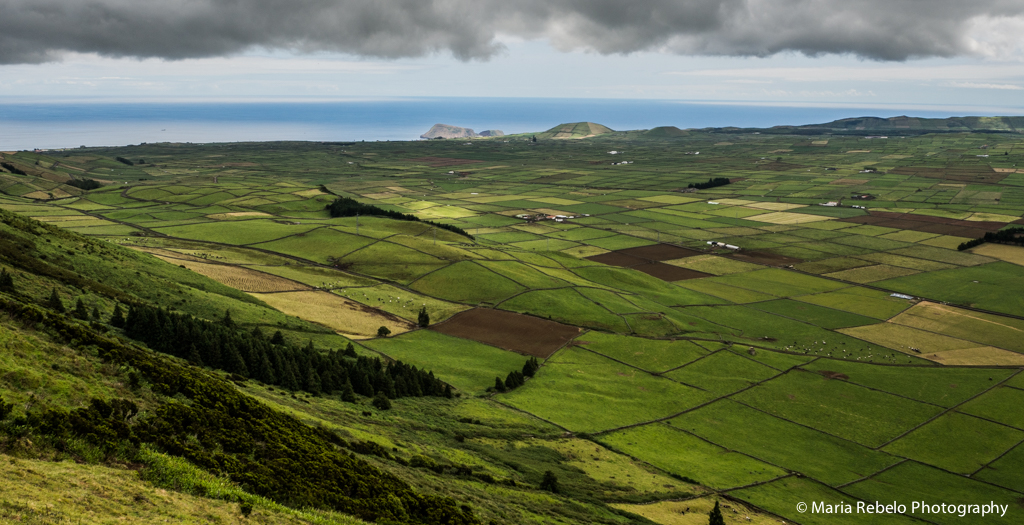
Açores 47 - cropedThis year we visited Terceira, an island in Azores. After Madeira and the Canary islands, Azores was the third group of islands discovered by Portuguese navigators. Initially, the Portuguese called the whole archipelago Terceiras (the Portuguese word for thirds), but later they renamed it Azores and reserved the name Terceira for the largest island.

Terceira is a perfect destination for a relaxing vacation. There are many beaches to enjoy and hiking trails to explore. Restaurants serve great food for modest prices. And the traditional architecture makes us feel as if we are in a time gone by, when life was simpler and time was not a luxury.

Vitorino Nemésio, a great poet from Terceira, wrote that here you are “at the very bosom and infinitude of the sea, like the medusas and the fish.”

The green valleys of Terceira compete with the beauty of the sea. For Nemésio, this competition is futile because “The islands are ephemeral and dispensable. Only the sea is eternal and essential.”

Our favorite tasca in Lisbon

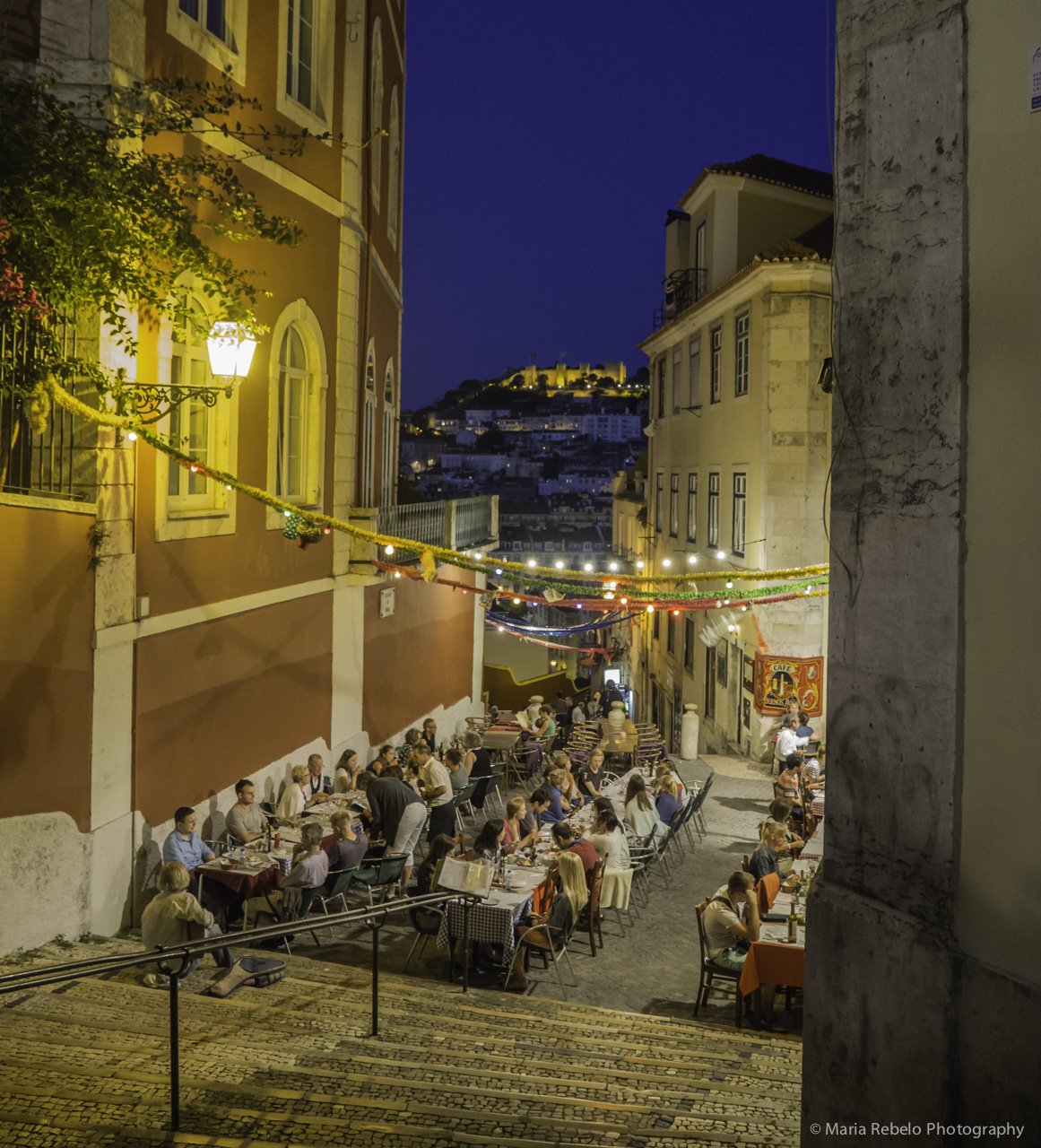
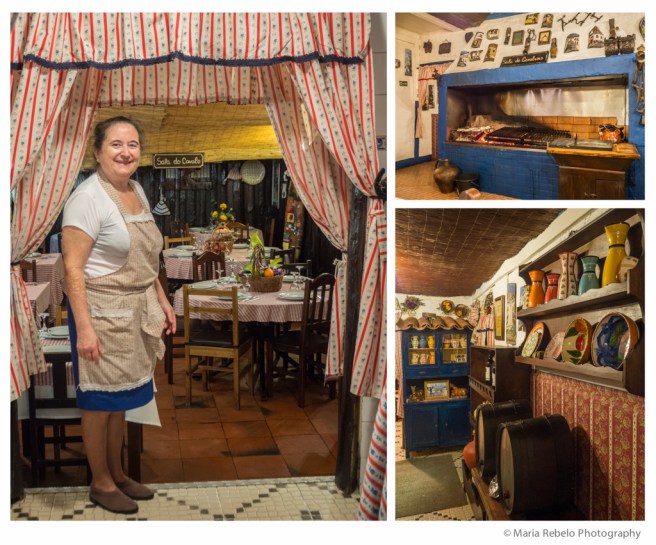
Das FloresTascas are modest, inexpensive restaurants that offer a small, seasonal menu. They are often family affairs; the parents cook and the kids wait the tables. The quality of tascas is highly variable, some are good, a few are great, many are just passable.

When tascas become popular, they often have trouble coping with success, and their quality suffers. That is why people who find a great tasca usually like to keep it secret.

We’ll break with these social norms and tell you the name of our favorite tasca in Lisbon: Das Flores in Rua das Flores. This establishment is not to be confused with the more posh (and also very good) Taverna da Rua das Flores located on the same street.

You could write a dissertation about the eating habits of Lisbon residents by studying Das Flores’ menu. It includes items like poached grouper, grilled sole, codfish cakes with tomato rice, pork and clams Alentejo, and grilled lamb chops. All perfectly prepared with pristine ingredients. Many items on the menu cost less than 10 euros, which is why the small dining room is always crowded. The restaurant caters to its regular customers, so it can be difficult to get a table.

Das Flores is not a place for a romantic date. But it is a great choice if you want to experience traditional Portuguese food on a budget. Just don’t tell anyone else, ok?

Das Flores is located on Rua das Flores 76, Lisbon, tel. 21 342 8828. If you do go to Das Flores on a date, skip dessert and go to Landeau on the same street for chocolate cake. It will make the whole experience more glamorous.

Oh Porto!

O Porto, Rui Barreiros Duarte, ink on paper, 2015.

Portugal’s second largest city and the unofficial capital of the North is called Oporto. The city has an older feel than Lisbon. While much of Lisbon was destroyed by the 1755 earthquake, Oporto preserved its meandering medieval streets and ancient buildings.

Oporto is a place full of surprises. The city looks austere, but its granite architecture is just a ruse to make the gorgeous Douro river look even more seductive. Life in Oporto is hectic, but residents always take the time to give visitors a warm reception. There are plenty of restaurants that look ordinary but serve great food. And there are many hidden treasures in the port-wine caves that store, sometimes for centuries, the precious nectars from the Douro valley.

The Portuguese call the city Porto, while the English call it Oporto. There are two theories about this discrepancy. The most plausible is that the English, hearing the Portuguese say “o Porto” (which means “the city of Porto”), combined the article and the noun into Oporto. The most romantic is that the name came from visitors falling in love with the city and sighing “Oh Porto!” We side with the romantic theory.

Click here for a guide of where to stay and what to do in Oporto.

Peniche’s golden waves

OLYMPUS DIGITAL CAMERA

In 1786 a Spanish galleon, San Pedro de Alcantara, departed from Peru loaded with a fortune in silver and gold and a precious botanical collection of tropical specimens. The galleon also carried a famous passenger: Fernando Tupac Amaru, an inca whose father had started the most successful uprising against Spanish rule in Peru.

The ship’s captain used a French map that omitted the position of the Berlenga islands. This error had tragic consequences: on the night of February 2, 1786 San Pedro de Alcantara shipwrecked near Papoa, a small peninsula on the coast of Peniche. Almost everybody died but Tupac Amaru managed to swim ashore.

The Spaniards hired divers from all over Europe to come to Peniche help salvage the galleon’s treasures. They also succeeded in recapturing Tupac Amaru.

Today, Peniche’s perfect tubular waves attracts surfers from all over the world. How many of them know that beneath those waves once lied a fortune in silver and gold?

The past and future of Portuguese wine

AmphorasCrato

The Flor da Rosa Pousada in Crato has a beautiful collection of “talhas” (clay amphoras) made by potters in Alentejo.  The small amphoras were used to store olives or olive oil. The large ones were used to produce wine, a tradition that goes back to Roman times.

Several Portuguese wine makers are rediscovering the lost art of producing wine in amphoras. One of them is Dirk Niepoort, a great producer from the Douro region. We can’t wait to try these wines which bring the past into the future!

Click here for the Pousadas’ website and here for more photos of Flor da Rosa.