
Many of those who visit Portugal gravitate toward places that increasingly offer an international experience, lightly seasoned with local color. The surest way to gain a deeper sense of the country is to spend time in the small towns and villages outside the main tourist centers.
One such place is Viseu, our birthplace.
Granite quarried nearby paves its streets and lines its façades, giving the city a quiet, understated presence, echoed in the character of its residents.
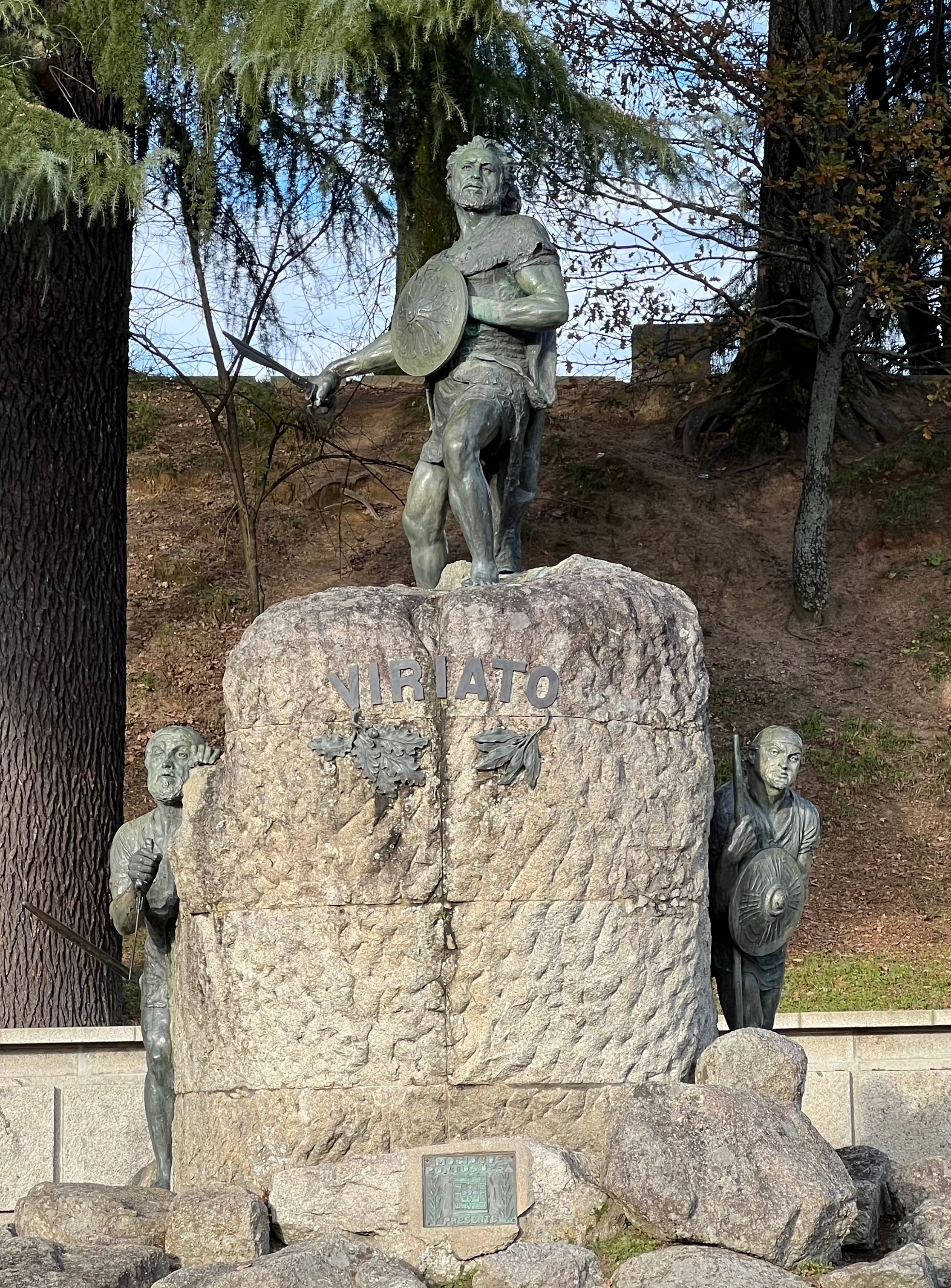
Viseu first gained renown in the 2nd century BCE as a stronghold of resistance to Roman expansion. Viriato, leader of a loose network of tribes known as the Lusitanos, waged a remarkably effective guerrilla war against Rome. The Romans prevailed only after bribing three of his companions to assassinate him in his sleep in 139 BCE. When the murderers claimed their reward, they were dismissed with the words: Roma traditoribus non praemiat (Rome does not reward traitors).
The Lusitanos were defeated, yet Portugal later adopted them as symbolic ancestors, and Lusitano became a synonym for Portuguese. In that sense, Viriato won the war.
It is therefore fitting to begin a visit at the Cava do Viriato, where a statue of the warrior stands atop a rock, surrounded by his fierce companions. From here, you can take a stroll on a boardwalk that offers sweeping views of the city.
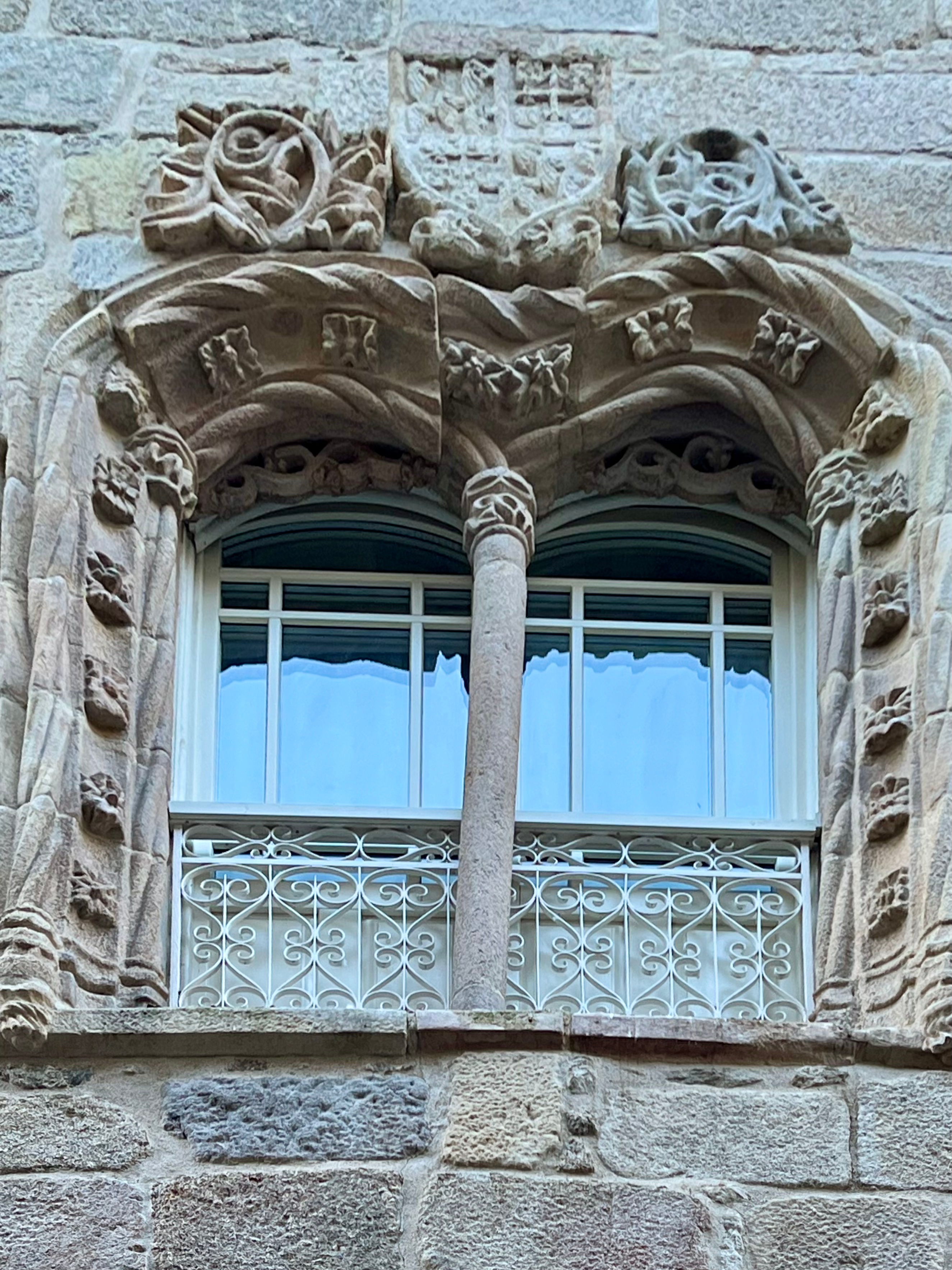
Next, walk uphill to Rua Direita, a narrow street built in Roman times, now lined with small, traditional shops. Turn onto Rua Dom Duarte, where you’ll see a building with a window adorned with ropes and armillary spheres. Legend has it that King Dom Duarte, who ruled Portugal from 1433 to 1438, was born there. Continue up the street, and you’ll find his statue.
Just around the corner stands the 12th-century cathedral, built in the Romanesque style and later enriched with Gothic, Manueline, Renaissance, and Mannerist elements.
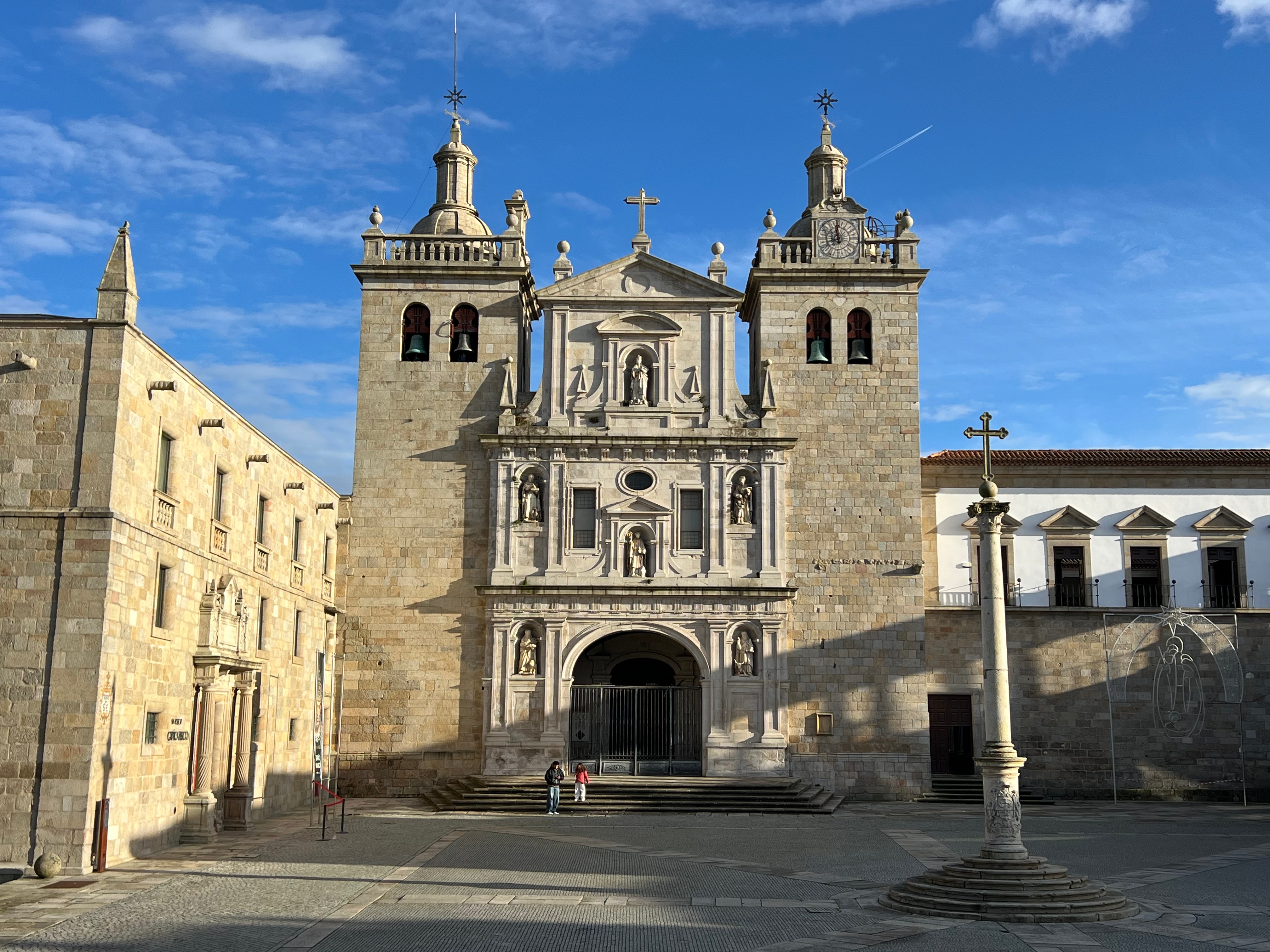
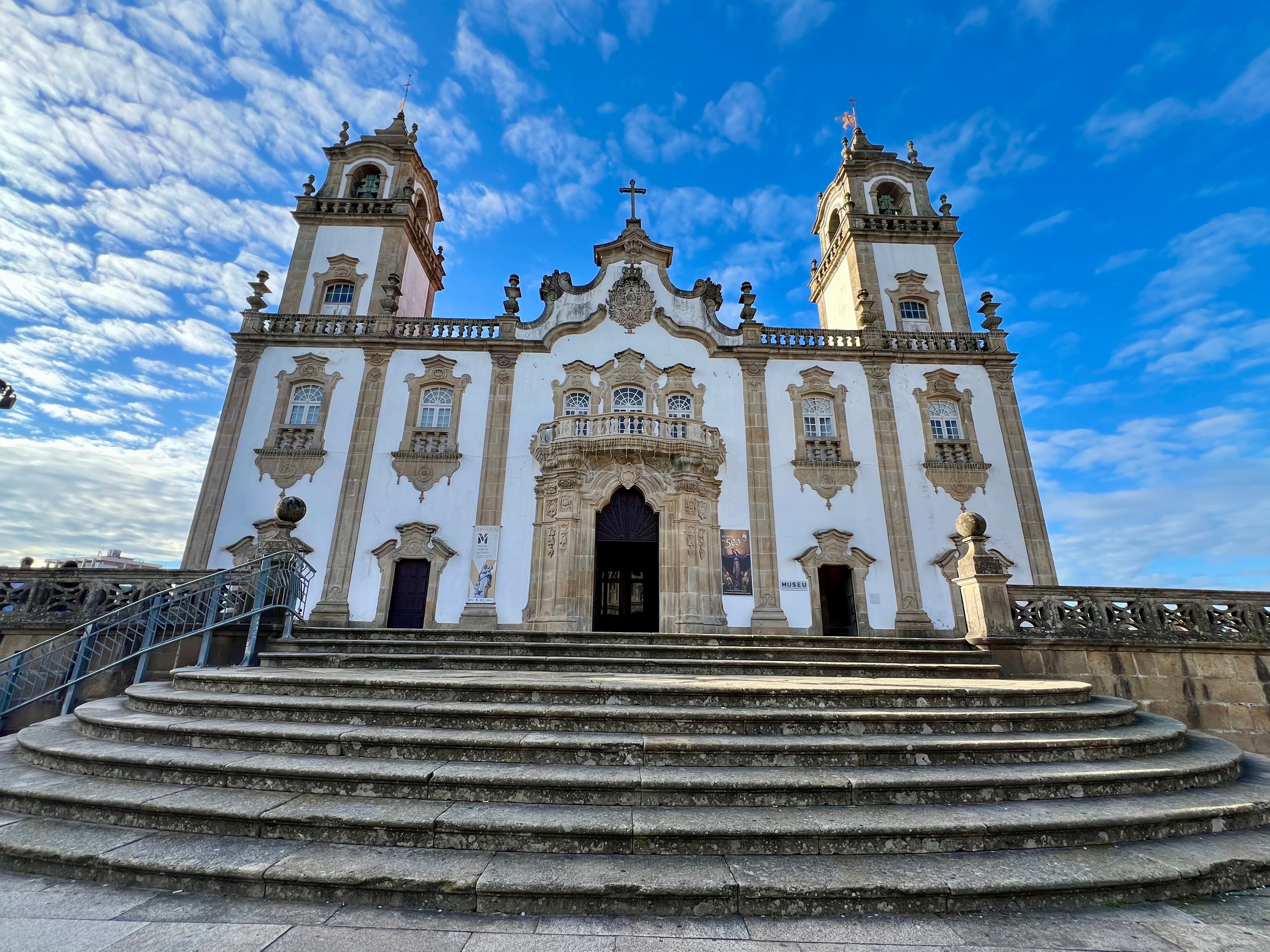
On the same square rise the Baroque Igreja da Misericórdia and the Grão Vasco Museum, home to the finest works of Portugal’s greatest Renaissance painter.
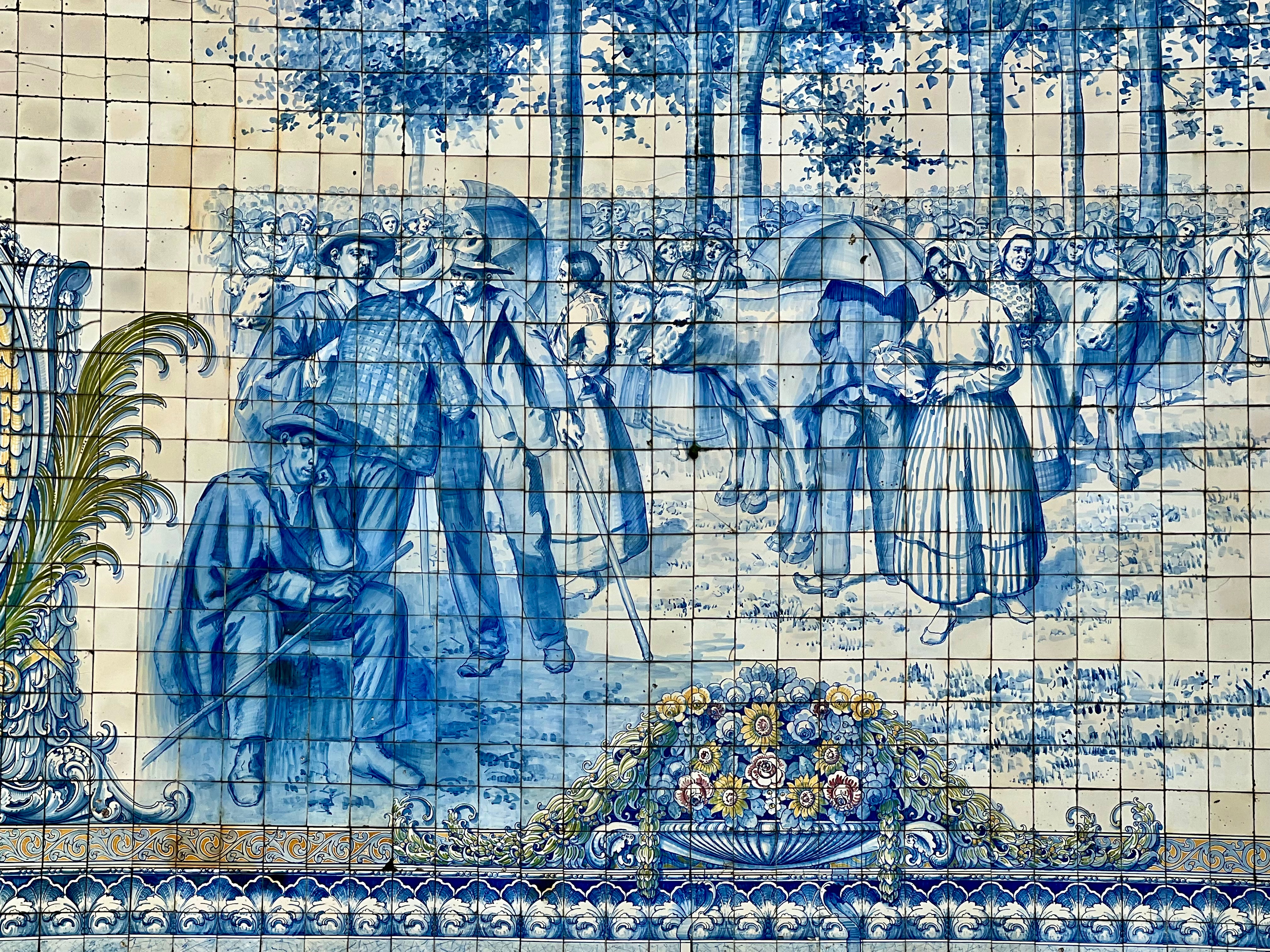
From Rua do Adro, continue to Largo Pintor Gata and head south along Rua Nunes de Carvalho until you reach Rossio, the city’s central plaza. Shaded by old linden trees, it is surrounded by tile panels depicting rural life: shepherds from the nearby Estrela Mountain and farmers arriving in Viseu to sell their goods.
Foremost among those products is wine. Viseu lies at the heart of the Dão, one of Portugal’s most important wine regions. While most Dão wines are blends, two grapes stand out: the red Touriga Nacional and the white Encruzado. Touriga Nacional is emblematic of the Douro Valley, but its name likely comes from Tourigo, a village near Viseu. In the Dão’s granite soils, the grape produces elegant, floral wines. Encruzado is prized for its combination of texture, depth, and restraint. You can enjoy a tasting of Dão wines at Solar do Vinho do Dão, a 12th-century episcopal palace located in Fontelo, a park with ancient trees that is home to a flock of peacocks.
Another emblematic product is queijo da serra, made from sheep’s milk in the nearby Estrela Mountains. Our favorite cheese shop is Celeiro dos Sonhos, on Avenida Capitão Silva Pereira. Their selection ranges from soft, spoonable cheeses to cured versions finished with olive oil and paprika, as well as requeijão. All are worth trying.
When it comes to restaurants, we always return to two longtime favorites. O Cortiço, on a narrow street named after the 19th-century fado singer Augusto Hilário, is famed for its arroz de carqueja (wild broom rice). This dish is so intriguing that Maria de Lurdes Modesto, the chef who codified Portuguese cuisine, came here repeatedly to perfect her own version. On the outskirts of town, Quinta da Magarenha serves local classics such as rojões (pan-fried marinated pork) and veal slowly cooked in a clay pot.
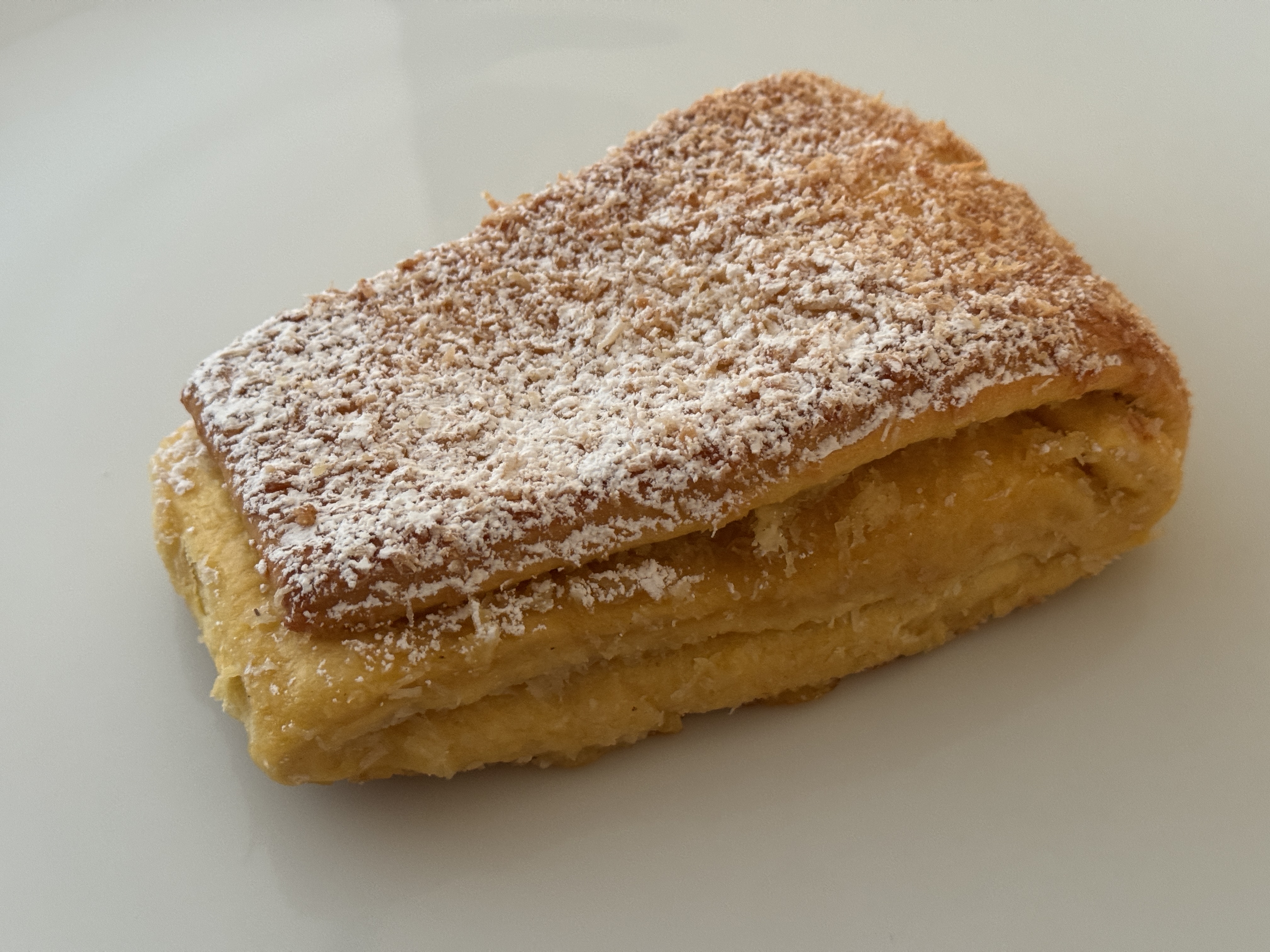
For coffee and pastries, our current favorite is Lobo, on Rua Alexandre Lobo. It was recently taken over by the Oliveira family, long known for their farturas (sweet strips of fried dough) sold at fairs across Portugal. Don’t miss the Viriato, a V-shaped pastry created in homage to the legendary figure, made from baker’s dough, topped with grated coconut, and generously filled with silky pastry cream.
For a stay, the Pousada de Viseu, housed in a building dating back to 1793, offers great comfort and beautiful views over the city.
There is an old song titled “Indo eu, indo eu, a caminho de Viseu,” about going to Viseu and finding love along the way. Its lyrics read:
“As I walk, as I walk, on the way to Viseu,
I met my one true love—oh my Lord, here I go.”
We leave you with an instrumental version of the tune, with apologies to Michel Giacometti and Fernando Lopes-Graça, whose work preserved Portugal’s traditional melodies, for taking a few liberties along the way.
With this song, we wish you a blissful New Year—one that, we hope, leads you to Viseu.



 Salt of Portugal