Ruby, Vintage or Tawny?

2 Port wines

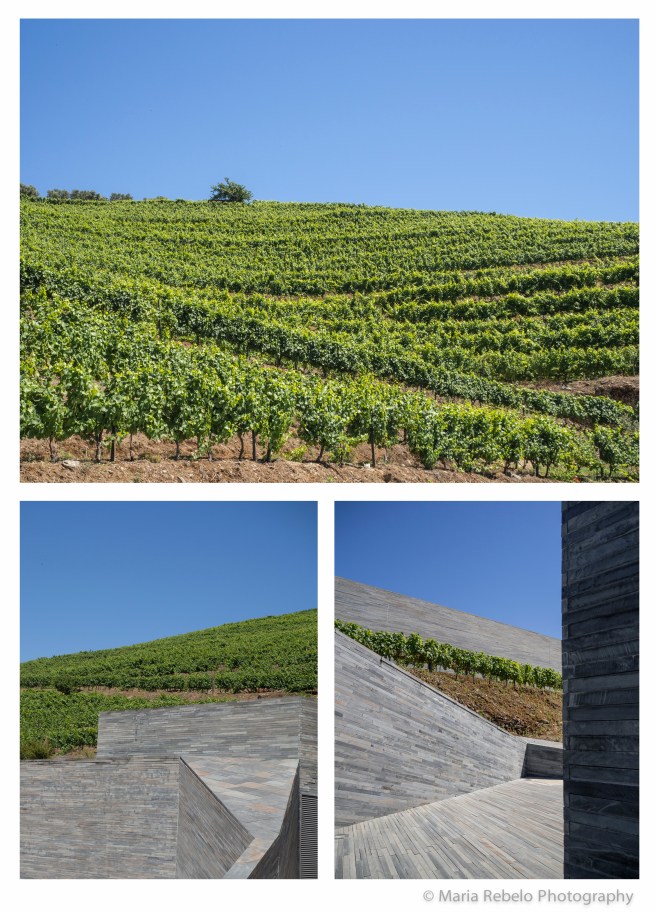
People in the Douro valley say that babies and port wines are often born at night. Port producers let the grape juice ferment for about three days. They choose the perfect moment to add a neutral grape spirit (aguardente) that stops the fermentation before the yeast eats all the grape sugar. This moment often comes in the middle of the third night.

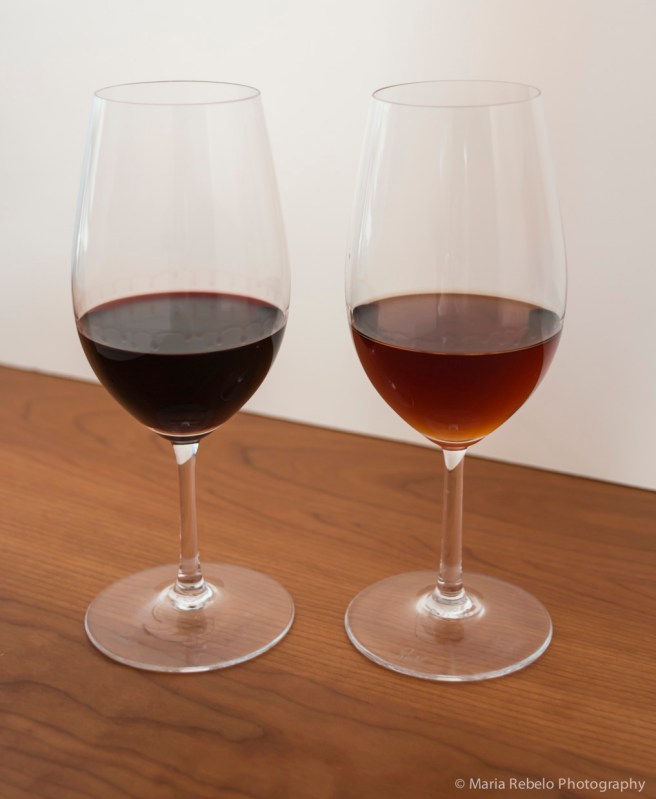
Most of the Douro grapes are used to produce ruby ports. These ports are first stored in cement or stainless-steel vats to prevent oxidation, then bottled. The result is a wine that retains a dark ruby color and fresh fruit flavors.

When the quality of the grapes is exceptional, port-wine producers declare a vintage year. These ports are stored in wood casks for one or two years and then bottled. With little exposure to air, the wine is dark red. Aging brings out complex flavors, such as notes of vanilla, chocolate, and blackberry.

The best grapes are also used to produce tawnies. These ports are aged for many years in casks made of Portuguese chestnut and oak. This aging process creates complex flavors and gives the wine a silky mouthfeel. The small amount of air that circulates through the tiny pores of the wood oxidizes the wine slightly, changing its color from red to amber.

It is wonderful to share a glass of ruby port with new friends. But there’s nothing like drinking old vintages and tawnies with old friends.

The past and future of Portuguese wine

AmphorasCrato

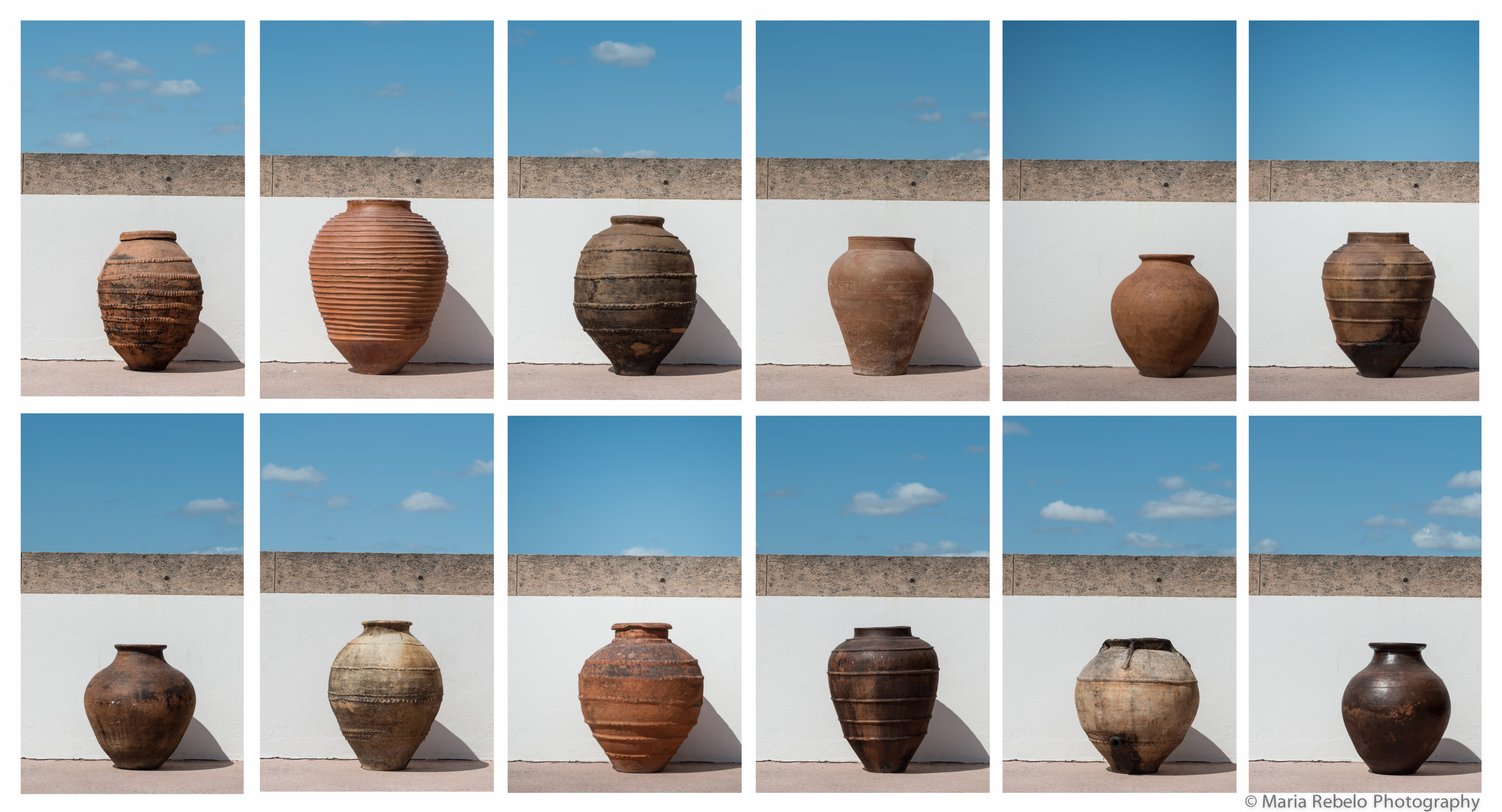
The Flor da Rosa Pousada in Crato has a beautiful collection of “talhas” (clay amphoras) made by potters in Alentejo.  The small amphoras were used to store olives or olive oil. The large ones were used to produce wine, a tradition that goes back to Roman times.

Several Portuguese wine makers are rediscovering the lost art of producing wine in amphoras. One of them is Dirk Niepoort, a great producer from the Douro region. We can’t wait to try these wines which bring the past into the future!

Click here for the Pousadas’ website and here for more photos of Flor da Rosa.

Europe’s most western vineyards

DCIM103GOPRO Baron Bodo Von Bruemmer, born in Tsarist Russia in 11/11/1911, made a fortune working as a banker in Switzerland. Then, at age 51, he was diagnosed with a terminal disease and told he had two years to live. He decided to look for a place where, after his passing, his wife could live without worrying about money.

Von Bruemmer came to Portugal and fell in love with the country. He bought Casal de Santa Maria, a farm in Colares near Sintra. There, he spent his days breeding Arabian horses and planting roses. The airs of Colares nursed the baron back to health and today, at 104 years of age, he continues to thrive.

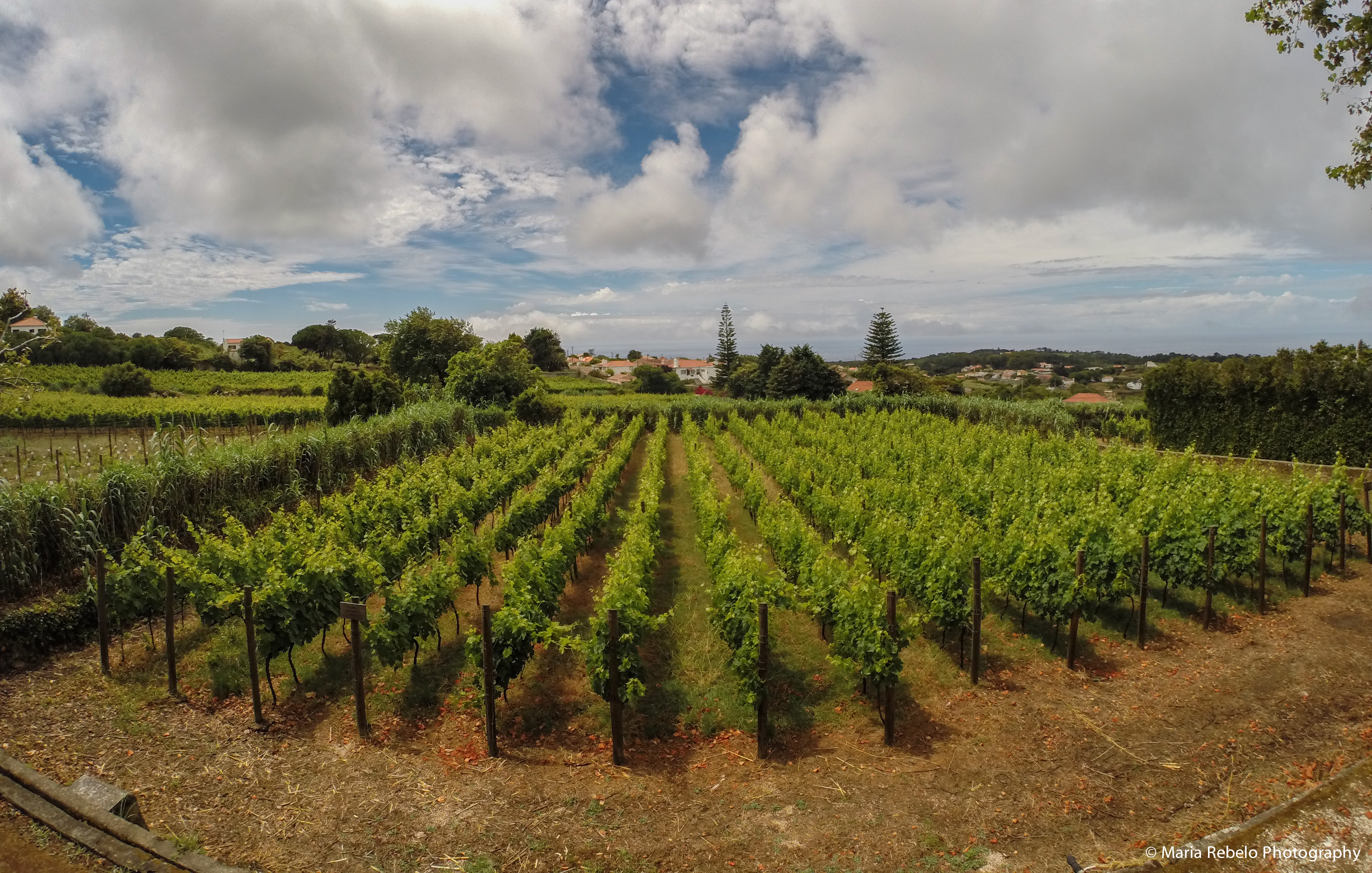
In 2007, shortly after his 96th birthday, Von Bruemmer felt the urge to plant a vineyard. He knew nothing about wine making, but was eager to learn. Since then, he has become a legend. With the help of a talented team of enologists, he planted the most western vineyard in continental Europe. Close to the sea, cooled by the Atlantic winds, its unique terroir produces amazing wines, salty, aromatic, and with great minerality.

The baron continues to plant new vines and supervise new projects. He makes his decisions using a small brass pendulum. If the pendulum rotates clockwise the answer is yes. Otherwise, it is no.

Every day, Von Bruemmer drinks a glass of champagne. But soon, he will drink instead the sparkling wine that, with the help of his pendulum, he decided to produce.

Casal de Santa Maria is a magical place, where vineyards surrounded by roses produce some the world’s most interesting wines.

Postscript: Baron Bodo Von Bruemmer passed away in November 2016 at 105 years of age. He set up a foundation so that Casal de Santa Maria can continue to produce the wines of a Russian Baron who fell in love with Portugal.

Casal de Santa Maria is located on Rua Principal Casas Novas, n. 18/20, Colares, tel 219-292-117, email geral@casalstamaria.pt.

The coolest bar in Lisbon

OLYMPUS DIGITAL CAMERA

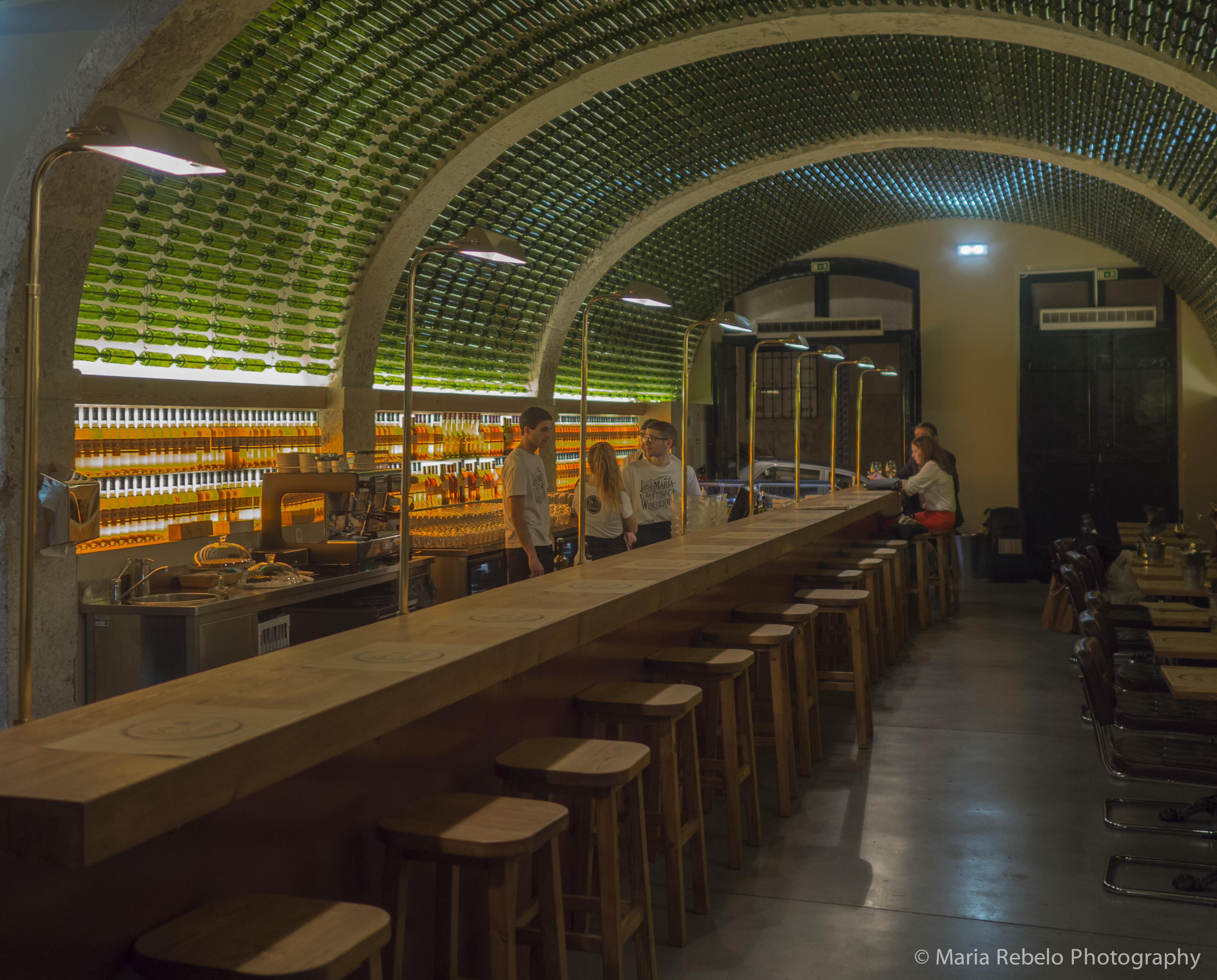
“By the wine,” the coolest bar in Lisbon, has a ceiling decorated with 3267 bottles of Periquita, one of the oldest table wines in Portugal. The bar belongs to Periquita’s producer, José Maria da Fonseca. This company has produced wine since 1834, including the famous Setúbal Moscatel.

“By the wine,” is the perfect place to have a few bites: slices of memorable sausages and prosciutto, cheese, and seafood.

José Maria da Fonseca stocks the bar with a great selection of wines, including some that are hard to find because they are produced in small quantities. It is a delight to try these unique wines surrounded by the beautiful people that give this bar a wonderful vibe!

By the Wine is on Rua das Flores, 41/43, near Chiado, tel. 213420319. 

Old and new

Terras D'Alter composit @

We happened to be the first to arrive at a friend’s dinner party. He suggested it would be fun to decant the bottle of wine we had brought to do a blind tasting.

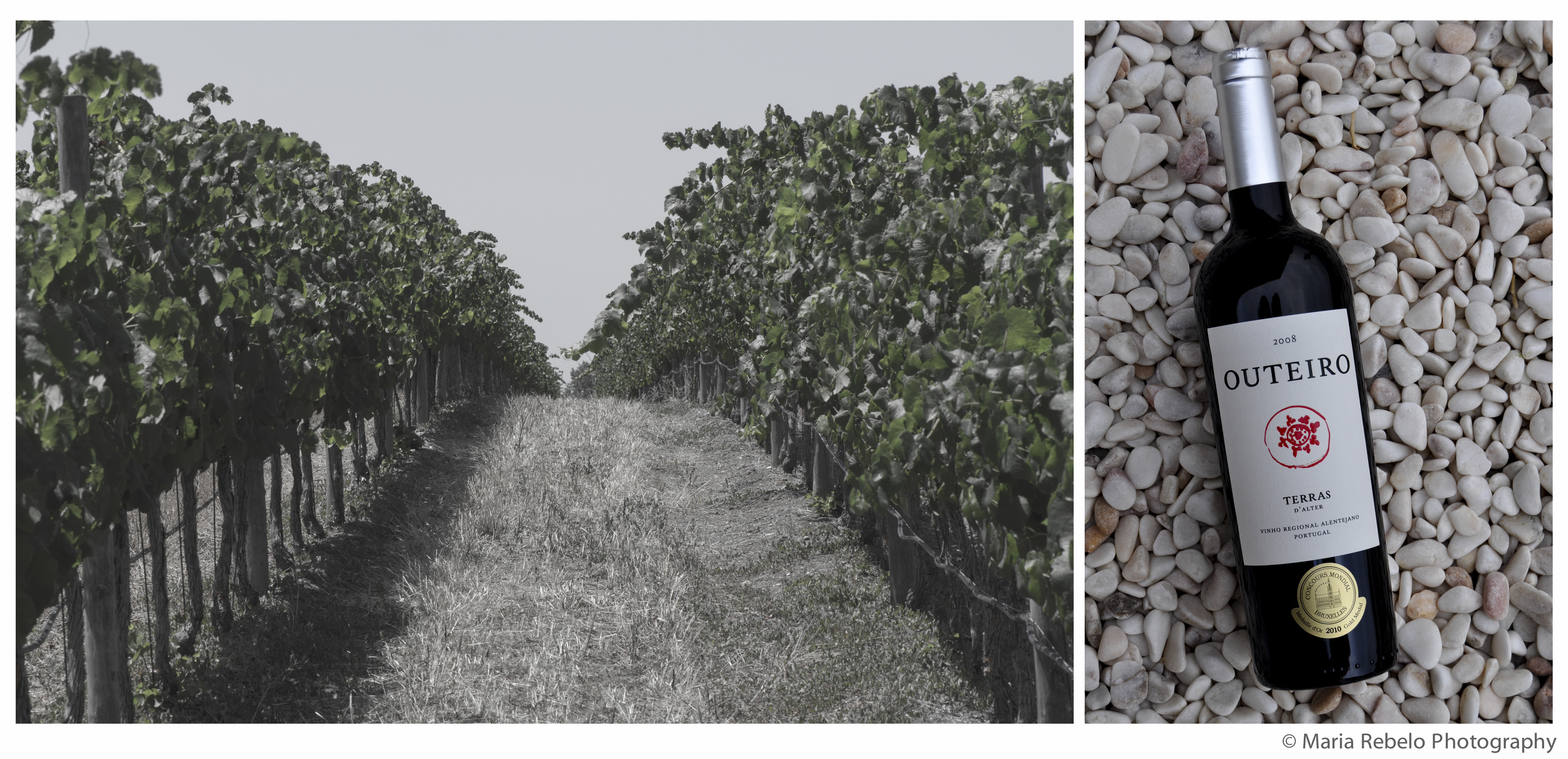
When the other guests arrived, our host asked everybody to guess the provenance of this very special wine. Glasses were filled and moments of silence ensued while everybody focused on taste and smell. Many highly appreciative comments followed. Some guests thought that the wine was from the old world, probably from France, perhaps from Côtes du Rhône. Others thought it was a wine from the new world, possibly from Australia. The wine was Terras d’Alter, Outeiro, 2008.

Terras d’Alter has impeccable old-world credentials. The grapes come from old quintas in Alentejo.  But the wine is made by an Australian enologist, Peter Bright, who eschews traditional wine-making methods in favor of new-world technology. The result is the best of the old and new worlds.

When we drink Terras d’Alter, we feel transported to a sun-drenched day in Alentejo, our body soaking in the warmth, our mind relaxed by the endless vistas. How can other wines compete with this feeling?

Click here to see the web site of Terras d’Alter.


Wine lessons

Adega Mãe Composit

If you’d like to learn more about wine, we have the perfect plan. Adega Mãe, a new winery in the Lisbon region, organizes one-day courses on wine appreciation that are seriously fun.

The morning is devoted to the theoretical aspects of wine making and wine tasting. After a coffee break, the practice begins. Guided by an experienced enologist, you taste Portuguese wines made with different varietals and compare them with foreign wines.

Once your palate is trained, lunch is served in the beautiful dining room that overlooks the vineyards. Wines produced with grapes from these vineyards are carefully matched with each different dish.

After lunch, there is opportunity to ask more questions and taste more wine. Don’t leave before trying Adega Mãe’s elegant Alvarinho white wine!

Adega Mãe is located near the town of Torres Vedras. Click here for their website. To ask about their wine appreciation courses email enoturismo@adegamae.pt

Barca Velha

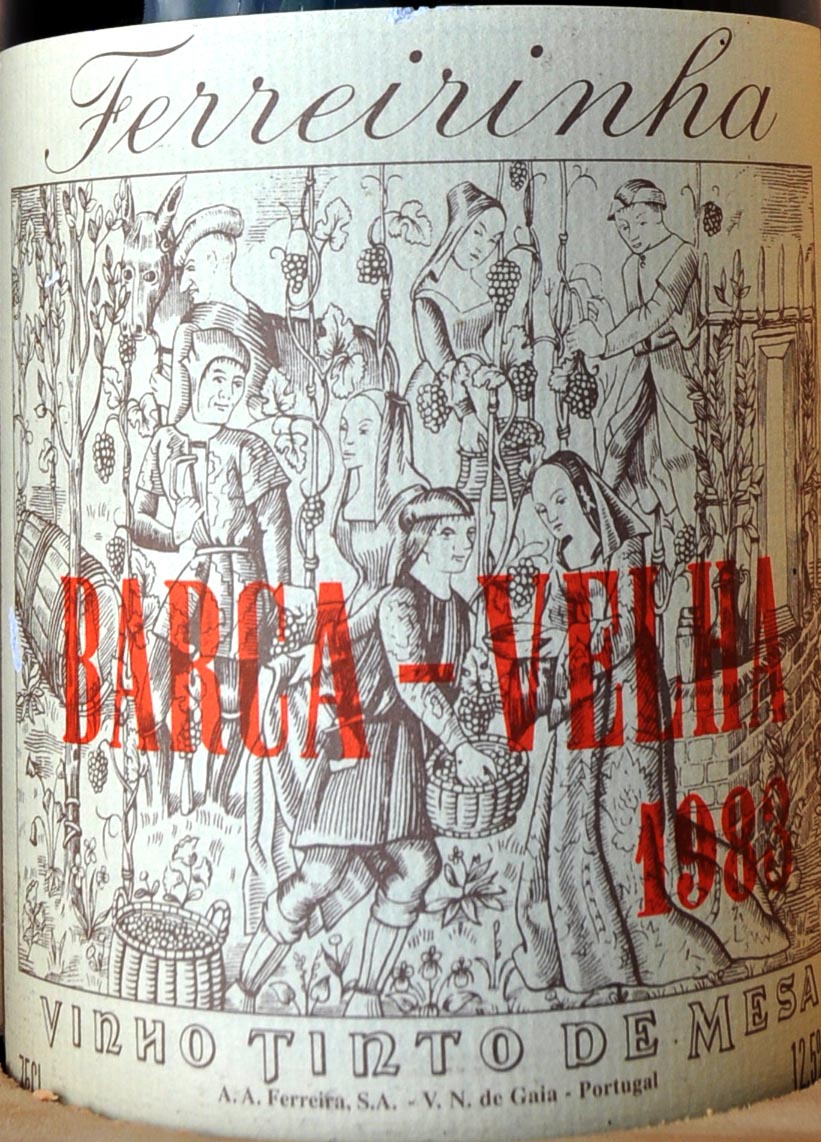
Barca Velha is a mythical wine, the first Portuguese table wine to acquire an international reputation. Fernando Nicolau de Almeida, Casa Ferreirinha’s enologist, adapted the techniques used to produce vintage ports to make superlative table wine. After years of experimentation, he produced the first Barca Velha in 1952 with grapes from a vineyard planted by Dona Antónia Ferreira.

Since then, Barca Velha has been produced only 12 times, when the sun and the clouds joined forces to create exceptional grapes.

How did Nicolau de Almeida decide whether a vintage merited the Barca Velha name?  He relied on his wife. He took an unlabeled bottle home to share with her at dinner. If they finished the bottle by the end of the meal, the vintage was a Barca Velha.