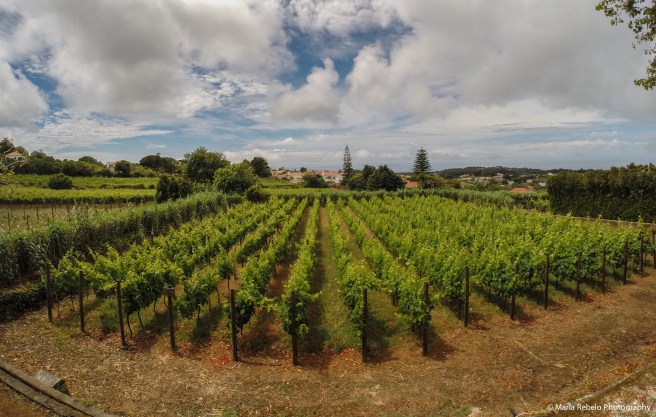
The past and future of Portuguese wine

AmphorasCrato

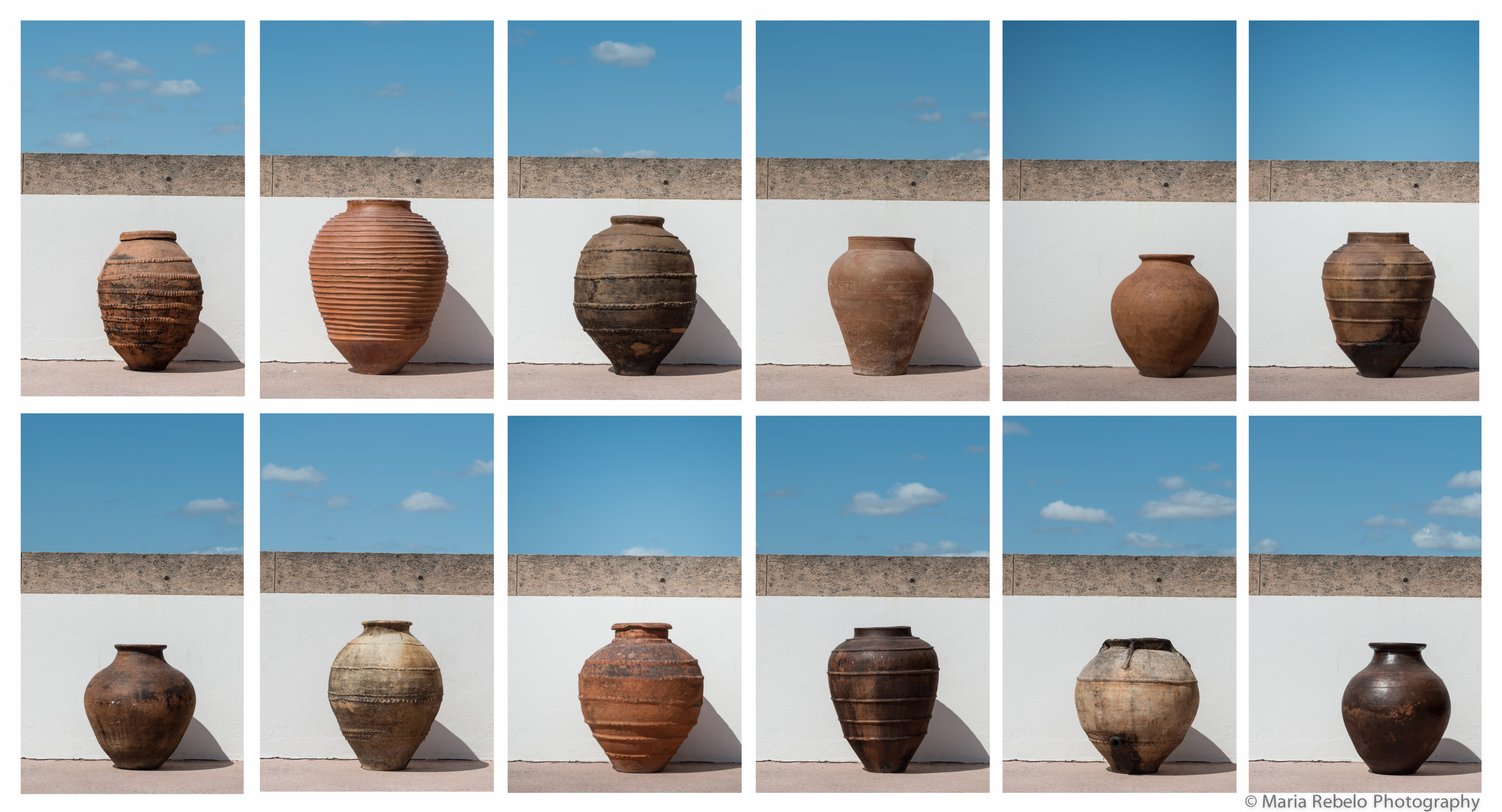
The Flor da Rosa Pousada in Crato has a beautiful collection of “talhas” (clay amphoras) made by potters in Alentejo.  The small amphoras were used to store olives or olive oil. The large ones were used to produce wine, a tradition that goes back to Roman times.

Several Portuguese wine makers are rediscovering the lost art of producing wine in amphoras. One of them is Dirk Niepoort, a great producer from the Douro region. We can’t wait to try these wines which bring the past into the future!

Click here for the Pousadas’ website and here for more photos of Flor da Rosa.

Deluxe eels in Aveiro


OLYMPUS DIGITAL CAMERA

Eels were highly-prized culinary delicacies in ancient Greece. The eels from Lake Copais, a lake near Athens that is now extinct, were famous in the ancient world and sold for exorbitant prices. In the plays of Aristophanes these eels are the symbol of a luxurious life.

In Portugal, the most famous eels come from Murtosa, a town near Aveiro. They taste great fried, accompanied by escabeche sauce (a combination of olive oil, garlic, laurel, and vinegar).

A great place to try this delicacy is a neighborhood restaurant in Aveiro called Marinhas. The eels come perfectly fried accompanied by a delicious seafood rice and the indispensable escabeche sauce.

At Marinhas you can, for a modest price, enjoy a meal that would have cost a fortune in ancient Greece!

The Marinhas restaurant is located on Rua Cavalaria Cinco, 4, Aveiro, tel. 234197679..

Chocolate tastes new again

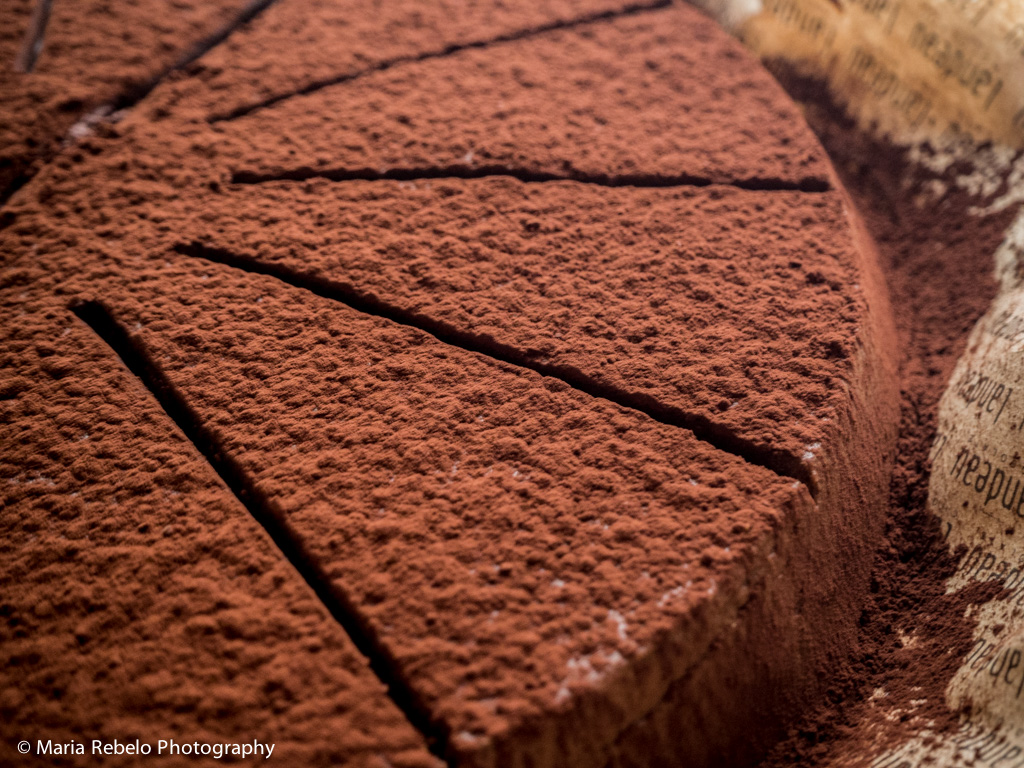
OLYMPUS DIGITAL CAMERA

Isabel Landeau is a designer who, as a hobby, baked chocolate cakes to share with her friends. She loved so much the oohs and aahs that her cakes inspired, that she became obsessed with perfecting her recipe. For nine months, she experimented with different chocolates and cocoas. The result is a master piece, a cake that is deliciously light but layered with exquisite chocolate flavors.

When Landeau opened a store to share her creation with the world, she was surprised at the praise lavished by the international press (the New York Times called her cake “devilishly good”). Her store has become an obligatory place of pilgrimage for chocolate lovers.

Landeau makes chocolate taste as exciting as when it was brought to Europe in the 16th century, as exotic as when Aztecs used it in religious cerimonies. Try a slice of Landeau cake and you’ll see.

Landeau is located on Rua das Flores, N. 70, 911-810-801. Click here for their website.

The Miramar beach

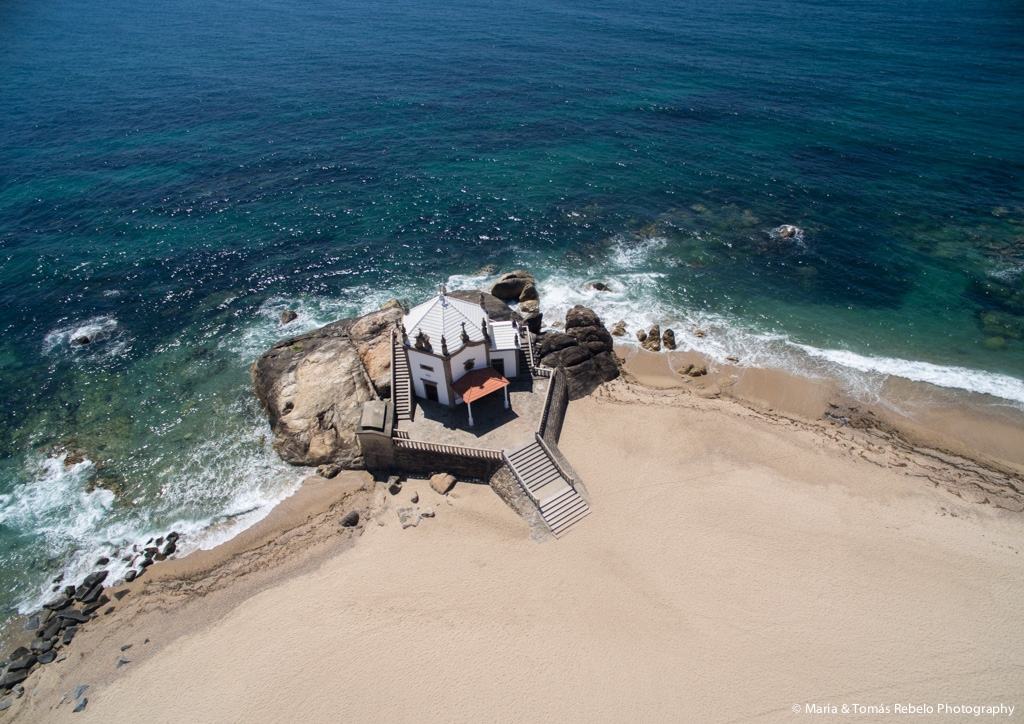
Igreja na praia-2One of the most beautiful beaches in Portugal is Miramar, near Oporto. It has a long stretch of sand bathed by green and blue water. But what makes this beach so special, is an old church built on rocks by the sea on the same place where there was once a pagan temple.

As we entered the church courtyard, we felt surrounded by the sea; dazzled by its sight, soothed by its sound, intoxicated by its scent.

It is easy to understand why this location has been a place of worship for centuries. Faced with such immense beauty, how can we not give thanks to its creator?

A pink palace in the Algarve

358 - Pousada de Estói - @mariarebelophotography.comFIt takes a long time to build a beautiful palace. An Algarve aristocrat started in 1840 to build the Estoi palace in an estate near Faro. When he died, his son took over. But by 1893, the building was still unfinished and seemed destined to become a decorative ruin. It was then that a wealthy landowner bought the palace and spent a fortune on its completion. The sumptuous inauguration took place in May 1909. Decades later, the palace was abandoned.

In 2009, a century after its inauguration, Estoi opened once again, this time as a luxury historical hotel. It is a place out of a fairytale, its opulent salons and elegant gardens restored to their original glory.

Our stay at Estoi was an extraordinary experience. Some days, we relaxed by the pool and spent time admiring the statues, fountains and myriad of architectural details. Other days, we went to the beach and enjoyed the pleasures of the sea even more than usual. For we knew that when the day was done, we would have our pink palace to return to.

The Estoi palace is part of a network of historical hotels called Pousadas. Click here for the Pousadas’ website and here to see a large collection of photos of the palace.

Europe’s most western vineyards

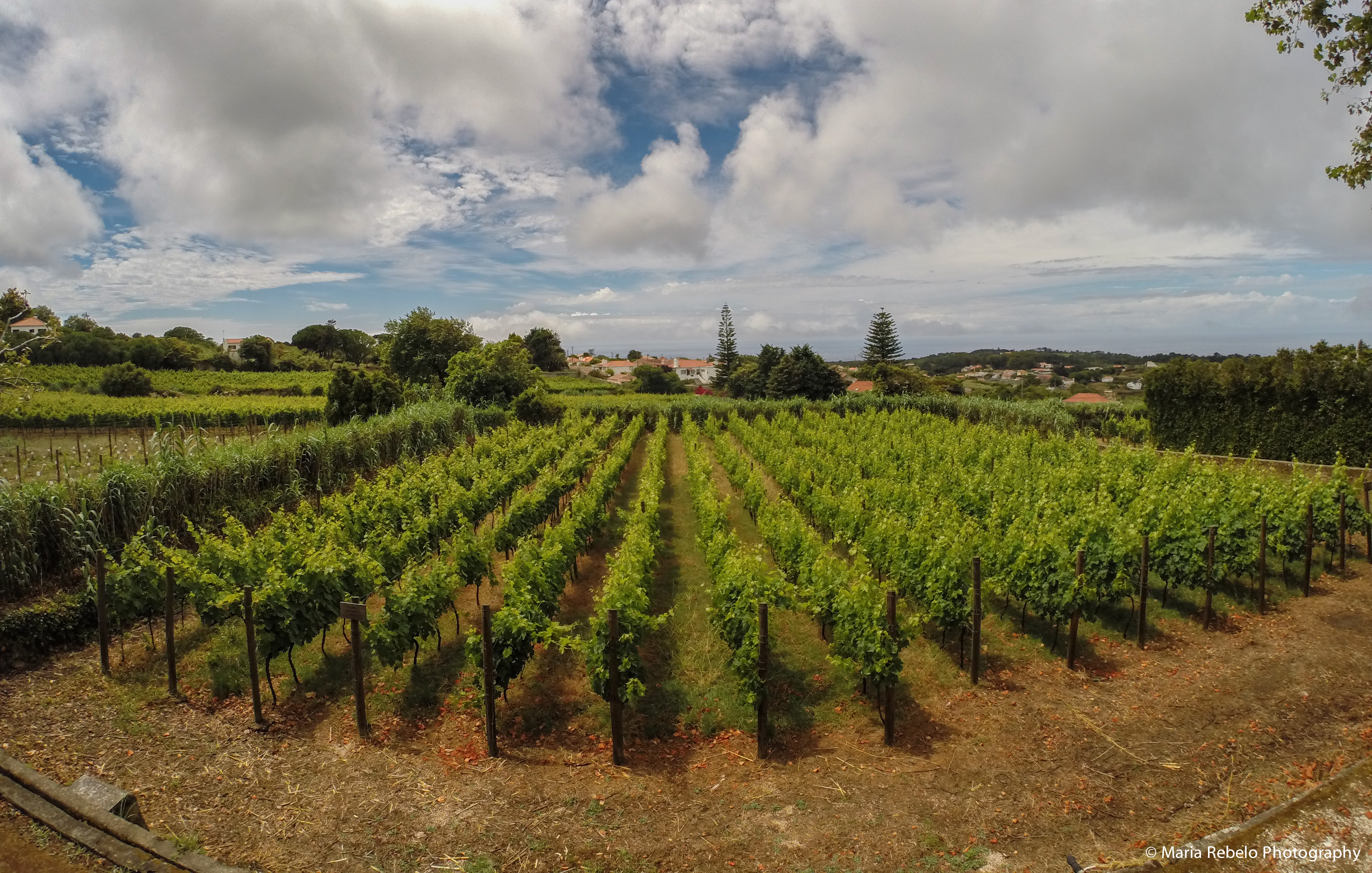
DCIM103GOPRO Baron Bodo Von Bruemmer, born in Tsarist Russia in 11/11/1911, made a fortune working as a banker in Switzerland. Then, at age 51, he was diagnosed with a terminal disease and told he had two years to live. He decided to look for a place where, after his passing, his wife could live without worrying about money.

Von Bruemmer came to Portugal and fell in love with the country. He bought Casal de Santa Maria, a farm in Colares near Sintra. There, he spent his days breeding Arabian horses and planting roses. The airs of Colares nursed the baron back to health and today, at 104 years of age, he continues to thrive.

In 2007, shortly after his 96th birthday, Von Bruemmer felt the urge to plant a vineyard. He knew nothing about wine making, but was eager to learn. Since then, he has become a legend. With the help of a talented team of enologists, he planted the most western vineyard in continental Europe. Close to the sea, cooled by the Atlantic winds, its unique terroir produces amazing wines, salty, aromatic, and with great minerality.

The baron continues to plant new vines and supervise new projects. He makes his decisions using a small brass pendulum. If the pendulum rotates clockwise the answer is yes. Otherwise, it is no.

Every day, Von Bruemmer drinks a glass of champagne. But soon, he will drink instead the sparkling wine that, with the help of his pendulum, he decided to produce.

Casal de Santa Maria is a magical place, where vineyards surrounded by roses produce some the world’s most interesting wines.

Postscript: Baron Bodo Von Bruemmer passed away in November 2016 at 105 years of age. He set up a foundation so that Casal de Santa Maria can continue to produce the wines of a Russian Baron who fell in love with Portugal.

Casal de Santa Maria is located on Rua Principal Casas Novas, n. 18/20, Colares, tel 219-292-117, email geral@casalstamaria.pt.

Codfish poetry

Pastéis de BacalhauJune 10 is a holiday dedicated to the great 15th century poet Luis de Camões, whose epic poem Lusíadas helped forge the identity of Portugal as a nation.

One of Portugal’s most revered contemporary writers, António Lobo Antunes, said that “To know how to make codfish cakes is as important as to have read the Lusíadas.”

Lobo Antunes meant his words as a compliment to the genius of Camões. Try codfish cakes accompanied with tomato rice and a great glass of red wine and you’ll see that they are pure poetry!

Tasting Portuguese cheese

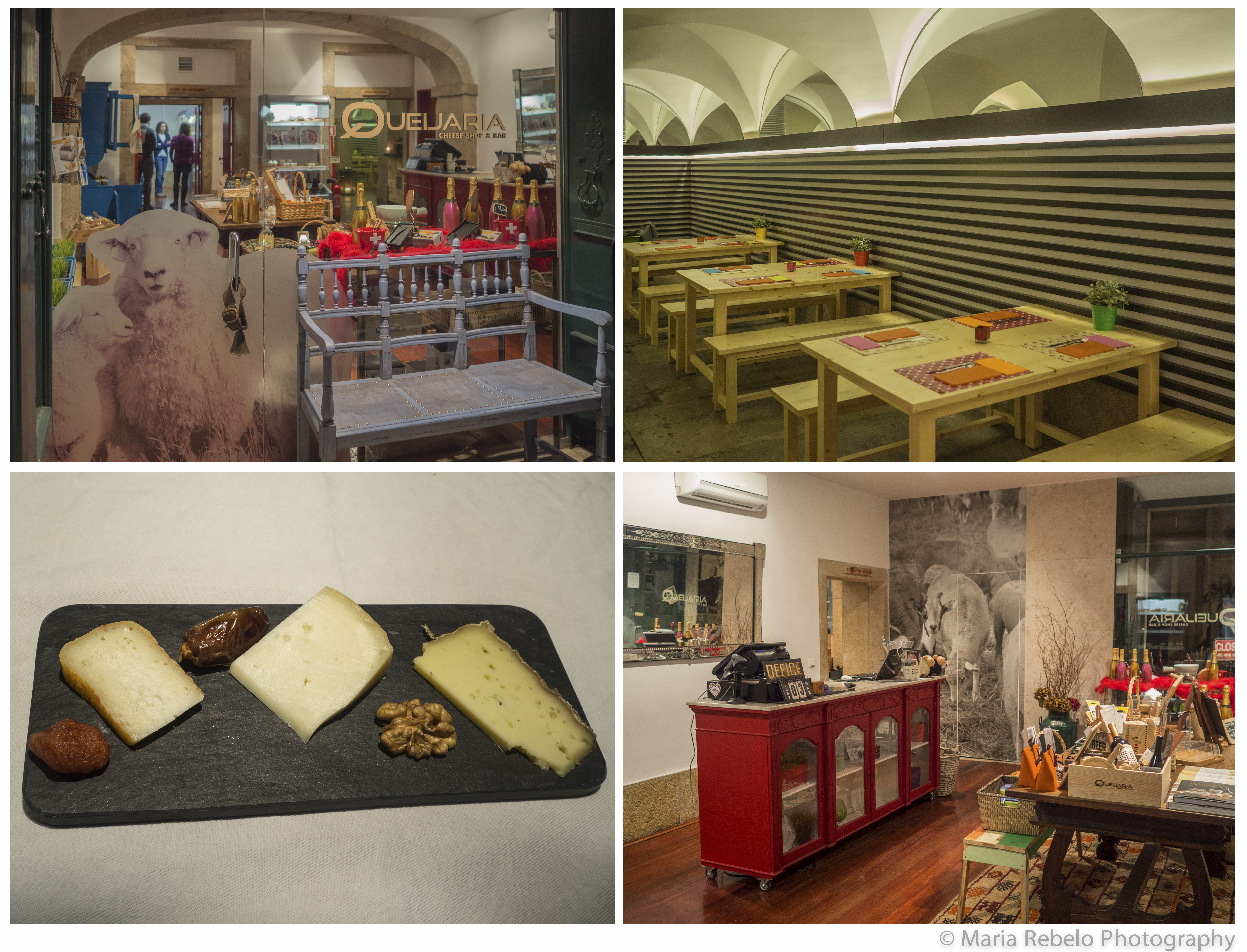
Queijaria Composit- ©mariarebelophotography.comPresident Charles de Gaulle asked how could people expect him to run a country with 246 kinds of cheese. Judged by this metric, Portugal is easier to govern than France. We have fewer cheese varieties. But there are still many regions, types of milk, producers, and styles.

Many interesting Portuguese cheeses are hard to find. They are made in small quantities by artisanal producers and sold in local markets. Queijaria, a new store in Lisbon, makes it easy to sample these local specialties.

The store is run by people who are passionate about cheese and wine, so they are uniquely qualified to serve as your guide. They prepare a degustacion of different cheeses, perfectly sequenced and paired with great wines. In one sitting, your palate can travel from North to South, to the island of Azores and back to continental Portugal. It’s a gastronomical journey you will not forget!

Queijaria is in the Principe Real neighborhood at Rua do Monte Olivete, 40, tel. 21 346 0474. Click here for their web site.

The sweet alchemy of Tecolameco

Tecolomeco

At the end of a wonderful meal at Flor de Rosa, a great historical hotel in Crato, Alentejo, the maître d’ brought us two slices of a dessert called Tecolameco. In our quest to eat fewer sweets, we decided to have only a small bite to be polite. But once we tasted this marvelous dessert, our will power vanished.

Tecolameco is made of sugar, eggs, almond, pork lard, butter, and cinnamon. There are many other Portuguese desserts made with these ingredients, but none tastes like Tecolameco.

It is said that an old chef found in the Crato castle an ancient book that revealed the meaning of life. All the pages were blank, except for the one with the recipe for Tecolameco.

Click here for the Pousadas’ website and here for more photos of Flor da Rosa.

Memorable fish

Os Arcos Composit- ©mariarebelophotography.com

The Portuguese like to eat their fish by the sea. Since Lisbon is located on the Tagus river, its residents have to drive to a nearby beach whenever they want to enjoy a serious fish meal. The Bugio lighthouse conveniently marks the place where the Tagus meets the sea. It is not a coincidence that Paço d’Arcos, the beach town that overlooks the Bugio, has several fish restaurants.

Os Arcos (which means “the arches”) serves some of the best fish we have ever had. The restaurant occupies an ancient building constructed shortly after the 1755 earthquake. The dining room features old wood beams and the brick and mortar arches that inspired the restaurant’s name.

The  specialty of Os Arcos is “robalo no capote” (fish baked in bread). The fish is covered with a thin layer of bread and baked in the oven for about 30 minutes. That is just the right amount of time to enjoy some clams from Algarve and shrimp from Cascais.

When the fish-shaped bread arrives at the table, the experienced waiter gives the guests a couple of minutes to say their oohs and ahs. He then divides the fish, removing all the bones. Everybody eats in silence, for there are no words to describe the taste of the succulent robalo and the delicious bread that envelops it.

Any serious fish lover who visits Lisbon should drive, hike, bike, swim or run to Paço d’Arcos because eating “robalo” baked in bread at Os Arcos is simply unforgettable.

Os Arcos is located on Rua Costa Pinto, 47 in Paço de Arcos, tel. 214-433-374. Click here for their website.