A village by the sea

AzenhadoMar

The French use the expression “village perché” to describe a village on top of a hill, overlooking the surrounding landscape.  One of the prettiest village perchés in Portugal is Azenhas do Mar. Built on a cliff in the Colares region near Sintra, it has amazing views of the Atlantic ocean.

If you rent a house in Azenhas do Mar, you can spend the day listening to the waves and watching the sea try different shades of blue and green. It’s a very fine use of time.

Romantic lakes

Lagoa 7 cidades

Azores, a Portuguese archipelago, is a place of immense beauty. One example of the rare gifts that nature bestowed on Azores is the Lagoa das Sete Cidades (seven-cities lake) in the São Miguel island. It consists of a green and a blue lake located inside an ancient volcano.

According to a local legend, there was a princess with green eyes who fell in love with a shepherd with blue eyes. When the king did not approve their marriage, the princess and the shepherd cried and cried. Their love bore no fruit but their tears formed two adjacent lakes, one green and one blue.

Kite surfing

KiteSurfing-F

Daedalus, a Greek architect, designed wings so that his son Icarus could fly. This early venture into extreme sports did not work out, but great progress has been made since then.

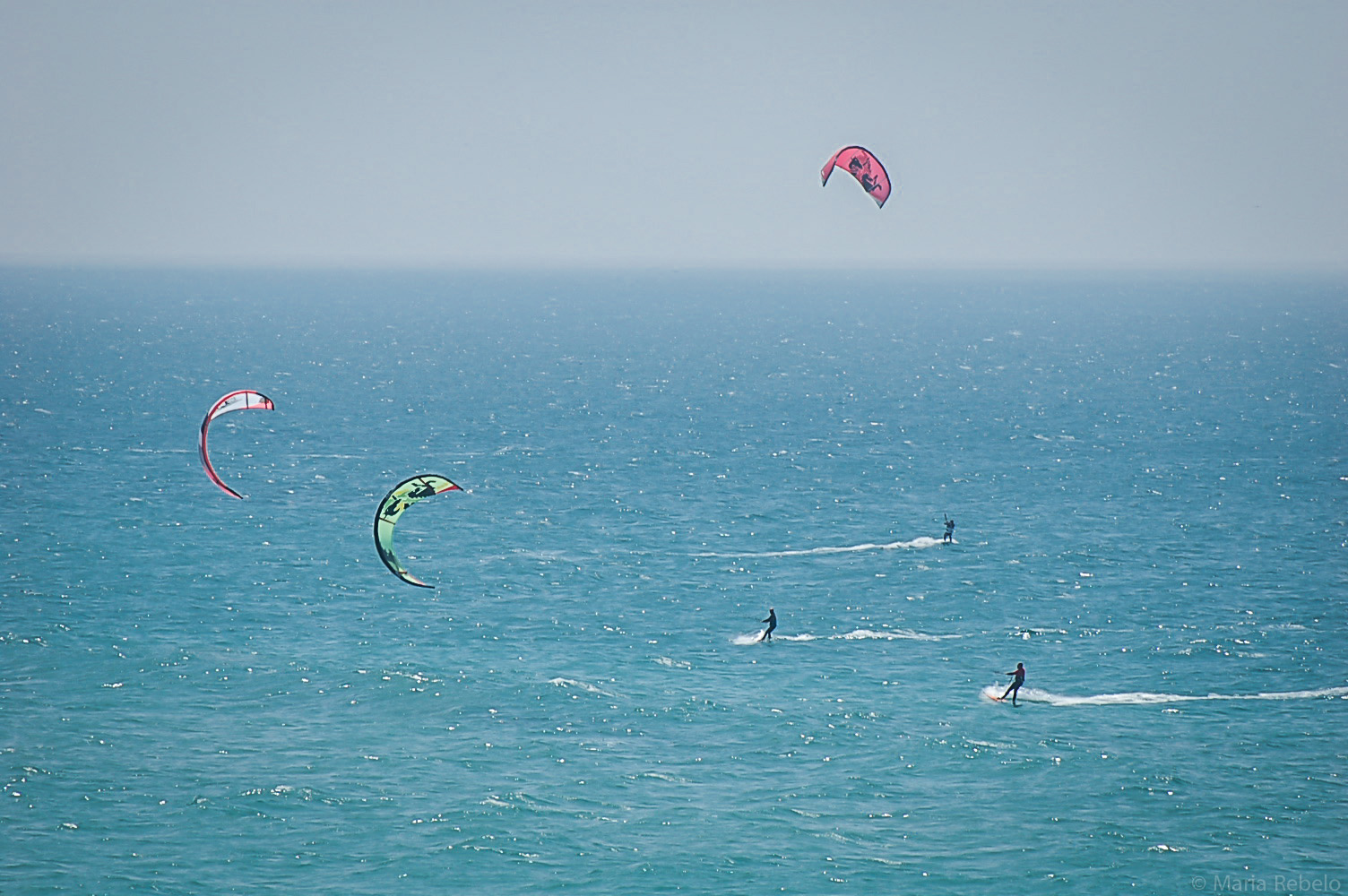
One of the most thrilling new sports is kite surfing. Powered by large kites, surfers dance to the music of the waves and the choreography of the wind. Their feats look impossible. Surely these are Olympic athletes or Bolshoi dancers taunting us mere mortals with their effortless acrobatic elegance.

As it turns out, kite surfing is much easier than it looks. Spend a couple of weeks in one of Portugal’s many surf schools and you too will be able to glide.

A fisherman’s place

Tasca do Joel-F

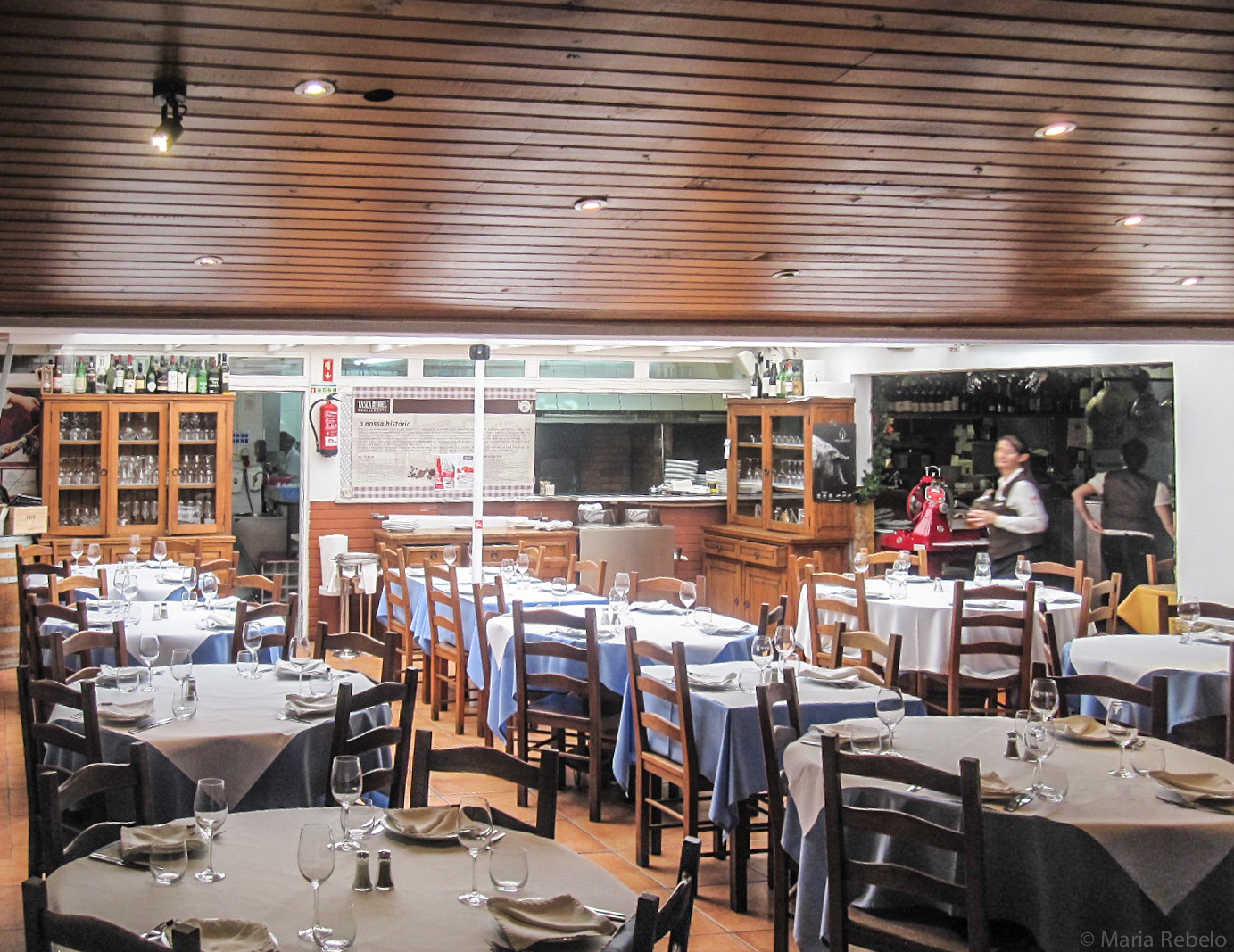
Fishermen have a hard life. They go out in the dark, defying the waves to cast their nets on a uncertain sea. On good nights, their boats return full of fish, pursued by seagulls looking for a free meal.

In Peniche, fishermen used to celebrate a good catch in a shack where they cooked fish and vegetables in a makeshift oven. Their food was better than anything served in a royal banquet because it was prepared with the freshest, greatest ingredients that nature has to offer. So, every meal turned into a celebration.

Over time, this shack was renovated and converted into a restaurant called Tasca do Joel. Gourmets flock to its out-of-the-way location, knowing that they’ll find something special: great ingredients that shine through simple, traditional preparations paired with the best Portuguese wines. And the same feeling of celebration that once gathered Peniche fishermen around a rustic oven.

Tasca do Joel is located on Rua do Lapadusso, 73, Peniche. Tel. 262 782 945. Email: tascadojoel@gmail.com. Click here for their web site.

Nannarella

Nannarella

Why would an Italian couple move with their children from Rome to Lisbon to open a gelato store? And why would they name it after a 1950s actress that no one remembers? We don’t know, but what’s important is that they came.

They use Italian technology and the best Portuguese ingredients, such as water from the Estrela mountain, Vigor milk, Delta coffee, Pantagruel chocolate, rocha pears, Port wine, and Óbidos ginja. The result is gelato so indescribably delicious that we feel the urge to sing: con Nannarella la vita è bella!

Nannarella is located on Rua Nova da Piedade, 68 in Lisbon in the Principe Real neighborhood.

Vintage vinegar

Moura-AlvesIf you’re looking for a present for a gourmet friend, look no further: buy a bottle of Moura Alves vinegar. While most vinegar is made with the artificial addition of acetic acid, Moura Alves is produced naturally.

Wine from the Bairrada region is combined with acetic bacteria and left in oak barrels while the bacteria converts alcohol into acetic acid. It’s a very slow process: it takes ten years to reach the ideal level of acidity. But, if you try this vinegar, you’ll see it’s worth the wait.

Moura Alves vinegar is available in many gourmet stores and at El Corte Inglés, at the crossing of Avenidas António Augusto de Aguiar, Marquês de Fronteira e Sidónio Pais in Lisbon, tel 213 711 700. You can also order it from the web site A Vida Portuguesa, click here.

Pizzaria Lisboa

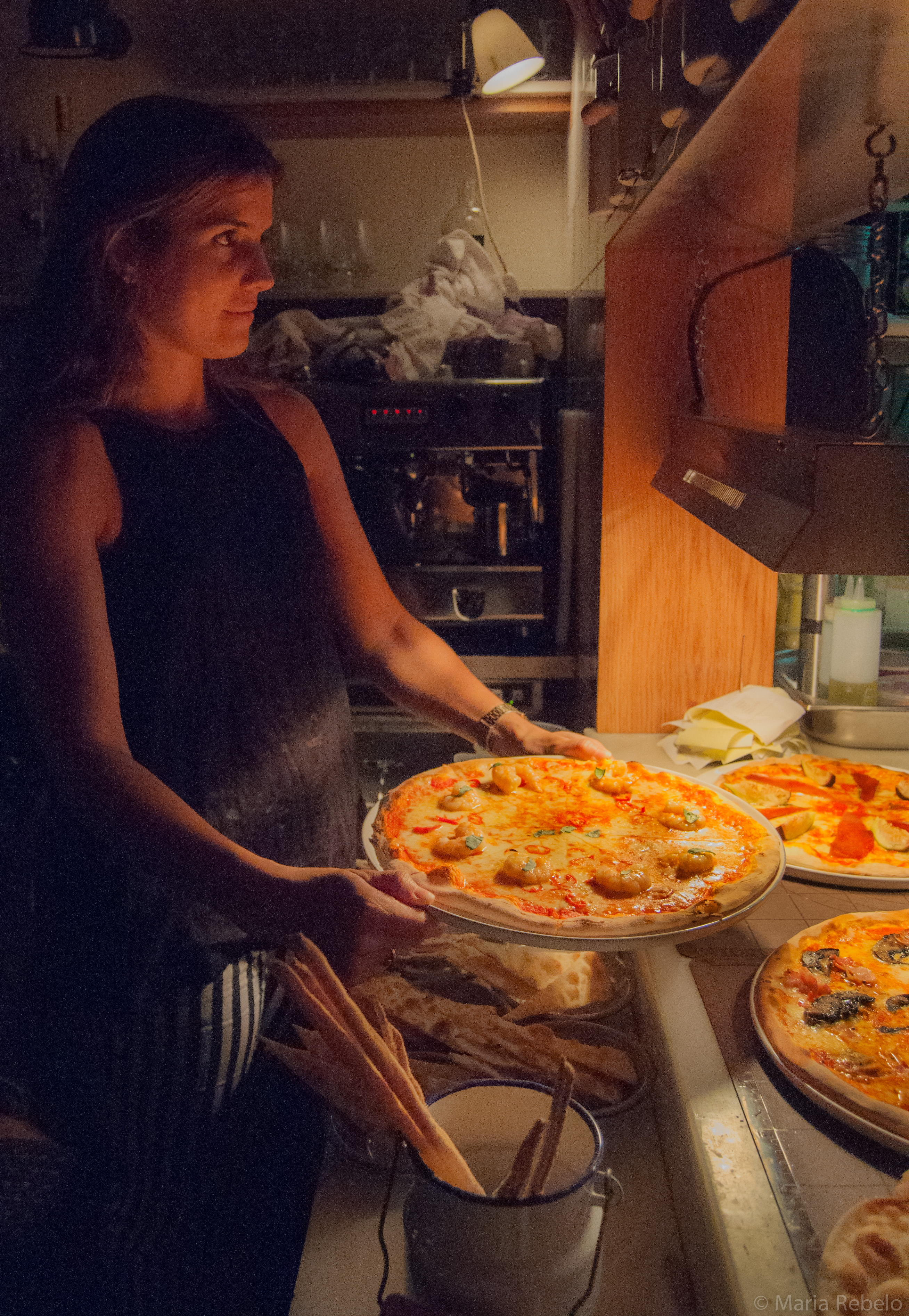
Pizzaria LisboaChef José Avillez can do it all. At Belcanto he showcases avant-garde cuisine that is deliciously original. At Cantinho do Avillez he serves inventive bistro food. Now he opened a pizzeria!

At Pizzaria Lisboa Avillez uses the Italian pizza as a canvas to showcase ingredients and inspiration that are Portuguese. The restaurant feels as if it’s always been there, serving as meeting point for groups of friends.

The service is great. We asked for a pizza degustacion, a sequence of different pizzas cut into slices. Our server replied: what a great idea, of course we’ll do it! And so we tried pizza Chiado, Figueira, 28, Comércio, and Caravela.

Not once did we wish we were in Naples or Rome. Instead, we went out into the warm night feeling lucky to be in Lisbon.

Pizzaria Lisboa is located at Rua dos Duques de Bragança, 5H, tel. 21-155-4945. Reservations are a must. Click here for their web site.

A great start

Tartine

Any nutritionist will tell you that breakfast is the most important meal. It gets our body ready and sets the mood for the day. A lousy breakfast is like a bad haircut, it makes us look weird and feel awkward.

If you’re staying near Chiado, you can start your day with the right foot by walking into Tartine, a wonderful new café. We like to order coffee with toasts made from one of the delicious whole grain breads that are so healthy. After being nutritionally savvy, we reward ourselves with one of the amazing pastries or fruit tarts. When we walk out, the sun is shining and the future looks bright.

Tartine is located on Rua Serpa Pinto, 15-A, tel 21-342-9108. Click here for their web site.

Secrets of Portuguese cooking

Portuguese cooks love to alter traditional recipes, adding ingredients that can be difficult to detect but impart a special taste. We recently learned a few of these tricks.

Our fish monger told us that “people always rave about my fish sauces. They don’t know I use a secret ingredient. When no one’s looking, I blend in a tablespoon of Savora mustard. It makes all the difference.”

A saleswoman at Quinta do Sanguinhal confided: “when I roast meat, I use a secret ingredient. When no one’s looking, I pour a glass of “licoroso” (desert wine) on the meat. It gives the sauce an amazing taste.”

The butcher gave us a pretty conventional stew recipe. When we asked him what made the recipe so special, he said, “Well, I use a secret ingredient. When no one’s looking I pour half a beer on the stew. Then, I drink the other half.”

We plan to find out whether these tricks work… when no one’s looking.

Flying over Lisbon

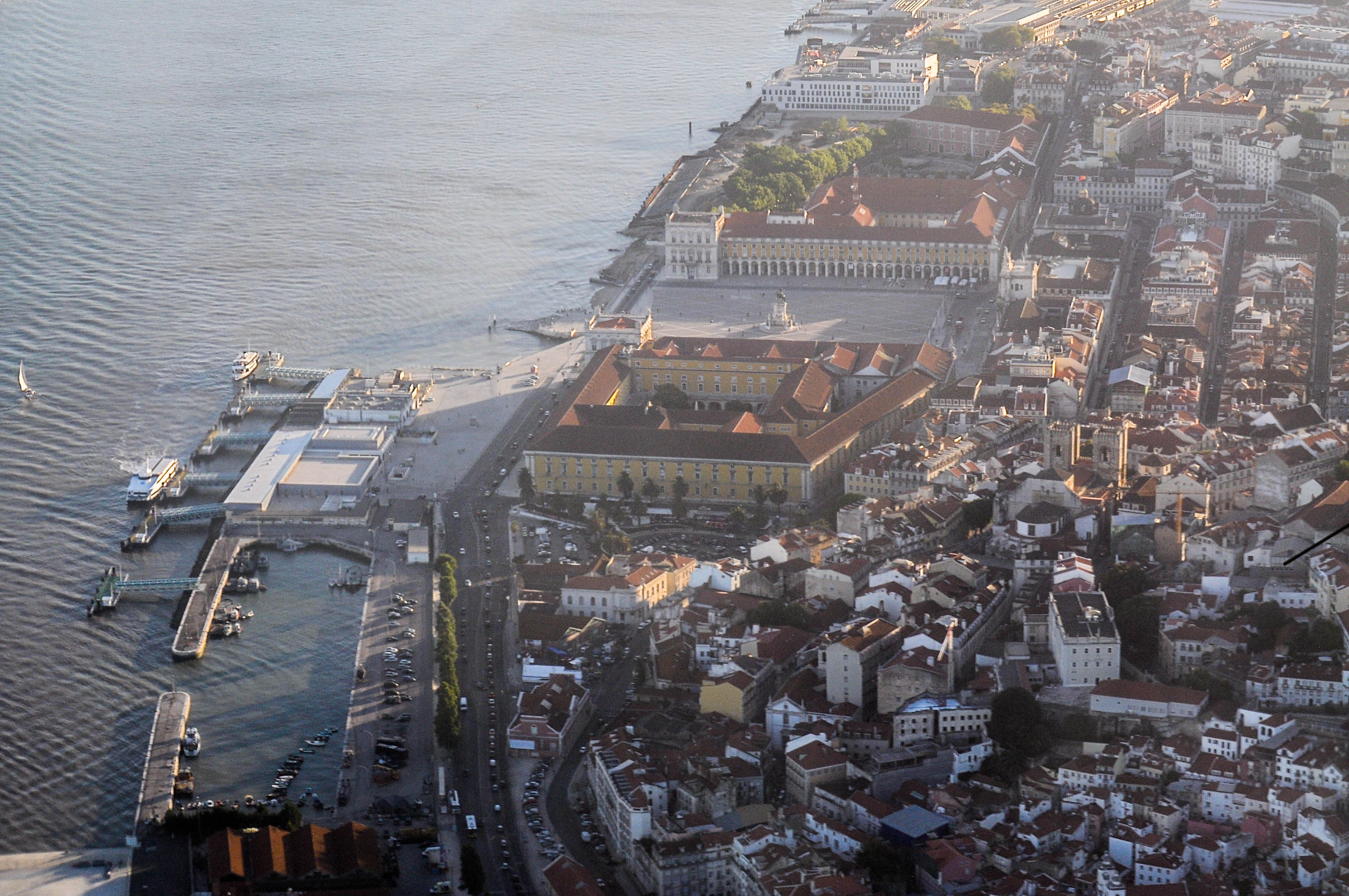
Bartolomeu Gusmão, a priest born in Brazil in 1685, was probably the first human to fly. On August 8, 1709, in the presence of King John V and his court, Gusmão soared four meters above the ground, held by a paper balloon full of hot air.

This moment of triumph was followed by years of failure and disappointment. Gusmão worked tirelessly on an airship called Passarola. He planned to fly it over Lisbon, but his invention never left the ground. Gusmão’s contemporaries considered him a fool for thinking that a heavy machine could fly. What would they say if they saw us land in Lisbon aboard a modern version of the Passarola?