In October, Peniche has it all

BardoQuebradoPenicheF

If you go to Peniche in the middle of October, you’ll find this normally sleepy village bustling with activity. The world’s best surfers gather here to compete in the Rip Curl Pro event at the famous Supertubos beach. Restaurants are full, television crews and photographers are everywhere.

If you want to stay away from the crowds, all you have to do is turn right at the entrance of the Peniche fort, on Rua da Boa Viagem, and walk to the Quebrado beach. There, you can seat in Bar do Quebrado, shown in the photo, enjoying a cold beer and a wonderful view.

With the excitement of the world surf championship and the quiet beauty of the seashore, no wonder Summer likes to spend Autumn in Peniche.

The fish formerly known as wood face

Carapau_RBD2
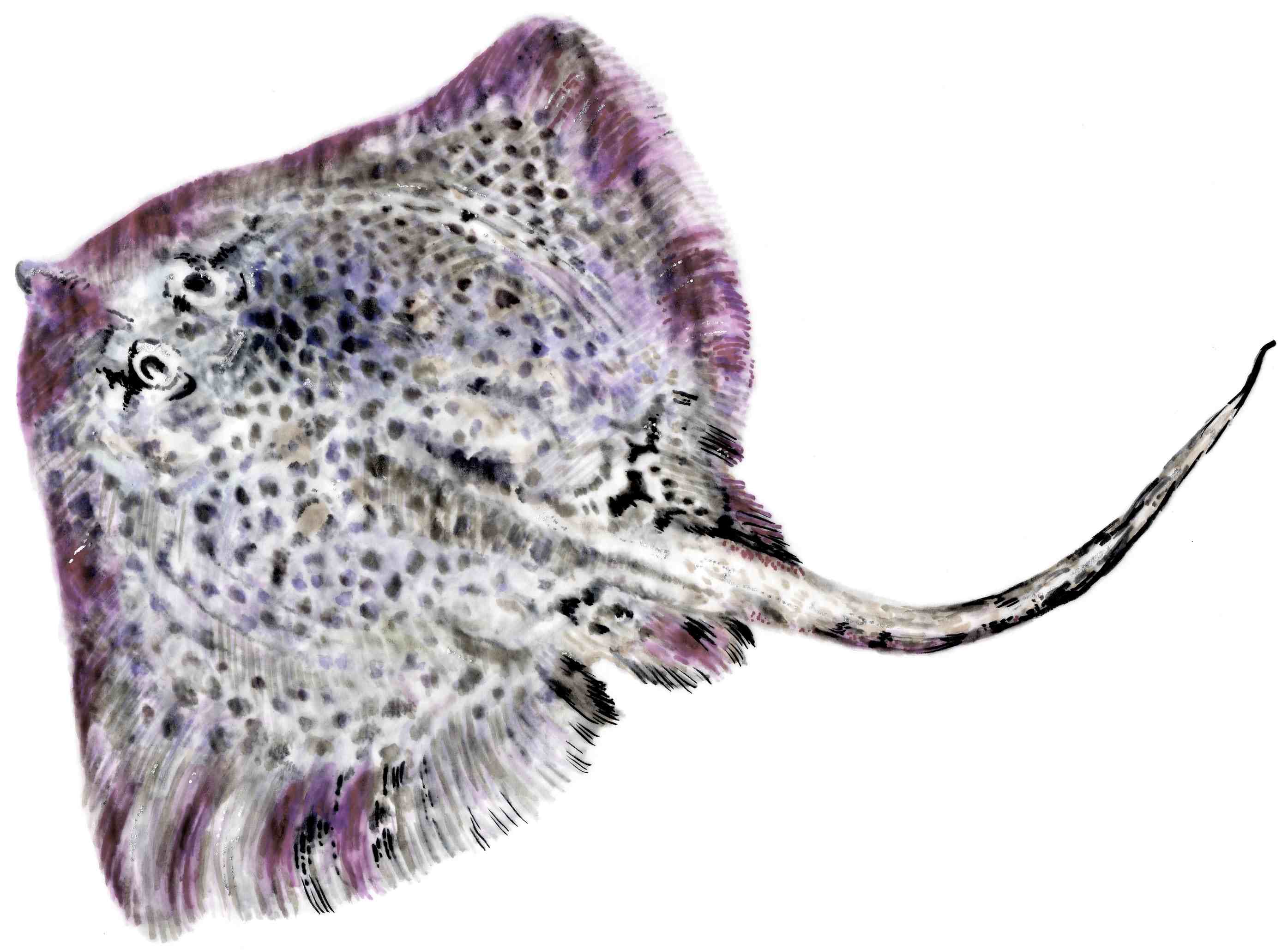
Carapau, Rui Barreiros Duarte, ink on paper, 2013.

The carapau is one of the most delicious fish in the Portuguese coast. Yet, it toils in obscurity while the Portuguese sardine basks in glory.  Why? First, there’s the name. Carapau means “wood face”; who wants to eat a fish called wood face? Second, grilled carapau is often served with Spanish sauce (“molho à espanhola”). How can a Portuguese fish shine drowning in a Spanish sauce?

We propose giving the carapau the recognition it deserves by changing its name to imperial sardine. This new identity will make carapau irresistible. Wouldn’t you prefer an imperial sardine to a regular one?

Please help us spread the word about carapau’s new name; tweet, facebook, text, call. Let’s make the wood face smile!

Bolo de arroz

Bolo de arroz (rice cake) is a simple rice-flour cake with a cylinder shape and a crusty top. It goes great with coffee and is perfect for times when we need some extra sweetness in our lives.

Manuel Ferreira’s 1933 treatise, A Cozinha Ideal, includes recipes for all the classic Portuguese cakes and pastries. There’s usually one recipe per item; in a few cases, two or three variants. But, when it comes to the bolo de arroz, Ferreira took no chances and wrote down four recipes. So, whether hot or cold, rain or shine, Portuguese pastry shops can always make this indispensable pick-me-up.

Romantic candles

Velas Loreto

In 1789, Domingos Pereira opened Velas Loreto, an elegant candle store near Chiado. Candles were an essential commodity, so the store prospered despite the Napoleonic invasions.

Initially, Velas Loreto produced only white candles. That all changed in 1845, when the great Hungarian pianist Franz Liszt arrived in Lisbon to play at the São Carlos opera house. Liszt ordered red candles from Velas Loreto to decorate São Carlos. His brilliant performance and the novelty candles were the event of the year.

There are those who say that offering a loved one candles from Velas Loreto makes love endure. We cannot vouch for the veracity of this claim. All we know, is that there’s something magical about this store that outlasted Napoleon’s empire and continues to illuminate Lisbon.

Velas Loreto is located on Rua do Loreto 53-59 in Lisbon. Their telephone number is 213425387.

Do as the Romans did

Troia

The places where rivers meet the sea are often blessed with great beauty. Troia, a peninsula off the coast of Setúbal, near Lisbon, is no exception. It has the vast Atlantic ocean on one side and the majestic Sado River on the other. Between the two shores, you find pine trees and immaculate white-sand beaches. The weather is perfect and the water temperature is wonderful for swimming.

The Romans, who loved great locations, settled in Troia in the 1st century. Back then, the trip from Lisbon to Troia was long and arduous. Today, there’s a ferryboat that gets you from Setúbal to Troia in just a few minutes.  As a result, Troia has started to attract its share of celebrities. José Mourinho, the well-known Portuguese soccer coach, just bought a house there (please don’t tell the paparazzi).

Click here to check the Troia ferryboat schedule.

The three petiscos

3petiscos

Petisco (pronounced peteescoo) is the Portuguese word for tapa. There are three very popular petiscos in Portugal. The first is the “bolo de bacalhau,” a fantastic creation that combines some of Portugal’s favorite ingredients–codfish, potatoes, onions, and parsley– into a single bite. The second is the “rissol,” a half-moon-shaped delicacy made with breaded pastry and a shrimp or berbigão filling. The third is the “croquete,” a cylinder of ground meat, delicately spiced, first coated with egg and bread crumbs and then fried.

These finger foods are the perfect foil for a glass of great Portuguese red wine. Combine them with tomato rice, and you’ll have a very satisfying meal.

The attentive reader will notice that there’s a fourth petisco in the photo. Well, the three musketeers were also four. The triangular-shaped “chamuça” is the D’Artagnan of petiscos. Inspired by Indian cuisine, it adds spice and excitement to the meal.

Baleal

Baleal

Baleal, a beach in the Peniche region, used to be an island but it is now connected to land by a thin strip of sand. Its name comes from the Portuguese word for whale (baleia) for, in ancient times, whales were hunted nearby.

Baleal has many charming houses with beautiful ocean views. But its hallmark is a dramatic rock formation sculpted by the sea.

In his 1923 book “The Fishermen,” the writer Raul Brandão singles out Baleal as the most beautiful beach in Portugal. Surfers, who flock to Baleal every Summer, seem to agree.

Farmers markets

D. Natividade

We love going to farmers markets. We always imagine we are in a museum and study the whimsical shapes of the vegetables, the exuberant colors of the fruit, and the amazing aromas.

Most of these fruits and vegetables cannot withstand long distance travel or extended stays in supermarket shelves. But what they lack in endurance they more than make up in taste and smell.

We enjoy talking to the fruits and vegetable vendors. They always have interesting insights about their produce as well as about life. So, if you see a sign saying “Mercado,” follow it. You’ll find food for your body and wisdom for your soul.

The photo shows three generations of wonderful fruits and vegetable vendors: Dona Natividade, her daughter in law and her granddaughter.