Reinventing Portuguese cuisine

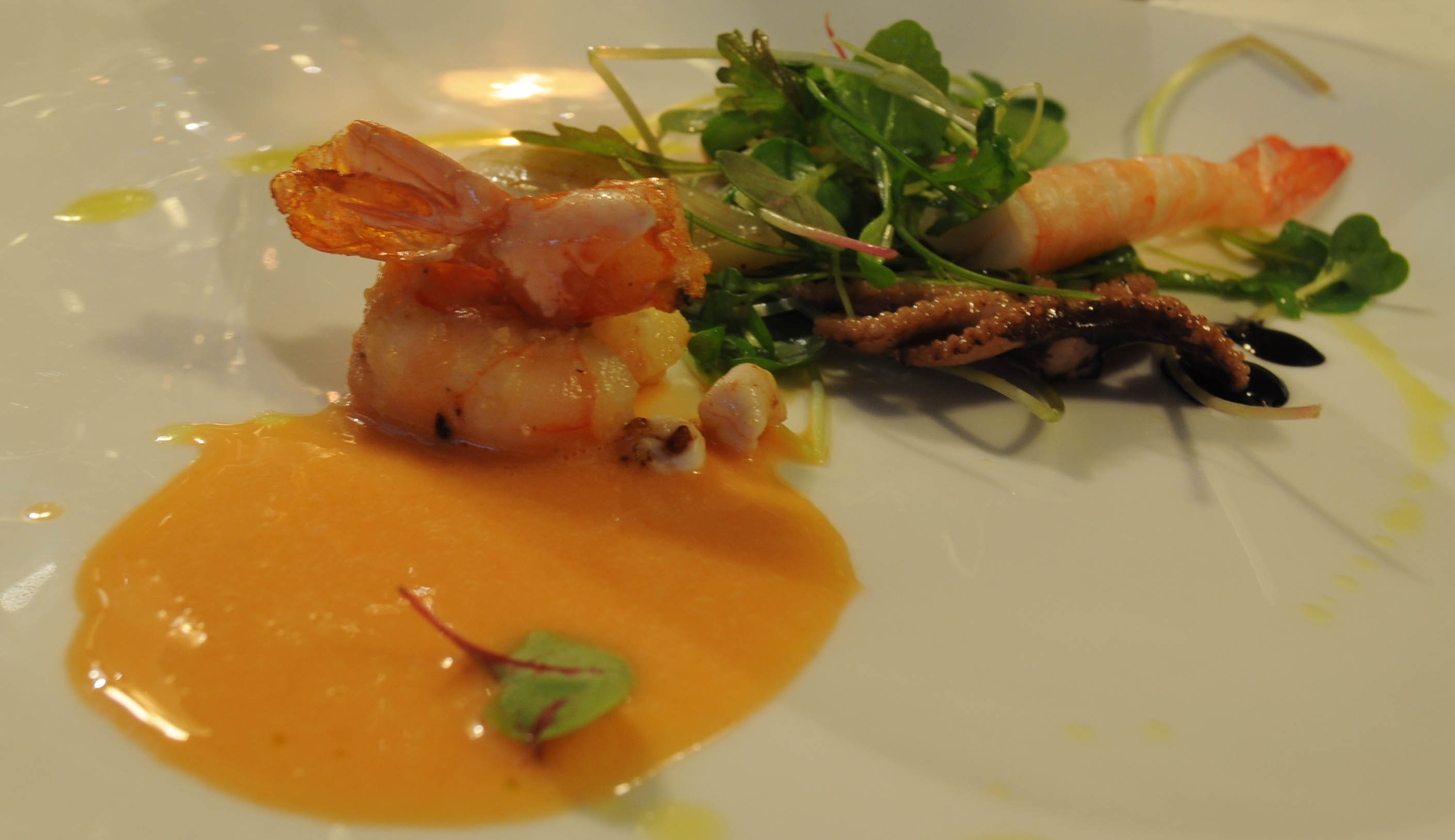
You need to study before eating at Pedro Lemos’ wonderful restaurant in Oporto. You have to learn the taste of roasted suckling pig, the smell of codfish and chickpeas, the texture of veal from Miranda, the saltiness of sardines, the sweetness of rocha pears. Only then will you understand that Lemos is reinventing these traditional Portuguese flavors with imagination and soul.

Pedro Lemos, Rua Padre Luis Cabral, 974, Foz do Douro, Porto, Tel. 220115986, email reservas@pedrolemos.net

America discovers Portugal

Americans discovered France, Italy, and more recently,
Spain, as vacation destinations.  But Portugal has remained terra incognita. That is changing. The New York Times has written a steady stream of articles about Portugal. Most are about Lisbon; about the places to go, the culinary renaissance, the new restaurants, the new museums, the relaxed atmosphere, and the art scene. But the Times has also discovered Cascais and Évora. The Wall Street Journal tells its readers that “In Portugal you can pack seven days worth of castles, clubbing, seafood, shopping and luxury hotels into one perfectly affordable long weekend.” Now, perhaps Woody Allen will consider directing a movie about a writer who comes to Lisbon and discovers that the secret to eternal youth is a daily bath of piri-piri sauce.

Piri piri

piri-piri

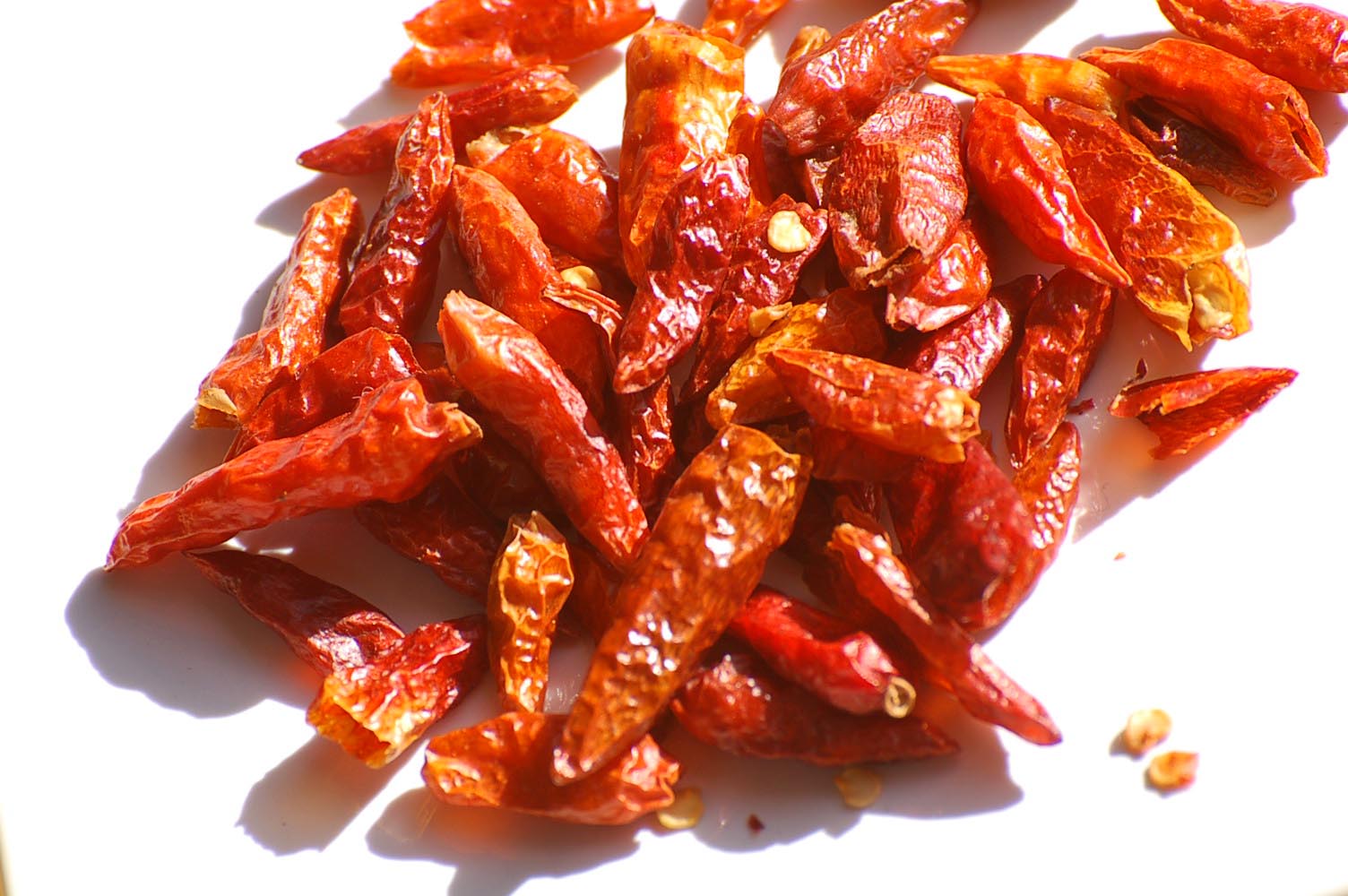
The Portuguese brought from Africa a small red pepper called bird’s-eye chilli that they use to make a popular hot sauce. In Portuguese both the pepper and the sauce are called piri piri (pronounced peeree peeree).

Restaurants that serve grilled chicken often make their own piri-piri sauce. What happens if you ask for their recipe? Here are some sample answers: “My Engleesh is not bery good, sory,” “We get it from Spain, you have to ask there.”

After years of undercover work, we gathered some piri-piri intelligence to share with you. The base of the sauce is usually vegetable oil, although a few restaurants use olive oil. Often, the piri-piri peppers are simply combined with the oil and left alone for a few days. In some cases, the oil is warmed to absorb more quickly the taste of the piri-piri pepper. Some recipes use vinegar, whisky, cognac, salt, parsley, coriander, cilantro, or garlic. No matter which version you try, piri piri will spice up your life.

The first Portuguese hero


Viriato was the first Portuguese hero. As a leader of the Lusitanos, he resisted the Roman invasion between 147 BC and 139 BC by waging a clever guerrilla war. He died in bed, assassinated by members of his tribe bribed by the Romans.

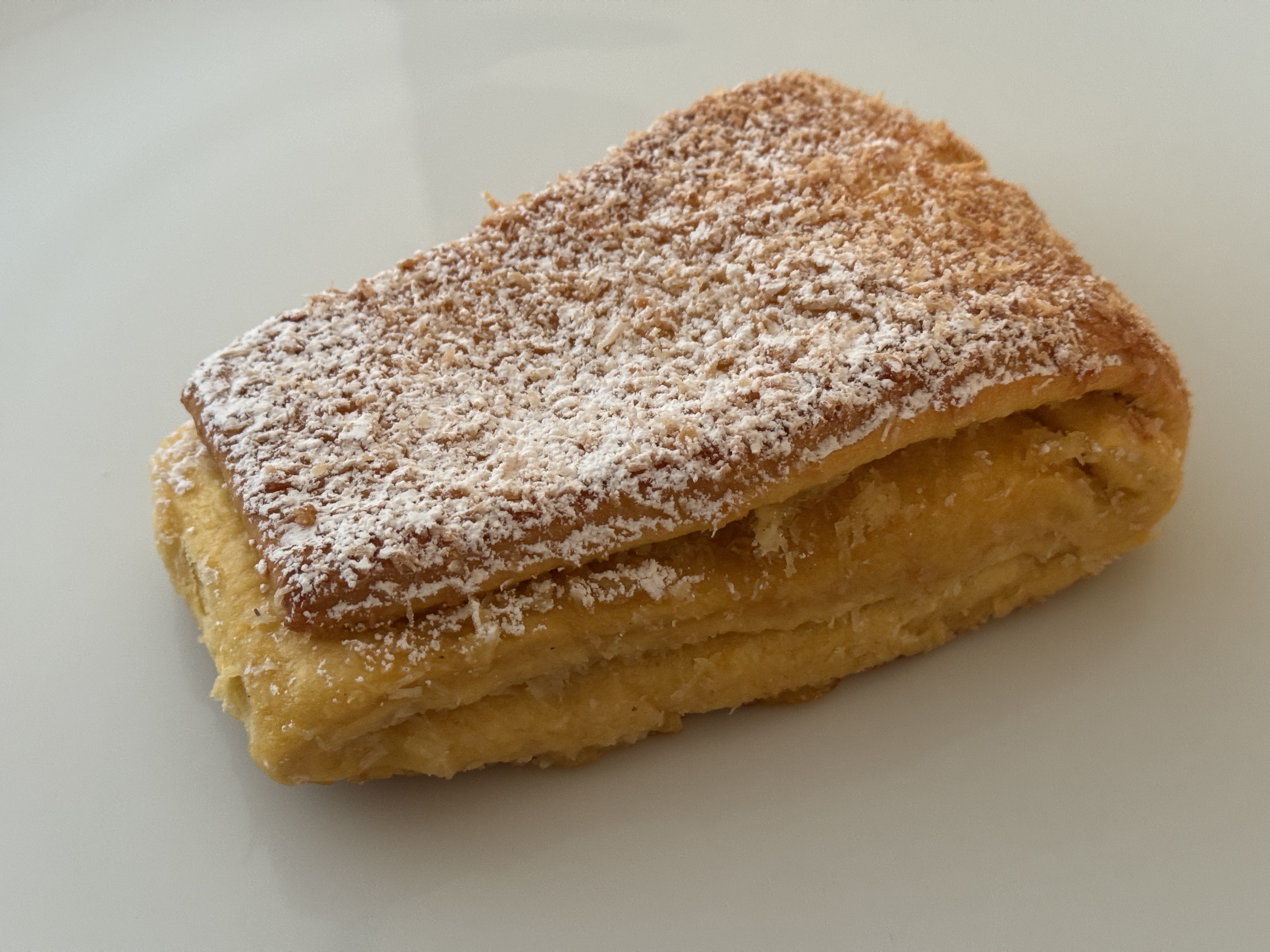
In the 1940s the city of Viseu erected an impressive monument to Viriato. But the most popular homage to the great warrior is not carved in marble or cast in bronze. It is made of eggs, coconut, and sugar. The V-shaped pastries called Viriatos are very popular in the Viseu region. And, thanks to them, all the little kids know the name of Portugal’s first hero.

The fate of Portugal

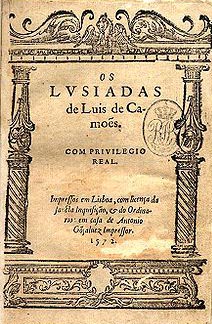
The great poet Luís Vaz de Camões published his masterpiece, the Lusíadas, in 1572. In the first part of this epic ode we learn that the fate of Portugal is being decided in Greece. The Greek gods (called by their Roman names) are divided into two parties. Bacchus is the nemesis of Portugal. With the help of Neptune, he sows unexpected obstacles and unending perils on the path of the Portuguese. But Venus takes up the cause of Portugal. And, with her thoughtful help, the Portuguese show that they can accomplish great things.

Mountain cheese

Queijo da Serra (mountain cheese) is made from the milk of sheep guarded by shepherds and their dogs in the granite ridges of the Estrela mountain, 2,000 meters above sea level. It comes in three varieties: amanteigado (soft and buttery), meio-curado (firm), and curado (aged; hard in texture and intense in flavor).  Its quality varies from good to magnificent.

Serra cheese has almost no name recognition outside of Portugal. But one day, in the not-too-distant future, the world will discover this cheese. It will then become impossibly expensive, affordable only to Chinese tycoons, African magnates, and Bollywood stars. So, the time to try a magnificent “queijo da Serra” is now. The clock is ticking.

Noble bed and breakfasts

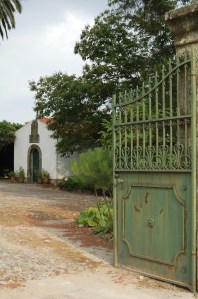
Portugal has many ancient manor houses and palaces built by noble families and wealthy landowners. These houses are expensive to maintain, so in the 20th century many fell into disrepair. The government created a program called “Turismo de Habitação” (home tourism) that subsidized their restoration. In return, the owners agreed to turn them into “bed and breakfasts.”

You can tour the country staying, at very affordable prices, in aristocratic homes, with expansive vistas and warm hospitality.

These proud houses are silent witnesses to centuries of history. When you visit them, you touch the soul of Portugal.

Click here for the Home Tourism web site.  

Star olive oil

OLYMPUS DIGITAL CAMERA

So many people come to Portugal looking for the perfect vacation. We see them arriving at the airport, impatient sun worshipers ready to experience the country’s radiant beauty.

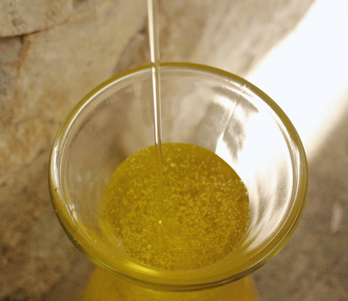
For some of these visitors, what starts with a few days of relaxation turns into a lifetime adventure. Detlev von Rosen, a Swedish entrepreneur, came to Portugal forty years ago and he never left. He bought farmland in the Algarve and began to learn about the soil, the water, the wind and the sun.

He first used this knowledge to cultivate flowers. Later, when he felt ready, he planted olive trees. He discovered that the olives had to be picked by hand and pressed shortly after the harvest. He searched for ways of extracting the oil that would keep it pure.

His results are extraordinary. We could tell you that his customers include Carla Bruni and the Queen of Sweden. However, this is not a gossip blog, dear reader, so we will refrain from name dropping.

Sadly, Detlev Von Rosen passed away in 2016 at age 80. But his legacy lives on in the hands of long-time collaborators who inherited his passion for producing exceptional olive oil.

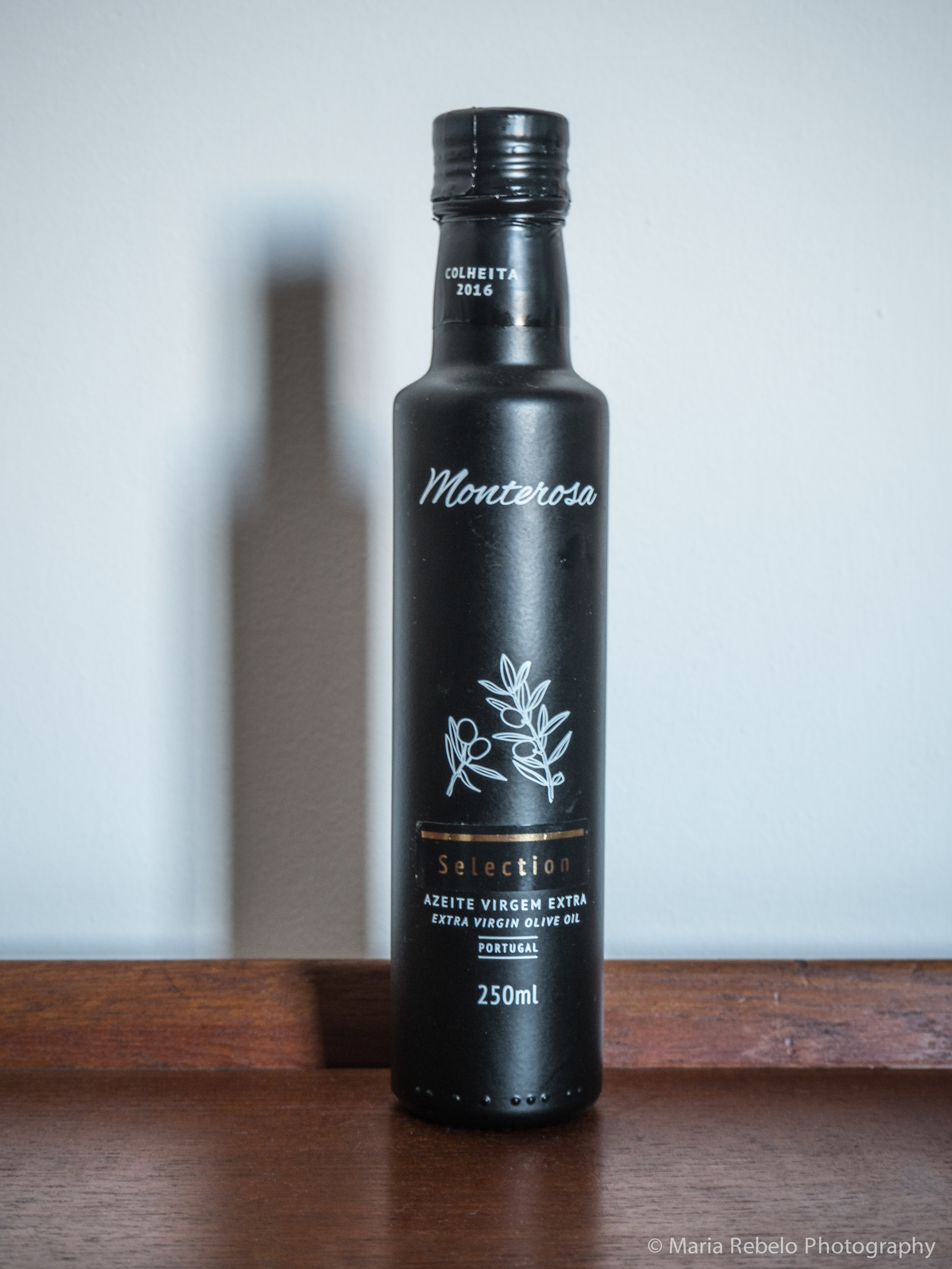
The oil is sold in small bottles under the name Monterosa, a Portuguese transliteration of Von Rosen. These bottles are hard to find, but you can order them online through the company’s website. If you’re looking for a special gift for a loved one, forget Chanel No. 5 and try Monterosa No. 1.

Fog

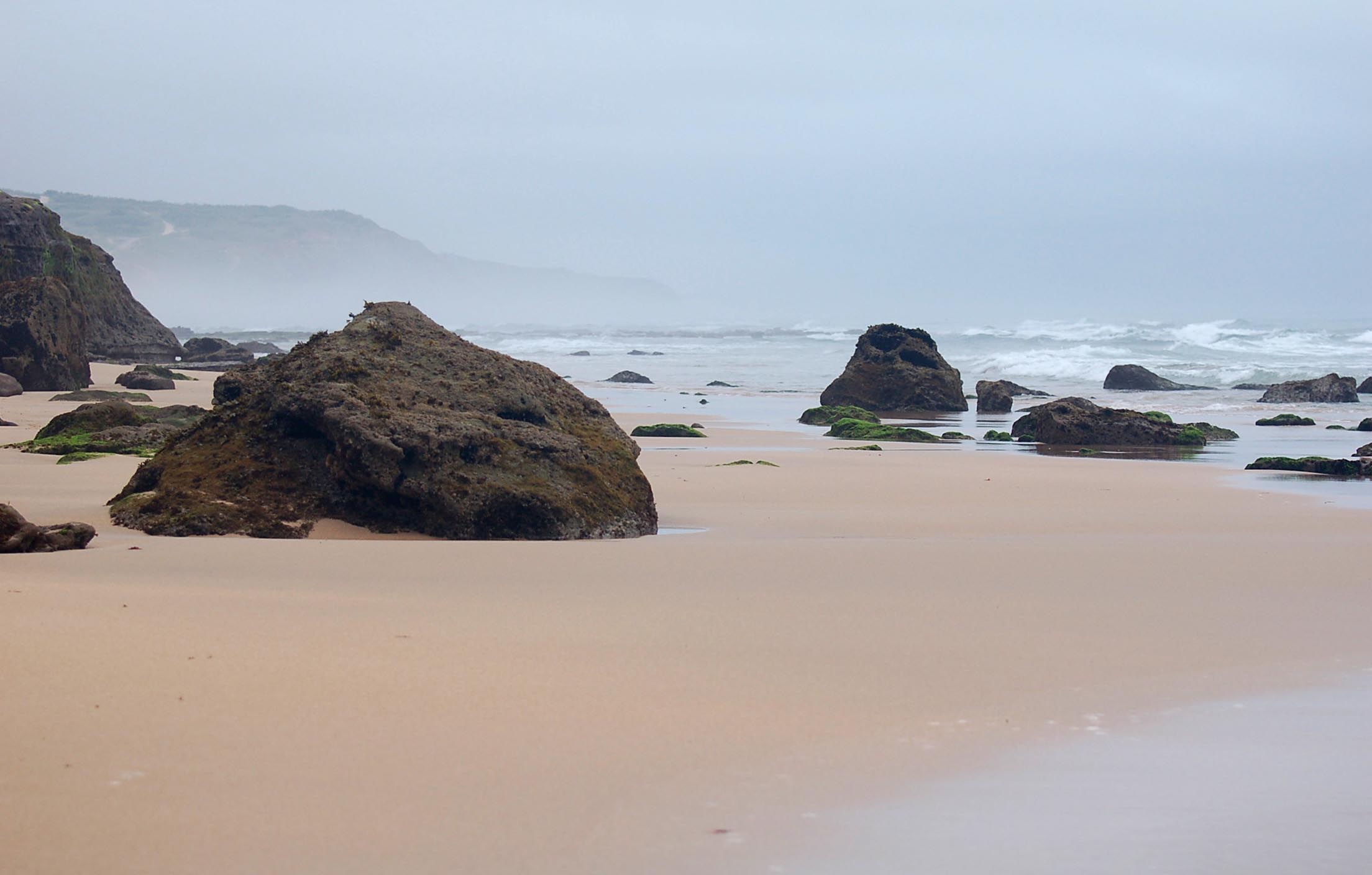
When we walk on the beach on foggy days we always have a sense that something special is about to happen. In the XVI century Portugal had a young king, D. Sebastião, who tried to conquer the north of Africa. He failed with terrible consequences. Much of the country’s elite died in battle or in Moroccan prisons. The king vanished and Portugal lost its independence to Spain. But the Portuguese did not loose hope. They believed that D. Sebastião would return on a foggy day to restore the glory of Portugal. So, if you are walking on the beach on a foggy day, keep an eye on the horizon. This could be the day.

Figs and treasures

Spoiler alert: if you are planning to read ancient tales about treasures, stop reading this post! To those still reading, we will tell you that in ancient tales, treasures are often buried under fig trees. The reason is symbolic. The fig tree is ugly but it bears the most luscious fruit.

Portuguese figs are glorious. You can pair them with “presunto” (Portuguese prosciutto) as an appetizer or have them for desert. When you taste a Portuguese fig you realize that the real treasure is not underneath the fig tree but hanging from its branches.