A childhood treat

Farturas are similar to Spanish churros, though larger and softer.  A light dough made of eggs and flour is squeezed out of a pastry bag to form a large spiral shape. The dough is gently fried in oil, snipped with scissors into pieces, sprinkled with sugar and cinnamon, and served immediately.

A hot fartura has a way of taking you back to childhood, when everything felt simple and full of promise, and the infinite future tasted sweet. You’ll find farturas at fairs across Portugal, but our favorites come from the São Mateus fair in Viseu. This year, the fair runs until September 23—so there’s still time to go, and to feel like a kid again.
Millenary honey


Archaeologists discovered 2,000 year-old Egyptian honey that is still in good condition. This longevity stems from the honey’s remarkable purity.

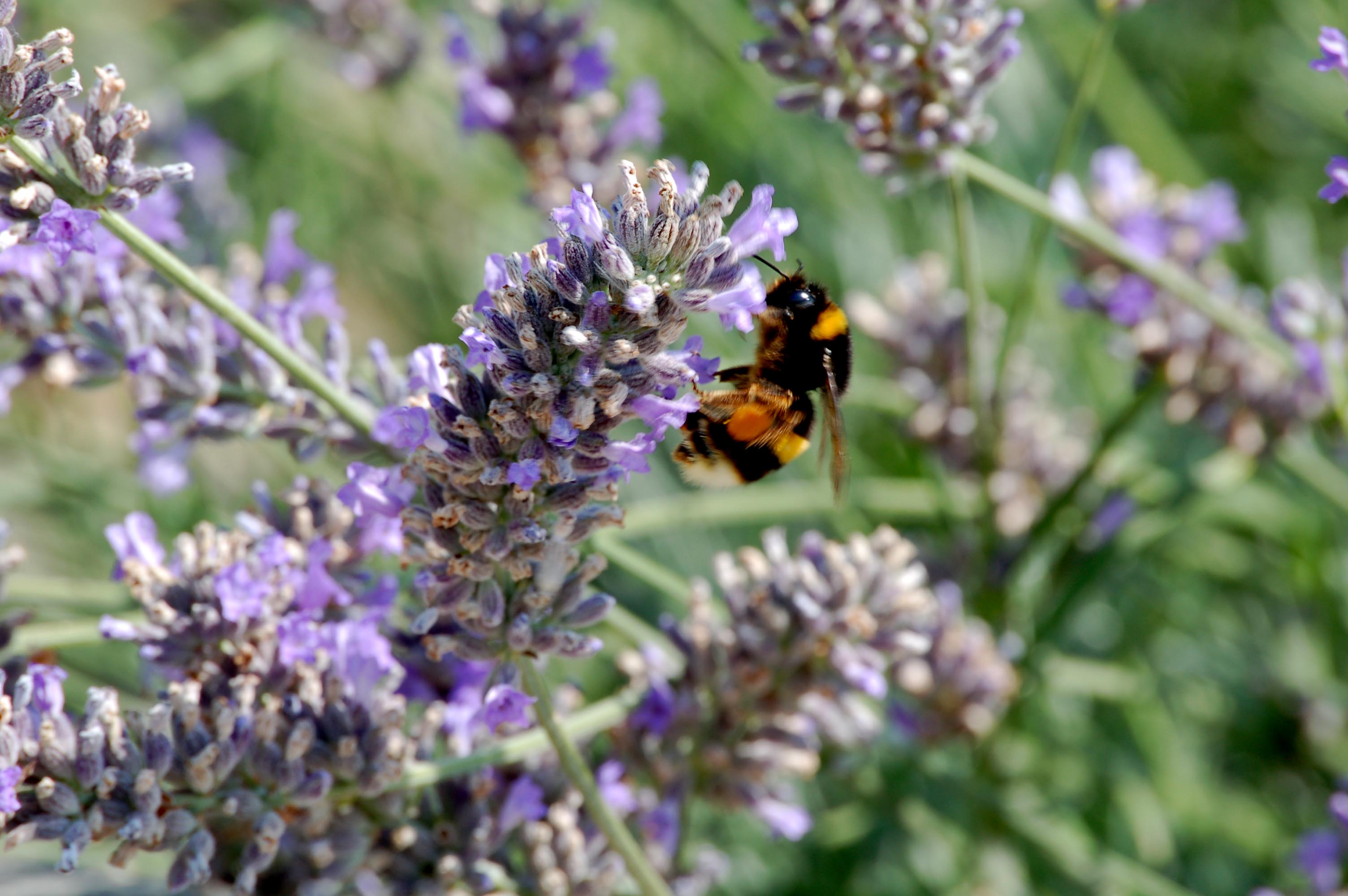
There are a number of Portuguese beekeepers that strive for this purity. They spurn the industrialized processes that sacrifice the bees to extract the honey. They shun the additives used to keep the honey from crystalizing during Winter.  Some produce honey from the nectar and pollen of a single flower species, such as eucalyptus, lavender, or rosemary. Others produce multifloral honey, extracted only after the bees feasted on flowers from all seasons, from the wild flowers that bloom after the Winter rains to the fleeting pumpkin flowers that bloom only for a day.

It takes a little effort to find this superior artisan honey. It is mostly sold in farmers markets (one of our favorite producers, Miguel Evaristo, sells his honey at the Lourinhã fair on the last Saturday of each month). But, once you buy it, you can take your time enjoying it. It is good for 2,000 years.

Portuguese razor clams

We know nothing about the biology of the lingueirão (Portuguese razor clam). All we know is that, when steamed, it releases the scent of the ocean and we feel we are on the high seas. Use the cooking water to make lingeirão rice and the result is a dish with complex flavor. Guests will think you have been cooking for hours, reducing sauces, combining delicate infusions. And all you did was take advantage of the amazing biology of the lingueirão.

America discovers Portugal

Americans discovered France, Italy, and more recently,

Spain, as vacation destinations.  But Portugal has remained terra incognita. That is changing. The New York Times has written a steady stream of articles about Portugal. Most are about Lisbon; about the places to go, the culinary renaissance, the new restaurants, the new museums, the relaxed atmosphere, and the art scene. But the Times has also discovered Cascais and Évora. The Wall Street Journal tells its readers that “In Portugal you can pack seven days worth of castles, clubbing, seafood, shopping and luxury hotels into one perfectly affordable long weekend.” Now, perhaps Woody Allen will consider directing a movie about a writer who comes to Lisbon and discovers that the secret to eternal youth is a daily bath of piri-piri sauce.

The fate of Portugal

The great poet Luís Vaz de Camões published his masterpiece, the Lusíadas, in 1572. In the first part of this epic ode we learn that the fate of Portugal is being decided in Greece. The Greek gods (called by their Roman names) are divided into two parties. Bacchus is the nemesis of Portugal. With the help of Neptune, he sows unexpected obstacles and unending perils on the path of the Portuguese. But Venus takes up the cause of Portugal. And, with her thoughtful help, the Portuguese show that they can accomplish great things.

Mountain cheese

Queijo da Serra (mountain cheese) is made from the milk of sheep guarded by shepherds and their dogs in the granite ridges of the Estrela mountain, 2,000 meters above sea level. It comes in three varieties: amanteigado (soft and buttery), meio-curado (firm), and curado (aged; hard in texture and intense in flavor).  Its quality varies from good to magnificent.

Serra cheese has almost no name recognition outside of Portugal. But one day, in the not-too-distant future, the world will discover this cheese. It will then become impossibly expensive, affordable only to Chinese tycoons, African magnates, and Bollywood stars. So, the time to try a magnificent “queijo da Serra” is now. The clock is ticking.

Noble bed and breakfasts

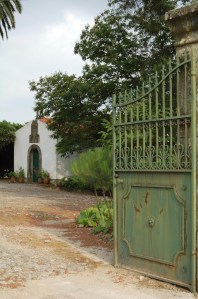
Portugal has many ancient manor houses and palaces built by noble families and wealthy landowners. These houses are expensive to maintain, so in the 20th century many fell into disrepair. The government created a program called “Turismo de Habitação” (home tourism) that subsidized their restoration. In return, the owners agreed to turn them into “bed and breakfasts.”
You can tour the country staying, at very affordable prices, in aristocratic homes, with expansive vistas and warm hospitality.

These proud houses are silent witnesses to centuries of history. When you visit them, you touch the soul of Portugal.

Click here for the Home Tourism web site.  

Percebes

OLYMPUS DIGITAL CAMERA

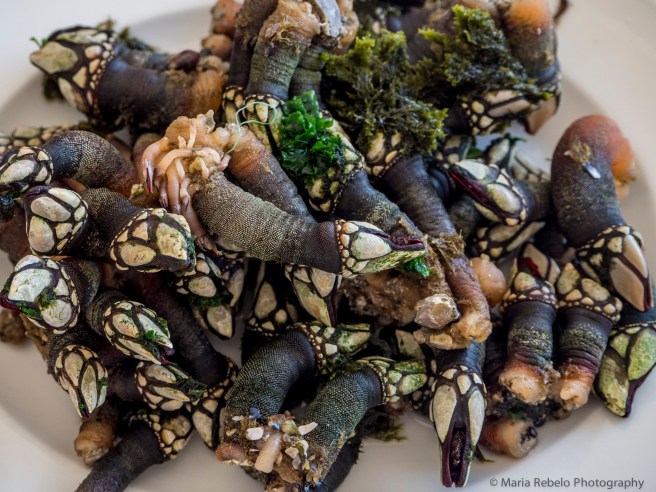
You eat these pre-historic looking crustaceans by twisting off their heads and exposing their meat. They taste and smell like the sea and they are great with beer.

The English name for percebes, “gooseneck barnacles,” comes from the medieval theory that they are embryonic barnacle geese. This theory conveniently explained why flocks of geese would suddenly appear out of nowhere (the fact that birds migrate was not known in the Middle Ages).

In any case, do not worry. There are no recent reports of percebes flying off the plate to migrate south.

Berbigão


Put yourself in the shells of the “berbigão.” You are constantly outshined by your cousins the clams.  Clams star in famous Portuguese dishes such as “carne the porco à Alentejana” (pork with clams).  Berbigão gets roles in minor culinary productions such as “arroz de berbigão,” a rice used to accompany other dishes. But forget what the critics say. Cook berbigão with a little olive oil and garlic and you will feel its star power.