The Régua farmers’ market 

If you’re a foodie, few pleasures in Portugal rival a visit to a farmers’ market. On the Saturday before Christmas, we stopped by the market in Régua, and it was a delight.

The town’s full name is Peso da Régua. Peso, meaning “weight,” likely refers to the role the town assumed after the Marquis of Pombal demarcated the Douro region in 1756: a logistical hub where wine and other goods were weighed before beginning their journey downriver. Régua, meaning “ruler,” describes the way the town stretches along the banks of the Douro, long and narrow, following the river’s course.

Régua welcomes visitors through an elegant iron bridge, inaugurated in 1872, but much of the surrounding architecture fails to do justice to the valley’s natural beauty. Still, there is an undeniable authenticity to the place and to its people.

We went to the Régua market in search of a local delicacy called falachas, a sweet biscuit made from chestnut flour. We were told, regretfully, that these small culinary miracles appear at the market only on Wednesdays. But there were other blessings. Stalls overflowed with apples—including the celebrated Bravo de Esmolfe and a lesser-known variety called Porta da Loja. There were cabbages of many shapes and forms, piles of chestnuts, dried figs, and walnuts. At the center of the market, a large stall tempted passersby with sausages and cured hams (presuntos). Near the entrance, a baker displayed baskets filled to the brim with bread: loaves made from white or yellow corn, golden olive-oil breads, and bola de carne, bread generously stuffed with meat or sausage.

What makes the market special, though, are the vendors themselves, warm, genuine, and quietly persuasive. “Try our delicious figs,” says one. “We dust them lightly with white flour so they stay soft and don’t stick together.” “Taste these walnuts,” urges another vendor.  “They’re from a nearby farm. A woman’s been looking after the trees her whole life. She only gets about six hundred kilos, but they’re really great. We’re lucky to have them.”

In this holiday season, it is a rare gift to taste the fruits produced by people who devote their lives to caring for the land. We are fortunate to have them!
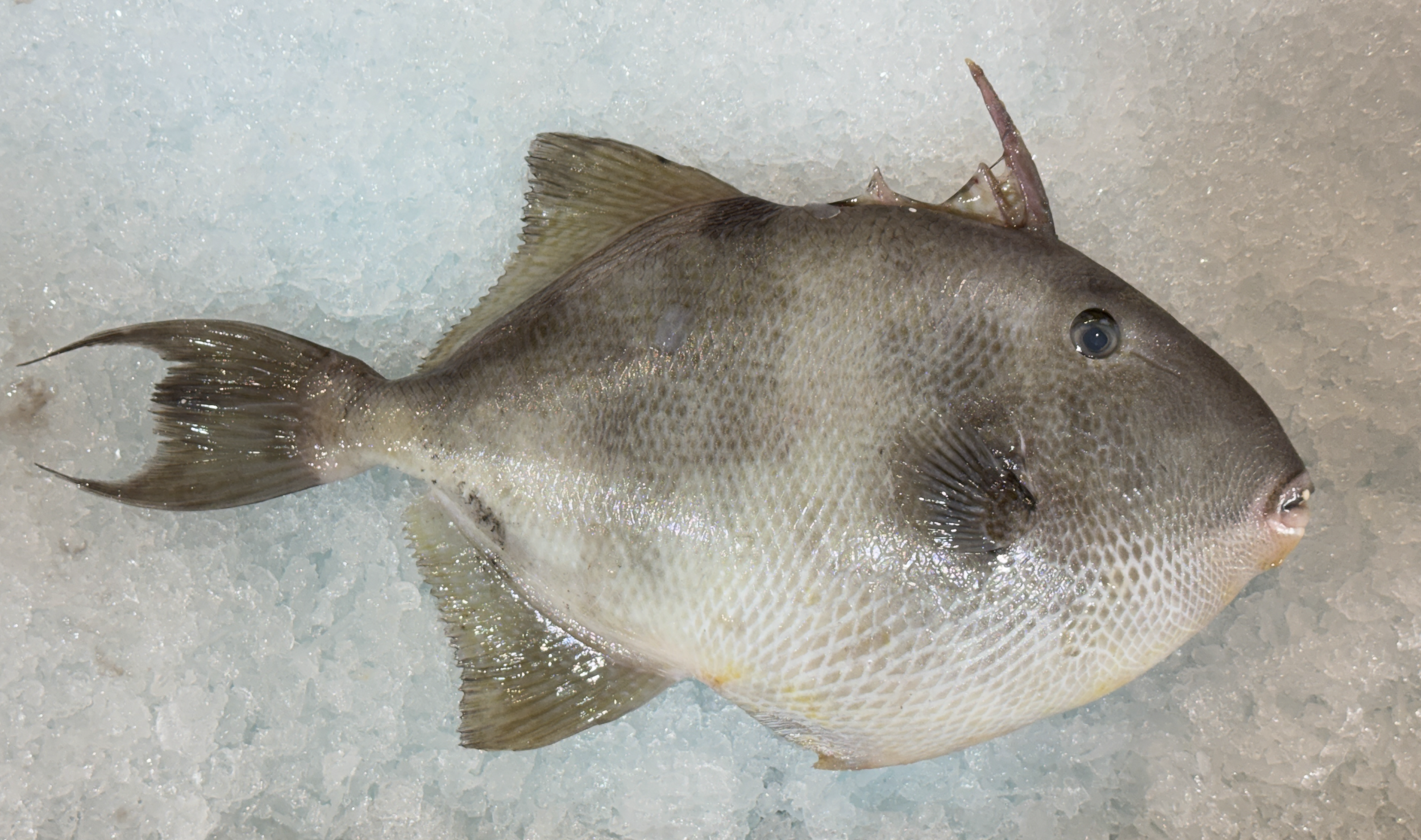
In praise of the triggerfish

Wild fish with large fillets, firm flesh, and few pin bones are increasingly rare. Tuna, turbot, salmon, grouper, and seabass have become the aristocracy of the sea, commanding pride of place and soaring prices on fine-dining menus worldwide. One redeeming consequence of this scarcity is the reappraisal of fish once dismissed as having little commercial value.

One such species is the triggerfish. It is known in Portugal as peixe-porco (pig fish), an unfortunate name derived from the grunting sound it makes when lifted from the water. Triggerfish has a thuggish reputation: it survives surprisingly long out of water and can bite hard with teeth built to crush shells. At sea, it is fiercely territorial and will even attack sharks that venture too close to its nest.

On the plate, it comes second only to John Dory (peixe-galo). Feeding on sea urchins, crustaceans, clams, mussels, and small fish, it develops clean, firm, white flesh. It is protected by a tough, leathery skin and a locking dorsal spine, held in place by a smaller second spine and released by pressing it–the mechanism that gives the fish its English name.

In Portugal, fishermen often grill it whole over charcoal until the skin chars and peels away, revealing succulent flesh. It is also excellent fried, baked, or stewed, provided the skin is removed before cooking.

If you see peixe-porco on a menu, don’t hesitate to order it!

The bean pastries of Torres Vedras

Portugal is a land of culinary miracles, where humble ingredients are transformed into transcendental food. Before the dissolution of the religious orders in 1834, many of these wonders came from convent kitchens. But miracles also come from the hands of lay cooks.

One such culinary prodigy is the Pastel de Feijão, a pastry made with white beans in the town of Torres Vedras, just 30 minutes north of Lisbon. The city is celebrated both for its heroic stand against the French during the Napoleonic wars and for its bean pastries.

The first written mention of these pastries is in the catalogue of the Portuguese Ethnography Exhibition published in 1896. Local tradition credits Joaquina Rodrigues, a home cook, with creating the recipe at the end of the 19th century. By the early 20th century, growing demand led to the opening of the first pastry workshops in Torres Vedras. 

Each pastel cradles within its paper-thin, crispy shell a golden cream of almond, flour, sugar, egg yolks, and white beans. Today, the most acclaimed are the Pastéis de Feijão from Serra da Vila. First sold in a modest hillside café in the 1990s, the pastries gained such renown that production had to expand to meet the ever-growing stream of admirers.

If you have a sweet tooth and find yourself traveling north of Lisbon, be sure to stop in Serra da Vila. It is your chance to savor a miraculous creation.

The Serra da Vila pastry store is located at Rua Miguel Jerónimo Nº19A, Serra da Vila, tel. 261 321 552.

Monfortinho water

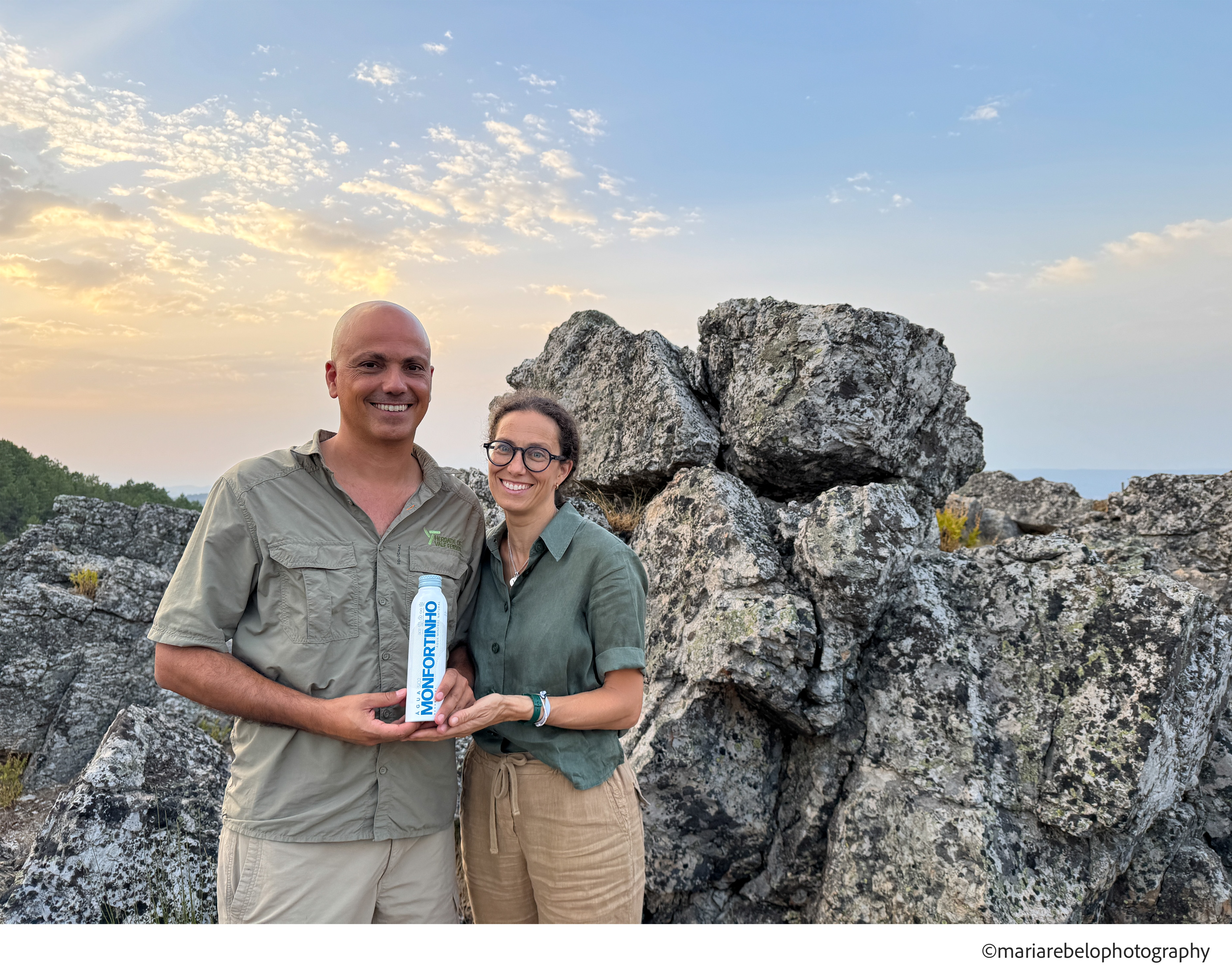
We spent a memorable afternoon with Ricardo and Vera Leitão Machado at Herdade do Vale Feitoso, talking about water—their passion since they became stewards of this extraordinary 7,500-hectare sanctuary in 2022. Near the Spanish border, the estate once belonged to the Condes da Ponte, a noble family prominent in the 17th century, when Portugal fought to reclaim its independence from Spain.

From this untouched land springs Monfortinho, one of the purest waters on earth: rich in silica, low in minerals and sodium, and free of microplastics and man-made chemicals. Born at the Fonte Santa de Monfortinho, a natural thermal spring by the Erges River, the water begins its journey at the foot of the Penha Garcia Mountain. It then takes a century to cross the estate, seeping through countless layers of soil and rock.

Legends abound of miraculous cures in the Monfortinho thermal baths. Today, science lends credence to the local folklore: silica helps cleanse the body of aluminum, strengthens bones, skin, and hair, and even sharpens the senses of taste and smell.

Visiting Vale Feitoso is like going on a safari. Five hundred kilometers of dirt roads wind through the habitats of European bison, deer, wild horses, foxes, boars, partridges, vultures, eagles, and many other animals. Native breeds of sheep (Churra do Campo and Merina da Beira Baixa), once nearly extinct, are now thriving in the estate. There are no power lines, no paved roads. Silence reigns, broken only by the rustle of the wind.  

Traces of ancient times are scattered across the land. The Romans mined gold here. The Templars later occupied the valley, a place worthy of guarding the Holy Grail.

Ricardo and Vera are determined to keep Vale Feitoso pristine and, above all, to safeguard the purity of its water—a resource as sacred as the Grail and more precious than gold.

Click here for the Monfortinho waters website.

The taste of summer

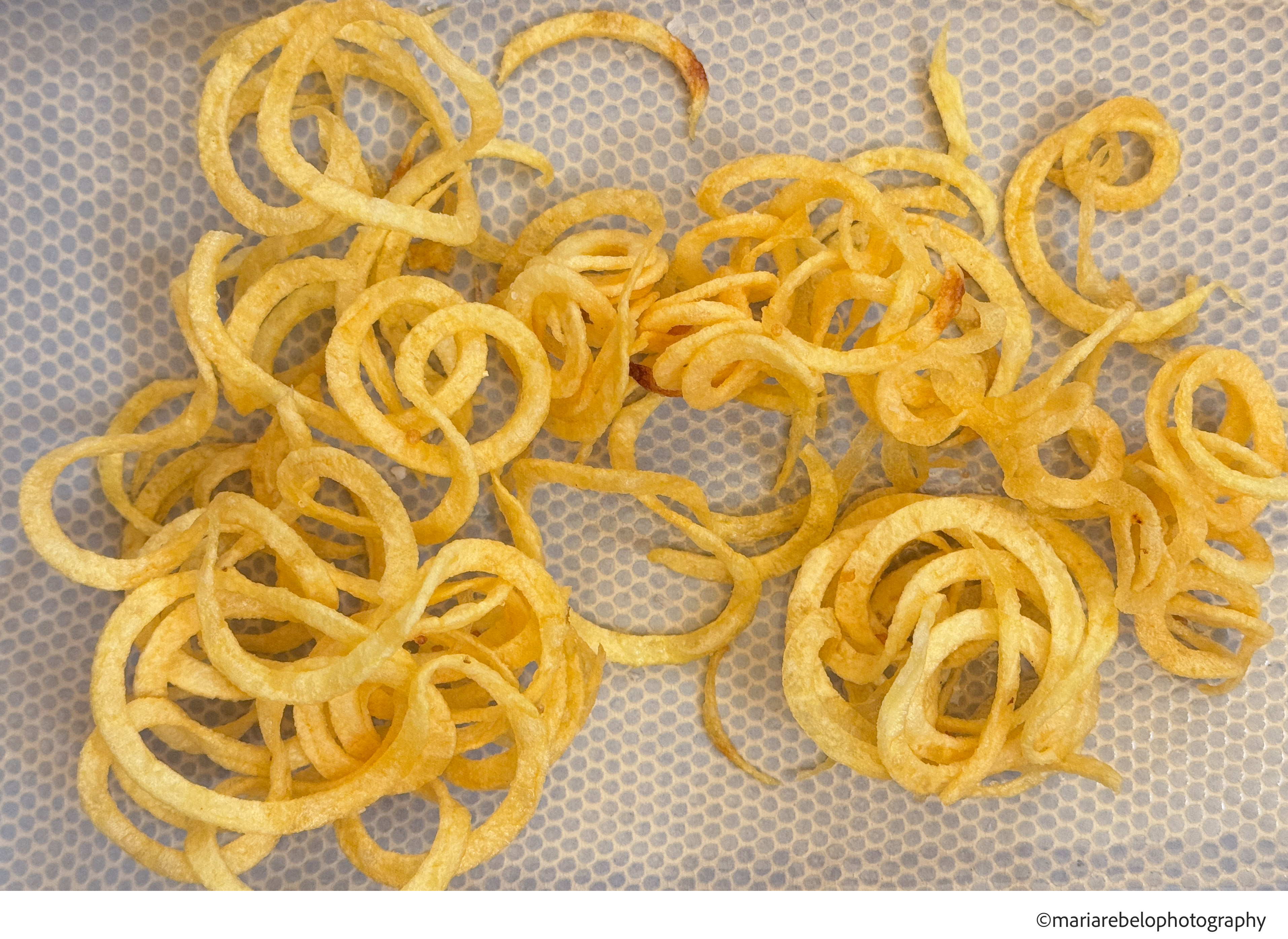
One of our fondest childhood memories is of long, lazy days by the sea, lulled by the sound of the waves and the soft caress of the breeze. It was a state of bliss, marred only by the idleness of our taste buds. Thankfully, a roaming army of beach vendors came to the rescue, offering amusement in the form of golden potato chips—crisply fried in olive oil and seasoned with sea salt.

These memories came rushing back when our friend Raul Reis called to say he was bringing over a sack of potatoes. Raul grows Portugal’s finest potatoes in the quiet village of Sobral on the west coast. This time, he arrived with a bag of bricatas, cultivated in soil enriched with algae from the nearby beach of Porto Dinheiro.

Porto Dinheiro is best known for its vacada, a rustic summertime tradition that draws crowds to watch cows and bulls frolic on the beach. Before the event, the beach must be cleared of the algae that regularly washes ashore. Left in piles, the algae would rot and release a pungent smell. Raul had a better idea—he proposed to the mayor that he take the algae back to his farm as fertilizer. Everybody gained: Raul found a natural way to enrich his soil, and the town rid itself of a nuisance.

Five trucks, each carrying 20 tons, made the journey from Porto Dinheiro to Sobral. Raul allowed the algae to ferment for three weeks, turning the piles weekly to aerate them. He then spread the seaweed across his fields, tilling it into the soil before the summer winds could carry it away.

Using algae to nourish the land is an ancient Portuguese practice, nearly forgotten in the era of synthetic fertilizers. In Aveiro, whole fleets of moliceiros—graceful, flat-bottomed boats—once glided through the marshes gathering seaweed for the fields.

We sliced the bricata potatoes into delicate spirals, fried them until perfectly crisp, and sprinkled them with sea salt. They were, without question, the best potato chips we’ve ever had. You can try them too at Canalha, João Rodrigues’ wonderful restaurant in Lisbon, or at Alta, where the food is as delightful as the sea views. A plate of these golden chips is a summer vacation for the palate.

Savoring pasteis de nata at Hotel do Bairro Alto

In Lisbon, pastéis de nata inspire near-religious devotion. And with good reason–these delicate tarts, made of flaky layers of puff pastry and filled with a luscious cream of eggs and milk, offer a glimpse of heaven on earth.

Some Lisboetas are devoted to a neighborhood pastry shop that proudly displays the words Fabrico Próprio on its façade, signaling that its pastries are made in-house. But the city’s most revered pastry sanctuary is the Antiga Confeitaria de Belém, which has been drawing pilgrims since it first opened its doors in 1834.

Manteigaria is a more recent cult whose crisp, lemon-kissed tarts have earned a loyal following. Its original Chiado location has become a popular pastry shrine.

There is also Pastelaria Aloma, a bakery in Campo d’Ourique, which rose to fame after winning national competitions in 2012 and 2013.

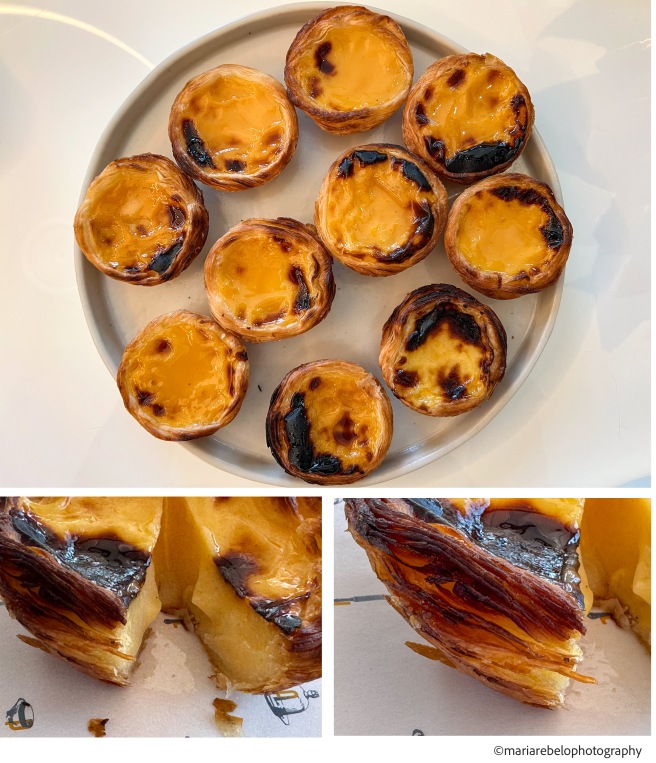
Just when we thought we had tasted all the city’s holy pastries, we stumbled upon a new revelation, hidden in plain sight at the recently renovated Hotel do Bairro Alto. Its pastéis are extraordinary. The custard, radiant yellow and delicately scented, has just the right touch of sweetness. The crust is golden, crisp, and exquisitely flaky with seven layers that echo Lisbon’s seven hills.

When we asked the servers about the recipe’s ingredients, they nodded politely and walked away. But on the final morning, a waitress slipped us a handwritten note with the ingredients. The secret? The filling is made not with cream, but with milk and cornstarch, lending it an ethereal lightness. The crust’s sublime texture is achieved through a blend of butter and pork lard.

So here is an insider’s tip: if you find yourself near Chiado, step into the Hotel do Bairro Alto and take the elevator to the fifth floor. Settle into the serene terrace overlooking the Tagus River and order some pasteis de nata. As you sit there, savoring these sweet devotions, you’re likely to find yourself at peace.

Hotel do Bairro Alto, Praça Luís de Camões 2, Lisbon, tel. 213 408 288, email: reservations@bairroaltohotel.com. Click here for the hotel’s website.

Miss Can

When we were young, we spent our summer vacations camping by the sea. We packed cans of berbigão- small, flavorful cockles- and used them to make rice dishes that tasted divine after a swim in the ocean.

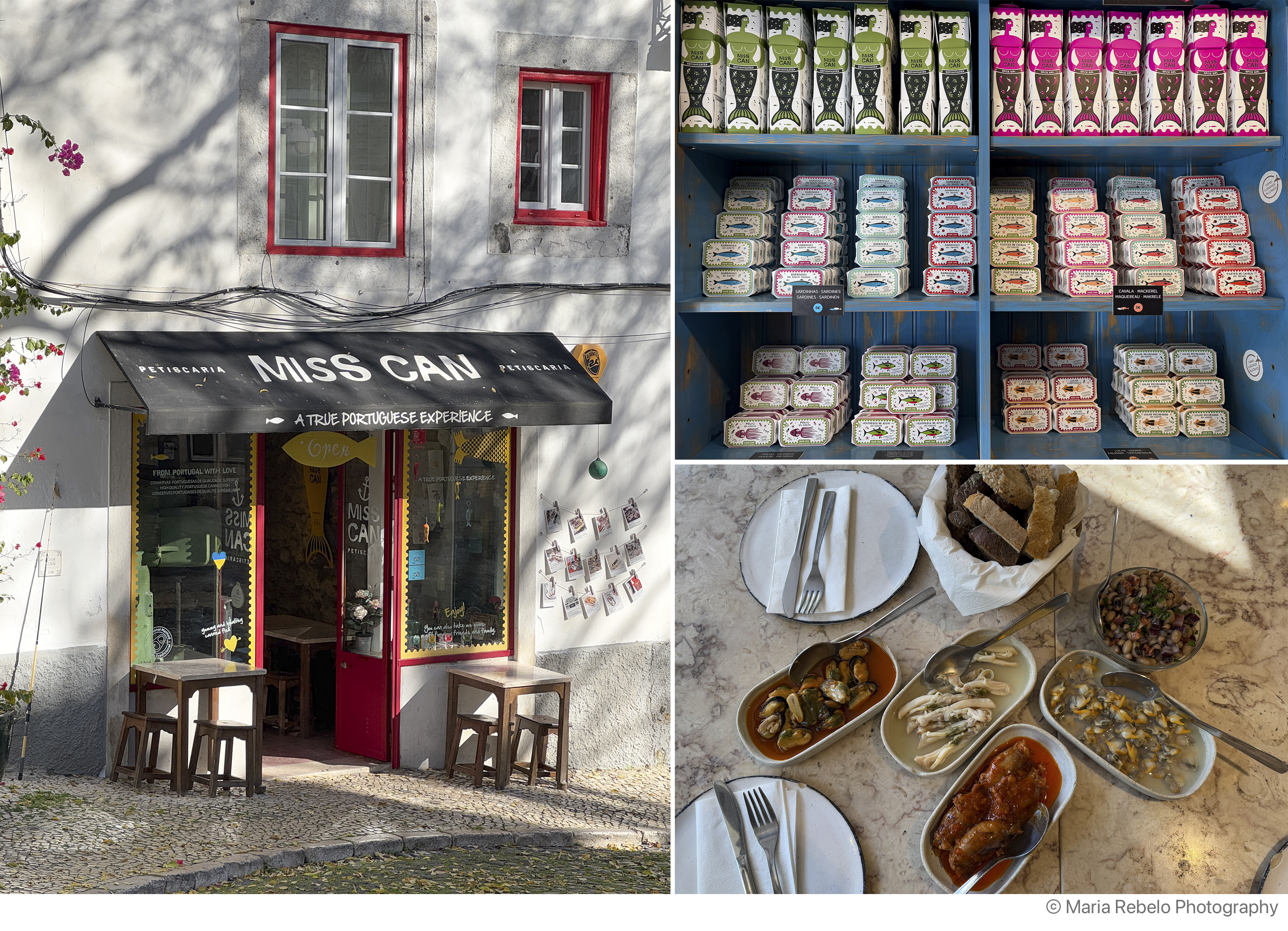
Over the years, canned berbigão nearly vanished from store shelves. Fortunately, Miss Can has brought it back, along with various other delicacies. In addition to classics like sardines and tuna, their selection includes razor clams, squid, mussels, octopus, and more.

The brand’s origins date back to 1911, when Alberto Soares Ribeiro established two canning plants—one in Setúbal, near Lisbon, and another in Olhão, Algarve. Like many others, these plants closed their doors during the years of economic turmoil that followed the 1974 revolution. Almost a century later, Alberto’s great-grandson, Tiago Soares Ribeiro, brought the family’s canning legacy back to life. Together with his relatives, Tiago launched Miss Can, a brand dedicated to high-quality, artisanal canned fish.

The rebirth began in 2013 when Tiago started producing small batches of canned fish and selling them from a yellow Piaggio motorcycle in Lisbon’s St. Jorge Castle neighborhood. In 2015, Miss Can received two prestigious awards, enabling Tiago to open a charming eatery near St. Jorge’s Castle, where visitors can experience the exceptional quality of his products.

All the fish, except cod, are sourced from the Portuguese coast. The canning process follows the same traditional method used a century ago. The fish are gently steamed to preserve their texture and natural flavor.

With Miss Can, we can effortlessly create a delicious salad, a rich pasta, or a comforting rice dish that brings back the taste of our carefree vacations by the sea.

You can sample Miss Can’s products at Largo do Contador Mor, 17 Castelo in Lisbon. Miss Can is available in the U.S. at World Market stores. Click here for Miss Can’s website.

Alheiras

The origin of alheiras (pronounced ahl-yay-ras), a traditional Portuguese sausage, is intertwined with the history of Portugal’s Jewish community during the reign of King Dom Manuel I (1495–1521). 

Dom Manuel sought to strengthen Portugal’s standing in Europe by marrying the daughter of the Spanish Catholic Monarchs, Ferdinand of Aragon and Isabella of Castile. However, the union came with a condition: Portugal had to adopt Spain’s policies toward Jews, forcing them to either convert to Christianity and become “New Christians” or leave the country.

Jewish dietary laws forbid the consumption of pork, a staple of Portuguese cuisine. To avoid persecution, New Christians ingeniously created a pork-free sausage using bread, garlic, and other meats such as poultry or game. These sausages, known as alheiras (from alho, the Portuguese word for garlic), were smoked to resemble traditional pork sausages, allowing Jewish families to appear to conform to local customs.

Today, alheiras are a cherished element of Portuguese cuisine, particularly in the Trás-os-Montes region, where they originated. The town of Mirandela is especially famous for its alheiras. Although modern recipes often include pork, these sausages stand out for their distinctive flavor.

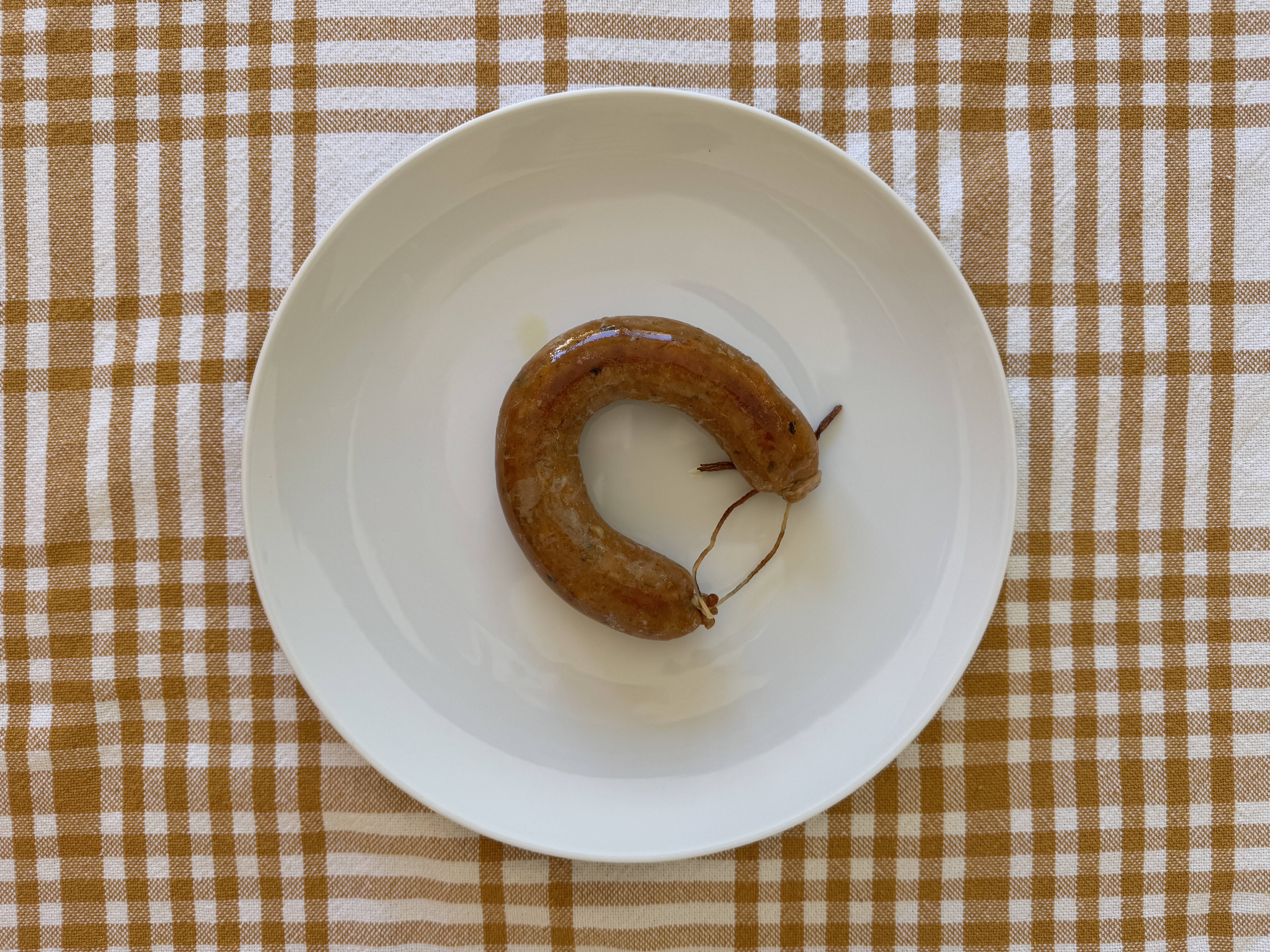
Preparing alheiras is far more complex than making traditional chouriços. To make chouriços, pork is marinated in vinha d’alhos—a flavorful blend of garlic, bay leaf, salt, olive oil, paprika, and wine—before being stuffed into casings and smoked until dry. In contrast, alheiras require meticulous preparation: a variety of meats are carefully cooked and then combined with bread and spices before filling the casings and smoking the sausages. Every detail is crucial in this labor-intensive process.

The finest alheiras we’ve ever tasted are crafted by Maria da Graça Gomes and her daughter, Rosário Buia, at Toca da Raposa in the Douro Valley. They are made with an exquisite mix of meats, including rabbit and pheasant, and seasoned with great finesse. Grilled, lightly fried in olive oil, or baked in the oven, these sausages are a culinary feast.

Toca da Raposa makes alheiras between November and January. You can place an order by calling 969951191.

Covilhetes, small pies full of flavor

Covilhetes are small meat pies cherished in Vila Real, a town near the Douro Valley. Their origins date back over two centuries when they were sold at religious fairs. By the mid-19th century, covilhetes had become a staple in restaurant and café menus, often served with oven-baked rice. Their popularity has endured ever since.

In 2015, a guild was established to safeguard the authenticity and quality of covilhetes. The unique taste of these pies reflects the premium ingredients used, such as fine flour, Maronesa veal (from a breed native to the Marão mountains), and local sausages.

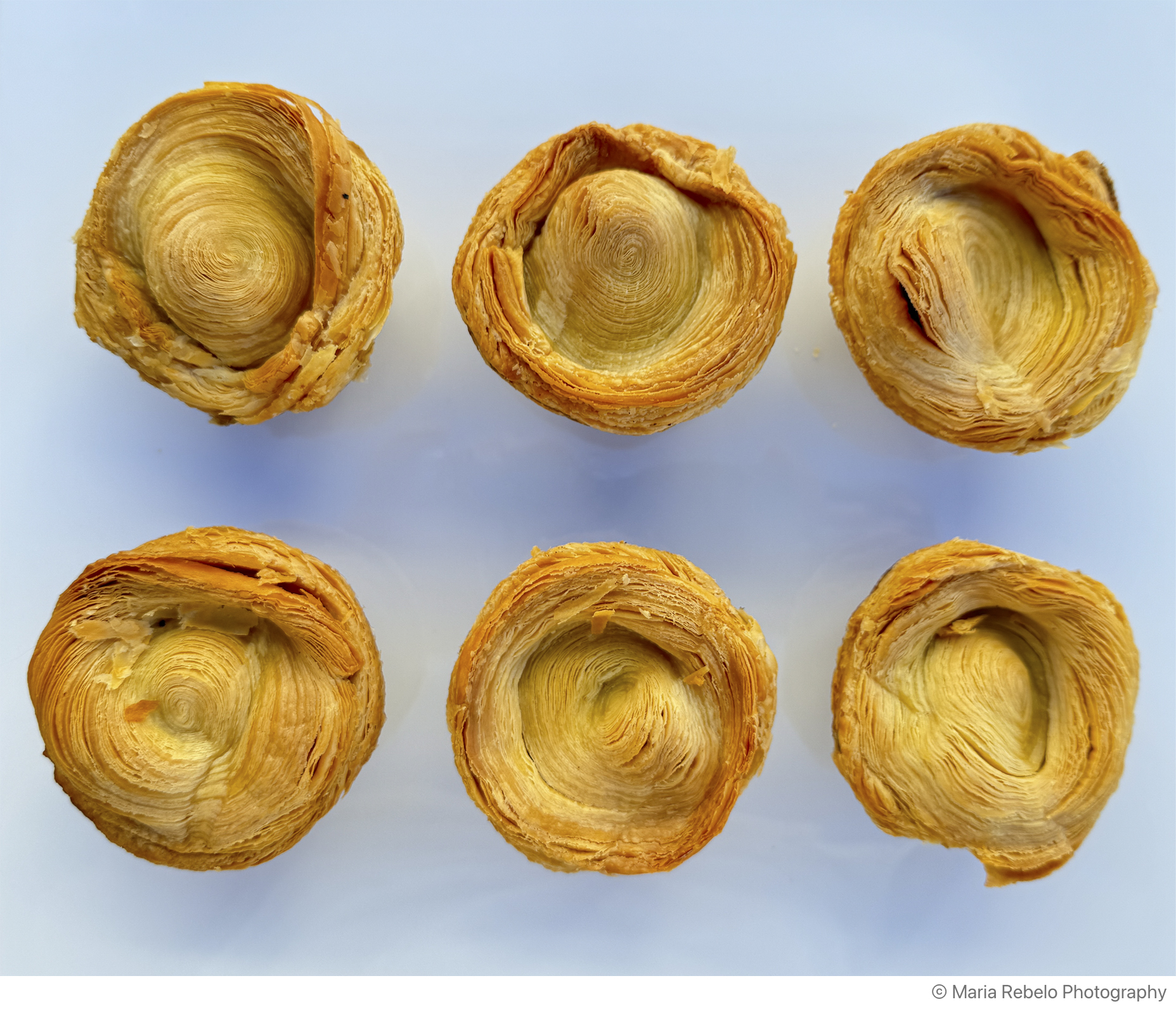
Though recipes for covilhetes exist, mastering the art of crafting their delicate, flaky pastry and intricate oval crust resembling planetary orbits is challenging. Fortunately, pastry shops in Vila Real’s historic district, such as Pastelaria Gomes, Casa Lapão, and Loja do Covilhete, produce daily batches of these heavenly pies, fresh from the oven, ready to delight our palates.

Bananas from the Madeira Island

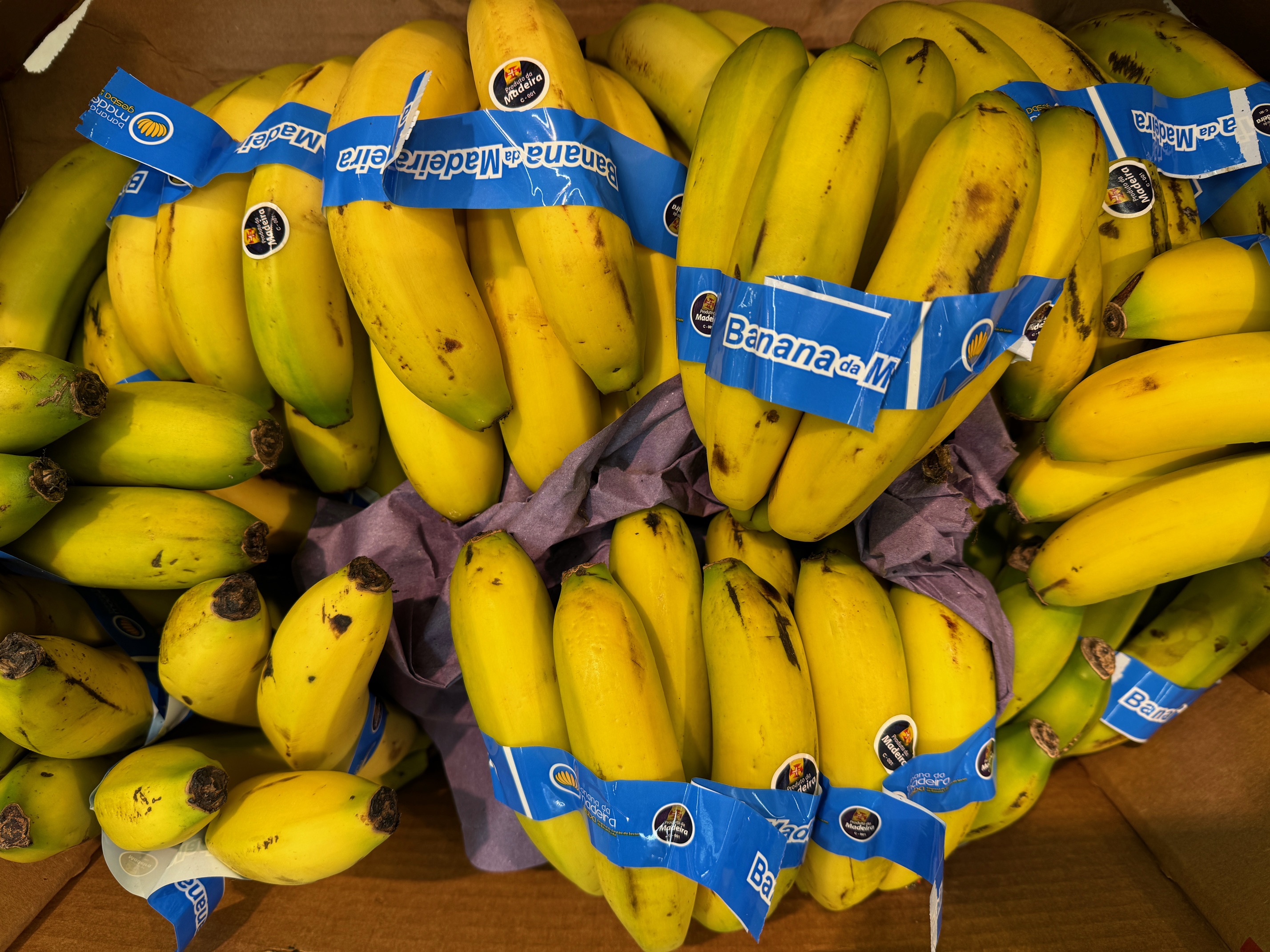
One of the simple pleasures of life in Portugal is savoring the delicious bananas produced on Madeira Island. Portuguese sailors brought bananas from West Africa in the 15th century. By 1552, according to British traveler Thomas Nichols, they were already being cultivated in Madeira. The island’s subtropical climate, characterized by mild temperatures and high humidity, provides perfect conditions for growing bananas. 

Madeira farmers produce bananas on a limited scale and harvest them by hand. Smaller than the common Cavendish variety, they are sweeter and more flavorful, with a delightful lemony taste and a creamy texture. Try them, and you will see!