The place to be in Lisbon

Palácio Valle Flôr compositF©For the price of ordinary accommodations in London or Paris, you can stay in an extraordinary palace in Lisbon. It’s all thanks to José Dias, an entrepreneur who made a fortune producing cocoa to feed Europe’s insatiable appetite for chocolate. After many years of hard work on the island of São Tomé, Dias returned to Lisbon. He received the title of Marquis of Valle Flor and began the construction of a magnificent palace.

The Marquis bought land with breathtaking views of the Tagus river and hired architects to design a building with perfect proportions. He then decorated it with great refinement, commissioning elegant furniture, beautiful paintings, graceful sculptures, and radiant stained-glass windows. After its inauguration in 1915, the palace became a fashionable gathering place for the royal family, celebrities, and nobility.

With the death of the Marquis in 1932, the edifice entered a period of slow decay. To save this work of art from oblivion, Dionísio Pestana, a successful hotelier, bought the building in 1992 to convert it into a luxury hotel.

It took almost ten years to restore the edifice and equip it with modern comforts. The result is the Pestana Palace, a hotel favored by a long list of celebrities that includes Bill Clinton and Madonna. The Marquis of Valle Flor would surely love to see that his palace is, once again, the place to be in Lisbon.

The Pestana Palace is located at Rua Jau, 54, tel. 210401711 , email: guest@pestana.com. Click here for the hotel’s web site and here to see more photos of the palace.
Quinta do Monte d’Oiro

DCIM101GOPRO
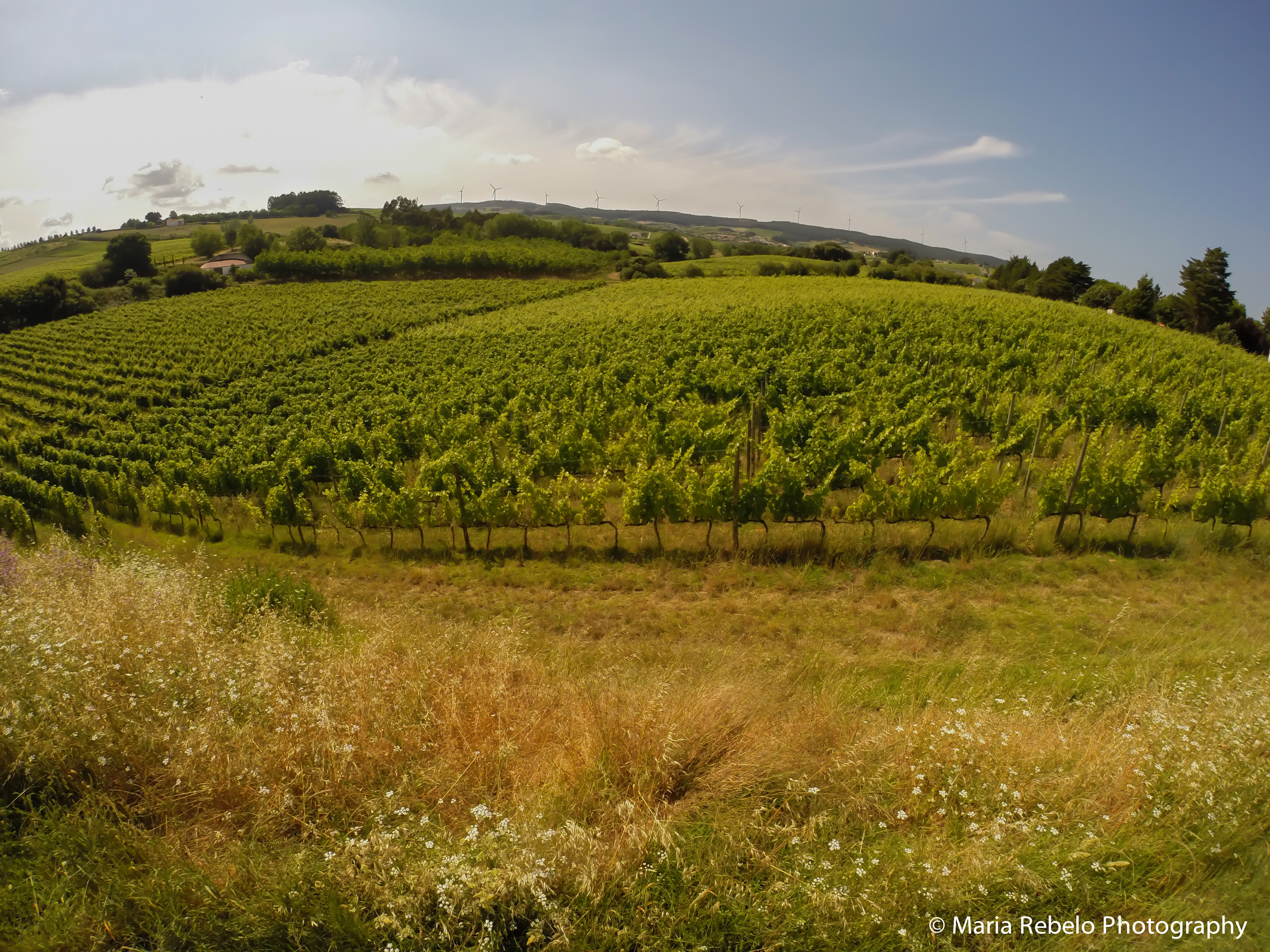
The name of this wine estate near Lisbon means golden hill farm. It is a fitting designation because this is a place where grapes are treated like gold and wines are made with a jeweler’s precision.

The soil of the farm is similar to that of Côtes du Rhône, so José Bento dos Santos, the farm’s owner, planted the same grape varieties that thrive in that French region: Syrah and Viognier.

Graça Gonçalves, the estate’s enologist, talks about each parcel of the farm as if they are old friends. She knows their qualities and shortcomings and choses cultivation methods that help each of them thrive. We ask which is her favorite parcel and quickly realize it is an impolite question. Graça does not answer, but when she talks about parcel 24 her eyes shine more than usual. This parcel is planted with Syrah grapes that came from old vines in Côtes du Rhône. Each plant is different and it is this variety that creates the quinta’s top wines, such as the aptly named Syrah 24.

When harvest time approaches, Graça walks through the vines, taking samples to analyze in the lab, tasting the grapes, imagining the wines that will be produced. When the time is right, the grapes are picked by hand and carefully selected. There are then numerous decision to make, such as how to press the grapes and whether to stage the wine in French oak barrels or stainless steel vats. Why such meticulous care? Graça explains: “Wine is roughly 14 percent alcohol and 85 percent water, so there is only one percent for the fruits of the vine to create emotion.” It is impossible not to feel this emotion when you open a bottle of Quinta do Monte d’Oiro wine.

Click here for the Quinta do Monte d’Oiro website.

The best of both worlds

Azeitonas Bel Canto-F

Portugal is a country with century-old traditions. But it is also a place where a new generation is creating the future.

Consider the fruits of the Olea europaea, commonly know as olives. If you visit a Portuguese farmers market, you’ll find delicious olives cured in traditional ways. But if you dine at Belcanto, José Avillez’s wonderful restaurant in Lisbon, you’ll be served three invented olives. The first, a spherical olive that explodes in the mouth, is an homage to Avillez’s apprenticeship at elBulli. The second is a delicious black olive in a light crunchy tempura. The third is an inverted dry martini: the liquid is olive juice and the “olive” is a sphere of gin.

Which do you prefer, tradition or modernity? In Portugal you don’t have to choose.

Belcanto is located at Largo do São Carlos in Lisbon, tel. 21-342-0607.

Amazing produce

DCIM100GOPRO

Older people often complain that food doesn’t taste as good as it once did. Are they right or it is just that everything tastes better when we’re young? We can answer this question thanks to Herdade do Freixo do Meio, an Alentejo estate.

In 2001, the Herdade adopted organic production methods and planted old varieties of fruits and vegetables that were left behind by the industrialization of agriculture. They also started to raise black pigs, Barrosa cows, Alentejo turkeys, and other animals, letting them roam free. You can see and taste the amazing results by visiting their store in Lisbon’s Ribeira market.

When you try their products, you quickly realize that older people are right: food used to taste much better. The good news is that Herdade do Freixo is bringing that taste back!

Click here for the Herdade do Freixo do Meio web site.

Taberna da Rua das Flores

Taberna da rua das flores

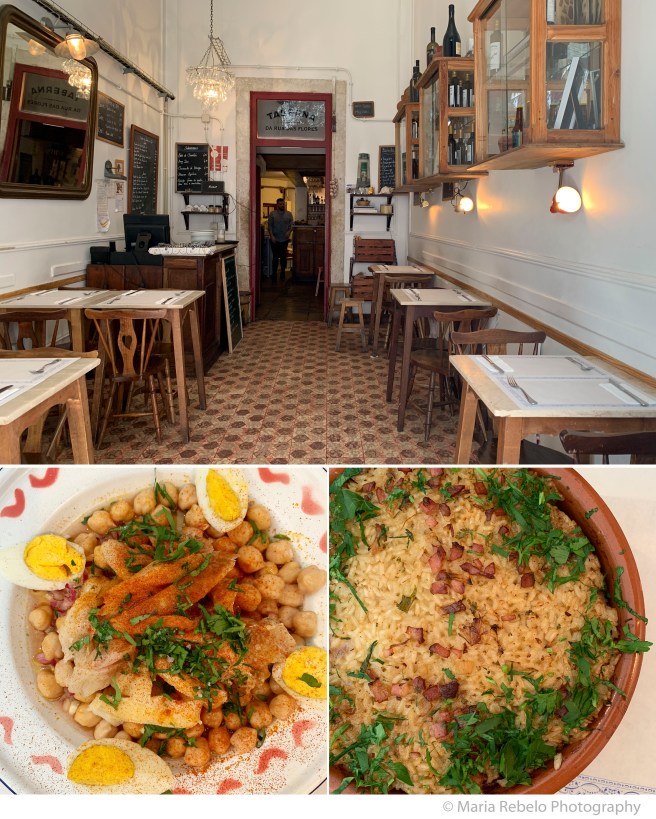
The name of this restaurant on Rua das Flores (flower street) combines the Portuguese word for tavern with the title of a famous novel: Tragedy on Rua das Flores, by the great 19th-century writer Eça de Queiroz.

The Taberna serves traditional home cooking. If you’re adventurous, try the excellent “iscas” (marinated liver).  Otherwise, you’ll find many other great choices, such as carrot and coriander soup, pork with sweet potato and zucchini, duck rice, and codfish with chickpeas. The quirky antique furniture helps create an unpretentious atmosphere. Prices are modest, so every meal has an happy ending.

Eça de Queiroz complained, through the words of one of his characters, that Lisbon lacked a fun place to eat supper after the Opera. One century later, this place exists. It is called Taberna da Rua das Flores.

The Taberna is located on Rua das Flores 103, tel. 351 21 347 9418, email: tabernadasflores@gmail.com. 

Time travel

A vida Portuguesa

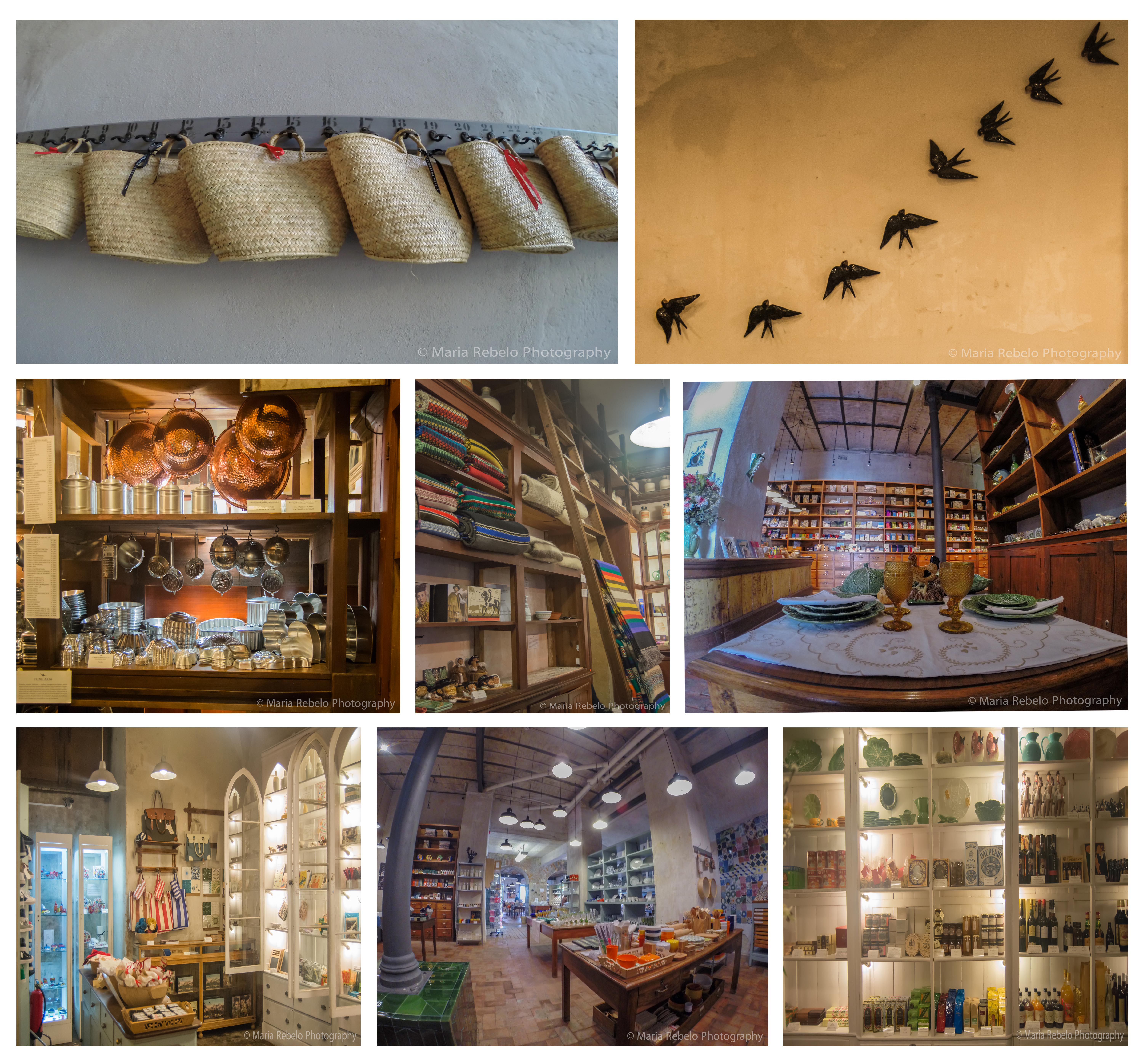
Physicists think that traveling to the past is impossible, but Catarina Portas, a Portuguese entrepreneur, proved them wrong. Through painstaking work, she brought back to life many Portuguese products and brands that had disappeared: beautiful baskets, blankets, ceramics, glassware, pottery, toys, and much more. In her wonderful stores we can be archeologists without dealing with dust and visit the past without giving up our smartphone.

Catarina Porta’s stores are called A Vida Portuguesa (the Portuguese life). There are two in Lisbon, one in Chiado (Rua Anchieta, 11, tel.  213-465-073) and the other in Intendente (Largo do Intendente Pina Manique, 23, tel.  211-974-512). There is also one store in Oporto (Rua Galeria de Paris, 20, tel. 222-0220105). Click here for A Vida Portuguesa’s web site. 

The best “pastel de nata” in Lisbon?

DCIM100GOPRO

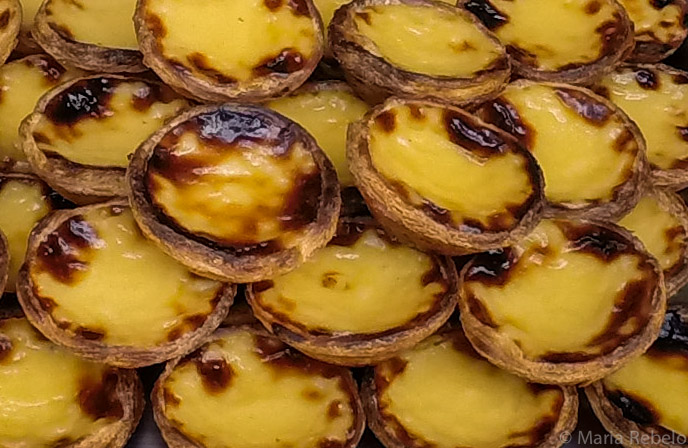
Pastelaria Aloma, a pastry store in the Campo d’Ourique neighborhood, became famous after winning the competition for the best “pastel de nata” in Lisbon in 2012 and 2013. With so many pastry stores and coffee shops vying for this honor, it is a remarkable achievement.

We set out to investigate, on behalf of our readers, whether Aloma’s pastries are indeed a cut above the rest. Our first two visits were in the afternoon and, by the time we arrived, they had run out of pastries! Why don’t they make more? Were they told by a business guru to use scarcity as a marketing tool?

Our third visit was in the morning. We were so eager to try these little pastries that we ate the first pastel very quickly. By the time we noticed the taste, all that was left was a happy hint of lemony sweetness.

We asked for a second specimen. This time we used a scientific approach, taking small bytes and writing detailed notes. Yes, the dough has the perfect crustiness, flakiness, and flavor. Yes, the sweetness of the filling is perfectly balanced by the taste of lemon and the sprinkle of cinnamon.

It was only when we ordered a third pastel that we realized that these pastries have a major flaw: it is hard to stop eating them!

Pastelaria Aloma is located on Rua Francisco Metrass, 67, Lisbon, tel. 21-396-3797.

A magical hotel

DCIM100GOPRO

The new Memmo Alfama hotel in Lisbon is like Ali Baba’s cave. It is located off the beaten path, on a secluded alley in the ancient Alfama neighborhood. And from the simple exterior, it is impossible to guess what’s inside.

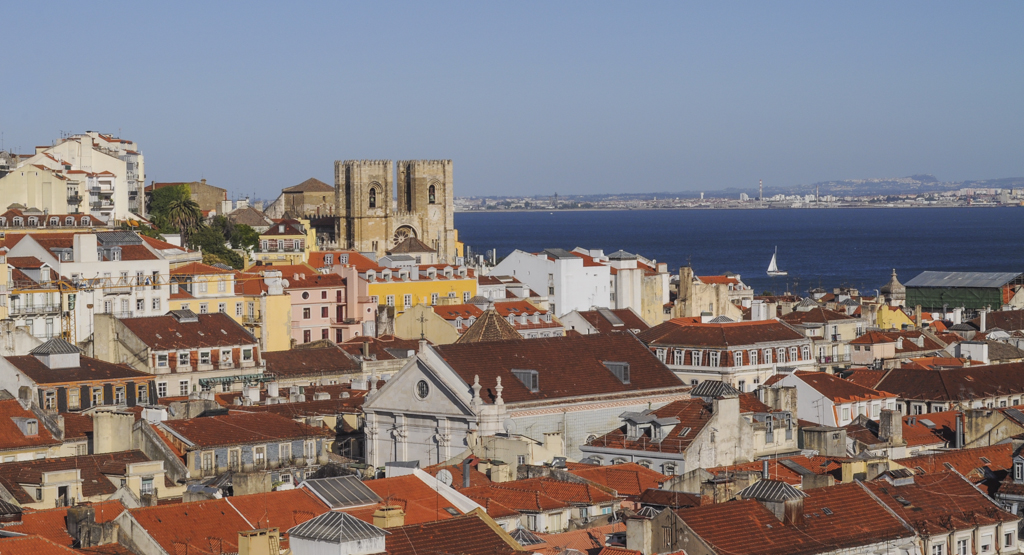
When the doors open, you find an elegant space, decorated with great attention to detail. But the real surprise is the spacious terrace with an astonishing view of Lisbon. The Tagus river, the pantheon, the roofs of Alfama, all these treasures are there for the taking.

Memmo Alfama is a magical hotel that will welcome you, even if you forget to say “open sesame.”

Memmo Alfama is at Travessa das Merceeiras, 27, Lisbon, tel 210 495 660, email alfama@memmohotels.com. Click here for the hotel’s web site.

What is Fado?

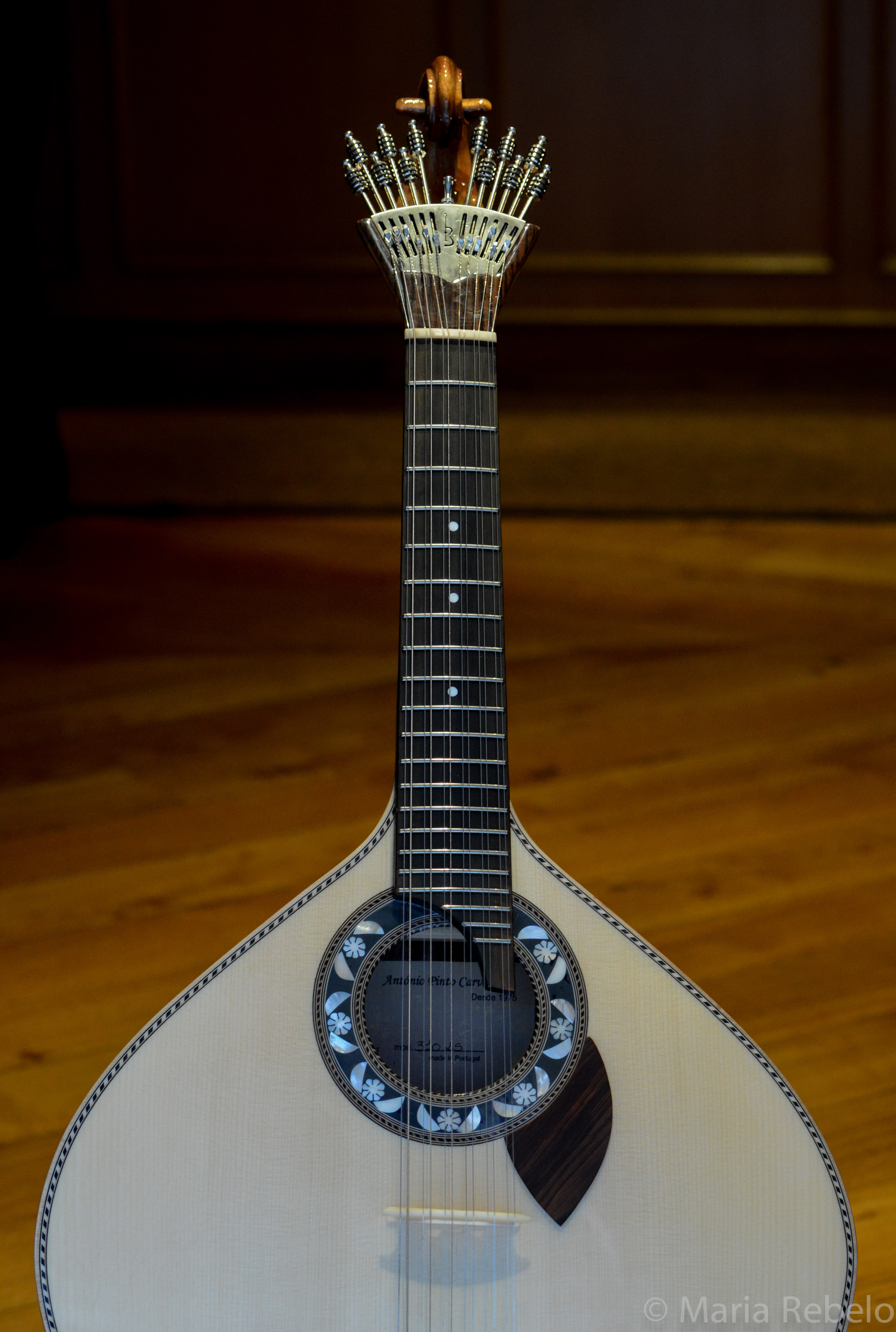
Lisboa_890Guitarra PortuguesaFado is a mystery, said the great singer Amália Rodrigues. This musical style emerged in Lisbon’s old neighborhoods in the 19th century. Its unique character comes from the Portuguese guitar, a twelve-string instrument with a haunting, melancholic sound. No one knows who invented it.

Female singers dress in black, as if they are in mourning. When their voices soar, they express ancient sorrows that don’t fit in the 12-tone scale of western music. So, they reach for the microtones of old Arab prayers. How do they remember these sounds?

Fado is Amália Rodrigues, a singer who could express the inexpressible. When she died, in the last year of the 20th century, fado seemed to die with her. But singers like Carminho and Mariza picked up where Amalia left of, singing with voices that have one thousand trills. Where did they learn them?

You can hear Amalia Rodrigues here. Click here and here for Carminho’s and Mariza’s web sites.