The queen’s in the palace

JV_205-Edit

Her grandfather, who worked in an antique shop, believed that it takes several generations to create a great artist. Maybe this belief was the point of departure for Joana Vasconcelos, who often draws inspiration from age-old artisan techniques. Some of her pieces have a colossal scale, shoes built with pots and pans, giant wrought-iron teapots, towers fashioned out of champagne bottles. But she also makes small, whimsical objects.

In 2012, the Palace of Versailles invited Vasconcelos to showcase her work. The artist filled the palace with glamorous objects made of humble materials: feathered helicopters, ceramic lobsters, giant fabric sculptures, outsize hearts built with plastic cutlery. She dedicated the exhibition to the Portuguese women who work in Paris as concierges.

From March 23 to August 25, Vasconcelos shows her work in a perfect setting: the Ajuda royal palace in Lisbon. Portugal abolished the monarchy in 1910. But, in the arts, Joana Vasconcelos is our reigning queen.

Click here to visit Joana Vasconcelos’ web site. You can see her exhibition at Ajuda from 10 am to 7 pm every day except on Wednesdays. On Saturday the exhibition stays open until 9 pm. Click here for more information.
Portuguese fast food

H3

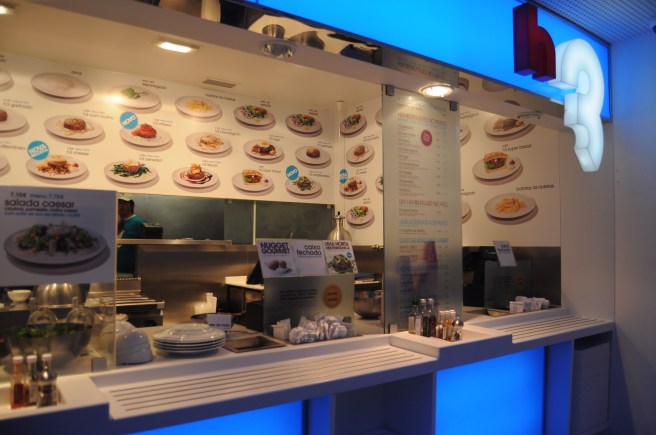
Portuguese cuisine is definitely slow food. You have to wait for the fish to grill, the clams to open, the meat to roast, or the shrimp to cook. If you’re in a hurry, Portuguese cafés offer a wide array of finger foods to eat on the go: tasty codfish cakes (bolos de bacalhau), delicious small pies (empadas), crunchy paninis (tostas mistas), and much more.

But, if you’re in need of something quick and more substantial, try a Portuguese hamburger chain called H3. They cook to order delicious hamburgers made with great ingredients. Start with the wonderful “croquetes de alheira” as a appetizer. Then, choose one of the many burger configurations, with toppings ranging from mushrooms to foie gras. You’ll see why this fast-food chain is growing so fast.

Click here for the H3 website (choose “onde” to see a list of locations). 

Street art in Lisbon

Maria Keil
Maria Keil’s Fisherman, Maria Rebelo, digital print image, 2012.

The most beautiful tiles in Lisbon are not in majestic palaces or soaring cathedrals. They decorate humble subway tunnels and ordinary streets like Infante Santo.

Keil do Amaral, the architect who designed the subway in the late 1950s, was dismayed that there were no funds budgeted to cover the bleak cement walls. His wife, the painter Maria Keil, suggested the use of inexpensive tiles and offered to design them for free.

Keil filled the subway with elegant modernist tiles that brought the art of tile making into the 20th century. She continued, throughout her life, to dress the walls of the city with tiles that make Lisbon feel young and pretty. If you’re visiting the capital, here’s a challenge for you: how many of Maria Keil murals can you find?

A friendly restaurant

Salsa&Coentros

The Portuguese do not like to divulge their favorite neighborhood restaurants, so we’re violating social norms by telling you about Salsa & Coentros (parsley and coriander). It is a delightful restaurant in Lisbon’s Alvalade neighborhood which serves food from the Alentejo and Trás-os-Montes provinces.

Dining at Salsa & Coentros is like visiting a friend who makes wonderful meals with local ingredients such as míscaros (wild mushrooms), cação (dogfish), partridges, wild asparagus, black pig, and fresh octopus.

If you become a regular visitor to Portugal, you’re likely to meet friends who are great home cooks. Until then, you can enjoy the traditional cuisine of Portugal at Salsa & Coentros.

Salsa e Coentros is located at Rua Coronel Marques Leitão, n. 12, Lisbon. Tel. 218410990. 

Two columns

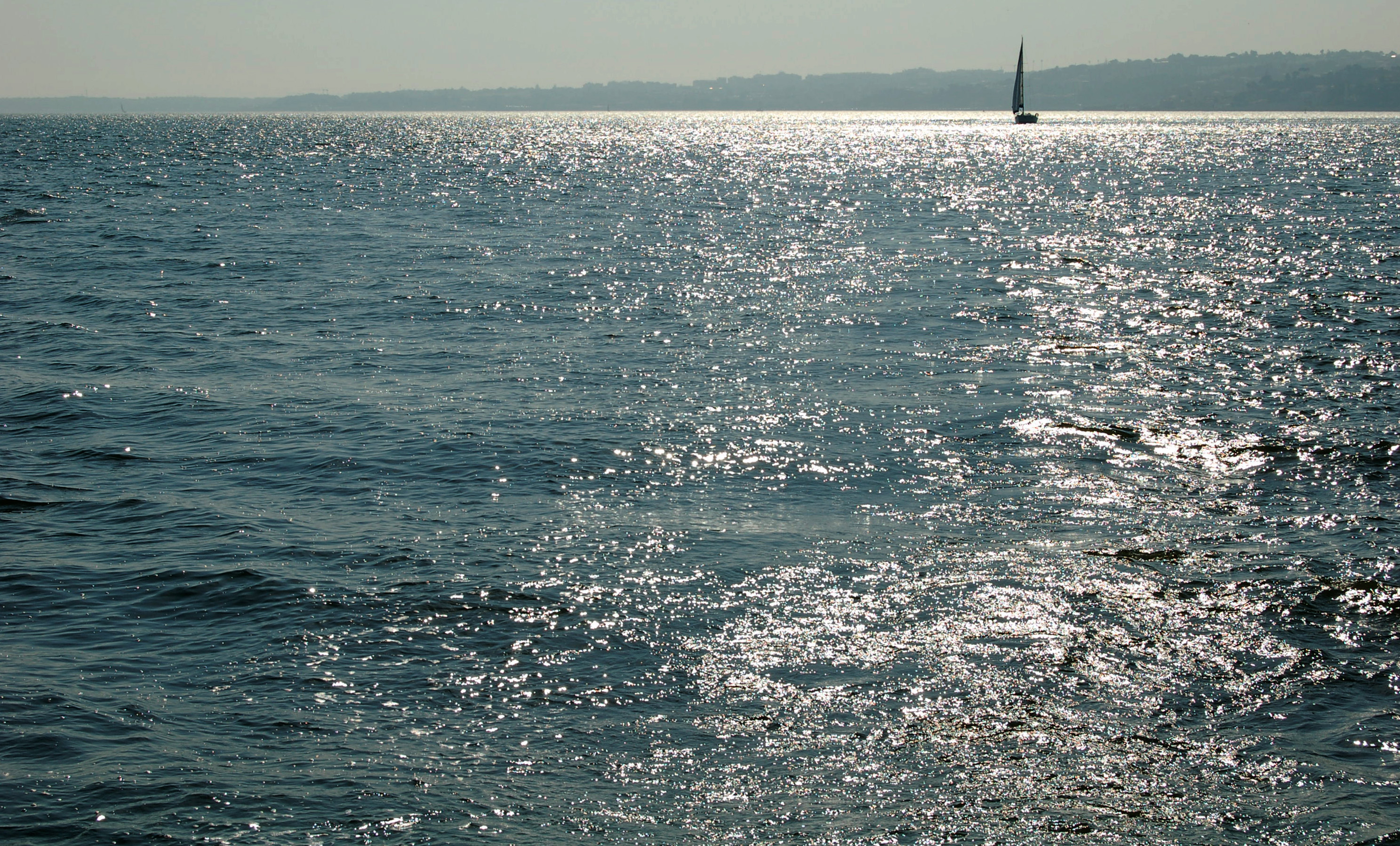
The writer Christopher Hitchins summarized his first impressions of Lisbon with the words, “Mediterranean though it can feel, Portugal is the only European country that has the Atlantic Ocean lapping around in its capital city.’’

We can sense the energy of the Atlantic on the iconic Cais das Colunas, a quay adorned by two columns in Terreiro do Paço. The undulation of the Tagus river echoes the waves of the ocean beyond. The columns mark Portugal as the point of departure and the sea as our destiny.

Oporto smugness

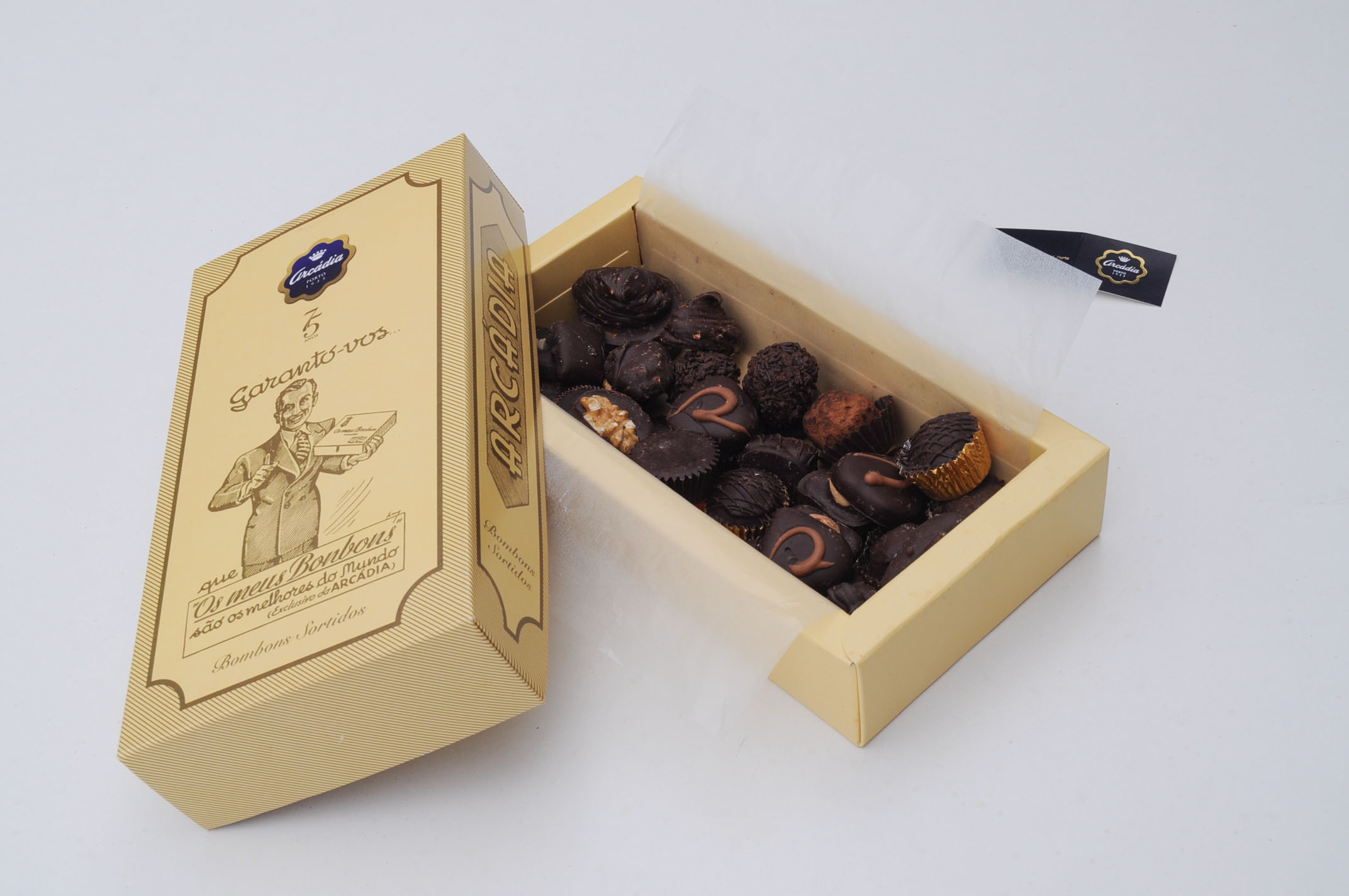
Oporto residents have been smug since 1933. That’s the year when Arcadia, a wonderful artisanal chocolate maker, opened its doors in that northern city. In France, chocolatiers compete for the title of Meilleur Ouvrier de France and the winners receive plenty of fame and recognition. But these are not the ways of Portugal, where we often keep quiet about our great things. So, Arcadia remained under the radar for decades.

In 2010, Arcadia started opening stores outside of Oporto so the rest of the country could finally find out what they’d been missing. There’s a lot to catch up with, from dark chocolate made with São Tomé cocoa, to port wine bonbons, beautiful chocolate roses, and delicious “cat tongues.” No wonder Oporto residents were so smug!

Arcádia, Rua do Almada, 63, Porto, tel. 22 200 15 18, Av. de Roma 14D, Lisboa, tel. 21 840 8670, email online@arcadia.pt. Click here for the Arcadia website. You can also buy Arcadia chocolates at Portfolio, a store in the  Lisbon airport. Click here for their website.

A novelist’s wine

Eça de Queiroz (pronounced essa de kaeroz) is a great 19th century writer whose novels cast a critical eye on Portuguese society.  Eça loved wine from the Colares region, and so do his characters. Here are the words of Teodoro, the protagonist of Eça’s novel, The Mandarin: “What a day! I dined in selfish solitude in a private room at Hotel Central with the table full of bottles of wine from Bordeaux, Burgundy, Champagne, and the Rhine, as well as liqueurs from every conceivable religious community, as if I were trying to quench a thirty-year-old thirst. But the only wine I drank, until I was satiated, was from Colares.”

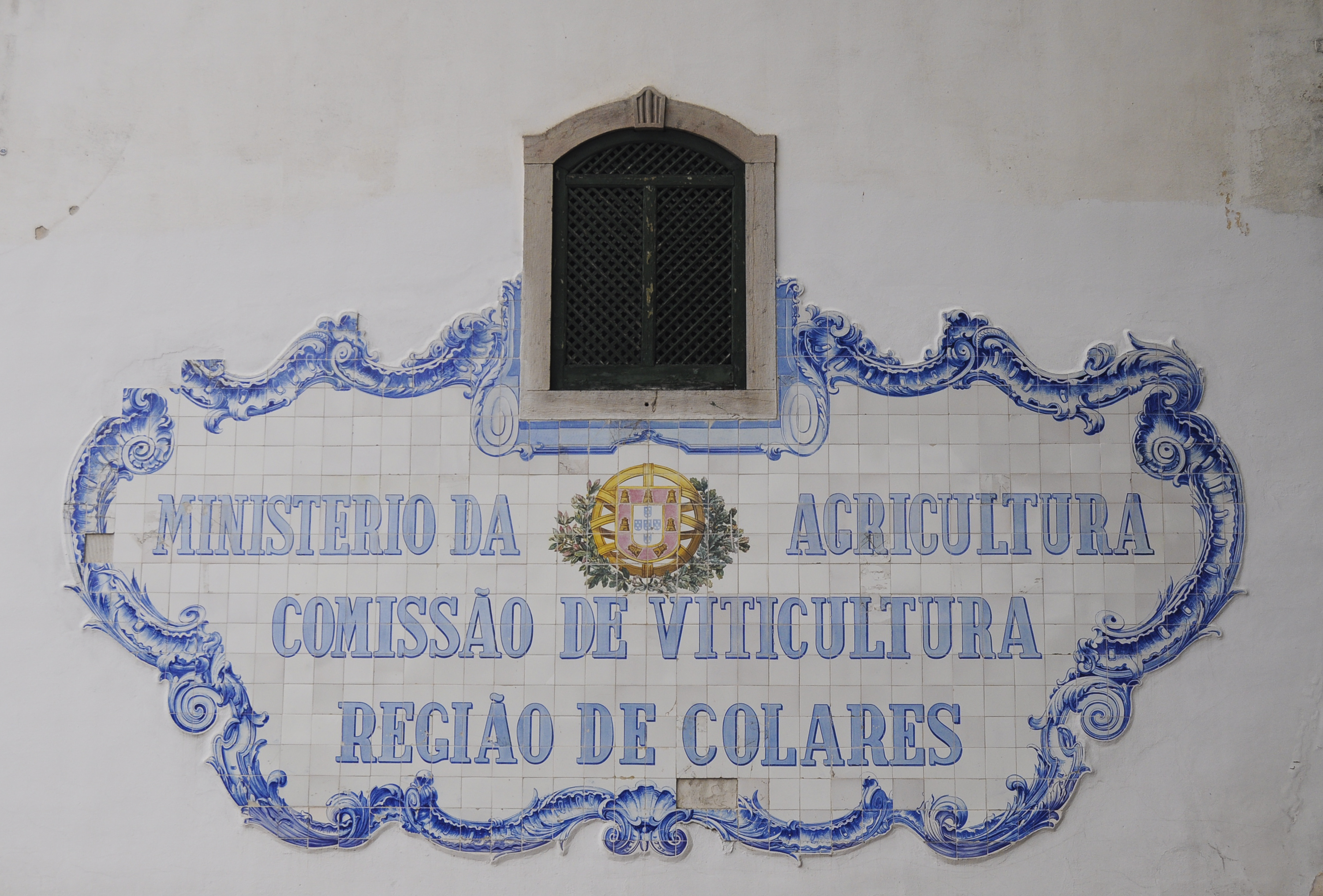
Colares wine is made with a unique varietal called Ramisco. Farmers plant this vine on sand, digging a deep hole until they find a layer of clay to attach the roots. All this hard work paid off during the phylloxera epidemic because Ramisco was one of the few varietals to survive the disease.

If you’re in Sintra and you’re interested in wine, visit the nearby town of Colares to drink a glass of Ramisco at the local cooperative. It’s not everyday that you can taste a wine unscathed by both the phylloxera plague and the criticism of Eça de Queiros.

Adega Regional de Colares, Alameda Coronel Linhares de Lima, 32, Colares, tel. 219291210, email: geral@arcolares.com. Wine tastings by appointment. Click here for the Adega web site.

A perfect weekend in Porto

Perhaps you need a change of scenery to recharge your batteries, but lack the time and energy to plan a perfect weekend. If that’s the case, we’re here to help!

Book a flight to Porto, a city in the north of Portugal. Then, reserve a room at the Freixo Palace, an aristocratic hotel where you’ll be treated like royalty. Next, check the program at Casa da Música, a great performance center designed by Rem Koolhaas, and buy tickets if there’s a show that interests you.

After checking into the hotel, relax with a glass of white port while enjoying the panoramic view of the Douro river. In the afternoon, visit Serralves, a modern art museum designed by Siza Vieira, a Portuguese architect who won the Pritzker prize. For dinner, choose Pedro Lemos or DOP, two restaurants that combine traditional inspiration with great artistry.

On the second day, go on a cruise of the Douro river. You’ll see many Porto landmarks, such as the Dona Maria bridge designed by Gustave Eiffel. Enjoy a “cimbalino” (that’s what Porto residents call an espresso) at the Majestic Café. After coffee, the obvious next stop is Arcadia, an artisan chocolate maker.  Don’t leave Oporto without seeing the Lello bookstore, the place where J.K. Rowling found the gothic inspiration for Hogwarts.  Enjoy a lunch of simply great food at Adega S. Nicolau and spend the afternoon visiting one of the port-wine houses.  For dinner, go to Casario, a restaurant that surprises and delights.

You’ll go back ready for a fresh start with sweet memories of a wonderful weekend.

Click here for Freixo Palace’s website and here for Casa da Música’s website.
Serralves, Rua Dom João de Castro, 210, click here for website.
Pedro Lemos, Rua Padre Luis Cabral, 974, click here for the website.
DOP, Palácio das Artes Largo de S. Domingos, 18, click here for website.
Majestic Café, Rua Santa Catarina, 112, click here for the web site.
Arcadia, Rua do Almada, 63, click here for website
Lello bookstore, Rua das Carmelitas 144 , Porto.
Adega S. Nicolau, R. São Nicolau, 1, Ribeira. Tel. 222-008-232.
Casario, Praça da Ribeira, Viela do Buraco, nº19, click here for web site.

The resilient beauty of Lisbon

On November 1, 1755, Lisbon woke up with the rumble of a devastating earthquake. By the end of the day the city was covered with ashes and rubble, stripped of its magnificent buildings and opulent commerce.

What was left? In the words of Alfredo Mesquita: “There was still the Tagus river, blue and bewitching, cloaked in velvet by the crystal clear sky which is studded with stars by night and gilded with sunlight by day. And the noble, melancholic majesty with which the city reclines, its feet bathing in the waters, elegant and regal, on the throne of its seven hills.”

Alfredo Mesquita, Lisboa, Empreza da História de Portugal, Livraria Moderna, 1903.

Contemporary art in Cascais

If you’re interested in contemporary art, be sure to visit the Cascais museum devoted to the Portuguese painter Paula Rego. Her work is housed in a striking building designed by Eduardo Souto de Moura, a Portuguese architect who received the Pritzker prize in 2011. Rego uses ordinary faces, objects, and landscapes from Portugal to paint unusual scenes that challenge visual and social conventions.