Liquid inspiration

Ginginha

“Com elas ou sem elas?” with or without, asked the waiter as we got to the front of the line at “A Ginjinha,” a small bar in Lisbon’s Largo of São Domingos. “With” we answered. He nodded with approval, picking up a bottle with a cherry infusion to pour the liquid into a small glass, deftly lifting a wood stopper to let a single cherry go by.

The bar’s specialty is a delicious liqueur called “ginjinha” made of sour cherries. It is produced in the nearby village of Arruda dos Vinhos and bottled under the brand Espinheira. The name is a tribute to Francisco Espinheira, the monk who, according to legend, had the brilliant idea of macerating sour cherries (ginjas) in brandy, sugar, and cinnamon.

A Galician entrepreneur opened the bar in 1840 to serve ginjinha to the public. Five generations later, the bar still belongs to his family.

Fernando Pessoa, the great poet, was a regular customer at A Ginjinha.  What a privilege it is to drink from the same source of inspiration!

A Ginjinha is located on Largo de São Domingos, 8, Lisbon.


Quinta do Vallado

Quinta do Valado Composit

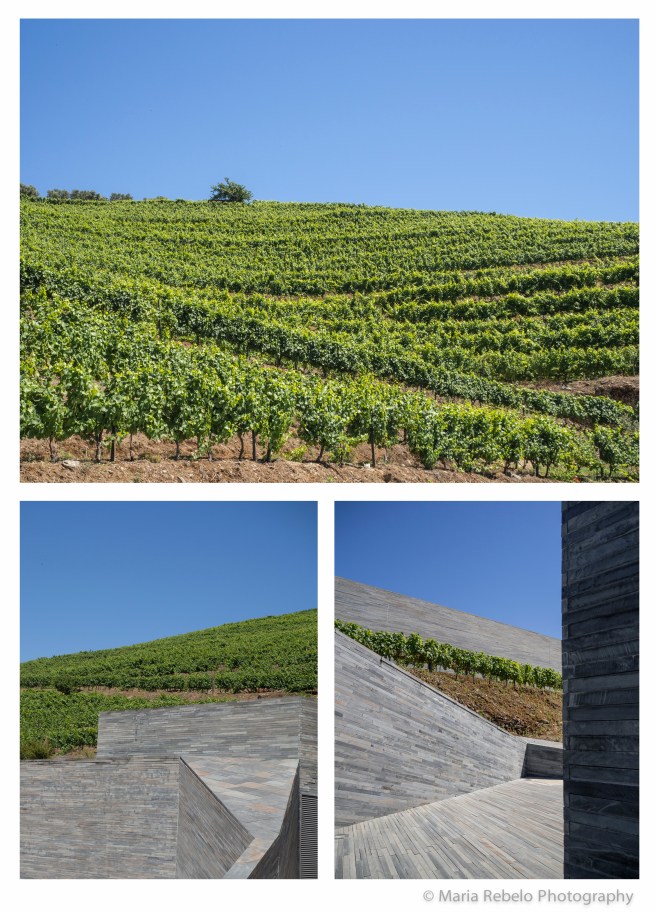
We wonder whether god created the Douro as a test. It gave the region poor soils and a mountainous terrain, scorching Summers and freezing Winters. But if humans persevered and made a living in this land, they would be rewarded with magnificent wines.

The soil, composed of schist and granite, forces the vines to struggle and produce small grapes that are full of flavor. No one believed more in these grapes than Dona Antónia Ferreira. She made a fortune producing port wine in the beginning of the 18th century and reinvested it all in the Douro, owning at one point 37 vineyards.

This Summer we had the privilege of visiting one of these vineyards, the Quinta do Vallado,  which dates back to 1716. We toured the cellars and tasted some of the quinta’s great table wines.

At the end of our visit, we drank some wonderful old tawny port. With our glasses full of this golden nectar, we toasted the people of the Douro and their magnificent wines.

Quinta do Vallado is located in Vilarinho dos Freires, Peso da Régua, tel. 254 323 147. Click here for their web site.

Ruby, Vintage or Tawny?

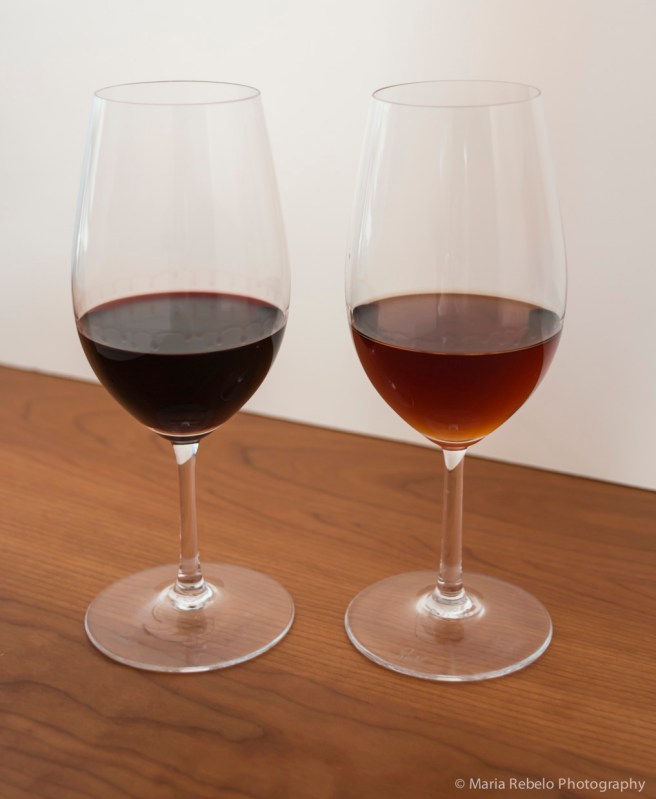
2 Port wines

People in the Douro valley say that babies and port wines are often born at night. Port producers let the grape juice ferment for about three days. They choose the perfect moment to add a neutral grape spirit (aguardente) that stops the fermentation before the yeast eats all the grape sugar. This moment often comes in the middle of the third night.

Most of the Douro grapes are used to produce ruby ports. These ports are first stored in cement or stainless-steel vats to prevent oxidation, then bottled. The result is a wine that retains a dark ruby color and fresh fruit flavors.

When the quality of the grapes is exceptional, port-wine producers declare a vintage year. These ports are stored in wood casks for one or two years and then bottled. With little exposure to air, the wine is dark red. Aging brings out complex flavors, such as notes of vanilla, chocolate, and blackberry.

The best grapes are also used to produce tawnies. These ports are aged for many years in casks made of Portuguese chestnut and oak. This aging process creates complex flavors and gives the wine a silky mouthfeel. The small amount of air that circulates through the tiny pores of the wood oxidizes the wine slightly, changing its color from red to amber.

It is wonderful to share a glass of ruby port with new friends. But there’s nothing like drinking old vintages and tawnies with old friends.

Europe’s most western vineyards

DCIM103GOPRO Baron Bodo Von Bruemmer, born in Tsarist Russia in 11/11/1911, made a fortune working as a banker in Switzerland. Then, at age 51, he was diagnosed with a terminal disease and told he had two years to live. He decided to look for a place where, after his passing, his wife could live without worrying about money.

Von Bruemmer came to Portugal and fell in love with the country. He bought Casal de Santa Maria, a farm in Colares near Sintra. There, he spent his days breeding Arabian horses and planting roses. The airs of Colares nursed the baron back to health and today, at 104 years of age, he continues to thrive.

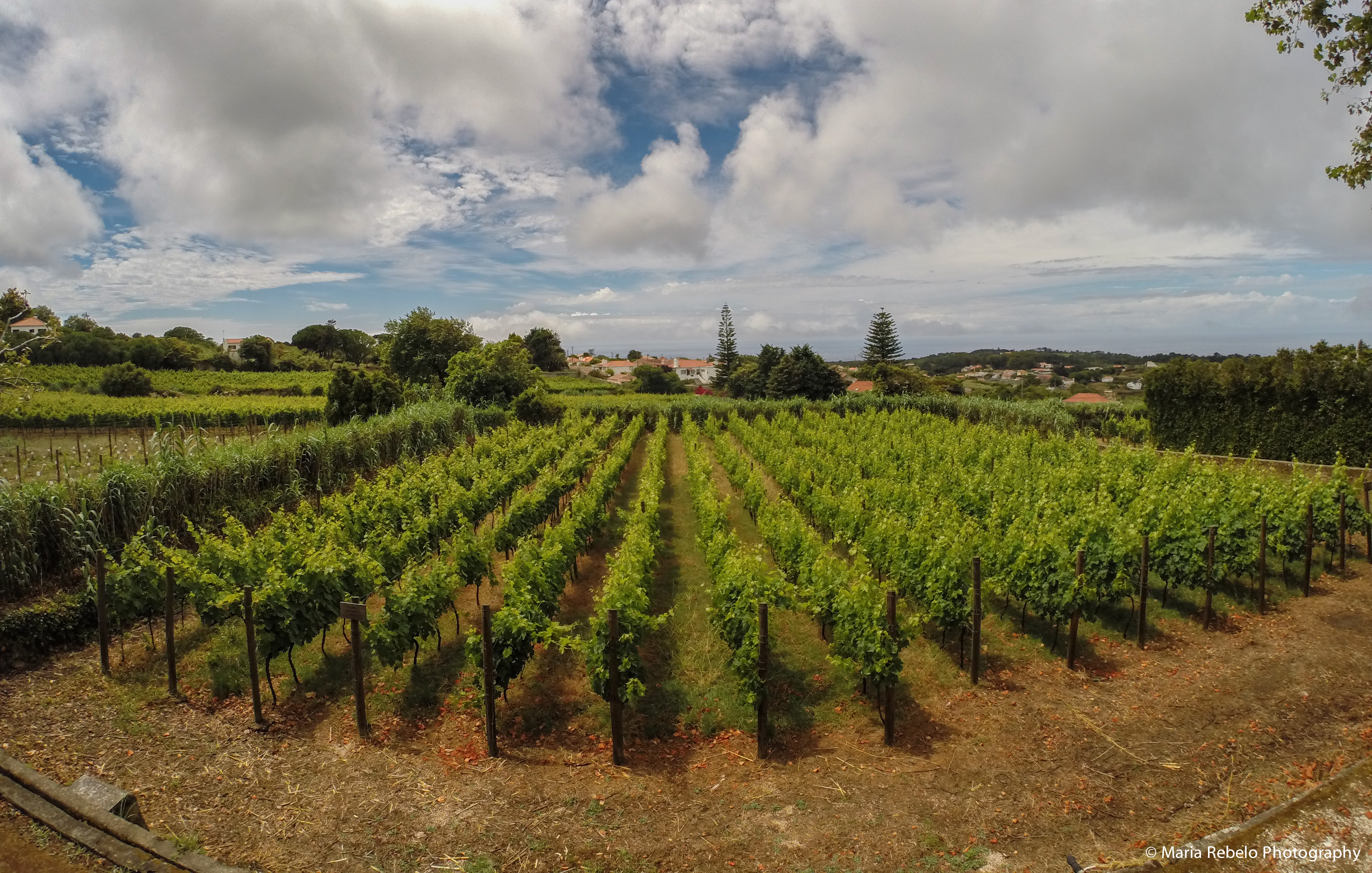
In 2007, shortly after his 96th birthday, Von Bruemmer felt the urge to plant a vineyard. He knew nothing about wine making, but was eager to learn. Since then, he has become a legend. With the help of a talented team of enologists, he planted the most western vineyard in continental Europe. Close to the sea, cooled by the Atlantic winds, its unique terroir produces amazing wines, salty, aromatic, and with great minerality.

The baron continues to plant new vines and supervise new projects. He makes his decisions using a small brass pendulum. If the pendulum rotates clockwise the answer is yes. Otherwise, it is no.

Every day, Von Bruemmer drinks a glass of champagne. But soon, he will drink instead the sparkling wine that, with the help of his pendulum, he decided to produce.

Casal de Santa Maria is a magical place, where vineyards surrounded by roses produce some the world’s most interesting wines.

Postscript: Baron Bodo Von Bruemmer passed away in November 2016 at 105 years of age. He set up a foundation so that Casal de Santa Maria can continue to produce the wines of a Russian Baron who fell in love with Portugal.

Casal de Santa Maria is located on Rua Principal Casas Novas, n. 18/20, Colares, tel 219-292-117, email geral@casalstamaria.pt.

Wine lessons

Adega Mãe Composit

If you’d like to learn more about wine, we have the perfect plan. Adega Mãe, a new winery in the Lisbon region, organizes one-day courses on wine appreciation that are seriously fun.

The morning is devoted to the theoretical aspects of wine making and wine tasting. After a coffee break, the practice begins. Guided by an experienced enologist, you taste Portuguese wines made with different varietals and compare them with foreign wines.

Once your palate is trained, lunch is served in the beautiful dining room that overlooks the vineyards. Wines produced with grapes from these vineyards are carefully matched with each different dish.

After lunch, there is opportunity to ask more questions and taste more wine. Don’t leave before trying Adega Mãe’s elegant Alvarinho white wine!

Adega Mãe is located near the town of Torres Vedras. Click here for their website. To ask about their wine appreciation courses email enoturismo@adegamae.pt

Adega Mayor

Adega Mayor

If you’re a wine lover traveling in Alentejo, don’t miss the chance to visit a wonderful winery called Adega Mayor. It is located in Campo Maior, a region on Portugal’s border with Spain that was once the stage of fierce battles between the two countries.

Adega Mayor was designed by Álvaro Siza Vieira, a Portuguese architect who received the Pritzker prize. He is famous for his ability to create buildings that are in harmony with their surroundings. At Adega Mayor, he succeeded brilliantly. The winery is a subtle white accent on the Alentejo landscape, toped by a terrace with amazing vistas. It is extraordinary to sit on the terrace at sunset and watch the Alentejo sky painted with colors others skies can only dream of.

The wines of Adega Mayor are produced with immense skill and care. But they offer much more than technical perfection. They carry in them the soul of Alentejo.

We left Adega Mayor with a warm feeling of optimism. We saw ancient battle fields turned into peaceful vineyards that produce extraordinary wines.

Click here for Adega Mayor’s website.

In the footsteps of the angels

Porto-Fixed_135F

If you keep a list of ideas for fun activities, we would like to suggest a new entry: visiting a port-wine cellar.

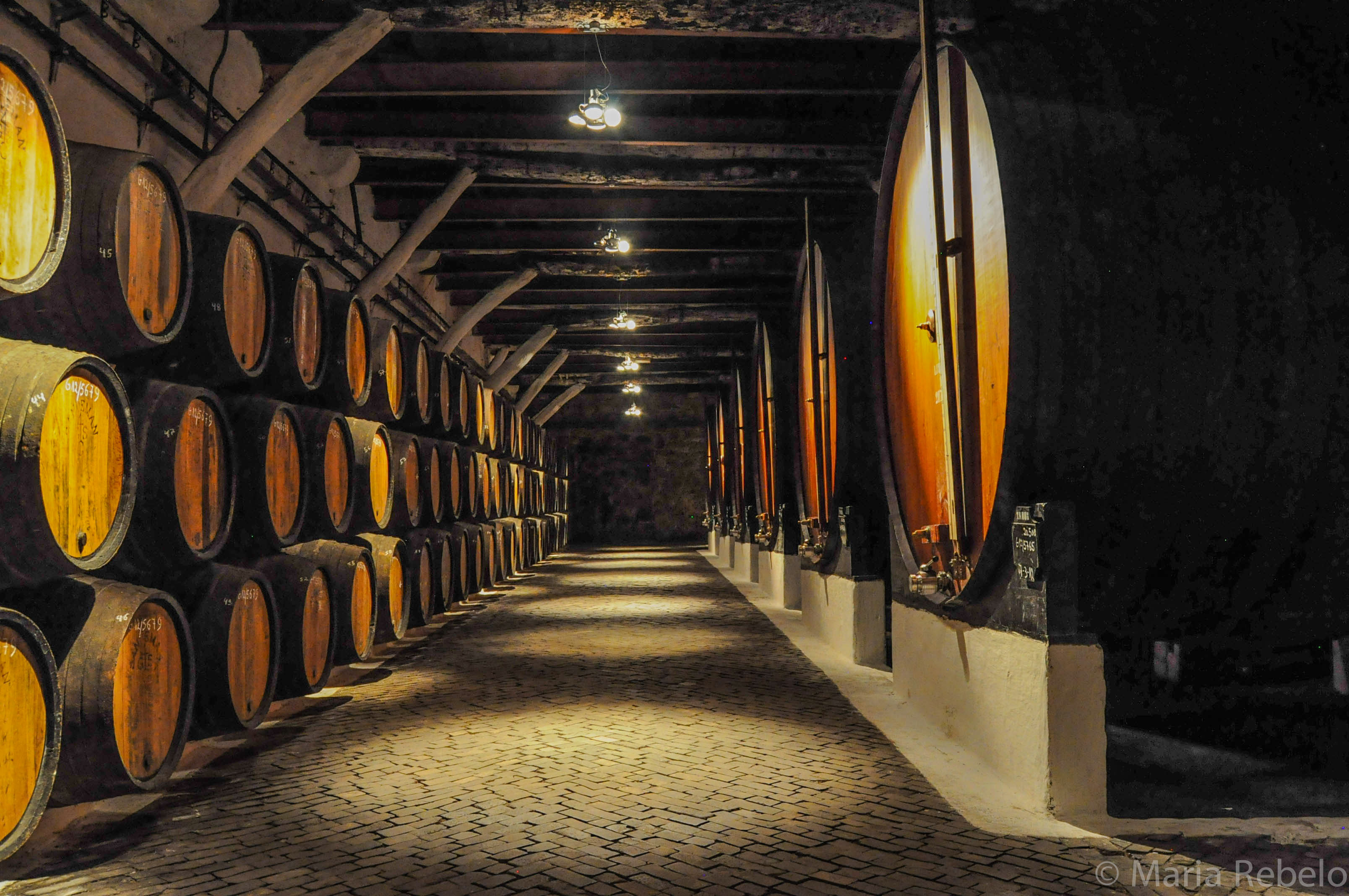
Port wine is made in the Douro region where Summers can be very hot. So, the wine is shipped to Vila Nova de Gaia, a town adjacent to Oporto, to be stored away from the heat. There, the wine is kept in dark, cool cellars until it trades the brashness of youth for the refinement that comes with maturity.

Most port-wine houses offer tours of their cellars. The tour guides teach you to distinguish between tawny, ruby, late-bottled vintage, and vintage port. They also regale you with interesting stories and facts about port-wine production. You’ll learn, for example, that the “share of the angels” is the fraction of the wine stored that is lost to evaporation. At the end of the tour you are invited to a port-wine tasting, so you’ll also get a share of this precious nectar.

Sandman’s and Taylor’s are two of the most popular cellars to visit. Click here and here for information about their tours.     

Madeira wine

MadeiraMadeira is a fortified wine produced in the island of Madeira. Brandy is added during fermentation to kill the yeast and prevent it from converting all the sugar into alcohol. The result is a sweet wine that can endure the changes in temperature that used to occur during shipping.

George Washington and Thomas Jefferson kept their cellars well stocked with Madeira. So did John Adams, who said that a few glasses of Madeira made anyone feel capable of being president. Perhaps for this reason, both the signing of the American Constitution and the Declaration of Independence were celebrated with Madeira.

There are several different types of Madeira, depending on the varietals used in their production. The most popular varietal, Malvasia or Malmsey, produces a sweet, smooth wine. Sercial makes an excellent dry aperitif. Verdelho makes an elegant semi-dry wine. Bual produces a dark amber semi-sweet wine.

They’re all irresistible, which is why, in Shakespeare’s play Henry VI, Falstaff is accused of selling his soul to the devil for a glass of Madeira.

Cork secrets

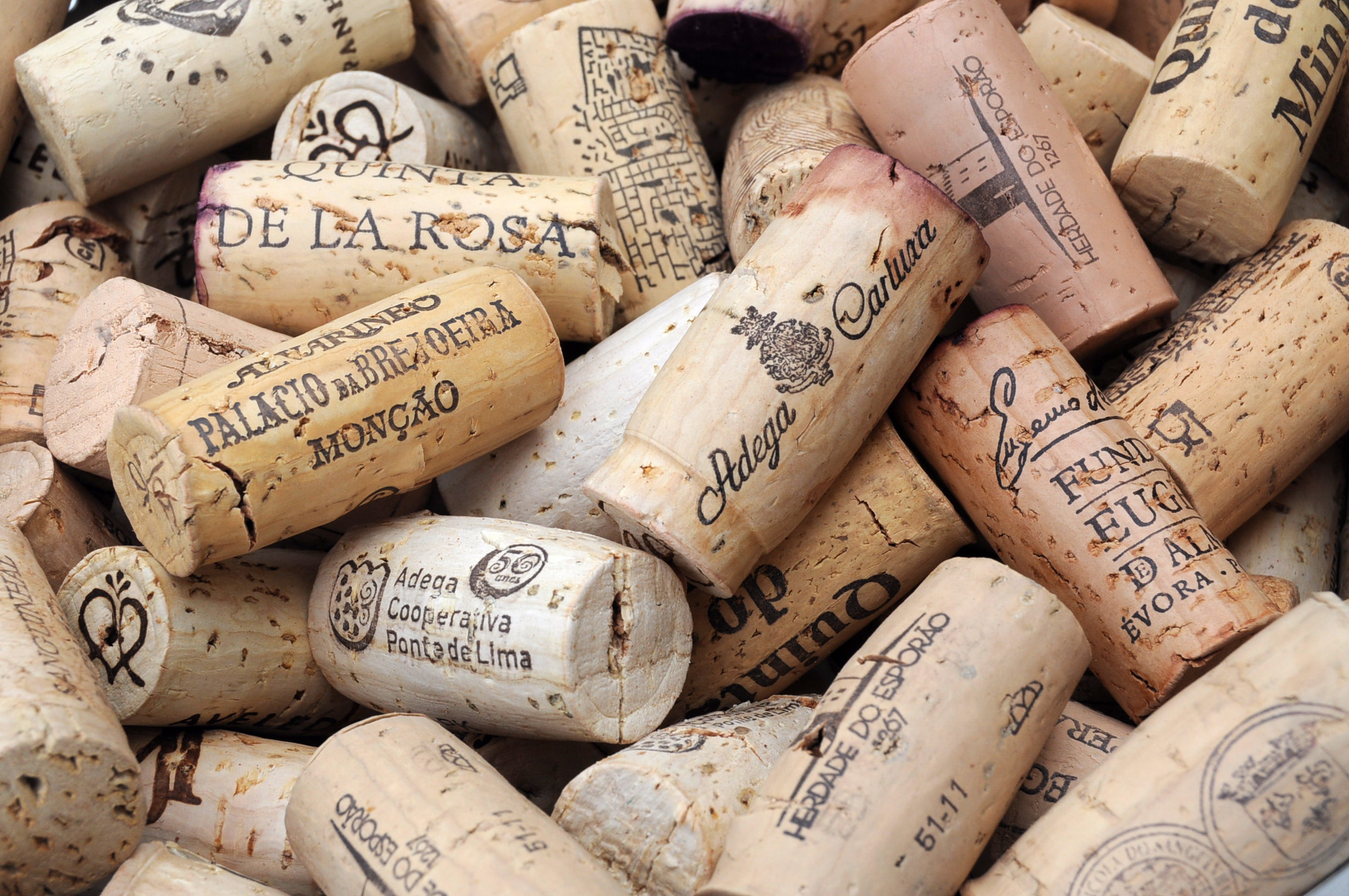
You can’t judge a book by its cover, but you can rate a wine by its cork. Low-quality wines use plastic corks or other cork substitutes that do not allow the wine to breathe. The next step up in the quality ladder are wines that use stoppers made of agglomerate cork. Better wines have solid corks, and the very best wines have beautiful waxed corks with the winery’s name carefully imprinted.  So, when a wine critic is not available, use the cork as your guide!

A Portuguese symposium

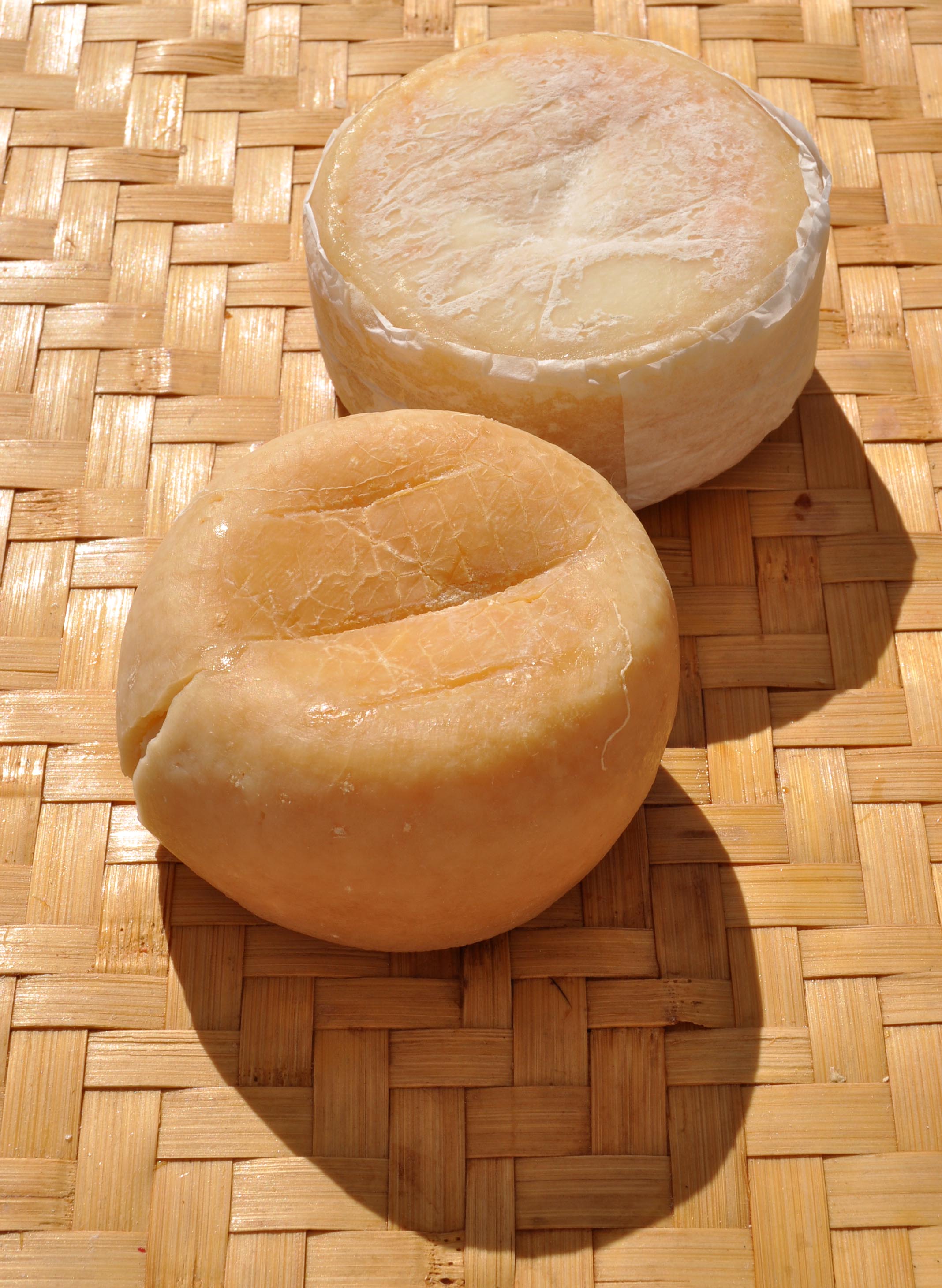
Queijo de AzeitãoSymposium is a Greek word that means drinking together. It refers to parties in which people sat around, drinking wine and talking about life. One of these parties, attended by Socrates, was immortalized by Plato in his writings.

You can easily recreate a symposium atmosphere in Portugal. First, invite some great friends. Second, procure three great ingredients: rustic bread, Azeitão cheese and Piriquita wine.

Azeitão is produced with sheep milk in small farms in the Arrábida mountain with the same techniques used to make Serra cheese in the Estrela mountain. But different pastures make different cheese, so Azeitão has a taste all of its own. Piriquita is a wine from the nearby Palmela region, produced with a grape varietal known as Castelão or Piriquita.

This wine and cheese are a heavenly pairing. So, you’ll have a good time, even if no philosophers show up. But, if you’re lucky, the conversation will be so brilliant that people will still talk about your party in 2500 years.

The Azeitão cheese produced by Fernando & Simões in Quinta do Anjo is one of our favorites.