Wellington’s wine

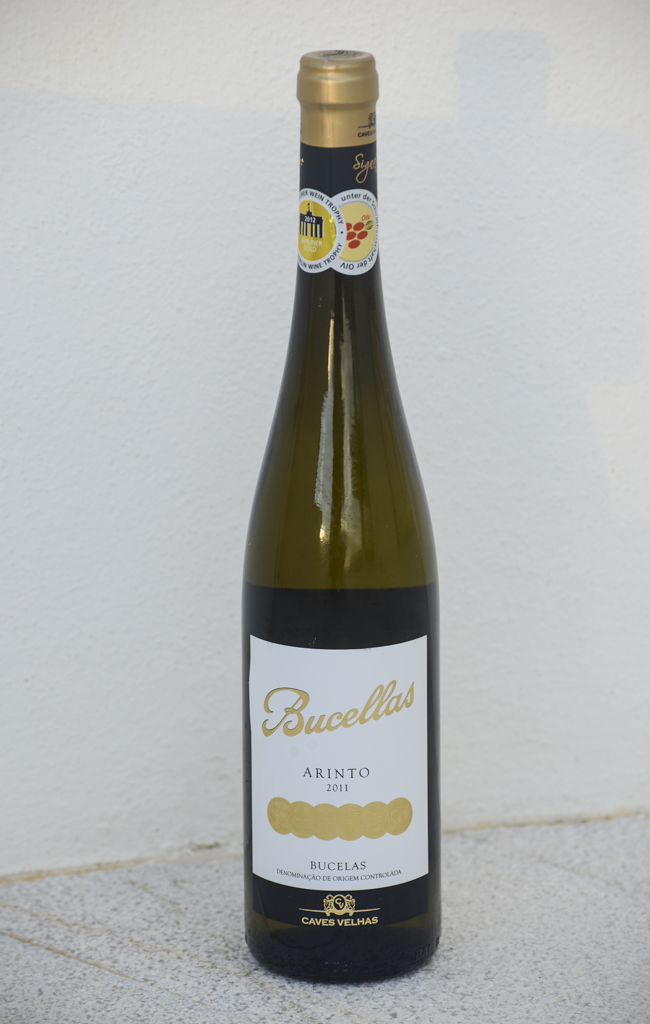
DSC_1082-FDuring the Napoleonic wars, the Duke of Wellington stationed his troops in the Bucelas region, north of Lisbon. There, he drank a white wine made with Arinto, an indigenous varietal. He enjoyed it so much that, after the war, he imported large quantities back to England. Wellington offered some bottles of Bucelas to King George III, who claimed that they cured him of a troublesome kidney disease. The wine continued to gather fame during the Victorian era. German Rieslings were known in England as “Hock,” so London wine merchants called Bucelas “Portuguese Hock.”

When the British publisher Henry Vizetelly arrived in Portugal in 1877 to work on a book about wine, his first stop was Bucelas. He writes that the young wines are “remarkably fresh in flavor,” and the older wines are “rounder and more aromatic” with a “soft, almondy after taste.” He concludes that: “Certainly purer wines than these are not easily met with.”

Bucelas was enjoyed by Thomas Jefferson and Charles Dicken, but its fame dwindled over time. If you’re in Portugal, make sure to try this inexpensive, wonderful wine. Wine fashions come and go, but the remarkable freshness of Bucelas is here to stay.

A novelist’s wine

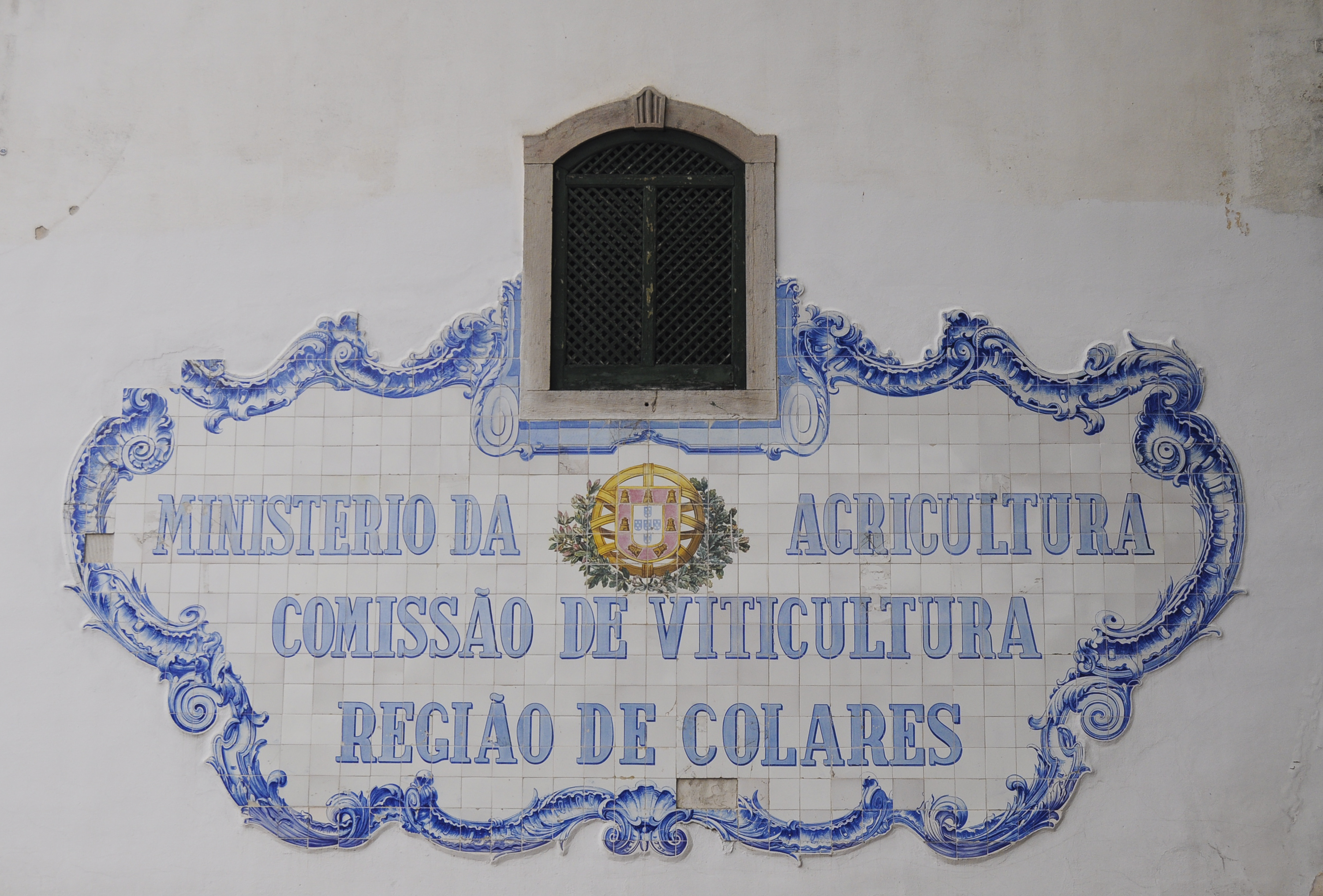
Eça de Queiroz (pronounced essa de kaeroz) is a great 19th century writer whose novels cast a critical eye on Portuguese society.  Eça loved wine from the Colares region, and so do his characters. Here are the words of Teodoro, the protagonist of Eça’s novel, The Mandarin: “What a day! I dined in selfish solitude in a private room at Hotel Central with the table full of bottles of wine from Bordeaux, Burgundy, Champagne, and the Rhine, as well as liqueurs from every conceivable religious community, as if I were trying to quench a thirty-year-old thirst. But the only wine I drank, until I was satiated, was from Colares.”

Colares wine is made with a unique varietal called Ramisco. Farmers plant this vine on sand, digging a deep hole until they find a layer of clay to attach the roots. All this hard work paid off during the phylloxera epidemic because Ramisco was one of the few varietals to survive the disease.

If you’re in Sintra and you’re interested in wine, visit the nearby town of Colares to drink a glass of Ramisco at the local cooperative. It’s not everyday that you can taste a wine unscathed by both the phylloxera plague and the criticism of Eça de Queiros.

Adega Regional de Colares, Alameda Coronel Linhares de Lima, 32, Colares, tel. 219291210, email: geral@arcolares.com. Wine tastings by appointment. Click here for the Adega web site.

Portugal’s star wine varietal

Touriga Nacional, Rui Barreiros Duarte, ink on paper, 2012.

There is a Portuguese saying, “muita parra, pouca uva,” (leafs are many but grapes are few) that applies to Touriga nacional. This varietal has very small grapes. But they burst with flavor through a thick skin that gives the wine an intense red color. Touriga has been planted for centuries in the Dão region but has little name recognition outside of Portugal.

If you are a wine lover, it is worthwhile to learn how to say Touriga nacional (toereega nacional), because this grape is destined for stardom. So, when the Touriga frenzy takes over the world, you’ll be able to say: I drank those fantastic Touriga wines when they were great buys because almost no one outside Portugal knew about them.

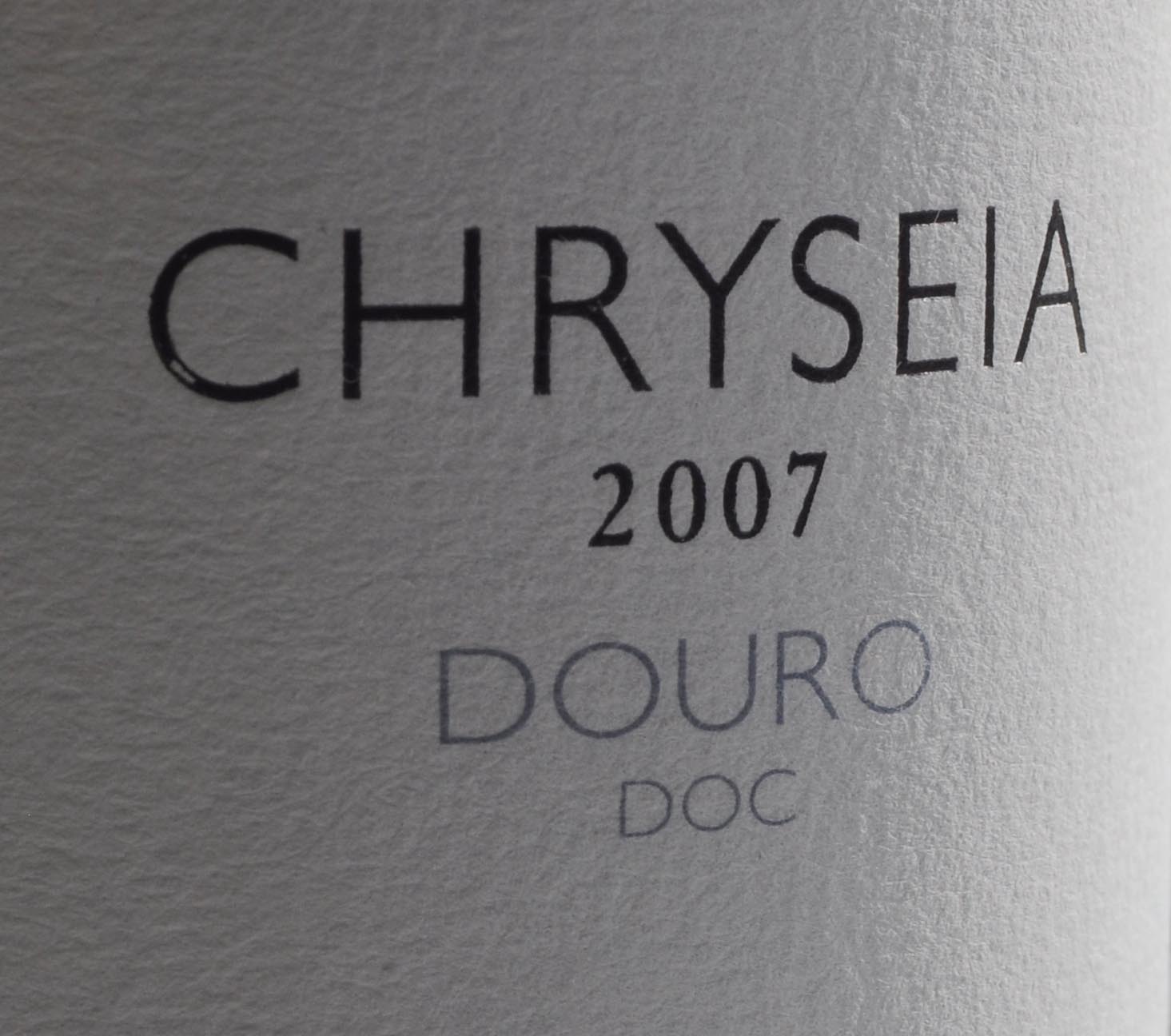
Chryseia

Even though Douro is the world’s oldest demarcated wine region, it is not know for its table wines. Douro winemakers produced port wine in part because of climatic conditions. The weather can be very hot during the harvest season, raising wine fermentation temperatures and killing the yeast that converts sugar into alcohol. When Fernando Nicolau de Almeida produced the first Barca Velha, in 1952, he famously carted blocks of ice at great expense to control the fermentation temperature.

The combination of modern wine-making technology and the Douro’s unique grapes is heralding a new era for the region. One example of this new beginning is Chryseia, a wonderfully elegant table wine made with grapes traditionally reserved for the great vintage Ports. It is produced by Bruno Prats, the famous wine maker from Bordeaux, and the Symington family, renowned for their port wines.

Chryseia means golden in Greek. The name is a reference to the Douro region (Douro means “made of gold” in Portuguese). But it is also a sign that, when two great wine names get together, they’ll settle for nothing less than brilliant.

The future of Bairrada

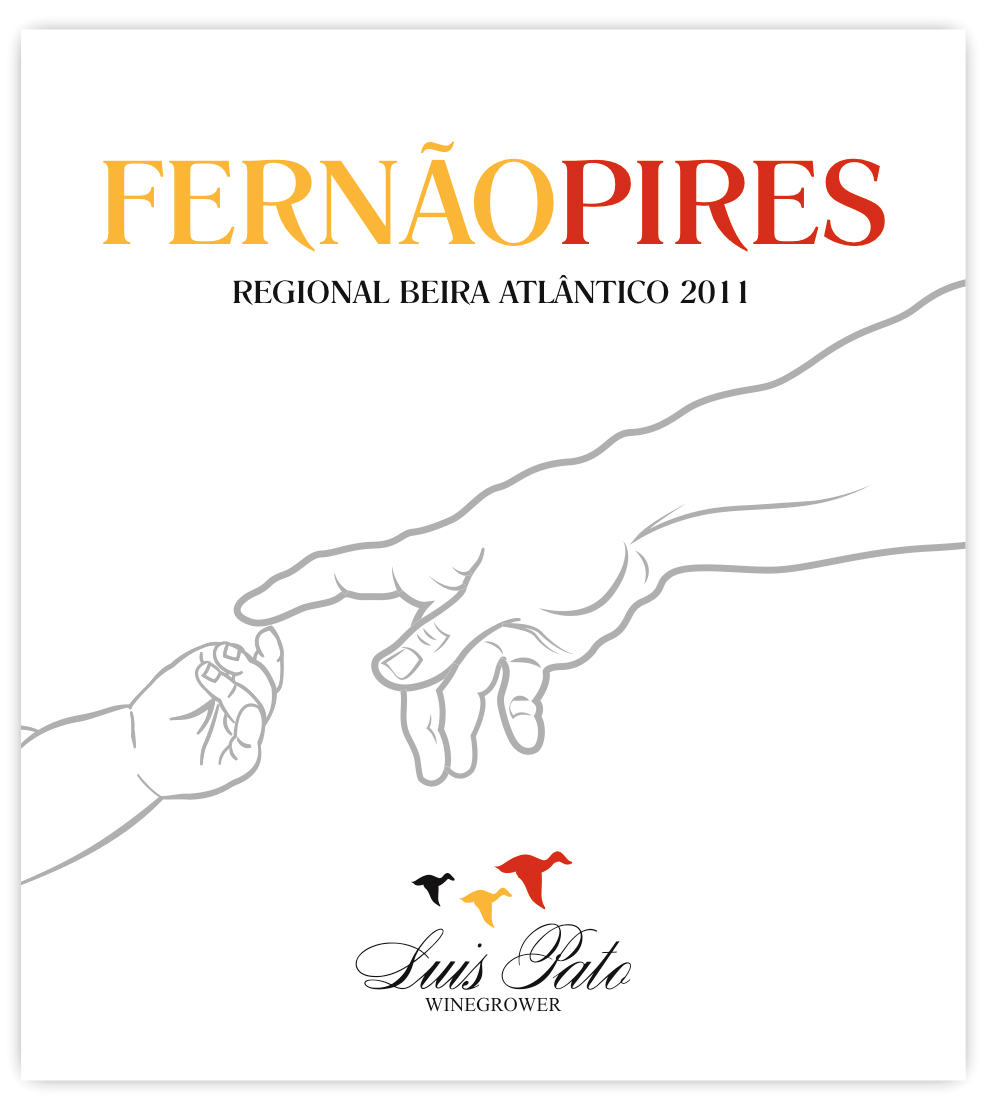
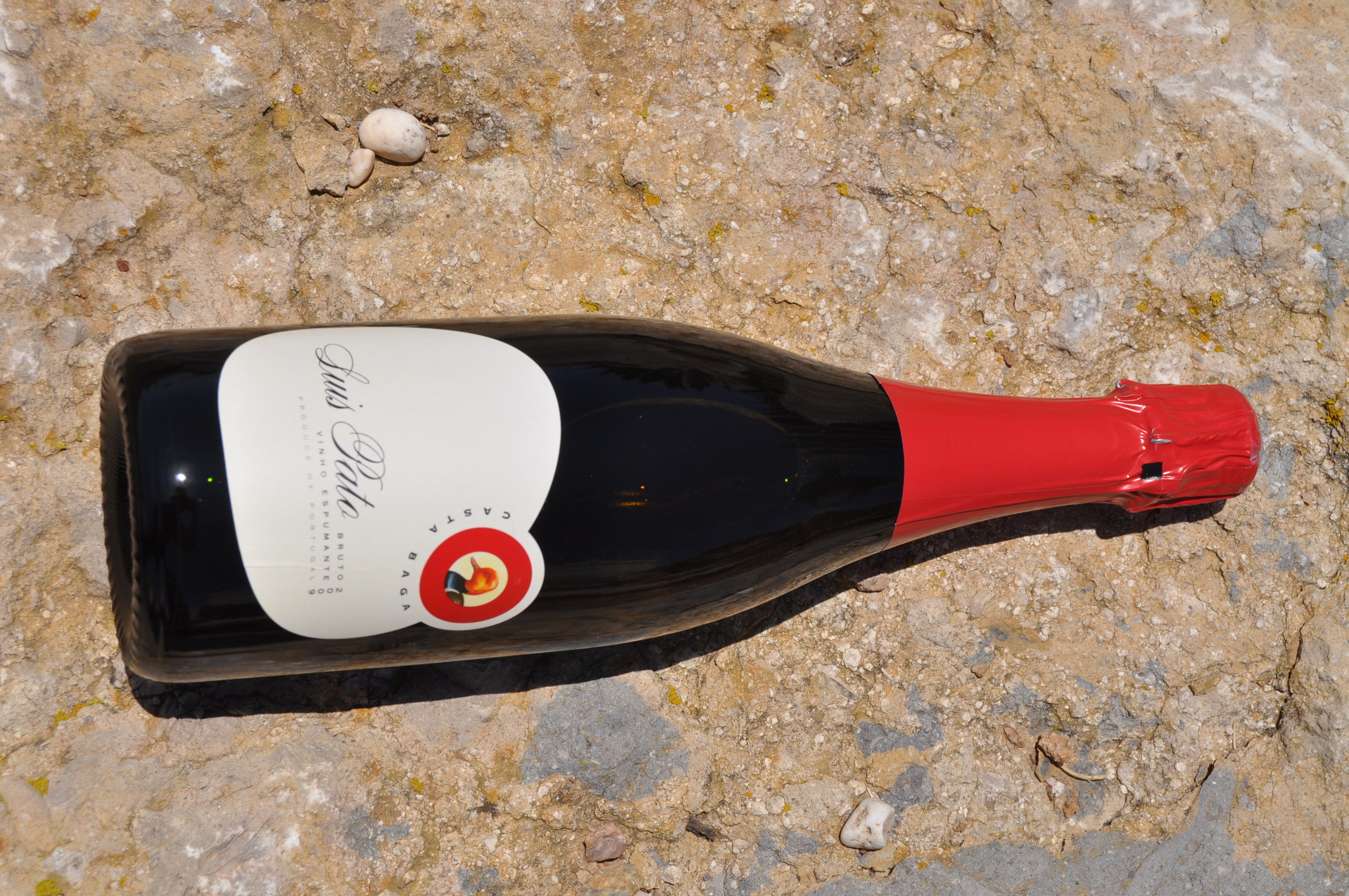
When we have something great to celebrate, we do not drink French Champagne or Italian Prosecco. We much prefer to get our sparkles sipping Espumante from Bairrada, a region that has produced wine since the 10th century. Our favorite Espumante is made by Luís Pato with a white varietal known in Bairrada as Maria Gomes and elsewhere as Fernão Pires.

We just heard from Luís Pato that his newest creation is a red wine made with this white grape. The wine marks the birth in 2011 of his new grandson, Fernão. And it celebrates the future of Bairrada as one of the world’s premier wine regions. Cheers!

Luís Pato


According to an old saying, you need three men to drink a bottle of Bairrada wine, one to do the drinking, and the other two to help him stand up.

Bairrada wines do not actually have a high alcoholic content. But they do have a strong taste imparted by a local varietal, the baga. There was a time when Bairada producers started replacing the baga with French varietals to appeal to the international wine market.

This trend would probably have continued if it weren’t for Luís Pato. This maverick wine maker was determined to make exceptional baga wines. Success was not easy. He had to defy tradition and find new methods to produce and age his wines. But his results are magnificent. Which is why star chefs, like the brilliant Jean-Georges Vongerichten, include Pato’s wines on their wine lists.

You need three people to drink a bottle of Luís Pato: a couple to enjoy the wine with their meal and a chef to cook a meal as great as the wine.

Pêra Manca

Pêra Manca is a cult wine produced near Évora, in Alentejo. It has a long pedigree that is intertwined with the history of Portugal. Pedro Álvares Cabral took bottles of Pêra Manca in the voyage that resulted in the discovery of Brazil, in 1500. The wine continued to gather fame, wining gold medals in Bordeaux in 1879 and 1898, but its production ended with the death of the vineyard’s owner in 1920.

In 1990 the Eugénio de Almeida Foundation resumed the production of Pêra Manca, aging the wine in the cellar of a 1580 Jesuit monastery. Francisco Colaço do Rosário, an enologist who did a groundbreaking study of the Alentejo varietals, selected an old vineyard for this project.

The white Pêra Manca is made with Antão Vaz and Arinto grapes. The red Pêra Manca is made with Trincadeira and Aragonês grapes and it is produced only in exceptional years.

It is a wonderful wine for a special occasion. After all, it was good enough to celebrate the discovery of Brazil.

Click here for the Eugénio de Almeida Foundation Cartuxa winery website.

Barca Velha

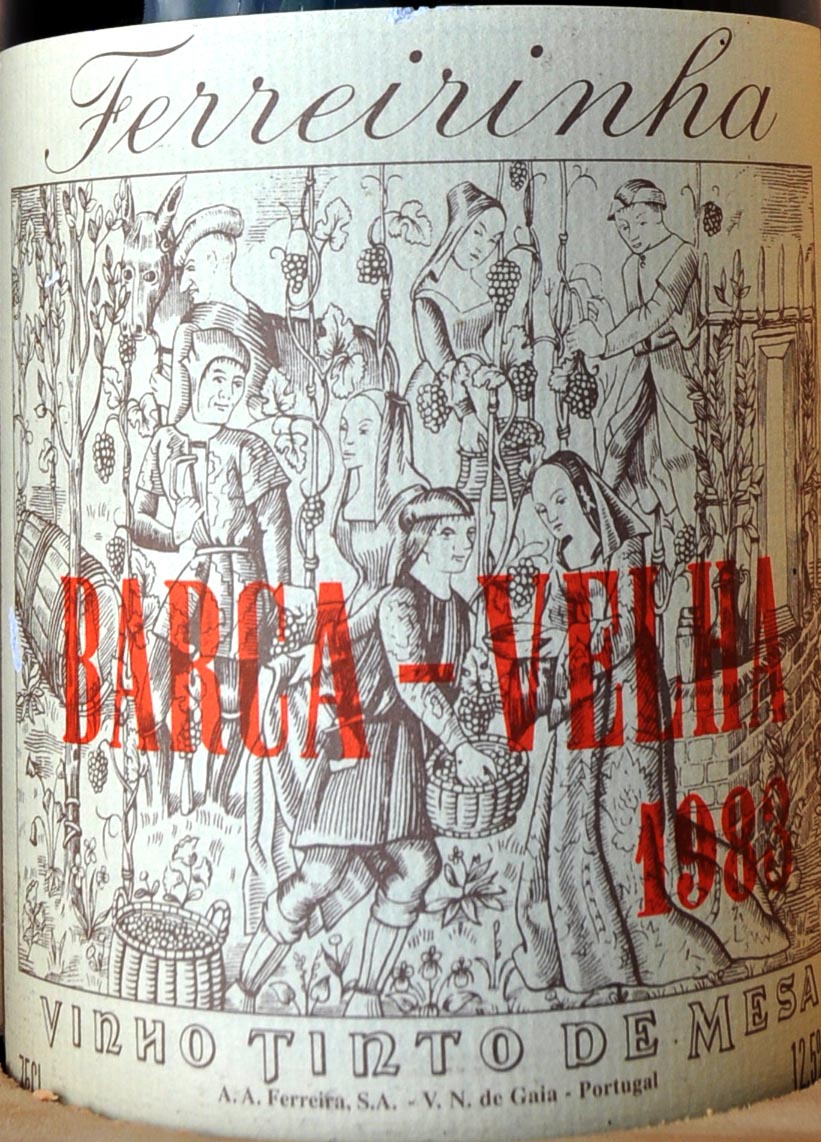
Barca Velha is a mythical wine, the first Portuguese table wine to acquire an international reputation. Fernando Nicolau de Almeida, Casa Ferreirinha’s enologist, adapted the techniques used to produce vintage ports to make superlative table wine. After years of experimentation, he produced the first Barca Velha in 1952 with grapes from a vineyard planted by Dona Antónia Ferreira.

Since then, Barca Velha has been produced only 12 times, when the sun and the clouds joined forces to create exceptional grapes.

How did Nicolau de Almeida decide whether a vintage merited the Barca Velha name?  He relied on his wife. He took an unlabeled bottle home to share with her at dinner. If they finished the bottle by the end of the meal, the vintage was a Barca Velha.

Two Port wine stories

The first story is about the death of Dona Antónia Ferreira’s grandfather. He had a chance encounter with Napoleon’s troops and, eager to show off, addressed the soldiers in impeccable French. The soldiers assumed that he was a deserter from the French army and shot him.

The second story is about Admiral Horatio Nelson. Nelson drank port while he devised his strategy for the battle of Trafalgar. According to legend, he dipped his finger in port wine to draw a map of the fleet positions he later used.

Some might infer from these stories that in times of danger it is a good idea to drink port and a bad idea to speak French. But the lessons from history are always subjective.

Ferreirinha

Dona Antónia Ferreira lived in turbulent times. She was born in 1811, the year in which Napoleon’s troops finally retreated from Portugal. When she inherited her grandfather’s wine business, another enemy came: the phylloxera epidemic.

Dona Antónia hired thousands of workers to graft her vines into the roots of American vines resistant to the pest. And it worked!

She went on to produce great port wines, plant new vineyards, and make a fortune. She used some of her wealth to endow schools and hospitals, earning the nickname Ferreirinha (little Ferreira) for her generosity.

In 1987, her descendants sold her company to Sogrape, another wine maker. But the brand Casa Ferreirinha endures as a symbol of quality. So, if you see a Ferreirinha bottle in your wine shop, take it home. And make a toast to Dona Antónia who believed that one can plant the seeds of prosperity during hard times.